

Last updated October 9, 2026
Free in-home measure and quote - PGT, CGI and CWS impact lines compared on your actual openings, style by style
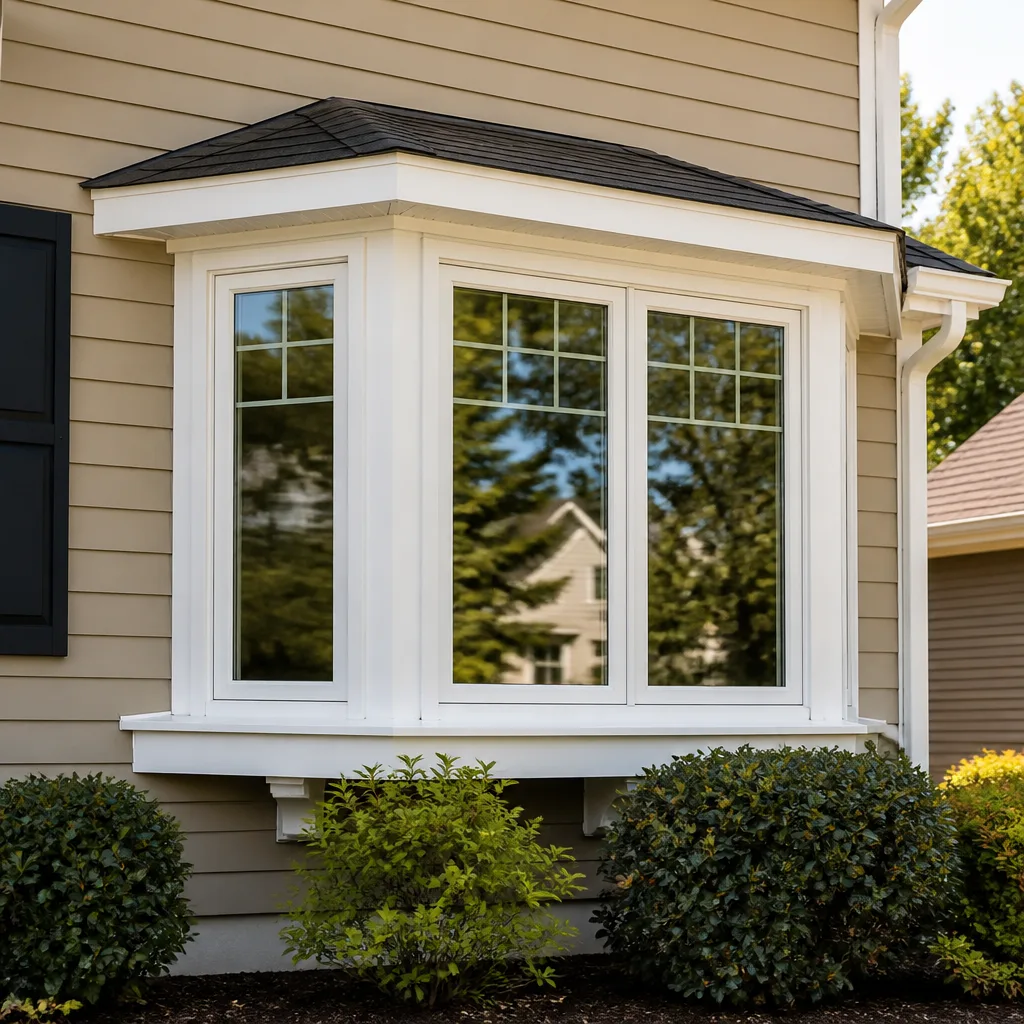
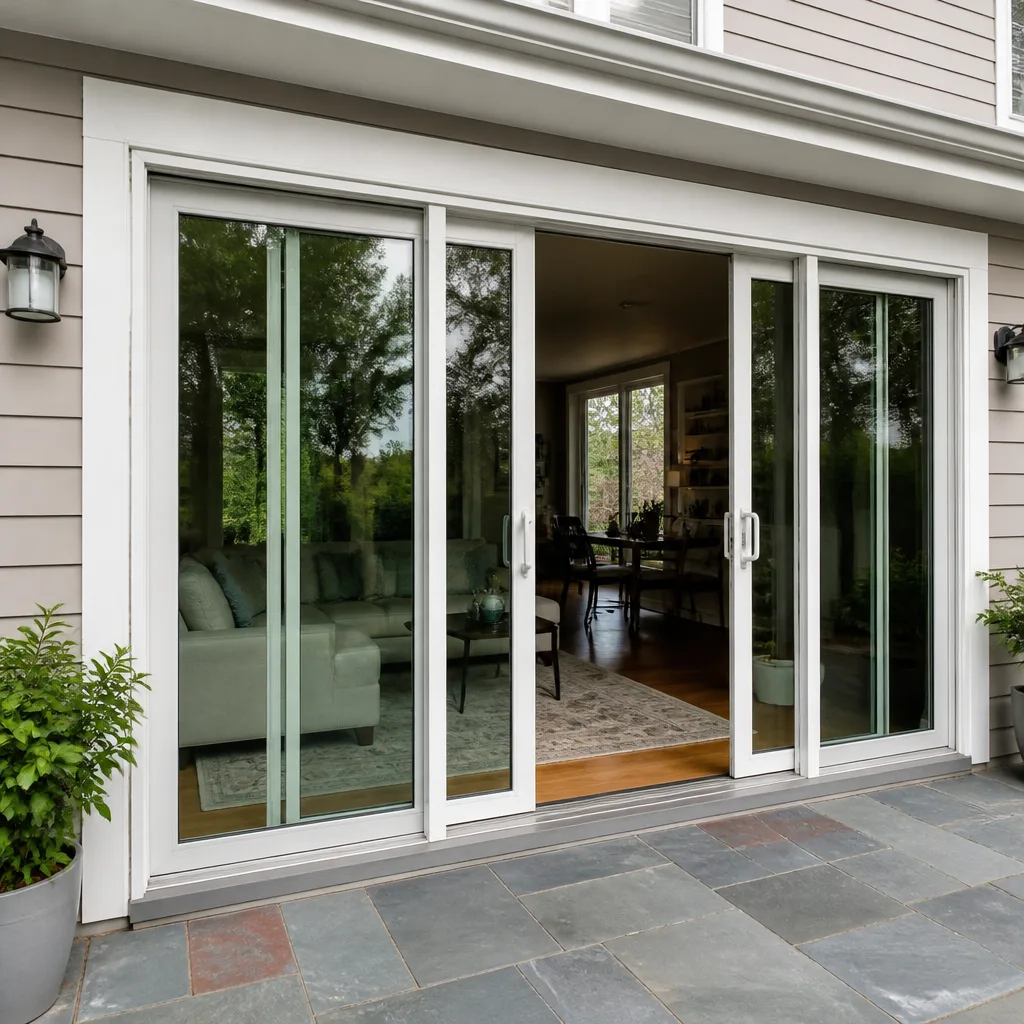
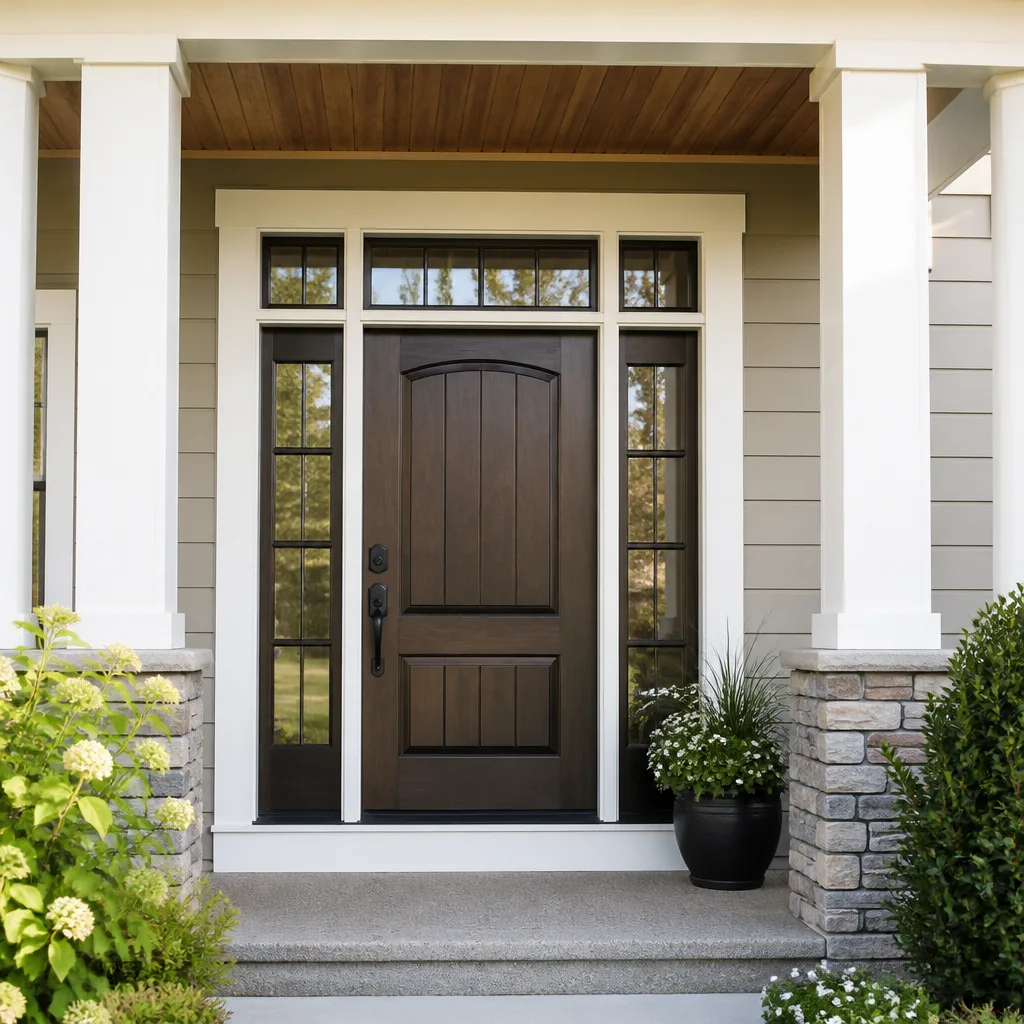
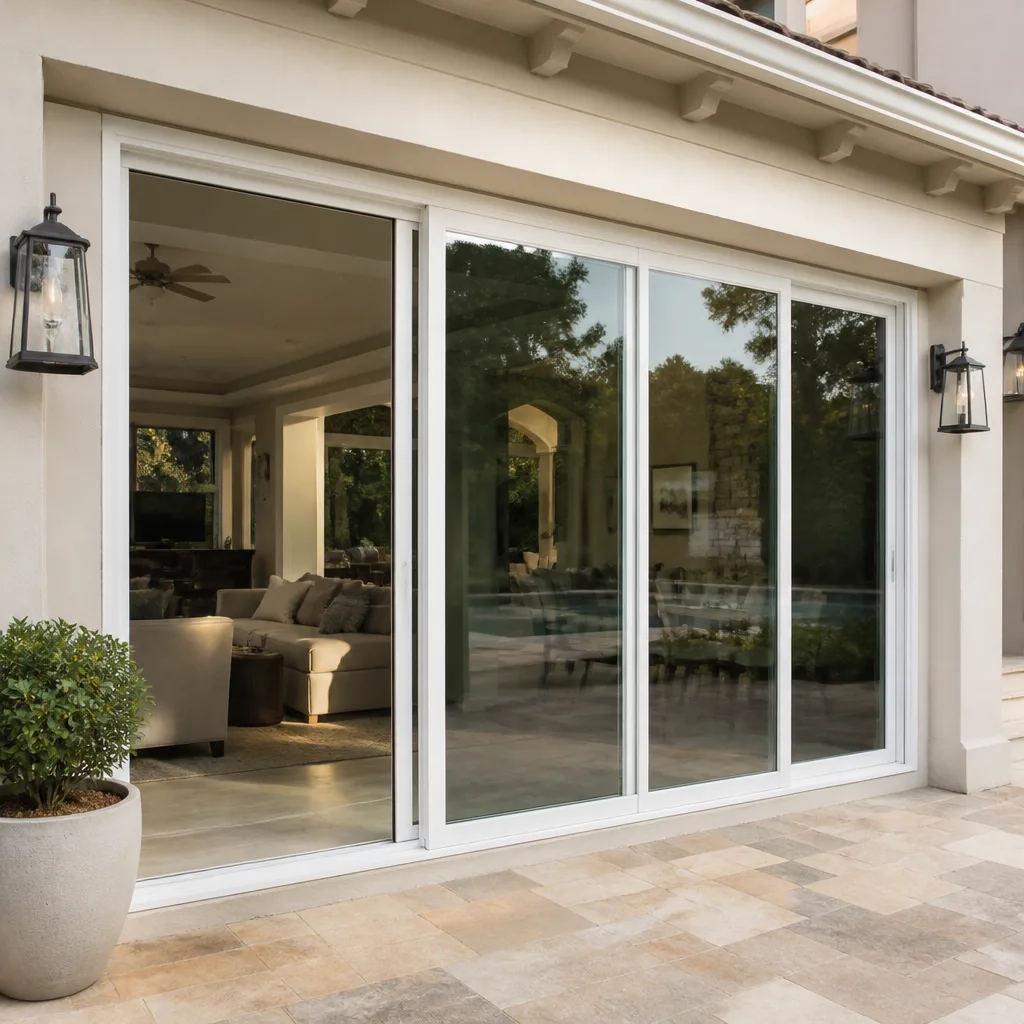
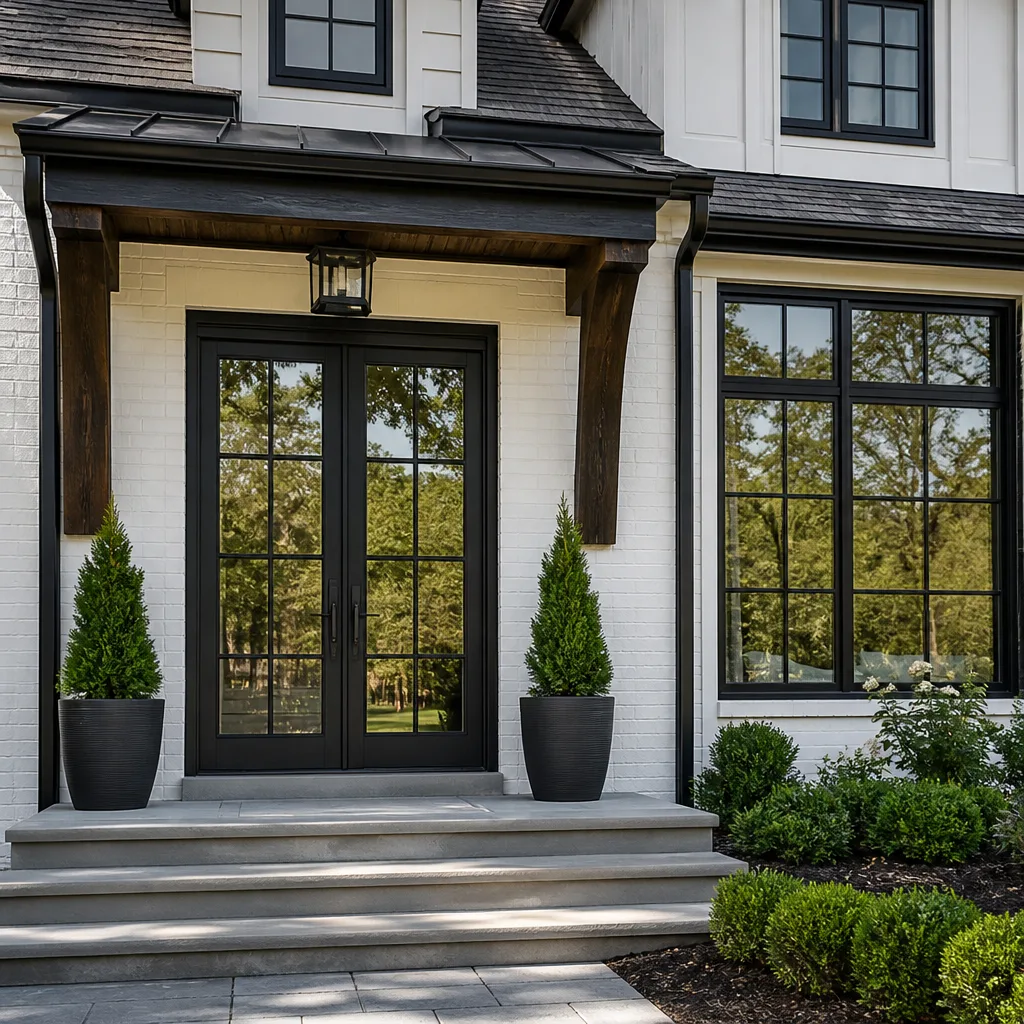
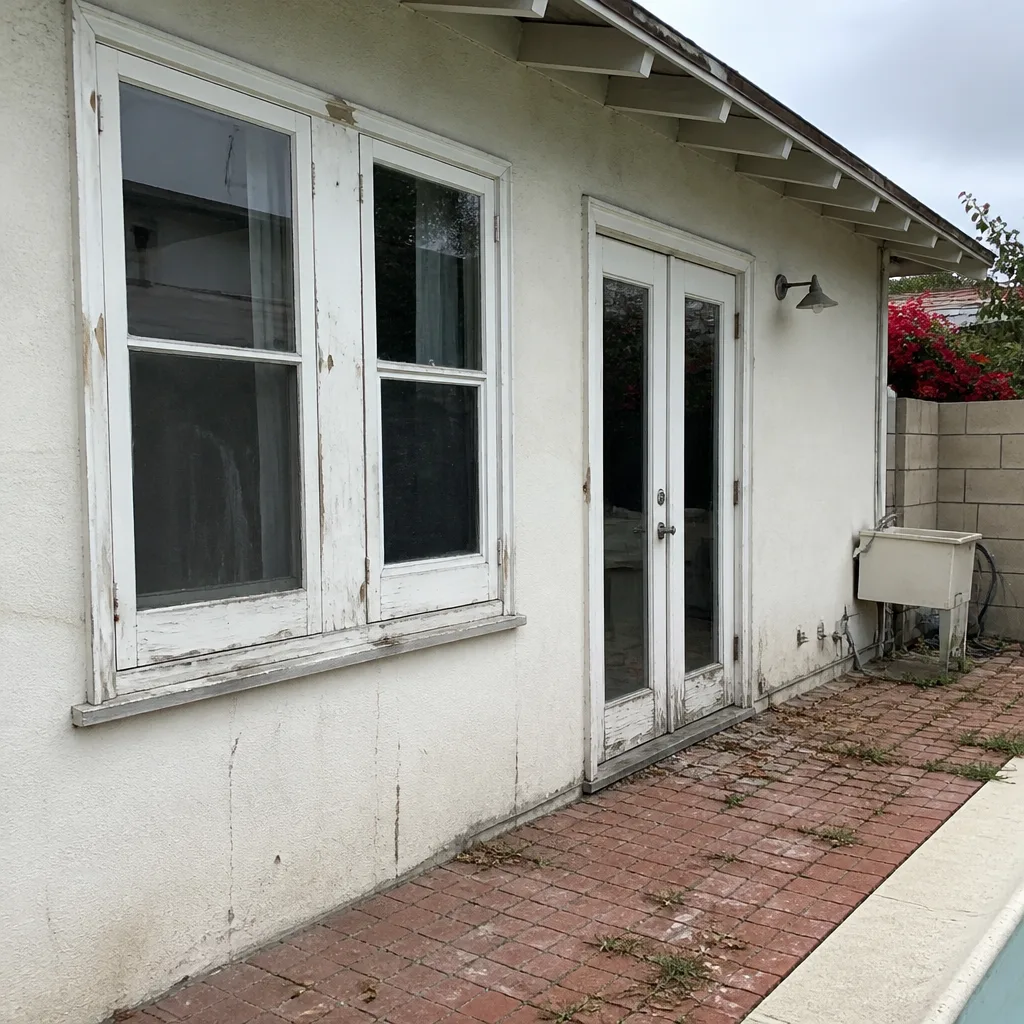 Before
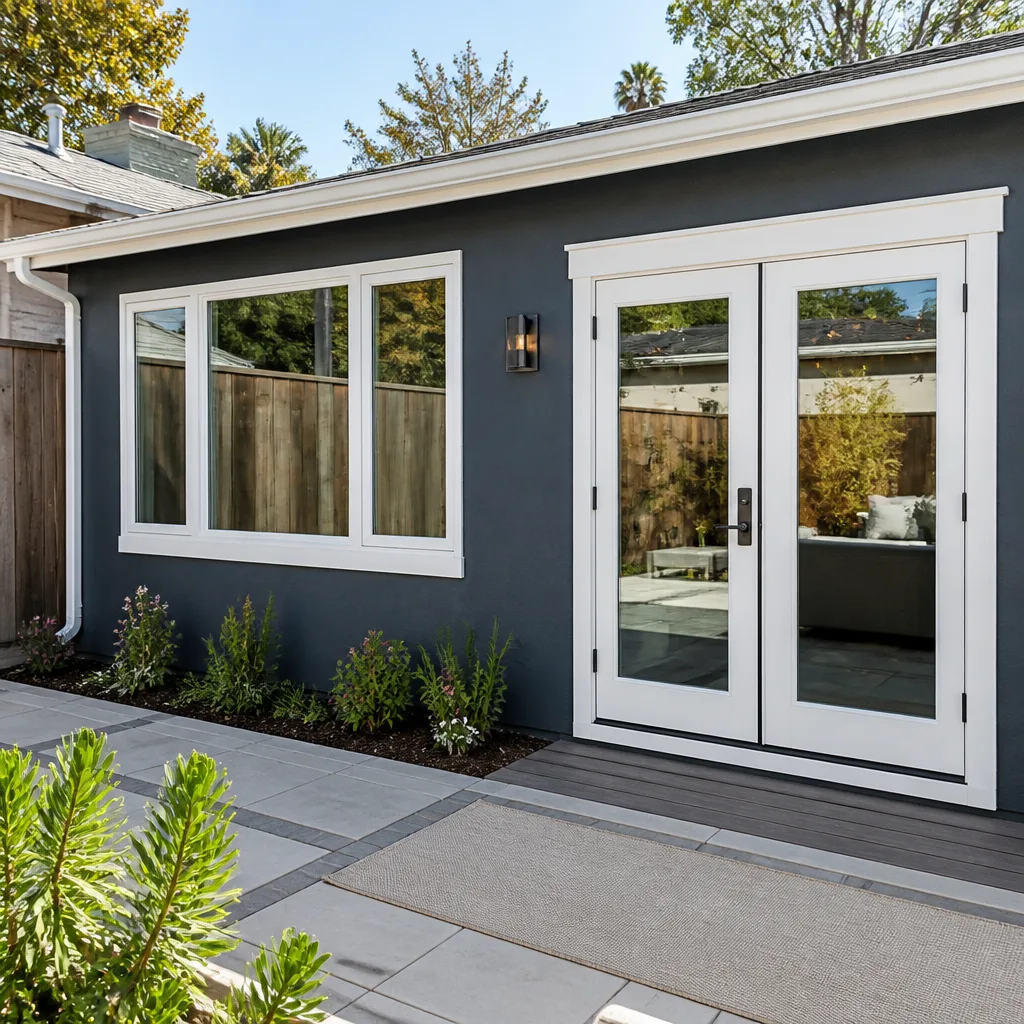 After
After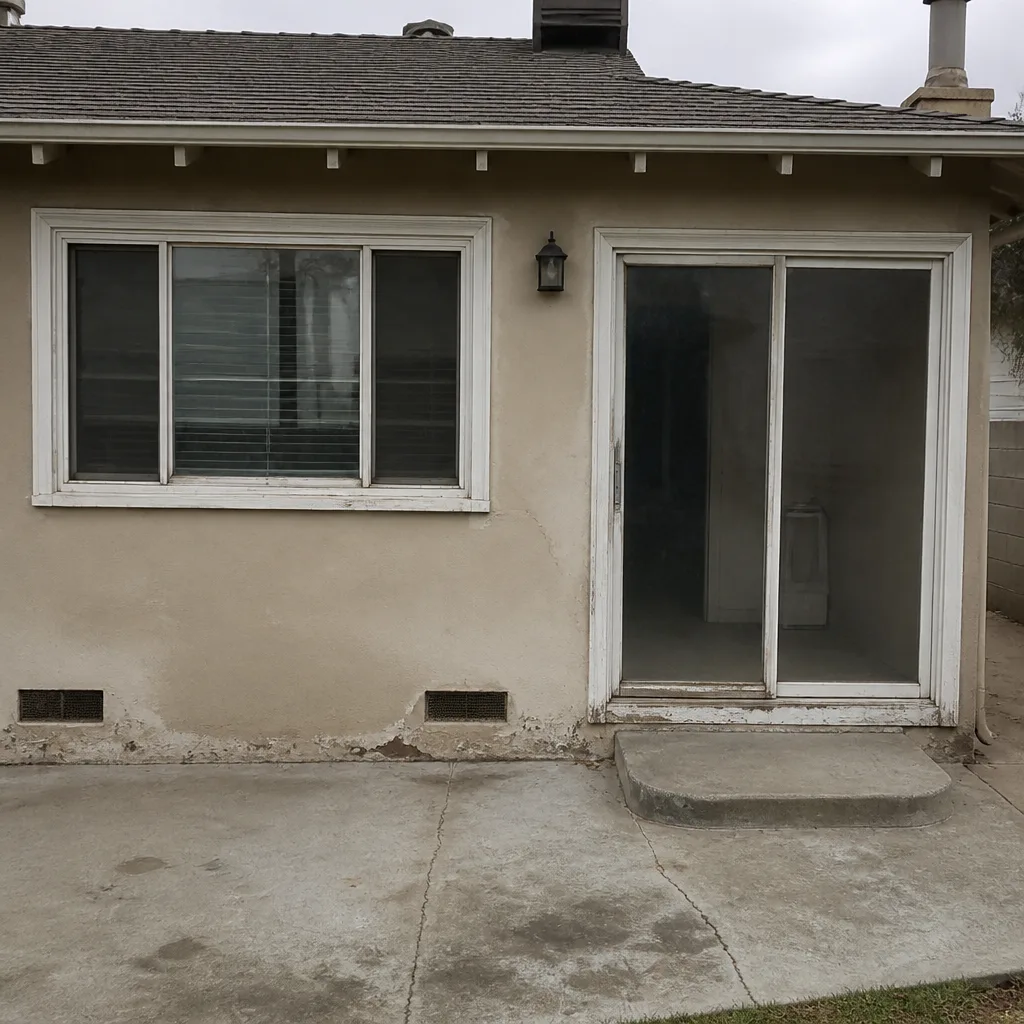 Before
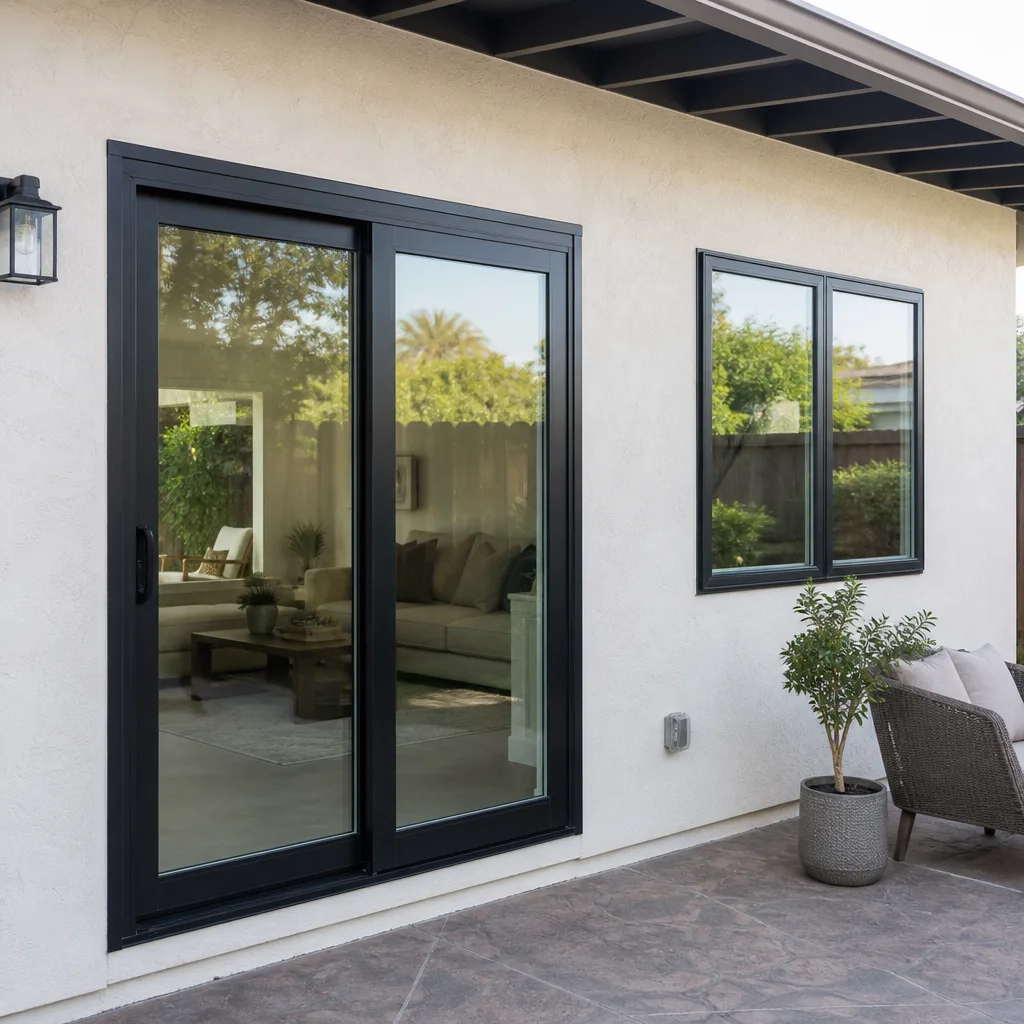 After
After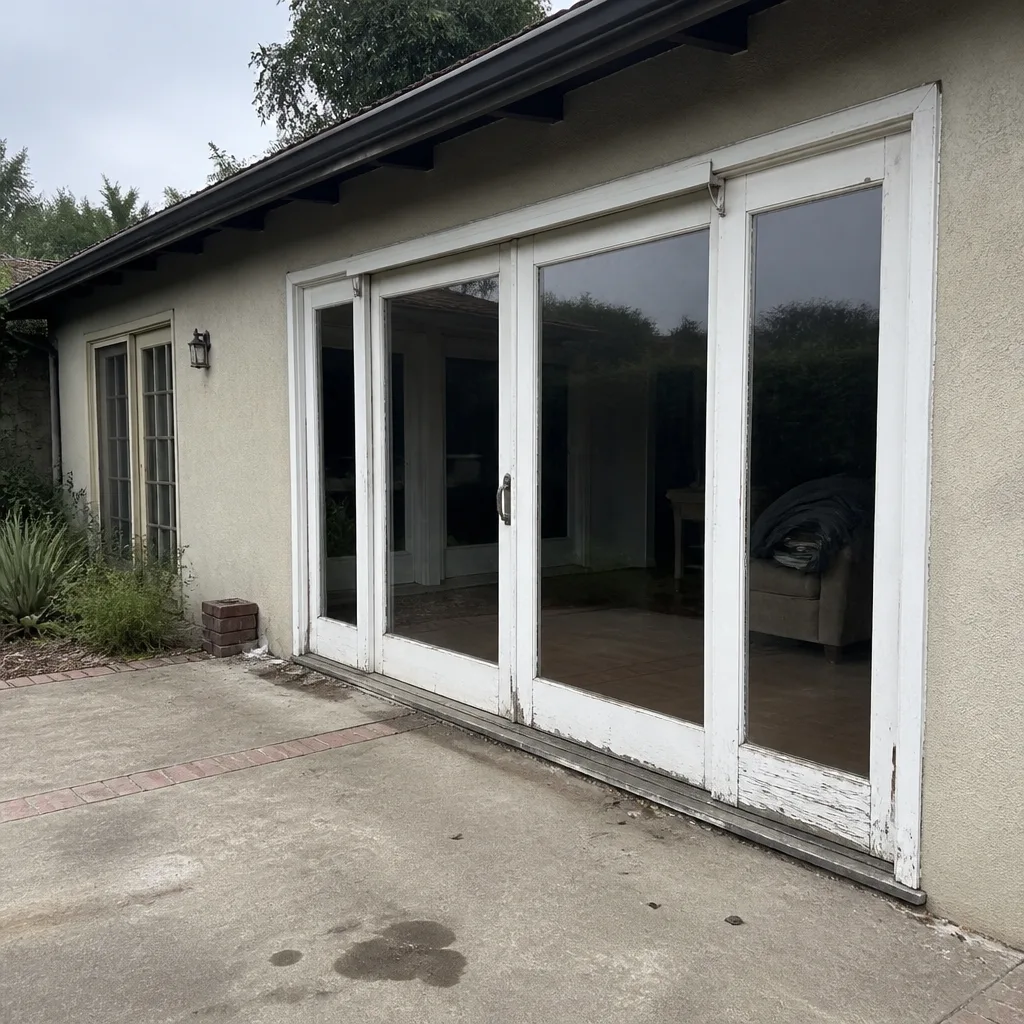 Before
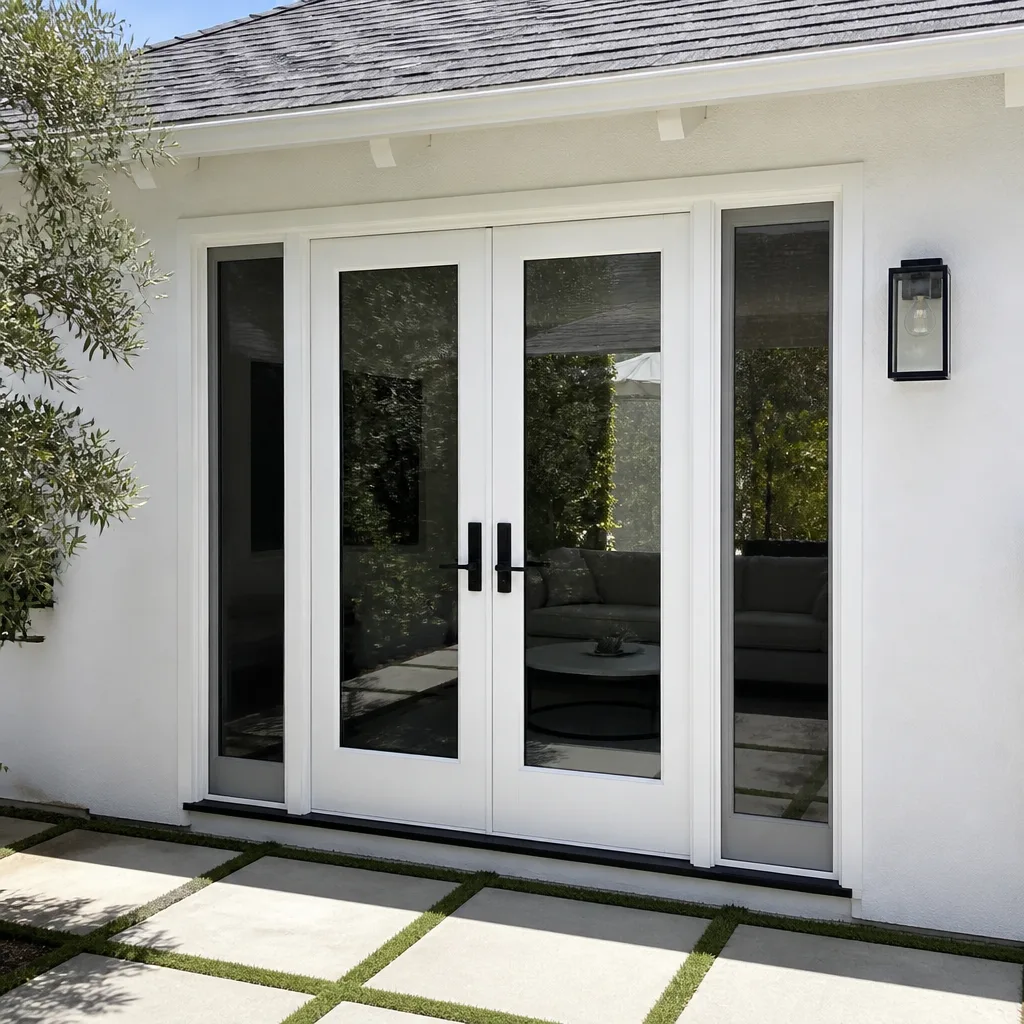 After
AfterSeasonal Windows & Doors Care for Los Angeles: Year-Round Homeowner’s Guide
The Santa Ana wind season, running roughly October through February, delivers gusts exceeding 60 mph in foothill communities like La Cañada Flintridge, Altadena, and Porter Ranch, and deposits abrasive particulate directly into window tracks and door hardware. That abrasion causes more premature hardware failure than any other single factor in the Los Angeles market. This guide replaces the standard spring/summer/fall/winter format with the climate rhythm Los Angeles actually has: Santa Ana winds, winter rain, the marine layer, and summer UV. For a deeper dive on timing, see our Window Installation Maintenance Schedule: What to Do and When. You’ll learn what to check, when to check it, and how to keep a maintenance record that holds up if a warranty claim ever lands on your desk.
Quick Answer
Los Angeles doesn’t have four seasons in the traditional sense, but it does have four distinct maintenance windows for windows and doors: pre-Santa Ana prep (September – October), post-rain inspection (January – March), marine-layer condensation checks (April – June), and summer UV inspection (June – August). Each season creates a specific failure mode. A one-hour inspection at the start of each period catches problems before they become structural repairs. Most maintenance is simple: clean tracks, check weatherstripping, torque hardware, and log what you find.
Table of Contents
- Pre-Santa Ana Prep: September and October
- Winter Rain Inspection: January Through March
- Marine Layer and Condensation: April Through June
- Summer UV and Seal Checks: June Through August
- How to Log Seasonal Inspections for Warranty Claims
- Los Angeles Material Choices That Reduce Maintenance
- What Seasonal Repairs Cost in Los Angeles
- Common Mistakes to Avoid
- When to Call a Professional
- Frequently Asked Questions
- The Bottom Line
Pre-Santa Ana Prep: September and October
The Santa Ana wind season is the single harshest stress test your windows and doors face in Los Angeles. Winds channel through the San Gabriel and Santa Monica mountain passes and can sustain 40 to 60 mph for hours at a time, with higher gusts in exposed foothill areas. The damage is rarely dramatic. It’s cumulative: fine grit works its way into window tracks, door rollers, and locking mechanisms, and each cycle of wind grinds that grit deeper into the hardware. By February, a patio door that slid smoothly in September binds and sticks.
Here’s what to do before the winds start:
- Clean every track with a dry brush and vacuum. Remove loose debris from window tracks, sliding door tracks, and door thresholds. Do not lubricate yet. Lubricant on a dirty track creates a grinding paste that accelerates wear.
- Inspect weatherstripping for compression and tears. Wind-driven dust finds every gap. Run your finger along the weatherstripping on the bottom of each window sash and the perimeter of each exterior door. If it’s flattened, cracked, or missing in any section, replace it before the wind season starts. On older wood windows, weatherstripping channels can warp, so check the channel itself isn’t pulling away from the frame.
- Torque-check all locking hardware. Use a screwdriver to tighten every visible screw on window locks, door handles, deadbolts, and hinge plates. Loose hardware under wind load gets levered back and forth, and that’s when screws strip out of the frame. A stripped screw in a fiberglass door jamb is a much bigger repair than a 60-second torque check.
- Close and lock every window and door, then run the back of your hand along the interior perimeter of each. If you feel air movement on a calm day, the wind will find it. Mark every leak with painter’s tape so you know exactly where the gaps are.
This is maintenance any homeowner can do. It takes about an hour for a typical 3-bedroom house. If you find a track that’s bent, a roller that’s seized, or hardware that’s stripped out, that’s the point where you call for a repair estimate or check our Window Installation Troubleshooting: Common Problems and How to Fix Them, not a DIY fix. The wind will punish anything already weak.
Winter Rain Inspection: January Through March
Los Angeles rain comes in bursts, not a steady drizzle. A single atmospheric river can drop two to four inches in 24 hours, and that intensity exposes weaknesses that a light rain never would. The failure mode most homeowners miss is at the sill pan, the sloped channel built into the bottom of a window or door frame that’s designed to direct water away from the interior. If the sill pan’s weep holes are clogged or the exterior caulk is cracked, water doesn’t drain out. It pools, then migrates backward into the wall cavity, under the flooring, and into the drywall.
Run this inspection after every major rain event, not just once a season:
- Look for water staining at the interior corners of every window and door. Start at the floor line and work upward. Discoloration, bubbling paint, or soft drywall means water is already getting in, even if you never saw a drop on the floor.
- Check the weep holes on the exterior bottom edge of every window and door frame. These small slots are the drainage path. In Los Angeles, they clog with wind-blown dust, spider webs, and debris. Use a stiff wire or small flathead screwdriver to clear them. Do it gently; the metal or vinyl around the weep hole is easy to gouge.
- Run your finger along the exterior caulk line, top to bottom, on both sides. Caulk should feel flexible, not chalky or cracked. In Los Angeles, UV exposure combined with temperature swings from 40°F winter nights to 80°F winter days causes caulk to shrink and pull away from the frame faster than in more temperate climates. A shrinkage crack as thin as a credit card is a water entry point. Re-caulk anywhere the bead has separated.
- Open every window and door and check the sill for pooled water. If water is sitting in the sill track after the rain has stopped, the drainage path is blocked somewhere. That water is finding a way inside, even if you can’t see it yet.
Water infiltration is the most expensive category of window and door repair in the Los Angeles market because by the time it’s visible on the interior, the damage is already done: rotted subfloor, mold behind baseboards, compromised framing. Learn to spot trouble early with our Window Installation Warning Signs Every Homeowner Should Know. The inspection above takes 20 minutes. The repair costs thousands.
Marine Layer and Condensation: April Through June
The May Gray and June Gloom period along the Los Angeles coast, from Pacific Palisades through San Pedro and across the South Bay, brings a specific failure signal: condensation between the panes of a double-pane window. This isn’t surface fog you can wipe away. It’s moisture trapped inside the sealed unit, and it means the seal has failed.
Here’s why this happens in Los Angeles specifically: the marine layer keeps exterior temperatures cool and the air saturated with moisture while interior temperatures stay 20 to 30 degrees warmer. That temperature gradient puts constant pressure on the sealant around the spacer bar between the glass panes. Seals that have been stressed by years of summer heat expansion fail under that pressure, and once the seal is gone, the argon or krypton gas that gives the window its insulating value leaks out and moist air leaks in.
The repair vs. replace decision breaks down like this:
- Seal failure with no visible moisture or fog: you have time. The window loses some insulating value, but it’s not an emergency. Start budgeting for replacement.
- Intermittent fog that comes and goes with weather changes: the seal has completely failed. The window’s energy performance is compromised. Most manufacturers consider this a warranty condition if the window is younger than 10 years, though warranty terms vary widely by brand. Check your paperwork.
- Permanent condensation or mineral deposits on the interior glass surface: the unit has been failed for a long time. Mineral deposits mean water has been evaporating inside the unit repeatedly. Replacement is the only fix, because the glass itself is permanently etched.
Most double-pane seal failures require full sash or full window replacement, not a glass-only swap. The glass unit can sometimes be replaced if the frame is in good condition and the window is a standard size, but for custom sizes or older frames, full replacement is typically more cost-effective over the life of the window. A window replacement in Los Angeles runs $600 to $1,400 per window for standard vinyl units, installed, with higher-end materials and custom sizes pushing that range upward.
Summer UV and Seal Checks: June Through August
Los Angeles summer UV is not gentle. The city averages 284 sunny days per year, and the inland valleys, the San Fernando Valley, the San Gabriel Valley, and the Inland Empire reach sustained summer temperatures in the 90s and 100s. UV radiation at this intensity breaks down two things on your windows and doors that you should check every summer: screen mesh and exterior caulk.
Screen mesh, whether fiberglass or aluminum, embrittles under prolonged UV exposure. Fiberglass mesh loses its flexibility and becomes brittle enough to tear with light pressure. Aluminum mesh corrodes, especially in coastal neighborhoods within five miles of the ocean where salt air accelerates oxidation. A screen that tears easily or has visible darkening and stiffness has reached the end of its service life. Replacement screens run $40 to $120 per window, depending on size and frame type, which is cheap compared to the cost of replacing a window frame damaged by someone forcing a sagging screen back into place.
Exterior caulk checks are equally important in summer. The caulk around your window and door frames expands and contracts with every temperature cycle. Over a Los Angeles summer, that’s a 30 to 40 degree swing from overnight to mid-afternoon, repeated daily for months. The caulk shrinks during cool nights and stretches during hot days, and inevitably pulls away from the frame in spots. That separation is invisible from the ground and requires a close look.
- Inspect every exterior caulk joint on a sunny day. The light will show hairline cracks and separation that shade hides.
- Press your fingernail into the caulk bead. It should dent and rebound. If it cracks or flakes, it’s oxidized and needs replacement.
- Pay special attention to the top corners of windows and doors. These areas get the most direct sun and the most expansion stress.
- Re-caulk any failed joints with a polyurethane or silicone-based exterior caulk rated for UV exposure. Do not caulk over old, failed caulk. Remove the old bead completely first.
We stock and install products from CWS and ECO Window Systems, among others, because both lines hold up well in high-UV climates when properly maintained. The right material makes the annual maintenance cycle easier, not harder.
How to Log Seasonal Inspections for Warranty Claims
Warranty claims on windows and doors, whether from the manufacturer or the installer, often fail not because the claim is invalid but because the homeowner can’t prove the product was maintained. A clear, dated maintenance log changes that. It shows a pattern of care and makes it much harder for a warranty department to deny a claim on maintenance-grounds.
Here’s the log format we recommend. You can keep it in a notebook, a spreadsheet, or a notes app on your phone. The format matters less than the consistency.
- Date and season. Log every inspection, even the ones where you find nothing.
- What you checked. Track cleaning, weatherstripping, hardware torque, weep holes, caulk, screens, and condensation.
- What you found. Be specific. “Master bedroom window, lower left corner, caulk separated 1 inch” is far more useful than “some caulk issues.”
- What you did. Replaced weatherstripping, re-caulked, cleaned tracks, cleared weep holes. Include the product brand and color if you’re re-caulking, so you know what to buy next time.
- Photos. Take a photo of any issue before and after you fix it. Date-stamp the photos. This is the single strongest evidence in a disputed warranty claim.
If you have windows or doors installed by Meridian Windows & Doors, your installation is covered by our written 365-Day Done Right Promise. If something fails within that period, we come back at no charge and make it right. A maintenance log doesn’t extend that coverage, but it documents that you held up your end of the bargain, which keeps the process clean and fast if a claim ever comes up.
Los Angeles Material Choices That Reduce Maintenance
The material you choose for replacement windows and doors has a direct effect on how much seasonal maintenance you’ll do for the next 20 years. In Los Angeles, the two biggest environmental stressors are UV and dry heat, not cold or snow. That changes the calculation.
Vinyl is the most common window material in Los Angeles and for good reason. It’s low-maintenance, won’t rot, and modern formulations hold up well to UV. The tradeoff is that darker vinyl colors absorb more heat and can warp in sustained high temperatures, so light to medium colors are the better choice for sun-exposed walls. Fiberglass expands and contracts at nearly the same rate as glass, which means less stress on the seals and less seal failure over time. It costs more than vinyl but produces fewer condensation problems in the long run. Aluminum is strong and great for large openings, but it conducts heat and can produce interior condensation in winter in coastal zones. If you choose aluminum, look for a thermal break, an insulating barrier inside the frame that reduces heat transfer. Wood windows are beautiful and historically appropriate for many older Los Angeles homes, but they require the most maintenance in this climate: resealing and repainting every five to seven years, more often on sun-exposed elevations, and they need consistent caulk maintenance to prevent dry rot.
Low-E glass, a thin coating that reflects heat while letting light through, is worth the upgrade in Los Angeles. It reduces solar heat gain in summer, cuts UV damage to interior furnishings, and reduces condensation. Most replacement windows sold for the Los Angeles market now include low-E glass as the standard or near-standard option.
We’ll walk you through these tradeoffs specifically for your house, your sun exposure, and your budget when you call for an estimate, or explore more guides & resources in the meantime. The right window for a north-facing bedroom in Silver Lake is different from the right window for a west-facing living room in Woodland Hills, and that specification work is exactly where the value of a real consult shows up. A meridian is a fixed line you measure everything against, and that’s how we approach every installation: you pick the product, we write the price down before any work starts, and the warranty is on paper.
What Seasonal Repairs Cost in Los Angeles
Here’s a realistic picture of what common seasonal window and door repairs cost in the Los Angeles market. These are ranges based on what we see across the metro area, from the Westside to the Valley to the South Bay:
| Repair Type | Typical Cost Range | When It’s Needed |
|---|---|---|
| Weatherstripping replacement (per window or door) | $60 – $150 | Pre-Santa Ana, when air leaks are found |
| Sliding door roller replacement | $150 – $300 | When door binds or drags after wind season |
| Caulk removal and replacement (per window or door) | $80 – $200 | Post-rain, when shrinkage cracks are found |
| Weep hole clearing (per window or door) | $40 – $90 | Post-rain, when drainage is blocked |
| Screen replacement (per window, standard size) | $40 – $120 | Summer, when UV embrittlement is visible |
| Double-pane seal failure (full sash or window replacement) | $600 – $1,400 | Marine layer season, when condensation is visible |
| Window lock or hardware replacement | $50 – $180 | Pre-Santa Ana, when torque checks reveal stripped screws or broken components |
These ranges assume standard-sized, accessible windows and doors in typical Los Angeles construction. Custom sizes, second-story access, or homes with stucco or masonry that requires special fastening will push toward the upper end or beyond. Every estimate we provide at Meridian Windows & Doors is written down before work begins, and that number does not move at the door. The 365-Day Done Right Promise covers every repair and installation in writing: if it fails within a year, we come back at no charge. You can also review window installation details for Los Angeles to understand what to expect with a full install.
Common Mistakes to Avoid
- Lubricating dirty tracks. Spraying silicone or WD-40 into a track full of Santa Ana grit creates an abrasive paste that grinds the rollers and hardware down faster. Clean first, then lubricate sparingly with a dry silicone spray.
- Caulking over old caulk. New caulk won’t bond to oxidized, failed caulk. It peels in weeks and gives you a false sense of being protected. Remove the old bead completely, clean the joint, then apply fresh caulk.
- Ignoring interior condensation during the marine layer season. Homeowners in coastal Los Angeles neighborhoods often write it off as “just June Gloom.” Moisture between double panes is never normal. It means the seal is gone and the window’s insulating gas has escaped.
- Forcing a sticking door or window closed. If a door or window binds after wind season, the problem is likely a bent track or seized roller. Forcing it closed damages the frame and locking hardware and turns a $150 roller replacement into a $600 frame repair.
- Skipping the maintenance log. A warranty claim without documentation is an argument. A warranty claim with a dated, photographed maintenance record is a conversation that usually ends in your favor.
- Waiting until a leak shows on the interior. By the time water stains appear on drywall or baseboards, the damage inside the wall is already underway. The post-rain inspection catches problems at the sill pan before they reach the interior.
- Not checking weep holes at all. Weep holes are the most overlooked drainage component on Los Angeles windows and doors. They clog every wind season. If water can’t drain out, it drains in.
When to Call a Professional
Some of this maintenance is a Saturday morning job. Some of it is not. Call a professional if you find water staining on interior walls, ceilings, or flooring; if condensation between double panes is persistent and visible; if a window or door won’t lock properly even after you’ve torqued the hardware; if a sliding door has come off its track or drags badly; or if you see daylight through any gap in a closed window or door. These conditions mean the failure has moved beyond routine maintenance and into repair or replacement territory. Meridian Windows & Doors offers free estimates in Los Angeles. Call (817) 686-2228 and we’ll send a background-checked, uniformed technician to look at the problem and give you a written price before any work starts. If your situation involves patio door installation in Los Angeles, we’ll spec the right product from our manufacturer lines, PGT and Therma-Tru included, and write the full quote on paper.
Frequently Asked Questions
Clean window tracks at least twice a year, once in September before Santa Ana wind season and once in March after winter rain. In foothill communities like Pasadena, Altadena, and La Crescenta, wind-driven dust and debris builds up faster, and we recommend cleaning every three months during wind season. Clean tracks with a dry brush and vacuum before applying any lubricant.
No. Condensation on the interior surface of the glass is usually a humidity issue inside your home, not a window problem. Condensation between the panes of a double-pane window means the seal has failed and the gas has escaped. That requires replacement of the glass unit or the full sash. Call (817) 686-2228 for an inspection, and we’ll tell you which situation you have.
Weatherstripping replacement typically runs $60 to $150 per window or door, depending on the size and the type of weatherstripping. Some older Los Angeles homes with custom-sized wood windows require weatherstripping that must be special-ordered. Call (817) 686-2228 for an exact quote, estimates are free and the price is written down before work begins.
Inspect caulk every year in late spring or summer and replace where it’s cracked or separated. You don’t need to remove and reapply all of it every year, failed sections only. Exterior caulk in Los Angeles typically lasts three to five years on sun-exposed elevations and five to seven years on shaded elevations before it needs full replacement.
It depends on the warranty. Manufacturer warranties typically cover defects in materials and workmanship, not maintenance issues like caulk, weatherstripping, or track cleaning. Our work at Meridian Windows & Doors is covered by a written 365-Day Done Right Promise. If the installation fails within that year, we come back at no charge. A maintenance log with dates and photos strengthens your position on any warranty claim.
Not reliably. Once the seal is compromised, the insulating gas has escaped and moisture has entered the unit. Replacement of the glass unit is sometimes possible for standard-sized windows with good frames, but for most Los Angeles homes, a full replacement is more cost-effective. Call (817) 686-2228 and we’ll assess the window and give you a written price for both options.
The Bottom Line
Los Angeles weather doesn’t freeze your pipes, but it quietly works your windows and doors harder than most homeowners realize. Santa Ana winds grind grit into hardware. Winter rain finds every drainage failure. The marine layer exposes seal failures. Summer UV embrittles screens and oxidizes caulk. The countermeasure is a simple rhythm: two hours of inspection per season, a log you keep, and a willingness to call for help when you find something beyond a cleaning or caulking fix. Most failures are preventable with consistent attention. The ones that aren’t, the failed seals, the stripped hardware, the water-damaged sills, are exactly what we handle at Meridian Windows & Doors. Written pricing, a full-year guarantee in writing, and a live person on the phone when you call. The estimate is free. Reach us at (817) 686-2228 or learn more from our Meridian Windows & Doors home page.
Written by Elliot Vance, Owner at Meridian Windows & Doors, serving Los Angeles since 2009.