

Last updated October 9, 2026
Free in-home measure and quote - PGT, CGI and CWS impact lines compared on your actual openings, style by style
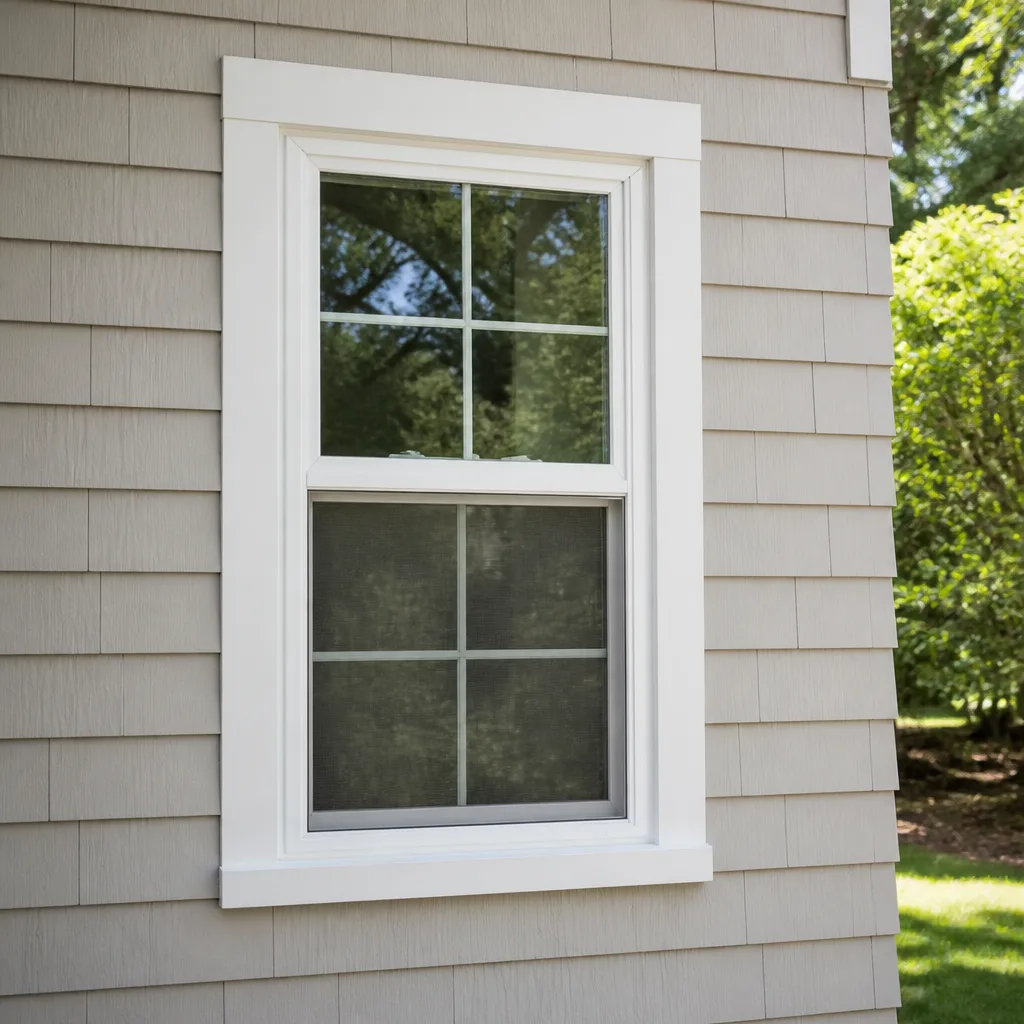
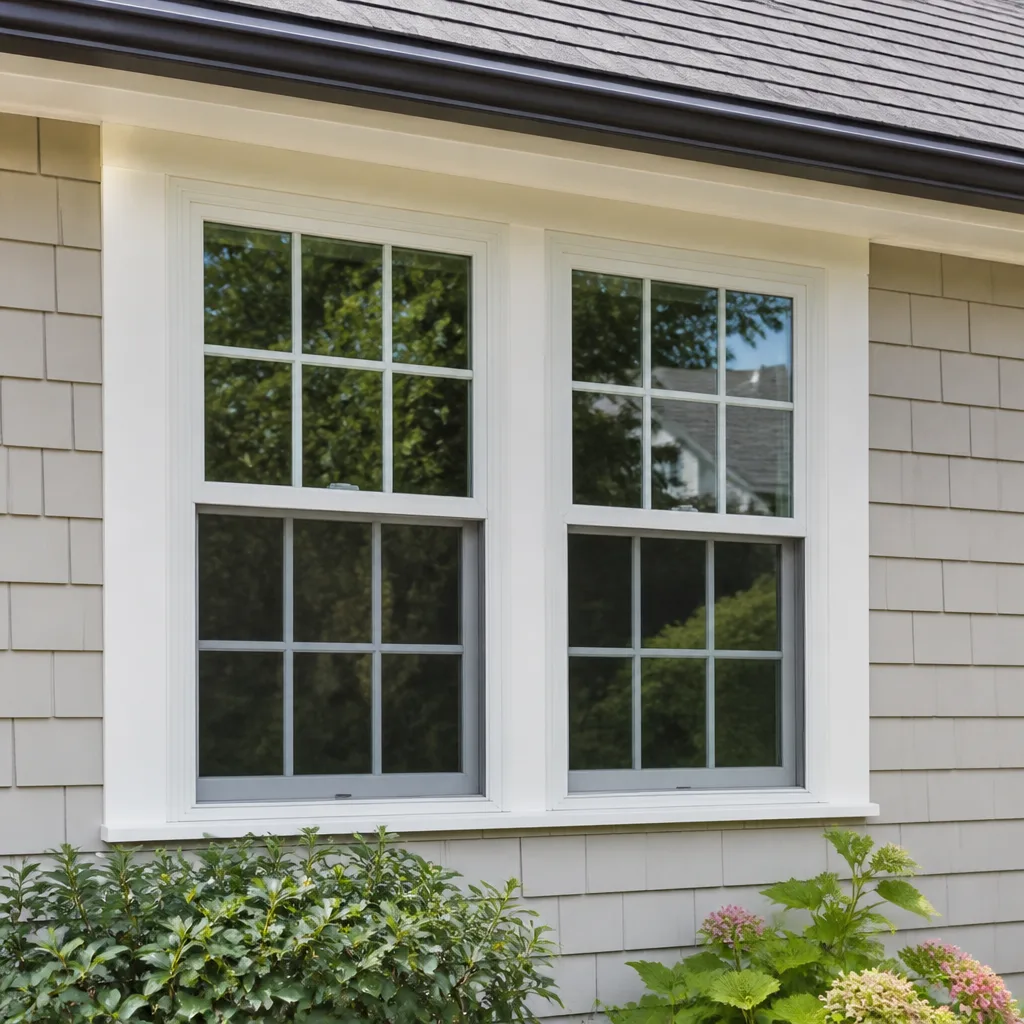
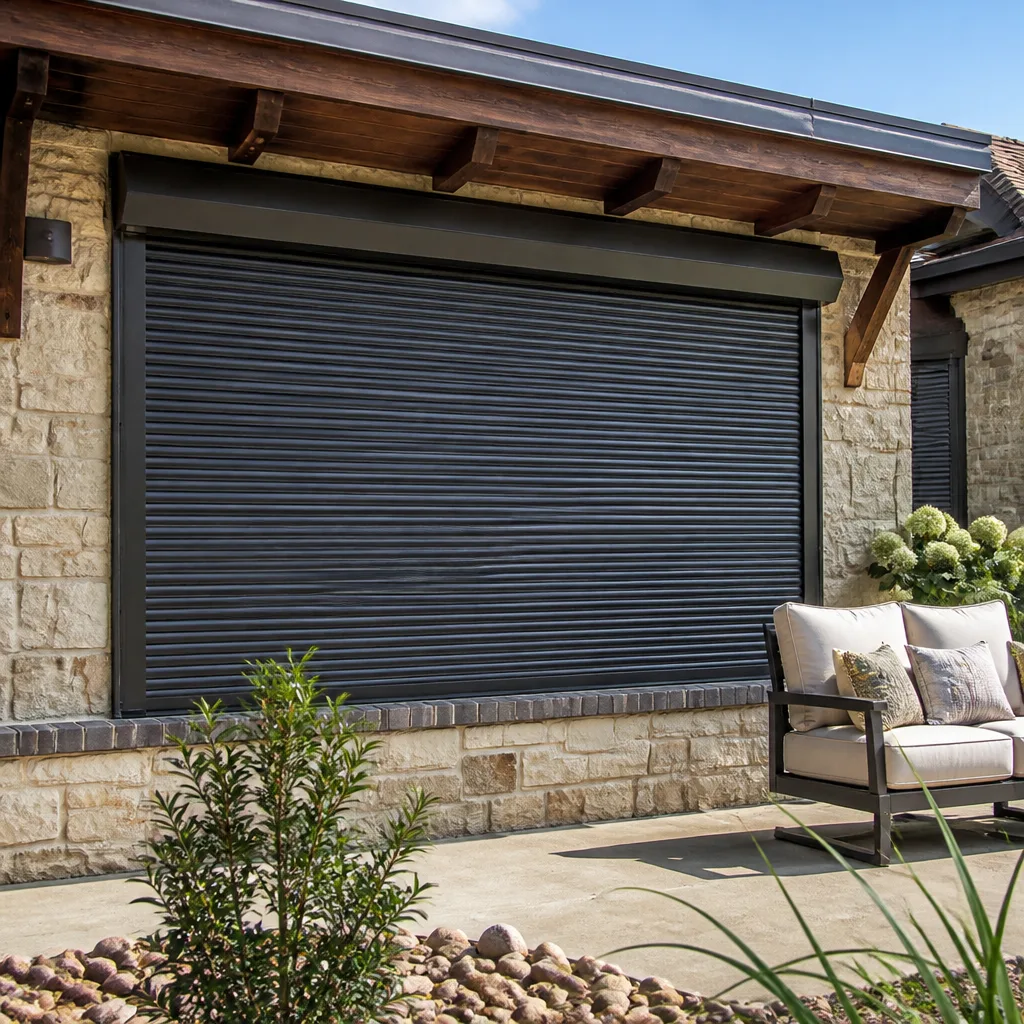
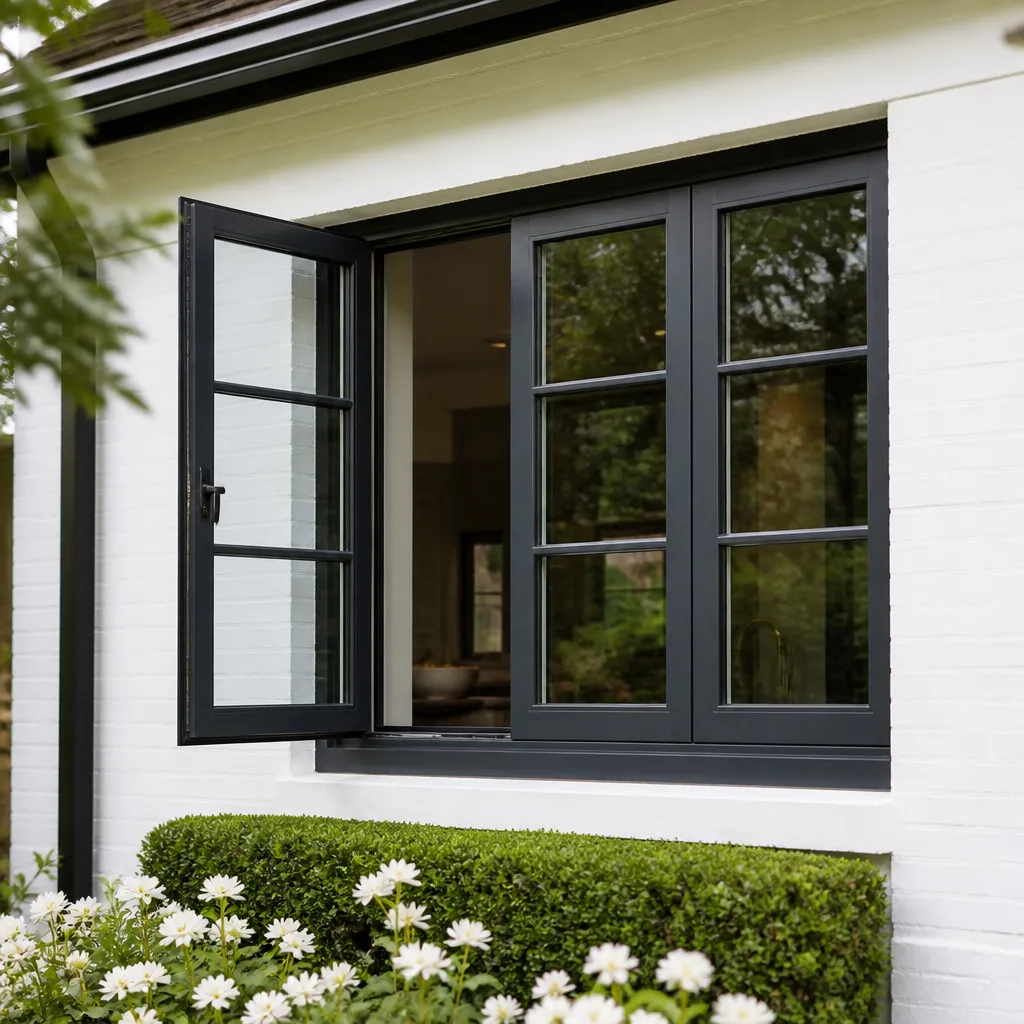
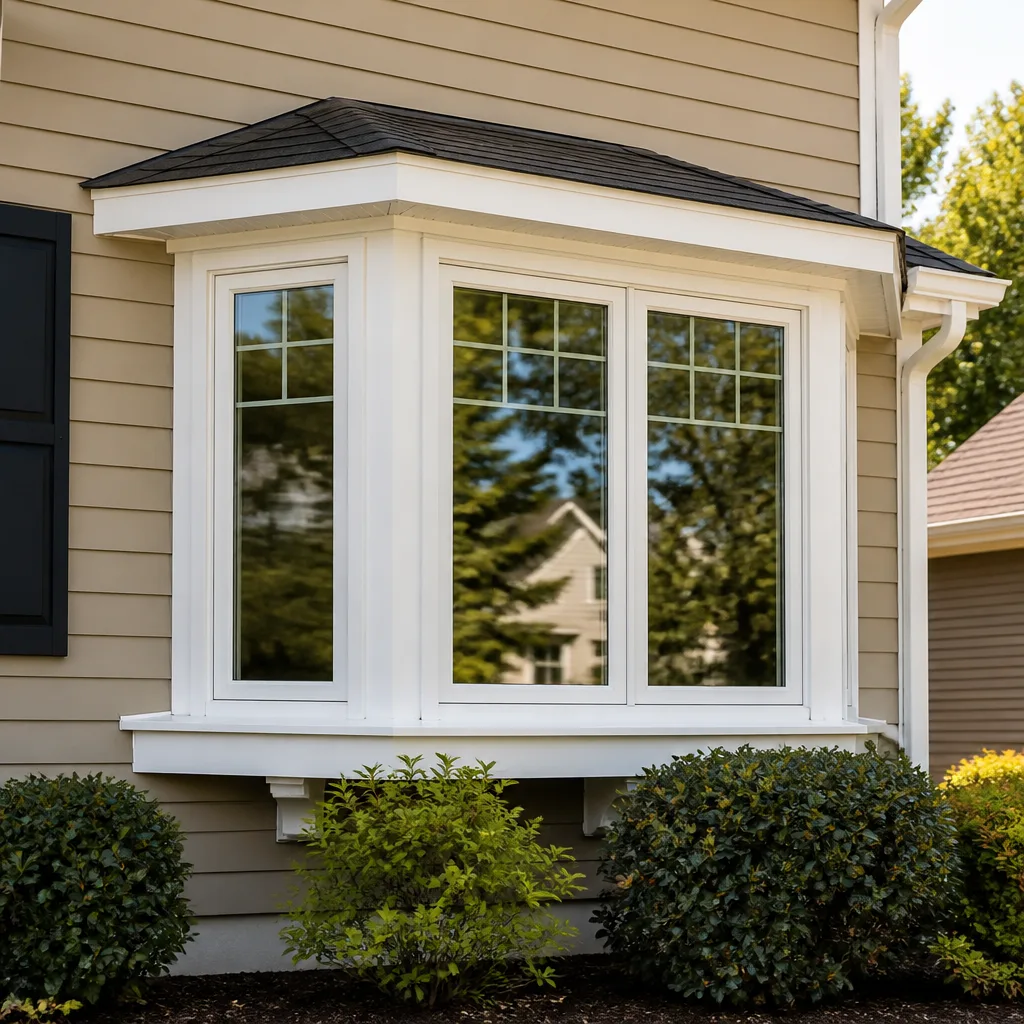
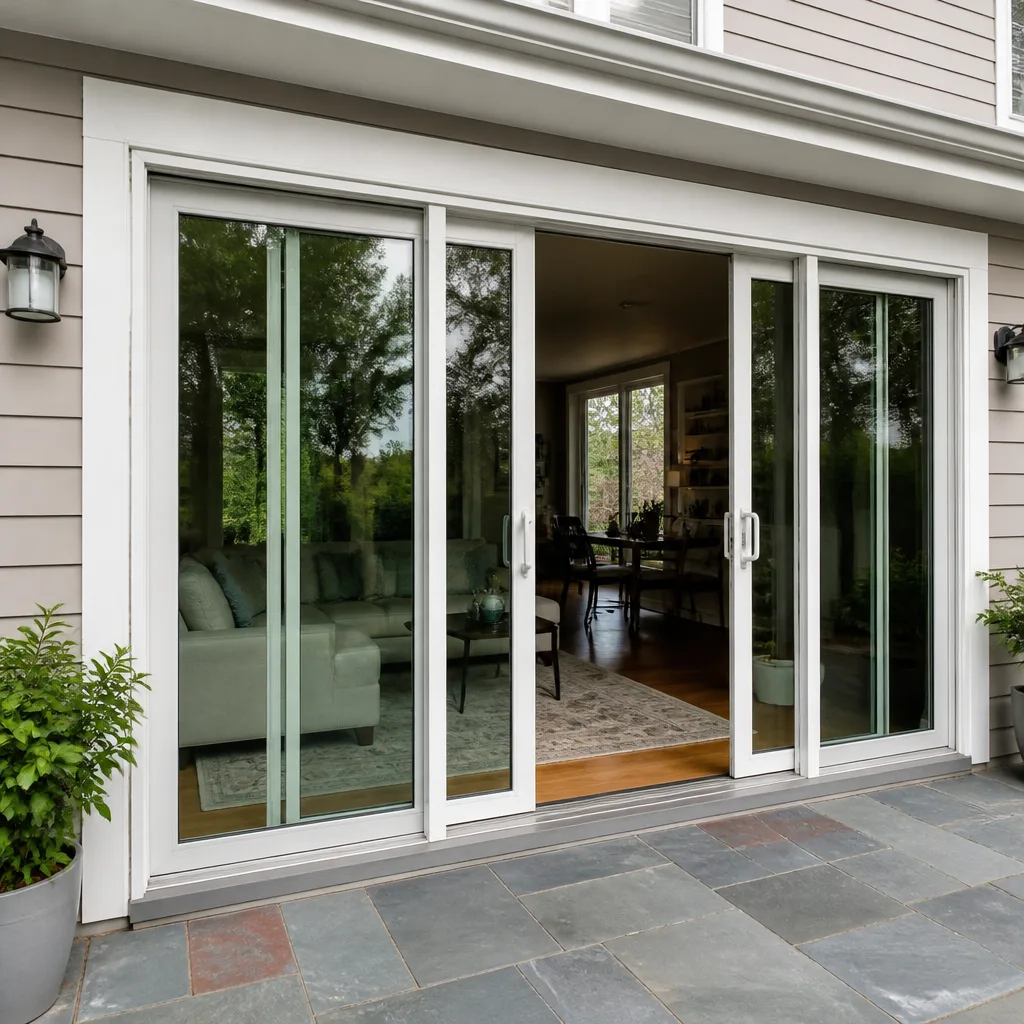
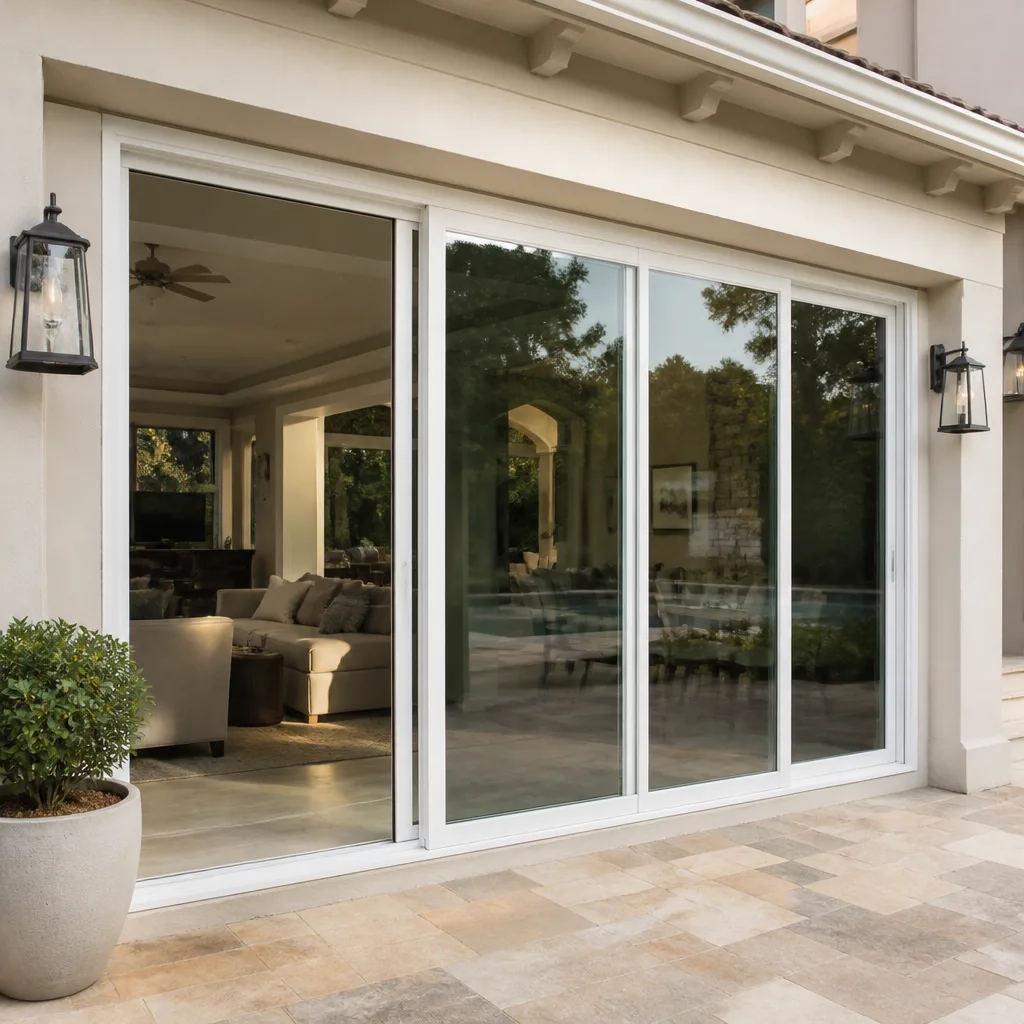
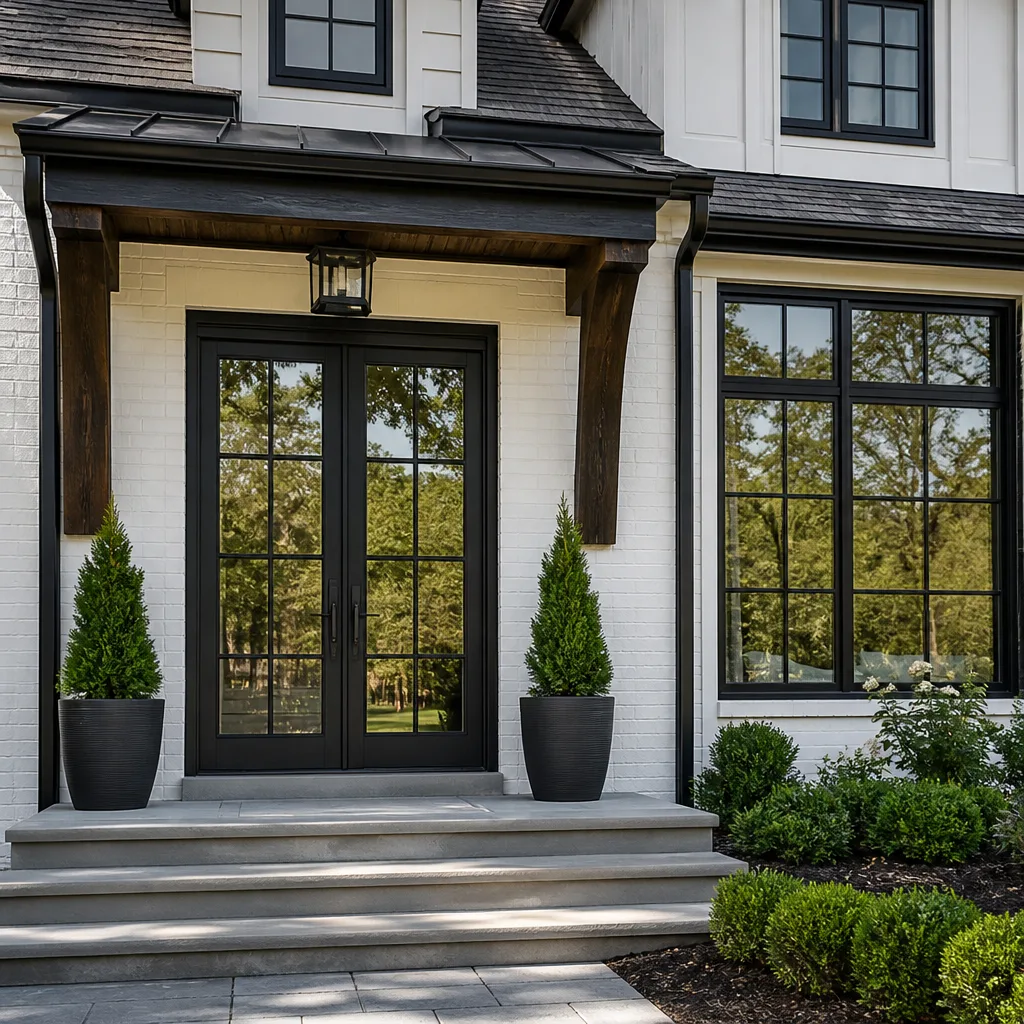
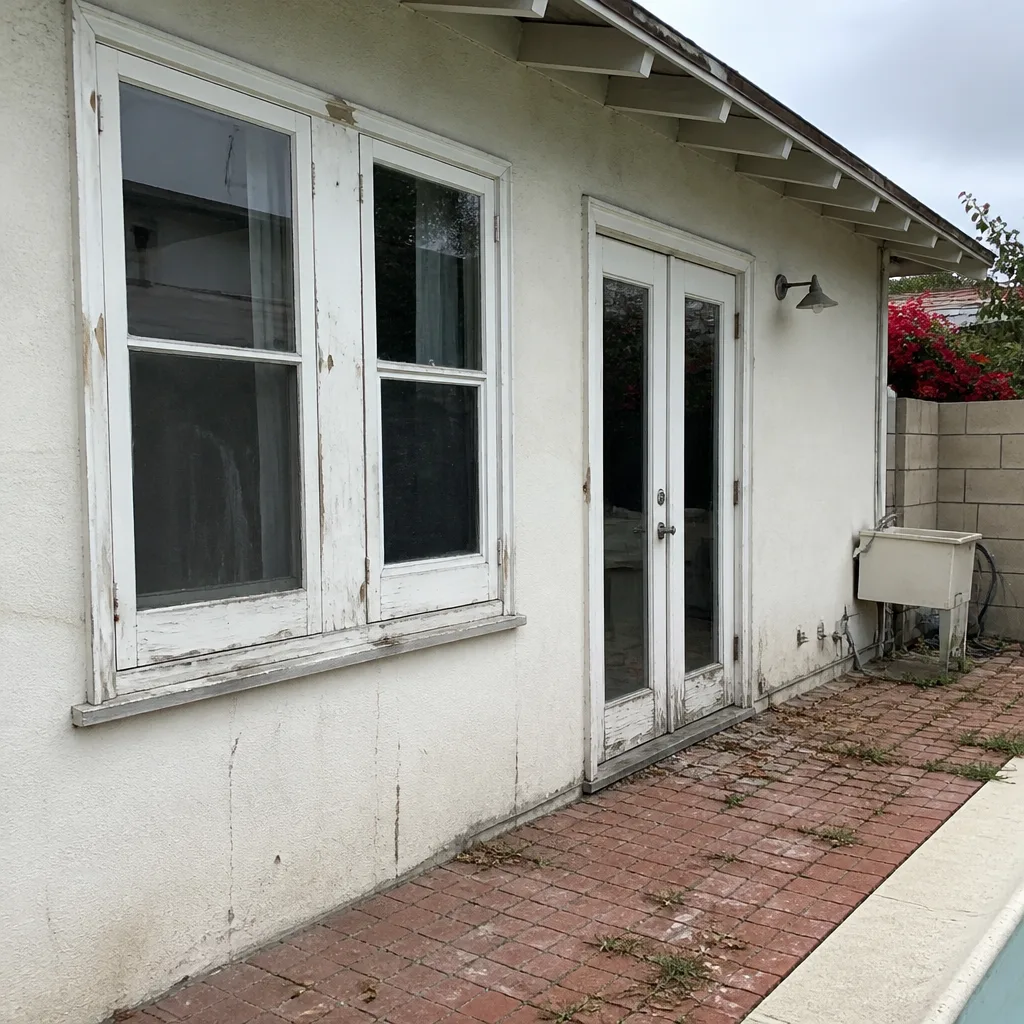 Before
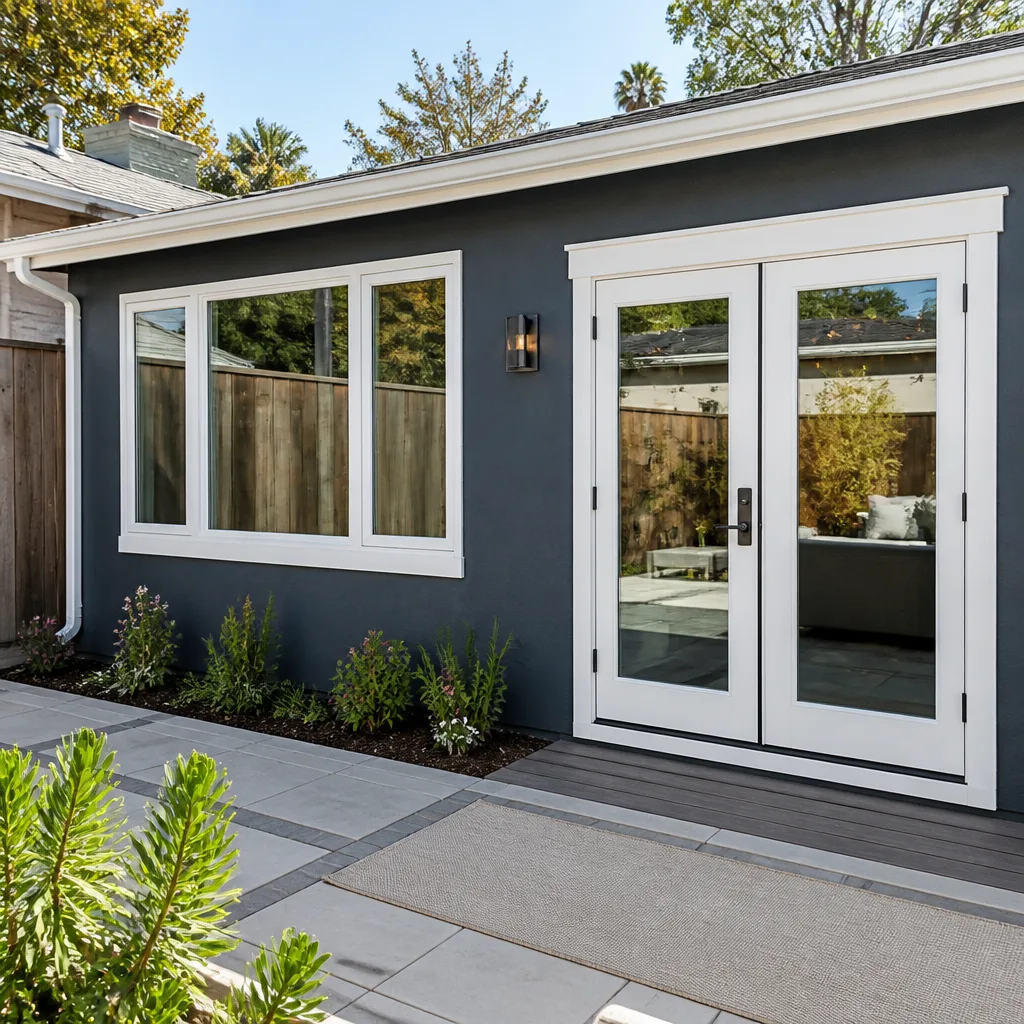 After
After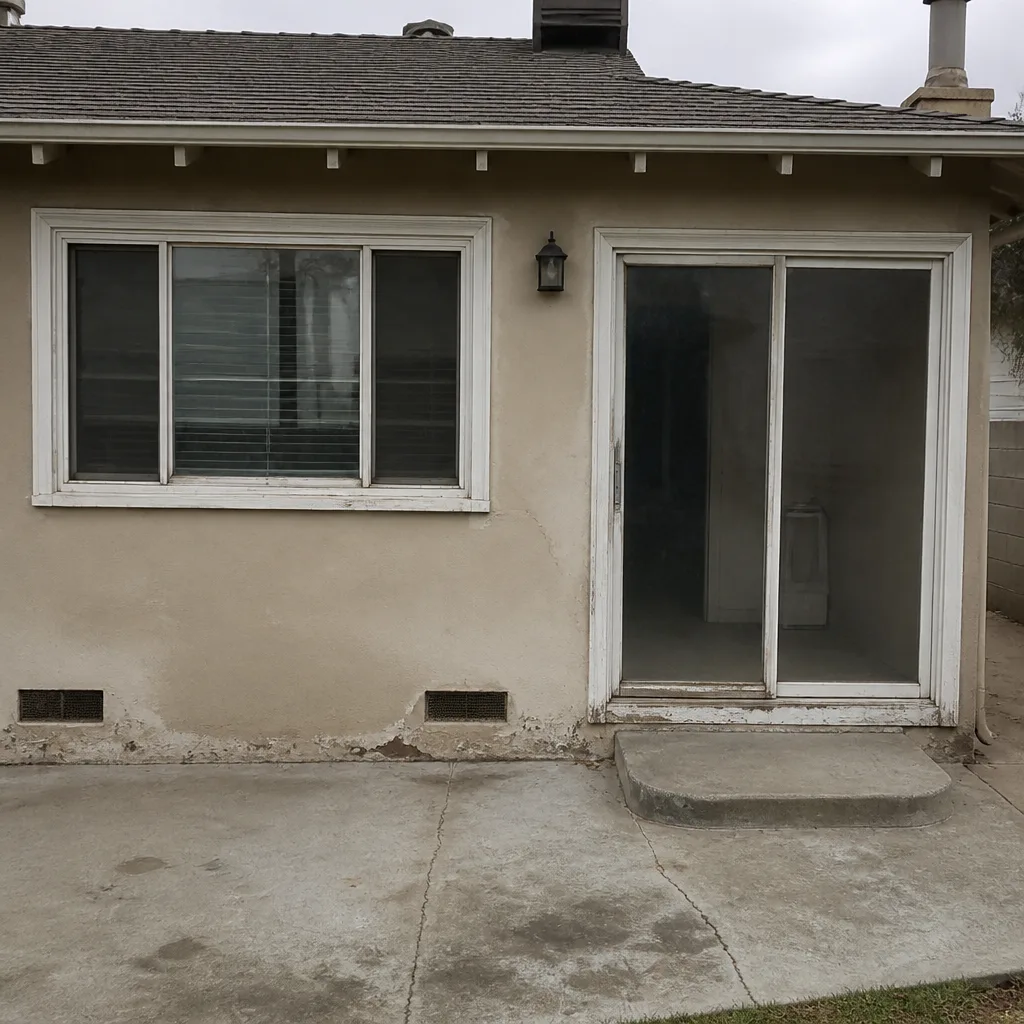 Before
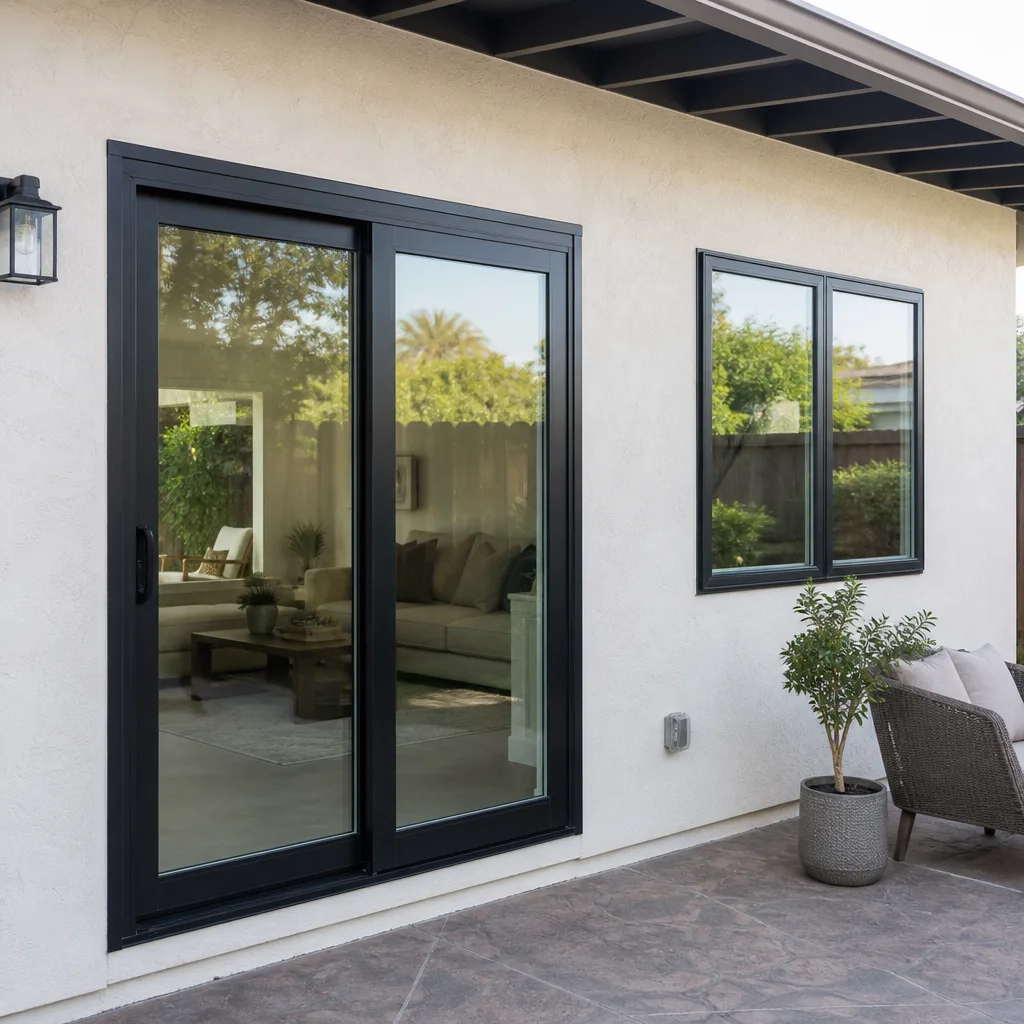 After
After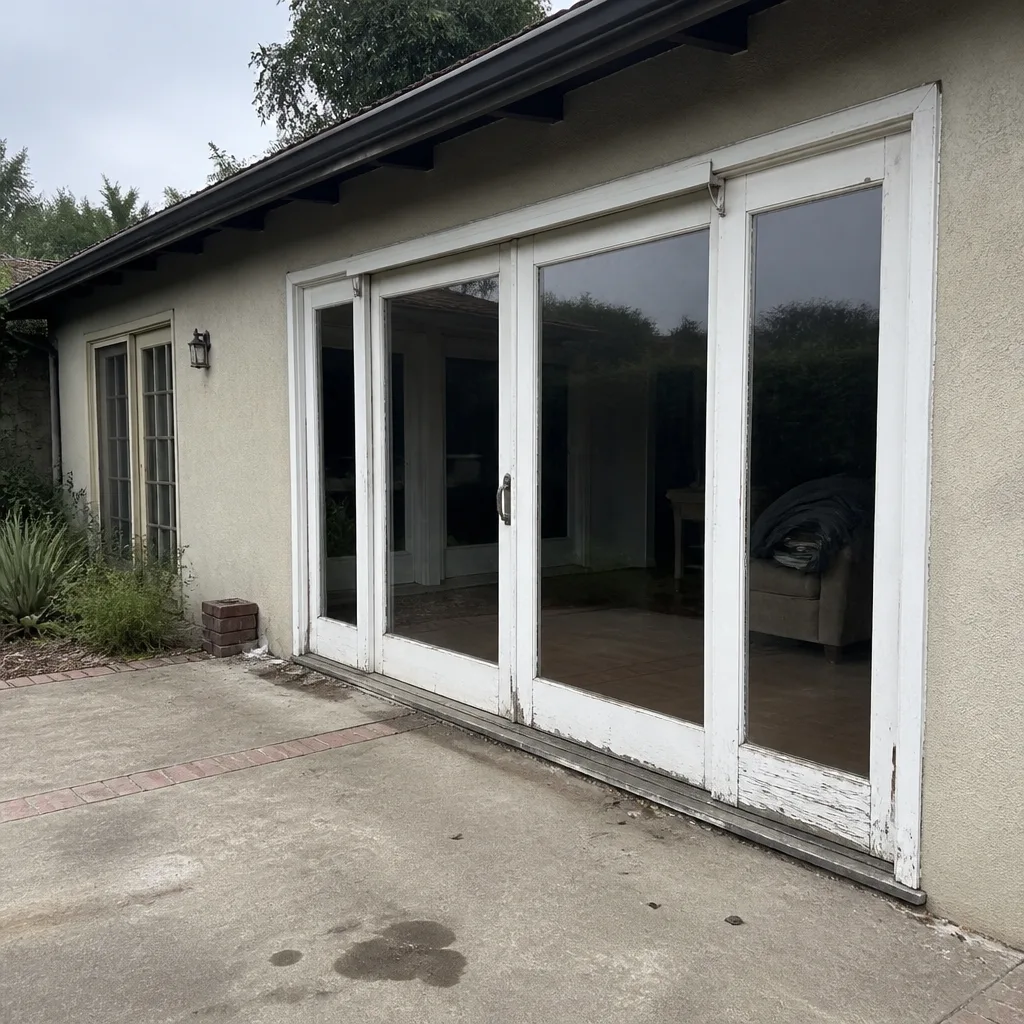 Before
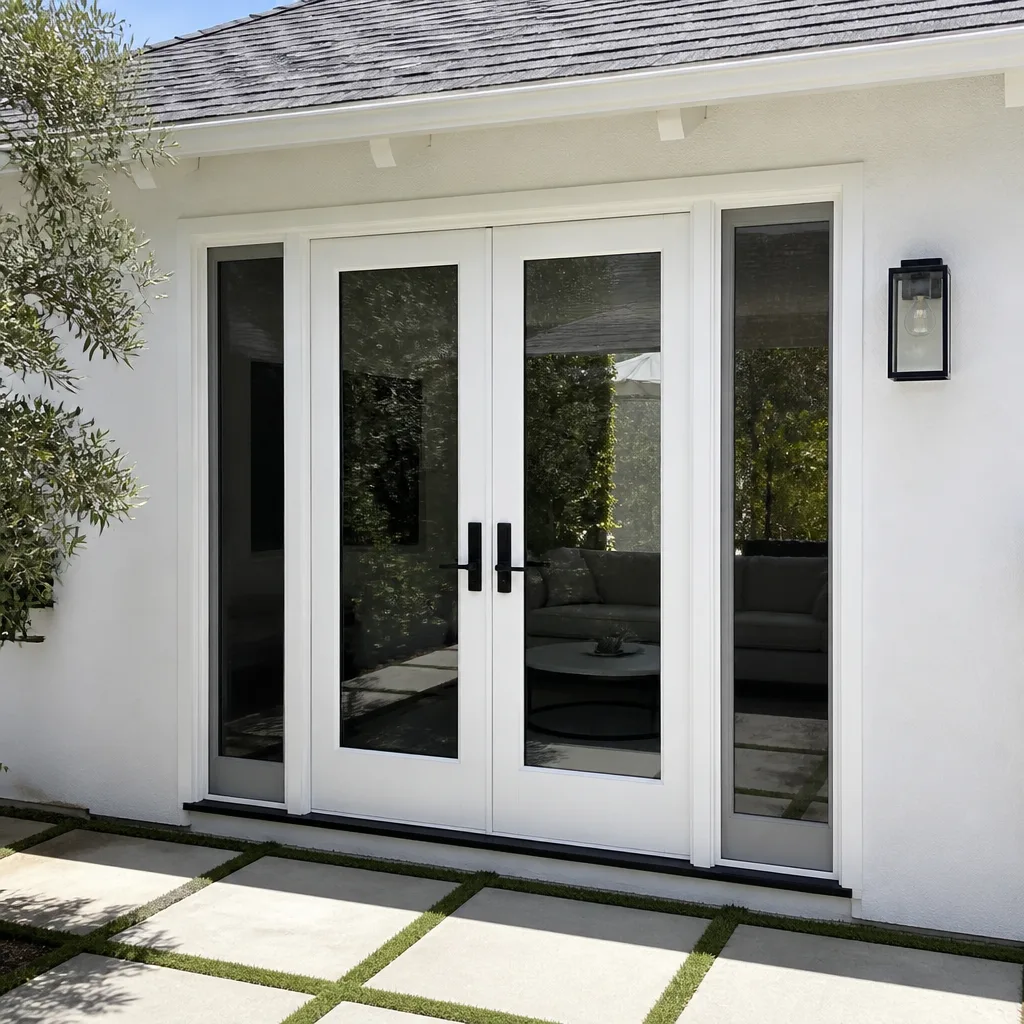 After
AfterWindow Installation Maintenance Schedule: What to Do and When
Sealant applied during window installation takes 21 to 28 days to fully cure. Touch it, scrape it, or paint over it before that window closes and you are paying for a repair that starts with a razor blade and ends with a re-caulked sill that still leaks. This guide maps out what your new windows need in the first 30 days, the first year, and every year after, written for Los Angeles homeowners who want the straight schedule without the sales pitch.
Quick Answer
A new window installation needs a 30-day inspection after the sealant cures, a one-year settlement check with a level, and then a twice-yearly cleaning and lubrication routine. Hardware like casement operators and sliding tracks should be lubricated at years 1, 3, and 5. In Los Angeles, exterior maintenance changes by zone: coastal fog demands mold checks, Valley heat stresses sealant and weatherstripping, and hillside fire-season ash requires more frequent track cleaning.
Table of Contents
- The First 30 Days: What to Do After Sealant Cures
- Year One Settlement Monitoring: When Frame Movement Is Normal
- Hardware Break-In Period: Lubrication at Years 1, 3, and 5
- The Annual Exterior Inspection by LA Climate Zone
- Seasonal Maintenance Checklist for Los Angeles
- How to Keep Your Installation Warranty Intact
- Common Mistakes to Avoid
- When to Call a Professional
- Frequently Asked Questions
The First 30 Days: What to Do After Sealant Cures
Most maintenance guides assume a window has been in the wall for years. They skip the phase where problems begin. New window installation in Los Angeles follows a specific sequence: the crew sets the frame, shims it level, screws it into the rough opening, insulates the gap, and seals the exterior perimeter with sealant. That sealant is not dry when the crew leaves. It is curing.
For the first three to four weeks, the sealant is soft enough to dent with a fingernail. That is normal. What is not normal is disturbing it. Do not power-wash the exterior walls. Do not let a gardener’s weed trimmer hit the sill line. Do not paint over uncured sealant. Paint creates a skin that traps solvent inside and weakens the bond.
Here is the 30-day post-installation checklist we give every homeowner after a Window Installation in Los Angeles:
- Day 28-30: Run a finger along the exterior sealant beads. The surface should feel firm, not tacky. If it still feels soft after 30 days, call the installer – this indicates low temperature during application or a bad sealant batch.
- Day 28-30: Open and close every operable sash three times. Listen for grinding, scraping, or a change in resistance. Note any window that does not sit flush against the frame when closed.
- Day 28-30: Check weep holes on the exterior bottom track of sliding windows and patio doors. These small drainage slots should be clear. A toothpick clears debris; anything metal risks scratching the frame.
- Day 30: Spray the exterior glass with a hose for five minutes per window. Have someone inside watching for water at the sill corners. This test catches seal failures before the first rain.
- Day 30: Wipe down interior frames and sills with a damp cloth. Remove any construction dust before it gets ground into moving parts.
Los Angeles gets its first meaningful rain between November and January, but waiting until then to test seals is a mistake. The hose test costs nothing and takes an afternoon. A leak found in September is a caulk touch-up. A leak found in January is water-damaged drywall.
Year One Settlement Monitoring: When Frame Movement Is Normal
Every house settles. Clay soil expands and contracts with moisture. That is why Los Angeles homes built on expansive soil move slightly with the seasons. Your new windows should not fight that movement, but they will show it. The tell is not a cracked frame; it is a sash that suddenly binds.
How to check for frame movement:
- Place a 24-inch level on the bottom sill of each window. Check both the horizontal and vertical planes.
- Note any gap larger than 1/8 inch between the level and the sill. Mark the date and the measurement on a sticky note, and tape it inside the window frame.
- Repeat the level check every four months for the first twelve months.
- If a window is off-level but still operates smoothly, leave it alone. Slight shifts in the first 12 months are normal as the opening adjusts to the new frame.
- If a window is off-level and the sash binds, won’t latch, or the frame has separated from the wall by more than 1/4 inch, take a photo and call the installer.
We have seen this specific pattern in Valley neighborhoods like Sherman Oaks and Encino, where expansive clay soil shrinks during dry summers and swells after winter rain. A window installed in August may shift a fraction by February. That is the house breathing, not a failed install. The distinction matters: a window that still operates correctly after a shift has done its job. A window that binds has a structural issue behind it.
When we install windows for homeowners through our Window Replacement in Los Angeles service, we document the initial level readings in writing. That baseline is what we compare against during any warranty inspection.
Hardware Break-In Period: Lubrication at Years 1, 3, and 5
Window hardware on new installations goes through a break-in period. Casement operators, tilt latches, and sliding rollers wear slightly as their machined surfaces mate. That is normal and expected. What is not normal is running them dry. Most hardware failures we repair in Los Angeles homes trace back to one thing: nobody lubricated the moving parts, ever.
Here is the lubrication schedule that keeps hardware working past the decade mark:
Year 1: Break-In Lubrication
- Casement operators: Apply a dry silicone spray to the crank mechanism and hinge pivot points. Do not use WD-40 or penetrating oil. These attract dust and turn into grinding paste.
- Sliding window tracks: Vacuum the track, then wipe with a dry cloth. Apply a thin bead of silicone lubricant along the bottom track where the rollers travel.
- Tilt latches and sash locks: One drop of silicone on each latch pivot. Work the latch ten times to distribute it.
Year 3: Wear-In Inspection and Re-lubrication
- Repeat all Year 1 steps.
- Inspect the weatherstripping on the sash edges. If it is flattened, cracked, or pulling away, replace it now. Weatherstripping failure is the leading cause of drafts in Los Angeles windows that are only three years old.
- Check that every screw on the hardware is snug. Casement operators have a mounting plate with two or three screws that work loose over time.
Year 5: Full Hardware Service
- Repeat all Year 1 and Year 3 steps.
- Remove the sliding sash from its track (most tilt out by lifting the sash and pulling the bottom toward you) and clean the rollers with a stiff brush.
- Inspect the balance system on double-hung windows. If the sash creeps down when left open, the balances need replacement.
- Consider replacing weatherstripping entirely at Year 5, even if it looks acceptable. It costs $3 to $8 per window for material and tightens the seal dramatically.
We source and install windows from manufacturers including ECO Window Systems and CWS, and the hardware spec varies by line. Some use stainless steel rollers, others use zinc. The maintenance above works for all of them equally.
The Annual Exterior Inspection by LA Climate Zone
Los Angeles is not one climate. The city spans USDA zones 10a to 10b, but the practical differences are coastal marine layer, inland Valley heat, and hillside dry brush. Each creates different maintenance demands on the same window installation.
Coastal Fog Zone: Santa Monica, Venice, Playa del Rey, Palos Verdes
Marine fog deposits salt and moisture on exterior surfaces. The priority here is mold and sealant breakdown.
- Inspect for mold on the exterior frame joints twice a year. Fog keeps surfaces damp for hours each morning. Wipe frames with a mild bleach solution (1 cup bleach to 1 gallon water) when you see black spotting.
- Check exterior sealant for softness or pitting. Salt air accelerates sealant degradation. Coastal homeowners should expect to re-caulk every 5 to 7 years, versus 8 to 10 inland.
- Wash exterior glass quarterly. Salt film cuts visible light transmission and eventually etches glass if left for months.
Valley Heat Zone: Sherman Oaks, Encino, Woodland Hills, Northridge
Summer temperatures above 100 degrees stress everything that is flexible.
- Inspect weatherstripping every spring. Heat cycles dry out the rubber and foam. If it cracks when you press it, replace it.
- Check south-facing and west-facing exterior sealant annually in September. UV exposure breaks down sealant faster on these exposures. Woodland Hills sees some of the highest summer temperatures in the city, and that adds up.
- Lubricate sliding tracks before summer. Metal expands in heat. A dry track plus hundred-degree afternoons equals a window that sticks exactly when you want it open.
Hillside Fire-Season Zone: Topanga, Bel Air, Silver Lake Hills, Mount Washington
Ash and wind-driven dust are the concerns here.
- Clean exterior tracks monthly during fire season. Ash is abrasive. It grinds into slide tracks and destroys roller bearings.
- Vacuum interior sills more often. Ash finds its way inside and accumulates on sill tracks.
- Check exterior caulking after any rain that follows fire season. Ash mixed with water forms a slightly alkaline slurry that can degrade sealant.
Products from ES Windows and CGI are commonly specified for hillside and coastal homes because their finishes hold up against salt and ash better than standard paint-grade aluminum. The maintenance schedule does not change; the inspection frequency does.
Seasonal Maintenance Checklist for Los Angeles
Twice a year is enough for most Los Angeles homeowners. Match the inspection to the clock, not the calendar: spring after the last rain and fall before the first rain.
Spring Checklist (April, after the last storm)
- Inspect exterior sealant for cracks, gaps, or pulling away from the frame.
- Clean weep holes and drainage channels on all exterior frames.
- Wash exterior glass and frames.
- Lubricate all moving hardware.
- Test every window for smooth operation.
- Check weatherstripping for compression and elasticity.
- Inspect screens for tears. A torn screen in an open window is an invitation for every bug in the neighborhood.
Fall Checklist (October, before the rainy season)
- Repeat the spring checklist in full.
- Run the hose test on any window that showed signs of a leak the previous winter.
- Check caulking on interior sill edges where window frame meets drywall. This is a cosmetic joint, not a weather seal, but gaps here signal movement.
- Clean and inspect patio door tracks especially carefully. Sliding glass doors carry more weight and more debris than any window.
- For homes with a Patio Door Installation in Los Angeles, test the door lock and the security pins. Coastal salt air corrodes lock mechanisms faster than anything else.
Ten minutes twice a year prevents most of the issues we get called out for on windows that are five or ten years old. Most of those calls are for problems that started small and got ignored.
How to Keep Your Installation Warranty Intact
Most workmanship warranties have fine print. Ours does not, but that does not mean you have no responsibilities as a homeowner. Here is what any one-year installation guarantee requires you to do, and not do, to keep coverage intact.
What your one-year workmanship warranty covers: installation defects, sealant failure at the joint between window and structure, improper shimming that causes the window to bind, flashing errors that let water in, and hardware that fails because it was installed incorrectly.
What the warranty does not cover: damage from house settlement, homeowner modification, painting that gums up tracks and latches, power-washing that forces water past the seals, and neglect of basic maintenance that caused the failure.
To keep coverage intact:
- Perform the 30-day inspection described above and report any issue in writing before day 60.
- Do not caulk over the installer’s exterior sealant. If you see a gap, call first. Homeowner-applied caulk on top of a failing joint makes the original failure impossible to diagnose.
- Keep a simple log: the date you lubricated hardware, the date you replaced weatherstripping, and any level readings you took. Two lines in a notebook is enough.
- Report problems immediately. A sticking sash that gets ignored for six months becomes a broken operator. The warranty clock does not pause while you wait.
We put our guarantee in writing and call it the 365-Day Done Right Promise: covered in writing for 365 days, and if it fails, we come back at no charge. The promise works because we know that windows installed correctly in Los Angeles hold up through the first rain, the first heat wave, and the first Santa Ana wind event. When we show up for an Meridian Windows & Doors home estimate, the price goes on paper before any work starts, and it does not move at the door.
Common Mistakes to Avoid
- Power-washing a new installation. High-pressure water forces its way past sealant beads and through weep holes into the wall cavity. Wait 90 days after installation, and even then use a wide fan tip at low pressure held at least three feet from the glass.
- Using petroleum-based lubricants. WD-40, motor oil, and penetrating sprays dissolve plastic bushings and attract grit. Use dry silicone only. If the label says “penetrates,” put it back on the shelf.
- Painting over sealant before it cures. See the top of this guide. This is the fastest way to void a warranty on a Los Angeles window installation.
- Ignoring a small leak because it only happens in heavy rain. Los Angeles gets most of its annual rainfall in a handful of storms. A leak that shows up twice a year is still a leak, and it is working on the wall framing the other 363 days.
- Replacing one window at a time without checking the others. If one window on the south elevation has failed weatherstripping, the rest will follow within a season or two. Replace weatherstripping in sets.
- Caulking interior gaps without addressing movement. If the joint between window frame and drywall opens up, caulk hides the symptom but not the cause. Check for level changes first.
- Forgetting that patio doors get more wear than windows. A sliding glass door cycles open and closed twenty times a day. It needs track cleaning monthly and roller inspection yearly, not the twice-yearly schedule that works for windows.
When to Call a Professional
Most of this guide covers work a homeowner can do with a level, a spray bottle of silicone, and a Saturday morning. But some conditions are beyond routine maintenance. Call a professional when you see water staining on the drywall inside the window opening, when a double-pane unit fogs between the glass, when the frame has separated from the wall by more than a quarter inch, or when a window will not lock because the sash no longer aligns. These signal structural movement, failed seals, or installation errors that need diagnosis, not DIY. Meridian Windows & Doors offers free estimates in Los Angeles – call (817) 686-2228 and we will send a uniformed technician to look at the window and give you a written price for the repair.
Frequently Asked Questions
Wait 30 days before using any cleaner on the glass or frames. The sealant needs that time to cure. After 30 days, use a non-ammonia glass cleaner and a soft cloth. Ammonia breaks down some low-E glass coatings – a thin coating that reflects heat while letting light through – found on windows from manufacturers like CGI and CWS.
Basic DIY maintenance runs $25 to $50 per year for silicone spray, weatherstripping, and cleaning supplies. Professional maintenance from a licensed contractor runs $150 to $300 per visit for a full exterior inspection and hardware service. Most single-window replacements in Los Angeles run $600 to $1,400 installed, so preserving that investment with yearly maintenance is cheap insurance. Call (817) 686-2228 for an exact quote – estimates are free.
Exterior sealant lasts 5 to 8 years in coastal zones and 8 to 10 years inland. South-facing and west-facing elevations on Valley homes may need replacement closer to the 5-year mark because of UV exposure. The sealant bead should be inspected annually and re-caulked when it shows cracks, shrinkage, or pulling away from the frame, not on a fixed calendar schedule.
No. Lubrication is needed at years 1, 3, and 5 after installation, then every 2 to 3 years afterward. The exception is coastal homes, where salt air accelerates corrosion, and sliding patio doors, which benefit from track lubrication every 6 months. Over-lubricating attracts dust and creates more wear than it prevents.
No. We give the price on paper before any work starts, and it does not move at the door. That applies to inspections, repairs, and full replacement projects. The written price is part of how we run every job through Window Installation in Los Angeles and has been since 2009.
Yes. Your one-year workmanship warranty stays intact as long as you perform basic maintenance, report issues promptly, and do not alter the installation with additional caulking or hardware changes. Keep a simple log of what you did and when. If a problem shows up inside the coverage period, call (817) 686-2228 and we will make it right at no charge under the 365-Day Done Right Promise.
The Bottom Line
A window installation maintenance schedule is not a list you check once and file away, so bookmark this page and explore our more guides & resources for ongoing care. It changes. The first 30 days are about leaving the sealant alone while it cures, the first year is about watching for settlement, and every year after that is about lubrication and seal inspection timed to your specific corner of Los Angeles. Coastal fog, Valley heat, and hillside ash each demand different priorities. Do the basic work, keep a notebook, call before you caulk over someone else’s work, and your windows will outlast every prediction on the warranty card.
Written by Elliot Vance, Owner at Meridian Windows & Doors, serving Los Angeles since 2009.