

Last updated October 9, 2026
Free in-home measure and quote - PGT, CGI and CWS impact lines compared on your actual openings, style by style


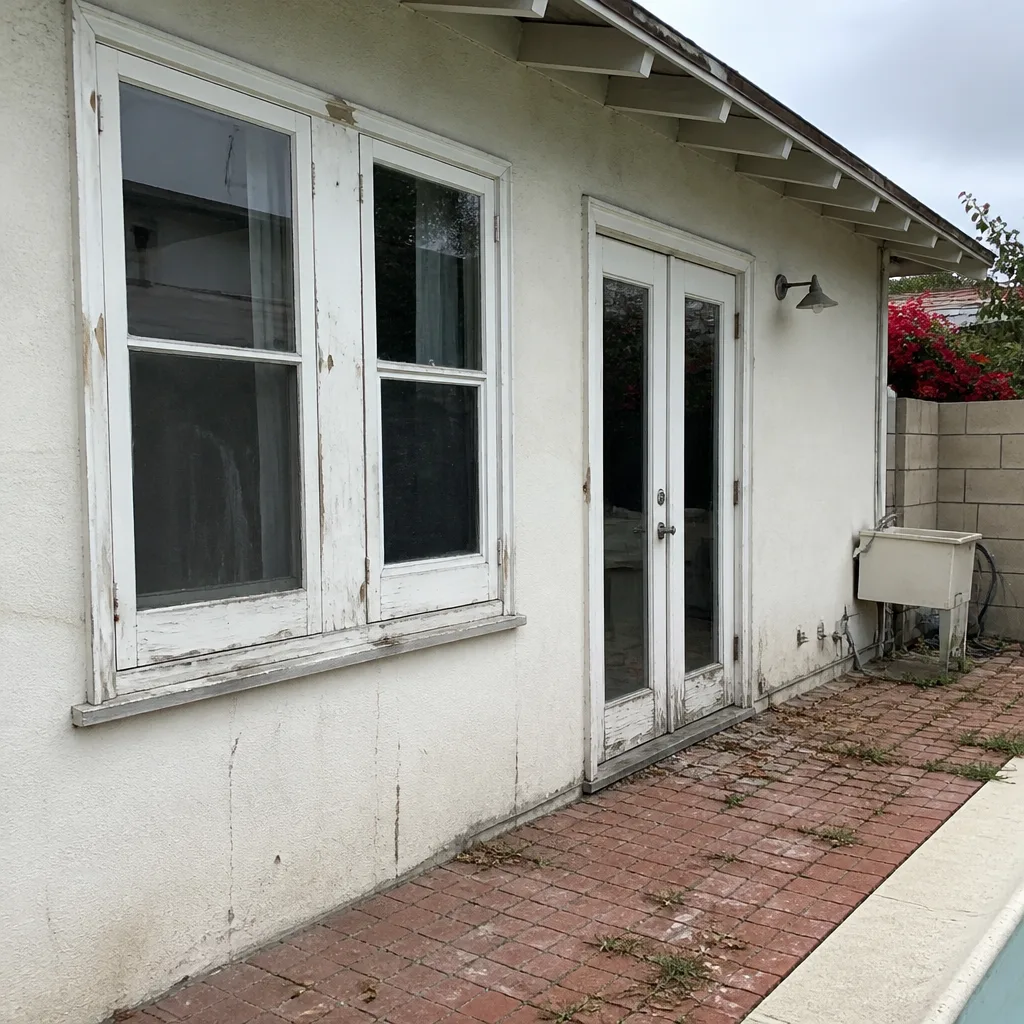 Before
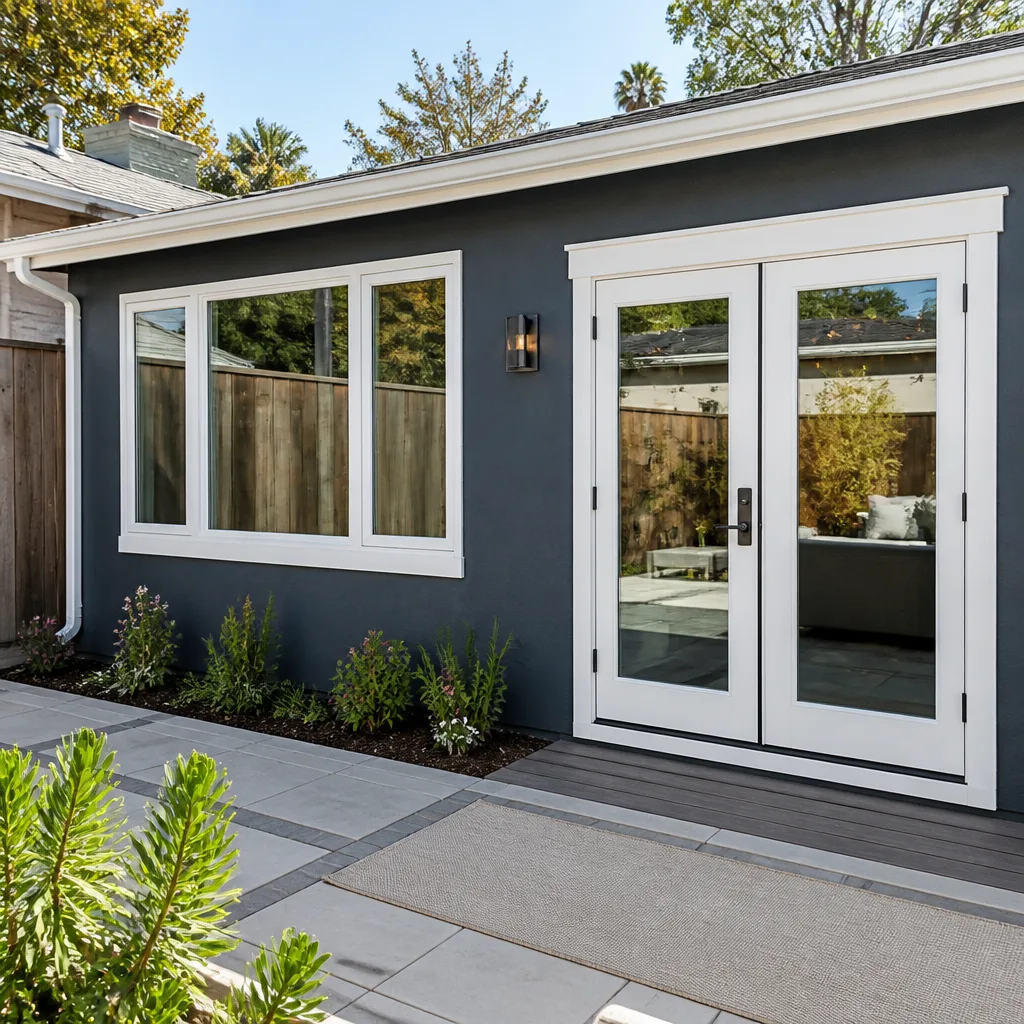 After
After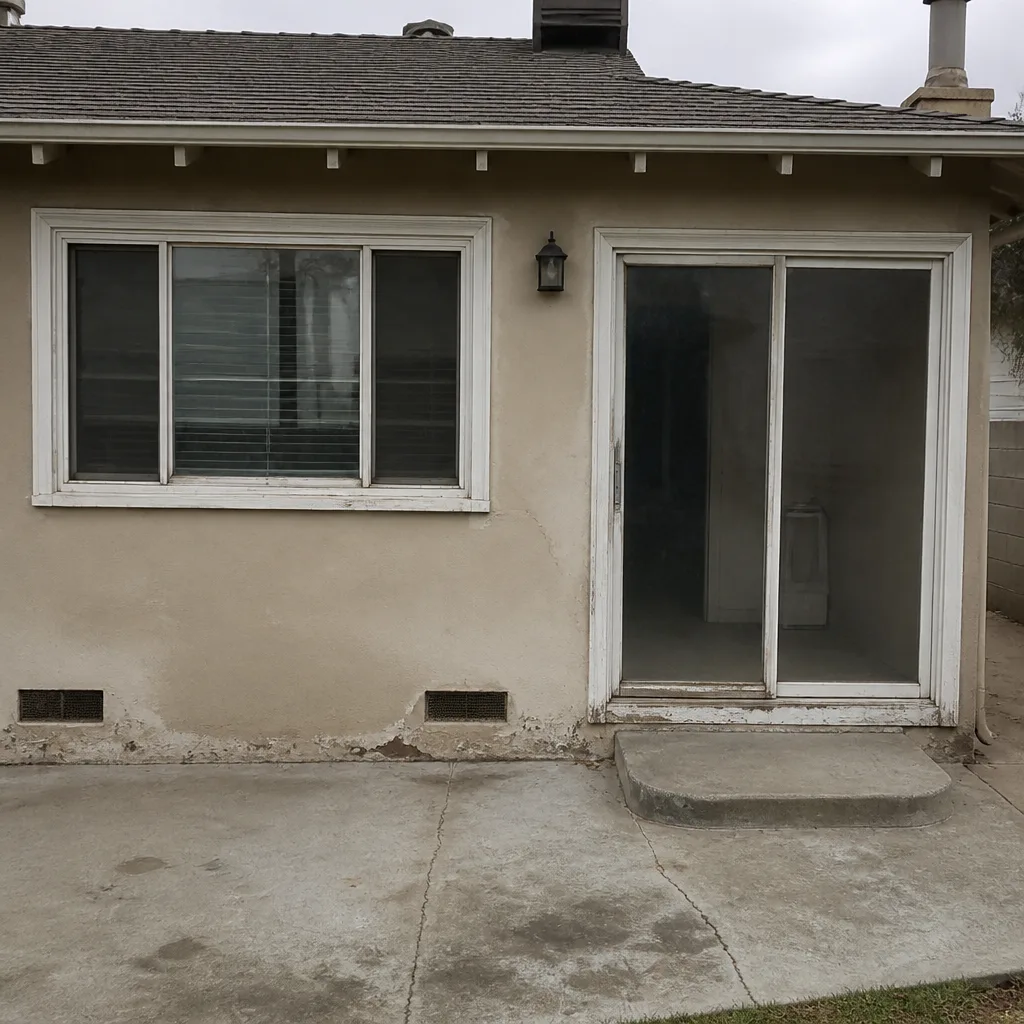 Before
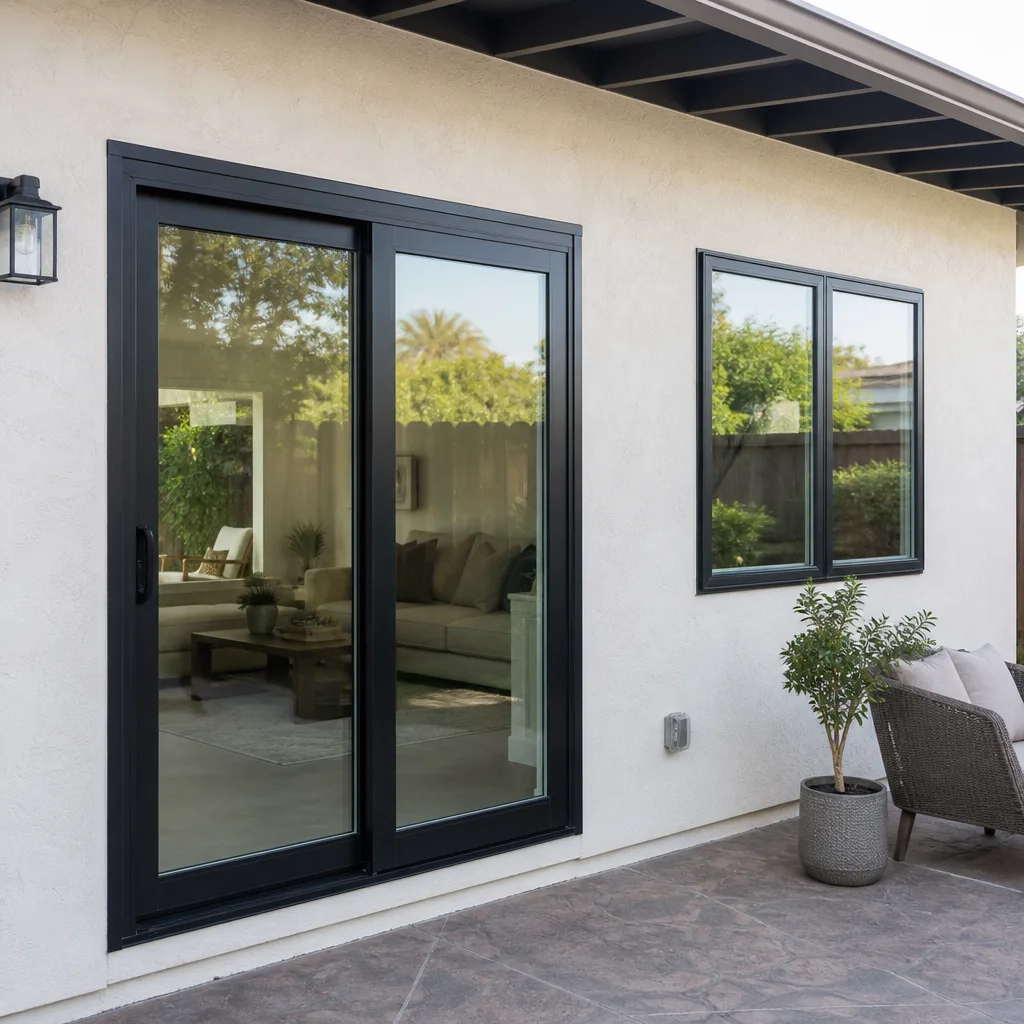 After
After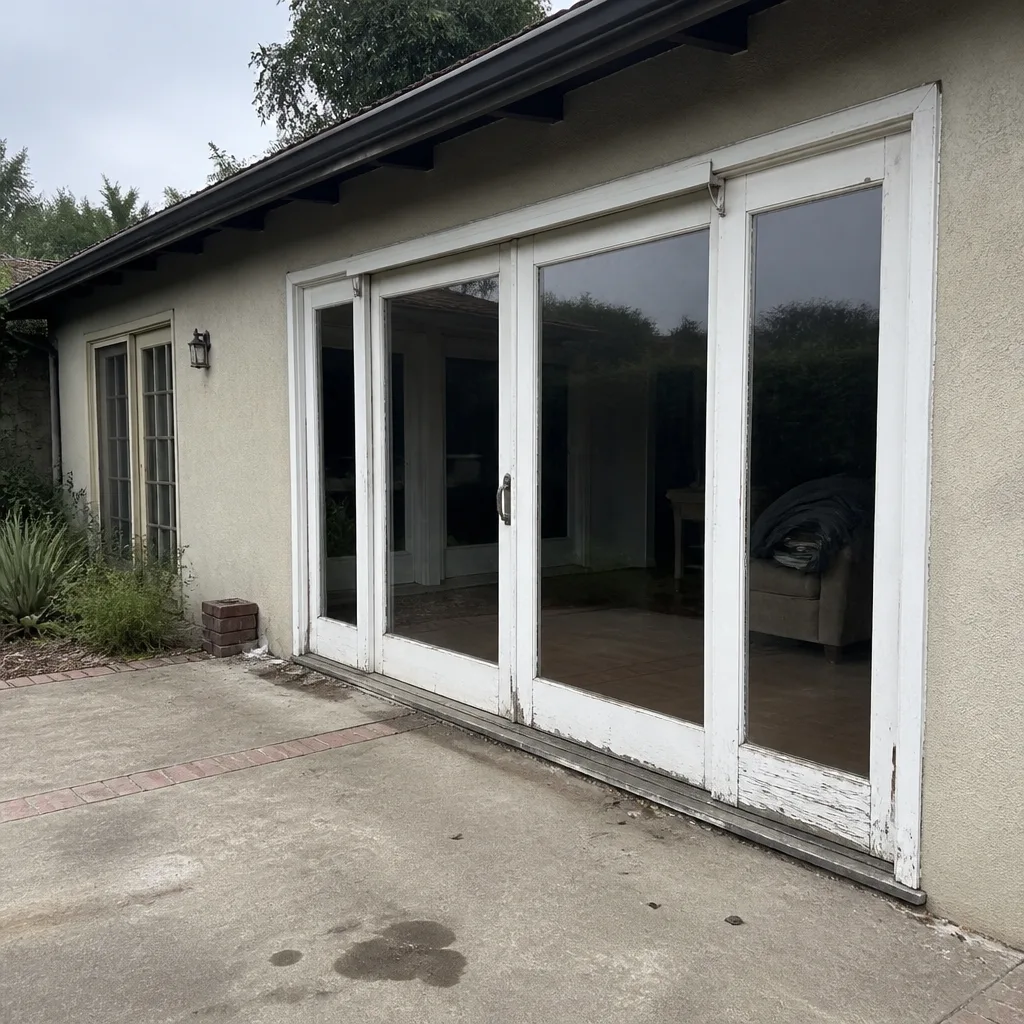 Before
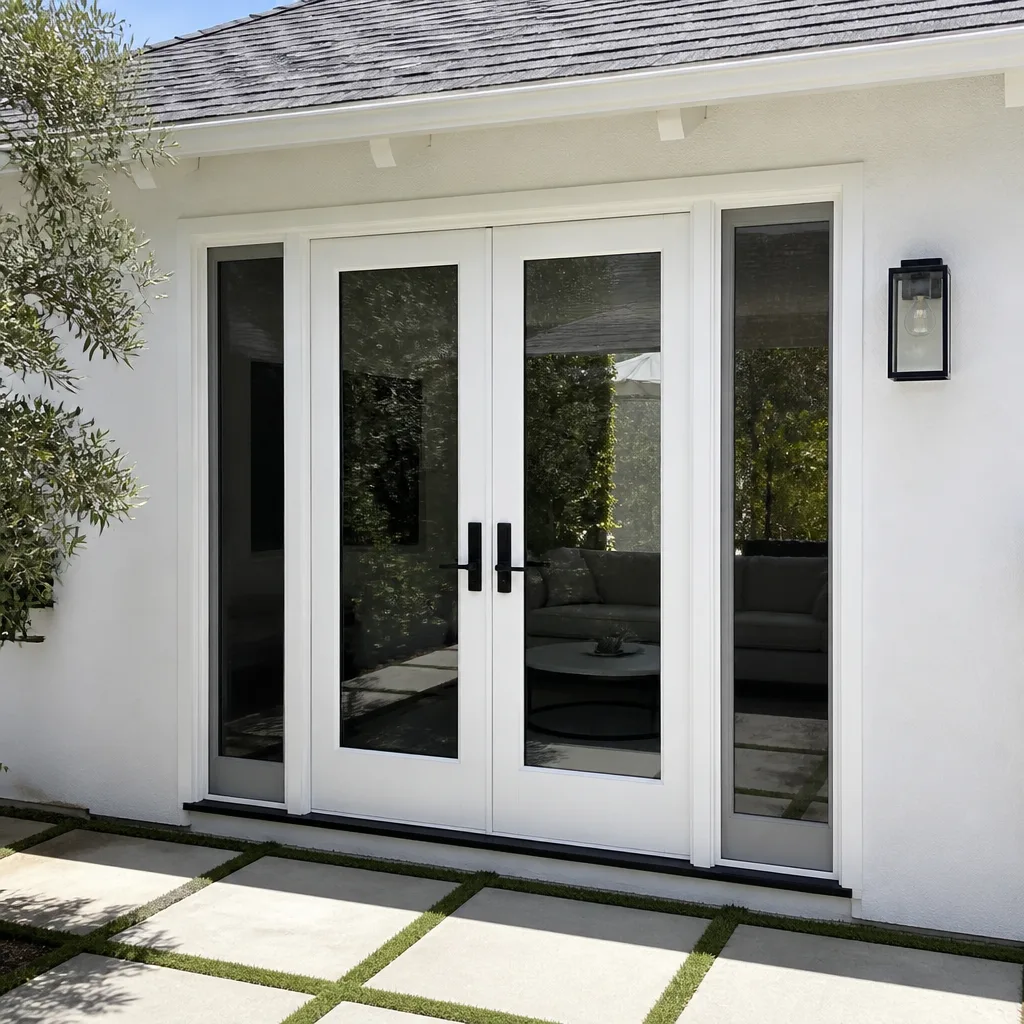 After
AfterPatio Door Installation Warning Signs Every Homeowner Should Know
A patio door that is out of plumb by as little as 1/8 inch will apply uneven load to its rollers and bottom track, wearing them to failure in roughly one-third the expected service life. The check takes less than 60 seconds with a $12 level, yet almost no one does it during the walkthrough. In Los Angeles, where patio doors get daily use ten months out of the year and salt air works on hardware in coastal neighborhoods from San Pedro to Malibu, catching these flaws early is the difference between a door that runs smooth for 20 years and one that fights you every morning. This Patio Door Installation guide names the warning signs precisely, so you can act while the installer is still reachable and the warranty is still intact.
Quick Answer
The clearest signs of a bad patio door installation appear in the first two weeks: the panel is not level or plumb, the gap around the weatherstrip is uneven, the door requires lifting or forcing to latch, and you can feel air moving around the frame on a windy day. Any one of these means the door was set wrong, and the fix is almost never a simple adjustment. If you see them, document them, stop using the door heavily, and call the installer back before the warranty clock runs out.
Table of Contents
- The Day-One Physical Checklist: Level, Plumb, and Gap Consistency
- Exterior Flashing: What to Check Before Stucco or Paint Covers It
- Air Infiltration: The Signs That Show Up in the First Windy Week
- The Thermal Break Test: What Your Fingers Tell You That Your Eyes Miss
- Roller Grinding and Track Wear: The Sounds That Predict Failure
- How to Raise a Concern With an Installer: What to Say and What to Document
- Los Angeles-Specific Factors: Climate, Building Code, and Salt Air
The Day-One Physical Checklist: Level, Plumb, and Gap Consistency
Most patio door installation failures are invisible to the untrained eye on the day the crew leaves, but they are not invisible to a level, a flashlight, and ten minutes of attention. The day-one physical checklist covers four measurements that matter more than any cosmetic detail.
1. Check the level on the bottom track
Place a 4-foot level on the bottom track of the door. The bubble should sit dead center. If it drifts even halfway toward the line, that’s enough slope to make the panel drift on its own, either slamming shut or rolling open. In Los Angeles, where many homes sit on hillside lots in neighborhoods like Mount Washington or Silver Lake with subtle foundation settlement, installers sometimes shim the track to compensate for an out-of-level floor. Shim work is legitimate only if the track itself reads level afterward. If it doesn’t, the shims were a shortcut, not a fix.
2. Check the plumb on the side jamb
Place the level vertically against the side jamb, the vertical frame piece where the door latches or where a fixed panel meets the operating panel. The bubble must be centered. A door out of plumb by 1/8 inch or more will pull the rollers laterally as it travels, grinding them down from the first week. We’ve measured doors in Los Angeles that were out of plumb by 1/4 inch and the homeowners had already accepted the grinding sound as “just how the door sounds.” It is not how the door sounds. It is how a door sounds when it is eating its own hardware.
3. Check the weatherstrip gap consistency
Close the door and run your hand along the full perimeter where the panel meets the frame, including the top, both sides, and the bottom. The gap should feel the same everywhere, with the weatherstrip making light, even contact. If the gap at the top is tight but the gap at the bottom is wide enough to slide a business card in without resistance, the door was racked during installation. The frame is twisted, and the weatherstrip will wear unevenly, leaving a permanent air leak by year two. This check takes one minute. Do it on day one, not day ninety when the weatherstrip has already compressed unevenly and hidden the evidence.
4. Check latch engagement without lifting or forcing
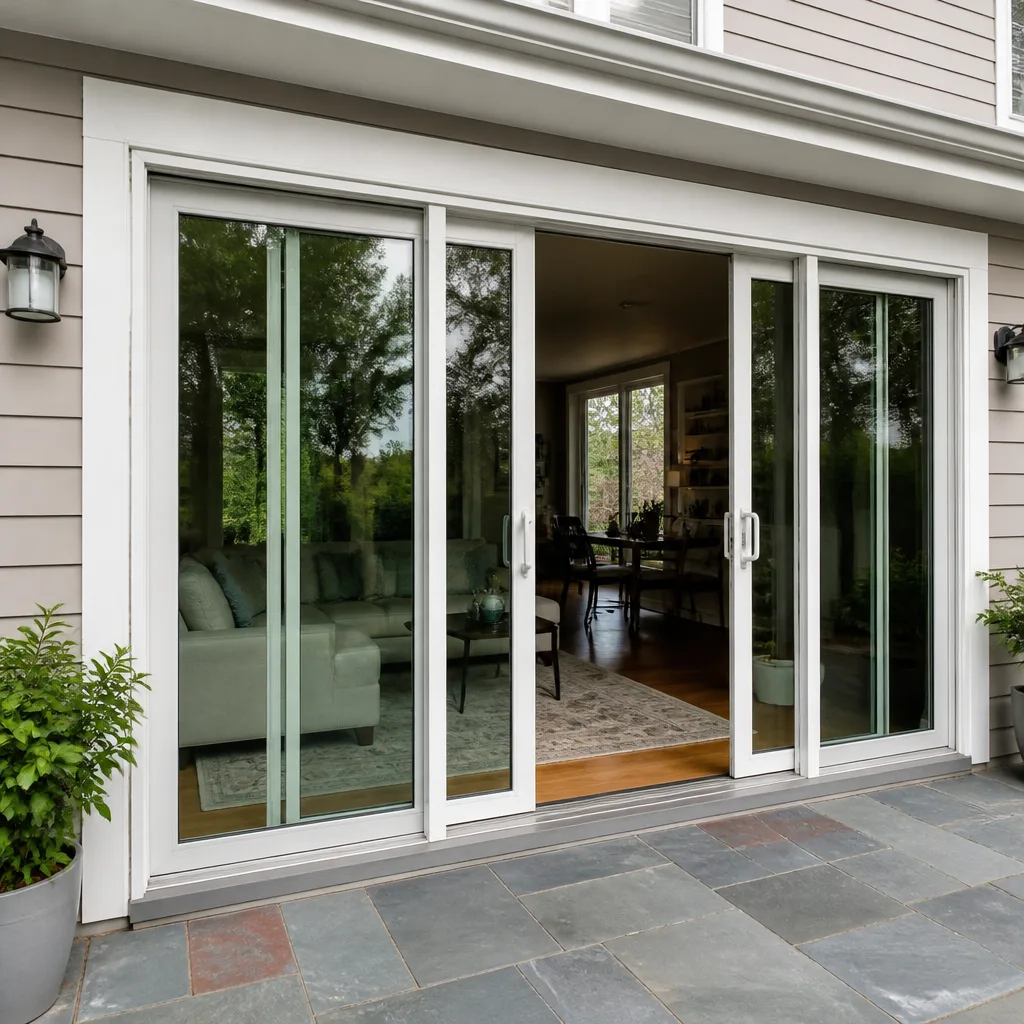
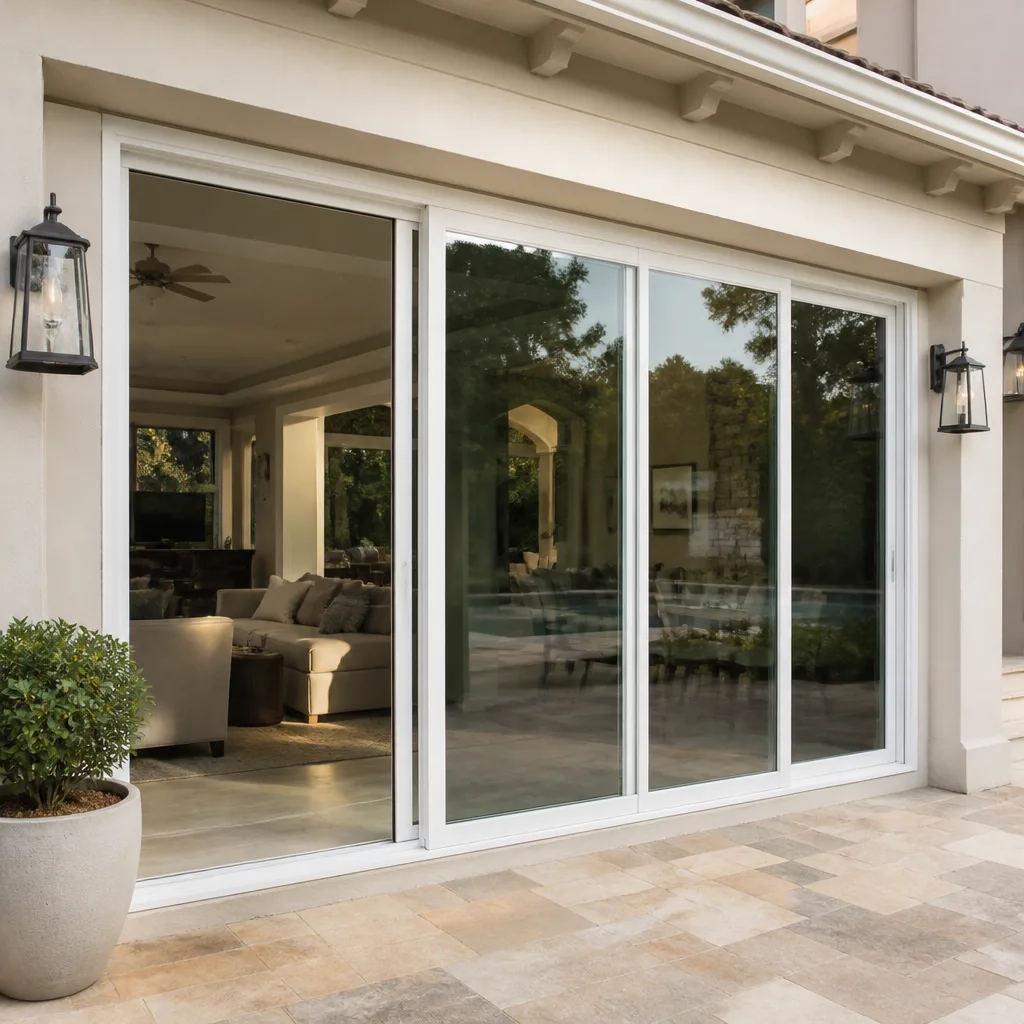
Close the door and try the latch handle. The latch should engage with the strike plate without you lifting up on the handle, pushing the panel in, or slamming the door. If you have to do any of those things, the panel and the frame are not in the same plane. That means the rollers were not adjusted correctly or the frame was installed out of square. In the Los Angeles market, where multi-panel patio doors from manufacturers like ES Windows and Mr-Glass are common on higher-end homes in Brentwood and Pacific Palisades, a misaligned latch is often the first sign that the installer did not take the time to set each panel’s roller height independently. Each panel carries its own weight, and each panel must be adjusted separately. A crew that adjusts one panel and assumes the other will follow is the crew whose door you will be fighting for years.
Exterior Flashing: What to Check Before Stucco or Paint Covers It
The waterproofing details that matter most on a patio door installation are the ones you can only see for a short window. In Los Angeles, where stucco is the dominant exterior finish and summer heat can bake a bad flashing job into a hidden leak, the time to inspect exterior flashing is before the stucco patch or paint goes on. After that, the evidence is buried under an inch of cementitious material and you will not know the flashing was wrong until water stains appear on the interior drywall.
Two specific spots are where most installers cut corners: the sill pan corners and the head flashing overlap.
The sill pan corners
The sill pan is the waterproof tray that sits under the door and directs any water that gets past the door’s own weatherproofing out to the exterior, not into the subfloor. The pan must extend up the sides of the rough opening at least 1 inch, and the corners must be sealed either with a pre-formed corner boot or with careful folding and sealant. The corner is the failure point because water pools in the corners before it drains. An installer who simply lays a flat piece of flashing across the sill and calls it good has created a direct path for water to run off the ends of the pan and into the wall cavity.
In our experience, this is the single most common flashing defect we find on replacement patio doors in Los Angeles. The original door often leaked for years before the homeowner noticed, and the subfloor rot was already advanced by the time the replacement was ordered. If the new door goes in with the same flat-sill shortcut, the homeowner has paid for a new door and inherited the same leak, just delayed by a few years.
The head flashing overlap
The head flashing, also called the Z-flashing, sits across the top of the door frame and directs water away from the gap between the door and the rough opening. It must overlap the top flange of the door by at least 1/4 inch, and it must extend past the side jambs far enough that water running down the sides of the flashing cannot curl back into the wall. A head flashing that is cut flush with the door frame will let water run down the sides and straight into the gap. On a Los Angeles home with a westward-facing patio door in Encino or Sherman Oaks, the afternoon sun will also degrade the top sealant within a few seasons, and the head flashing becomes the only line of defense. If it is cut too short, the leak starts small, and by the time the peeling paint appears at the top inside corner, the fix is not caulk. It is re-flashing, and that means pulling the door.
If you are getting a patio door installed and the crew is about to cover the flashing, ask to see the sill pan corners and the head flashing before the stucco or paint goes on. A reputable installer will show you without hesitation. A crew that gets defensive about that request is telling you something.
Air Infiltration: The Signs That Show Up in the First Windy Week
Los Angeles gets its strongest winds in fall and winter, when Santa Ana events push dry air through the canyons and against west-facing doors in every neighborhood from Woodland Hills to Long Beach. The first windy week after your patio door installation is one of the most diagnostic windows you will ever have, and it costs nothing to use it; see our Seasonal Windows & Doors Care for Los Angeles: Year-Round Homeowner’s Guide for timing your checks.
Air infiltration is the technical term for outside air moving through the closed door assembly. A properly installed patio door should be airtight when closed, with the weatherstrip forming a continuous seal around all four sides. If that seal is broken anywhere, the evidence shows up as a draft, a whistle, or a hiss.
The candle or incense test
On a windy day, close the door, turn off any fans or HVAC systems, and hold a lit incense stick or a thin candle near the door’s perimeter. Work slowly around all four sides, paying special attention to the two lower corners, the point where the two panels meet, and the top corners. If the smoke stream bends or the flame flickers, air is moving through that spot. A properly installed door will not move the smoke at all.
The meeting stile, the vertical line where the two panels meet on a sliding door or where the door meets a fixed panel, is the most common air leak location. The stile is the seam where the two panels overlap, and the weatherstrip there takes the most wear because it gets compressed and released every time the door opens and closes. If you hear a hiss at the meeting stile on a windy day, the weatherstrip is either set too loose or the panels are not aligned to compress it fully. That hiss is not normal. It is air finding the path of least resistance through a gap that should not exist.
What a pressure-differential hiss means structurally
When wind pushes against the exterior face of the door, it creates a pressure difference between inside and outside. That pressure difference will drive air through any gap in the assembly, including gaps behind the frame that you cannot see. A hiss at the meeting stile is a surface leak. A draft you feel at the perimeter but cannot locate by eye is often a leak behind the frame, where the rough opening was not properly lined with backer rod and sealant before the frame was set. That leak will only get worse as the sealant ages in the Los Angeles sun. It is also a direct path for moisture, not just air, and moisture behind the frame means rot in the wall cavity.
The Thermal Break Test: What Your Fingers Tell You That Your Eyes Miss
Thermal break is the industry term for the barrier between the interior and exterior portions of an aluminum door frame. Without a thermal break, the aluminum acts as a conductor, transferring exterior heat to the interior face of the frame. In Los Angeles, where summer temperatures routinely reach the 90s in the San Fernando Valley and the interior side of a west-facing patio door can pick up direct afternoon sun, the thermal break is not a luxury detail. It is the difference between a door frame that stays neutral to the touch and one that radiates heat into the room.
The test takes five seconds. On a hot day, after the door has been in direct sun for a few hours, walk up and touch the interior aluminum frame with your bare hand. If the frame is uncomfortably warm, close to what you would expect from a metal railing in direct sun, the thermal break is either absent or not performing. If the frame is warm but not unpleasant, roughly room temperature plus a few degrees, the thermal break is doing its job.
This test matters because what you were sold may not be what was installed. High-performance patio doors from manufacturers like CWS and ECO Window Systems use insulated aluminum frames with a polyamide thermal break that cuts the conductive path between exterior and interior metal. A door that was spec’d with that frame but installed without it, or a cheaper door substituted at the last minute, will show up in the five-second touch test on the first hot day.
If your patio door glass was sold with low-E glass, a thin coating that reflects heat while letting light through, you can also test that with the touch method. Stand in direct sun about two feet from the glass on a hot day. With low-E glass, the radiant heat on your skin should feel noticeably muted compared to standing two feet from an untreated single-pane window. If you feel the full force of the sun through the glass, the glazing may not match the spec.
Roller Grinding and Track Wear: The Sounds That Predict Failure
A properly installed sliding patio door rolls quietly. You should hear the soft sound of the rollers turning on stainless steel track, nothing more. When a door is installed out of level or out of plumb, the rollers ride at an angle against the track, and the sounds change within weeks: grinding, skipping, or a metal-on-metal rasp that gets worse as the rollers wear.
The rollers on most modern patio doors are sealed cartridge units with either ball bearings or a hardened plastic wheel. They are designed to roll, not to slide or scrape. When the panel is out of plumb, the edge of the roller digs into the side of the track instead of riding on the top. The sound is the roller failing, and once the roller fails, two things happen. The panel gets heavier to operate, and the track starts to wear, meaning a future repair becomes a track replacement, not just a roller swap.
The load on the bottom track is direct. A standard 6-foot sliding patio door panel weighs between 150 and 250 pounds depending on glass type. That weight should be distributed evenly across two or four rollers, each one rolling on its intended contact surface. Out of level by 1/8 inch across a 6-foot span, and the low-side rollers are carrying a disproportionate share of that load. The wear rate is not linear. The loaded rollers fail roughly three times faster than they would on a level installation. That is not an estimate from a brochure. That is the arithmetic of a concentrated load on a bearing that was sized for its share of a distributed load.
If you hear grinding in the first month, do not ignore it and do not accept an installer’s explanation that the door just needs to “settle.” Doors do not settle. The track does not seat itself. The sound means the panel is not aligned, and the fix is an adjustment of the frame or the rollers, done now, before the track wears. Once the track is galled, the repair is a full track replacement, and on doors from manufacturers like ES Windows where the track is integrated into a multi-panel assembly, that is a significant labor bill.
How to Raise a Concern With an Installer: What to Say and What to Document
The way you raise a concern with an installer determines how fast it gets fixed and whether the fix is done right. Most homeowners wait too long, communicate vaguely, and end up negotiating with a contractor who argues that the door is working fine. Here is the sequence that works.
1. Document everything on day one, not day thirty
Take photos of the level and plumb readings while the installer is still on site, or within the first 24 hours if you are doing the checks yourself. A photo of a level sitting on the bottom track with the bubble drifted to one side is evidence the installer cannot dismiss. Take video of the door in operation, including the sound it makes and any lifting required to latch. Write down the date, the temperature, and what you observed in each check. The goal is a record that stands on its own, not a conversation where the contractor’s memory of the installation is treated as equal to your word.
2. Contact the installer within the first two weeks
Call the person you signed the contract with, not the crew lead or the sales rep, and state the specific issue. “The panel is out of level by 1/8 inch on the bottom track, I can feel air at the meeting stile on windy days, and the latch requires lifting to engage.” That is a diagnosis, not a complaint. It tells the contractor what to check, and it signals that you know what you are talking about.
Follow up the call with an email or text that restates the issues in writing, attaches the photos and video, and asks for a specific date when the installer will return to look at it. Written communication matters because most installation warranties, including our 365-Day Done Right Promise, are built around a clear record of the issue being reported within the guarantee period. Our Window Installation Maintenance Schedule: What to Do and When shows what to track and when. If the work fails within that year and the failure was reported, the fix is covered. If the failure went unreported for eleven months while the homeowner hoped it would go away, the conversation gets harder.
3. When to escalate to the manufacturer
If the installer pushes back, argues the door is within tolerance, or stops returning calls, the manufacturer’s installation-quality line is the next step. Every major patio door manufacturer maintains a technical support channel for installation issues, and they take those calls seriously. The manufacturer warrants the door and the frame, but only if the installation was performed correctly. A call that says, “I have a CWS patio door installed in Los Angeles, the panel is out of level by 1/8 inch on the bottom track, and the installer is telling me that is within tolerance,” will get attention. The manufacturer does not want their product associated with a bad installation, and their technical team can often tell you whether the installer’s claim is legitimate.
Pursue the contractor and the manufacturer in parallel if needed, but start with the contractor. A good installer would rather come back and adjust a door than fight a chargeback or a bad review. The ones who fight the call are the ones you do not want doing the adjustment anyway.
Los Angeles-Specific Factors: Climate, Building Code, and Salt Air
Patio door installation in Los Angeles carries specific technical requirements that a generic guide will not cover; for broader help, browse our more guides & resources. The climate is mild enough that we can install year-round, which is good, but the region has two environmental factors that shorten the life of a badly installed door faster than almost anywhere else in the country.
Salt air from the coast
Homes within a few miles of the ocean, from San Pedro through the South Bay and up through Malibu, get a constant exposure to airborne salt. Salt is corrosive. It attacks the stainless steel rollers, the track, the locking hardware, and the exterior frame finish faster than inland homeowners would believe. A door that is installed out of level in a coastal Los Angeles home will fail its rollers even faster because the salt accelerates the wear on the already-stressed bearing surfaces. The thermal break also matters more on the coast, where the temperature swing is less extreme but the moisture exposure is constant. Water that infiltrates a leaking flashing on a coastal home does more damage faster, because the salt in the water keeps the wood damp longer and accelerates rot.
Building code and permit requirements
Los Angeles enforces its own amendments to the California Building Code, and patio door replacements that alter the opening size, header, or structural framing require a permit through the Los Angeles Department of Building and Safety. A replacement that fits within the existing rough opening without structural modification is typically allowed without a permit, but the moment the opening is widened, the header is modified, or shear-wall requirements come into play, the permit is mandatory. Any installer who says a permit is never needed for a patio door replacement in Los Angeles is wrong. The correct answer is that it depends on the scope of the structural work, and the installer should be able to explain exactly why the specific job does or does not trigger a permit.
This matters for the warning-signs conversation because an installer who skips the permit conversation is often the same installer who skips the flashing details. The permit inspection is the only third-party check on the installation work, and skipping it removes the final safety net for catching hidden defects. At Meridian Windows & Doors home, we pull permits when the job requires them and pass the inspection before we consider the work complete. That written record protects the homeowner, and it also protects us from an inspector finding a problem after the job is closed out.
Common Mistakes to Avoid
- Accepting “within tolerance” without checking the numbers. The tolerance for level and plumb on a patio door installation is narrow, and a door out by 1/8 inch is not within it. Ask for the specific tolerance. If the installer cannot state it, they are not qualified to argue it.
- Letting the exterior flashing get covered before you inspect it. Once the stucco patch or paint goes over the sill pan corners and head flashing, you lose your only look at the waterproofing until water stains appear inside. Inspect before the cover-up, every time.
- Ignoring a draft because Los Angeles is “not that cold.” An air leak is not a comfort issue. It is a moisture and insulation failure that will run up your cooling bill in summer and let humidity into the wall cavity year-round.
- Lubricating a grinding door and hoping the sound goes away. Grinding means the rollers are already wearing. Lubricant will quiet the sound for a week and accelerate the track wear. Fix the alignment, not the symptom.
- Waiting until the warranty period is almost up to report a problem. The door that was out of level on day one and failed at month ten should have been reported on day one. Late reporting weakens your warranty position and gives the installer room to argue normal wear and tear.
- Choosing an installer on price alone. The cheapest bid on a patio door installation in Los Angeles often comes from a crew that is not pulling permits, not setting the level, and not doing the flashing right. The written price should be the number that does not move, not the number that is lowest. For Patio Door Installation in Los Angeles, the price goes on paper before any work starts, and it does not change at the door.
- Skipping the manufacturer care instructions after installation. Every patio door has specific maintenance requirements for the track, rollers, and weatherstrip. A door installed correctly will still fail early if the track is never cleaned and the weatherstrip is never conditioned. The first month of ownership sets the pattern.
When to Call a Professional
You should call a professional the moment any of the physical checklist items fails: the level is off, the gap is uneven, the latch requires lifting, or you feel air moving on a windy day. These are installation defects, not maintenance items, and they will not improve on their own. A professional can measure the frame, identify whether the fix is an adjustment or a re-installation, and tell you honestly what the work will cost. If you are in the Los Angeles area and you are not getting straight answers from your original installer, a second opinion is worth the visit. Window Installation in Los Angeles shares the same installation discipline as our patio door work, and the standard applies across both. Meridian Windows & Doors offers free estimates in Los Angeles, call (817) 686-2228 to schedule one. The price you get is the price on paper before any work starts, and the installation is covered by the 365-Day Done Right Promise in writing.
Frequently Asked Questions
You know by running the day-one physical checklist: the bottom track must read level, the side jamb must read plumb, the weatherstrip gap must be even around the full perimeter, and the latch must engage without lifting or forcing the panel. Any failure on those four checks means the door was not set correctly, regardless of how it looks.
The cost depends on whether the frame can be adjusted or whether the door must be pulled and re-set. A roller adjustment or shim correction typically runs $150 to $400 in the Los Angeles market. A full re-installation, including re-flashing and re-sealing, can run $800 to $2,000 or more depending on the door size and the stucco or finish work involved. Call (817) 686-2228 for an exact quote on your specific door, estimates are free.
No. A properly installed patio door should be airtight when closed, with no detectable air movement around any part of the perimeter. A draft means the weatherstrip is not sealing, the frame is out of square, or the rough opening was not properly sealed behind the frame. All three are installation defects.
In most cases, a patio door that was installed incorrectly can be pulled, the rough opening corrected, and the same door re-installed correctly. The door itself is rarely the problem. The exception is when the door has been operating out of plumb for so long that the track is galled or the frame is bent. At that point, the cost of a new door may be close to the cost of repairs.
It depends on the scope. A same-size replacement that fits within the existing rough opening and does not modify structural framing typically does not require a permit. Widening the opening, modifying the header, or any work that affects shear-wall requirements does require a permit through the Los Angeles Department of Building and Safety. A qualified installer should be able to tell you exactly which category your job falls into.
A standard same-size patio door replacement in Los Angeles takes one day for the removal and installation, with a short second visit if stucco or paint touch-up is needed after the door is set. Larger multi-panel units or jobs that require structural work can take two to three days. If a crew claims they can do a complicated structural replacement in an afternoon, that is a warning sign, not a selling point.
The Bottom Line
The warning signs of a bad patio door installation are small enough to ignore and specific enough to measure. A door out of level by 1/8 inch will grind its rollers to failure in a third of the expected life. A flashing corner that is not sealed will leak for years before the drywall shows it. A draft at the meeting stile on a windy day is the proof that the seal is broken, not that the wind is strong. Check the door on day one, document what you find, and raise every concern in writing while the installer is still reachable and the warranty is still live. If you are in the Los Angeles market and want the installation done to that standard, Window Replacement in Los Angeles and patio door work at Meridian Windows & Doors are held to The Garrison Standard on every job, with the price on paper before work begins and a written 365-Day Done Right Promise behind the installation.
Written by Elliot Vance, Owner at Meridian Windows & Doors, serving Los Angeles since 2009.