

Last updated October 9, 2026
Free in-home measure and quote - PGT, CGI and CWS impact lines compared on your actual openings, style by style
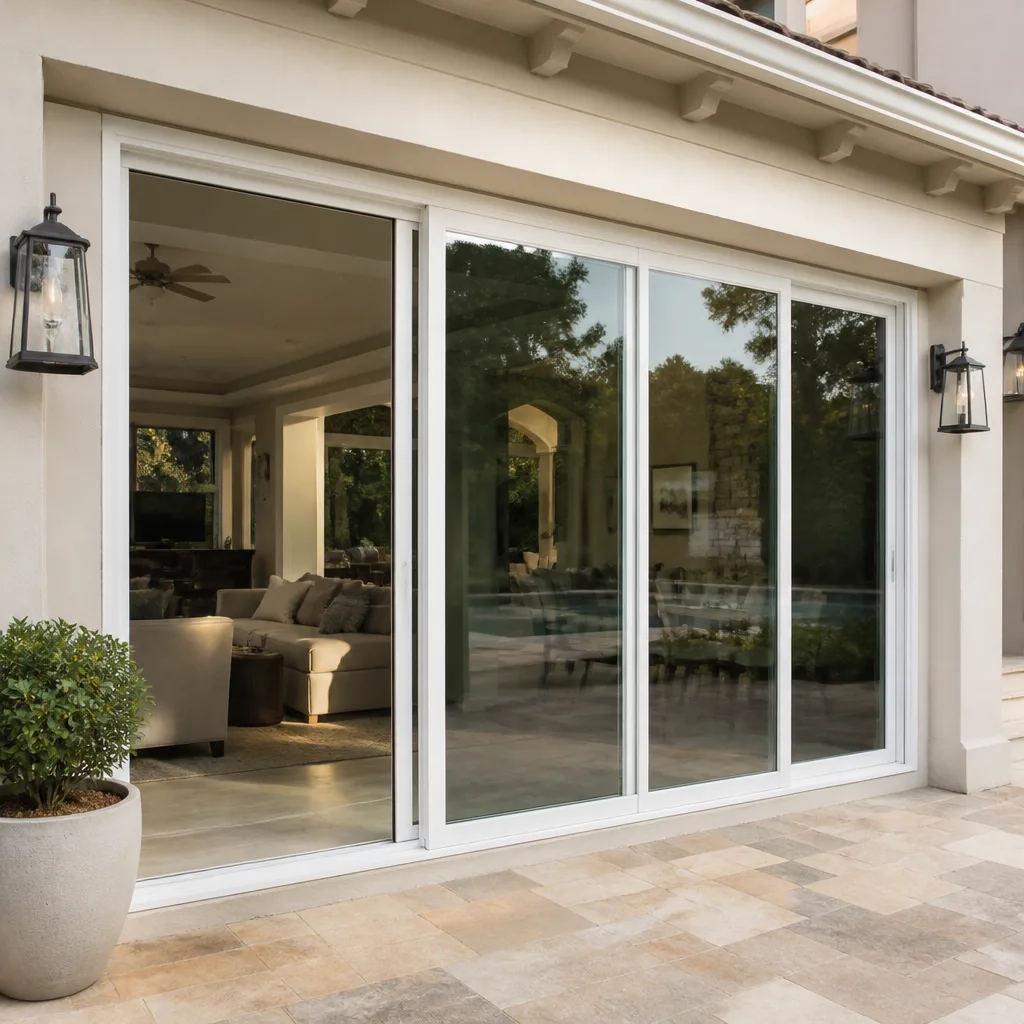
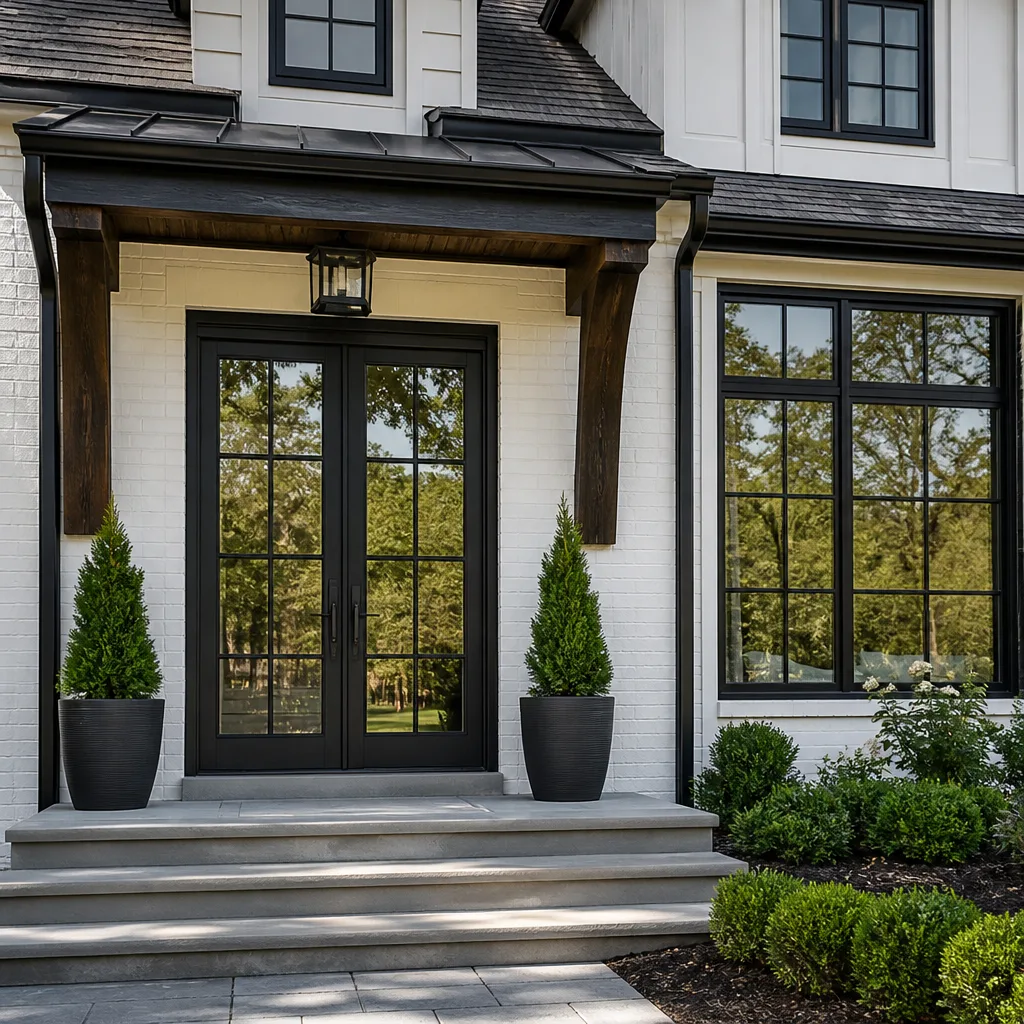
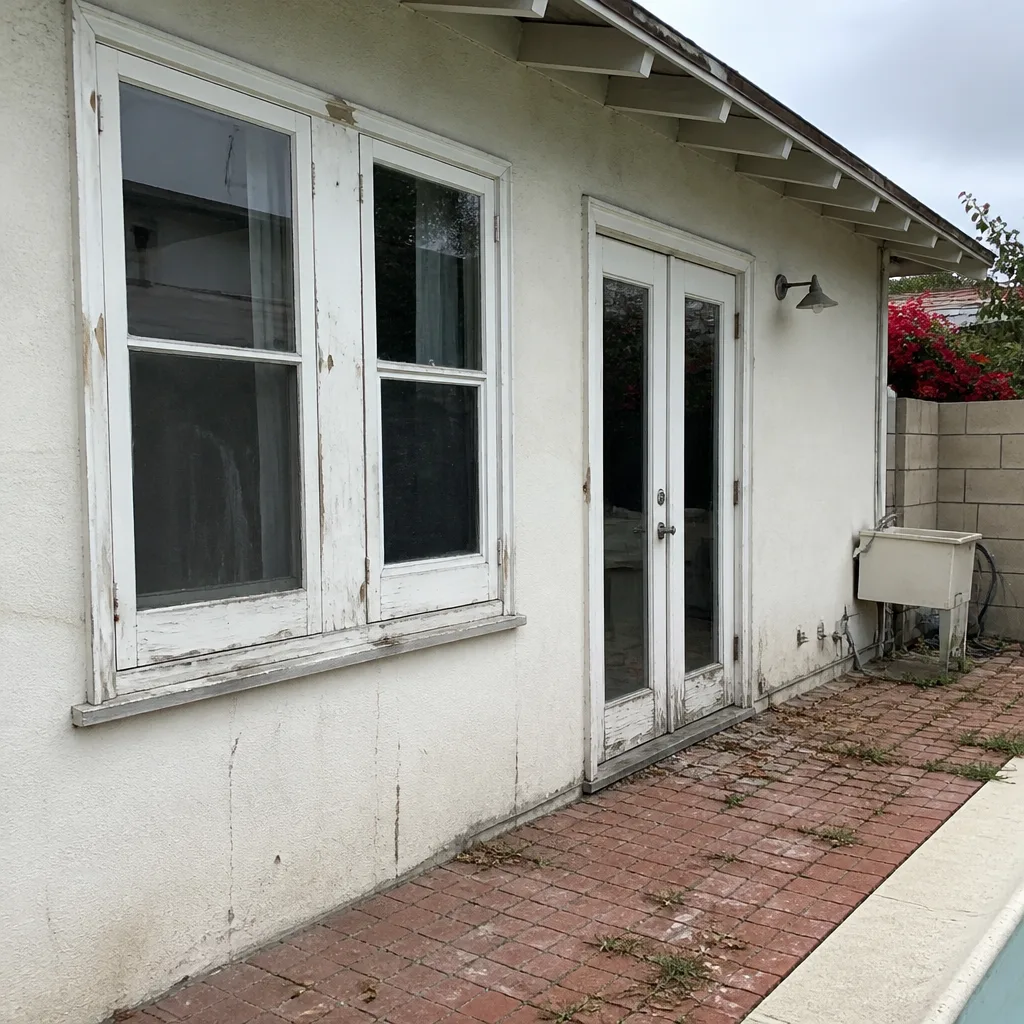 Before
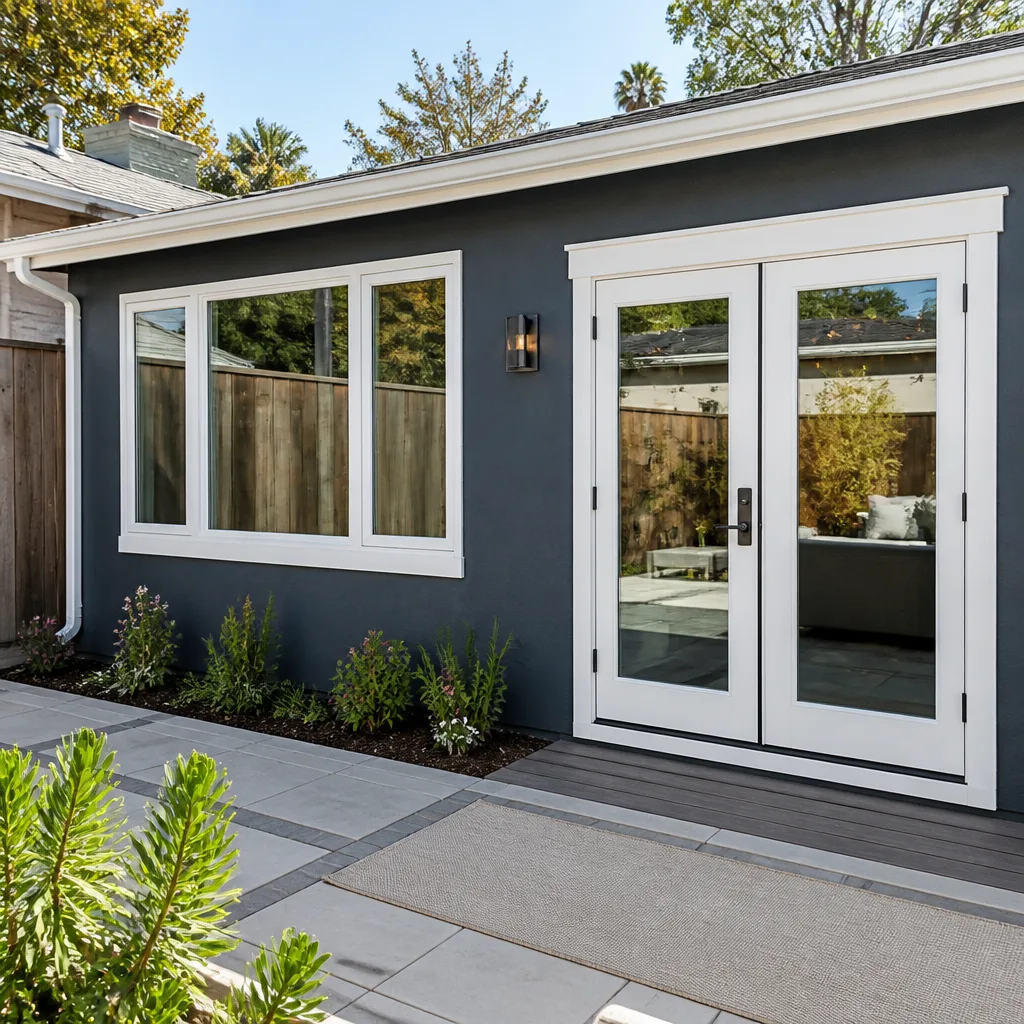 After
After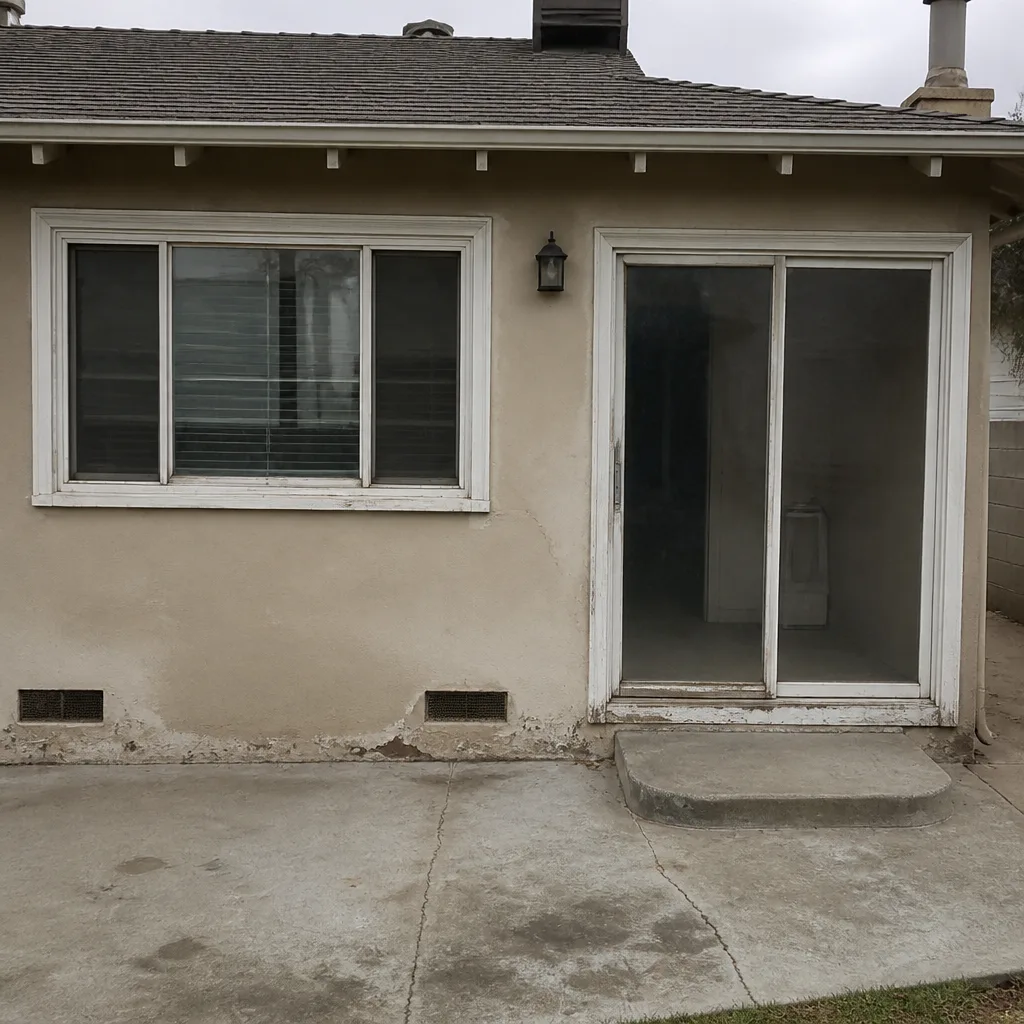 Before
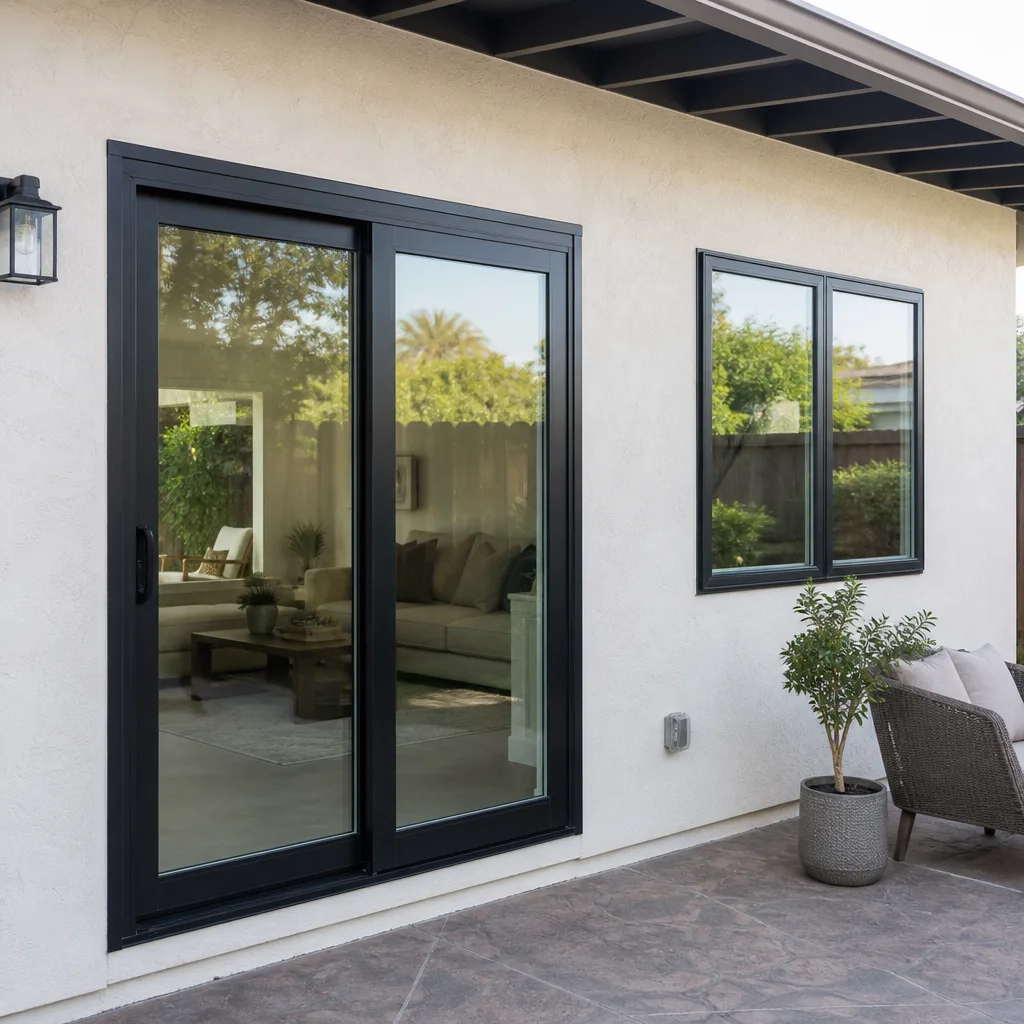 After
After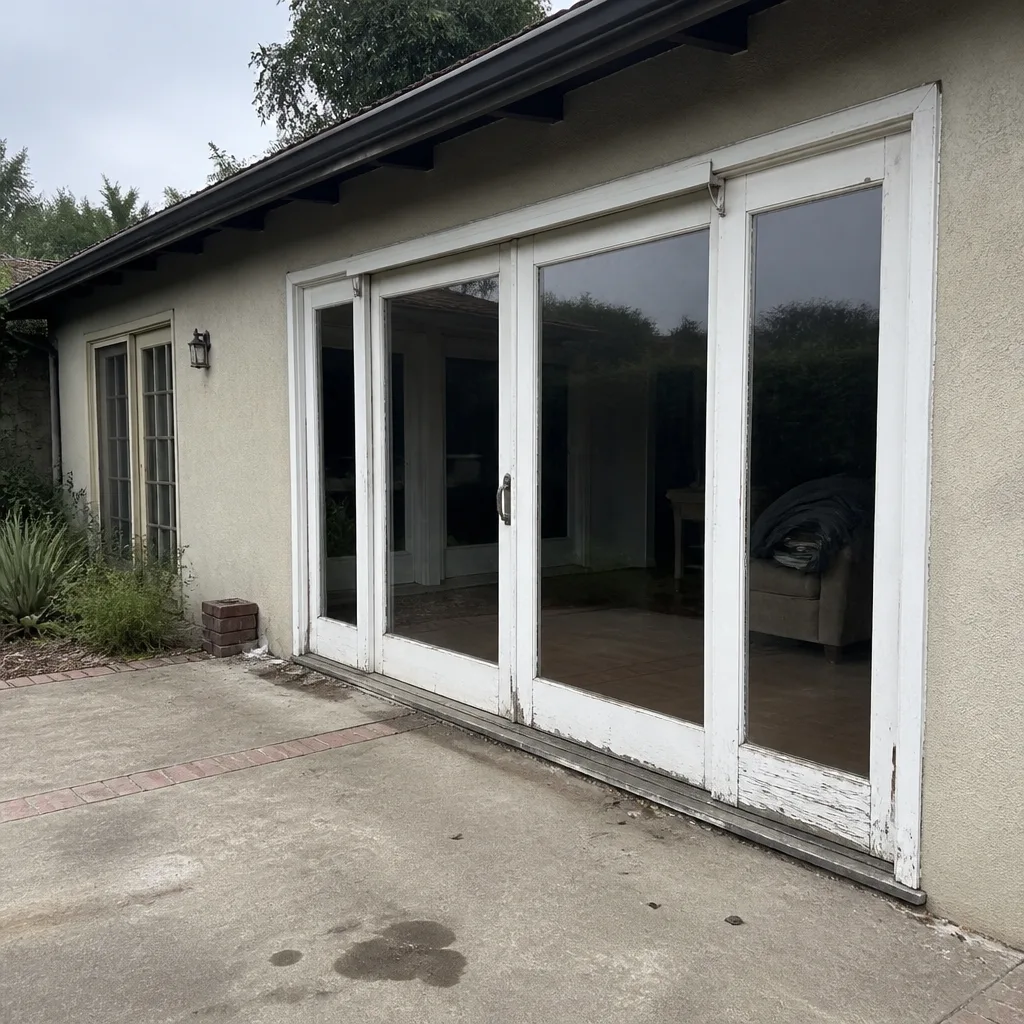 Before
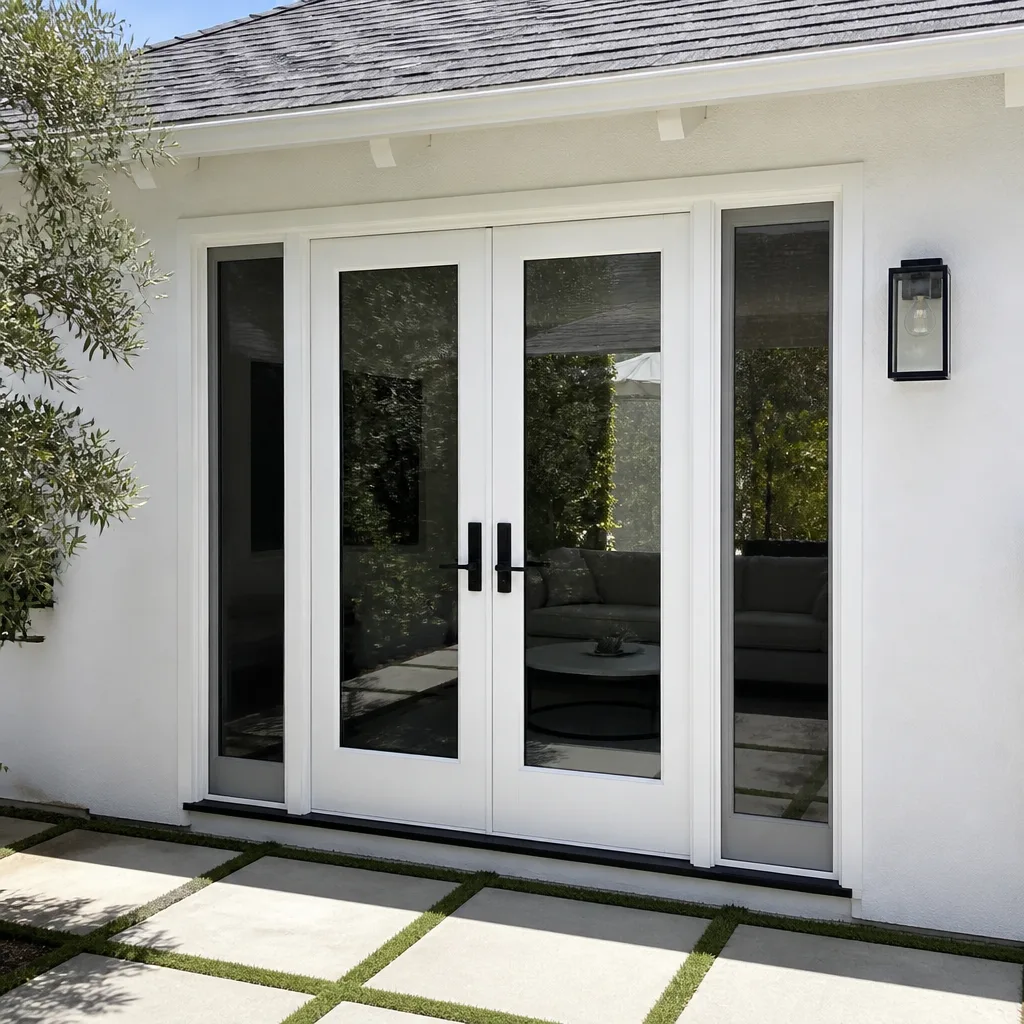 After
AfterHow Long Does Patio Door Installation Take? Timelines and What to Expect
Custom-ordered patio doors from most mid-to-premium manufacturers carry a 3 to 8 week fabrication lead time. That means a job that takes 4 to 6 hours to install on-site can have a 45-day runway before the crew ever shows up. If you’re planning a patio door replacement in Los Angeles and you schedule the contractor before the door has shipped, you’ve put the calendar in the wrong order. This guide maps the full timeline from first measurement to operable door, with honest ranges for each phase so you can plan around reality instead of a sales pitch. For related reading, see our article on How Long Does Window Installation Take? Timelines and What to Expect.
Quick Answer
Patio door installation in Los Angeles takes 4 to 8 hours on the day the crew arrives, assuming a standard opening with no structural surprises. The full timeline, from first measurement to a finished, painted, inspected door, typically runs 4 to 10 weeks. The gap between those two numbers is fabrication lead time, permit processing, and finish work, not installation labor.
Table of Contents
- The Five Phases of a Patio Door Installation Timeline
- What Happens on Installation Day, Hour by Hour
- Why Fabrication Lead Time Is the Longest Phase
- Permit Timing in Los Angeles: What LADBS Means for Your Schedule
- After the Install: Stucco, Paint, and Why the Calendar Keeps Moving
- How Door Choice Affects Your Timeline and Budget
- How to Verify a Realistic Timeline at the Estimate
- Los Angeles-Specific Factors That Extend Lead Times
The Five Phases of a Patio Door Installation Timeline
A patio door installation is five separate phases, and only one of them happens at your house with tools in hand. For more guides & resources on home improvement planning, browse our blog. Homeowners who understand this sequence stop fighting the calendar and start planning around it. Here is the full breakdown from our work across Los Angeles neighborhoods from Sherman Oaks to Long Beach.
- Measurement and order: 1 hour on-site. A technician measures the rough opening, checks the header, and records the exact dimensions to the quarter inch. This visit is short, but it is the foundation of everything downstream. A measurement error of even a half inch turns a clean install into a structural modification.
- Fabrication lead time: 3 to 8 weeks. The door is built to your dimensions at the manufacturer’s facility. Standard in-stock sizes can ship in as little as a week. Custom sizes, specific glass packages, and doors from lines like PGT or CGI often run the full 6 to 8 weeks. This is the phase that surprises most homeowners.
- Permit issuance in Los Angeles: 2 to 10 business days. LADBS processes over-the-counter permits for most straightforward patio door replacements quickly, but any revision to the rough opening or structural header can push the review into the plan-check queue. We handle this phase for our clients, but the clock is real.
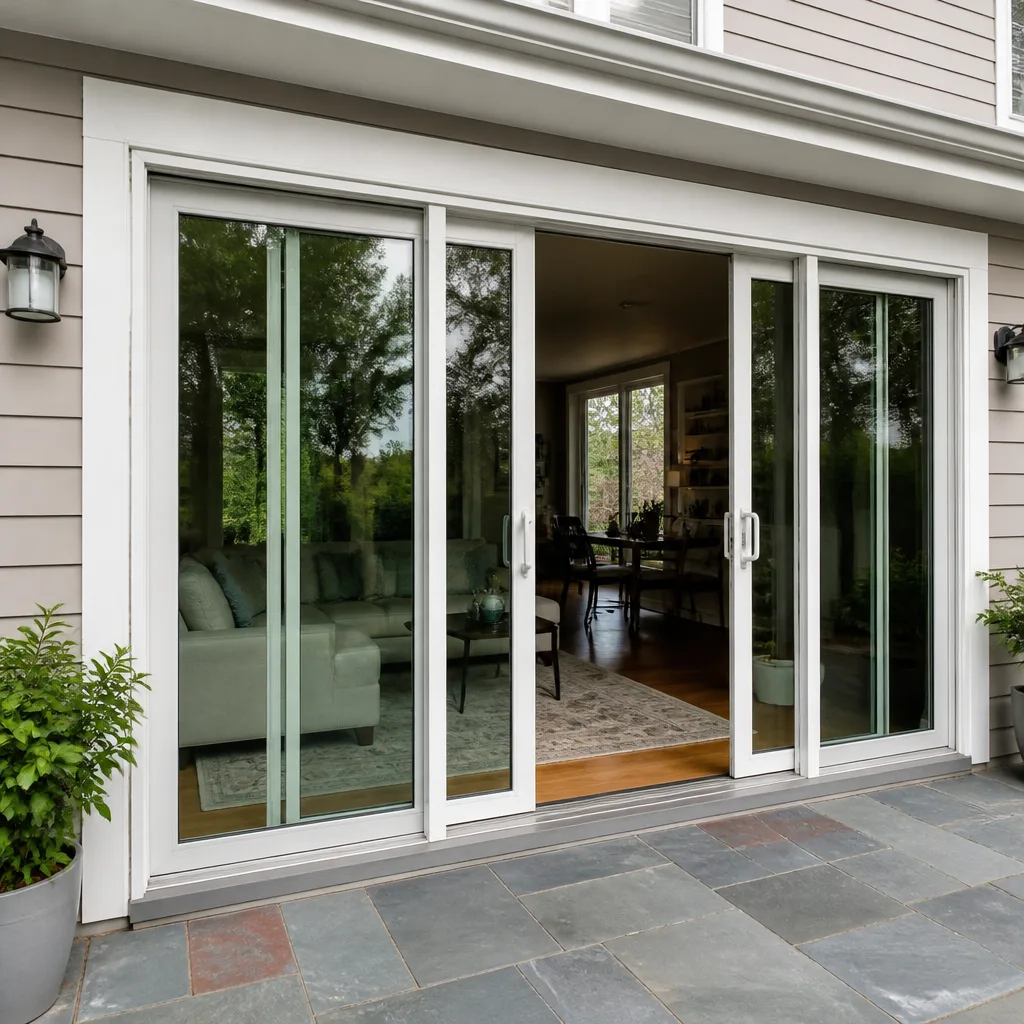
- Site installation: 4 to 8 hours for a standard opening. This is the phase everyone pictures when they ask how long patio door installation takes. The crew removes the old door, preps the opening, sets the new frame, installs the panels, and seals everything. It is one working day in most cases.
- Exterior finish and final inspection: 2 to 5 days after install. In Los Angeles, most patio doors are set into stucco exteriors. The stucco patch around the new frame needs to cure before paint goes on. Then the final inspection happens. The door is operable the day of install; the job is not fully complete until this phase wraps.
What Happens on Installation Day, Hour by Hour
Installation day for a standard sliding patio door in Los Angeles runs 4 to 8 hours. The range is wide because no two openings are identical, but the sequence is predictable. Here is how a typical day breaks down with a two-person crew.
- Hour 1: Site protection and removal. The crew lays down floor protection, covers nearby furniture, and removes the old door. This includes cutting through old caulk and paint, unscrewing the frame from the rough opening, and carefully pulling the old panels. Removal typically takes 45 to 90 minutes depending on how the original door was set.
- Hour 2 to 3: Rough opening inspection and prep. This is where the timeline can shift. If the original builder used a non-standard opening size, or if water damage has softened the framing, the crew needs to make corrections before the new door goes in. In our experience across Los Angeles homes built from the 1950s through the 1980s, roughly one in five openings needs some level of modification.
- Hour 3 to 5: Setting the frame and panels. The new frame is leveled, shimmed, and fastened to the rough opening. The door panels go in, the rollers are adjusted, and the door is tested for smooth operation. For a single sliding panel, this is straightforward. For a multi-slide or French door configuration, expect this phase to run longer.
- Hour 5 to 7: Sealing and insulation. The crew applies backer rod and sealant around the exterior perimeter, insulates any gaps between the frame and the rough opening, and installs interior trim if the job includes it. In Los Angeles, the sealant choice matters because our dry summers and wet winters put real stress on exterior joints.
- Hour 7 to 8: Cleanup and walkthrough. The old door and debris are hauled away, floor protection comes up, and the crew walks you through the new door’s operation, lock, and maintenance basics. You get a written summary of what was done and what comes next for the finish work.
If the rough opening needs structural modification, such as adding a new header or reframing for a wider door, installation day extends to a second day. That is not a delay; it is the difference between doing the job right and covering up a problem.
Why Fabrication Lead Time Is the Longest Phase
The single biggest misunderstanding in patio door installation is the gap between signing the estimate and seeing the door. Fabrication lead time is real, it is set by the manufacturer, and no contractor can make it shorter than the factory’s production schedule. Here is what drives the range.
In-stock standard sizes: 3 to 7 days. If your opening matches a standard 60-inch or 72-inch sliding door size, and you want clear glass with a standard frame finish, the door may already be sitting in a regional warehouse. These jobs move fast.
Semi-custom configurations: 2 to 4 weeks. Any change to the glass package (low-E coatings, impact-rated glass for coastal Los Angeles neighborhoods like San Pedro or Playa del Rey, or tinted glass for west-facing rooms) pushes the door into a production queue. So does a non-standard frame color or a specific hardware finish.
Fully custom doors: 6 to 8 weeks. Multi-slide configurations, doors wider than 96 inches, French door pairs with transoms, or anything built to an unusual rough opening goes to the back of the production line. Manufacturers like PGT, CGI, and CWS build these to order. There is no shortcut.
Title 24 compliance in California adds another wrinkle. Doors with high-performance glass packages that meet specific solar heat gain coefficients may require custom glass orders. That is not a delay to avoid; it is a building code requirement that saves you money on cooling costs every summer after.
Permit Timing in Los Angeles: What LADBS Means for Your Schedule
Patio door replacement in Los Angeles requires a permit when the rough opening changes size or when structural elements like headers are modified. A direct same-size replacement may not need one, but any competent contractor will tell you during the estimate phase whether your job falls under LADBS review.
The permit timeline in Los Angeles breaks down like this:
- Over-the-counter permits: 2 to 5 business days. Most straightforward patio door replacements that require a permit can be walked through the LADBS counter process quickly. The paperwork is reviewed on the spot, fees are paid, and the permit is issued.
- Plan check review: 5 to 10 business days. If the job involves structural changes beyond a simple header replacement, LADBS routes the plans through a plan checker. This is common when widening an opening for a larger door or converting a window into a patio door.
- Inspection scheduling: 1 to 3 days after request. After the door is installed and the finish work is done, the LADBS inspector verifies the work matches the permit. In busy remodeling seasons, we have seen inspection backlogs in certain Los Angeles neighborhoods push this from 1 day to a full week.
We pull permits on every job that requires one. The cost is a line item on the written estimate, and the inspection pass is part of the job, not an optional extra.
After the Install: Stucco, Paint, and Why the Calendar Keeps Moving
The door is installed and operable by the end of installation day. But in Los Angeles, where the dominant exterior cladding is stucco, the job is not finished when the last screw is set. Here is what happens in the days after install.
Stucco patch: same day or next day. The gap between the new door frame and the existing stucco needs a patch. The patch material goes in, is tooled to match the surrounding texture, and then needs to cure. In Los Angeles’s dry climate, curing typically runs 24 to 48 hours depending on the season and the patch depth.
Primer and paint: 1 day, after cure. Once the patch has cured, the area gets primed and painted to match the existing exterior. Paint adds another day to the calendar, and it cannot be rushed. Painting over uncured stucco fails within months.
Interior trim and drywall: 1 day, if needed. If the installation required interior drywall repair around the opening, that work happens after the exterior is sealed. Drywall mud needs time to dry before paint.
Final inspection: scheduled after finish work. The LADBS inspector comes after the stucco and paint are complete, not before. That means the full job calendar, from start to final sign-off, runs 2 to 5 days beyond installation day for a typical stucco home in Los Angeles.
This is why scheduling around weather matters. A rain forecast in the middle of stucco curing pushes the paint and the final inspection. Los Angeles does not get much rain, but December through February storms arrive without warning and stall exterior finish work exactly when homeowners want the door done for the holidays.
How Door Choice Affects Your Timeline and Budget
Every patio door decision a homeowner makes during the estimate phase has a direct effect on both the calendar and the final price. Here is a realistic look at what different door types mean for a Los Angeles install in terms of timeline and cost.
| Door Type | Typical Fabrication Lead Time | Typical Install Day Duration | Installed Price Range (Los Angeles) |
|---|---|---|---|
| Standard sliding door, in-stock size | 1 to 2 weeks | 4 to 6 hours | $2,200 to $4,500 |
| Semi-custom sliding door | 3 to 5 weeks | 5 to 7 hours | $3,800 to $7,200 |
| French patio doors (custom pair) | 4 to 7 weeks | 6 to 8 hours | $5,500 to $11,000 |
| Multi-slide door, 3 or more panels | 6 to 8 weeks | 2 days | $9,000 to $22,000+ |
These are realistic ranges for the Los Angeles market in 2025, not nationwide averages. The spread between the low and high end accounts for glass upgrades, frame materials, hardware tier, and whether the job requires rough opening modification.
Impact-rated doors from manufacturers like PGT and CGI carry a longer lead time and a higher price. For homes in Los Angeles coastal zones where wind-borne debris is a code requirement, that is not an upsell; it is the law. We spec the door that meets the code and fits the budget, and the price is on paper before any work starts.
How to Verify a Realistic Timeline at the Estimate
Any contractor can quote a timeline from memory. A disciplined contractor writes down the current lead time for the specific product you are ordering, from the specific manufacturer, dated the day you sign. Here is how to make sure the timeline you are quoted is real.
- Ask for the current lead time in writing, tied to the exact SKU. A range from memory (“oh, most doors take about a month”) is worthless. The manufacturer’s current production schedule is a fact, and it changes. Ask for the written confirmation.
- Ask what happens to the schedule if the door arrives damaged. Freight damage happens. A good contractor checks the door on arrival and has a process for replacement without leaving a hole in your wall for six weeks.
- Get the permit responsibility in writing. Who pulls the permit, who pays the fee, and who schedules the inspection. In Los Angeles, this matters because LADBS does not allow a homeowner to transfer permit responsibility to a contractor without the proper paperwork.
- Ask about finish work scope. Does the estimate include stucco patch and paint, or is that your responsibility? If it is excluded, your timeline extends by whatever time it takes you to find a painter.
- Ask who shows up on installation day. The crew that installs your door should be the crew the contractor trained, not a subcontractor of the week. We send background-checked, uniformed technicians on every call, and the estimator who measured your door is the same company that installs it.
A patio door is a sizeable investment, and the timeline is part of the contract, not a casual promise. Meridian Windows & Doors puts the lead time, the permit schedule, and the finish work scope in writing on every estimate. That includes the 365-Day Done Right Promise: if the installation fails within a year, we come back at no charge. No fine print, no labor exclusions.
Los Angeles-Specific Factors That Extend Lead Times
Los Angeles is not a generic market, and patio door installation timelines here reflect that. Three factors show up repeatedly in our work across the city.
Post-remodel-season demand. Los Angeles has a heavy concentration of home remodeling activity from late spring through early fall. Manufacturers’ production queues fill up, and lead times stretch from 4 weeks toward 8 weeks. If you can order in the off-season, November through February, you often get faster fabrication and better scheduling flexibility.
LADBS inspection backlog. The Los Angeles Department of Building and Safety handles a massive volume of permits. During peak construction periods, inspection requests can sit for 3 to 5 business days before an inspector is assigned. This is a Los Angeles-specific reality that nationwide contractor guides simply do not mention.
Custom glass orders for Title 24 compliance. California’s energy code sets specific requirements for glass performance based on climate zone, and Los Angeles spans multiple zones. A door with standard clear glass may need a low-E upgrade to meet code, and that glass may not be a stock item. Custom glass fabrication adds 1 to 3 weeks to the lead time. It is not optional, and it is not a scam; it is the cost of a door that keeps your cooling bills down through August.
Common Mistakes to Avoid
- Scheduling the contractor before the door is ordered. The lead time is the lead time. Sign the estimate, get the order placed, and then schedule installation around the confirmed delivery date. Ordering the door first, then scheduling the crew, is the correct sequence.
- Choosing a door based on a showroom display without confirming lead time. That display model is not the door you are buying. Your door is built to your measurements and your glass package, and it takes time to build. Confirm the current lead time before you fall in love with a specific model.
- Skipping the permit to save time. An unpermitted patio door installation in Los Angeles becomes a liability when you sell the home. The timeline savings are temporary; the title problem is permanent until it is fixed.
- Budgeting for the door but not the finish work. Stucco patch, paint, and interior trim repair are not free. If the estimate does not include them, your total project cost just went up by $500 to $1,500 depending on scope.
- Assuming a standard opening. Homes built in Los Angeles between 1950 and 1980 frequently have non-standard rough openings. You do not know until the old door comes out. A contractor who prices the job without acknowledging this possibility is not doing you a favor.
- Replacing the door but not the threshold. The threshold takes the most weather exposure. If the old threshold has rotted, the new door will leak. This is a common problem in Los Angeles homes where irrigation overspray hits the patio door for years before replacement.
- Measuring once and hoping. A patio door measurement needs to be verified twice: once at the estimate and once before the order is released to the manufacturer. We do this as standard practice because the cost of a mis-measured custom door is another six weeks of lead time.
When to Call a Professional
A patio door replacement is not a handyperson job. When you are dealing with a large glass panel, a structural rough opening, exterior waterproofing, and LADBS permit requirements, a trained crew is the difference between a door that operates smoothly for 20 years and one that binds, leaks, or fails inspection. If your existing door has water damage around the frame, if the door sticks or drags, if you see daylight through the weatherstripping, or if you want to change the opening size, call a professional. Meridian Windows & Doors offers free estimates in Los Angeles, and the price is on paper before any work starts. Call (817) 686-2228 to schedule yours.
Frequently Asked Questions
A standard sliding patio door installation takes 4 to 8 hours on-site, assuming the rough opening is in good condition and no structural modification is needed. French door configurations and multi-slide doors can extend the work into a second day.
Patio doors in Los Angeles are built to order for your specific opening size, glass package, and finish. The manufacturer’s fabrication queue determines the lead time, and custom configurations from lines like PGT, CGI, or CWS typically run the full 6 to 8 weeks. Standard in-stock sizes can ship in days, not weeks.
A same-size replacement with no structural change may not require a permit, but any modification to the rough opening or header does. LADBS issues over-the-counter permits for straightforward replacements in 2 to 5 business days. Meridian Windows & Doors pulls the permit on every job that requires one.
The stucco patch around the new frame needs 24 to 48 hours to cure before primer and paint go on. Painting too early causes the patch to fail. The full finish timeline, including paint and final inspection, typically runs 2 to 5 days after installation day.
For a semi-custom sliding patio door in Los Angeles, expect 4 to 8 weeks from signed estimate to a finished, painted, inspected door. That includes measurement, fabrication lead time, permit processing, installation, and finish work. Custom glass or structural changes push the range toward 10 weeks.
Not with a written estimate from Meridian Windows & Doors. The price goes on paper before any work starts, and it does not move at the door. The only legitimate reason for a change order is a discovered structural problem that could not have been seen before the old door came out, and we document that in writing before proceeding. Call (817) 686-2228 for an exact quote, estimates are free.
The Bottom Line
A patio door installation in Los Angeles has a short install day and a long lead-up. The on-site work runs 4 to 8 hours for a standard opening, but the full project from first measurement to final inspection typically spans 4 to 10 weeks. The biggest variable is fabrication lead time, set by the manufacturer, not the contractor. Permits, stucco cure time, and finish painting add days to the tail end. If you remember one thing from this guide, it is this: order the door first, schedule the crew second, and get every timeline promise in writing. Meridian Windows & Doors puts the price, the lead time, and the guarantee on paper before any work begins, and we stand behind every installation for a full year. To learn more about our Meridian Windows & Doors home services, explore our Window Replacement in Los Angeles and Window Installation in Los Angeles pages, or see what is involved in a full Patio Door Installation in Los Angeles. Call (817) 686-2228 to schedule your free estimate today.
Written by Elliot Vance, Owner at Meridian Windows & Doors, serving Los Angeles since 2009.