

Last updated October 9, 2026
Free in-home measure and quote - PGT, CGI and CWS impact lines compared on your actual openings, style by style
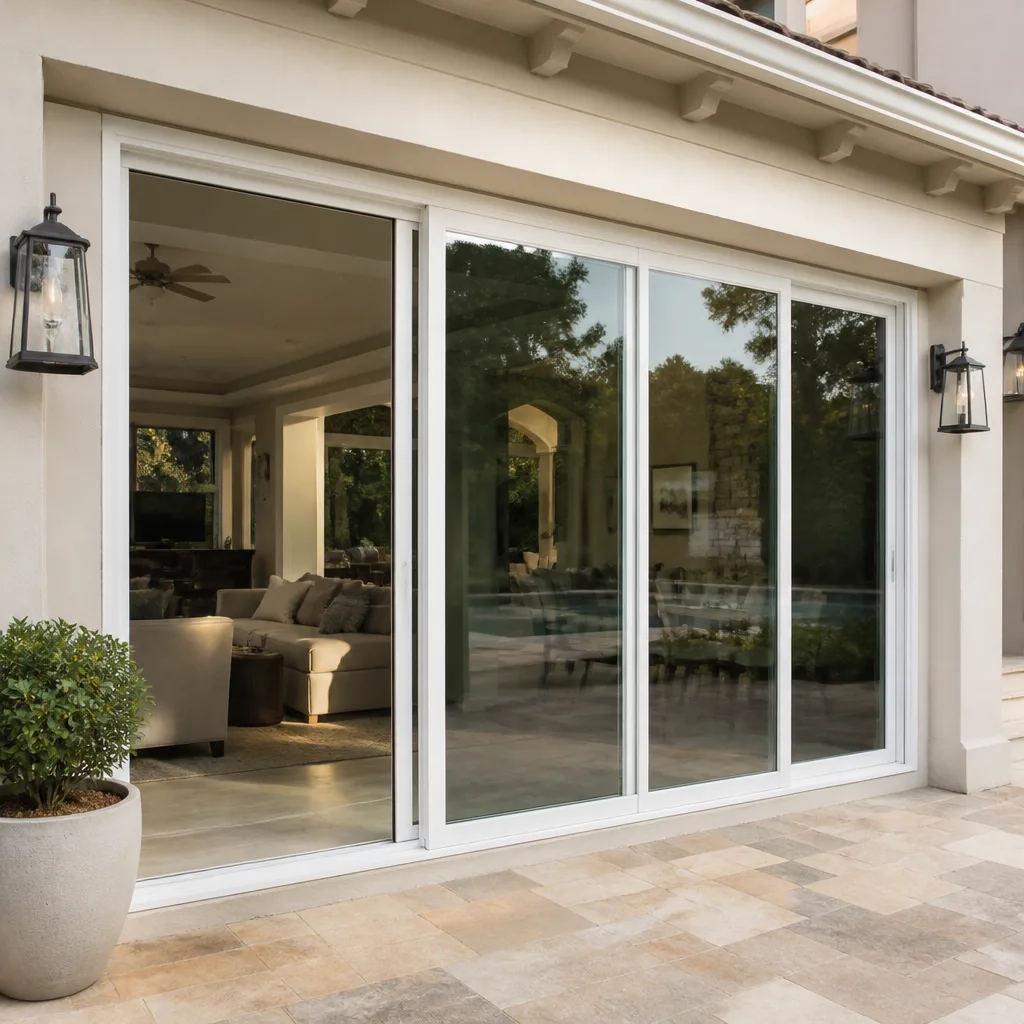
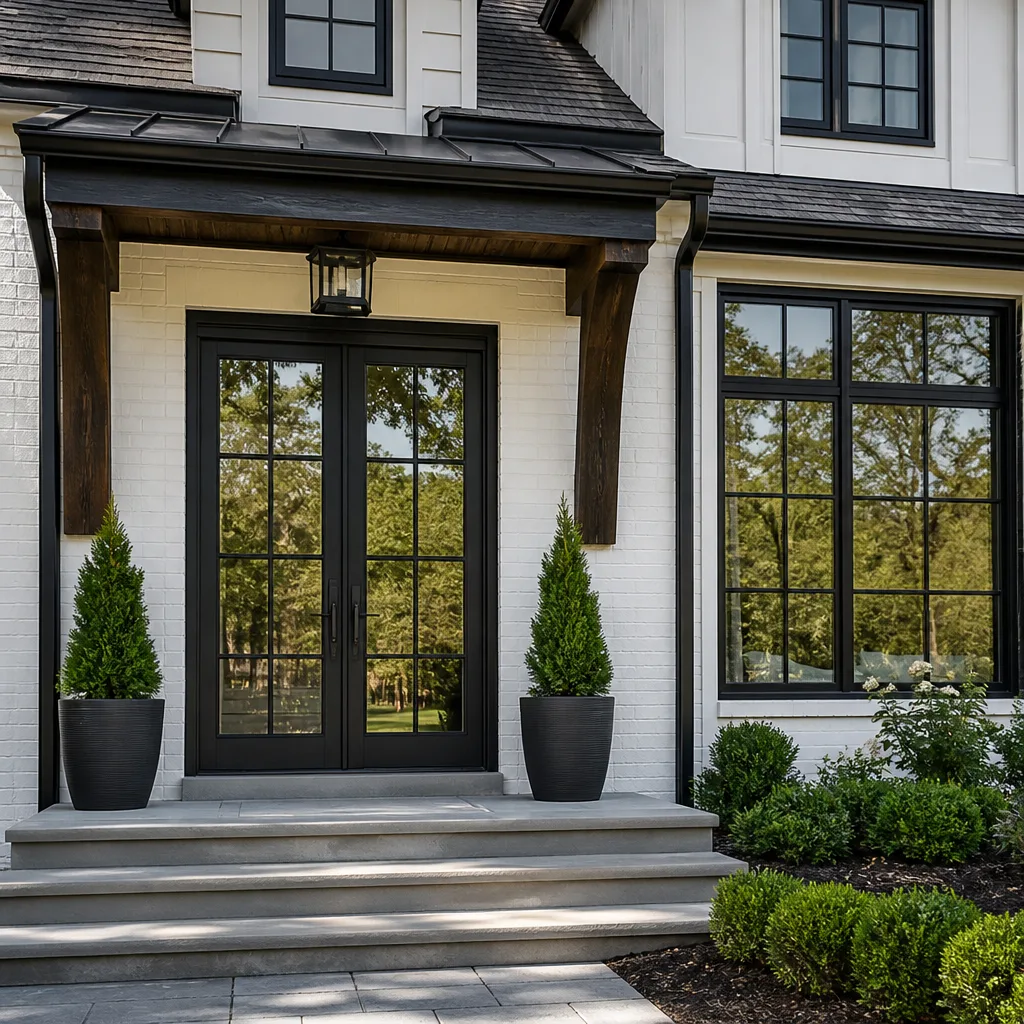
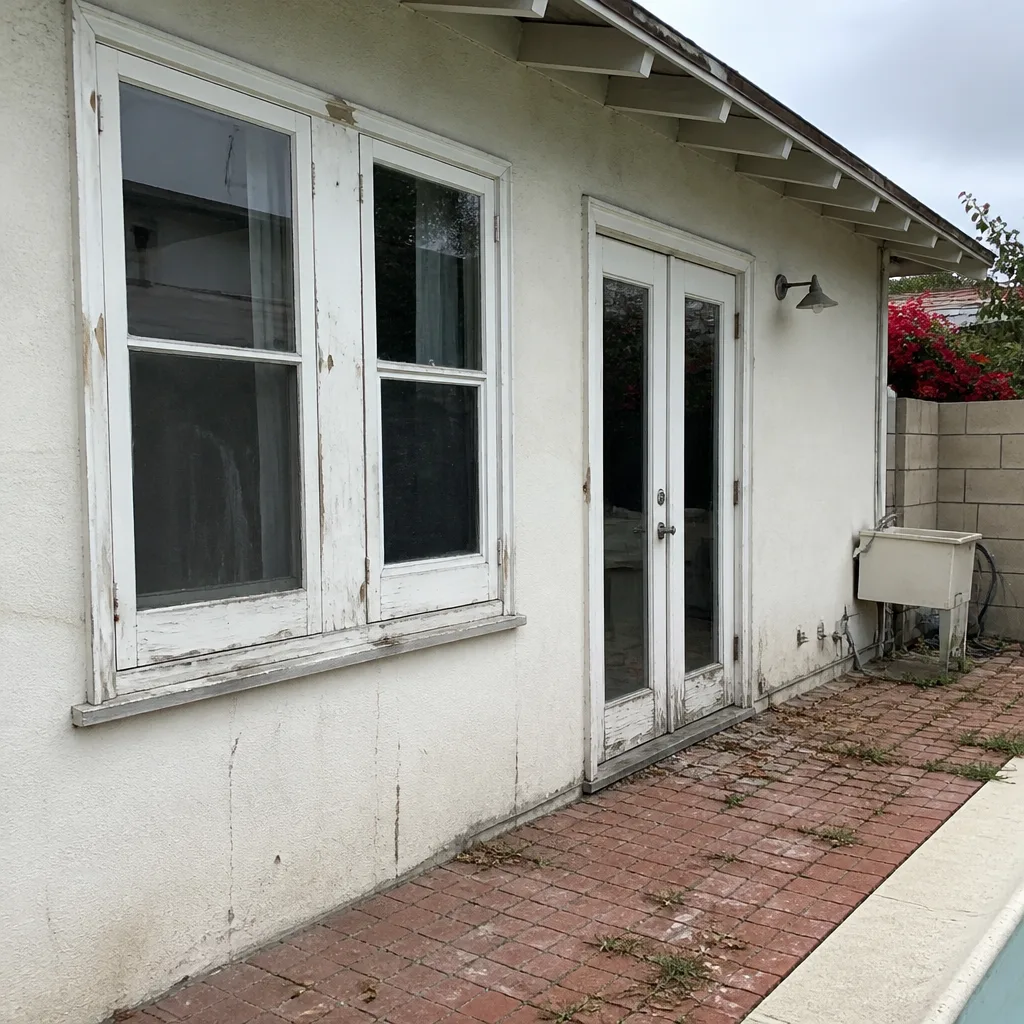 Before
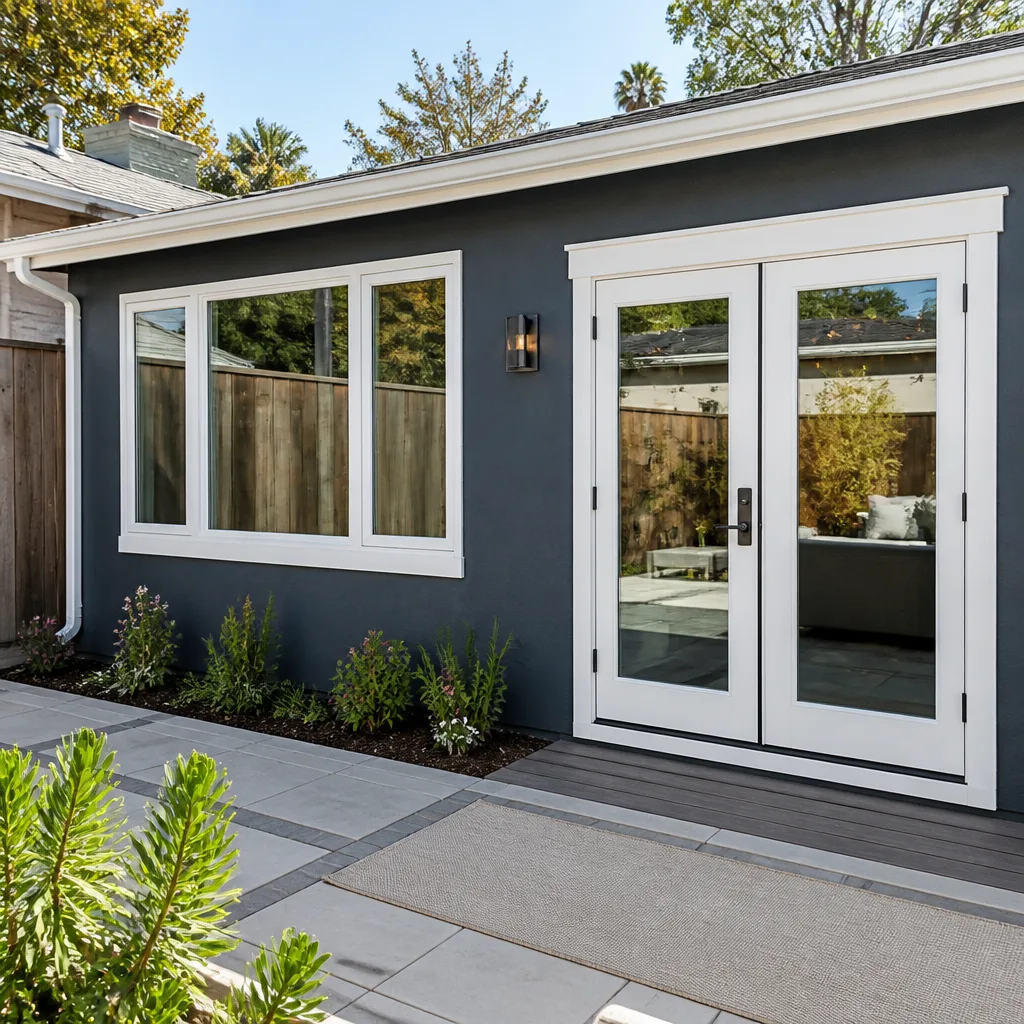 After
After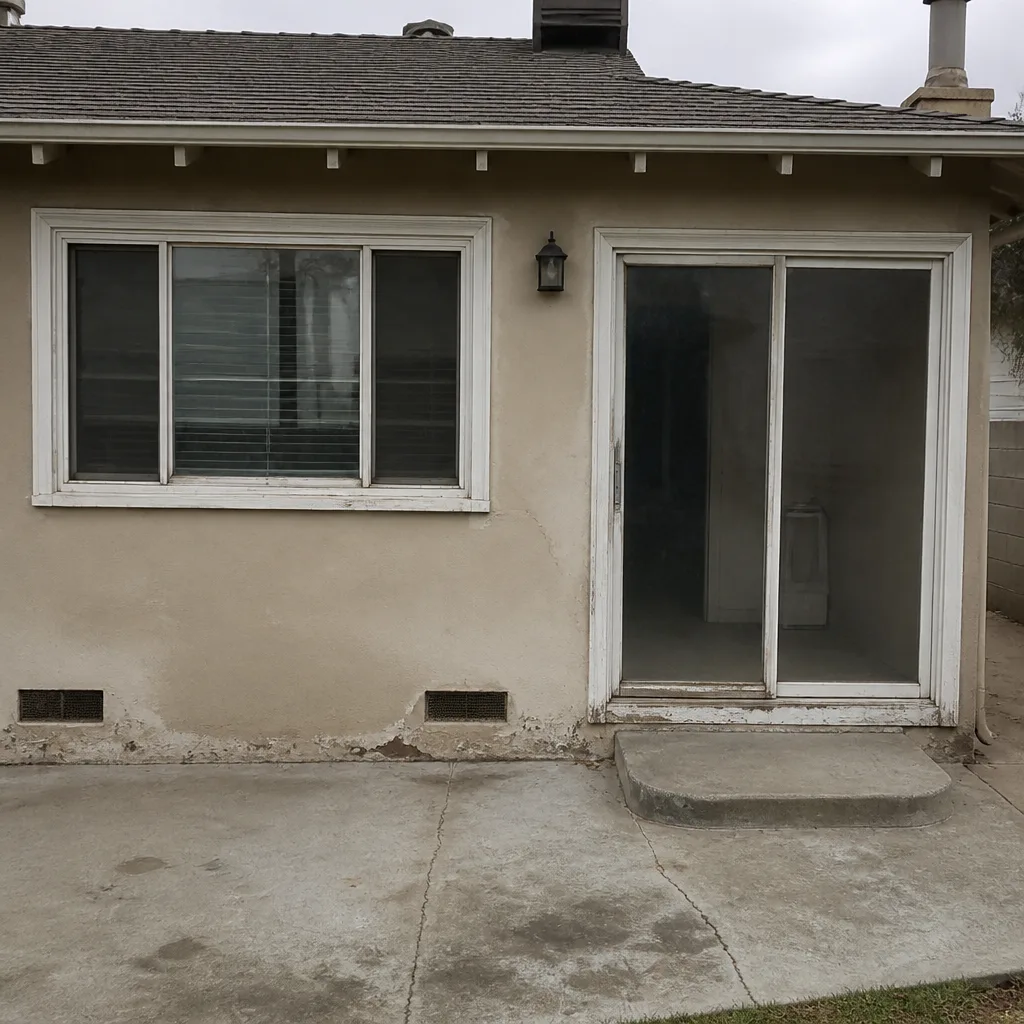 Before
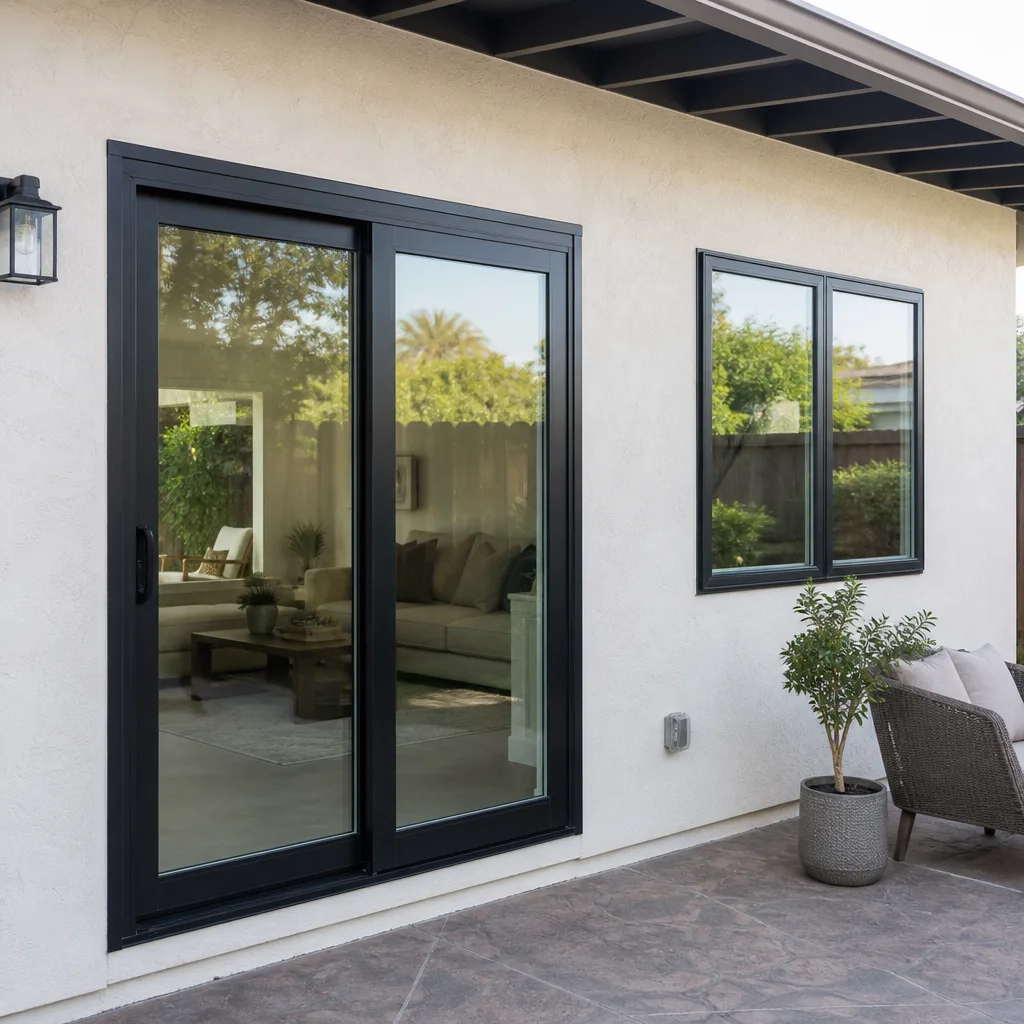 After
After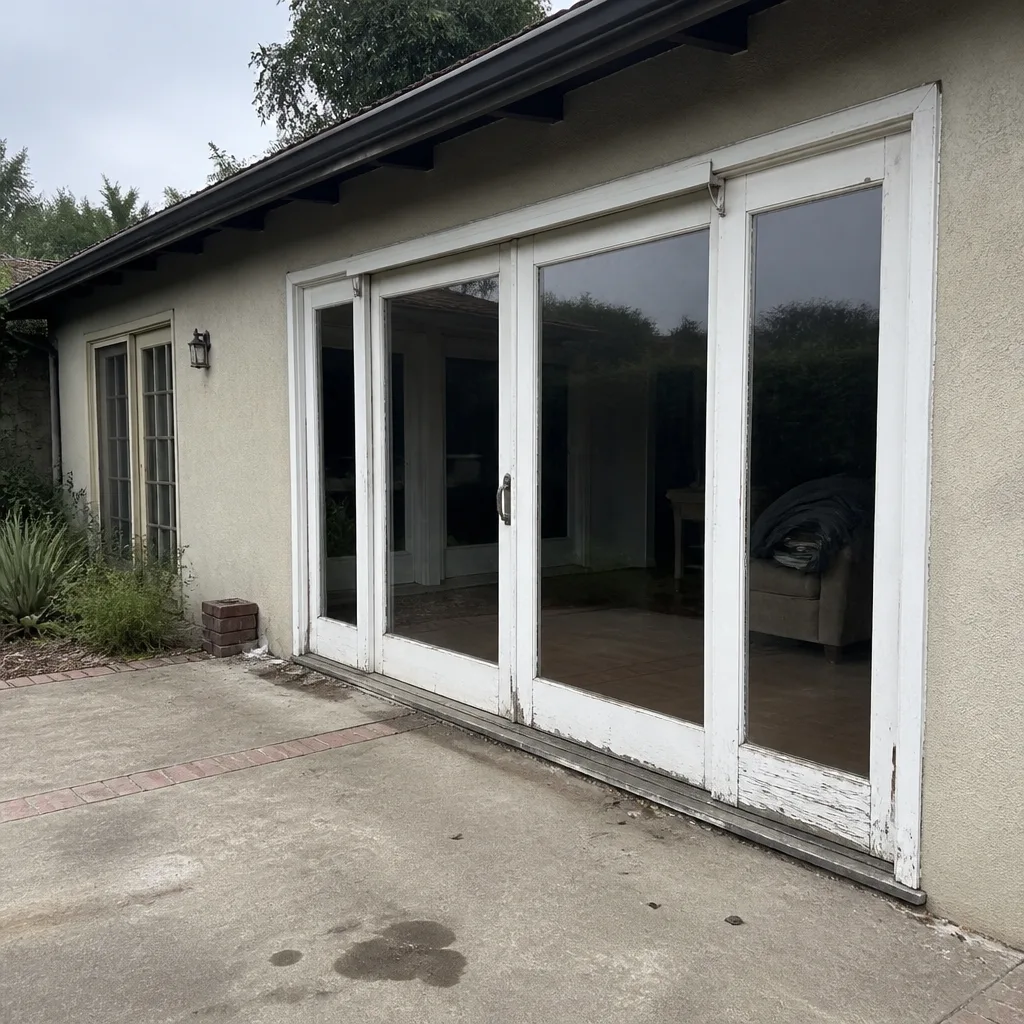 Before
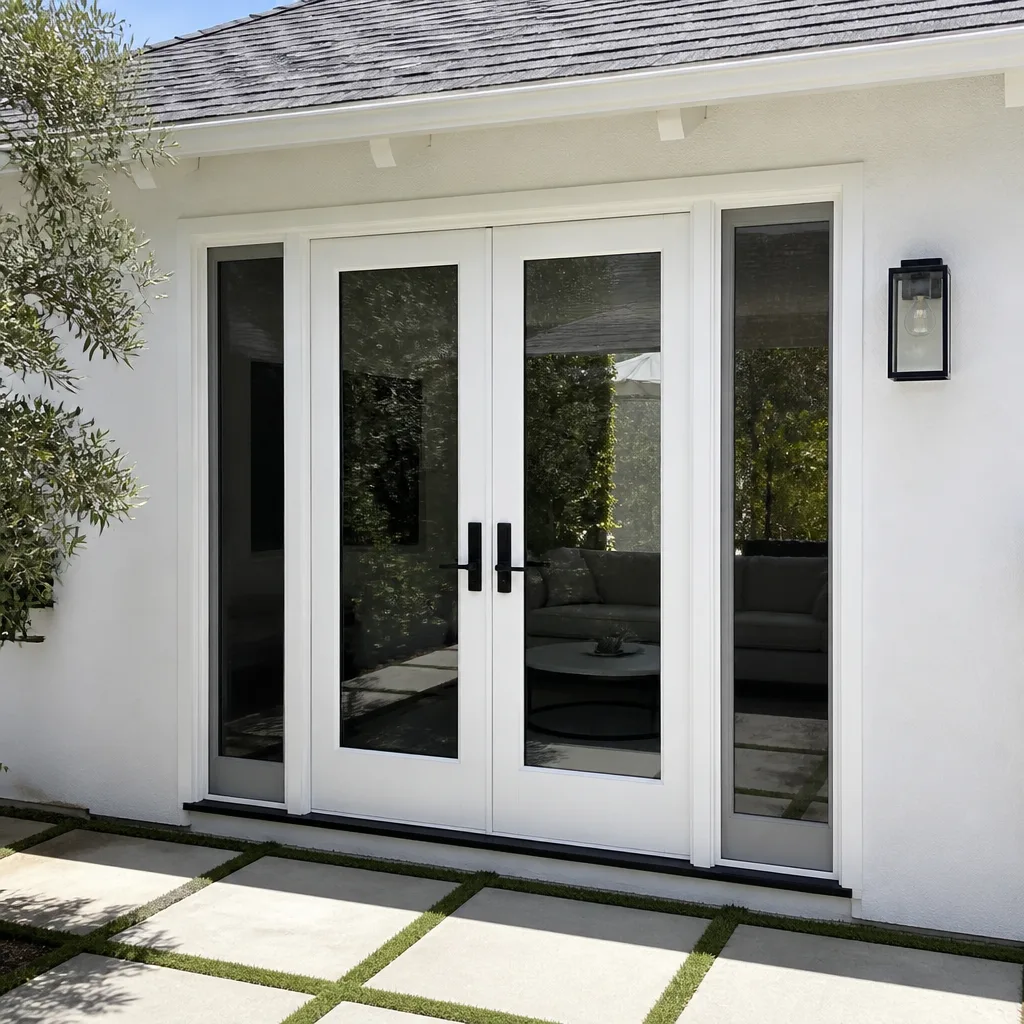 After
AfterHow Long Does Window Replacement Take? Timelines and What to Expect
Custom-size replacement windows from most US manufacturers currently carry a 4-to-8-week lead time from order to delivery. If a contractor quotes you a “two-week” start on a custom-size unit without pausing to check stock, that window does not exist yet and the promise is already broken. That distinction, between how long a window takes to arrive and how long it takes to install, is the entire conversation most Los Angeles homeowners never get to have. This guide walks through both timelines in real numbers, what adds days or weeks, and how to read a written schedule without getting burned.
Quick Answer
A standard retrofit Window Replacement services in Los Angeles takes 45 – 90 minutes per window once materials are on site. The full project timeline, from signed contract to finished install, typically runs 2 – 8 weeks depending on whether your windows are stock units sitting in a local distributor warehouse or custom-size units that must be manufactured to order. Full-frame tear-out replacements run 3 – 4 hours per opening and add roughly one day of finish work per four to five windows.
Table of Contents
- Lead Time vs. Install Time: The Two Timelines Contractors Blur
- Stock Windows vs. Custom Windows: Which Ships in Days and Which Ships in Weeks
- Real Per-Window Installation Benchmarks
- How Los Angeles Permits Affect Your Window Replacement Timeline
- HOA Approvals, Weather, and Lead-Paint Testing: The Three Delays Nobody Mentions Up Front
- How to Read a Contractor’s Written Schedule
- Common Mistakes to Avoid
- When to Call a Professional
- Frequently Asked Questions
- The Bottom Line
Lead Time vs. Install Time: The Two Timelines Contractors Blur
There are two separate clocks running on every window replacement project. Clock one is lead time: the period between the day you sign the contract and the day the windows physically arrive at the job site or the installer’s warehouse. Clock two is install time: the hours and days the crew spends pulling old units, setting new ones, trimming, flashing, and cleaning up. Contractors routinely blur these together because a vague “about two weeks” sounds better than a precise “six weeks until arrival, then one afternoon to install.”
Lead time is controlled almost entirely by the manufacturer and the product line. A stock-size double-hung window that sits in a local Los Angeles distributor’s warehouse can ship in 1 – 3 business days. A custom-size window with specific glass coatings, grid patterns, and frame colors must be produced to order, and that production queue runs 4 – 8 weeks at most US plants right now. We see this gap in nearly every neighborhood we serve, from Van Nuys to Pasadena: the homeowner budgeted for the window, but not for the wait.
Install time is controlled by the crew. A competent two-person team retrofitting a standard opening in a stucco home works at 45 – 90 minutes per window. A full-frame replacement, where the old frame comes all the way out and the new unit ties into the house’s weather barrier, runs 3 – 4 hours per opening. The distinction matters because it tells you exactly which promises are real and which are sales talk.
When Meridian Windows & Doors home quotes a schedule, both clocks are on the written page: the expected arrival date for the units, the install date, and the number of days the crew will be on site. That separation is the only honest way to plan a window project in Los Angeles.
Stock Windows vs. Custom Windows: Which Ships in Days and Which Ships in Weeks
Window dimensions are not a fashion choice. They are a math problem with real consequences for your timeline and your budget. Homeowners who understand the difference between stock and custom sizing can often choose between a one-week project and a two-month project before a single window is ordered.
Stock-size windows are manufactured to standard dimension increments: common widths like 24, 28, 32, 36, and 48 inches, common heights like 36, 48, 60, and 72 inches. These units sit on shelves in regional distributor warehouses serving the Los Angeles market. When a contractor orders a stock unit, it ships in 1 – 3 business days and can be scheduled for installation that same week. The tradeoff is that the window has to fit the opening, not the other way around. If your rough opening is 35 inches wide and the nearest stock unit is 36, you either reframe the opening or order custom.
Custom-size windows are built for your exact rough opening dimensions, down to the fraction of an inch. This is the right call for most Southern California homes built before 1990, when framing was less standardized and window sizes varied builder to builder. Custom units run 4 – 8 weeks from order to delivery because the manufacturer produces the frame, the glass package, and the hardware configuration only after the order is placed.
- Stock sizes: 1 – 3 business day shipping from local distributor warehouses. Best for newer tract homes with standard openings.
- Custom sizes: 4 – 8 week factory production. Required for older Los Angeles homes, odd openings, or specific aesthetic requirements.
- Semi-custom lines: Some manufacturers in our portfolio, including Mr-Glass and Therma-Tru, run semi-custom programs where common sizes with upgraded glass packages ship in 2 – 3 weeks.
Before you sign anything, read our How to Hire a Windows & Doors Contractor in Los Angeles: A Step-by-Step Guide, then ask the contractor one question: “Is this window a stock size or a custom order, and what is the manufacturer’s current lead time?” The answer will tell you more about your timeline than the install crew’s availability ever will.
Real Per-Window Installation Benchmarks
Installation time is where a disciplined crew earns its pay. The numbers below reflect what we have observed across hundreds of Los Angeles window replacements, and they assume a two-person team with the right tools and a clear plan.
Retrofit (Insert Replacement): 45 – 90 Minutes per Window
A retrofit, sometimes called a pocket replacement, leaves the existing frame in place and installs a new window unit inside it. The work involves removing the old sashes, cleaning the existing frame, setting the new unit with shims, squaring and leveling, insulating the gaps, caulking, and trimming out with the manufacturer’s interior trim or matching existing trim. In a stucco home in the San Fernando Valley, a standard retrofit on a ground-floor opening runs 45 – 90 minutes from first cut to final caulk. A full day’s work for a two-person crew is typically 6 – 10 retrofitted windows.
Full-Frame Tear-Out: 3 – 4 Hours per Window
A full-frame replacement removes everything to the rough opening: old frame, old flashing, old trim. The crew then flashes the opening to the home’s weather barrier, sets the new window, shims and levels, insulates, reinstalls exterior trim, and seals the exterior face. This is the correct method when the existing frame shows rot, water damage, or was never properly flashed to begin with. It runs 3 – 4 hours per opening on a standard single-story home. Second-story windows add scaffold or ladder time. Stucco exteriors add stucco patching after the exterior trim goes in, which extends the job by a day or two per side of the house.
What the Numbers Do Not Include
- Site protection and prep: 30 – 60 minutes per day for floor coverings, furniture shifting, and taping off work areas.
- Cleanup: 30 – 45 minutes at the end of each workday, plus final haul-away of old windows.
- Interior trim and paint: If the replacement disturbs interior casing, the trim carpentry and paint work adds a day per project, not per window.
For a whole-house replacement of 15 retrofitted windows, expect 2 – 3 install days. The same 15 windows done as full-frame tear-outs runs 5 – 7 install days plus stucco patch and paint days as needed. We write these days into the schedule before work starts, because you deserve to know how long the crew will be in your home.
How Los Angeles Permits Affect Your Window Replacement Timeline
Los Angeles has its own permitting rhythm, and it does not bend for a contractor’s schedule. The Los Angeles Department of Building and Safety (LADBS) reviews window replacement permits through two paths: over-the-counter plan checks for standard retrofits and online Express Permit processing for same-size replacements that meet prescriptive requirements. Understanding which path your project takes is the difference between a permit that arrives in days and one that sits in review for weeks.
Same-Size Replacement (Like-for-Like)
If you are replacing windows with new units of the same size and same rough opening, Los Angeles generally processes the permit through the LADBS online system. These permits often clear within 5 – 10 business days. Some simple retrofit jobs qualify for same-day or next-day issuance through the Express Permit portal, but the jurisdiction and the specific product specs determine that, not the contractor’s hopes.
Enlarged Openings or Structural Work
If you are widening a window, adding a new one, or cutting into a load-bearing wall, the plans must go through plan check. In Los Angeles, plan check for a simple window enlargement currently runs 2 – 4 weeks. If the plan reviewer sends back a correction notice, add another 1 – 2 weeks for revision and resubmission. We factor this into the contract before you ever pay a deposit, because a permit calendar that is not on the written schedule is a surprise waiting to land on moving day.
What This Means for Your Calendar
- Same-size replacement: Factor 1 – 2 weeks for permit issuance. Installation can often be scheduled as soon as the windows arrive.
- Enlarged or new openings: Factor 3 – 6 weeks for plan check and permit issuance. This runs parallel to the window lead time if the contractor orders materials after submitting plans, which is the correct sequence.
- Historic districts: Homes in designated Historic Preservation Overlay Zones face additional review through the Cultural Heritage Commission or HPOZ board. Add 4 – 12 weeks depending on the district.
A contractor who tells you permits are “not a big deal” for an enlarged opening in Los Angeles is telling you they plan to skip a step the city will discover at inspection time. The permit is not optional. The schedule you build around it is.
HOA Approvals, Weather, and Lead-Paint Testing: The Three Delays Nobody Mentions Up Front
Window lead times and install days are the headline numbers, but three quiet factors routinely add days or weeks to a Los Angeles window replacement. For details on keeping your doors on track, see our Patio Door Installation Maintenance Schedule: What to Do and When. None of them are mysterious, and all of them should be on the written schedule before you sign.
HOA and Condo Association Approvals
Many Los Angeles neighborhoods with HOAs require architectural committee approval before a window replacement can begin. The committee typically meets monthly, sometimes quarterly. If you miss the submission deadline by one day, your approval waits another 30 days. Condo buildings have additional considerations: the association may require all street-facing units to replace windows with an approved product line, which pushes the project onto the HOA’s calendar, not yours. We have seen condo projects in Westwood and Sherman Oaks where HOA approval took eight weeks longer than the window production itself. Ask your HOA for their approval timeline before you order anything.
Weather
Los Angeles weather is the reason many installs go smoothly year-round. The caveat is rain. Full-frame tear-outs expose the rough opening to the weather, and proper flashing cannot be installed over a wet substrate. A heavy storm front during a full-frame project in the hills above Studio City or the canyons in Brentwood will pause exterior work until surfaces dry, typically 1 – 2 days. Retrofit installs are far less weather-sensitive and generally proceed through rain. When we schedule full-frame work in the rainy months, we build flex days into the calendar and tell you up front that the weather owns those days.
Lead-Paint Testing (Pre-1978 Homes)
Any Los Angeles home built before 1978 falls under the EPA’s Renovation, Repair and Painting rule. A window replacement that disturbs more than six square feet of interior painted surface or 20 square feet of exterior painted surface triggers testing requirements unless the contractor holds an exemption. In practice, this means a pre-1978 full-frame job requires lead testing before work can begin. Test results take 2 – 5 business days from a licensed lab. If lead is present, the crew must follow containment and cleanup procedures that add roughly one extra day of setup and one extra day of cleanup per project. The testing is not a formality, and in a city with as much pre-1978 housing stock as Los Angeles, it is a fixture of window work, not an exception.
How to Read a Contractor’s Written Schedule
A written schedule is either a real plan or a page of promises. Here is how to tell the difference before you hand over a deposit.
Milestones That Should Be On the Page
- Order date: The exact day the windows are ordered from the manufacturer, with the product line named (for example, a Therma-Tru patio door or a ViewLux casement).
- Manufacturer delivery date: The manufacturer’s current stated lead time, in days or weeks, as of the order date. This is a quote from the manufacturer, not the contractor’s guess.
- Permit submission and expected issuance dates: If a permit is required, the schedule shows when plans go to LADBS and the standard processing window for that permit type.
- Install start date: The day the crew arrives, contingent on delivery of materials and permit issuance.
- Install duration: The number of estimated work days, listed as a range, plus any weather flex days for exterior work.
- Completion and final cleanup date: The day you can reasonably expect to walk the job and do a final inspection with the crew lead.
Red Flags That Signal a Vague Promise
- “We’ll slot you in.” No start date, no order date, no written commitment.
- “Shouldn’t be long after the order goes in.” A real schedule names the manufacturer’s lead time in weeks, not in hope.
- “Permits are quick, we handle it.” True for like-for-like retrofits. Not true for enlarged openings. The distinction must be on paper.
- No named product line. If the schedule says “windows” but never names the manufacturer or product line, the contractor may be shopping the order after you sign, which resets the lead time clock.
At Meridian Windows & Doors, the schedule we hand you matches the schedule we operate from. It is written down, it names the product lines, and it does not move at the door. That is how a meridian works, actually: it is a fixed line you measure everything against. That is what the name means and how we run every install. Our Window Replacement in Los Angeles page explains what a written schedule looks like for your specific home.
Common Mistakes to Avoid
- Signing a contract before knowing if the windows are stock or custom. This single question changes your timeline by 4 – 6 weeks, and you are entitled to the answer in writing before you sign anything.
- Ignoring the HOA clock. In many Los Angeles condo buildings and HOAs, the approval meeting runs monthly. Missing the deadline by one day costs you 30 days before the order even starts.
- Assuming “full replacement” means the same thing to every contractor. Some contractors quote a full-frame tear-out when the home only needs a retrofit, or vice versa. Ask which method is specified on the contract and why.
- Budgeting only for the windows. Stucco patch, interior trim, and lead testing on pre-1978 homes are separate line items. If they are not on the written price, you will see them later.
- Trusting a verbal schedule. A start date spoken over the phone is not a schedule. If it is not on paper with an order date and a manufacturer lead time, it does not exist yet.
- Ordering windows before the permit is submitted. For enlarged openings in Los Angeles, the permit calendar and the manufacturing calendar should run in parallel, not in sequence. A contractor who orders first and permits second adds weeks to the job.
- Skipping the final walk-through. The day the crew says they are done, walk every window yourself. Open, close, lock, check the caulk lines and the screens. The 365-day guarantee is valuable, but it is even better to catch issues on the day of completion.
When to Call a Professional
Window replacement is not a weekend project, and some situations demand a professional from the start. Call a replacement contractor if your windows are custom-size, if the home was built before 1978 and lead testing is required, if the project requires an HOA filing, or if any opening needs structural work. Full-frame tear-outs on second stories, homes with stucco exteriors, and any job where the original flashing was never correctly installed are also professional territory, and the cost of a bad flashing detail on a window is water in the wall behind the stucco. Meridian Windows & Doors offers free estimates in Los Angeles, call (817) 686-2228 to get a written schedule and a written price before you decide anything.
Frequently Asked Questions
A standard retrofit window replacement in Los Angeles takes 45 – 90 minutes per window once materials arrive on site, with the full project typically running 2 – 8 weeks from signed contract to final walk-through depending on stock availability and custom-order lead times.
Most single-window retrofits in Los Angeles run $600 – $1,400 installed depending on the glass package, frame material, and product line, while full-frame replacements typically start around $1,200 and rise from there. Call (817) 686-2228 for an exact quote, estimates are free and the price goes on paper before work starts.
The contractor is quoting install time, not lead time, and the difference is the most common scheduling confusion in the window trade. A window that has not been manufactured yet cannot ship in one week, and Window Installation in Los Angeles jobs should always list the manufacturer’s current lead time in writing next to the install date.
Los Angeles requires a permit for most window replacements, with like-for-like same-size retrofits generally processing faster than enlarged openings that require plan check. The specific permit path depends on whether the opening changes size and whether the home sits in a historic district.
A written price that is delivered before work begins and does not move at the door is the standard every contractor should meet. The only legitimate change is a change order for additional scope discovered after the walls are open, and that should also be written down before the extra work begins.
Patio door replacement follows a similar timeline to windows, with stock units from manufacturers like PGT shipping faster than custom Therma-Tru or ViewLux doors that require factory production. See our Patio Door Installation in Los Angeles page for specifics, or call (817) 686-2228 to get the current lead time for your door and a free written estimate.
The Bottom Line
Window replacement has two timelines: how long the window takes to arrive and how long it takes to install. The first is controlled by the manufacturer and runs anywhere from one business day for stock units to eight weeks for custom builds. The second is controlled by the crew and runs 45 – 90 minutes per retrofit window or 3 – 4 hours per full-frame tear-out. Los Angeles adds its own layers: permit processing through LADBS, HOA approval calendars, rain delays on exterior work, and lead testing on pre-1978 homes. A contractor who separates these clocks in writing, names the product line, and puts the price on paper before work starts is the one you can plan around. That is how we run every install at Meridian Windows & Doors, and it is the only schedule worth signing. Explore more guides & resources to plan your project with confidence.
Written by Elliot Vance, Owner at Meridian Windows & Doors, serving Los Angeles since 2009.