

Last updated October 9, 2026
Free in-home measure and quote - PGT, CGI and CWS impact lines compared on your actual openings, style by style
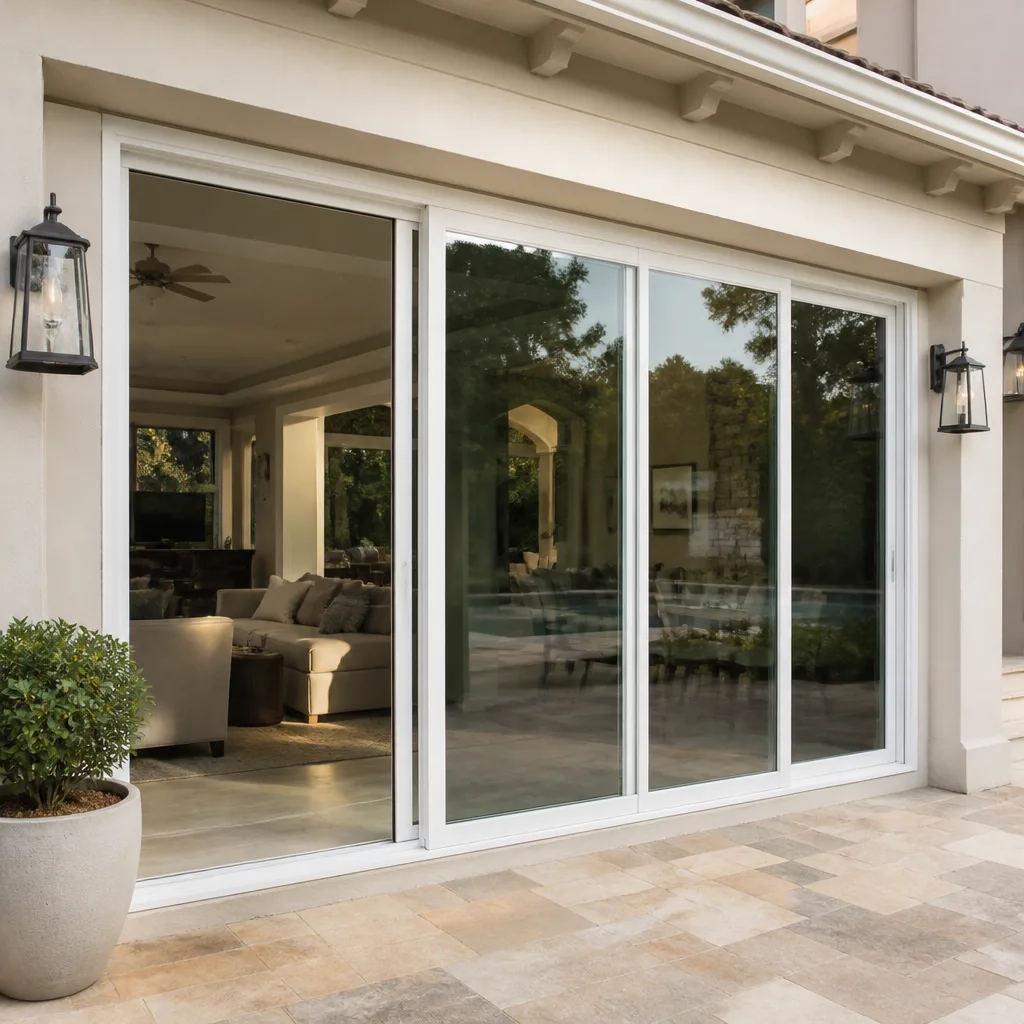
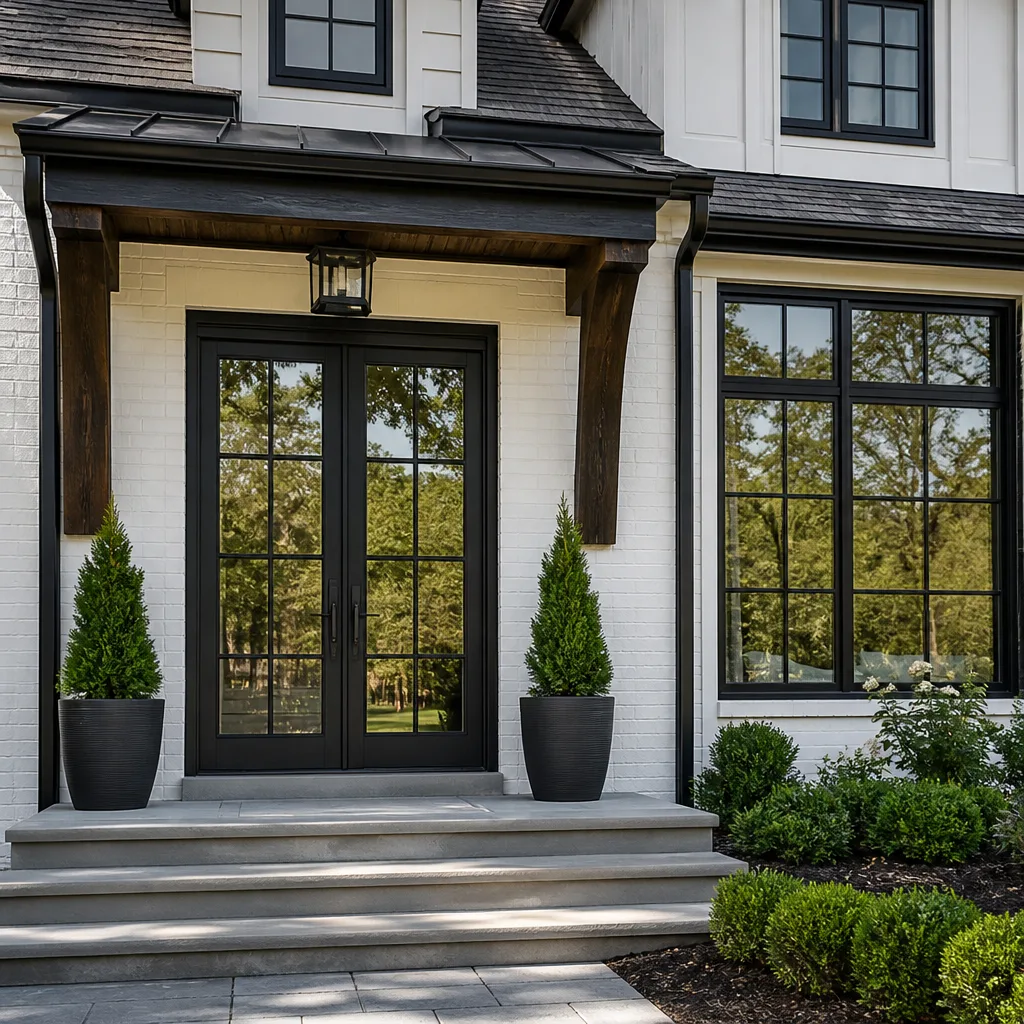
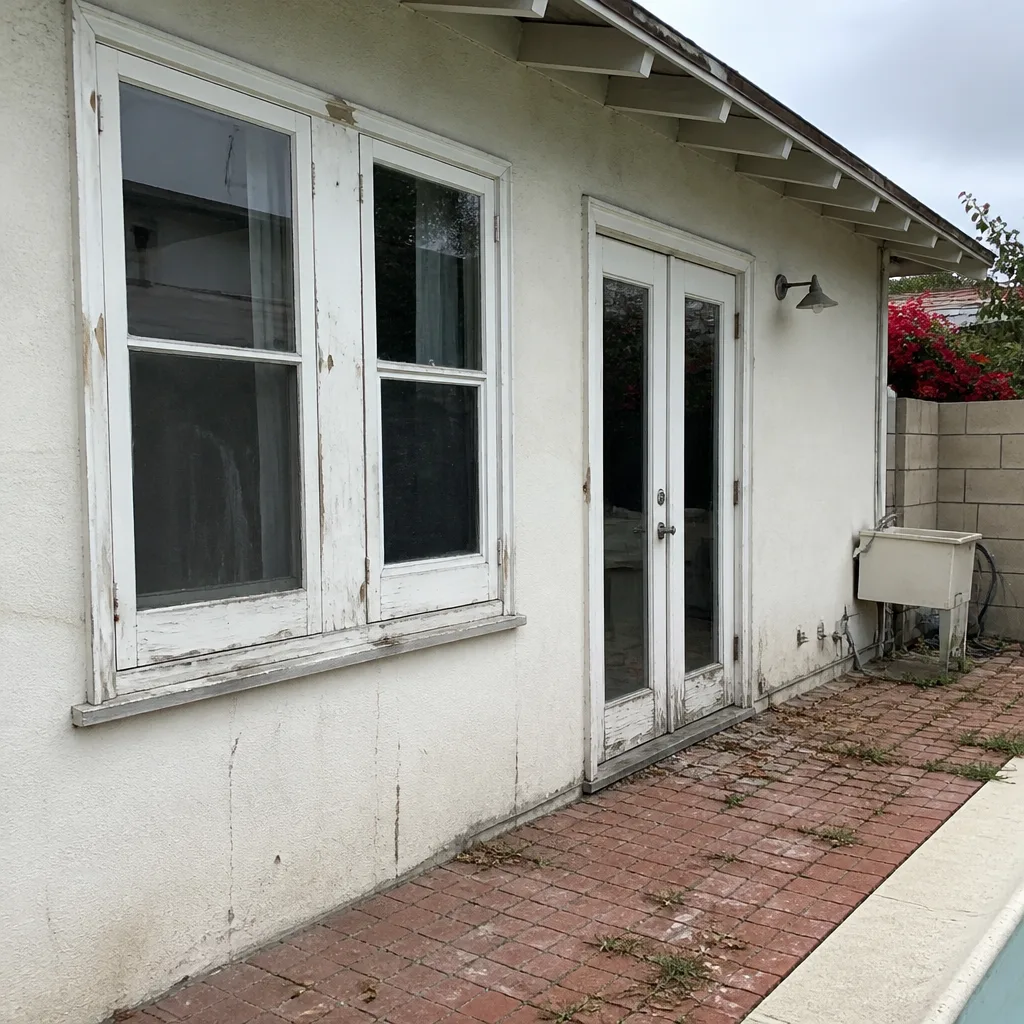 Before
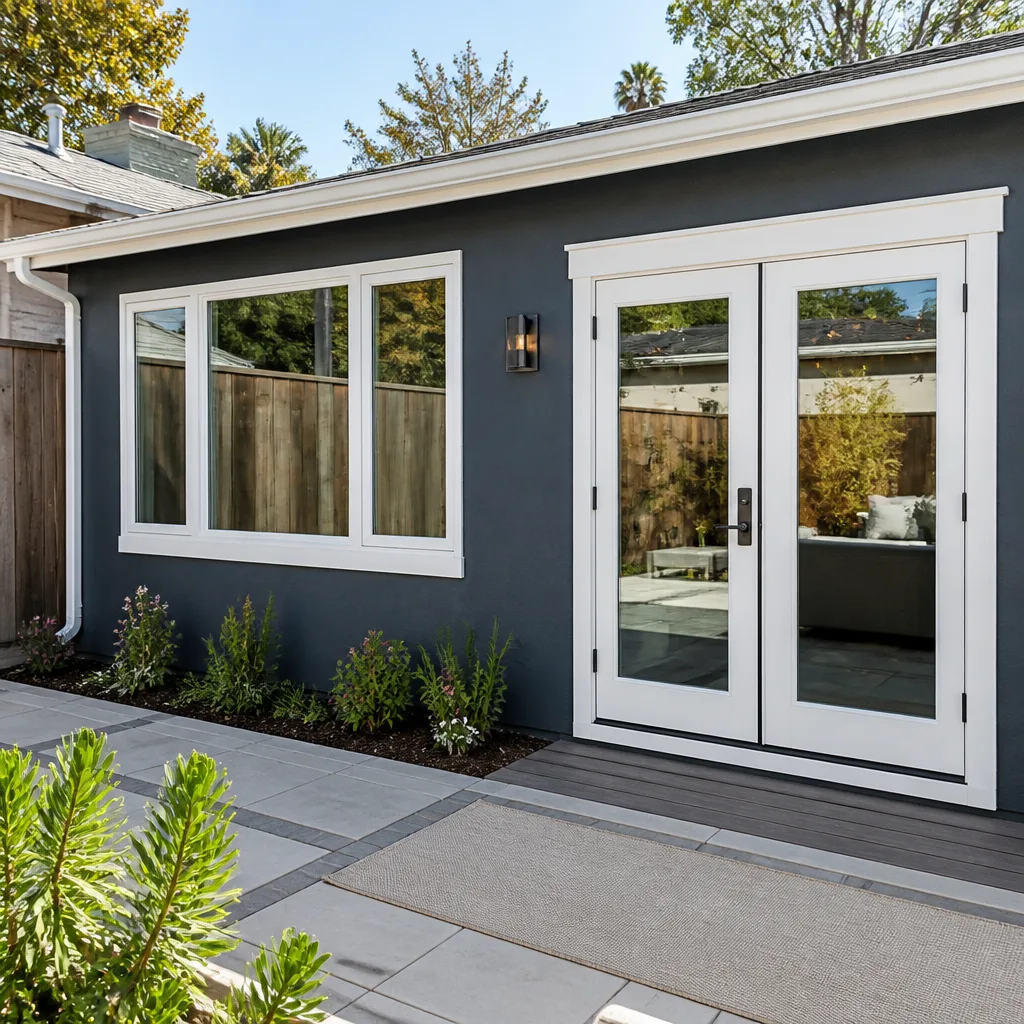 After
After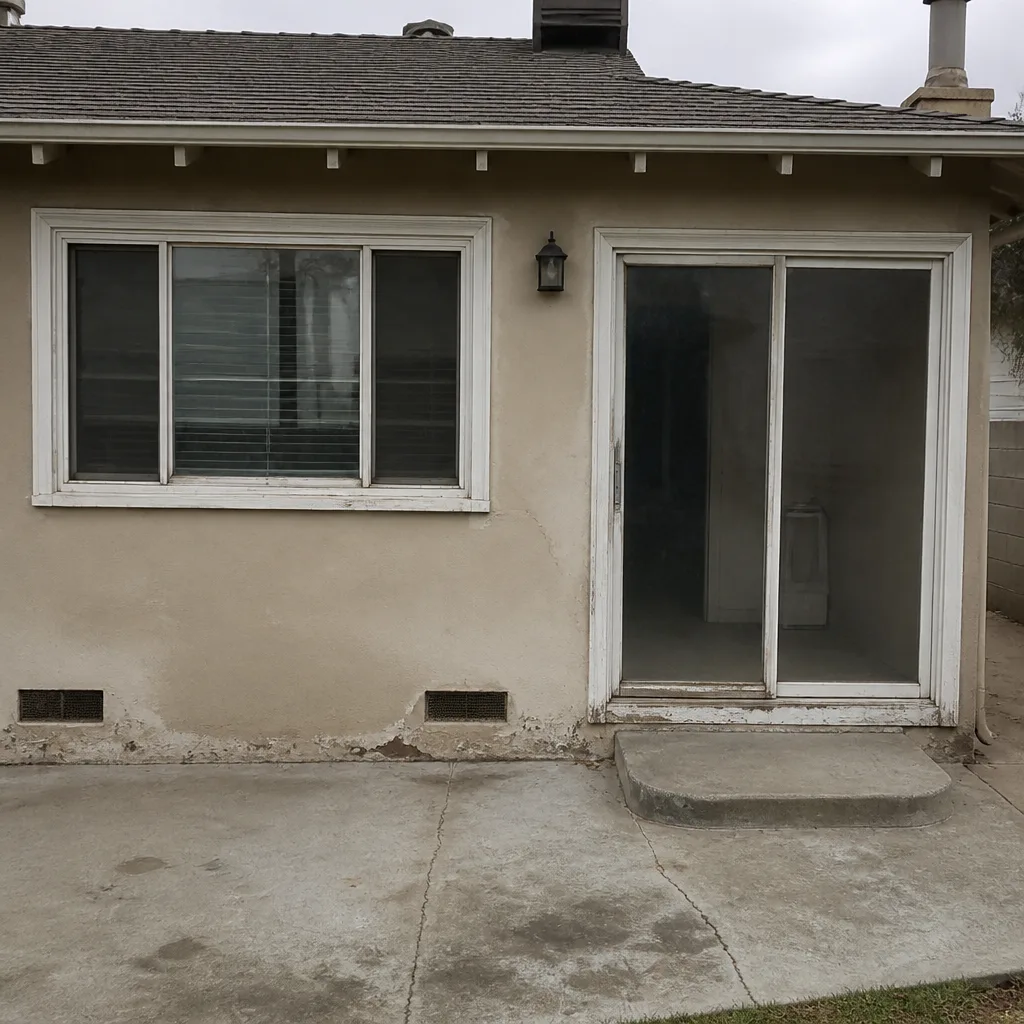 Before
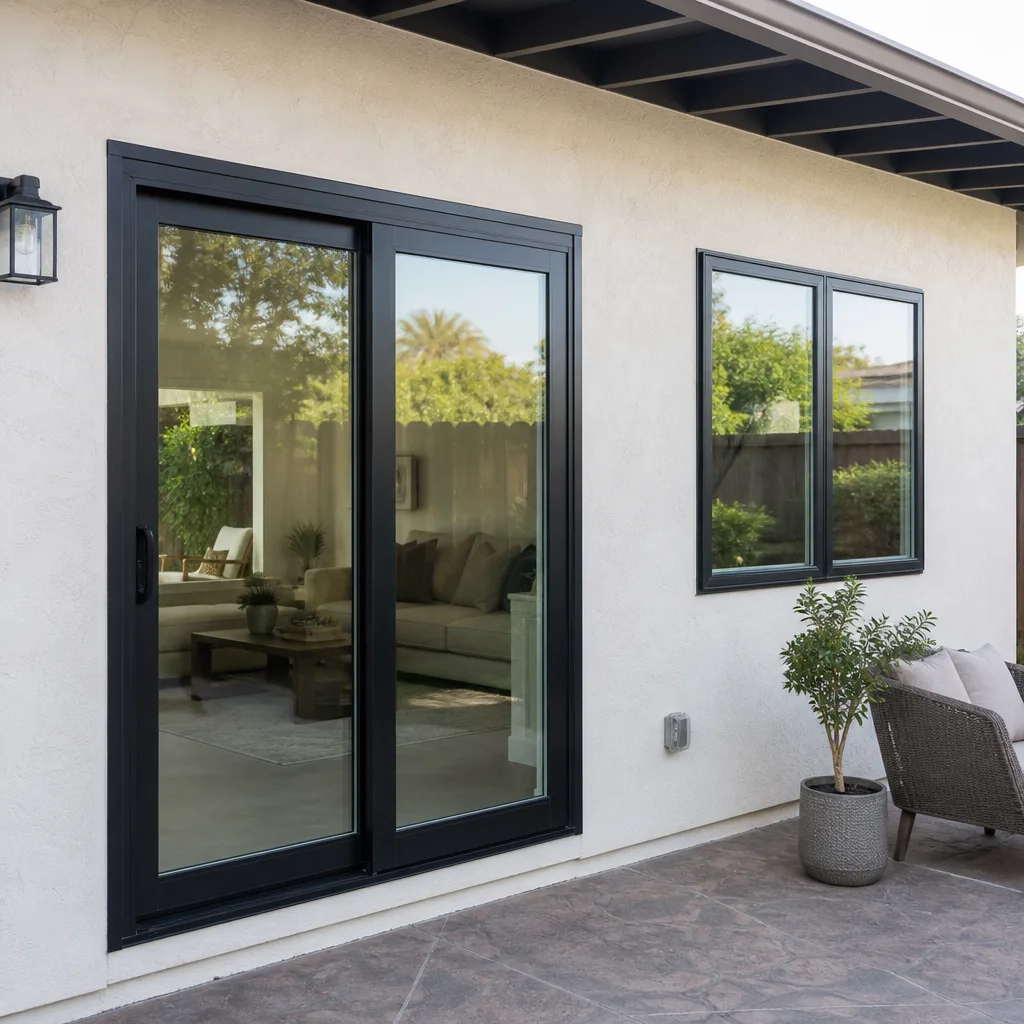 After
After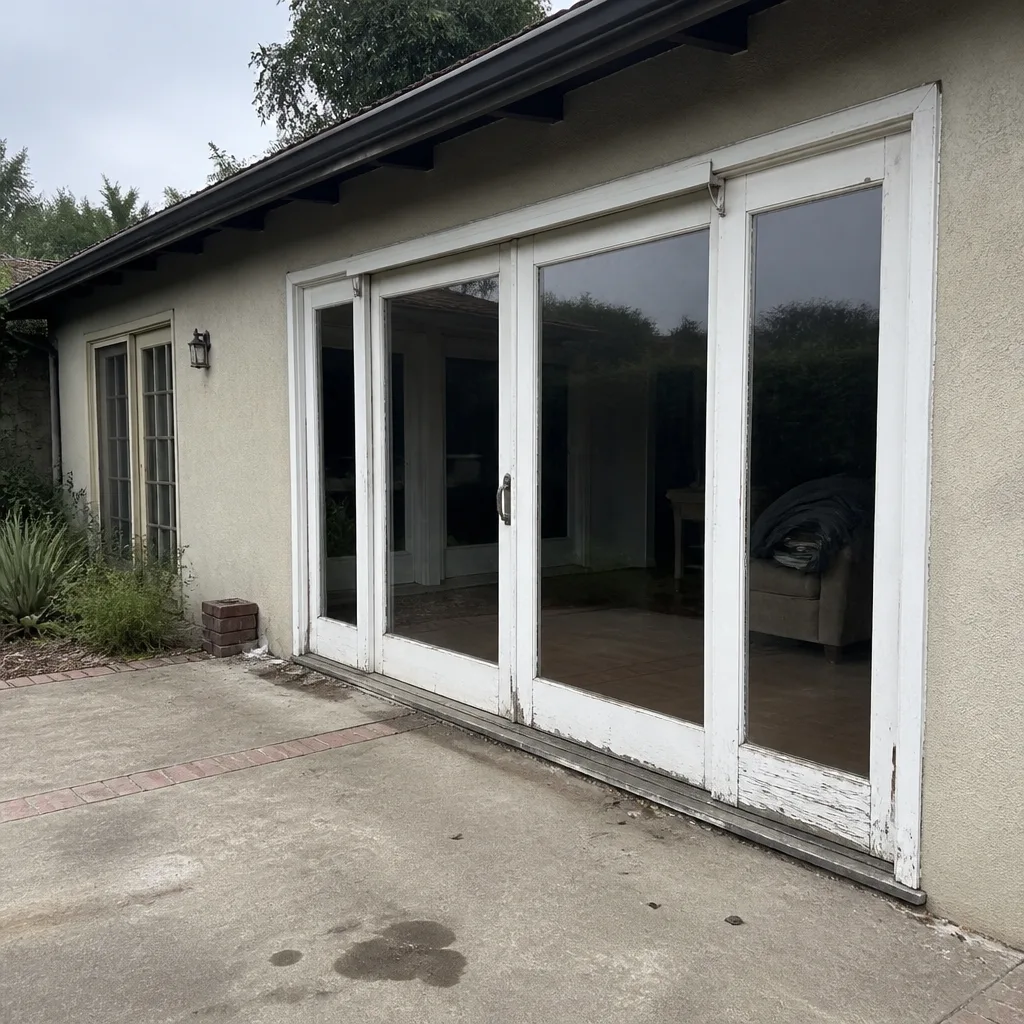 Before
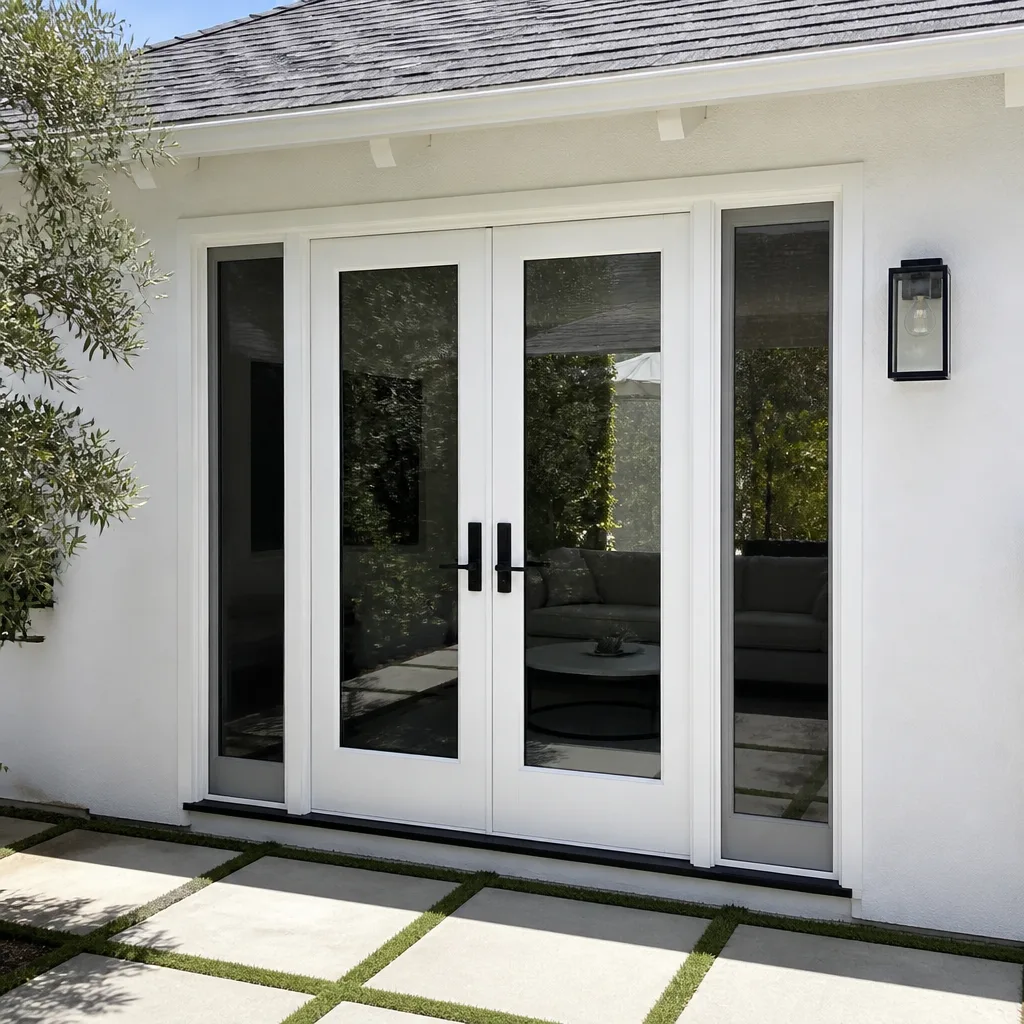 After
AfterHow Long Does Window Installation Take? Timelines and What to Expect
Most homeowners expect a one-day job when they sign a window replacement contract. The install crew often does finish in a single day. But the clock started running weeks earlier. The national average for a full-house replacement of 8 to 12 windows, including permitting and manufacturer delivery lead time, runs 10 to 21 calendar days from signed contract to final inspection. In Los Angeles, where stucco exteriors and city permitting add layers most vinyl-sided markets never face, your timeline depends on decisions made before the first window is ordered. This guide breaks down each phase by hours, not vague ranges, so you can plan around reality instead of hoping for it.
Quick Answer
Window Installation services themselves take 45 to 90 minutes per standard window once the crew is on site, meaning a full-house replacement of 8 to 12 windows is typically a one-day job. But the total timeline from signed contract to final inspection runs 10 to 21 calendar days, driven mostly by permit approval in Los Angeles and manufacturer lead times of 3 to 6 weeks for most window lines. Plan for the delivery date first; the install day is the shortest phase.
Table of Contents
- The Real Timeline: From Contract to Final Inspection
- Phase 1: Permits and Paperwork (2 – 5 Days in Los Angeles)
- Phase 2: Manufacturer Lead Time (3 – 6 Weeks for Most Lines)
- Phase 3: Scheduling the Install Crew (1 – 3 Days)
- Phase 4: Install Day, Hour by Hour
- Why Los Angeles Stucco Adds Time Other Markets Don’t Face
- Real Delays vs. Scheduling Failures: What You Should Tolerate
- Questions to Ask Before You Sign
- Common Mistakes to Avoid
- When to Call a Professional
- Frequently Asked Questions
- The Bottom Line
The Real Timeline: From Contract to Final Inspection
A window installation is not a single event. It is a chain of four phases, and three of them happen before anyone shows up with a truck. Understanding this chain is what separates a project that wraps in two weeks from one that drags into a third month. Here is what actually happens between signing and sign-off, with the phase most contractors gloss over called out for what it is.
The phases, in order:
- Permit application and approval: 2 to 5 days in Los Angeles, sometimes longer if the permit office has a backlog or the application needs corrections.
- Manufacturer lead time: 3 to 6 weeks for most window lines, depending on the product, size, finish, and glass package. This phase starts only after the order is placed, which should happen the day you sign.
- Install crew scheduling: 1 to 3 days of coordination once the windows arrive at the warehouse. Most crews book a week or two out.
- Installation and inspection: 1 day on site for a full-house replacement, plus 1 to 2 days for the city inspector to sign off if a permit was pulled.
Notice that the shortest phase is the one homeowners fixate on. The installer’s day on site is typically 7 to 9 hours. The weeks before it are where the real timeline lives. According to our Meridian Windows & Doors home experience across Los Angeles, the single biggest timeline killer is a contractor who waits a week or two to place the manufacturer order after the contract is signed. That delay is pure schedule slippage on the contractor’s side, not an industry reality.
Phase 1: Permits and Paperwork (2 – 5 Days in Los Angeles)
Los Angeles requires a building permit for window replacement when the opening is modified or when the work involves structural changes. Straight same-size swaps sometimes qualify for a simpler over-the-counter permit, but the determination depends on scope, window type, and whether the new units change the rough opening. A contractor who tells you permits are unnecessary for every window job is either misinformed or cutting corners. A contractor who says permits always take months is also wrong. For most residential window replacements in Los Angeles, permit review runs 2 to 5 business days when the paperwork is filed correctly the first time.
The permit phase is also where the homeowner decision matters most. One specific question changes everything: “Will you pull the permit or am I listed as owner-builder?” In Los Angeles, an owner-builder permit places the legal responsibility for code compliance on the homeowner, not the contractor. Some contractors push this to save themselves liability exposure. You do not want that. A contractor who pulls the permit in their own name is telling you they are accountable for the inspection passing. Meridian Windows & Doors pulls permits for our Los Angeles window installations and handles inspection coordination as part of the written scope.
Phase 2: Manufacturer Lead Time (3 – 6 Weeks for Most Lines)
Once the permit is submitted, the real clock starts: the manufacturer’s production queue. Window lead times vary by product line, customization level, and the time of year. Three to six weeks is the standard range for most residential lines in 2025 and 2026. Impact-rated windows from a line like PGT or CGI, common in coastal and hillside Los Angeles zones, can push toward the longer end of that range because the laminated glass and reinforced frames are built to stricter wind load standards. A standard double-hung from ViewLux or CWS often lands in the 3 to 4 week range.
You can shorten this phase only one way: by choosing in-stock or quick-ship units when they match your opening. A contractor with multiple manufacturer relationships has an advantage here. We carry eight manufacturer lines, so our teams can spec a ViewLux unit for a standard bedroom window and a PGT impact-rated unit for a west-facing second story. The alternative, a contractor with one supply relationship, is forced to quote whatever their single line produces on whatever schedule that line is running. That is how a homeowner ends up waiting 8 weeks for a window that another manufacturer could have shipped in 3.
Phase 3: Scheduling the Install Crew (1 – 3 Days)
Windows show up at a distributor’s warehouse, sometimes weeks after you thought they would. The next phase is scheduling. A two-person crew can handle most full-house replacements in a day, but crews are booked in advance. When your windows arrive, a competent contractor confirms delivery within 24 hours and gives you an install date before the end of the week. If your contractor goes quiet when delivery happens, they are probably juggling too many jobs or they forgot to order your windows until you followed up at week three.
In our experience across Los Angeles neighborhoods from the Valley to the Westside, the scheduling phase reveals more about a contractor than any sales pitch. A disciplined shop knows its crew capacity and does not overbook. We schedule a specific day, we arrive at the stated time, and we do not double-book jobs to chase extra revenue. A meridian is a fixed line you measure everything against. That is what the name means and how we run every install.
Phase 4: Install Day, Hour by Hour
Install day is the phase you will actually see. A standard double-hung window replacement takes 45 to 90 minutes per window for an experienced two-person crew. Here is the hour-by-hour reality for a typical 10-window replacement in a Los Angeles home.
- 7:00 – 7:30 AM: Crew arrives, lays down floor protection, confirms scope, masks off the work area.
- 7:30 – 9:00 AM: First two windows removed and replaced. The crew works one floor at a time, typically front-to-back or east-to-west, to minimize movement inside the house.
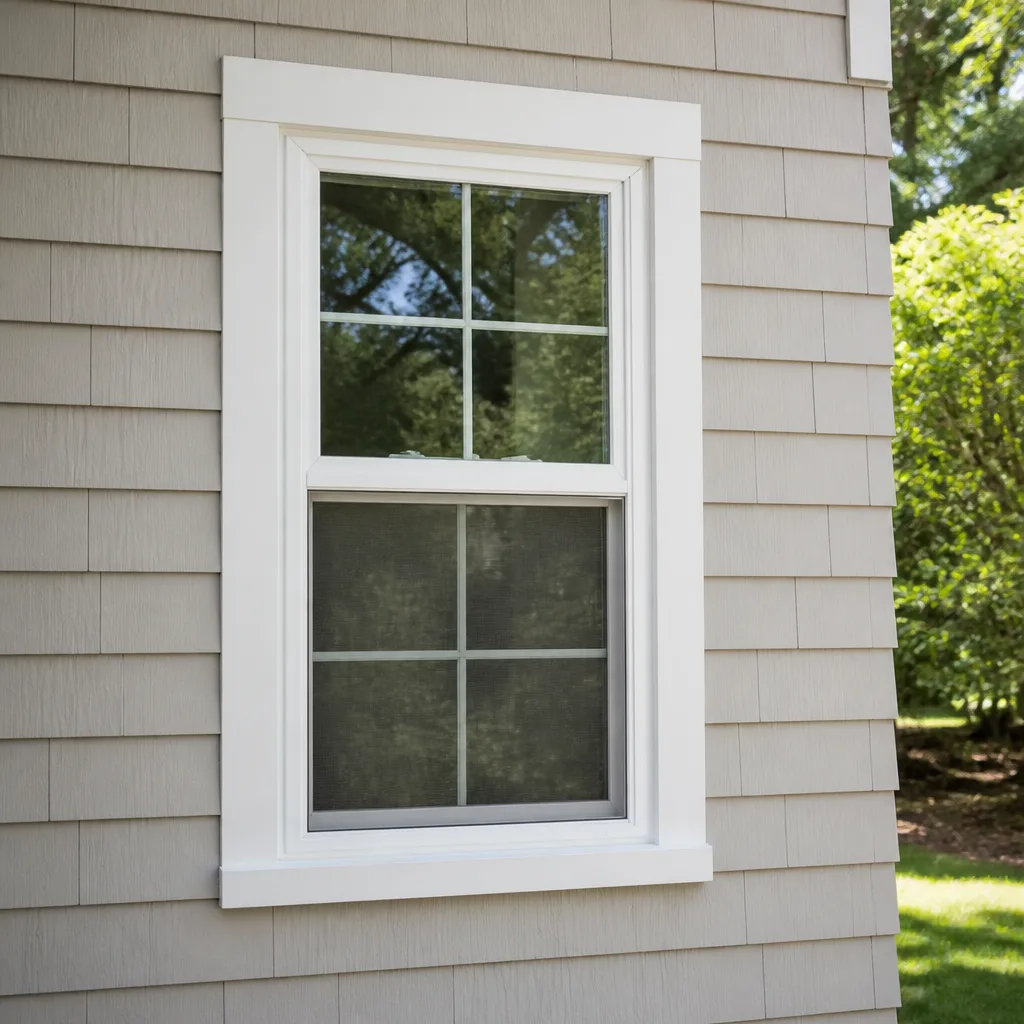
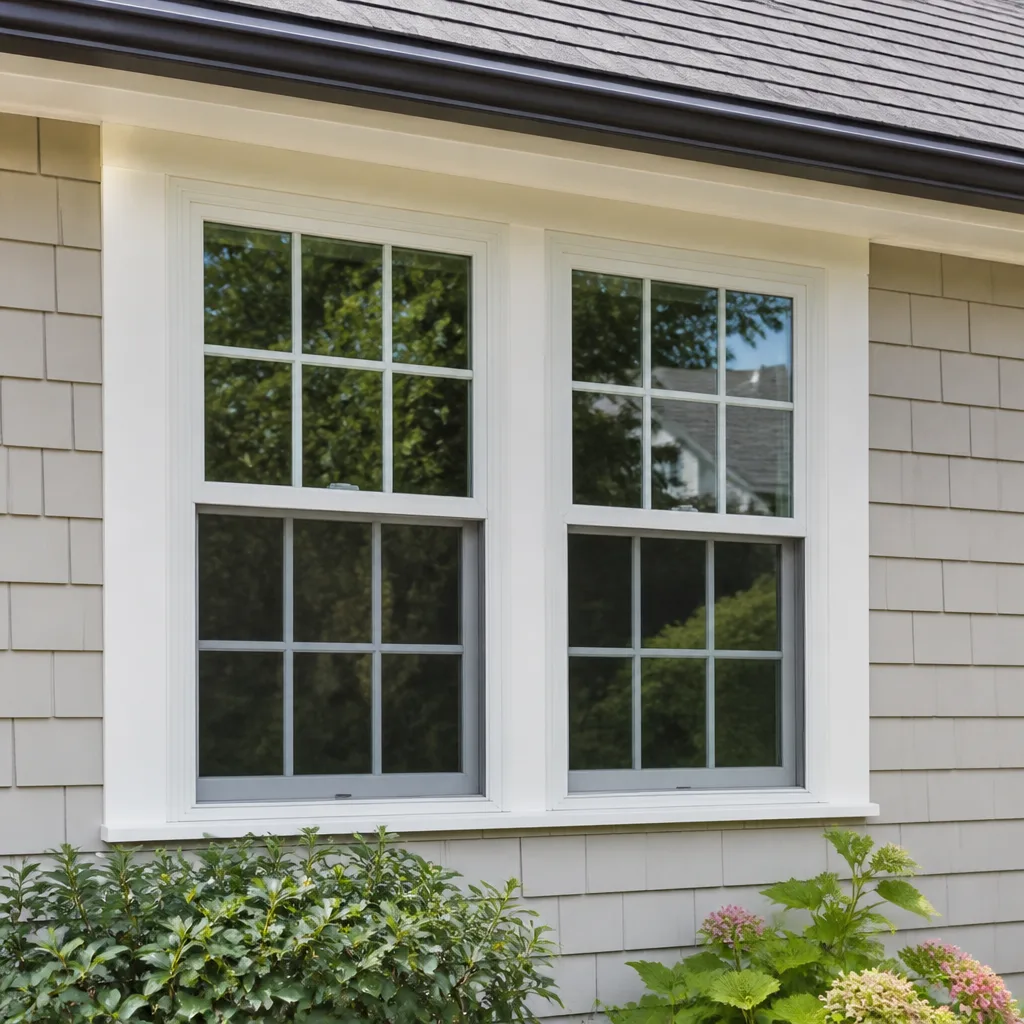
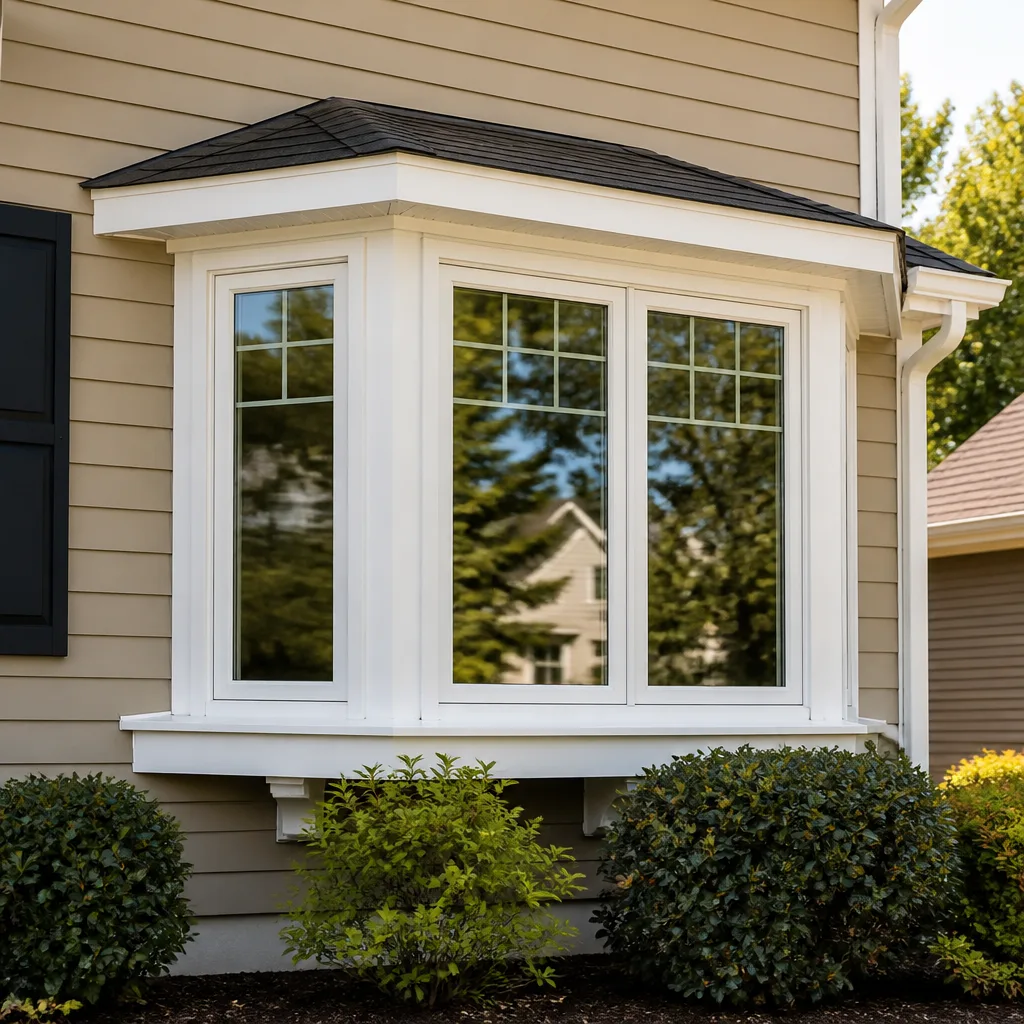
- 9:00 AM – 12:00 PM: Middle bulk of windows installed. A standard double-hung goes quickly; a picture window or bay unit slows the pace because the opening is larger and the weight requires additional handling.
- 12:00 – 12:30 PM: Lunch. Not a 90-minute break; a professional crew eats quickly and gets back to work.
- 12:30 – 3:00 PM: Remaining windows installed, trim reinstalled, exterior flashing and caulk applied.
- 3:00 – 4:00 PM: Interior and exterior cleanup, walkthrough with the homeowner, guarantee documentation handed over.
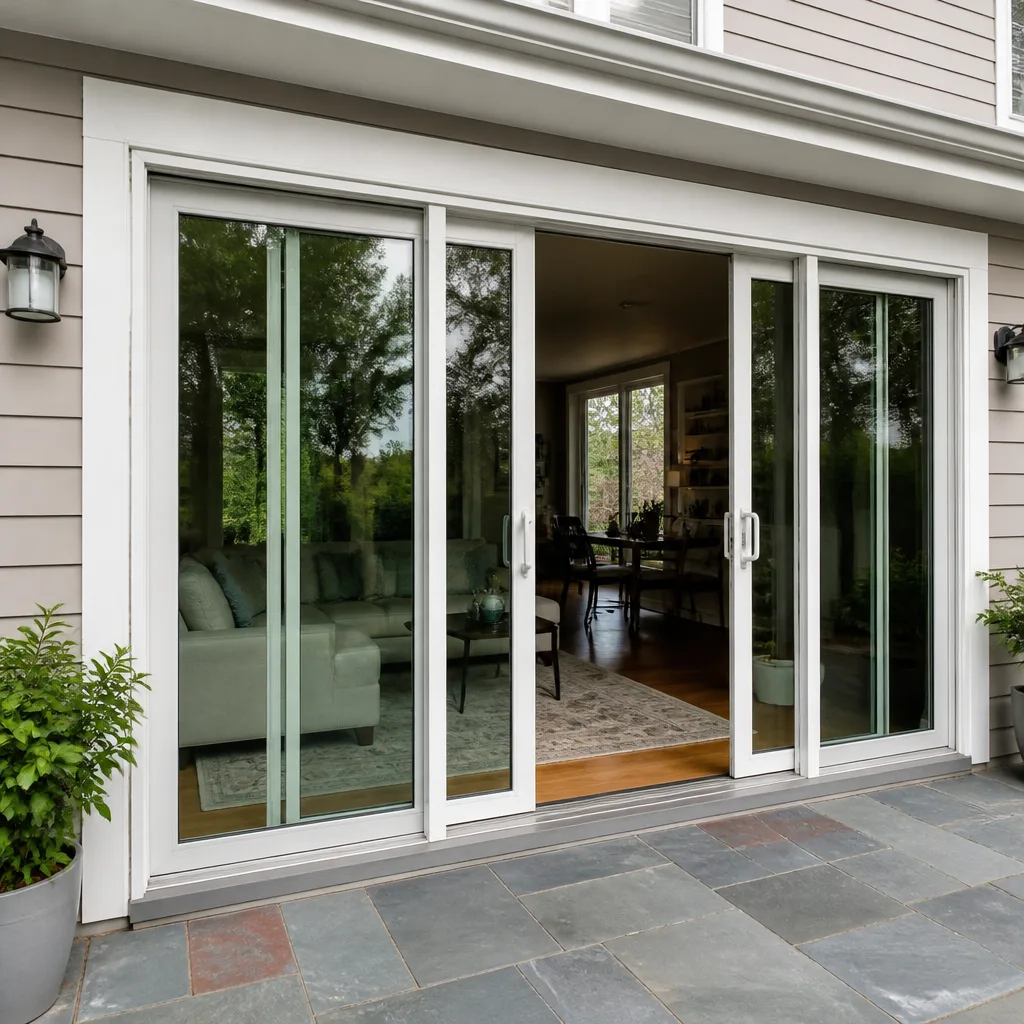
A 10-window standard replacement should wrap in a single day. Picture windows, bay or bow units, custom shapes, and stucco re-wraps add time per window, not to the whole schedule. A picture window might take 2 hours or more because the rough opening framing is inspected more carefully and the unit is heavier. If you are replacing patio doors at the same time, see our Patio Door Installation in Los Angeles page for what that adds to the schedule. A sliding patio door typically adds 3 to 4 hours to the day; a French door replacement adds similar time plus final threshold adjustment.
Why Los Angeles Stucco Adds Time Other Markets Don’t Face
Most window installation guides online are written generically, assuming the exterior is vinyl siding or wood lap. The install crew pops off trim, removes the window, inserts the new one, caulks, done. Los Angeles homes are different. A large share of LA housing stock is stucco over wood frame, and stucco changes the installation process in ways homeowners in vinyl-siding markets never encounter.
When a window comes out of a stucco exterior, the installer finds a recessed rough opening with a metal or paper flashing system embedded in the stucco. The new window must integrate with that flashing, not just sit on top of it. If the stucco is damaged during removal, which happens often on older homes, the patch work is a separate step. The installer removes the window, installs flashing and the new unit, then patches the stucco around the frame. Stucco patch does not cure overnight. It needs time to set before painting, and painting must happen before the inspector signs off on a permit job. That cure time adds one to two days between install and final inspection, not on site, but between.
No contractor can eliminate this step on a stucco home. A contractor who glosses over it is not being honest about the schedule. A contractor who plans for it, tells you about it before signing, and prices the patch work in the written estimate is the one you want. See our Window Replacement in Los Angeles page for additional detail on how stucco is handled in a proper replacement.
Real Delays vs. Scheduling Failures: What You Should Tolerate
Some delays are legitimate. Some are not. Knowing the difference protects you from both overreacting and getting strung along. Here is what falls into each bucket.
Real, defensible delays:
- Manufacturer backorder on hardware: Custom finishes, unusual sizes, or a supply chain backup at the factory can push a 4-week lead to 6 or 8. Your contractor should notify you within days of learning about it, not the week the windows were supposed to ship.
- Rotted framing discovered on removal: When the old window comes out, the crew sometimes finds water-damaged studs or sill plate behind the stucco. That requires repair before the new window can be properly installed. In Los Angeles, older wood-frame homes near the coast see this more than newer stucco builds in the Valley. A one-day job becomes a two-day job because the framing repair has to pass inspection.
- Permit office backlog: Los Angeles permit turnaround has improved in recent years, but a holiday week or a surge in applications can add 3 to 5 days beyond the typical 2 to 5.
- Weather: Rain stops exterior work. Los Angeles has fewer rain days than many markets, but December through February brings genuine weather shutdowns. A crew should not attempt exterior stucco patch or caulk work in heavy rain.
Scheduling failures, not legitimate delays:
- Contractor waited two weeks to order your windows after you signed. There is no reason for this. The order should go in within one business day. If you follow up and hear that the order “just went in,” the contractor burned two weeks of your timeline.
- Crew no-shows with a thin excuse. If the crew misses the scheduled day and the reason is that another job ran long, that is a capacity failure. A disciplined shop does not overbook.
- Permit was never pulled. You find out when the inspector is supposed to arrive and no one can produce a permit number. This is a red flag that the contractor is unlicensed or inexperienced in Los Angeles permitting.
- Vague “supply chain” explanations without specifics. A real delay has a specific cause: a glass supplier shortage, a hardware finish that is out of stock, a factory shutdown. A vague explanation repeated for weeks is a stall tactic.
The distinction matters because you have options. A legitimate delay deserves patience. A scheduling failure deserves a different contractor. Any installer who has been running jobs in this market since 2009 has seen both and can tell them apart quickly.
Questions to Ask Before You Sign
The timeline for your window installation is mostly determined by decisions made at the estimate stage. Asking these five questions before you sign gives you a schedule you can actually hold a contractor to. Write them down and ask them in person.
- “What is today’s lead time on this specific unit?” If the contractor cannot answer, they have not checked with the manufacturer recently. Lead times change quarterly. A responsible contractor checks the day of the estimate and writes the current lead time on the proposal.
- “Will you pull the permit or am I listed as owner-builder?” We covered this earlier, but it belongs on the list because it affects schedule and liability. If the answer is owner-builder, ask why. In Los Angeles, you want the contractor pulling the permit.
- “When will you place the manufacturer order after I sign?” The correct answer is within one business day. If there is hesitation, walk away. Every day of delay before the order is placed is a day added to your total timeline.
- “What happens if the crew finds rotted framing?” They should be able to describe the repair process, mention that it requires inspection, and give you a realistic estimate of added time and cost per affected window. If they shrug and say they will figure it out, you are looking at a change order surprise.
- “Can you give me the written price and timeline before I commit?” The written price should cover the windows, installation, permit fees, and basic stucco patch. At Meridian, the price goes on paper before any work starts, and it does not move at the door. If a contractor will not put the schedule and price in writing, the schedule they quoted verbally means nothing.
These questions are not aggressive. They are what a serious buyer asks a serious contractor. If a contractor bristles at any of them, that tells you something useful before you are under contract. See our Window Installation in Los Angeles page for how we structure written proposals.
Common Mistakes to Avoid
- Signing before you know the permit path. Some Los Angeles homeowners sign a contract, then discover the contractor assumed the homeowner would pull the permit. The job stalls while paperwork gets sorted. Confirm the permit responsibility in writing before signing.
- Choosing a window based on marketing instead of lead time. A specific product might have a 6-week lead time when a comparable unit from a different manufacturer ships in 3. Ask for options before you fall in love with one line.
- Assuming install day equals project completion. The install crew finishes in a day. The stucco patch cures, the paint dries, and the inspector signs off days later. Budget for that.
- Not asking about the crew’s next job. If a contractor is double-booking install crews to maximize revenue, your install day is the one that gets cut short when the other job runs long. Ask directly whether your install day is dedicated to your project.
- Ignoring the warranty terms until after the install. A one-year labor warranty matters. If the contractor will not put a written guarantee in the contract, the workmanship backup is whatever they feel like providing when something fails.
- Believing a big-box retailer installs their own windows. Most big-box stores subcontract installation to third-party crews that change from job to job. You are not buying their crew’s reputation; you are buying whatever subcontractor they dispatch that week.
- Planning around the rosiest scenario. If the lead time is 4 weeks and the permit takes 5 days, plan for 6 weeks total. Then if it wraps in 5, you are ahead. The contractor who quotes the shortest possible timeline is selling you the schedule you want to hear, not the one that will happen.
When to Call a Professional
Some projects are not a benchmark installation. If your home has original windows from before 1980, a hillside location with wind exposure that requires impact-rated glass, or visible water damage around the frames, you need a contractor who has handled those conditions in Los Angeles specifically. The same goes for stucco homes where the previous install was done poorly and water has been getting behind the flashing for years. These jobs require more than a window swap; they require diagnosis before the window is ordered. Meridian Windows & Doors offers free estimates in Los Angeles. Call (817) 686-2228 to schedule a walkthrough and get a written timeline before you commit.
Frequently Asked Questions
A standard double-hung window takes 45 to 90 minutes to replace once the crew is on site, so a full house of 8 to 12 windows is typically a one-day installation. The total timeline including permits and manufacturer lead time runs 10 to 21 calendar days in Los Angeles. Call (817) 686-2228 for an exact timeline for your specific windows; estimates are free.
The weeks before install day are consumed by two things: the manufacturer building your windows to spec, which takes 3 to 6 weeks for most lines, and the Los Angeles permit approval process, which typically adds 2 to 5 days. The install day is the fastest phase of the project. If you sign and the contractor orders immediately, the manufacturer’s queue and the permit office set the schedule.
A standard window replacement permit in Los Angeles typically takes 2 to 5 business days to process when filed correctly by an experienced contractor. Some same-size replacements qualify for over-the-counter approval the same day. Complex projects involving structural changes can take longer. Ask your contractor who is pulling the permit before you sign.
It should not. The only legitimate change is when the crew discovers rotted framing or hidden water damage behind the old window, which no one can see until the window comes out. A reputable contractor tells you about that risk before starting and prices the repair separately in writing. At Meridian, the price goes on paper before any work starts, and coverage is written into the 365-Day Done Right Promise. Call (817) 686-2228 for a written estimate.
You do not need to hover, but you should be present for the first 30 minutes to confirm the scope with the crew and available at the end for the walkthrough. If you cannot be home all day, arrange a phone check-in at midday. A professional crew will protect floors, work in one area at a time, and leave the house clean.
Stucco patch around a new window typically needs 24 to 48 hours to cure before painting, and paint must be applied before the final inspection on a permit job in Los Angeles. That means the inspector sign-off usually happens 1 to 2 days after the install crew finishes. Plan for that gap when projecting your final completion date.
The Bottom Line
Window installation is a one-day job with a three-to-six-week tail. The install crew’s speed matters, but the total timeline is set by the manufacturer’s lead time and the Los Angeles permit office, not by the hours the crew spends on site. Ask the right questions before signing: lead time on your specific window, permit responsibility, and what happens when the crew finds rotted framing. Get the timeline and the price in writing. A contractor who commits to both in writing is the one who finishes when they say they will. The ones who will not put it on paper are the ones whose schedule drifts. That is the whole story.
Written by Elliot Vance, Owner at Meridian Windows & Doors, serving Los Angeles since 2009.