
Last updated October 9, 2026
Free in-home measure and quote - PGT, CGI and CWS impact lines compared on your actual openings, style by style
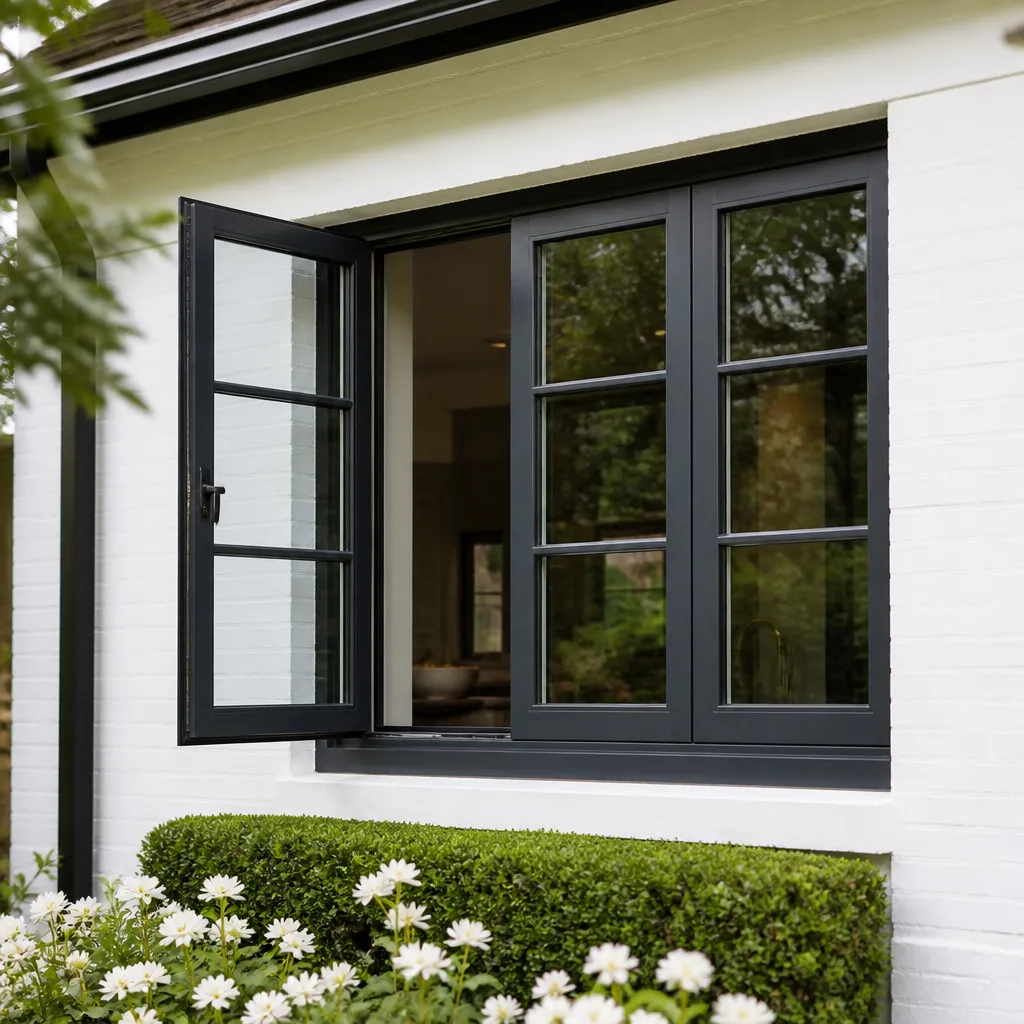
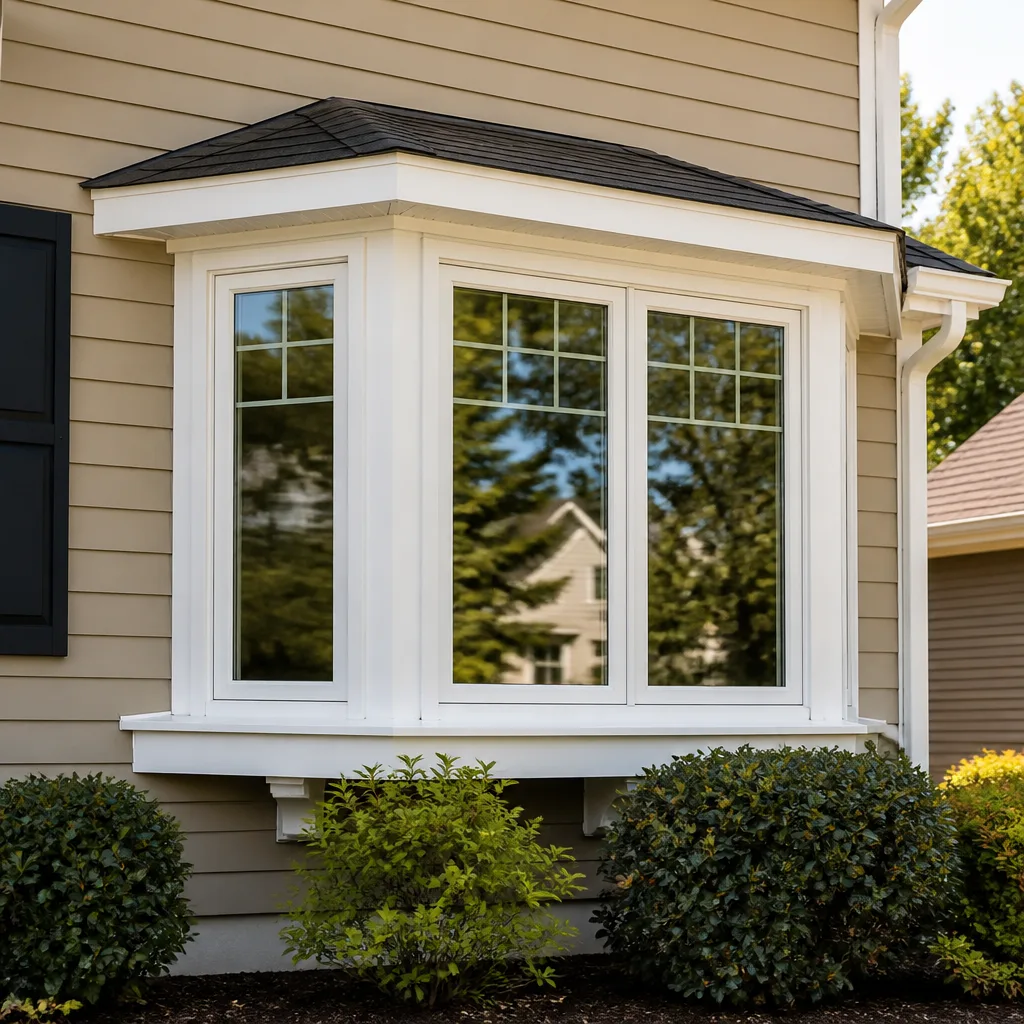
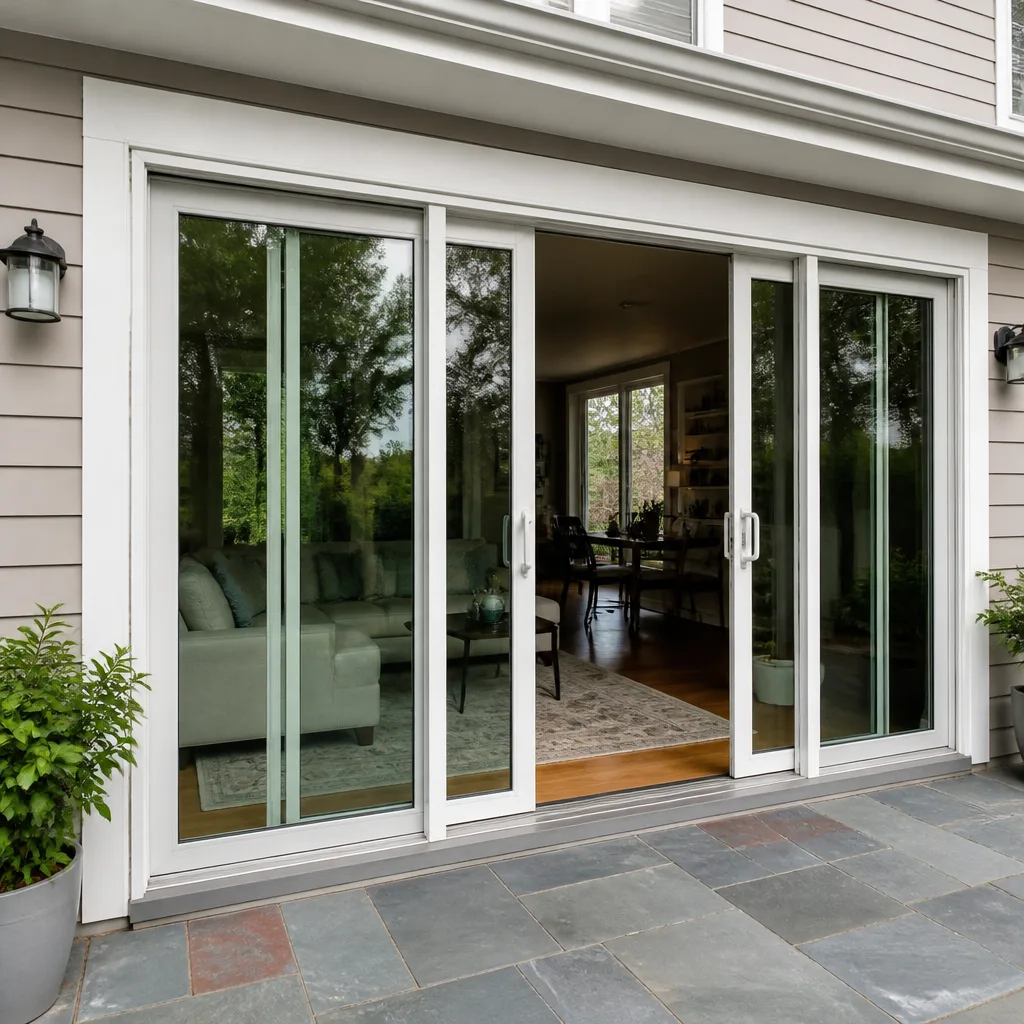
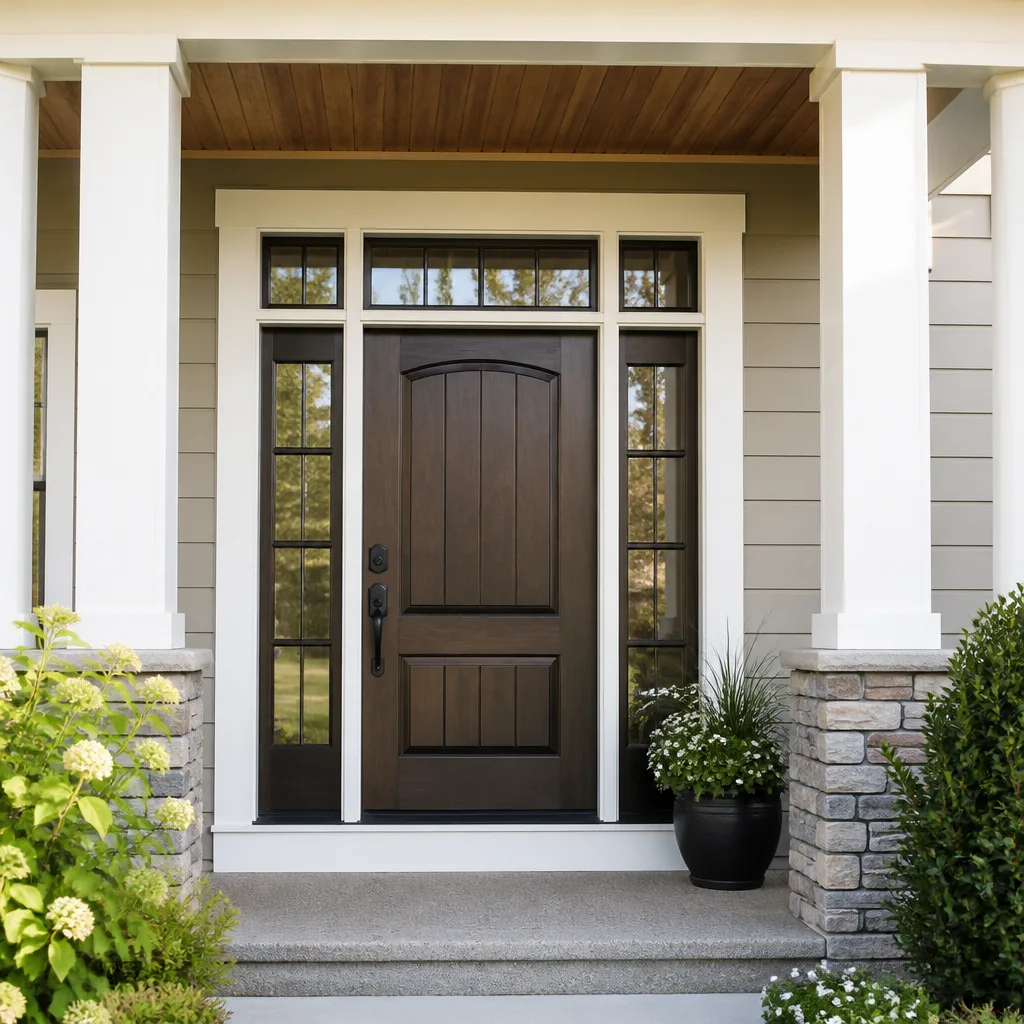
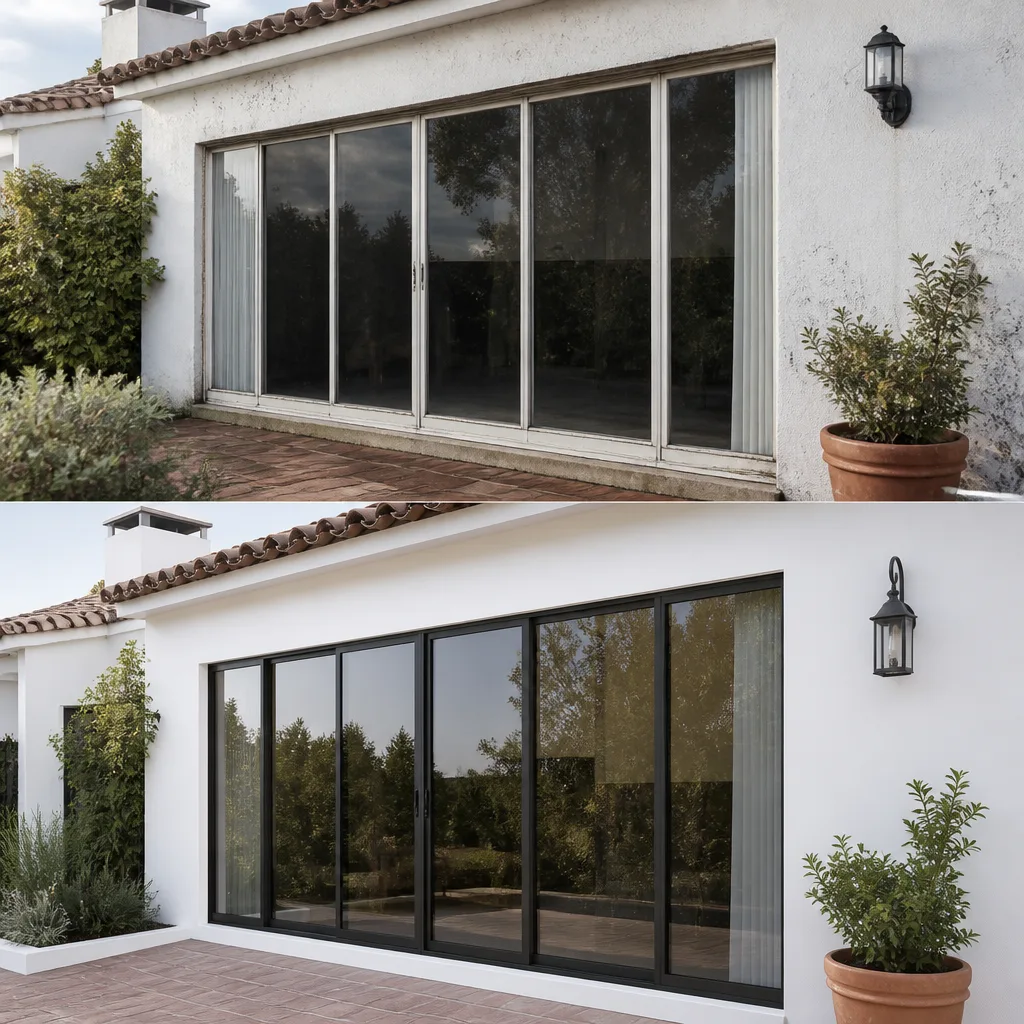
 Before
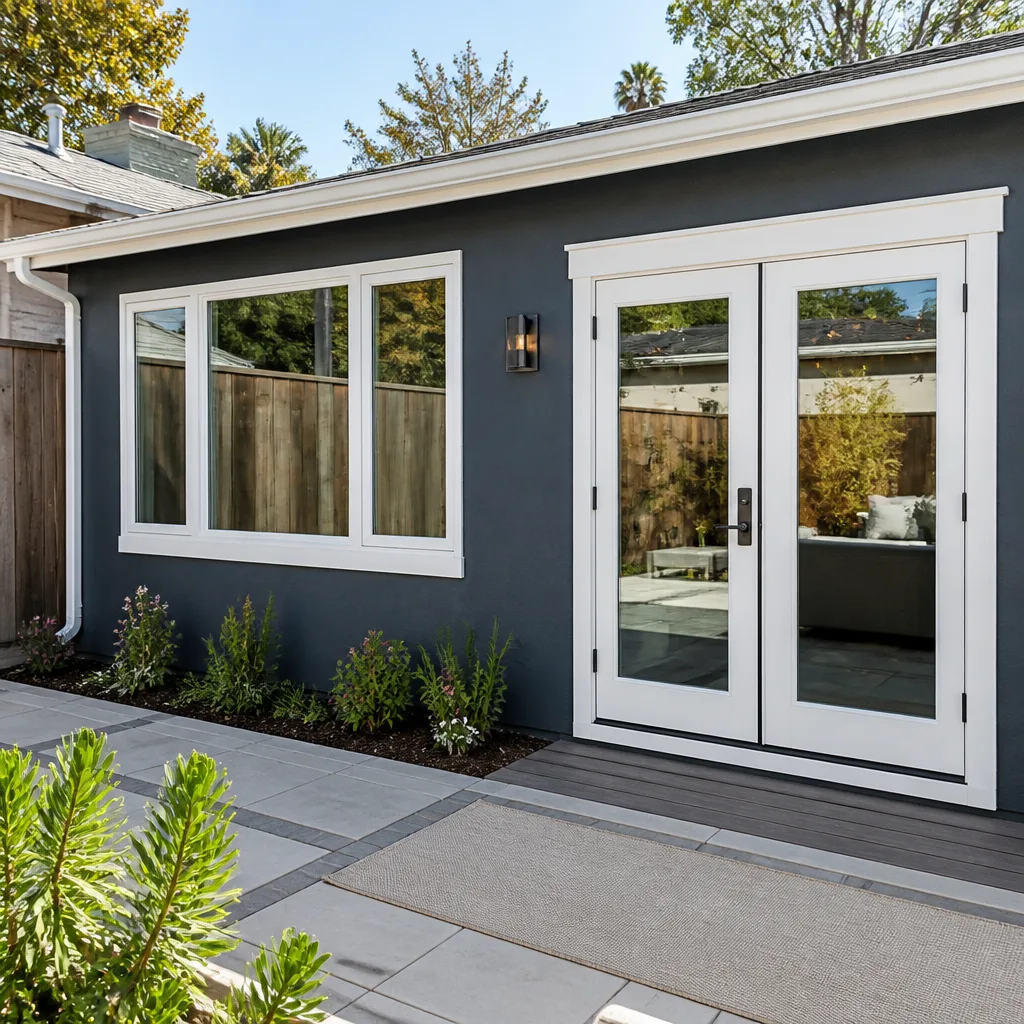 After
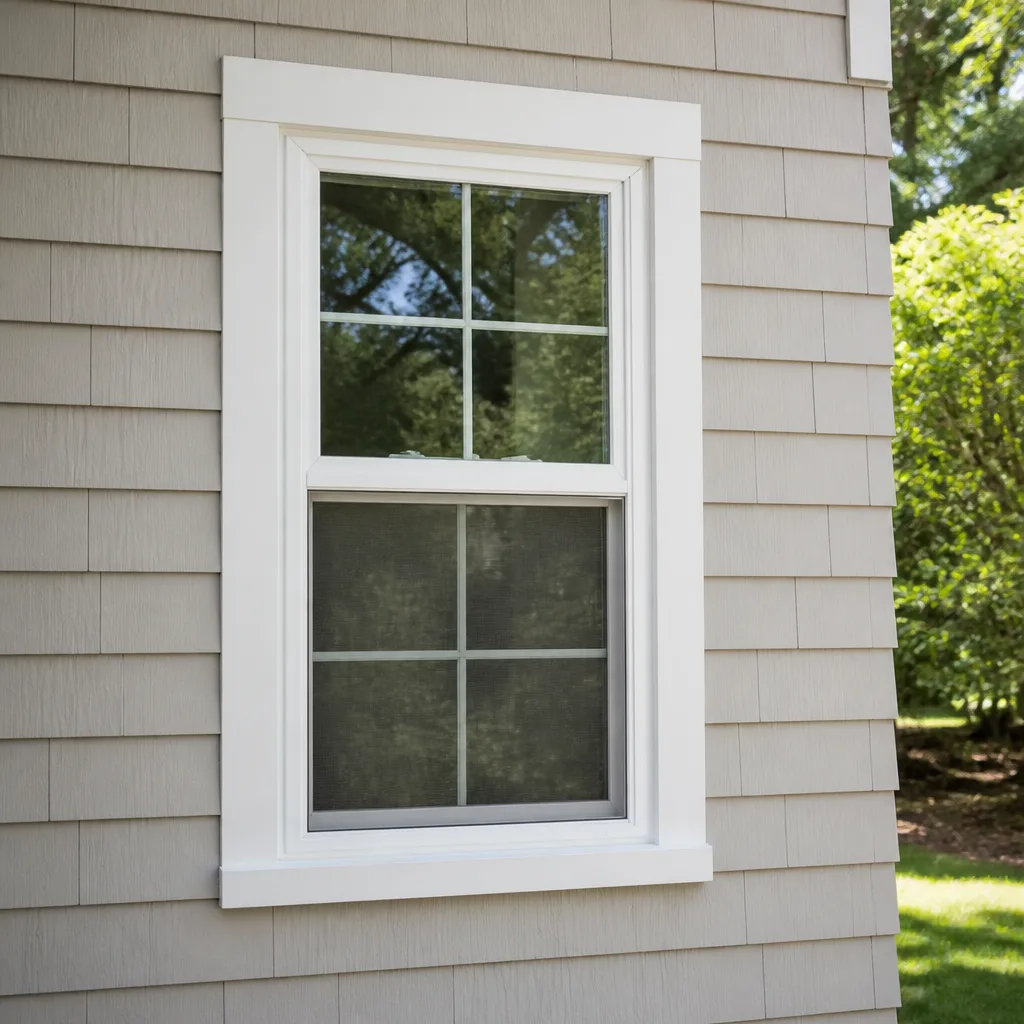
After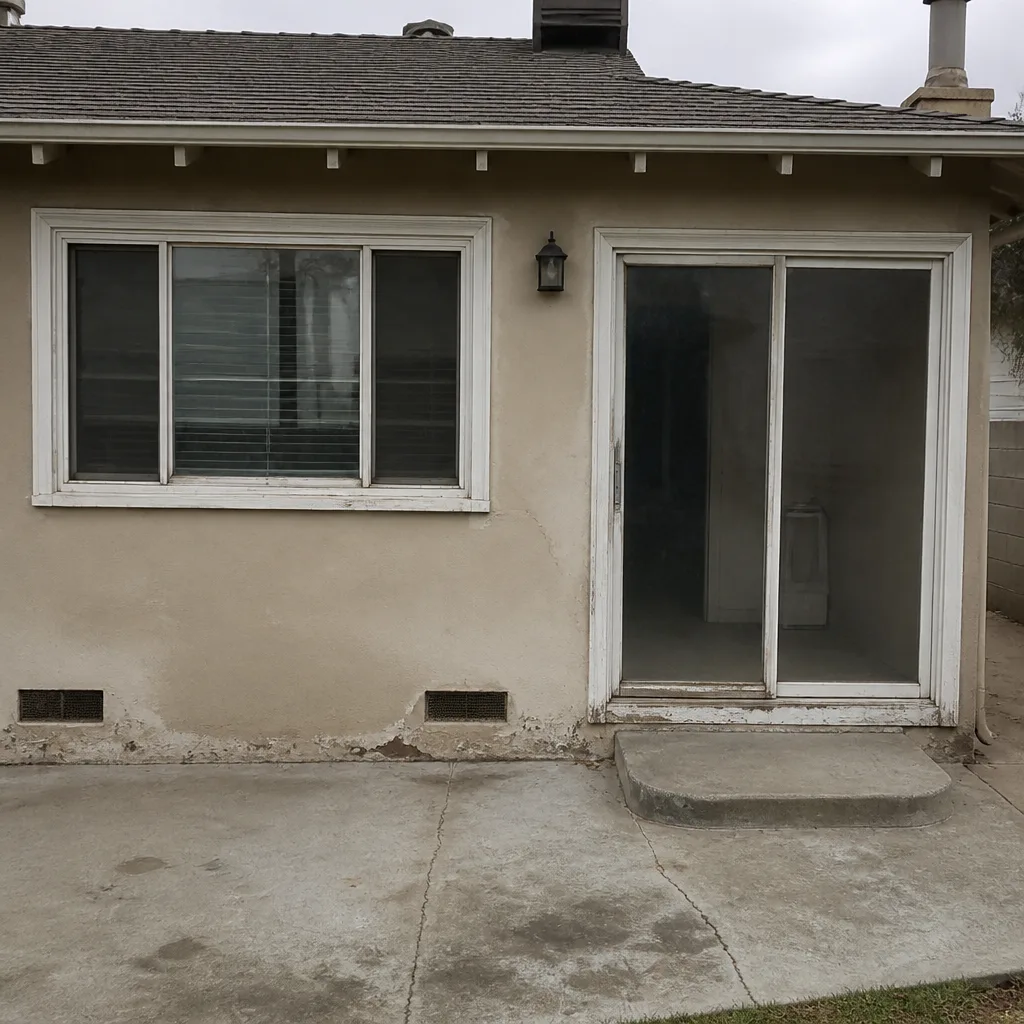 Before
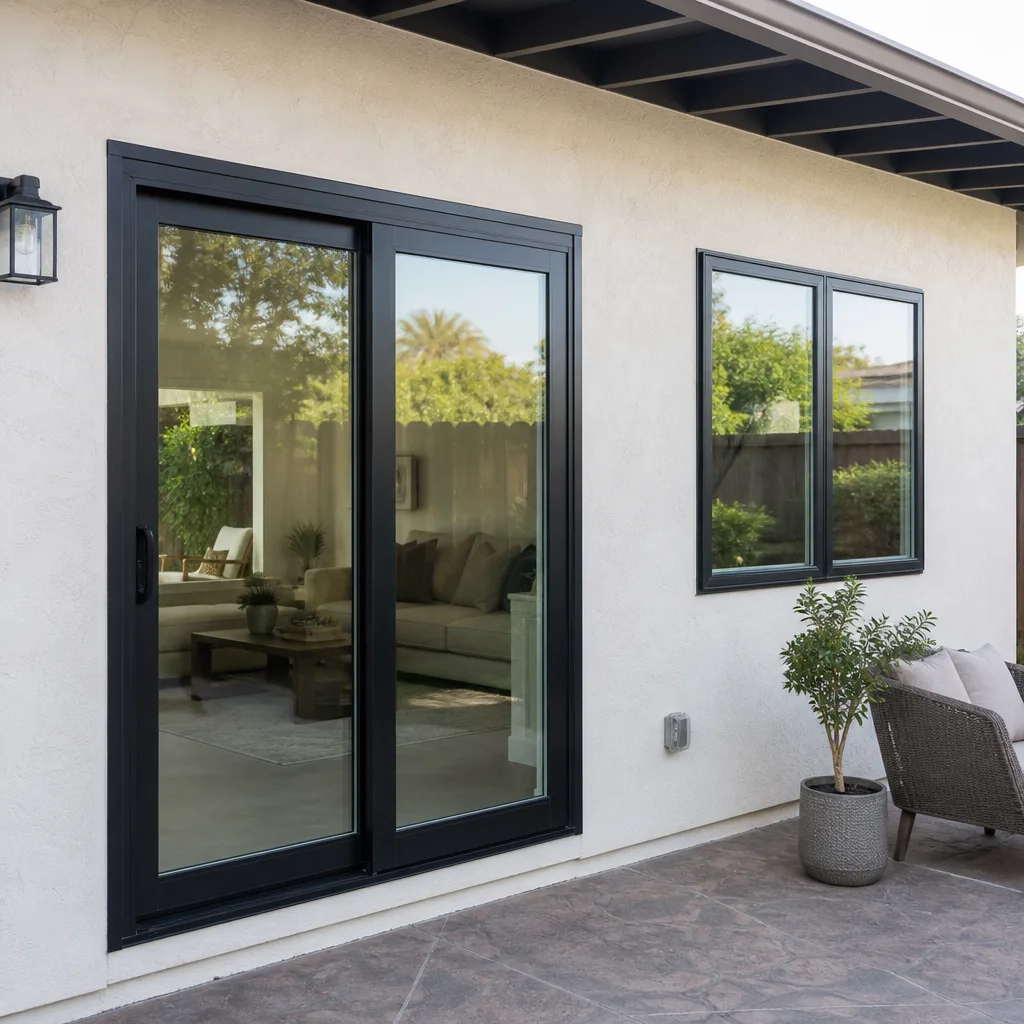 After
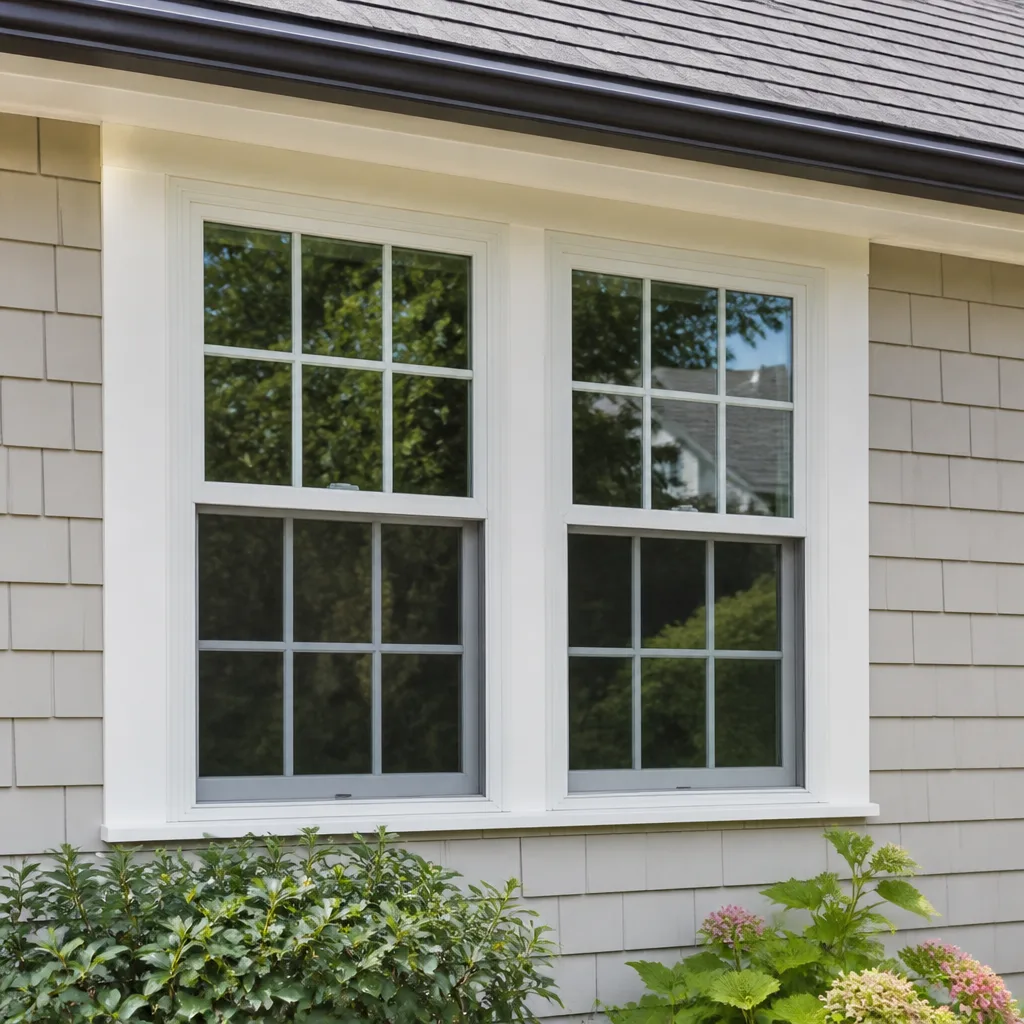
After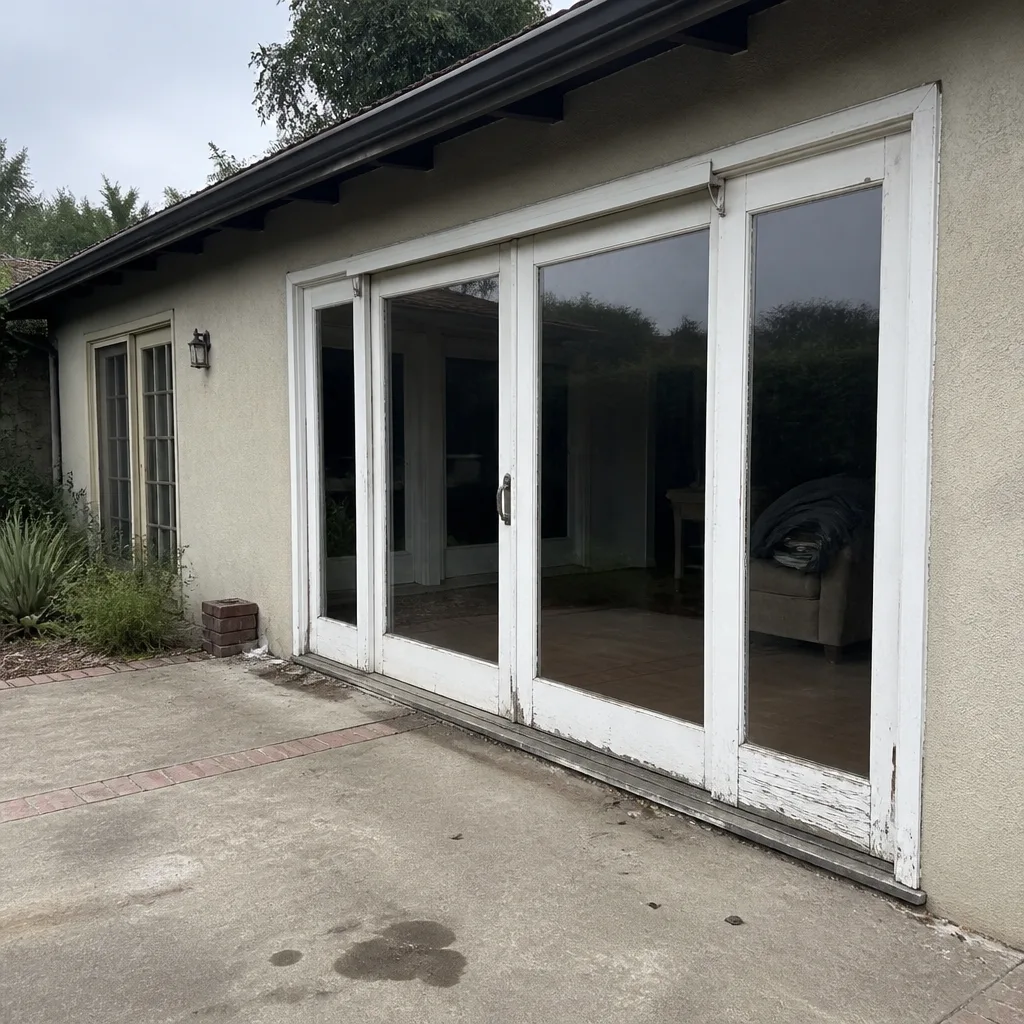 Before
 After
AfterHow to Hire a Windows & Doors Contractor in Los Angeles: A Step-by-Step Guide
The California Contractors State License Board logs an average of more than 20,000 consumer complaints every year, and in Los Angeles County, unpermitted window and door work is among the most common reasons a home sale falls out of escrow. Homeowners don’t usually lose money on the product itself. They lose it on the contractor who skipped the permit, pocketed the deposit, or vanished before the trim was painted. This guide walks through the exact vetting sequence we use when friends ask us how to avoid getting burned in Los Angeles, step by step, with the specific numbers and checkpoints that matter.
Quick Answer
Hiring a windows and doors contractor in Los Angeles comes down to five non-negotiable steps: verify the CSLB license for the correct classification (C-17 for glazing or B for general building), confirm who pulls the permit on LADBS, get a written estimate with the product model number listed, cap your deposit at 10% or $1,000 (whichever is less, per California law), and insist the warranty terms are on paper before any work starts. Skip any one of these and you’re carrying risk that shows up at resale.
Table of Contents
- Step 1: Verify the CSLB License and Classification
- Step 2: Settle the Permit Question Before You Pay a Dime
- Step 3: Get a Written Estimate With These Five Line Items
- Step 4: Structure the Payment Schedule Correctly
- Step 5: Spot Los Angeles-Specific Red Flags
- Step 6: Read the Warranty Terms Before You Sign
- Step 7: Match the Product to the House, Not the Sales Pitch
- Common Mistakes to Avoid
- When to Call a Professional
- Frequently Asked Questions
- The Bottom Line
Step 1: Verify the CSLB License and Classification
Before you discuss window brands, before you compare prices, before you let anyone measure an opening, you check the license. The California Contractors State License Board runs a live database at cslb.ca.gov. Type in the contractor’s name or license number and confirm three things: the license is active, it has no outstanding suspensions, and, most importantly, the classification matches the scope of work.
This third point is where Los Angeles homeowners get hurt. A C-17 classification covers glazing, which is the specialty trade for window and glass door work. A B, or general building, classification also covers window and door installation when it’s part of a broader remodel. But a C-36 plumbing contractor or a C-10 electrical contractor has no business hanging a sliding patio door. In our experience, the crews that show up with the wrong classification are often the ones pulling unpermitted work across the county.
Here’s the sequence we recommend:
- Go to cslb.ca.gov and search the contractor by name or number.
- Confirm the status reads “Active” and the classification fits: C-17 or B for window and door work.
- Check the license issue date. A license that’s only weeks old isn’t automatically disqualifying, but it tells you the crew hasn’t operated under that license for long.
- Review any disclosures or actions on the license record. The CSLB posts citations and complaints there.
- Ask for the contractor’s bond information. California requires a $25,000 contractor bond; if they can’t produce it, walk.
Elliot Vance, who runs Meridian Windows & Doors home here in Los Angeles, tells every prospective client the same thing: a contractor who won’t give you their license number before the first visit is telling you something useful. Licensed contractors volunteer the number. It’s the unlicensed ones who change the subject.
Step 2: Settle the Permit Question Before You Pay a Dime
The most expensive mistake in Los Angeles window and door work is not a cheap vinyl frame. It’s a contractor who installs without a permit and leaves you holding the liability. LADBS, the Los Angeles Department of Building and Safety, requires permits for window and door replacements that alter the opening size, change the structure, or involve tempered glass requirements in specific locations. Some direct replacements of like-for-like windows may not need a permit, but the contractor should tell you that clearly, in writing, and explain why.
Here’s the rule that protects you: settle the permit question before any deposit changes hands. If the project needs a permit, decide who pulls it. You have two options. You can have the contractor pull the permit as part of the scope, or you can pull it yourself as the homeowner. Pulling it yourself gives you direct line of sight into whether the permit is actually filed. Pulling it through the contractor means their license is on the line with LADBS, which is a real accountability mechanism.
To check whether a permit exists for your address, go to the LADBS Building Records portal and search by address. Active permits, issued permits, and inspection results all show up there. If a contractor tells you the permit is in process and nothing appears on the portal after a week, ask questions.
Unpermitted work surfaces at resale in Los Angeles County more often than anywhere else in the state. Escrow companies and title insurers have gotten aggressive about flagging window and door replacements that lack permits, especially when the listing photos show new windows that don’t match the building records. A $600 permit avoidance can cost $10,000 in escrow holdback or a lost buyer.
Step 3: Get a Written Estimate With These Five Line Items
A verbal quote isn’t a quote. In Los Angeles, where the window market ranges from big-box installers to specialty glazing crews, the written estimate is the single best filter for separating disciplined contractors from those who work off memory and hope.
Every estimate you sign should include five line items, no exceptions:
- Scope of work – the exact number of windows or doors, the specific openings, and what is being removed and replaced. Vague language like “replace windows as discussed” is a red flag.
- Product model number – not just “dual-pane vinyl window.” The manufacturer and model number. If the contractor won’t name the product, they’re planning to source whatever is cheapest that week.
- Permit fees – a line item that either lists the LADBS permit fee or states clearly that no permit is required for the scope. If the word permit doesn’t appear anywhere on the estimate, the contractor has decided not to address it. That’s a decision, not an oversight.
- Timeline – start date, number of days for installation, and finish date. Not “should take about a week.” An actual date.
- Warranty terms – not just “warrantied.” The specific duration, what’s covered, and what happens if the work fails during the coverage period.
At Window Replacement in Los Angeles, we write the full price down before any work begins and it doesn’t move at the door. The model number goes on the estimate. The permit line goes on the estimate. The timeline goes on the estimate. If a contractor hands you an estimate with two of those five items missing, treat it as a draft, not an offer.
Step 4: Structure the Payment Schedule Correctly
California law is specific about deposits on home improvement contracts. A contractor cannot require more than 10% of the total project price or $1,000, whichever is less, as a down payment. If your project costs $24,000, the maximum legal deposit is $1,000. If it costs $6,000, the maximum is $600. Any contractor who demands more than that before starting work is violating state law, and that alone should end the conversation.
After the deposit, payments should follow completed work, not calendar dates. A typical structure looks like this:
- Deposit: 10% or $1,000, whichever is less, due at contract signing.
- Progress payment: Due after the old windows are removed and the new units are set, but before finish trim and caulking, and never more than 50% of the total project.
- Final payment: Due after the installation is complete, the job site is clean, and you’ve walked the work with the crew. Hold the final 10-15% until you’ve done that walkthrough.
The crew that asks for 50% up front is either undercapitalized or planning something. Neither is your problem to solve. A well-run Los Angeles window company carries enough working capital to order product without your money covering their cash flow gap.
Step 5: Spot Los Angeles-Specific Red Flags
Every market has its own warning signs. Los Angeles has three that appear reliably and predictably.
Storm-chaser crews after Santa Ana events. After a strong Santa Ana wind event knocks out windows in the hills and canyons, out-of-state crews roll in with rental trucks and printed magnets for door signs. They work fast, take deposits, and leave before complaints pile up. A real local contractor has a verifiable Los Angeles address and a CSLB record with history. A storm-chaser has a cell phone and a P.O. box.
Door-to-door “energy audit” pitches. Anyone who knocks on your door offering a free energy audit that turns into a window replacement pitch is not doing you a favor. Legitimate window contractors in Los Angeles don’t prospect door-to-door. They don’t need to. The city has enough work for every licensed crew in the county.
Bids with no listed manufacturer. If the estimate says “dual-pane energy-efficient window” without naming the brand, you’re about to get whatever the contractor picks up at a supply yard that week. We carry eight manufacturer lines, including PGT, CGI, and CWS, and the product model number goes on every written estimate. The right window for a coastal condo in Santa Monica is not the right window for a mid-century bungalow in Eagle Rock. If the contractor can’t tell you the brand, they haven’t thought about your house.
Step 6: Read the Warranty Terms Before You Sign
Warranty language is where contractors hide. The product warranty from the manufacturer is one thing; the installation workmanship warranty from the contractor is something else entirely. You need both, in writing, and you need to know what happens when the work fails. If you’re already seeing issues, our Patio Door Installation Troubleshooting: Common Problems and How to Fix Them can help you diagnose what’s going wrong.
A manufacturer like PGT or CGI warranties the product against defects in materials and manufacturing, typically for a defined number of years and often with limitations on transferability. That’s the glass and frame. But if the window leaks at the sill because the flashing was installed wrong, the manufacturer won’t cover it. That’s an installation failure, and only the contractor’s workmanship warranty applies.
Here’s what to ask:
- Is the workmanship warranty in writing, and what is the exact duration?
- If the installation fails during the warranty period, who shows up and when?
- Are there labor exclusions written into the warranty? (The phrase “parts only” means you’re paying for labor on a warranty repair.)
- Does the warranty transfer if you sell the house within the coverage period?
We put the terms in writing on every job: covered for 365 days under our Done Right Promise. If the install fails during that full year, the crew returns at no charge, including a second visit if the first repair doesn’t hold. “We’ll take care of it” isn’t a warranty. A written guarantee with a defined term is a warranty.
Step 7: Match the Product to the House, Not the Sales Pitch
Los Angeles is not one climate. The marine layer in Pacific Palisades, the heat in Woodland Hills, the wind in Porter Ranch, and the salt air in San Pedro all demand different specs. A contractor who shows up with one window and a pitch for every house is not doing the job.
The basic decision matrix looks like this:
- Coastal zones – windows need corrosion-resistant frames and hardware. Aluminum and vinyl hold up better than untreated wood within a mile of salt water.
- Inland heat zones – low-E glass, which is a thin coating that reflects heat while letting light through, matters more in the Valley than on the Westside. So does the solar heat gain coefficient.
- Wind-prone hillside and canyon zones – impact-rated products from manufacturers like PGT and CGI are worth considering, not just for impact but for the structural strength of the frame under sustained wind load.
- Mid-century and older housing stock – the opening dimensions may not match modern standard window sizes, which means custom or semi-custom fabrication is required. A contractor who only does standard sizes will price you a compromise.
- Choosing the lowest bid without reading it. A low number with no model number and no permit line is not a savings. It’s a risk priced into the future. In Los Angeles, that risk usually surfaces at resale when the escrow company asks for permits.
- Paying a deposit over the legal limit. State law caps the deposit at 10% or $1,000, whichever is less. If a contractor asks for 30% down, they’ve already broken a law. What makes you think they’ll stop there?
- Skipping the license classification check. The license might be active, but if it’s a C-10 electrical and the guy is hanging a 400-pound sliding door, the CSLB won’t help you when it fails.
- Building around the existing opening when you should be resizing. Some contractors will pitch a smaller window to avoid structural work and the permit it requires. What they’re really avoiding is the inspection.
- Signing a contract with no timeline. “We’ll get to it” is not a schedule. A contractor running multiple crews across Los Angeles County can be six months out, and if it’s not on paper, you have no lever.
- Ignoring the workmanship warranty. The manufacturer covers the glass. The contractor covers the install. If the contractor’s warranty is verbal, assume it doesn’t exist.
A meridian is a fixed line you measure everything against. That’s where the name comes from, and how we run every Window Installation in Los Angeles: measure the house, spec the product to the conditions, and write down the answer. The product line that fits your house is the one that fits your house.
Common Mistakes to Avoid
When to Call a Professional
If the opening is load-bearing, if the existing window or door shows signs of water intrusion at the sill, if tempered glass is required by code and you’re not sure, or if the opening size is changing, call a licensed glazing contractor. These are not handyman projects, and in Los Angeles, the permit history of the house now follows you. Patio Door Installation in Los Angeles involves structural headers, flashing, and sealing details that fail quietly and expensively when done wrong. Meridian Windows & Doors offers free estimates in Los Angeles – call (817) 686-2228. The estimate is written, the product is named, and the price doesn’t move at the door.
Frequently Asked Questions
Most single-window replacements in Los Angeles run $700 to $1,600 installed for a standard vinyl or aluminum unit, while patio door replacements generally run $2,200 to $5,500 installed depending on size, glass package, and structural work. The price moves based on the product line, the opening condition, and whether the permit is pulled. A written estimate with a named product and a fixed price is the only number that matters. For ongoing care after installation, follow our Patio Door Installation Maintenance Schedule: What to Do and When. Call (817) 686-2228 for an exact quote on your specific openings.
It depends on the scope. Like-for-like replacement of the same size and type may not require a permit, but changing the opening size, altering structure, or relocating glass does require an LADBS permit. Your contractor should explain the permit requirement in writing before you sign anything. Check the LADBS Building Records portal to confirm a permit is filed if the contractor says one is in process.
Search the contractor by name or number at cslb.ca.gov and confirm the license is active, the classification matches your scope (C-17 for glazing, B for general building), and there are no outstanding actions on the record. The database is free and updates in real time. A contractor who won’t provide a license number before the first visit isn’t licensed.
California home improvement law caps the deposit at 10% of the total project price or $1,000, whichever is less. Any contractor who asks for more than that before work begins is out of compliance with state law, and that’s your cue to find another crew.
A standard single-window replacement takes one to two hours once the crew is on site. A full-house replacement of 10 to 15 windows typically takes two to four days depending on sizing, access, and trim work. The timeline should be written into the contract with a start date and a finish date, not a range like “about a week.”
Five line items: scope of work, product model number, permit fees, timeline, and warranty terms. A missing product name means the contractor hasn’t committed to a specific unit. A missing permit line means the contractor hasn’t addressed the legal part of the job. Both are reasons to ask more questions before signing.
The Bottom Line
Hiring a windows and doors contractor in Los Angeles is a process, not a decision you make from a single quote or a good pitch. Explore our more guides & resources for additional help with every step. Verify the CSLB license and classification, settle the permit question in writing, get an estimate with the five line items, cap your deposit at the legal limit, and read the warranty terms like they’ll actually be honored because they will be, or you’ll be calling someone else to fix someone else’s work. The contractors worth hiring all pass the same tests: they show up, they write it down, and they stand behind it. Call (817) 686-2228 to schedule your free estimate and see the difference a written price makes.
Written by Elliot Vance, Owner at Meridian Windows & Doors, serving Los Angeles since 2009.