

Last updated October 9, 2026
Free in-home measure and quote - PGT, CGI and CWS impact lines compared on your actual openings, style by style
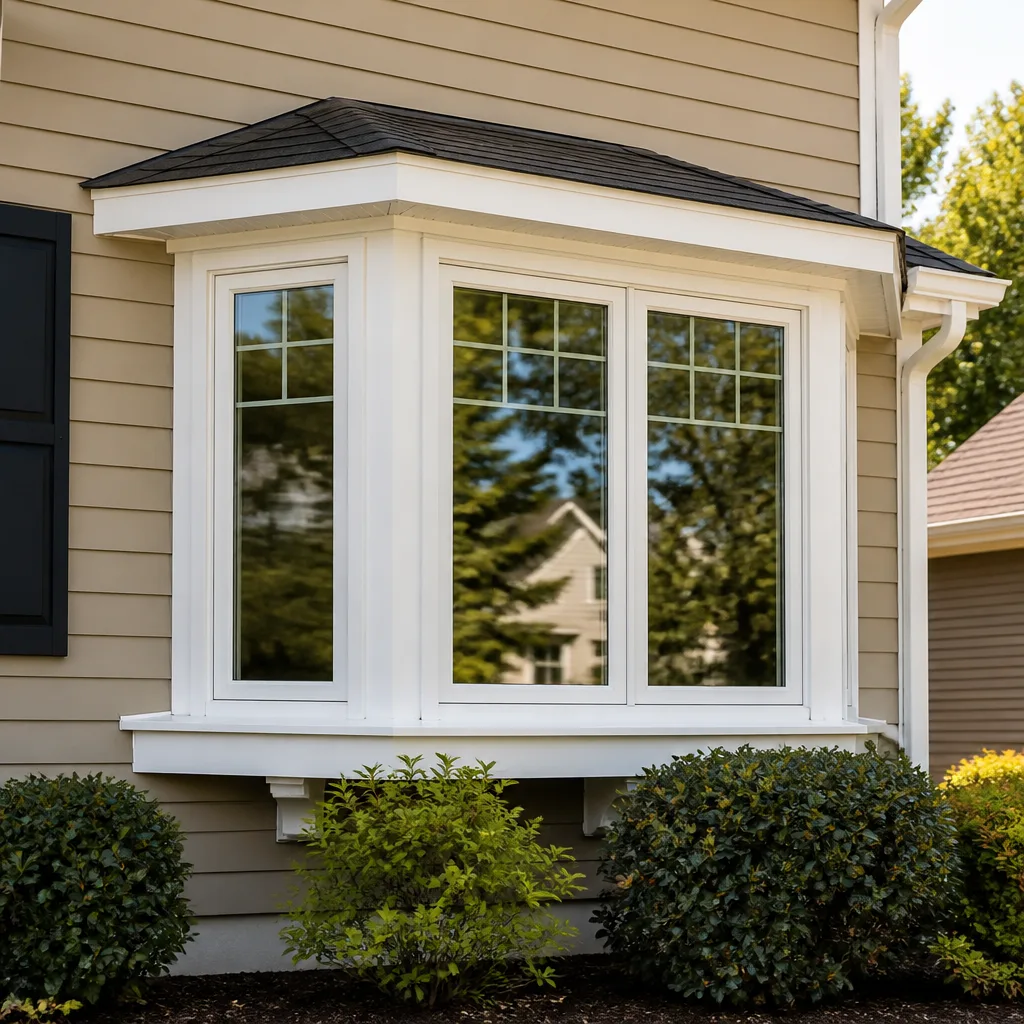
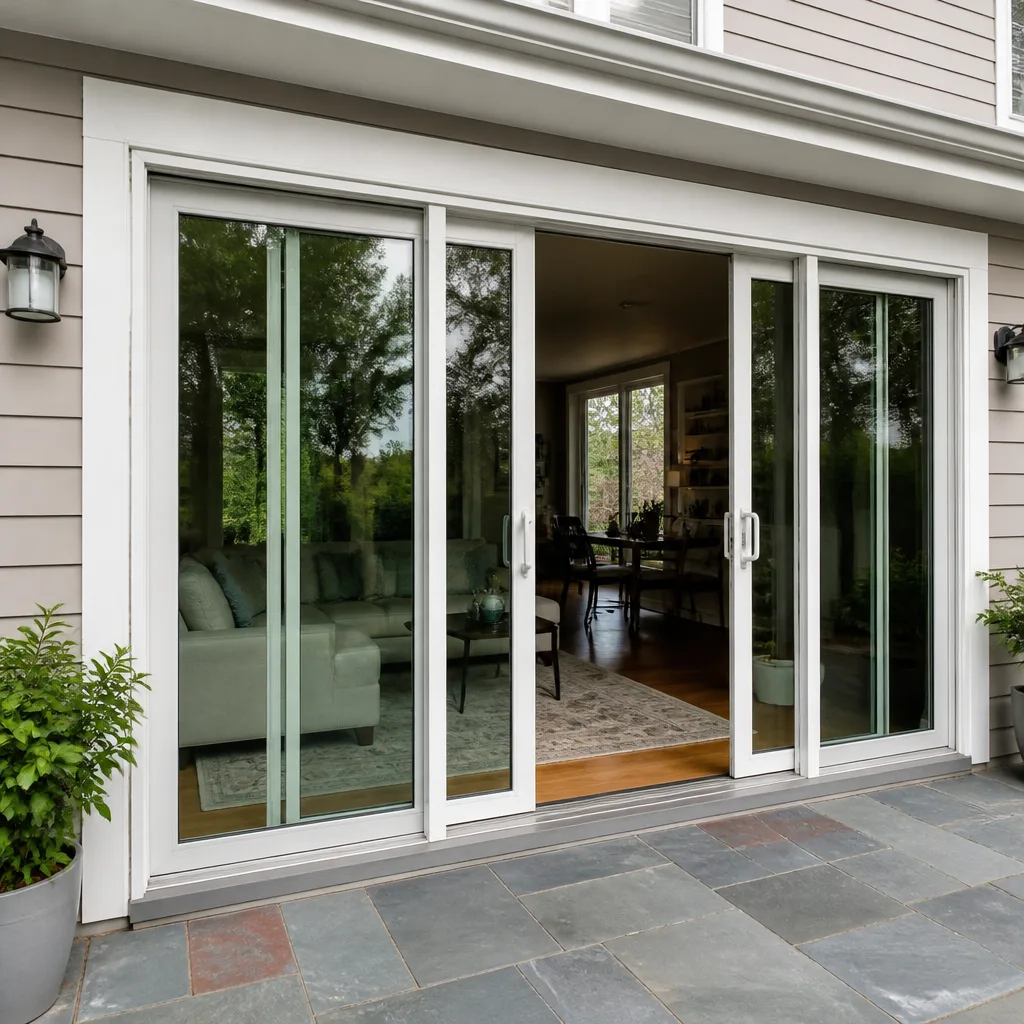
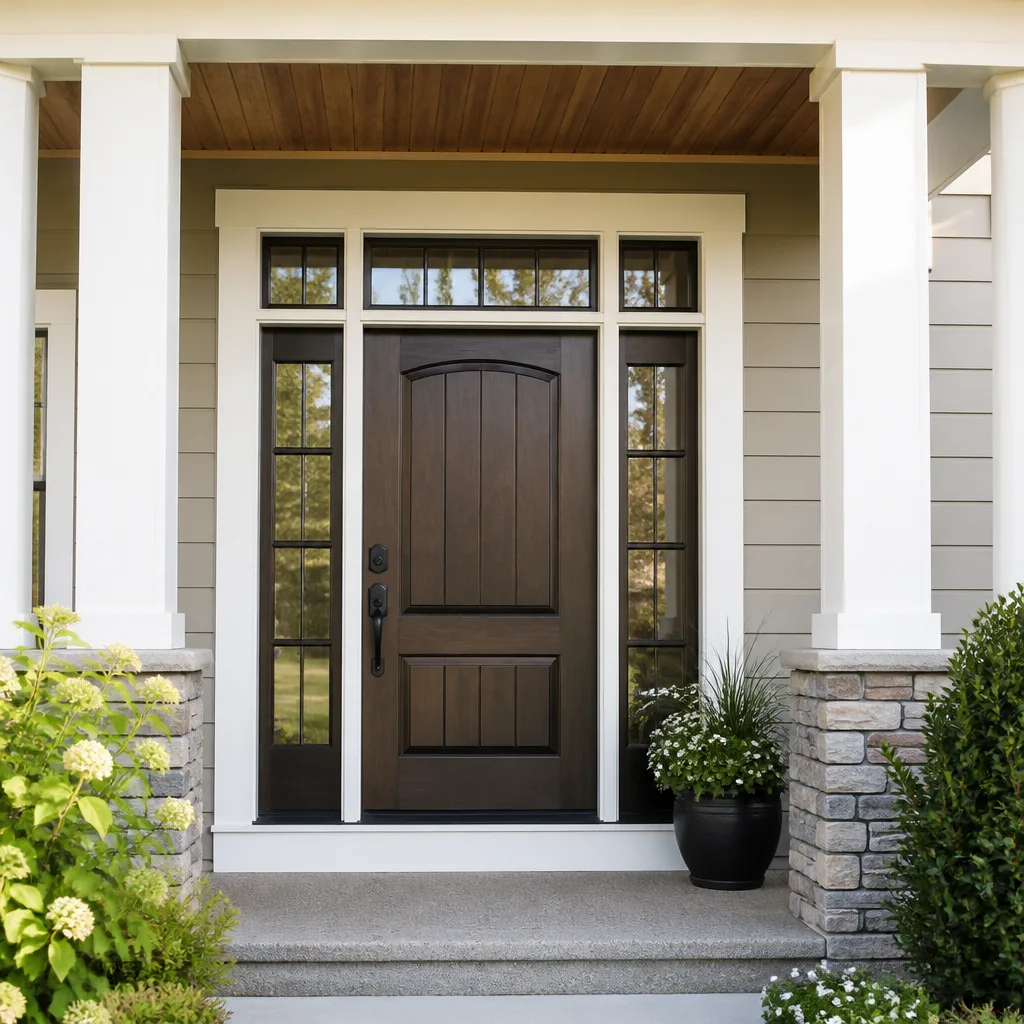
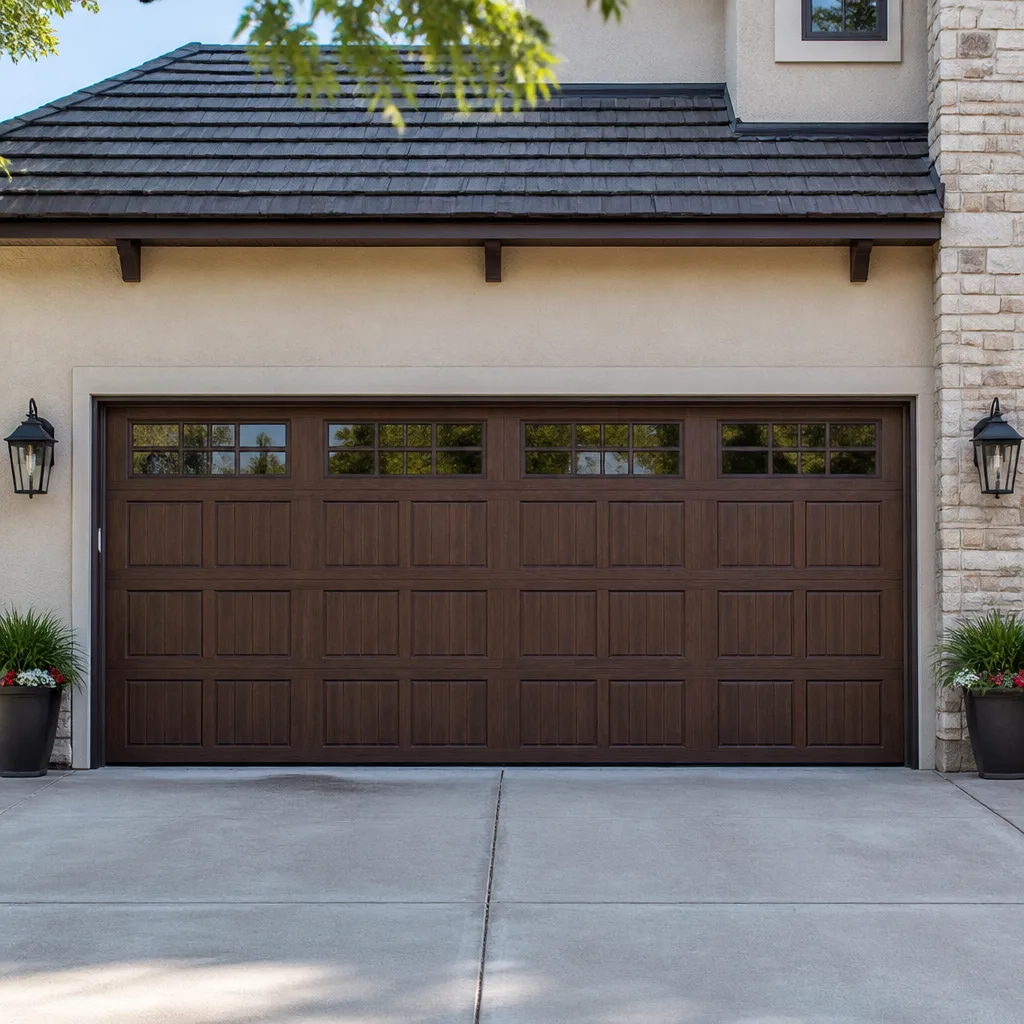
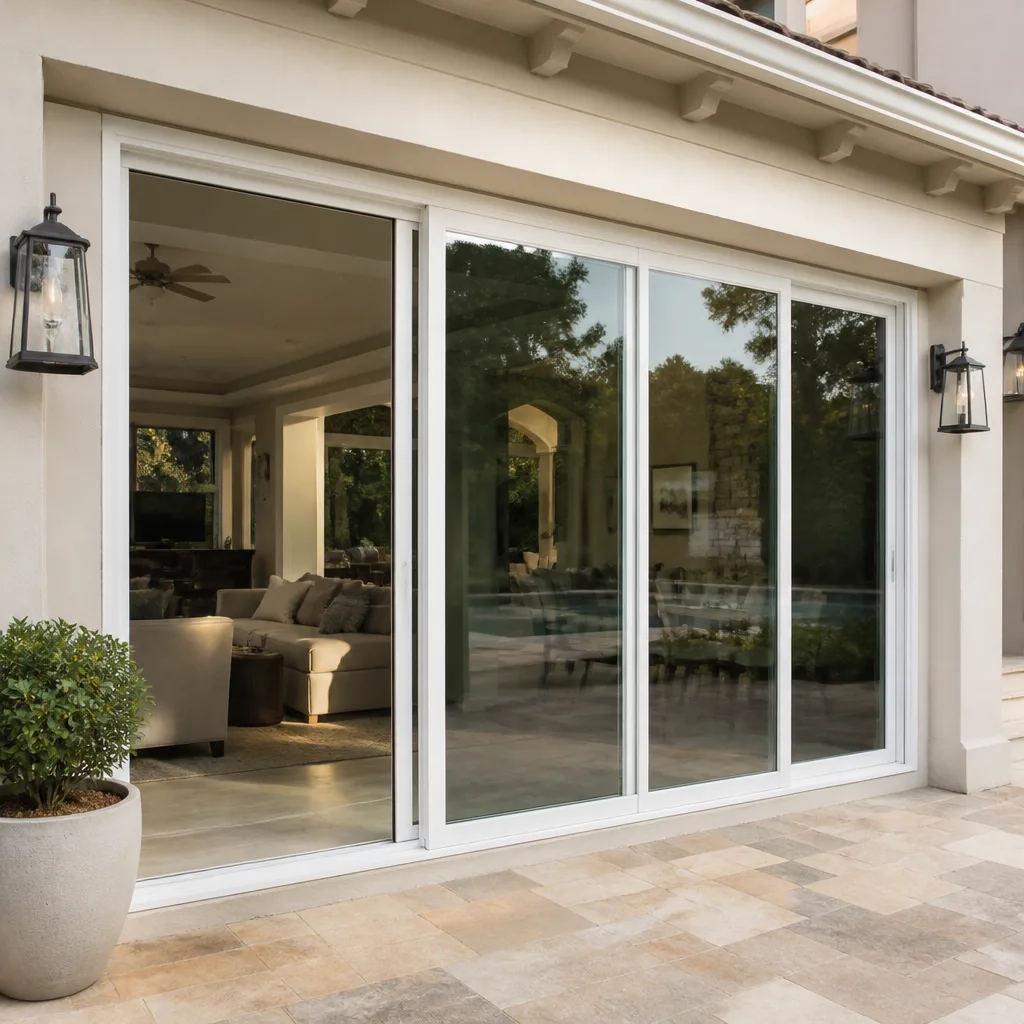
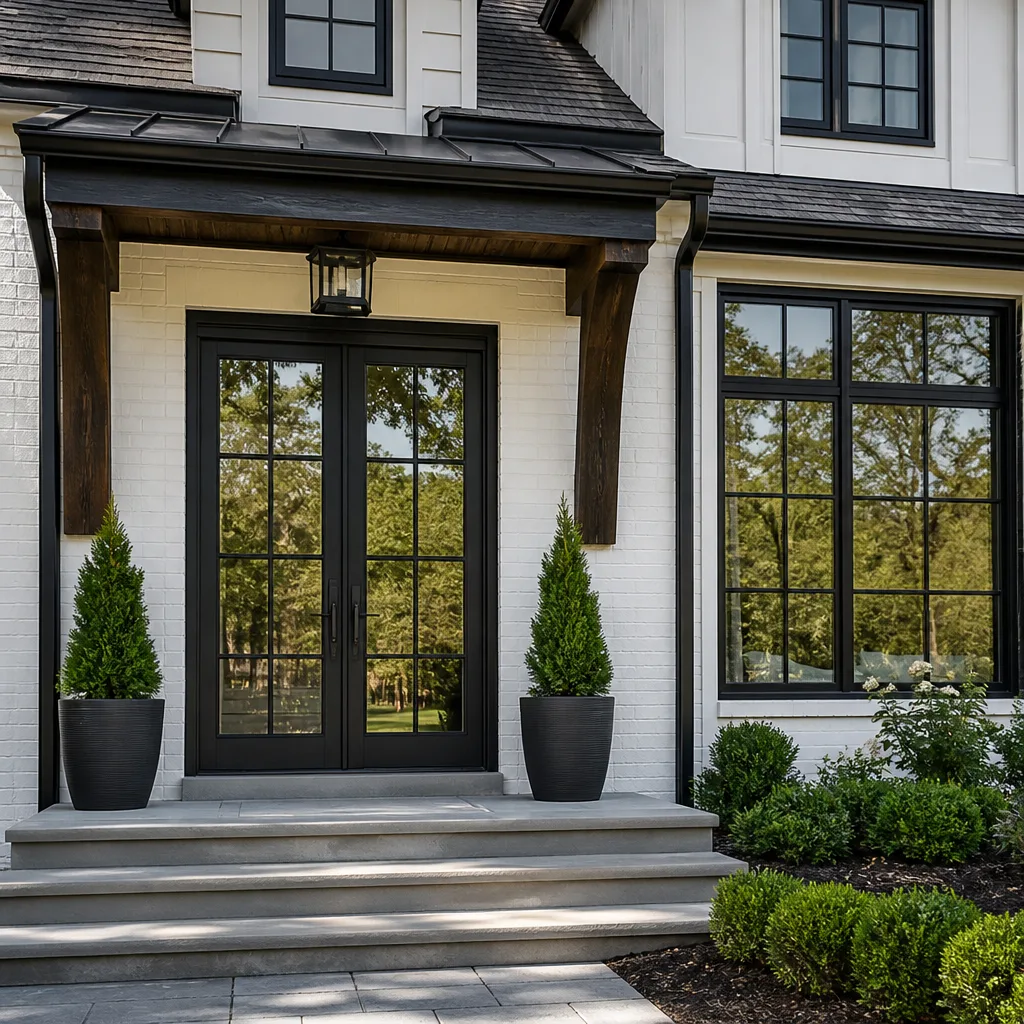
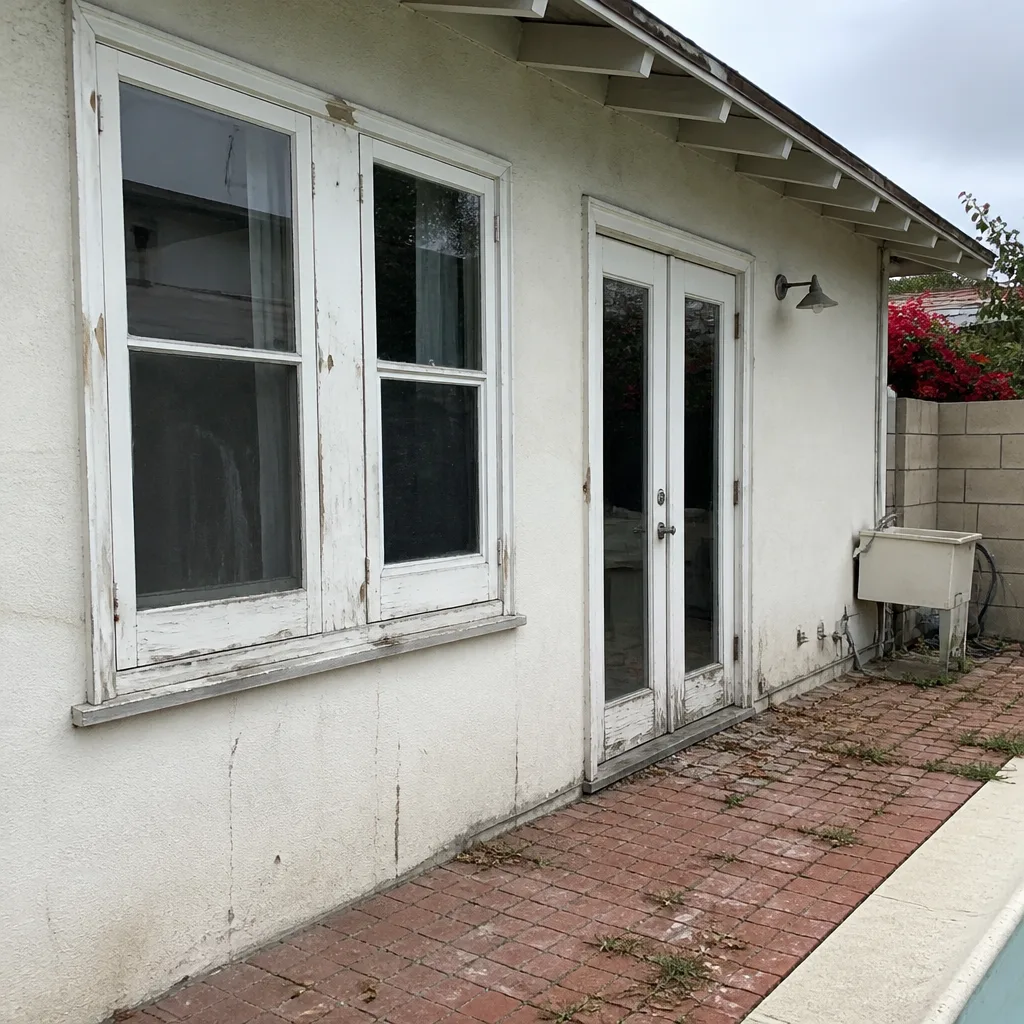 Before
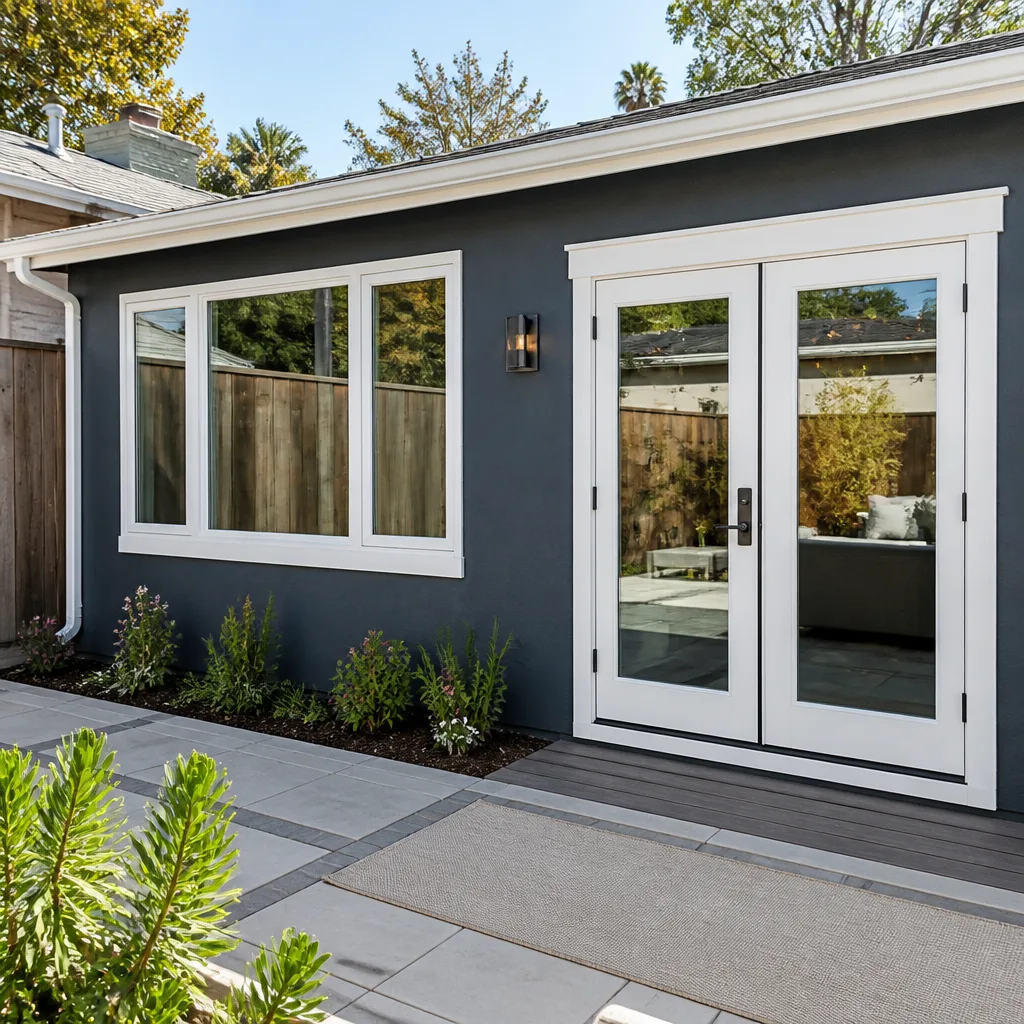 After
After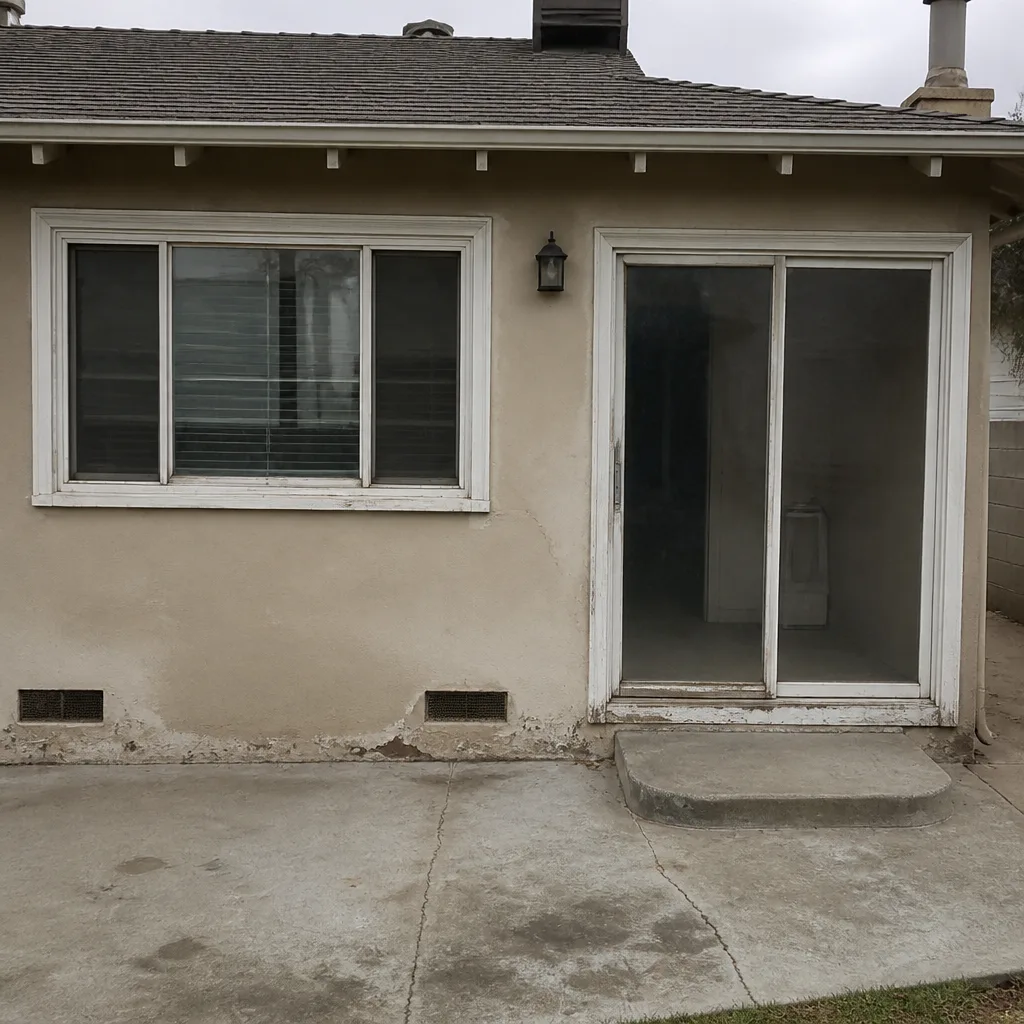 Before
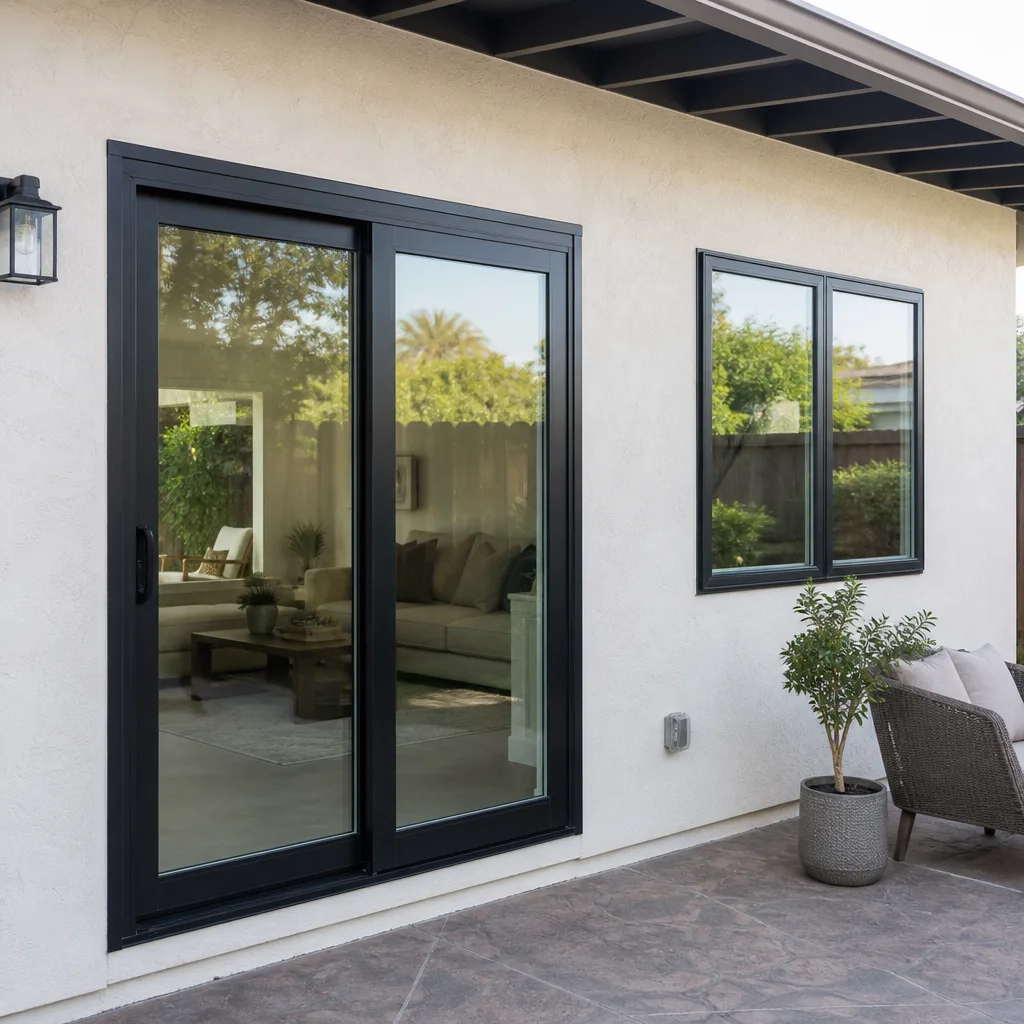 After
After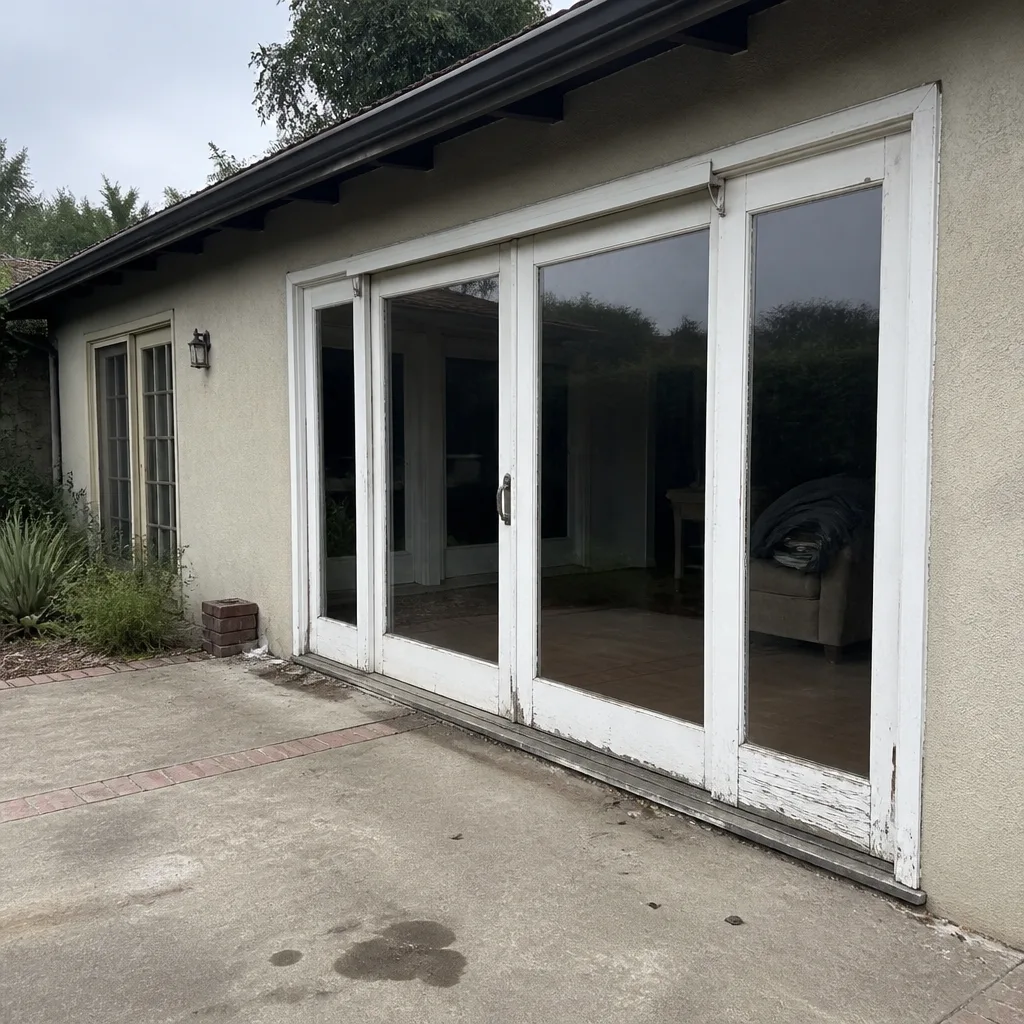 Before
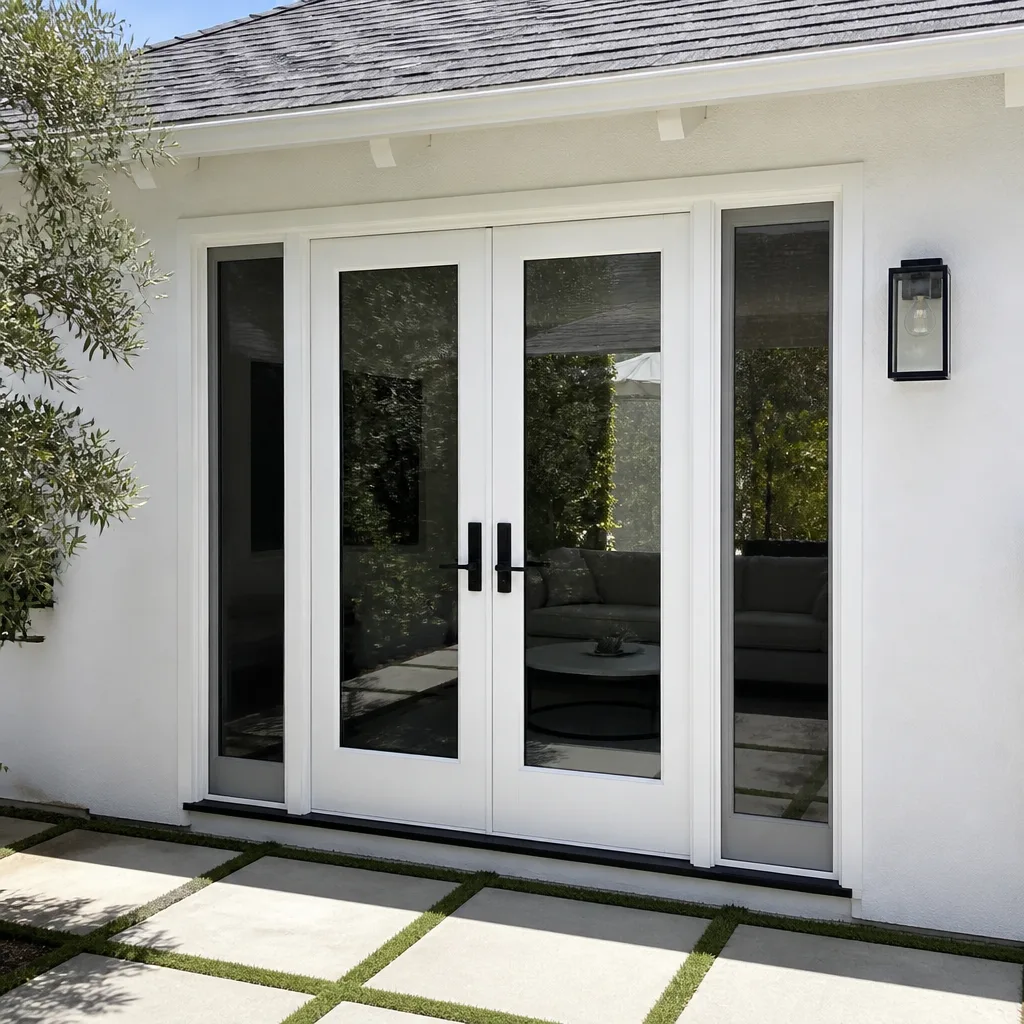 After
AfterWindows & Doors Cost Breakdown: The Los Angeles Homeowner’s Reference for 2026
A Los Angeles homeowner who accepts a bid quoted as “installed price per window” without seeing a line-itemed estimate is comparing an unknown against an unknown. Permit fees alone in LA can range from $150 to $800 per project depending on the jurisdiction and scope. This guide breaks every cost component into a named line item so you can pull two bids side by side and see exactly where the money goes, and for warning signs to watch for before you commit. If you live in Los Angeles and plan to replace windows or doors in 2026, you need this before you sign anything.
Quick Answer
Window and door replacement in Los Angeles runs 15% to 25% above national averages, driven by labor rates, permit fees, and disposal costs. Expect to pay $800 to $1,700 per window installed, $1,400 to $4,200 for a fiberglass entry door, and $1,800 to $5,000 for a sliding patio door. The premium is real and justified, but only if every line item appears on the estimate.
Table of Contents
- 2026 Price Ranges by Product Type
- The Eight Line Items Every Estimate Should Itemize
- Why LA Labor Rates Run Higher Than the National Average
- What Drives Cost Variation Between Identical Products
- How to Read a Low Bid
- Common Mistakes to Avoid
- When to Call a Professional
- Frequently Asked Questions
2026 Price Ranges by Product Type
The cost of windows and doors in Los Angeles varies by product type, material, glass package, and installation complexity. Prices below reflect what we see in the field across Los Angeles County in 2026, from the San Fernando Valley to the Westside to South Bay. These are installed prices including labor, basic trim, and haul-away.
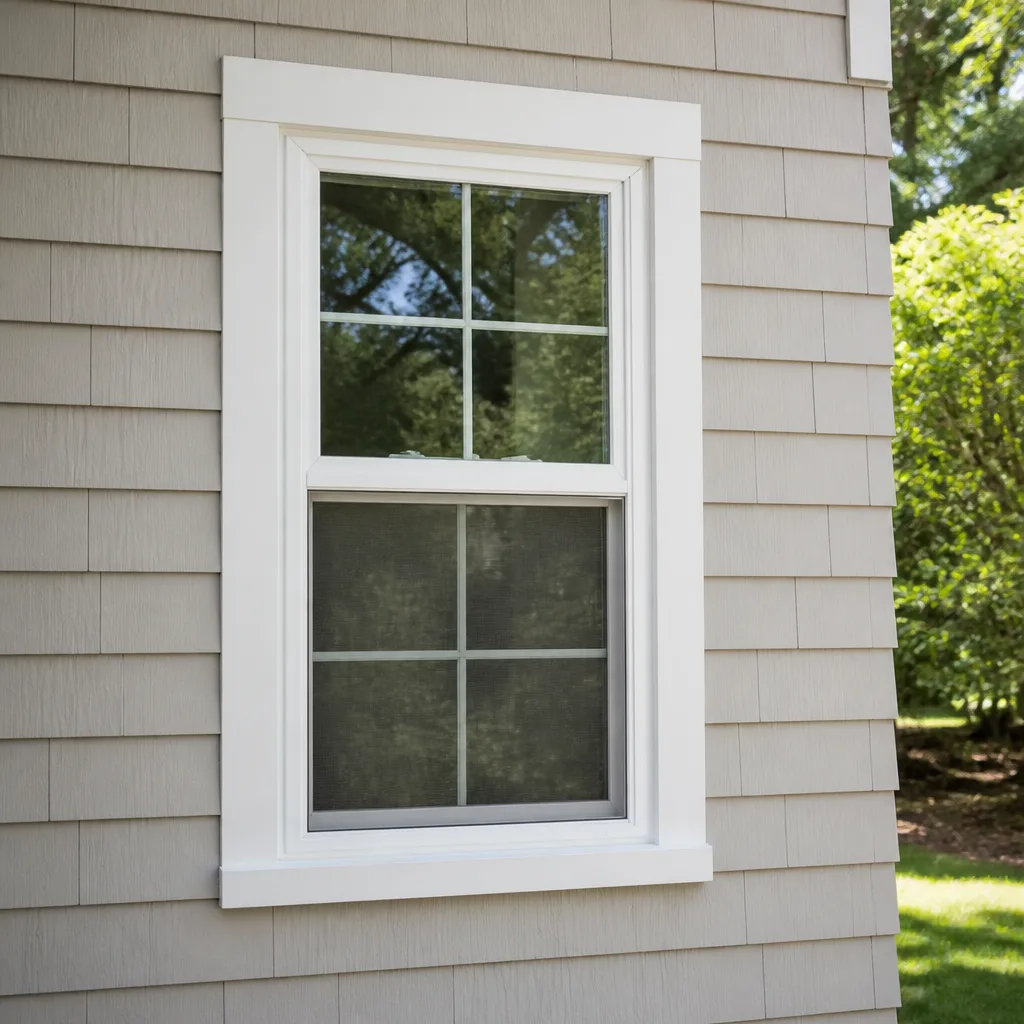
Vinyl Single-Hung Windows
- Low tier: $450 to $650 per window. Builder-grade vinyl, single-pane or basic double-pane glass, standard sizes only.
- Mid tier: $650 to $1,000 per window. Better vinyl extrusions, low-E glass, insulated frames, standard or slightly custom sizes.
- High tier: $1,000 to $1,600 per window. Premium vinyl, argon-filled double-pane, reinforced frames, custom sizes.
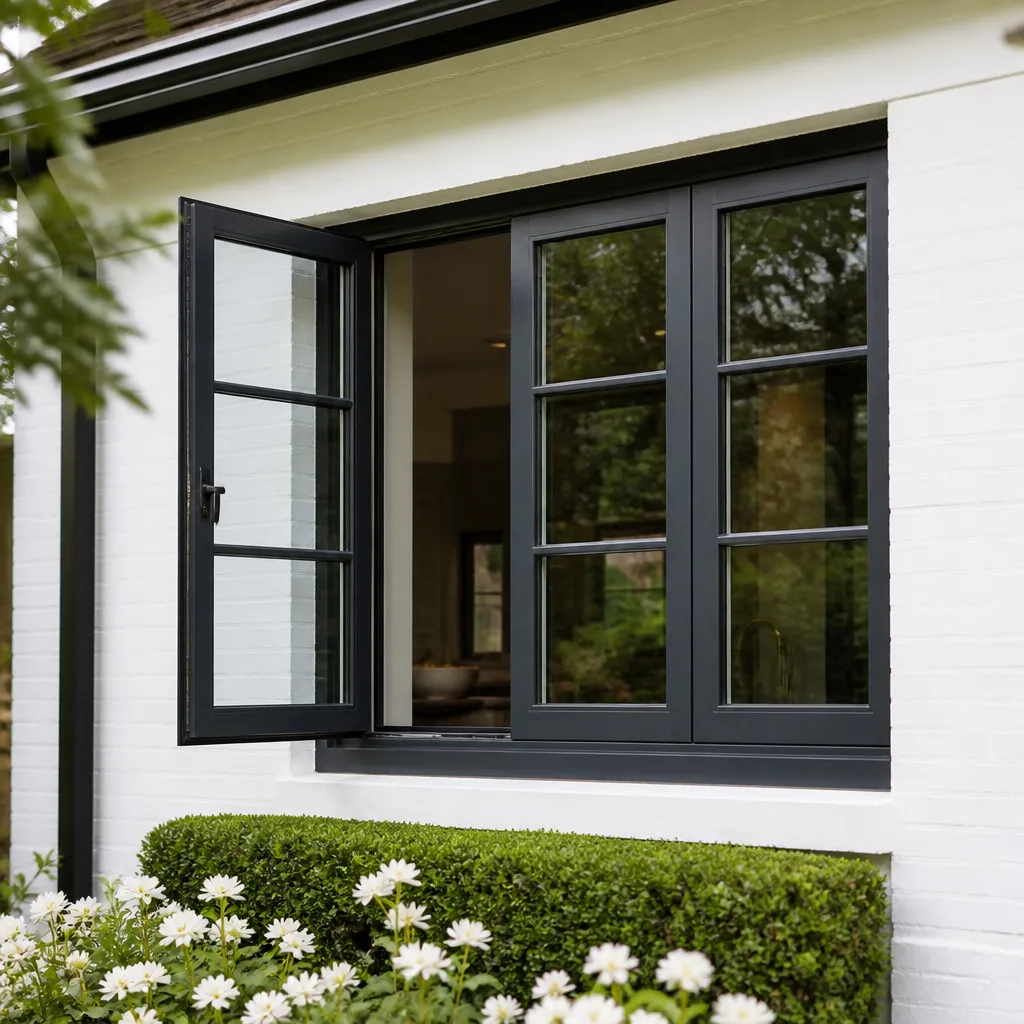
Vinyl Casement Windows
- Low tier: $550 to $800 per window. Single casement, manual crank, basic glass.
- Mid tier: $800 to $1,300 per window. Multi-point locking hardware, low-E coating, better weatherstripping.
- High tier: $1,300 to $2,000 per window. Full-frame replacement, premium hardware, high-performance glass packages.
Aluminum Storefront Windows
- Low tier: $700 to $1,200 per unit. Narrow-stile systems, fixed glass, commercial-grade aluminum.
- Mid tier: $1,200 to $2,000 per unit. Thermal-broken aluminum, mid-stile framing, low-E glass.
- High tier: $2,000 to $3,500 per unit. Wide-stile or custom systems, impact-rated glass, larger spans requiring structural reinforcement.
Fiberglass Entry Doors
- Low tier: $1,400 to $2,200 per door. Single door, no sidelights, basic hardware, painted finish.
- Mid tier: $2,200 to $3,200 per door. Therma-Tru or equivalent, one or two sidelights, upgraded hardware, weather-rated threshold.
- High tier: $3,200 to $4,200 per door. Custom sizes, decorative glass, extra-wide frames, extended jambs for thicker walls.
Sliding Patio Doors
- Low tier: $1,800 to $2,800 per door. Vinyl or basic aluminum, two-panel slider, standard 60×80 or 72×80 opening.
- Mid tier: $2,800 to $4,200 per door. Better rollers, low-E glass, multi-point lock, wider frames for standard retrofit.
- High tier: $4,200 to $5,000 per door. Custom sizes, heavy-duty hardware, impact-rated glass, three-panel configurations.
These ranges hold for most of Los Angeles. Expect to land at the top of a range if your house sits on a hillside with crane access required, if your openings are non-standard, or if the rough framing needs structural reinforcement. We spec products from manufacturer lines including ES Windows, ECO Window Systems, and Mr-Glass when the job calls for specific performance characteristics, and those decisions show up as distinct product costs on the estimate rather than being buried in a lump sum.
The Eight Line Items Every Estimate Should Itemize
A pricing model where the contractor hands you one number and says “that’s the installed price” hides more than it reveals. Every window or door replacement in Los Angeles has eight distinct cost components. If a bid does not break these out, you are being asked to trust a number you cannot verify.
- Product cost. The actual window or door unit itself, including frame material, glass package, hardware, and any manufacturer options like impact rating or custom finishes.
- Delivery. Freight and jobsite delivery from the manufacturer or distributor. For custom-ordered units, this can run $150 to $400 per job depending on distance and batch size.
- Permit fee. Los Angeles municipalities charge permit fees for window and door replacements that involve structural changes. Expect $150 to $800 per project depending on jurisdiction, scope, and whether engineering is required.
- Disposal. Hauling away old windows, doors, and construction debris. In Los Angeles, landfill tipping fees and transfer station costs push this line item to $75 to $250 per average job.
- Rough labor. Demo, framing, blocking, shimming, and preparing the opening. This is the work that determines whether the new unit sits square and operates properly for years.
- Finish labor. Setting the unit, insulation, flashing, water management, exterior trim, caulking, interior jamb extensions and casing.
- Stucco or interior patch. In Los Angeles, a high percentage of homes are stucco exterior. Cutting into stucco to replace a window means patching, texturing, and painting. This runs $100 to $300 per opening, more if the patch requires mesh and multiple coats to match existing texture.
- Warranty. What happens if the unit fails or the installation leaks. Every bid should state the warranty term in writing, including who covers what and for how long.
At Meridian Windows & Doors, the price goes on paper before any work starts. It does not move at the door. That means every job includes a written estimate with these line items separated, so you can see exactly where the money is going before you commit. The 365-Day Done Right Promise covers every installation in writing for a full year. If the work fails within that period, our crew returns at no charge.
Why LA Labor Rates Run Higher Than the National Average
Window and door installation labor in Los Angeles runs 20% to 40% higher than the national benchmark for the same scope of work. That delta is not arbitrary. It is built from three structural costs that every legitimate contractor in Los Angeles carries.
First, the Contractors State License Board (CSLB) requires active licensure, bonding, and continuing education for any contractor performing window and door replacement work in California. A licensed contractor carries bond premiums, workers’ compensation insurance, and liability coverage. Those costs are real and they show up in the hourly rate. Second, some jurisdictions within Los Angeles County operate under prevailing wage rules for certain project types. When prevailing wage applies, the hourly rate for a journeyman installer jumps significantly. Third, the cost of doing business in Los Angeles, commercial rent for shop space, vehicle costs, fuel, and time spent navigating traffic, all push the effective hourly rate higher than a contractor in Phoenix or Dallas.
What does this mean for you as a buyer? It means that a quote of $90 per hour for installation labor in Los Angeles is not high. It is roughly the market rate for licensed, insured, properly trained crews. When you see a bid built on $40 per hour labor, that number signals something: either the contractor is not carrying the proper license and insurance, or they are planning to cut corners somewhere else. Neither ends well.
Our crews are background-checked and uniformed. You know who is walking through the door. And every project operates under The Garrison Standard, which has been the operating rule inside the Garrison Partners family since 2009. The Garrison Code governs what the crew will and will not do on a job site: no surprises, no scope changes without a written change order, no leaving a jobsite messy.
What Drives Cost Variation Between Identical Products
Two identical vinyl windows can land at very different installed prices on two different Los Angeles homes. The product cost is the same. The difference comes from the site conditions. Understanding these variables lets you read a bid and know whether a high number is justified or a low number is hiding something.
Second-story access. A window on the second floor of a two-story Los Angeles home requires ladders, scaffolding, or a lift. Setup and breakdown time adds labor hours. In some hillside homes, the “second story” is actually the third level from the street, which means longer ladder runs or a crane. A second-story window typically adds $100 to $300 per opening in access labor.
Steel stud vs. wood frame construction. Condos, apartments, and many commercial storefronts in Los Angeles are built with steel studs. Cutting into a steel stud wall to replace a window takes different tools, different fasteners, and more time. A steel stud installation can run 20% to 30% higher than the same window in a wood-framed house.
Custom-size rough openings. Older Los Angeles homes, especially those built before 1970, often have non-standard rough openings. A standard 36×48 window will not drop into a 35×47 opening. Custom-ordered units cost more than stock sizes, and the reframing work adds labor. The product itself may run 30% to 50% more if it must be custom manufactured to a non-standard dimension.
Stucco vs. siding. Most single-family homes in Los Angeles are stucco. Pulling a window from a stucco wall means cutting the stucco back, removing the old unit, resetting the new one, and then patching, texturing, and painting the stucco. Siding homes skip most of this finish work. The stucco patch line item is not a markup. It is real labor and real material.
When we quote a window replacement in Los Angeles, these variables are written into the line items so you can see why your price differs from your neighbor’s. The product may be identical. The site conditions are not.
How to Read a Low Bid
A bid that comes in 30% or 40% below the other two quotes is not a bargain. It is a bid with missing pieces. In our experience across Los Angeles, underbidding contractors cut from three places most often. Each omission costs you money after installation, and none of them are obvious at signing.
1. The permit is omitted. Some contractors quote the job without the permit fee and tell you “we’ll handle it” or “you don’t really need one for this.” Window and door replacement that involves structural modification requires a permit in most Los Angeles jurisdictions, so review our Windows & Doors Permits, Codes & Inspections in CA to understand what applies to your project. If the contractor skips it, you own the problem when the city discovers the work. If you try to sell the house, unpermitted work becomes a disclosure item. If something fails, your insurance company may deny the claim.
2. The disposal line is cut. The bid says “old windows hauled away” but does not price it. Either the contractor buries the cost elsewhere or they leave the old units in your driveway. Disposal in Los Angeles is expensive because landfill tipping fees are high. If the line item is missing, the cost has not disappeared. It has just moved somewhere you cannot see it.
3. The stucco patch is “included” but under-scoped. The bid promises that the stucco repair is part of the installation price, then the crew does a single coat, leaves a visible seam, or paints a patch that does not match. Proper stucco repair in Los Angeles requires multiple coats, a texture match, and paint blending. If the stucco line item is suspiciously small, the work will be suspiciously bad.
When we write a quote, every one of these items appears as a named line item with a dollar figure. You can compare our bid against another, line by line, and see whether you are comparing the same scope. The price we put on paper before work starts is the price you pay. No change orders unless you ask for something different.
Common Mistakes to Avoid
- Accepting a bid with no line items. A single number tells you nothing about what is included. You cannot compare bids if you cannot see the cost structure. Demand the eight line items named in this guide.
- Choosing windows based only on price per unit. A cheap window installed badly costs more than a mid-priced window installed well. The product cost matters, but installation quality determines the life of the unit.
- Skipping the permit. Unpermitted window and door work in Los Angeles creates liability, insurance risk, and resale problems. The permit fee is small relative to the risk of skipping it.
- Not asking about warranty terms in writing. “We stand behind our work” is not a warranty. A real warranty states the term, what is covered, and what happens if it fails. Get it in writing before the work starts.
- Comparing low-E glass options without understanding what low-E does. Low-E is a thin coating that reflects heat while letting light through. In Los Angeles, a good low-E package cuts solar heat gain and lowers cooling costs. Not all low-E glass performs the same. Ask for the SHGC and U-factor numbers.
- Ignoring the rough opening condition. A window replacement is only as good as the framing around it. If the rough opening is rotted or out of square, the installer must address it. Contractors who skip this step are installing over a problem instead of fixing it.
- Assume all bids cover the same scope. Two bids for the “same” project can differ by thousands of dollars because one includes permits, disposal, stucco patch, and warranty, and the other does not. Line-itemed estimates are the only way to know what you are actually comparing.
When to Call a Professional
Window and door replacement in Los Angeles is not a DIY project for most homeowners. Stucco cutting, flashing, waterproofing, and proper shimming require training and experience. If you see fogged glass, water staining around the frame, difficulty opening or closing, or drafts you can feel on a windy day, call a contractor. A condensation problem that will not clear suggests seal failure. A door that sticks year-round suggests the frame has shifted. These are not cosmetic issues; they are the early signs of water intrusion and air leakage. Meridian Windows & Doors offers free estimates in Los Angeles. Call (817) 686-2228 to schedule one.
Frequently Asked Questions
Most single-window replacements in Los Angeles run $800 to $1,700 installed, depending on product type, glass package, and access conditions. Sliding patio doors run $1,800 to $5,000, and fiberglass entry doors run $1,400 to $4,200. Call (817) 686-2228 for an exact quote, estimates are free.
It should not, if the contractor wrote a proper line-itemed estimate. If hidden conditions emerge, like rotted framing or non-standard openings, a responsible contractor will stop work and present a written change order. That is different from a price that moves at the door. Ask before signing.
Yes, in most jurisdictions when the replacement involves structural changes to the opening. The permit fee ranges from $150 to $800 per project. A contractor who skips the permit saves you a small amount now and creates liability later.
A typical single-family home with 8 to 12 windows takes 2 to 3 days for full replacement. Patio doors take a half day to a full day. Stucco patch and painting may extend the schedule. Your contractor should give you a written schedule before starting.
The 365-Day Done Right Promise from Meridian Windows & Doors covers every installation in writing for a full year. If the work fails within that period, we return at no charge. The guarantee includes a free second visit if the repair or installation fails.
Los Angeles carries a 15% to 25% premium over national averages due to CSLB licensing overhead, insurance minimums, prevailing wage rules in some jurisdictions, landfill disposal costs, and the general cost of operating a business in LA County. A line-itemed bid shows you exactly where that premium sits.
The Bottom Line
Los Angeles window and door pricing is structurally higher than the national average. That premium is not random, and it is not a scam. It is built from licensing, insurance, disposal costs, and the realities of working in a stucco-heavy housing stock. What separates a fair bid from a bad one is the line-item detail. Demand the eight items: product, delivery, permit, disposal, rough labor, finish labor, patch, and warranty. Get the warranty in writing. And work with a contractor who puts the price on paper before any work starts. That is how you compare bids in Los Angeles and walk away with a number that actually means something. Explore more guides & resources to plan your project with confidence.
Written by Elliot Vance, Owner at Meridian Windows & Doors, serving Los Angeles since 2009.