

Last updated October 9, 2026
Free in-home measure and quote - PGT, CGI and CWS impact lines compared on your actual openings, style by style
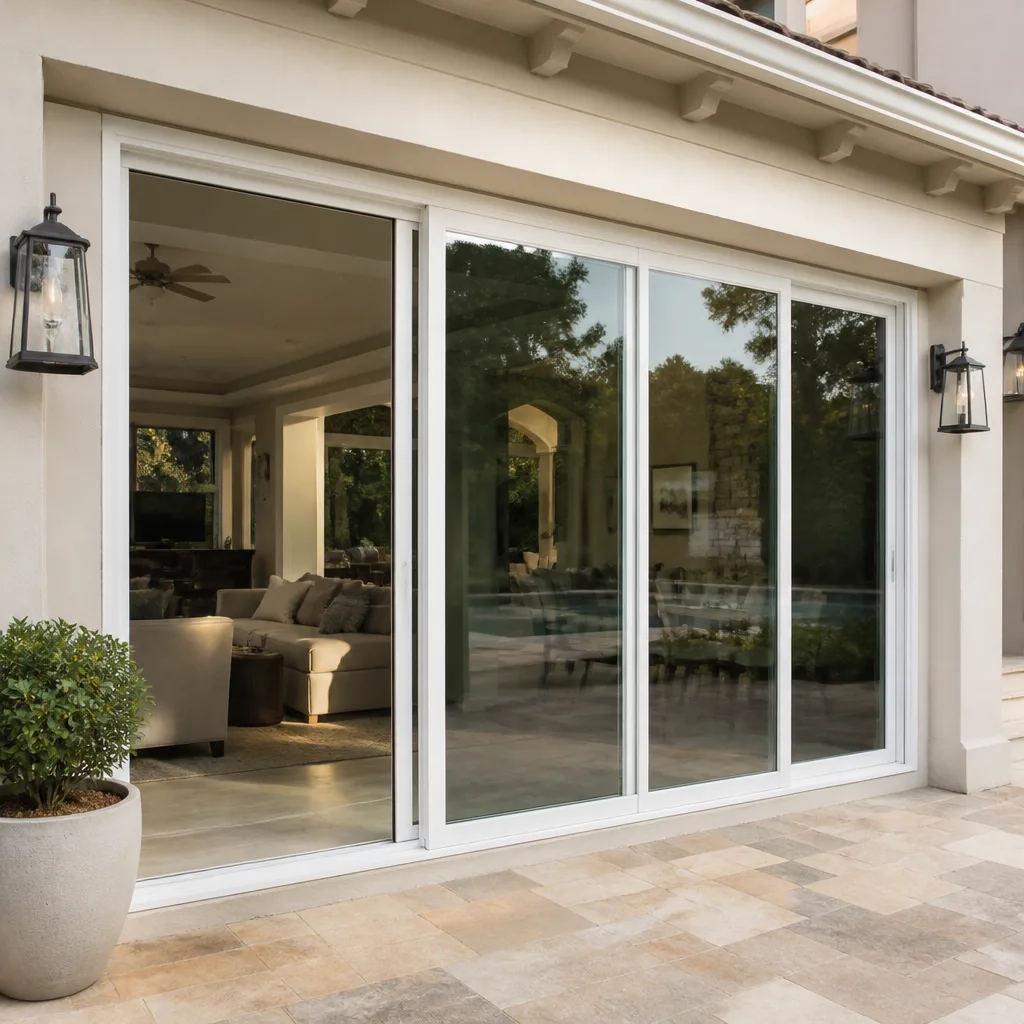
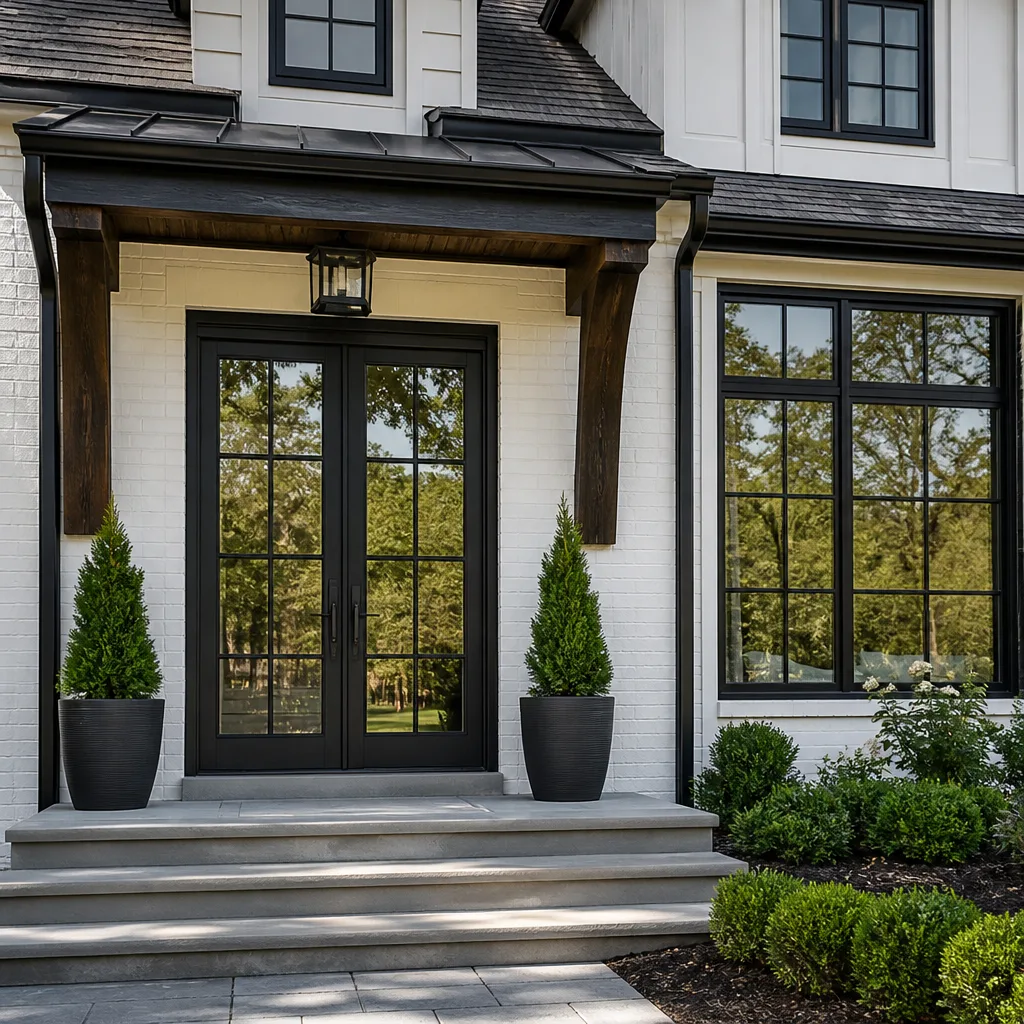
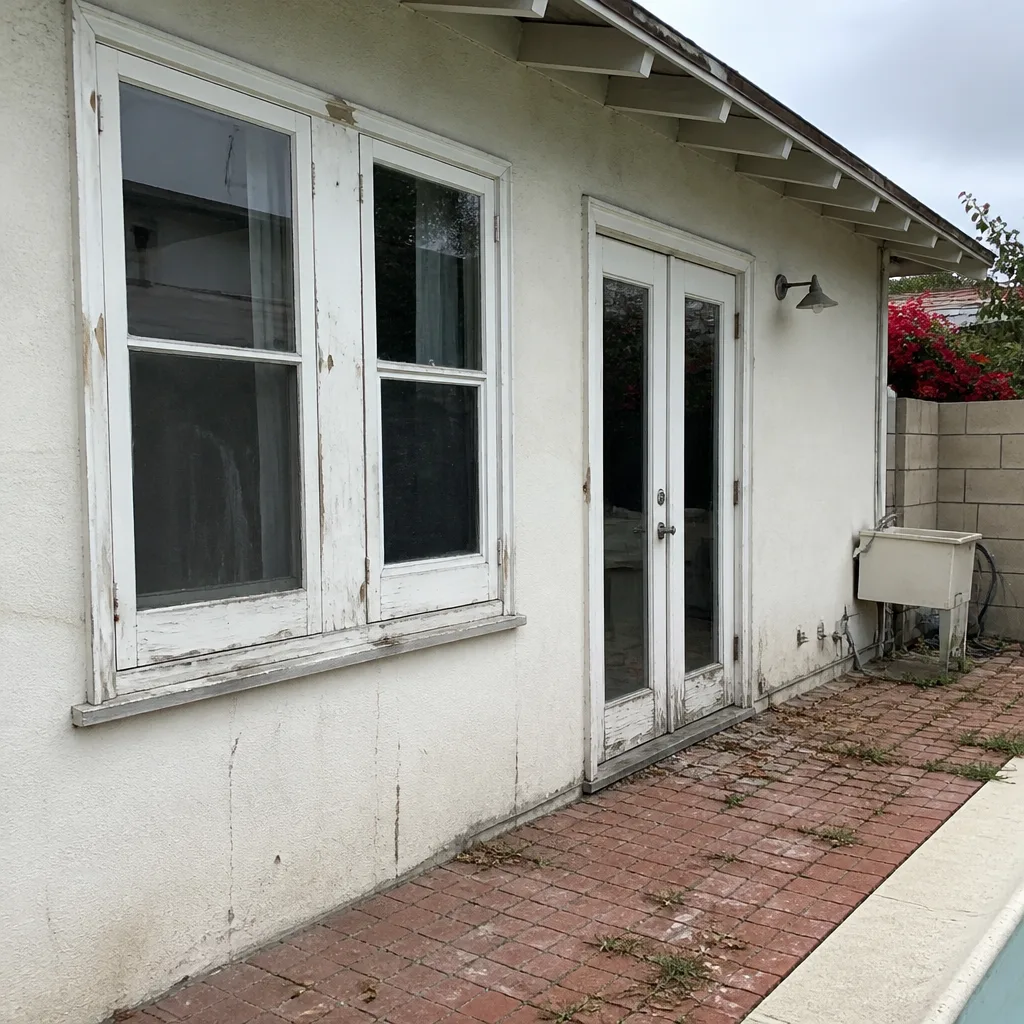 Before
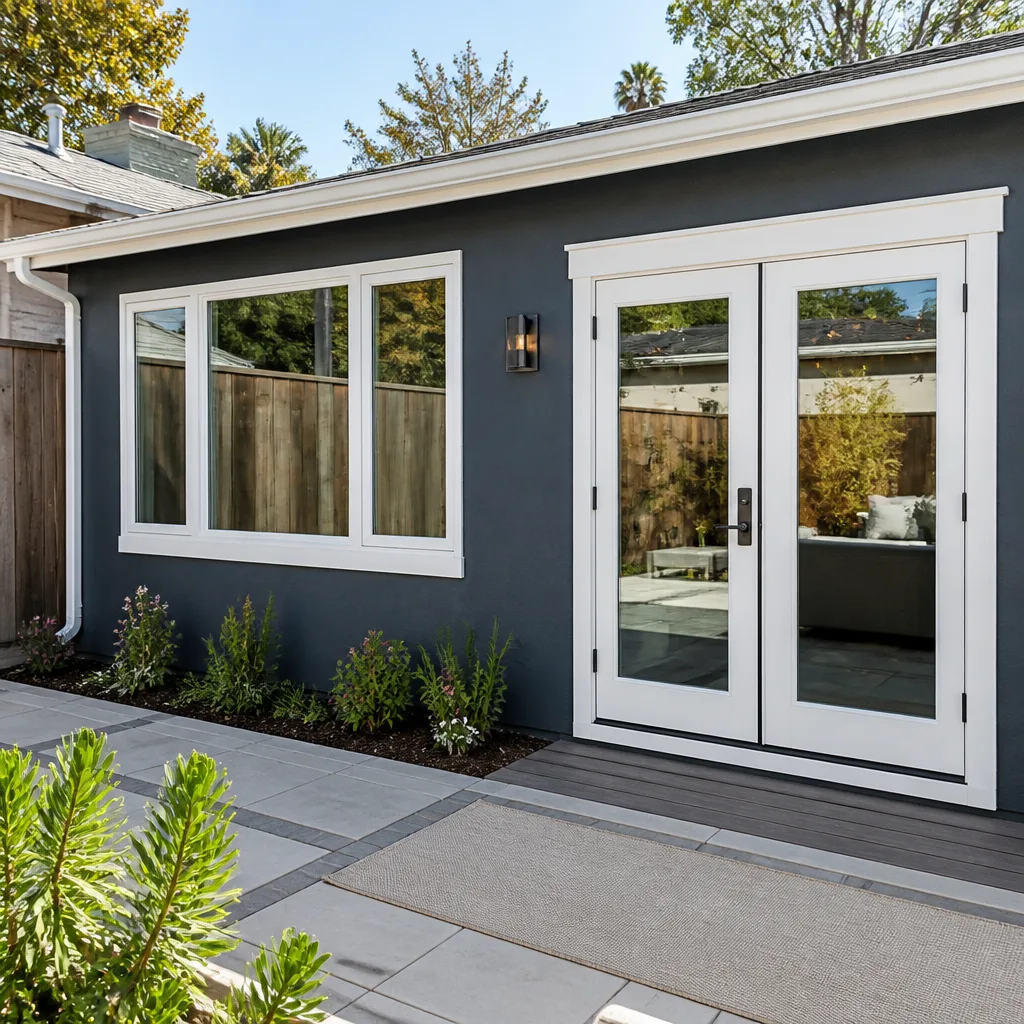 After
After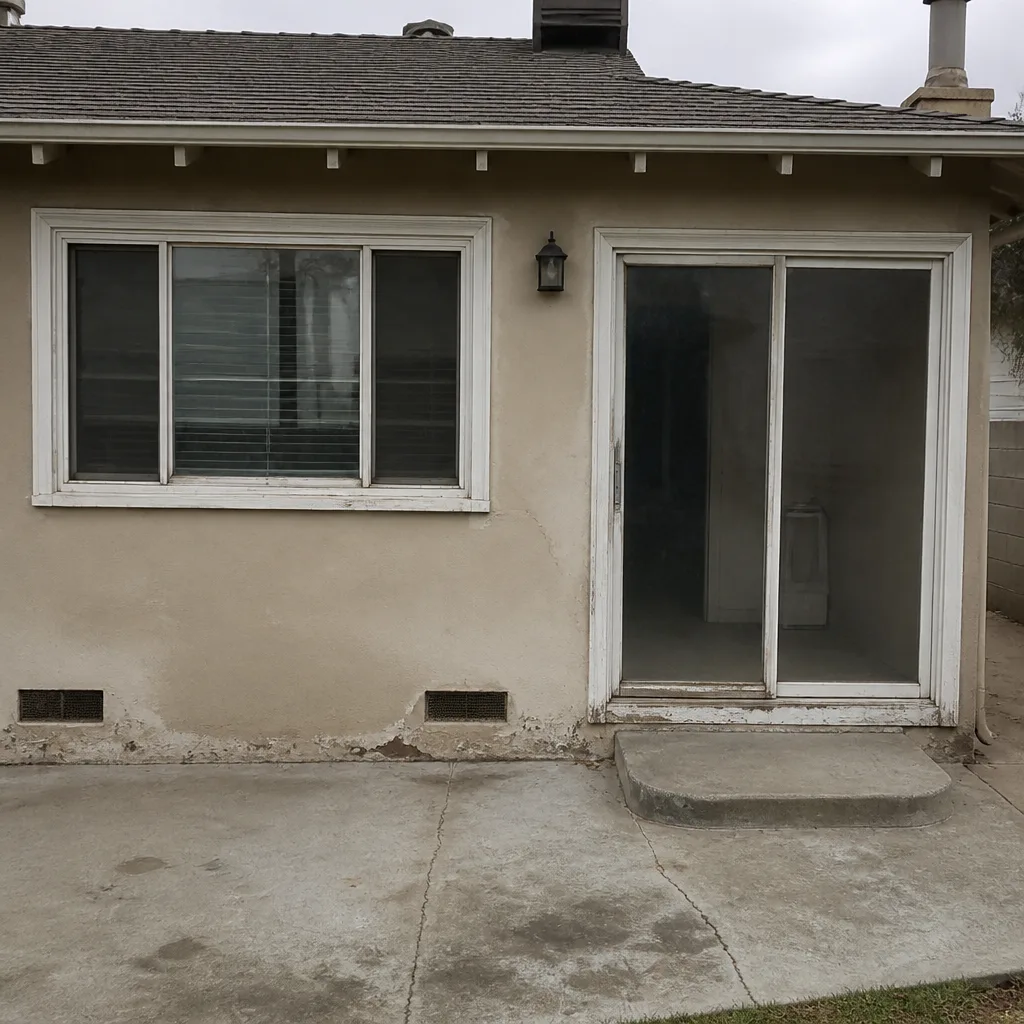 Before
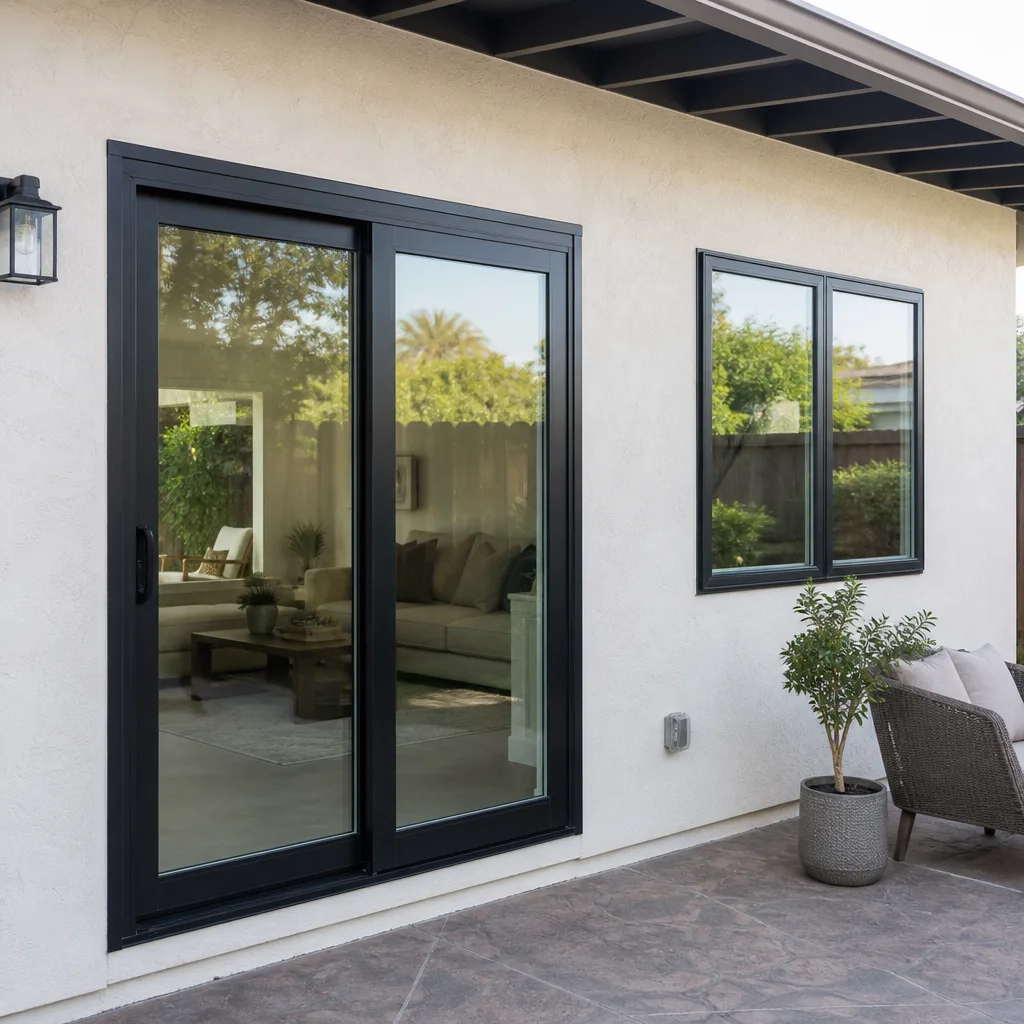 After
After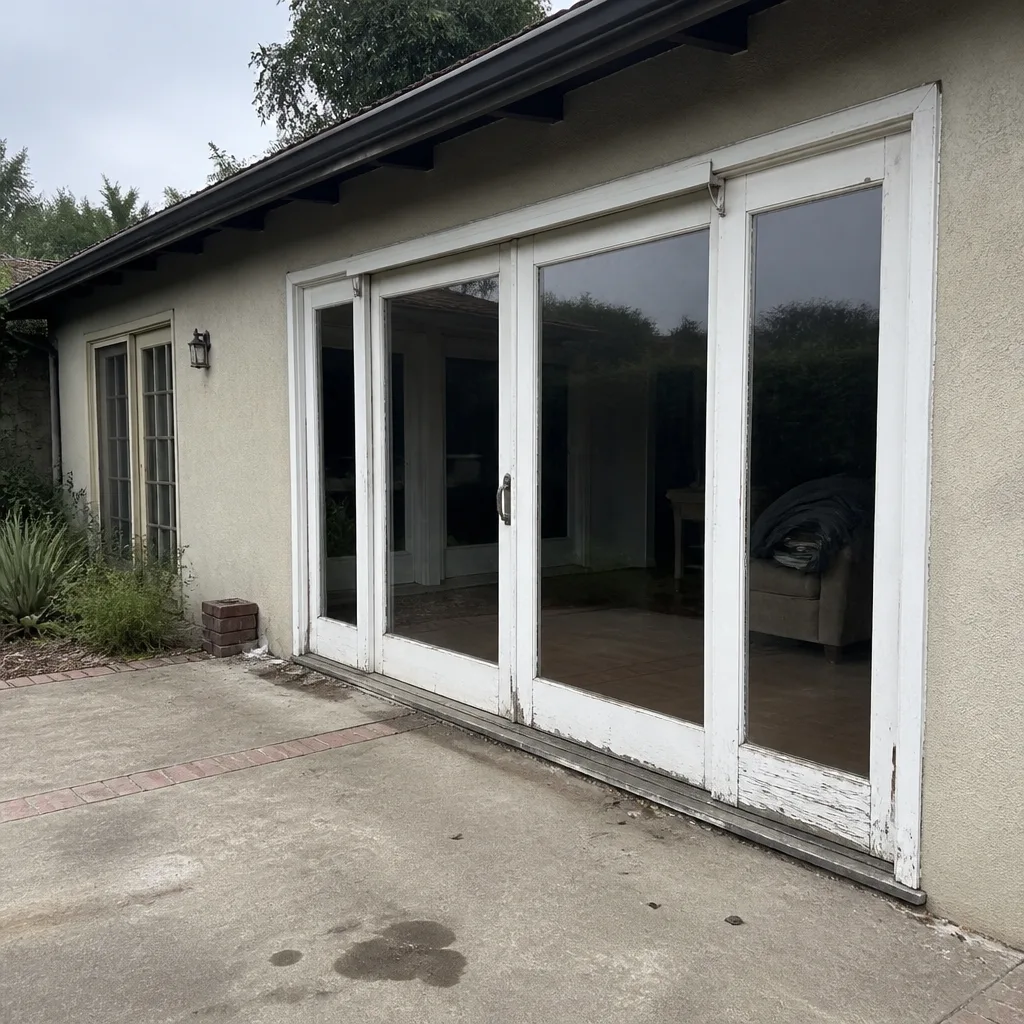 Before
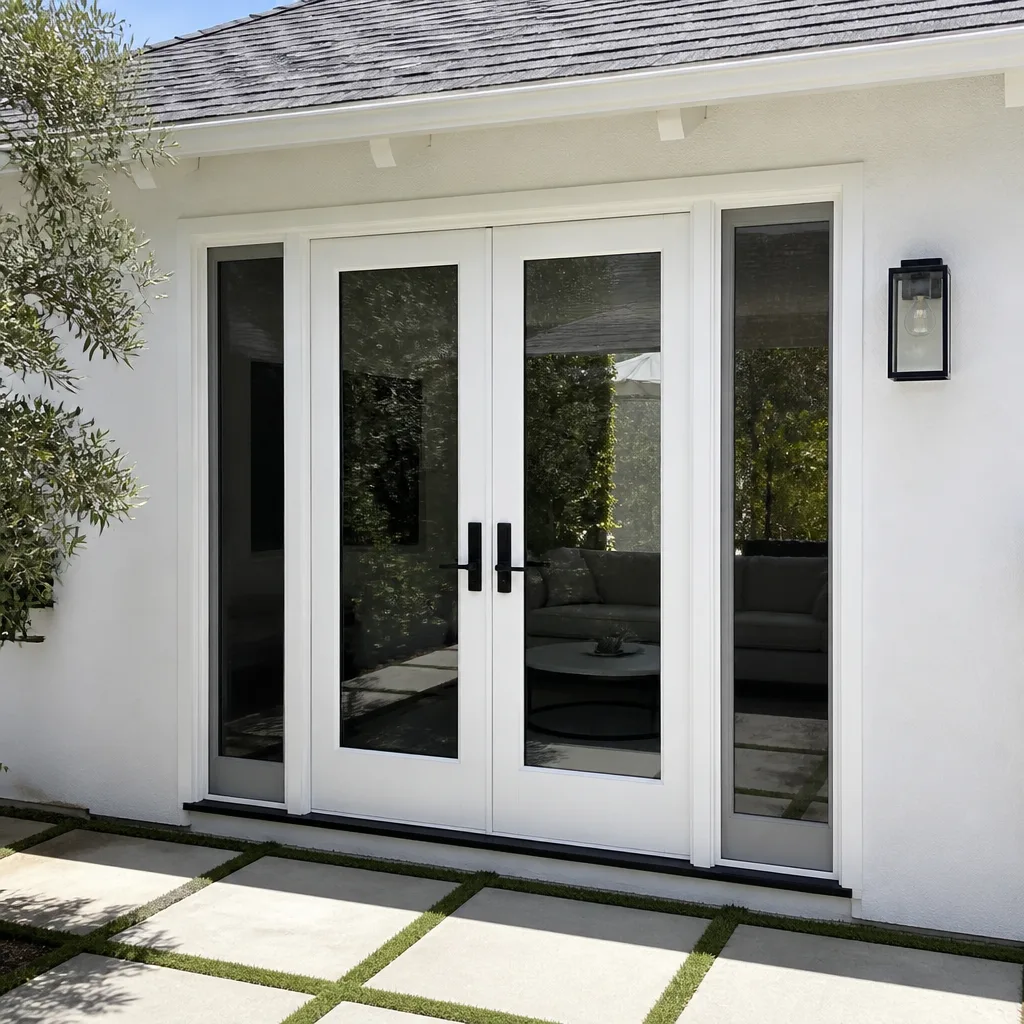 After
AfterWindows & Doors Permits, Codes & Inspections in CA: What You Need to Know
In the City of Los Angeles, replacing a window in the same opening with the same size requires a permit if the work involves stucco repair – a detail that catches homeowners off guard and can result in a stop-work order mid-project. Most California homeowners walk into a window or door replacement with two wrong assumptions: either that a simple like-for-like swap needs no paperwork, or that every change triggers a full structural review. The truth sits somewhere in between, and it depends on scope, jurisdiction, and whether you’re changing the size of the opening. This guide breaks down exactly when Los Angeles and surrounding cities require permits, what inspectors look for, what Title 24 paperwork you’ll need, and what skipping the process actually costs you at resale. For a broader look at the topic, see our The Complete Guide to Windows & Doors in Los Angeles.
Quick Answer
In California, a window or door replacement generally requires a building permit when the opening size changes, when structural members are altered, or when the work moves beyond a direct like-for-like swap into stucco repair, framing changes, or egress modifications. In Los Angeles specifically, LADBS requires permits for most window replacements that disturb exterior finishes, while some interior door swaps and same-size window retrofits may qualify for exemptions depending on scope. The inspector will verify Title 24 energy compliance documentation, NFRC labels on the units, and egress dimensions on any bedroom window. Expect permit fees between $150 and $500 for typical single-opening work, with review timelines of one to three weeks at LADBS.
Table of Contents
- Do You Need a Permit for Window or Door Replacement in California?
- Los Angeles vs. Surrounding Cities: Permit Requirements Compared
- Title 24 Energy Compliance: The Paperwork Inspectors Actually Check
- Egress Requirements: When Bedroom Windows Trigger a Code Review
- What Unpermitted Work Costs You at Resale
- Step-by-Step: Submitting a Permit to LADBS
- Common Mistakes to Avoid
- When to Call a Professional
Do You Need a Permit for Window or Door Replacement in California?
California Building Code (CBC) Chapter 1, Section 105 exempts certain work from permit requirements, but the language is narrower than most homeowners realize. A like-for-like window replacement where the unit drops into the existing frame without disturbing the rough opening, exterior siding, stucco, or weatherproofing often qualifies as a repair rather than an alteration. But the moment the work touches the rough opening, reframes any portion of the wall, changes the window size, or removes exterior finishes like stucco or brick veneer, LADBS and most California cities classify it as an alteration requiring a building permit.
In our experience serving Los Angeles homeowners, the most common surprise is the stucco trigger. Los Angeles has a high concentration of stucco-clad homes, from Westchester bungalows to Sherman Oaks ranches. Replacing a window on a stucco house almost always involves cutting back the stucco to access the flange, then patching and re-texturing. LADBS considers that stucco repair part of the permitted scope. We tell every homeowner the same thing before starting a quote: if the job involves more than swapping the sash or the glass, assume you need a permit until the jurisdiction tells you otherwise. For help spotting these issues early, read Windows & Doors Warning Signs: A Los Angeles Homeowner’s Reference Guide.
Work That Typically Requires a Permit
- Changing the width or height of the rough opening
- Enlarging a window opening to meet modern egress requirements
- Converting a window into a patio door, or a door into a window
- Installing a new window or door where none existed before
- Any repair that cuts into stucco, brick veneer, or exterior siding beyond the unit footprint
- Replacing a load-bearing header or adding structural support
- Adding or relocating a door opening, including sliding and French patio doors
Work That Sometimes Qualifies for Exemption
- Sash replacement or glass replacement within the existing frame
- Insert-style retrofit windows that fit inside the original frame without touching the rough opening
- Hardware replacement (locks, hinges, handles, rollers)
- Weatherstripping and exterior caulking that does not require stucco or siding removal
- Screen and glass repair that does not change the unit’s size or glazing type
The distinction matters because the penalty curve is not gentle. We’ll cover that more in the resale section below.
Los Angeles vs. Surrounding Cities: Permit Requirements Compared
One of the enduring frustrations for Los Angeles homeowners is that the rules change at the city line. A window replacement in Burbank follows a different process than the same job in Long Beach, with different fees, timelines, and interpretations of what counts as a repair versus an alteration. Here’s how the major jurisdictions around Los Angeles handle it.
City of Los Angeles (LADBS)
The Los Angeles Department of Building and Safety is the strictest of the local jurisdictions on window and door permits. LADBS inspectors look for the permit card posted on-site, the approved plans, and Title 24 documentation at rough inspection. Same-size window replacements that trigger stucco repair land in the permitted category. LADBS processes permits through its online portal, with express permits available for some simple residential work. Typical plan check turnaround runs five to fifteen business days.
Unincorporated Los Angeles County
Unincorporated areas like Marina del Rey, Altadena, and parts of the San Fernando Valley fall under LA County Building and Safety. The county generally mirrors LADBS requirements but has its own fee schedule and online permitting system. The county’s inspectors tend to enforce the stucco-repair trigger similarly, though homeowners in unincorporated areas report slightly faster plan check times during slower seasons. If you live in an unincorporated pocket surrounded by the city, do not assume city rules apply to you.
Long Beach
Long Beach operates its own Development Services department and handles window and door permits at the counter and through its online portal. The city is known for a more streamlined process on retrofit window replacements, with a clearer written exemption for same-size insert windows that do not disturb exterior cladding. Long Beach also has a high percentage of older craftsman and Spanish-style homes where window sizes are non-standard, which pushes more jobs into the custom-permit category.
Burbank
Burbank’s Building & Safety Division requires permits for window replacements that alter the opening or involve stucco repair, consistent with LADBS. Burbank inspectors place particular emphasis on energy compliance documentation, likely because the city has its own utility and historically stricter energy goals. Homeowners in the Burbank hills should expect a closer look at egress requirements on second-story bedroom windows.
Pasadena
Pasadena is the outlier for a different reason: its design review process. Homes in designated historic districts or those listed on the city’s register require additional review before a window or door permit is issued. Pasadena Building & Safety also works closely with the city’s planning department, so homeowners should budget extra time for any home built before 1940 or located in a landmark district. The actual building code requirements for window replacement are similar to LADBS, but the overlay of design review can add two to four weeks.
Permit Comparison Summary
| Jurisdiction | Same-Size Window, No Stucco | Same-Size Window, Stucco Repair | Opening Size Change | Typical Plan Check Time |
|---|---|---|---|---|
| City of LA (LADBS) | Often exempt | Permit required | Permit required | 5-15 business days |
| Unincorporated LA County | Often exempt | Permit required | Permit required | 5-12 business days |
| Long Beach | Exempt (documented) | Permit required | Permit required | 3-10 business days |
| Burbank | Often exempt | Permit required | Permit required | 5-14 business days |
| Pasadena | Often exempt | Permit required | Permit required | 10-20+ days (design review may add time) |
We work in all of these jurisdictions regularly, and the single biggest variable is what happens when the inspector shows up. Jurisdictions with consistent inspector training treat a stucco patch the same way every time. Jurisdictions with high turnover leave more to the inspector’s discretion, which is why we document the scope of work in the permit application before the first cut is made.
Title 24 Energy Compliance: The Paperwork Inspectors Actually Check
California’s Title 24 energy code applies to every replacement window and exterior door installed in the state. The compliance chain starts before installation and continues through the final inspection. If the paperwork trail breaks, the inspector can fail the job even when the installation itself is flawless. Homeowners who have been through this process in Los Angeles know that the energy compliance documents matter as much as the flashing tape.
The CF1R Form
The CF1R is the Certificate of Compliance for residential alterations, prepared by the installer or a HERS rater. It lists the window’s U-factor, solar heat gain coefficient (SHGC), and the climate zone the home sits in. Los Angeles falls primarily in climate zones 6, 8, and 9 depending on proximity to the coast, and each zone has different minimum performance thresholds. A window that passes in San Pedro may not pass in the San Fernando Valley. The CF1R stays with the job file and gets presented to the inspector at rough inspection or final inspection, depending on the jurisdiction.
NFRC Labels on the Unit Itself
The National Fenestration Rating Council (NFRC) label is the white sticker on the window frame that lists the measured U-factor, SHGC, visible transmittance, and air leakage. The inspector will physically check that the numbers on the label match the numbers on the CF1R. This catches one of the most avoidable failures we see in Los Angeles: a homeowner buys a discounted window online with a label that does not meet California’s climate zone requirement, and the permit stalls at final inspection. The label on the unit is the proof, not the marketing brochure.
Installer Certification
Title 24 requires that fenestration installations comply with the manufacturer’s installation instructions and that the installers meet certain training requirements. Some California jurisdictions now ask for proof of installer certification for window replacements, particularly when the project claims certain energy credits. We carry documentation for every product in our portfolio, including CGI and CWS impact-rated product lines, which meet Title 24 standards when specified with the right glazing package. If you’re still comparing manufacturers, our Choosing the Right Windows & Doors Brand: A Buyer’s Guide for Los Angeles can help narrow the field.
The sequence we use on every Los Angeles job: confirm the climate zone, specify the glazing package per Title 24, prepare the CF1R before the permit application goes in, and verify the NFRC labels match the paperwork when units arrive. That order eliminates most of the inspection failures that routinely delay these projects.
Egress Requirements: When Bedroom Windows Trigger a Code Review
The moment you replace a bedroom window, the inspector will check egress dimensions against the current California Residential Code (CRC) Section R310. That check applies whether or not you changed the opening size. Why? Because if the existing window already fails egress, the replacement becomes an opportunity to bring it into compliance, and many jurisdictions will not sign off on a permitted bedroom window replacement that leaves a code violation in place.
The minimum egress window requirements in California are specific. The net clear opening must be at least 5.7 square feet, the clear opening width must be at least 20 inches, and the clear opening height must be at least 24 inches. The sill height measured from the finished floor cannot exceed 44 inches. Basement and first-floor windows sometimes get relief on the sill height requirement if the window opens to a yard or court.
Here is where Los Angeles gets interesting. The city has tens of thousands of homes built between 1920 and 1960, and a significant share of those bedroom windows fail modern egress minimums by inches. The original double-hung windows on a 1940s West Adams bungalow might have a clear opening of 5.2 square feet. When a homeowner replaces that window under permit, the inspector will typically require the new unit to meet the 5.7 square foot minimum, which means the rough opening gets widened. That converts a simple swap into a structural job with header work, stucco repair, and a bigger permit scope.
We flag egress issues on every in-home estimate because it changes the project math significantly. A homeowner budgeting $900 for a same-size bedroom window replacement in Los Angeles may instead face $2,800 in full-scope work when the rough opening must grow. The permit process will surface that requirement whether you plan for it or not. Better to know at the estimate than at rough inspection.
What Unpermitted Work Costs You at Resale
Unpermitted window and door replacements show up at resale in predictable ways, and the cure is never free. A trained home inspector in Los Angeles will note the absence of a permit on the disclosure forms, then flag the windows or doors for further review. The buyer’s agent will request the permit history from LADBS or the local jurisdiction, and when nothing appears, the negotiations begin.
What we see in Los Angeles escrow files is consistent. The buyer asks the seller to obtain the permit retroactively, or asks for a credit to cover the cost. Retroactive permits are possible but carry a higher fee structure, and the jurisdiction can require the installation to be opened up for inspection if the inspector cannot verify the work through visible means. That means cutting back patch stucco, removing trim, or in the worst case pulling a window entirely.
The numbers, based on what we’ve observed in Los Angeles transactions:
- Typical escrow credit for unpermitted window work: $1,500 to $4,000
- Retroactive permit fees without plan check: $250 to $600
- Retroactive permit fees with plan check and potential re-inspection: $500 to $1,500
- Full re-do of a botched unpermitted installation: $1,500 to $5,000 per opening, depending on size and product
The pattern holds across Los Angeles, from condos in Santa Monica to single-family homes in Pasadena. The buyer’s lender rarely blocks the loan over windows alone, but the seller almost always eats a credit. We have un-done enough unpermitted work in this city to know the savings disappear fast when the escrow clock is ticking.
Step-by-Step: Submitting a Permit to LADBS
For City of Los Angeles residents, the LADBS online permit portal is the primary path for window and door replacement permits. The process has enough friction points that we walk clients through it regularly. Here is the sequence that works.
- Determine the permit type. A simple same-size window replacement with stucco repair may qualify for an express permit. An opening-size change, header work, or egress widening requires a full building permit with plan review. Log into the LADBS portal (
ladbs.org) and start the application under “Building Permits.” - Prepare the documents. You will need the project address, the scope of work description, the window or door product specifications including the NFRC ratings, and the CF1R energy compliance form. If you are changing opening sizes, you will need dimensioned drawings showing existing and proposed conditions. For egress work, include the net clear opening calculations.
- Submit and pay the plan check fee. LADBS charges a plan check fee at submittal plus an issuance fee. The plan check fee for a typical window permit runs $100 to $250. Express permits skip the plan check review and move straight to issuance. The payment is online, and the review clock starts when payment clears.
- Respond to plan check comments. The reviewer may issue comments, typically within one to two weeks. Common comments on Los Angeles window permits: missing egress calculation, CF1R mismatch with the NFRC label, or insufficient detail on the stucco repair scope. Address the comments and resubmit.
- Receive the permit and post it. Once approved, pay the issuance fee, print the permit, and post it at the job site. LADBS inspectors will not perform the inspection without the posted permit.
- Schedule the inspection. Call or use the online portal to schedule. For most window and door replacements, the inspector wants to see the rough opening before the unit is fully sealed, then again at final. The inspection window in Los Angeles runs same-day to next-day depending on volume. Be ready when the inspector arrives.
- Close the permit. After final inspection passes, the permit goes to a closed status in the LADBS system. Keep the closed permit number for your records and for any future resale disclosure.
For Window Replacement in Los Angeles, the permit process is part of the job, not an optional add-on. We handle the application, the paperwork, and the inspection scheduling so the homeowner never has to decode the LADBS portal on their own.
Common Mistakes to Avoid
- Assuming a same-size window never needs a permit. In Los Angeles, the stucco repair trigger catches more homeowners than any single code provision. If the installation requires cutting back exterior cladding, the permit is likely required even when the opening size does not change.
- Ordering windows before understanding Title 24 climate zones. A window that meets the standard in coastal Los Angeles may fail in the warmer inland zones. The NFRC label controls, not the sales description.
- Ignoring egress on bedroom windows until the inspection. The inspector will check it, and the fix typically requires widening the rough opening, which doubles the project cost. Check the clear opening dimensions before ordering the unit.
- Skipping the permit to save $300, then paying $3,000 at resale. The Los Angeles home inspection process is thorough, and buyers now routinely check LADBS permit history before even writing the offer. The escrow credit almost always exceeds the permit cost by a factor of five or more.
- Hiring an installer who will not pull the permit. If the installer is willing to skip permitting, they are asking you to carry the entire downside at resale. In Los Angeles, a legitimate window contractor pulls the permit as a standard part of the job.
- Missing the CF1R deadline. The energy compliance form is often required before the permit is issued, not after. Submitting without it triggers a plan check comment and adds a week to the timeline.
- Assuming the rules in Long Beach or Burbank match the City of Los Angeles. They do not. Each local jurisdiction maintains its own process, and the differences show up in fees, timelines, and inspection standards.
When to Call a Professional
There is a line between a job you can pull permits for yourself and a job that deserves a professional’s hands from the first measurement. If your replacement involves a bedroom window below egress minimums, a patio door conversion, stucco repair, an opening size change, or a home in a Pasadena historic district, this is the work that goes wrong quietly and costs heavily later. If the Title 24 paperwork confuses the permits clerk, you will hear about it at final inspection. If the flashing is off by half an inch, the leak shows up in the first winter rain. Meridian Windows & Doors offers free estimates in Los Angeles – call (817) 686-2228. You can also browse more guides & resources on our blog. We walk every job with the permit scope written down before the price is, and the permit gets pulled as part of the contract. That is the only way we install in Los Angeles.
Frequently Asked Questions
A typical window or door replacement permit in the City of Los Angeles costs between $150 and $500 in combined plan check and issuance fees, depending on the scope and whether the project requires full plan review or qualifies for an express permit. Call (817) 686-2228 for an exact quote on your specific project – estimates are free, and the permit fee estimate comes with it.
Yes, in most cases. A patio door replacement that keeps the same opening size and does not disturb stucco or structural framing may qualify for an exemption, but a sliding door or French door that changes the opening width or engages the header will require a permit in Los Angeles and most surrounding cities. For Patio Door Installation in Los Angeles, we always check the permit requirement before pricing the job.
Yes. The inspector will verify that the NFRC label on each installed unit matches the CF1R energy compliance form and meets the Title 24 requirements for your climate zone. A label that fails to match the paperwork fails the inspection.
You can, but the jurisdiction may require the installation to be partially exposed for inspection, and the fees run higher than an original permit. The retroactive permit process in Los Angeles typically costs $250 to $1,500 in fees before any repair work, and the inspection result will determine whether the windows stay or get redone.
Yes. Any permitted bedroom window replacement triggers a check against California Residential Code Section R310, which requires a net clear opening of at least 5.7 square feet. If the existing window fails, the replacement must be sized to meet the minimum, which often means widening the rough opening.
Express permits for simple same-size window replacements can be issued the same day through the LADBS online portal. Full plan review permits for opening-size changes or structural work typically take five to fifteen business days, with Pasadena potentially adding two to four weeks for design review. Call (817) 686-2228 to get a realistic timeline for your specific Los Angeles neighborhood.
The Bottom Line
California’s window and door permit rules are not mysterious, but they are specific, and the specifics vary by jurisdiction in ways that routinely surprise homeowners. In Los Angeles, the stucco repair trigger, the Title 24 documentation chain, and the egress check on bedroom windows drive most permit decisions. The cost of compliance is modest – typically a few hundred dollars and a week or two of timeline. The cost of skipping it lands years later, in escrow, as a credit the seller did not budget for. If you are planning a Window Installation in Los Angeles or a door replacement, check the permit requirement first, get the paperwork right, and hire an installer who treats the permit as part of the job. That is the standard we hold ourselves to at Meridian Windows & Doors home, and it is the standard your home inspector will hold you to at resale.
Written by Elliot Vance, Owner at Meridian Windows & Doors, serving Los Angeles since 2009.