
Last updated October 9, 2026
Free in-home measure and quote - PGT, CGI and CWS impact lines compared on your actual openings, style by style
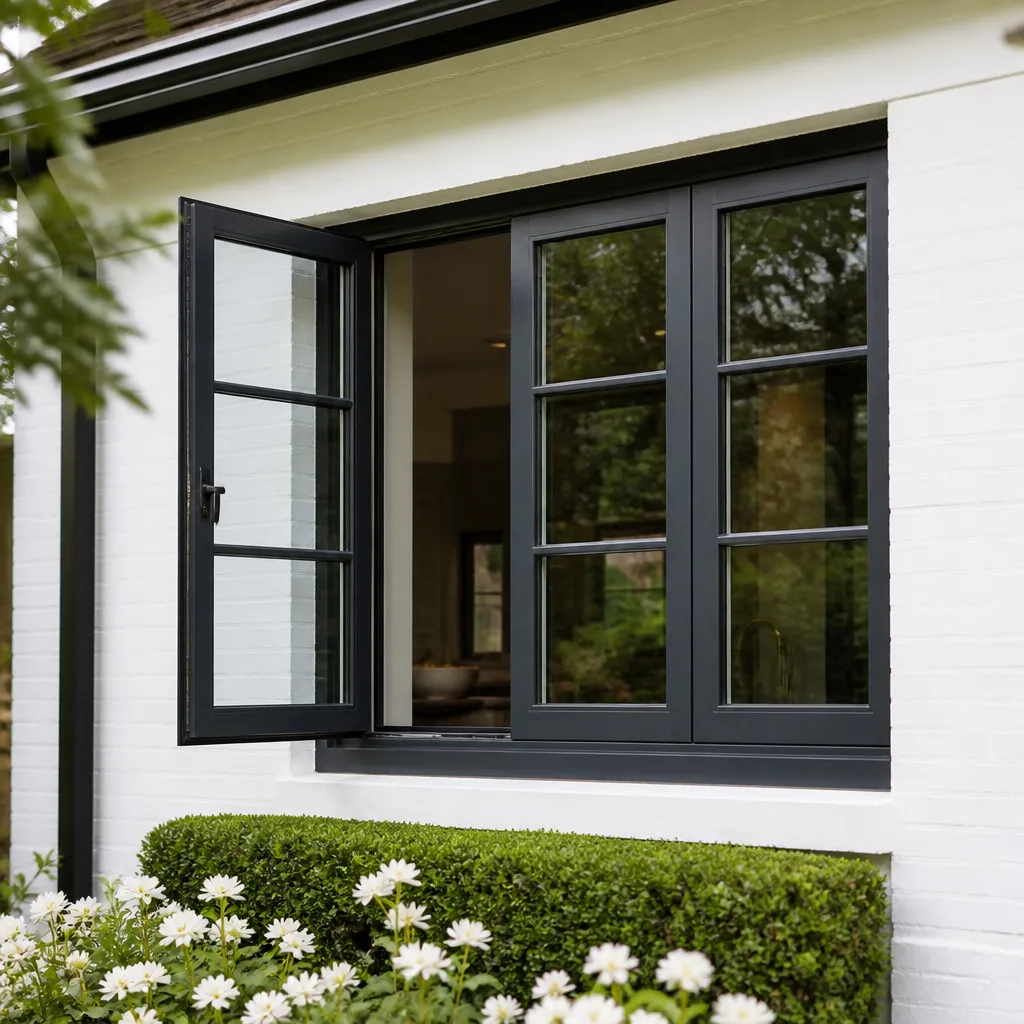
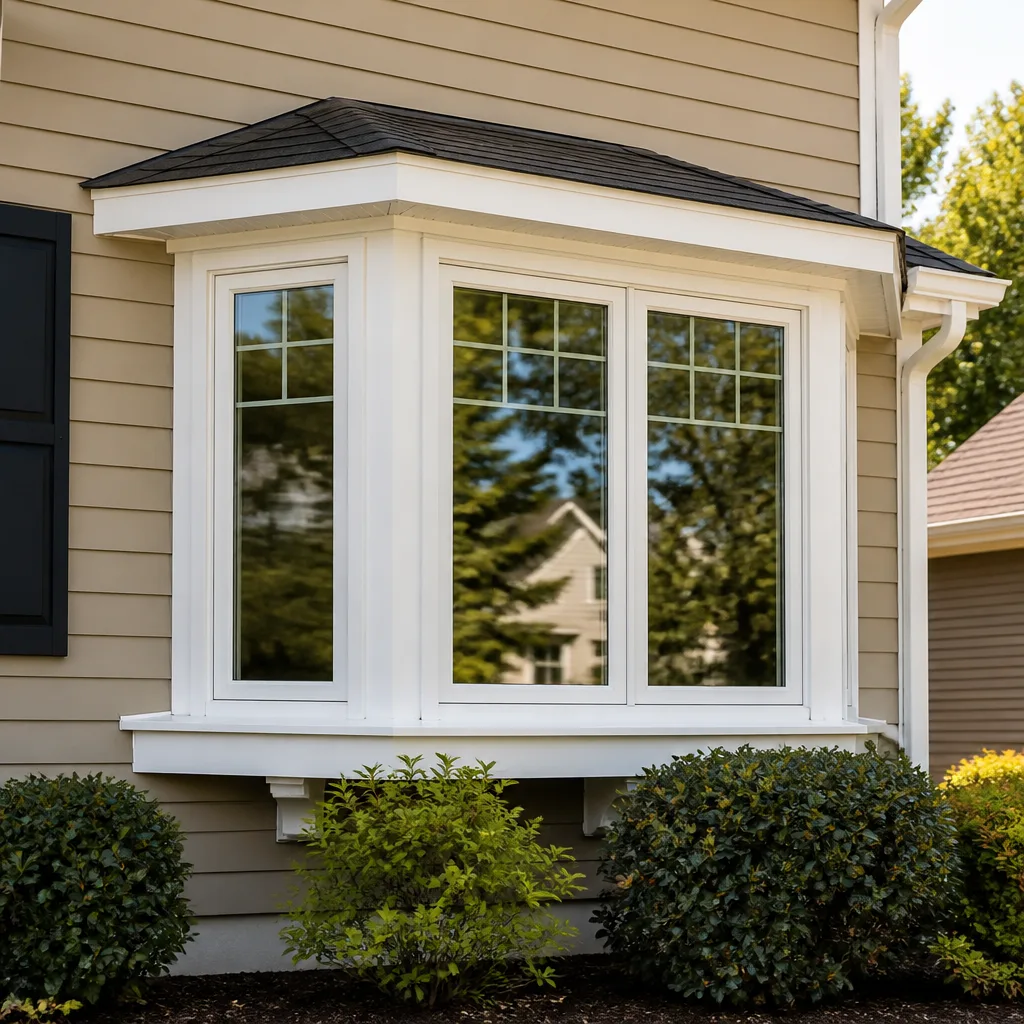
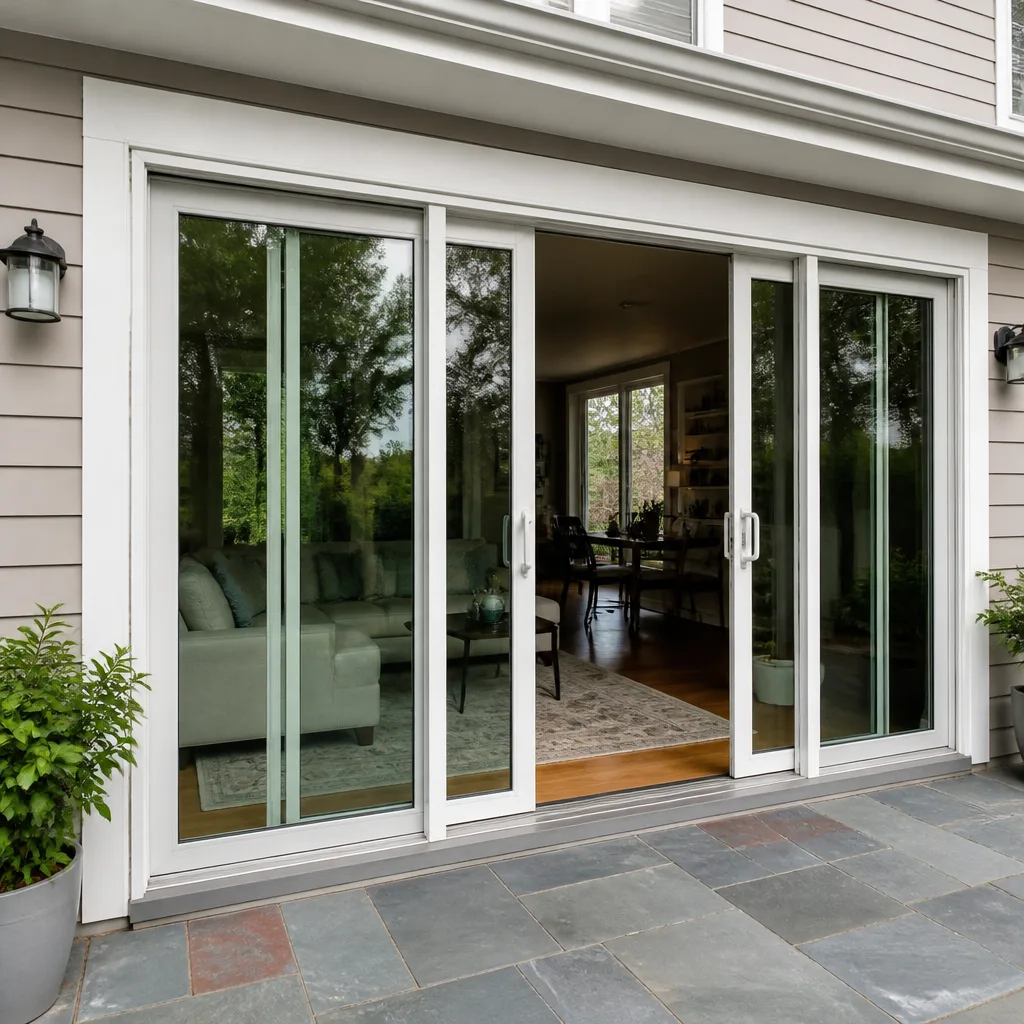
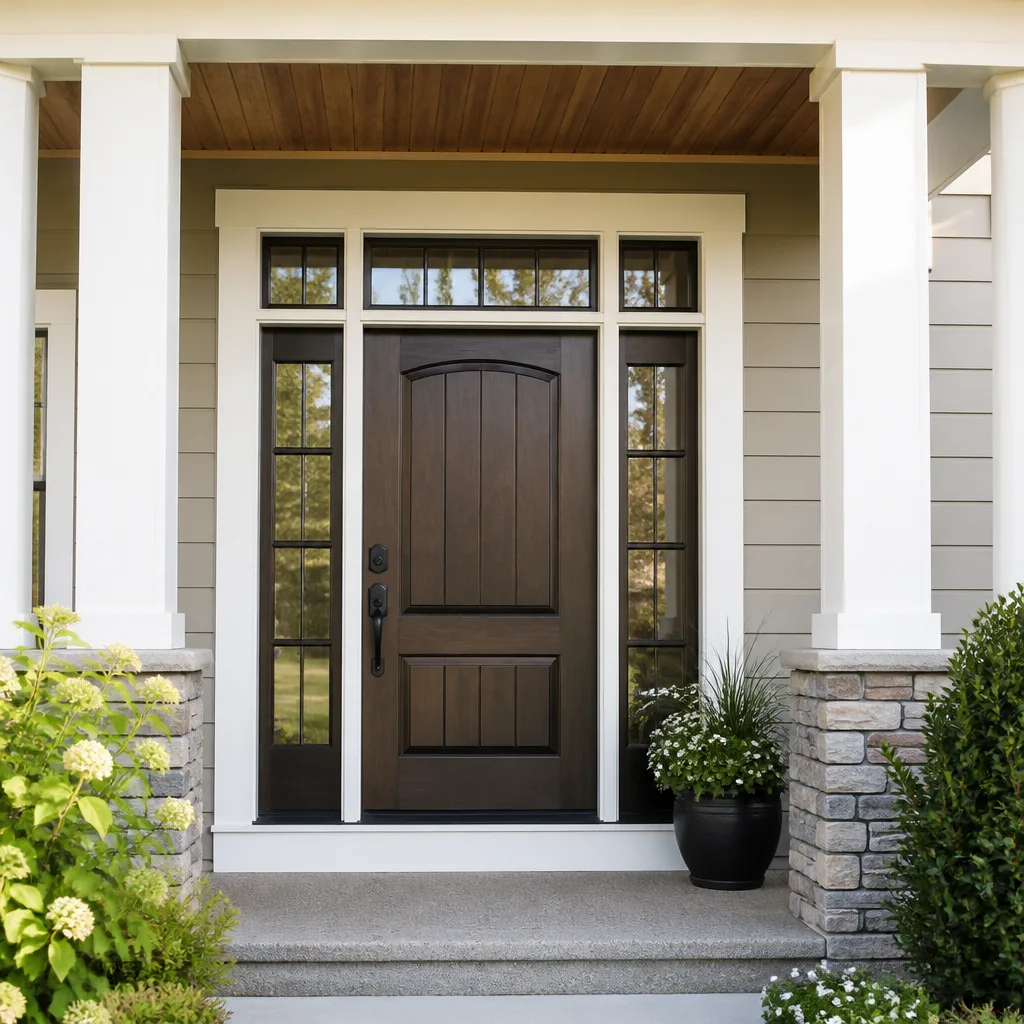
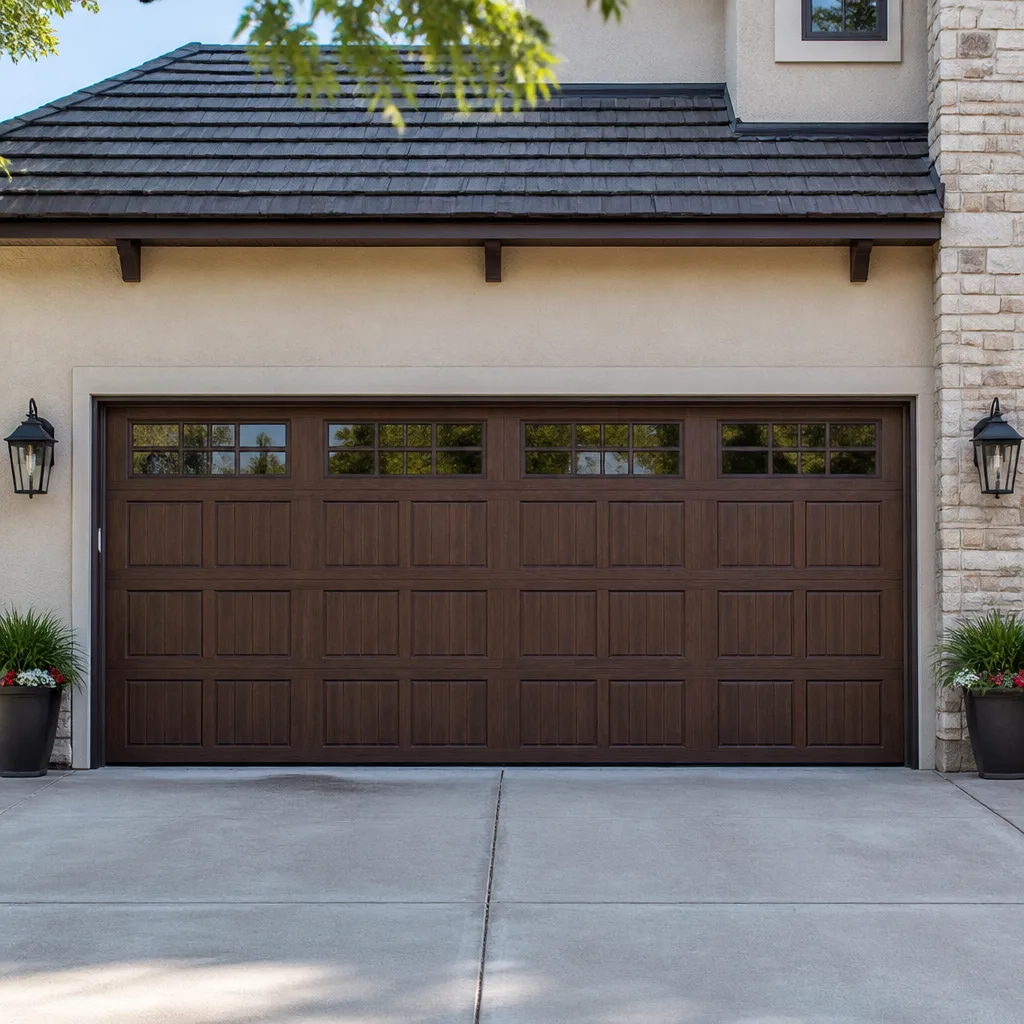
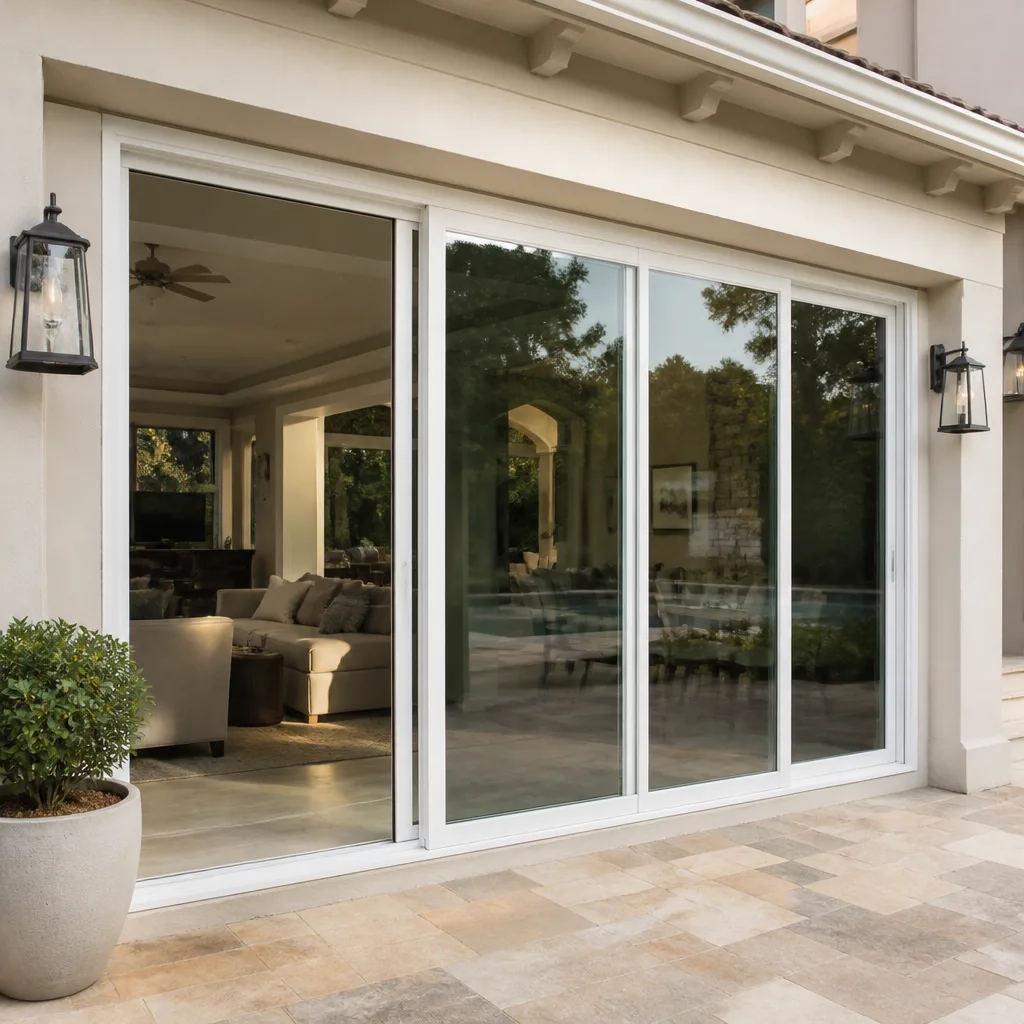
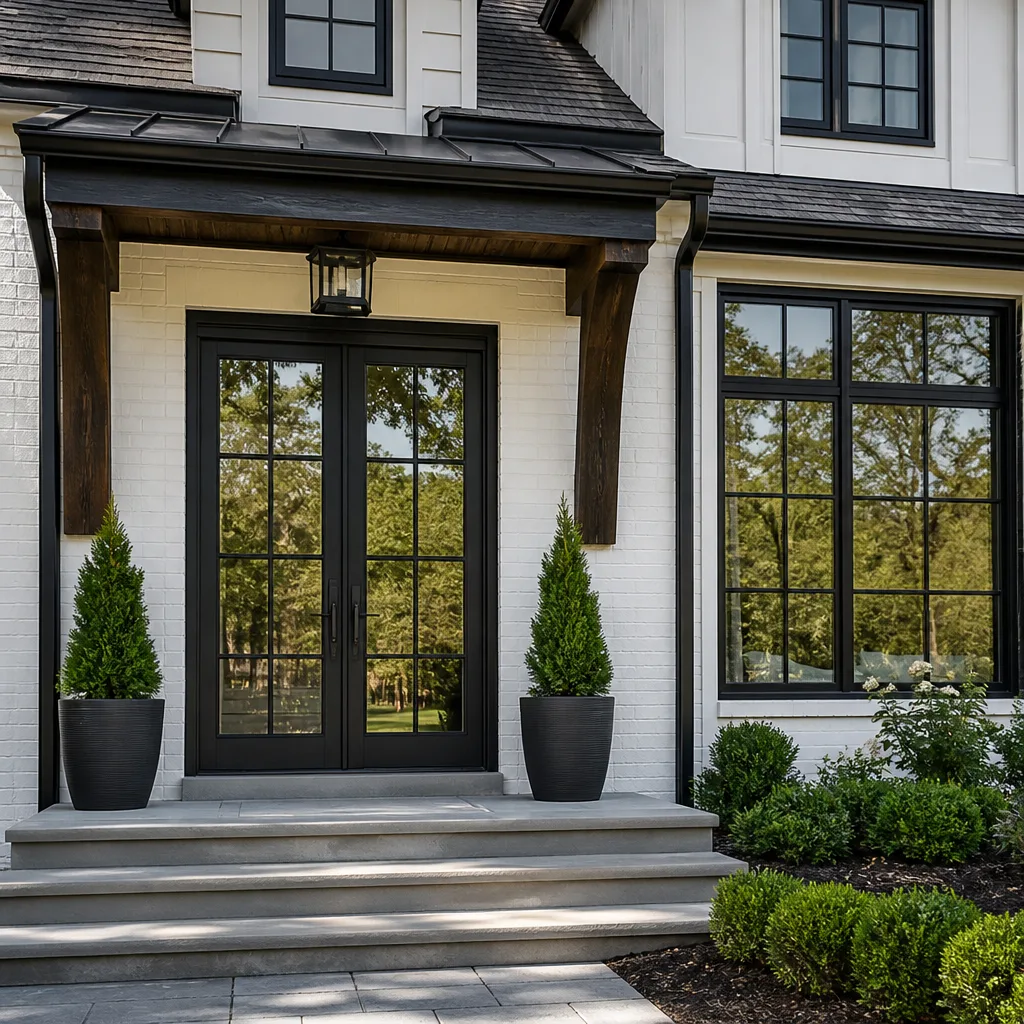
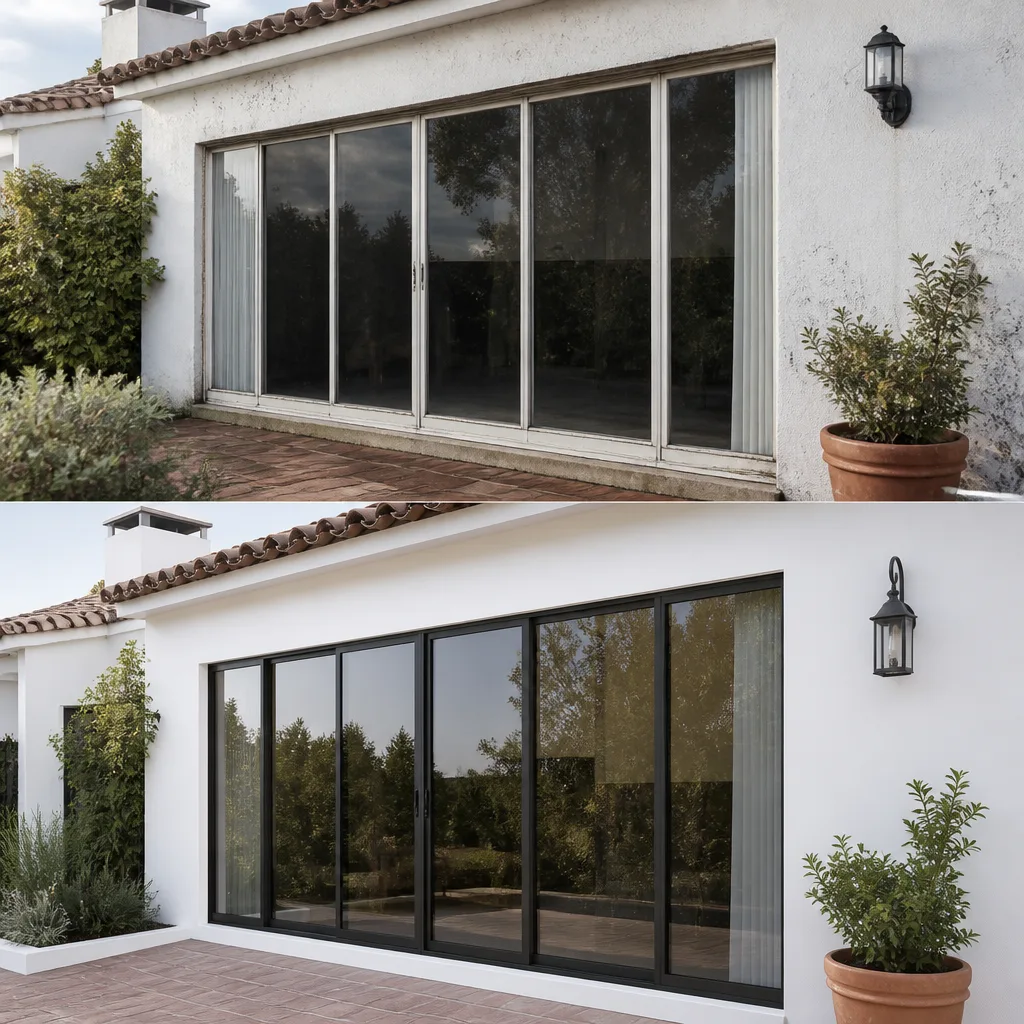
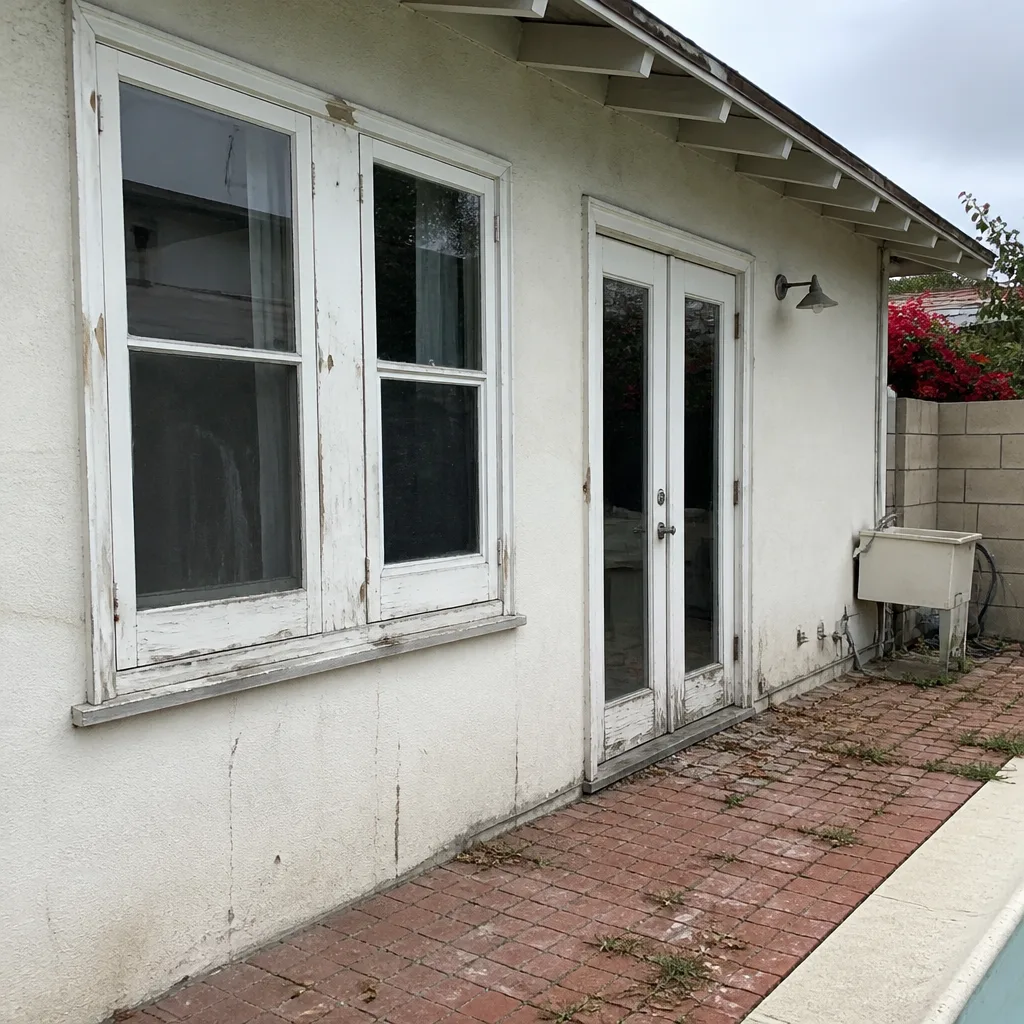 Before
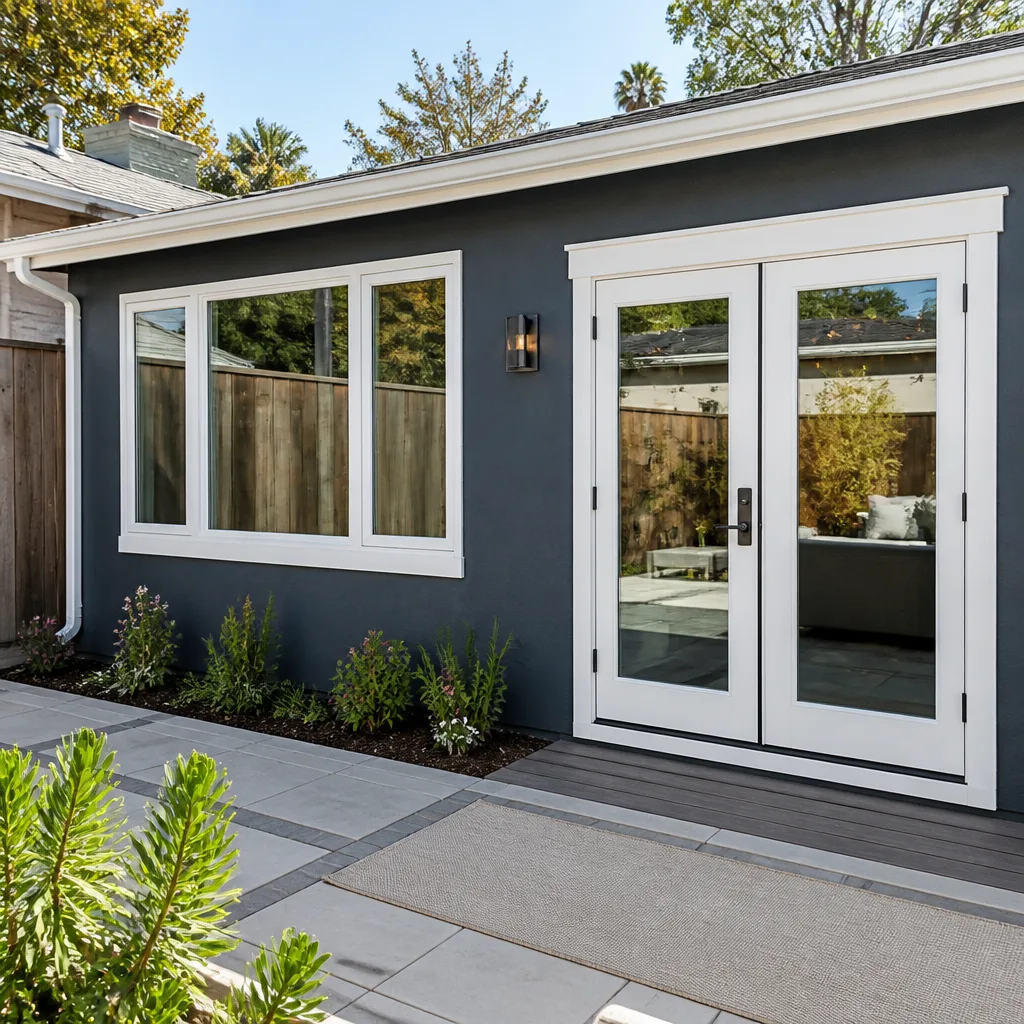 After
After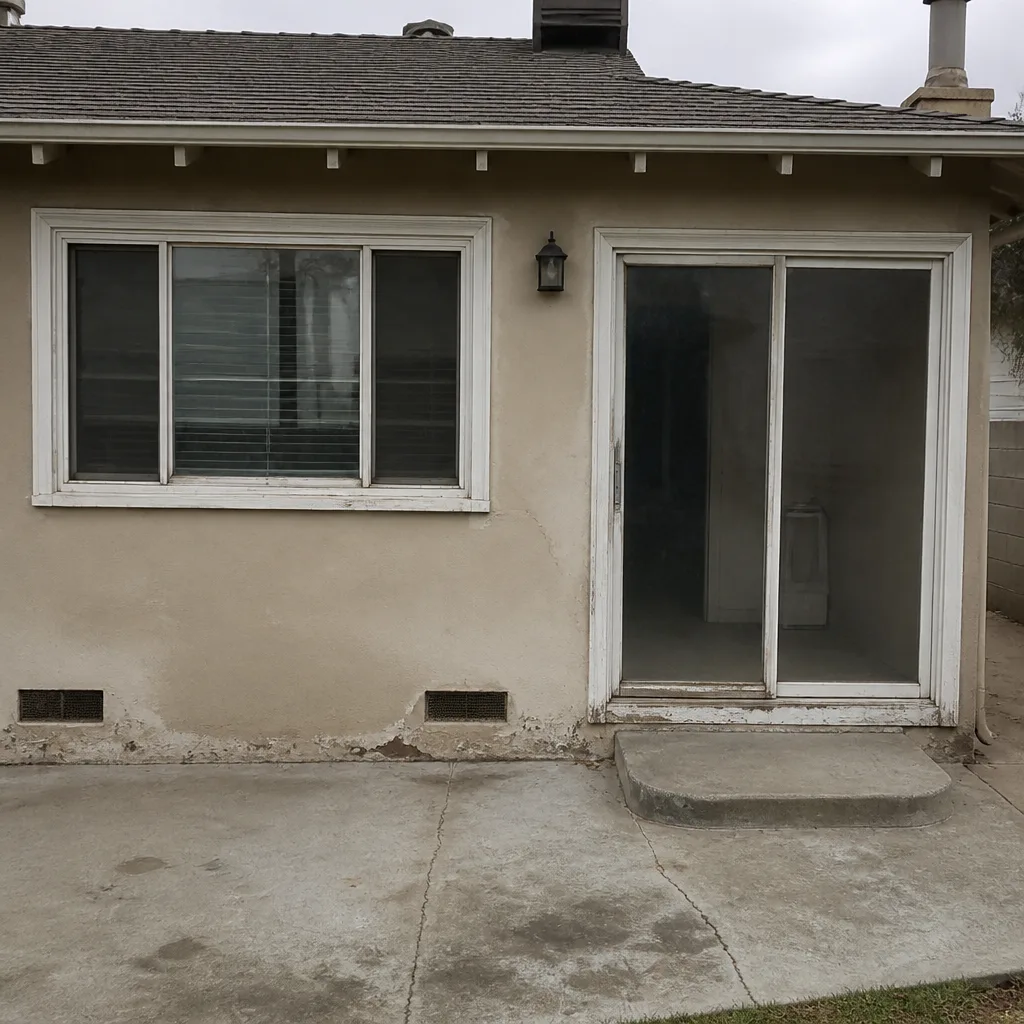 Before
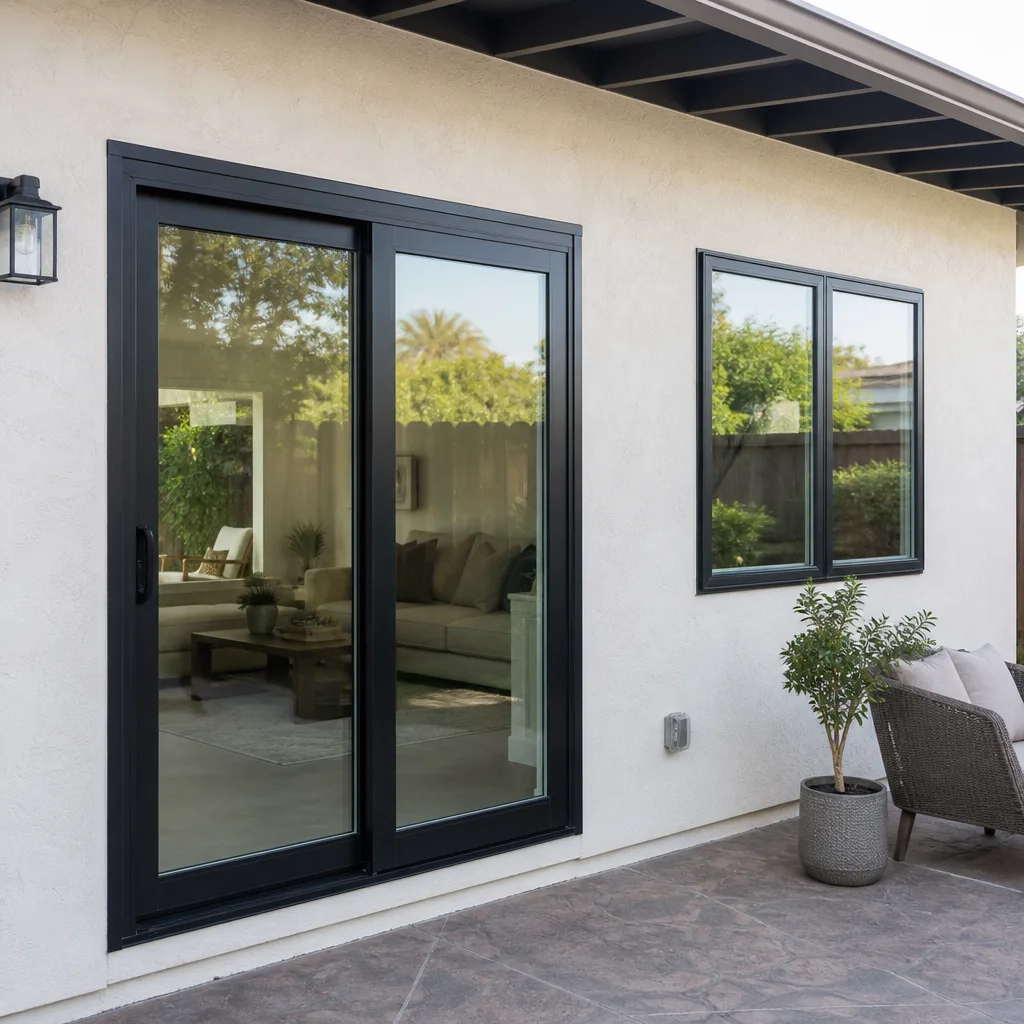 After
After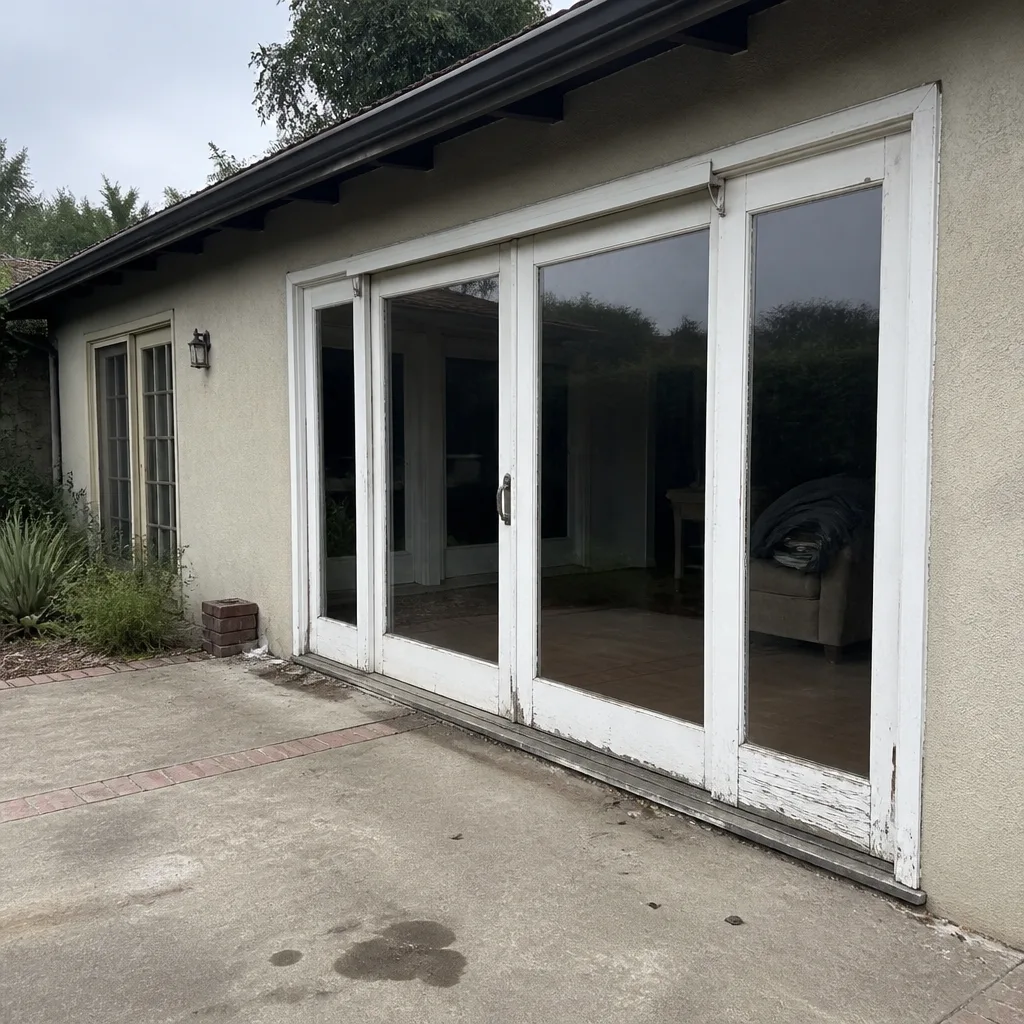 Before
 After
AfterWindows & Doors Warning Signs: A Los Angeles Homeowner’s Reference Guide
Most of what goes wrong with windows and doors in Los Angeles has been quietly developing for 12 to 24 months before you ever notice anything. The sticking door or fogged pane you spot this week started as a hairline seal failure or a millimeter of frame movement long before it became visible. This guide teaches you to read the early indicators, not just the obvious ones, so you can take action when a $40 weatherstripping replacement still solves the problem instead of waiting until it becomes a $2,000 window replacement. For more guides & resources, see our blog. We’ll cover what’s normal for LA homes, what’s not, and exactly when to call someone.
Quick Answer
The earliest reliable warning signs that windows and doors in Los Angeles need attention-covered in depth in our guide to Windows & Doors in Los Angeles-are: a door that sticks or rubs at the top after rain (soil movement, not hardware), condensation that appears between glass panes rather than on the room-side surface (failed IGU seal), paint bubbling at the bottom corners of window frames (early wood rot), and a draft you can feel or see with smoke that weatherstripping alone won’t stop. If you can see it, the underlying problem has usually been active for a year or more.
Table of Contents
- Drafty Windows: A $40 Fix or a Replacement Job?
- Condensation: Marine Layer Normal vs. Broken Seal
- Doors That Stick After Rain or Earthquakes
- Wood Rot in Clad Frames: Reading the Paint
- Windows That Won’t Open: Spring Failure or Frame Warping?
- Energy Bills as a Diagnostic Tool
- What Los Angeles Market Conditions Mean for Your Windows
- Common Mistakes to Avoid
- When to Call a Professional
- Frequently Asked Questions
- The Bottom Line
Drafty Windows: A $40 Fix or a Replacement Job?
A draft around a closed window in Los Angeles is either a weatherstripping problem or a frame seal problem, and the incense test tells you which one in under two minutes. Light a stick of incense, hold it near the window perimeter on a day with any breeze, and watch the smoke. If it wavers near the sash where the moving panel meets the frame, you have failed weatherstripping. That’s a $40 to $80 repair depending on the window size, and it takes a technician about 20 minutes. If the smoke moves near the junction of the window frame and the wall itself, the frame seal has failed, and that window has likely been leaking air since the original install settled.
Here’s what most LA homeowners miss: the two drafts feel identical from a couch ten feet away. The distinction matters because the fixes are entirely different in cost and scope. Weatherstripping is a maintenance item. Every window made by PGT, CGI, ViewLux, or any other manufacturer eventually needs its weatherstripping replaced, just like a car needs new wiper blades. A failed frame seal is a structural condition: the window was either installed without proper flashing or the rough opening has moved enough to pull the seal apart. Caulk alone won’t fix a failed frame seal because the separation is usually behind the exterior trim where you can’t see it.
In our experience across Los Angeles neighborhoods, older stucco homes in areas like the San Fernando Valley tend to show weatherstripping failure faster than wood-sided homes because stucco radiates heat back into the frame, which cooks and dries out the rubber seals. Homes within three miles of the coast in places like Mar Vista and Playa del Rey still get weatherstripping wear, but it takes longer and is more often driven by salt air than heat. Either way, the test is the same: smoke near the sash, you replace weatherstripping. Smoke near the wall, you need a frame assessment.
Condensation: Marine Layer Normal vs. Broken Seal
Condensation on the inside surface of a window in Los Angeles is usually normal, particularly from May through July when the marine layer hangs around. Warm, humid indoor air hits the cooler glass surface, water condenses, and you wipe it off with a towel. It’s a physics event, not a window failure. Condensation between the panes of an insulated glass unit, known as an IGU, means the seal holding the two panes together has failed and the unit is now circulating outside air through the gap. That is a replacement-level condition, and it does not fix itself.
The reason this distinction trips up so many LA homeowners is that the marine layer creates surface condensation several months out of the year, so when a seal fails and glass fog appears between panes, people write it off as more of the same. Here’s how to tell them apart quickly. Surface condensation wipes away with a finger or cloth, and it lives on the room-facing side of the glass. Between-pane fog sits behind the first pane, doesn’t wipe, and often looks hazier after a temperature swing. If you see mineral spotting or a white film that looks like permanent haze between the panes, the desiccant inside the IGU has been absorbing moisture for months or years, and the unit is dead.
What does a broken IGU mean practically? The window loses most of its insulating value, and depending on the glass type, it may lose its low-E performance too. Low-E glass is a thin coating that reflects heat while letting light through. When the IGU seal fails, that coating gradually degrades from exposure to moisture and air. The fix is either replacing the glass unit alone (sometimes possible if the frame is in good shape) or replacing the entire window if the frame has also deteriorated. On homes in Los Angeles with newer vinyl or aluminum frames, a new IGU is often the cheaper route. On older homes with wood frames that show any rot, whole-window replacement is usually the correct long-term call, which is where window replacement in Los Angeles becomes the right conversation.
Doors That Stick After Rain or Earthquakes
A door that suddenly sticks after a rain event is not a door problem. It is almost always a foundation or framing movement problem, and replacing the door without addressing the cause wastes the homeowner’s money within two years. The same is true after an earthquake, even a mild one. Los Angeles sits in a seismically active basin with expansive clay soils in many hillside neighborhoods, and both conditions produce what looks like door hardware failure but is actually the house moving around the door opening.
When you notice a door that rubs at the top corner, hangs up at the latch, or swings open on its own, the first question is not what’s wrong with the door. The question is what changed about the opening. Wet winters in LA cause clay soil to expand, which lifts and tilts portions of the foundation. A door frame that was square and plumb in October can be racked by January. The door is now binding against a frame that has shifted a fraction of an inch. Earthquake movement does the same thing in minutes rather than months.
Here’s a numbered diagnostic sequence we use on site.
- Open the door halfway and let go. A healthy, plumb door stays put. A racked door swings one way or the other on its own.
- Measure the reveal (the gap between the door slab and frame) at the top, middle, and bottom on the hinge side and latch side. If the gaps are uneven by more than an eighth of an inch, the opening has moved.
- Check the exterior threshold for a gap between the door bottom and the threshold sweep. Light passing under one corner but not the other confirms frame racking.
- Step back and look at the door from the outside while it’s closed. If the slab sits deeper in the opening at the top than the bottom, the frame is twisted.
If the frame has racked, replacing the door slab or adjusting the hinges buys you a few months, but the symptom returns. In Los Angeles, this pattern is frequent in hillside communities like Mount Washington, Echo Park, and the canyon neighborhoods around Studio City, where soil movement is a documented annual event. The correct fix usually involves re-leveling or stabilizing the area supporting the door opening before reinstalling or replacing the door unit itself. A patio door installation in Los Angeles on a racked opening, done without addressing the movement, will fail the same way the original did.
Wood Rot in Clad Frames: Reading the Paint
The earliest sign of wood rot in a window frame is usually not soft wood. It’s paint bubbling at the bottom corners, particularly on the exterior face. This shows up on older Craftsman bungalows in Highland Park and Pasadena, on Spanish Colonial homes in Los Feliz and South Pasadena, and on any home where wood windows were originally installed with exterior cladding that has since been painted over multiple times. Clad-wood windows are wood frames wrapped in an exterior layer of aluminum or vinyl, and when that cladding gets a scratch, a separated joint, or a failed caulk bead at the corner, water gets behind it and begins working on the wood underneath.
By the time the wood feels soft to the finger, the rot has usually been active for a year or longer. The paint bubble is the earlier signal because the wood is swelling with moisture and pushing against the paint film before the wood actually loses structural integrity. We’ve pulled trim boards in Los Angeles where the exterior paint looked nearly perfect except for a quarter-sized bubble at the bottom corner, and behind that bubble the wood was compromised six inches in both directions. The cladding hid the damage from view.
Sight lines that matter: check the bottom corners of every window frame on the exterior, particularly on south and west-facing walls where afternoon sun and rain cycles stress the paint more than shaded exposures. Look for hairline cracks where the cladding joins at the corners. Run your finger along the underside of the sash. Any give, any bubbling under the paint, any discoloration that looks like tannin bleeding through, and you need to pull the trim and look behind it. This is not a homeowner DIY job on cladding that could contain lead paint, and it’s not a situation where silicone caulk solves the problem. Once water has a path behind the cladding, sealing the outside just traps it in the wall. The repair is removing the cladding, cutting out the rot, and either splicing new wood or replacing the unit. On Los Angeles homes in older, historically significant neighborhoods, window installation in Los Angeles needs to balance preservation with the reality that wood that has been wet for years does not come back.
Windows That Won’t Open: Spring Failure or Frame Warping?
When a double-hung or single-hung window gets hard to lift, or a casement window won’t crank, the cause is either a mechanical failure in the window hardware or a structural failure in the frame itself. Mechanical failure is cheaper and easier to fix. Structural failure means replacement. Now for the question every Los Angeles homeowner wants answered: how do you tell them apart before paying anyone?
Start with the simplest observation. If the window is hard to open but the gap between the sash and the frame stays consistent all the way around, the problem is likely mechanical. A double-hung window that used to open easily and now takes muscle has a failed balance, which lives inside the side channels. Balances are springs that counter the weight of the sash, and when they snap or lose tension, you’re lifting the full weight of the glass by hand. A casement window with a crank that spins without moving the sash has a stripped gear in the crank assembly. Both are standard repairs, not replacements.
If the window is hard to open and the gap between the sash and frame is uneven, meaning the sash sits tighter against one side or corner than another, the frame itself has moved or swelled. Water intrusion swells wood, which then locks the sash in place and often leaves visible water staining or paint blistering at the corners. This is structural, and the window is likely beyond a hardware fix. Here’s a numbered check.
- Open the window as far as it will go and look at the side channels. A disconnected balance tells you the spring or shoe failed, not the frame.
- Close the window and look at the gap between the sash and the frame from the inside. Run your finger along it. Uneven gap means movement in the frame.
- Check the bottom rail and corners for dark staining or paint that lifts away from the wood. Staining plus binding means moisture has been in the frame.
- If the window is a vinyl frame and it binds only in hot weather, expansion may be the issue, and some products handle LA summer heat better than others. Cheap vinyl expands measurably in direct sun; quality vinyl from manufacturers like ViewLux is designed for high thermal load and does not bind the way low-cost extrusions do.
The repair-versus-replace call comes down to whether the frame is stable. A balance replacement on a double-hung might run $120 to $200 per window in Los Angeles. A warped frame on a window that has been taking water means the window has been trying to tell you something for a long time. Replacing the weatherstripping on a warped frame is throwing money at a symptom.
Energy Bills as a Diagnostic Tool
A Los Angeles homeowner’s LADWP bill tracks the seasons predictably. A sharp jump that does not match the weather pattern is a diagnostic signal, not a random rate change. Windows and doors are responsible for a significant share of a home’s cooling load, and compromised seals, failed IGUs, or gaps around frames force the air conditioner to work against air movement and solar gain that the building shell was designed to block. When windows perform, the AC unit runs less. When they don’t, it runs more.
What you want to see is seasonal correlation. Your July bill should be higher than your October bill. That line should be smooth from month to month. If a bill in an otherwise stable period jumps 20 percent or more, and you haven’t added load like a new appliance or a hotter-than-normal stretch, start looking at glass. A failed IGU is often the culprit because the window still looks fine from the curb but has lost its thermal barrier. South and west-facing glass in Los Angeles absorbs intense afternoon sun, and once the low-E coating degrades, heat pours through the unit.
Here are the specific signs to match against the bill.
- Rooms with a lot of glass feel warmer at 4 p.m. than rooms that face north, even with the AC running.
- The area directly in front of a south-facing window is hot to the touch from the inside on sunny afternoons. Healthy low-E glass stays relatively cool.
- You hear the AC running more often in rooms you already think of as warm.
- Old single-pane windows in unrenovated Los Angeles homes lose heat to the outside in cooler months and gain it in summer. A whole-house replacement drops the cooling load more than most other single improvements.
None of this is diagnostic by itself, but the collection of signals is. A persistently hotter room plus an unexplained bill jump plus a window that shows between-pane haze adds up to something the bill is already trying to tell you.
What Los Angeles Market Conditions Mean for Your Windows
Los Angeles puts a unique set of stresses on windows and doors because of four overlapping factors: marine-layer humidity within walking distance of the coast, dry Santa Ana heat pushed through inland valleys, unrelenting UV exposure that breaks down both wood and low-cost vinyl, and seismic soil movement that never quite stops. A window that survives fine in the Midwest fails faster here for different reasons. That’s why product selection matters more in this market than people expect, and brands like PGT, CGI, and Therma-Tru exist because Florida and Southern California share a brutal combination of sun, moisture, and wind-driven rain. See our Buyer’s Guide for Choosing the Right Windows & Doors Brand in Los Angeles for help selecting the right manufacturer.
The UV factor is undersold in most generic window guides. Los Angeles sees sun intensity that degrades paint films, rubber seals, and caulk beads faster than almost any climate in the country. Weatherstripping that would last eight years in Ohio might last four here. A paint job on wood trim that would be fine for ten years in the Pacific Northwest starts cracking at year five under LA sun. That means the inspection cycle in Los Angeles should be shorter than the national default: exterior visual check every six months, detailed check annually, and immediate attention to any seal that looks dried, cracked, or separated at a corner.
Soil movement deserves equal billing. The intersection of seismic shifts and clay-based soil creates the door-racking we covered earlier. But there’s a window-specific effect too. When a foundation settles unevenly, window openings lose squareness. Glass takes the stress silently. The first visible sign is often a hairline crack starting at a corner of the pane and running diagonally. That crack is not a glass defect; it’s the house telling you the opening moved. Cracks from stress usually run straight from a corner and stop, sometimes with a slight curve at the end. Impact cracks from a thrown object or a slammed sash have a different pattern, typically radiating from a central impact point. If you see a corner-origin crack in a Los Angeles home, especially in a hillside area, don’t just replace the glass. Investigate the opening first, or the replacement unit will crack again.
Common Mistakes to Avoid
- Replacing a sticking door without checking the opening. In Los Angeles hillside neighborhoods, the door is the symptom, and the foundation is the problem. A new door on a racked frame will bind within months.
- Caulking a failed frame seal from the outside. If the seal is already split behind the trim, sealing the face of the window traps moisture and accelerates rot. The trim has to come off to see what’s actually happening.
- Ignoring surface condensation as a non-issue. Surface condensation is normal here, but if it’s persistent year-round on the same window and drips onto wood sills, it will eventually rot the sill. Persistent condensation means the window is not doing its job, even if the seal hasn’t failed.
- Painting over bubbling paint on wood frames. Paint bubbles at the corners of clad-wood windows are evidence of moisture behind the cladding. Repainting hides the signal while the rot spreads.
- Buying the cheapest vinyl window for a south or west-facing Los Angeles wall. Low-cost vinyl warps under sustained thermal load, and a window that binds in direct sun will bind for the rest of its service life. Quality products from manufacturers like ViewLux are engineered for high-heat exposure.
- Assuming a fogged window will dry out. Between-pane fog means the IGU seal is gone and moisture is circulating. It does not self-correct. The desiccant is saturated, and the insulating value is gone.
When to Call a Professional
Call a professional when the problem involves the frame, the opening, or the IGU. Weatherstripping you might replace yourself. Glass, frame seals, rotted wood, stuck balances, and racked doors are different territory. If you see between-pane fog, a corner-origin glass crack, uneven door reveals after rain, paint bubbling that lifts away in sheets, or a window that binds against the frame, you need someone who can determine whether the repair is cheap and quick or whether the unit is done. Meridian Windows & Doors offers free estimates in Los Angeles – call (817) 686-2228. We’ll tell you what the window is actually saying, and the price goes in writing before any work begins.
We’re part of the Garrison Partners family and have operated to The Garrison Standard since 2009. The Garrison Code is a set of written practices covering how the crew operates on a job site: shoes covered, work area protected, mess cleaned at the end of every day. The price you’re quoted is the price on the invoice. If the work fails within 365 days, we return at no charge under the 365-Day Done Right Promise. That’s the standard, in writing, on every job.
Frequently Asked Questions
Most single-window replacements in Los Angeles run $600 to $1,800 installed, depending on the window size, frame material, glass package, and whether the opening requires any structural correction. Vinyl windows from a manufacturer like ViewLux sit at the lower end of that range, while wood-clad or impact-rated products from PGT or CGI run higher. Call (817) 686-2228 for a written quote on your specific windows – estimates are free, and the price is fixed before work starts.
Condensation on the room-side surface of the glass is usually normal in Los Angeles, especially during marine-layer months when indoor humidity runs high. The problem is condensation between the panes, which means the IGU seal has failed and the window’s insulating value is gone. If you see fog that doesn’t wipe away, the unit needs to be replaced.
Rain causes clay soils common in Los Angeles to expand, which shifts the foundation enough to throw door frames out of square. A door that binds after a wet winter is almost always a sign of soil movement, not a hardware problem. Address the door without addressing the movement and the problem returns.
A crack that starts at a corner of the glass and runs diagonally is usually a stress crack from frame movement, which can follow seismic activity. It’s different from an impact crack that radiates from a central point of contact. Stress cracks suggest the opening has shifted, and both the glass and the frame should be evaluated before replacing the unit.
Quality vinyl windows last 20 to 30 years in Los Angeles. Wood and aluminum windows run shorter, particularly on sun-exposed elevations. Weatherstripping and seals wear faster in this climate than national averages because of UV intensity and thermal cycling, so plan on seal replacement every five to seven years even if the window itself is still sound.
Window replacement in Los Angeles that does not change the rough opening size generally qualifies as a repair and does not require a building permit, though local historic districts may impose their own review requirements. If the opening is being enlarged or modified, a permit is required. Any reputable installer will confirm permitting requirements in writing before work begins. Call (817) 686-2228 to discuss your specific situation.
The Bottom Line
Windows and doors announce their problems early if you know which signals to read. A paint bubble at a wood frame corner precedes soft rot by months. A door that swings on its own after rain precedes a replacement door that fails the same way. Between-pane haze precedes the day the window stops insulating entirely. The earlier you catch the signal, the cheaper the fix, and the longer the remaining life of the unit. In Los Angeles, where sun, seismic activity, and marine moisture work together to age windows faster than national averages, the homeowner who inspects twice a year and distinguishes repair-level from replacement-level conditions saves real money. Meridian Windows & Doors is built for exactly this: a plain-spoken assessment, a written price, and a one-year guarantee in writing. Call (817) 686-2228 for a free estimate. Explore our Meridian Windows & Doors home page to learn more about how we operate.
Written by Elliot Vance, Owner at Meridian Windows & Doors, serving Los Angeles since 2009.