

Last updated October 9, 2026
Free in-home measure and quote - PGT, CGI and CWS impact lines compared on your actual openings, style by style
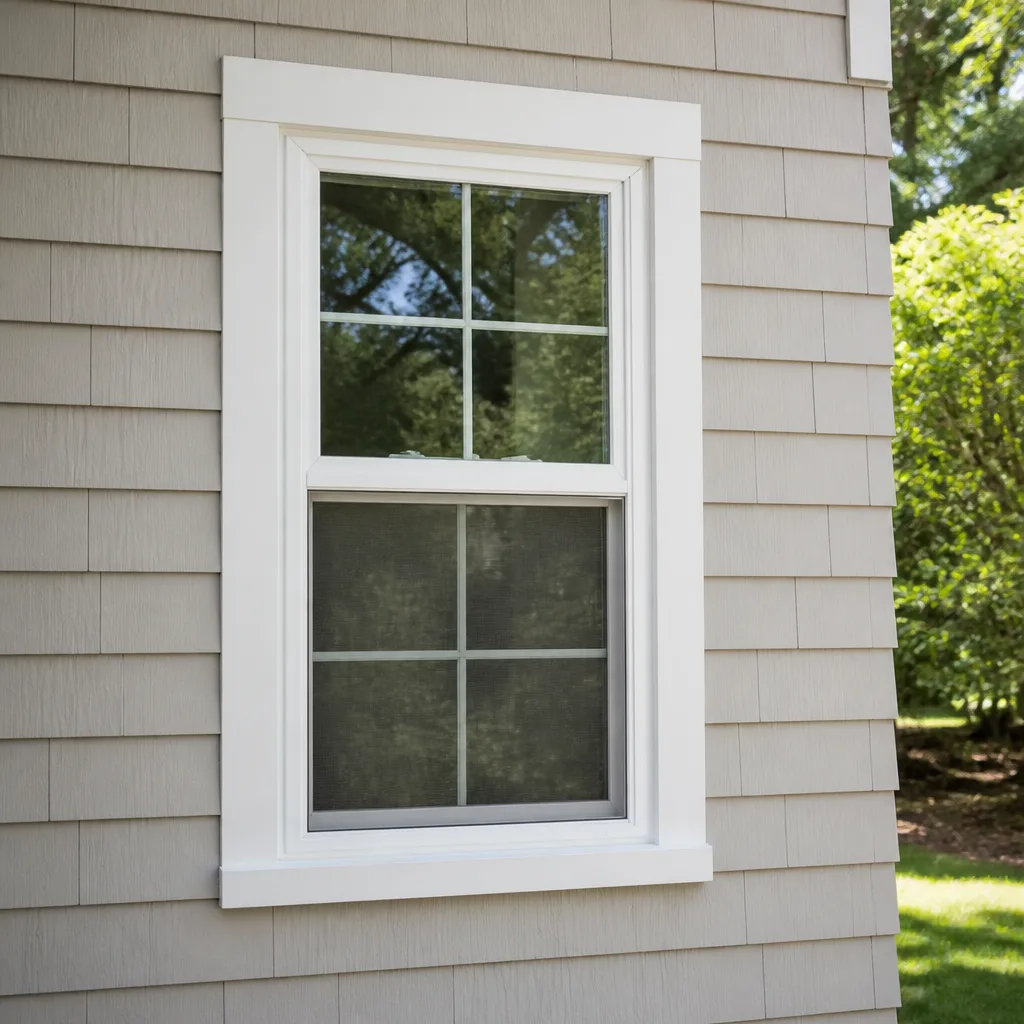
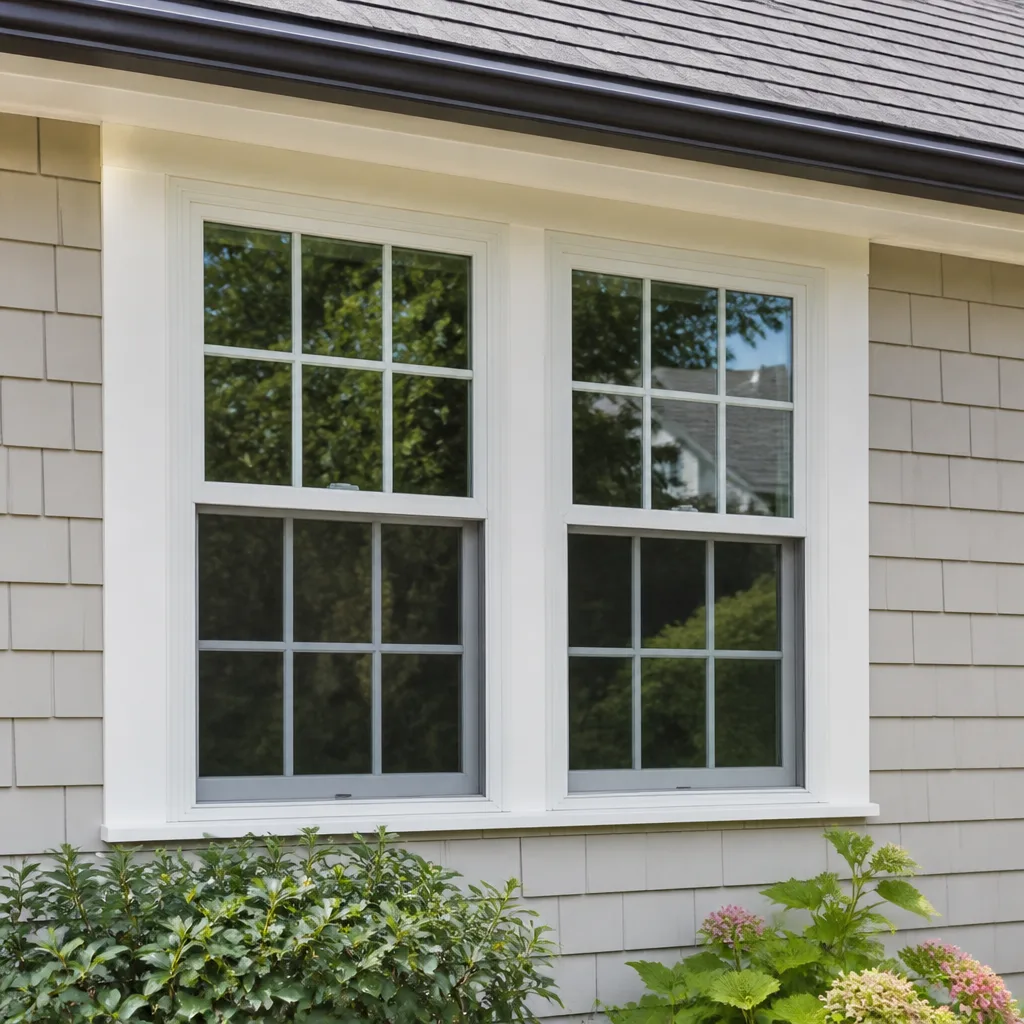
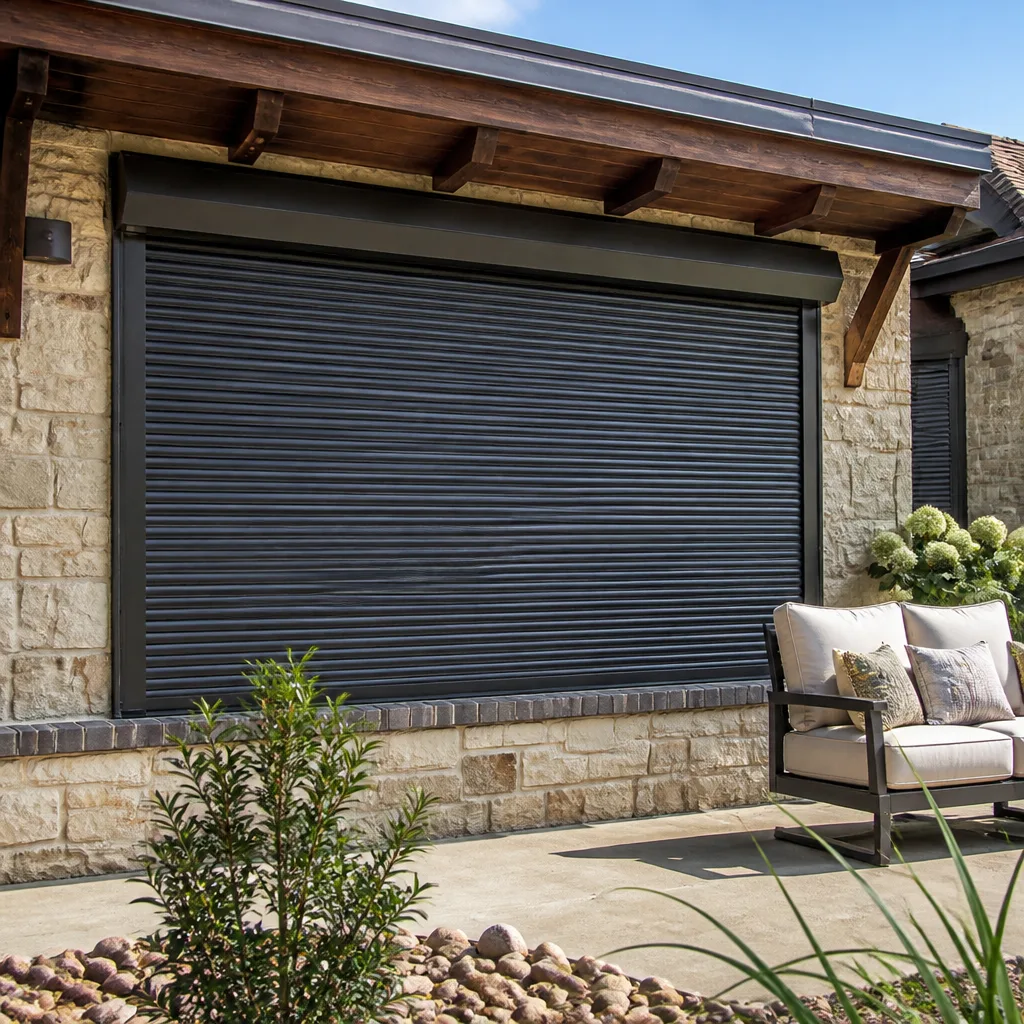
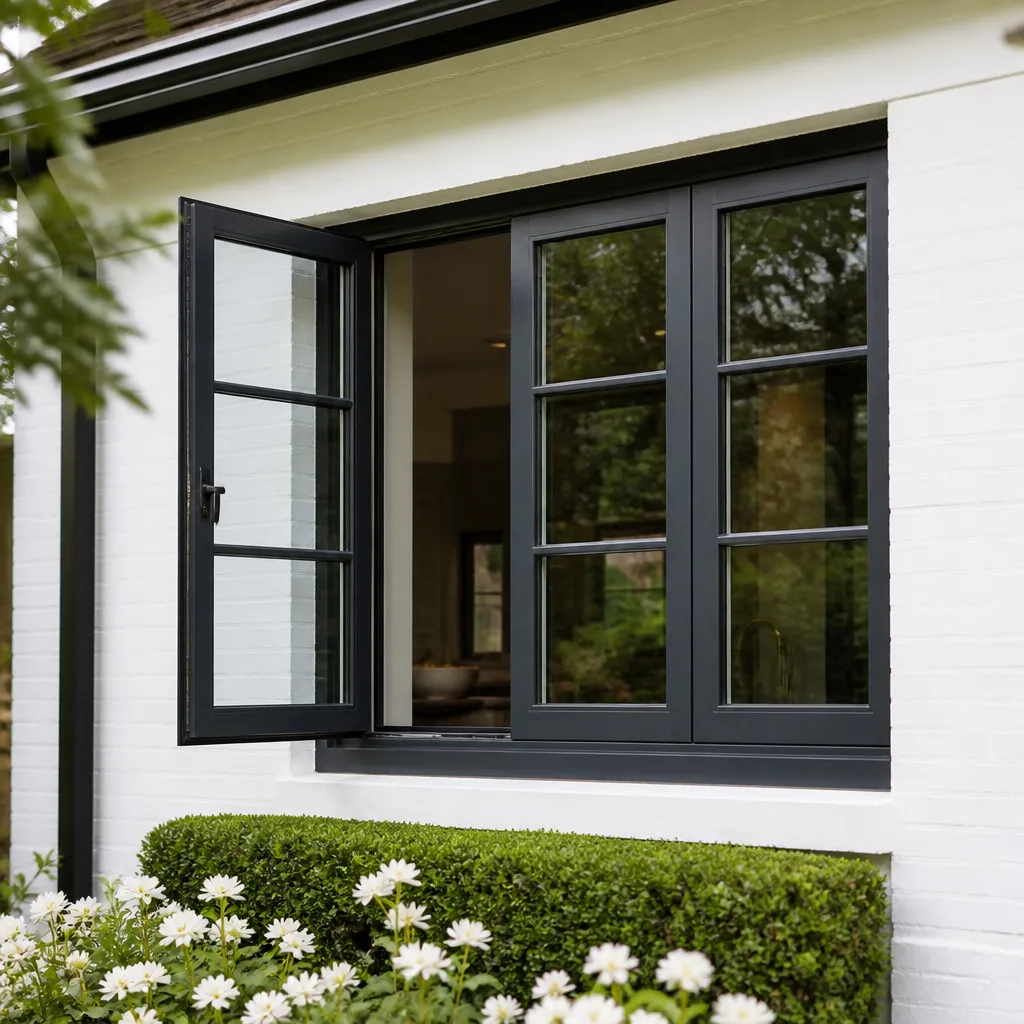
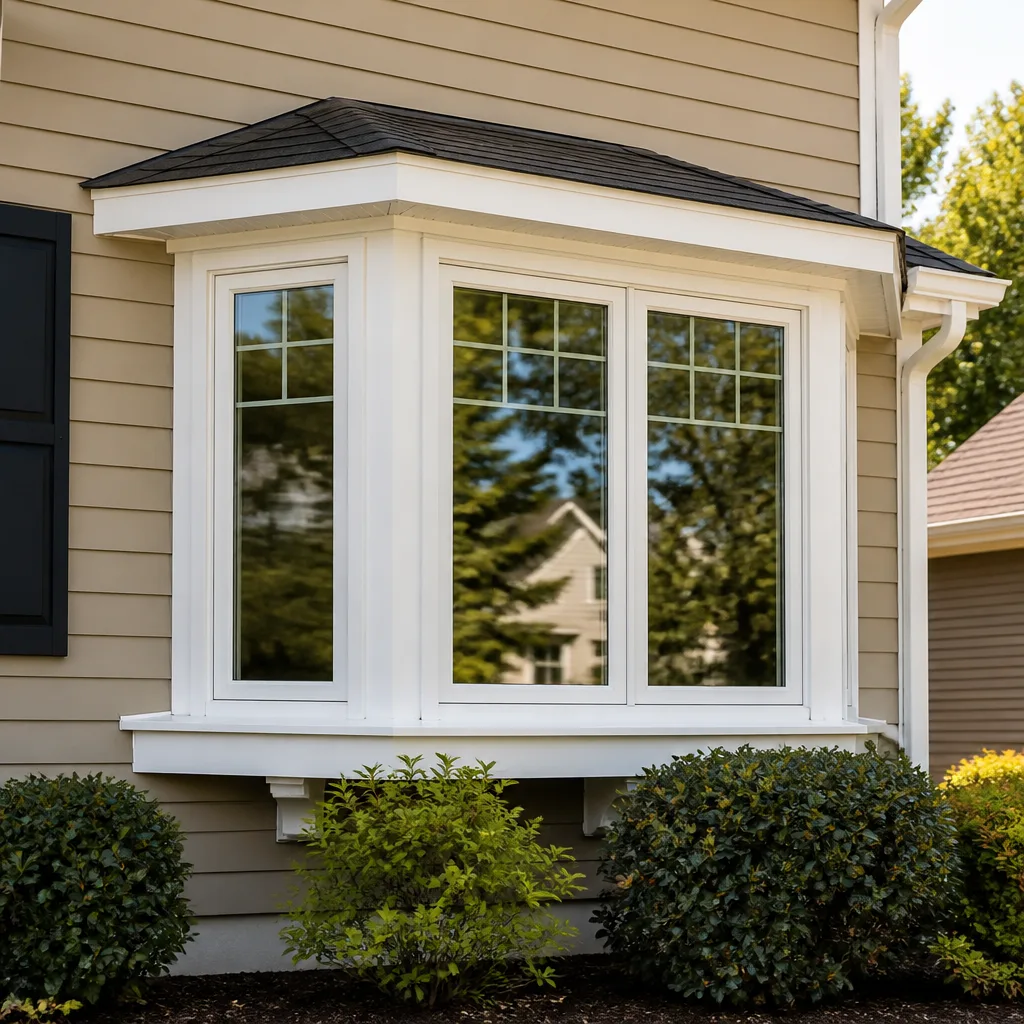
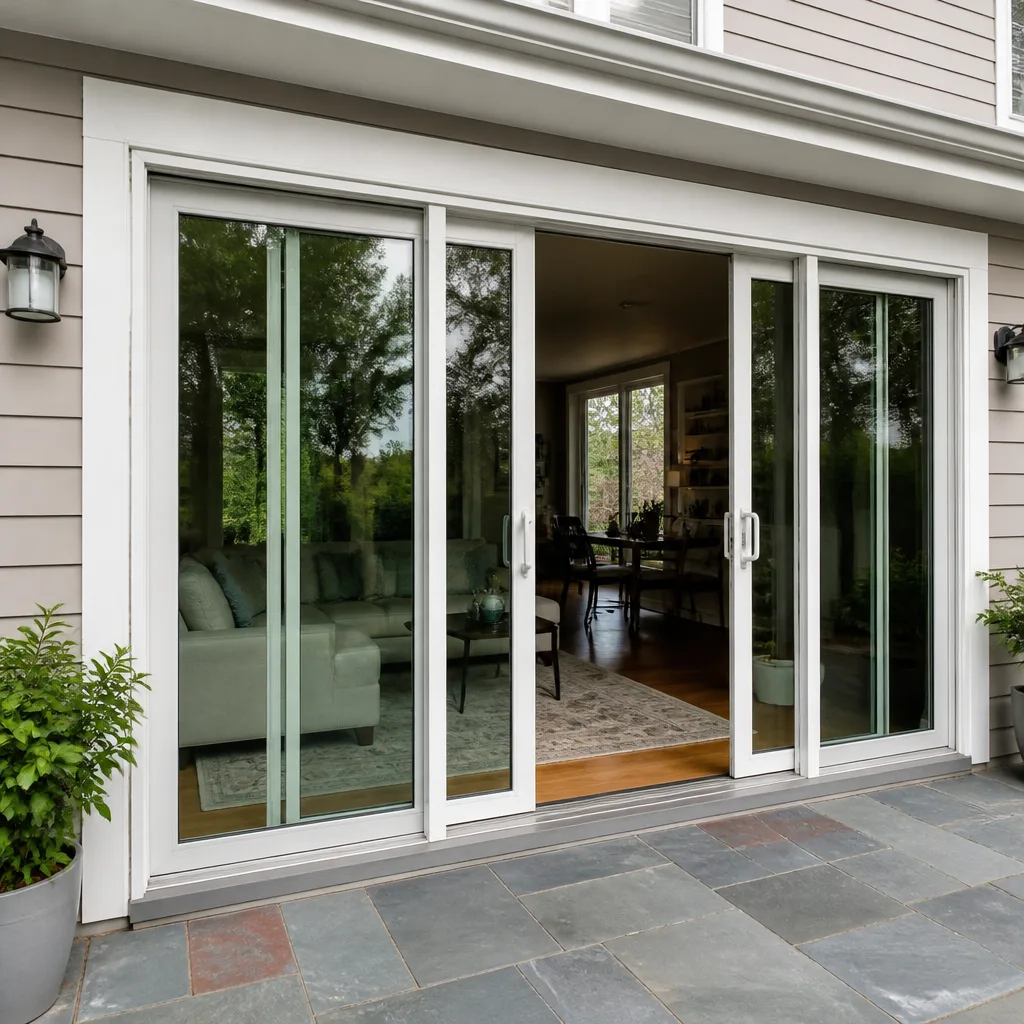

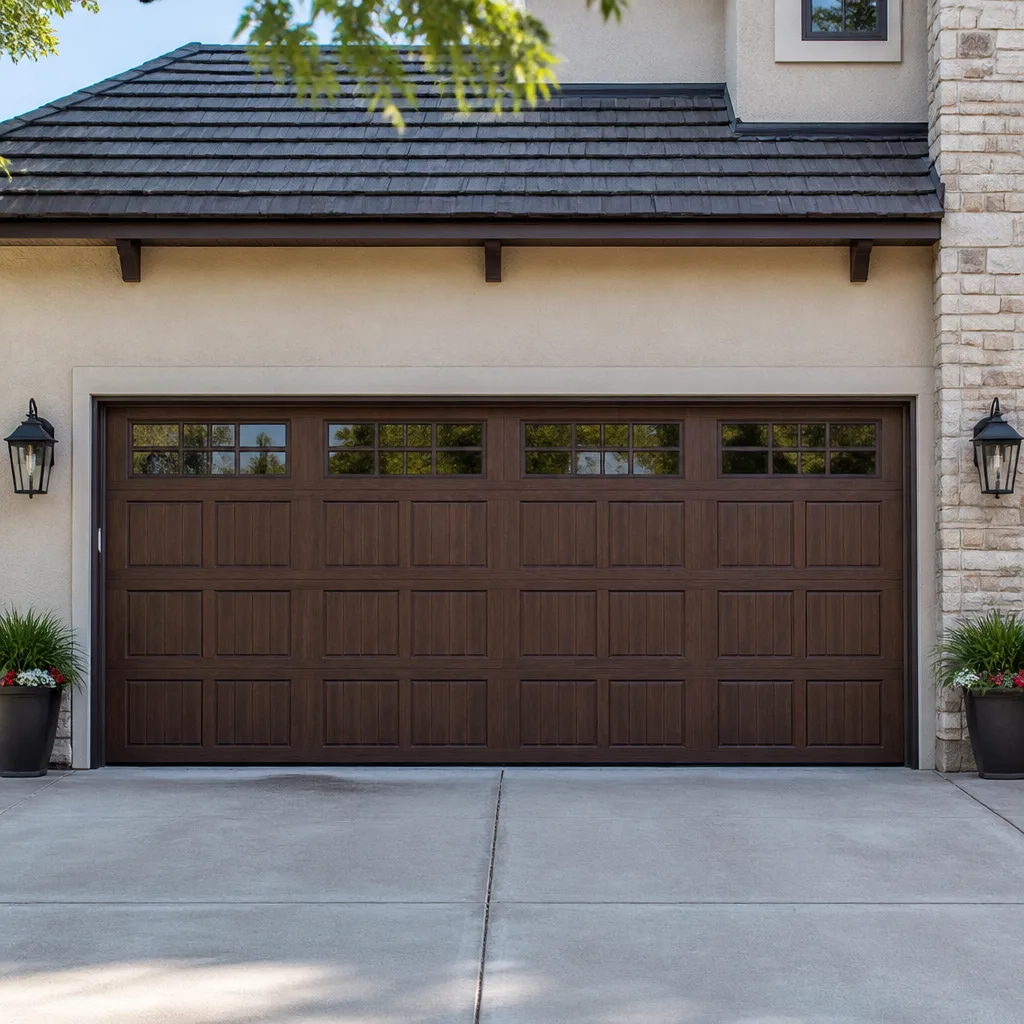
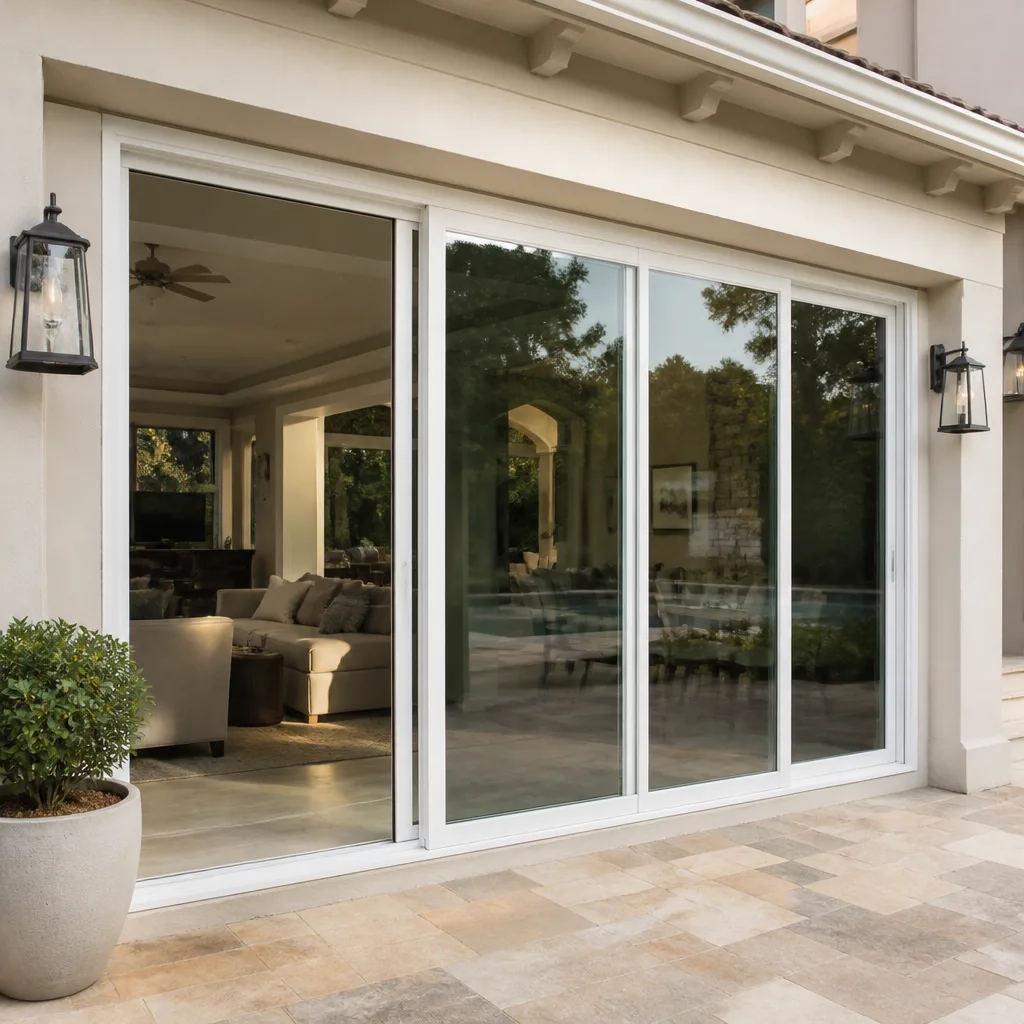

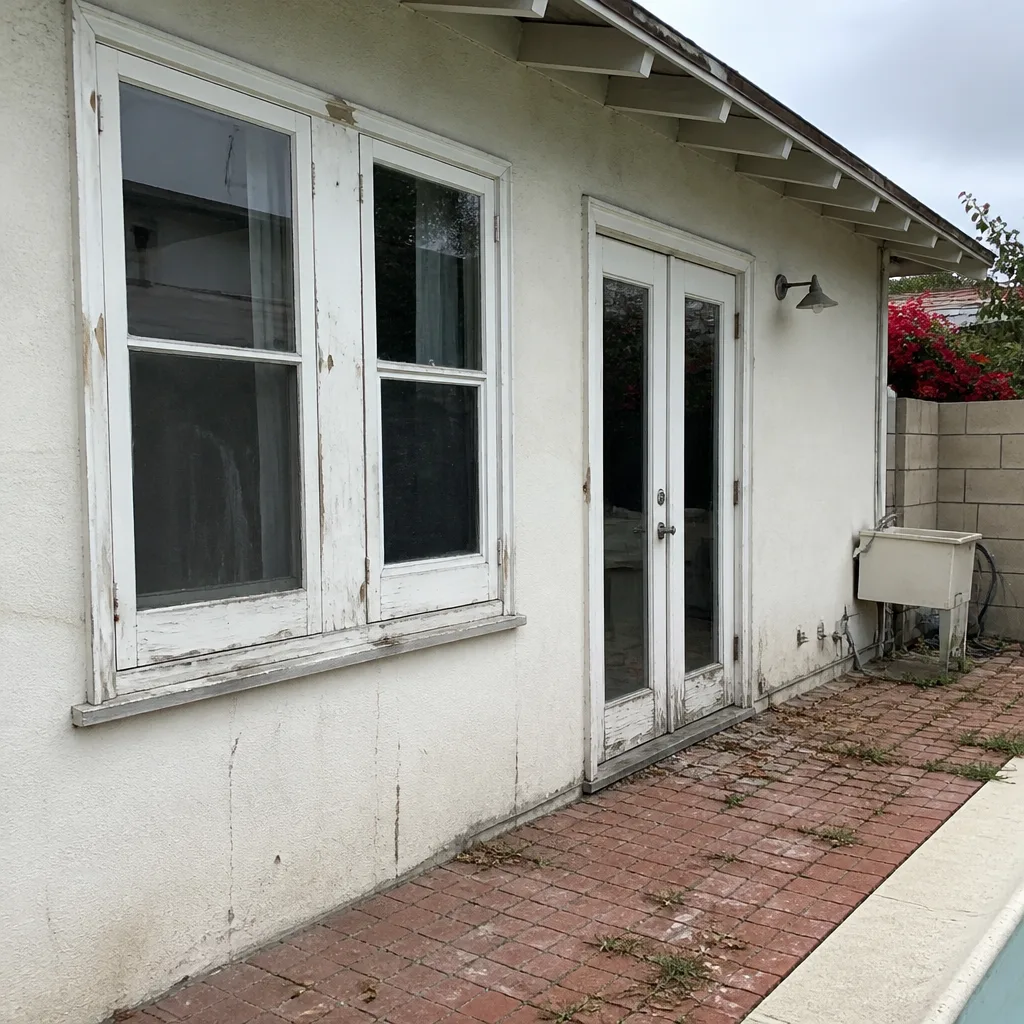 Before
 After
After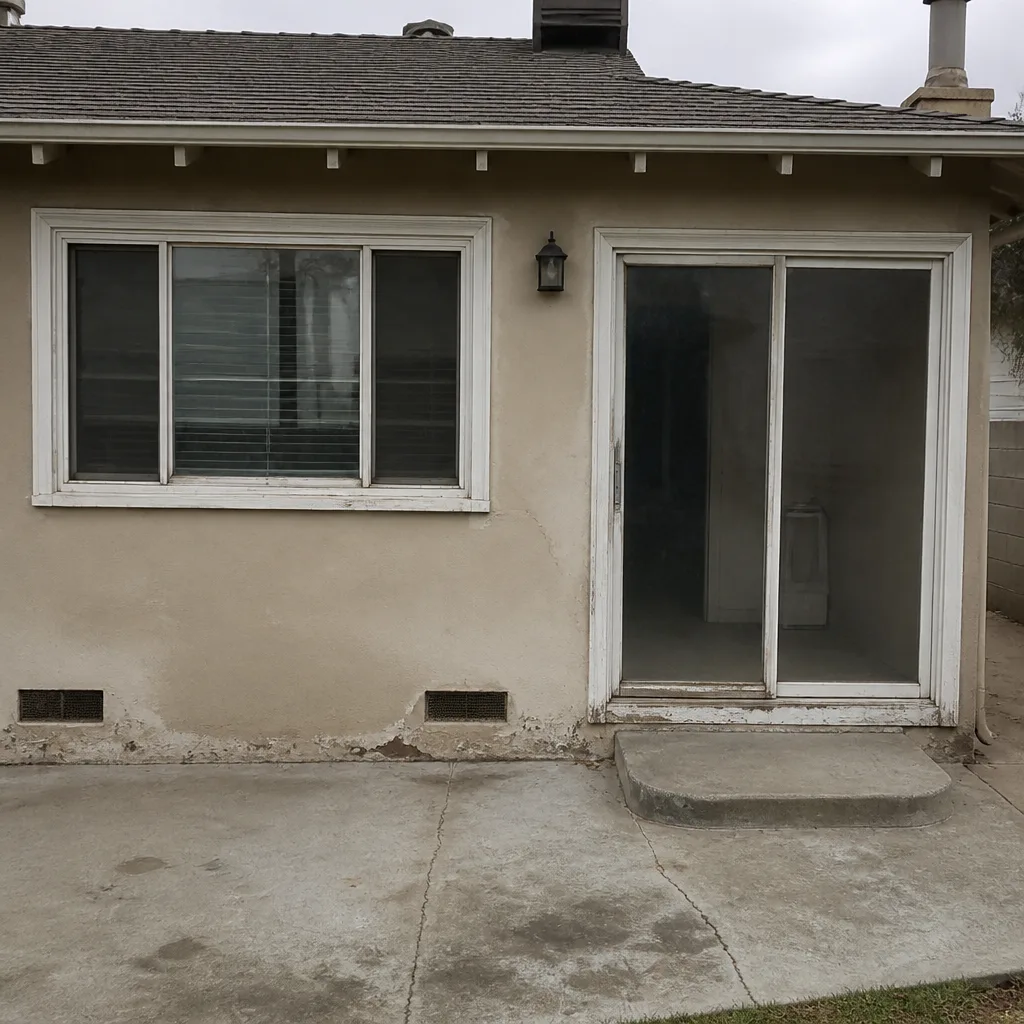 Before
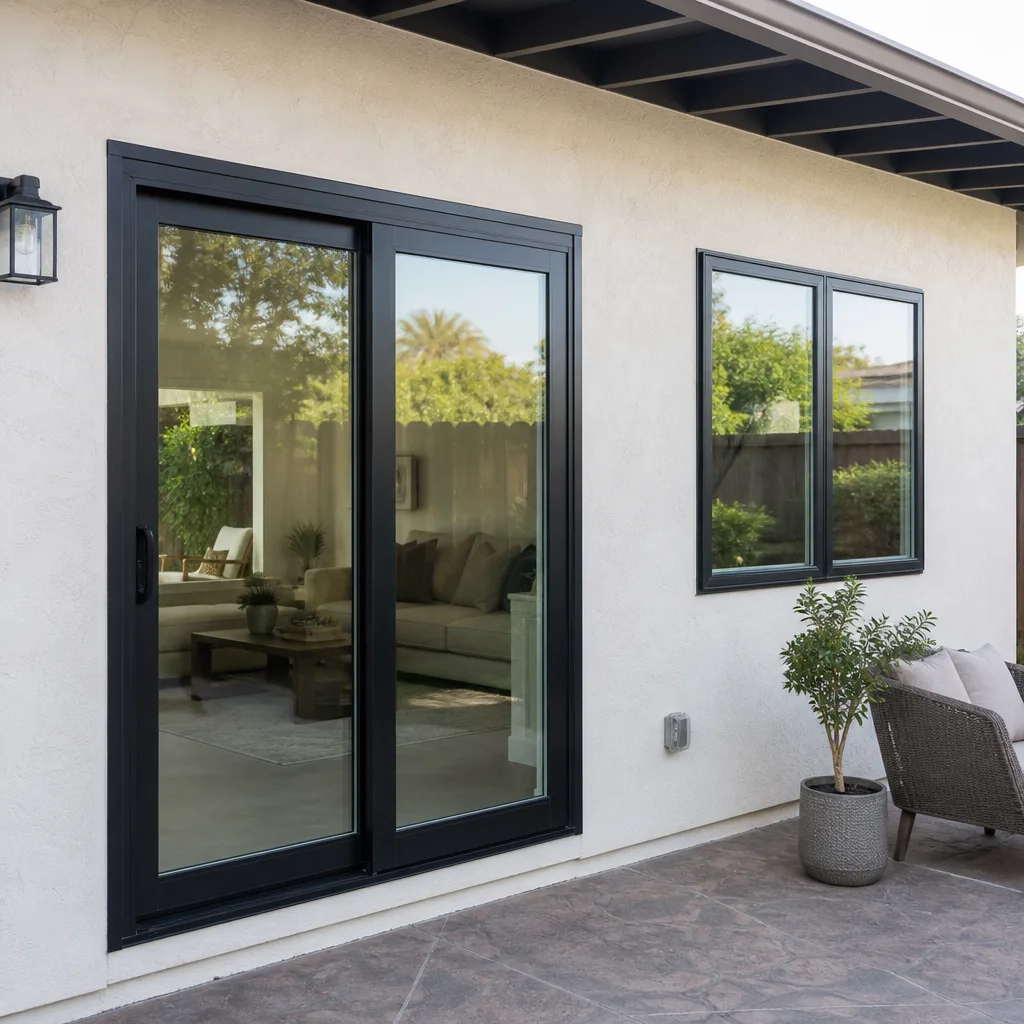 After
After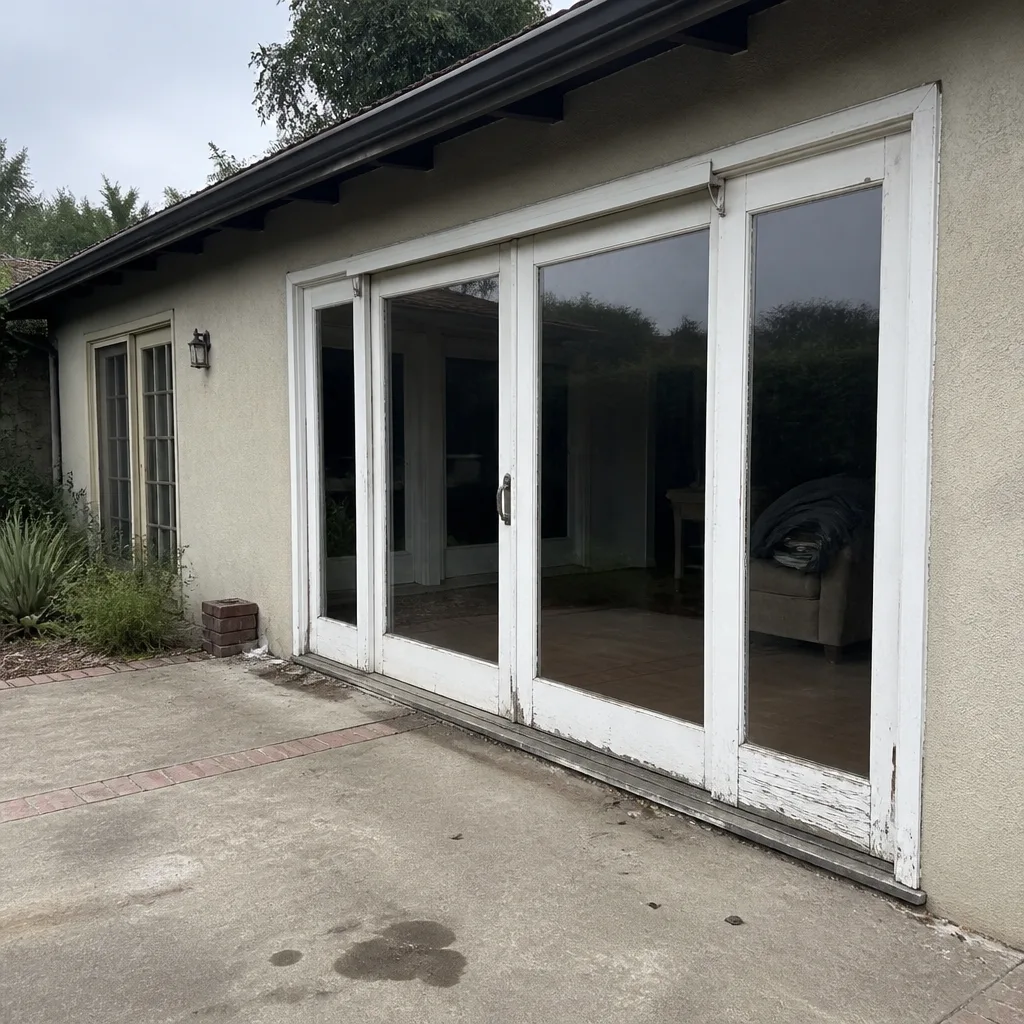 Before
 After
AfterWindow Replacement Maintenance Checklist for Los Angeles Homeowners
A vinyl window frame in Redondo Beach loses measurable tensile strength 30 to 40 percent faster than the same frame installed in Denver. The cause is not hard winters or hail. It is the combination of relentless UV exposure and salt-laden marine air that works on polymers and hardware year-round. This guide gives Los Angeles homeowners a Window Replacement Maintenance Schedule: What to Do and When built around the threats we actually face: solar degradation, wildfire ash, coastal corrosion, and a climate that does not pause. By the time you finish reading, you will know exactly what to check, when to check it, and what to document to keep your warranty intact.
Quick Answer
A window replacement maintenance checklist for Los Angeles homeowners should include monthly weep hole and drainage checks, quarterly hardware lubrication and glass inspection, a full frame-and-seal inspection after rain and wildfire events, and an annual documented evaluation of caulk, glazing, and weatherstripping. The Los Angeles-specific priorities are UV-damaged seals, salt-air corrosion on coastal hardware, and ash-compacted drainage channels. Most of this work takes under an hour per month and costs under fifty dollars a year in materials.
Table of Contents
- Why Los Angeles Windows Fail Differently
- The Monthly Maintenance Checklist
- Wildfire Ash and Weep Hole Maintenance
- Salt-Air Corrosion: The Coastal Hardware Protocol
- UV-Failed Caulk and Glazing: How to Identify and Fix It
- Warranty Documentation: What to Record Every Year
- Common Mistakes to Avoid
- When to Call a Professional
- Frequently Asked Questions
- The Bottom Line
Why Los Angeles Windows Fail Differently
Most window maintenance guides are written for places with snow load, freeze-thaw cycles, and furnace season. Los Angeles has none of those. What we have instead is an average of 284 sunny days per year, a summer UV index that regularly hits 11, and a coastal fog belt that deposits salt onto exterior surfaces from Santa Monica to San Pedro. Add the seasonal Santa Ana winds that carry fine particulate from inland, and you get a maintenance profile that looks nothing like Chicago or Minneapolis.
Here is what we actually see on service calls across Los Angeles. The first failure point is almost never the glass. It is the sealant. Caulk and glazing compound break down under UV in roughly five to seven years here, versus eight to twelve years in northern climates. The second failure point is hardware on homes within two miles of the ocean: hinges, locks, and rollers that show visible corrosion within three to five years. The third is drainage. Weep holes and sill channels clog with a mix of windblown debris, construction dust, and ash. A window that cannot drain will hold water against the frame, and a frame that holds water will eventually fail regardless of what material it is made from.
In our experience, the homeowner who keeps a simple monthly and annual routine catches these failures before they become replacements. That is what this checklist is for. It is organized by task, not by season, because Los Angeles does not have seasons the way other cities do. You can do the monthly checks on the first Saturday of every month and the annual deeper inspection every January, or every October if you would rather align it with Santa Ana prep. What matters is that it gets done consistently.
The Monthly Maintenance Checklist
These are the tasks to perform every month. Total time investment: roughly thirty to forty minutes for a house with ten to fifteen windows. If you find something wrong during a monthly check, do not wait for the annual inspection. Address it that week, or call a professional who can. Small problems become our Window Replacement services when they sit unattended in Los Angeles’s sun and salt air.
Monthly Task List
- Visually inspect every window from the outside. Look for cracked or peeling caulk, visible gaps between the frame and the stucco or siding, and any sagging or separation in the frame corners. Walk the full perimeter of the house. A five-minute walk catches most problems before they become structural.
- Check the weep holes. These are the small drainage slots on the exterior bottom edge of the frame. They are easy to block and easy to forget. Look for visible debris, and run a thin wire or a toothpick through each one gently to confirm it is open. Do this for every window, not just the ones on the windward side of the house.
- Open and close every operable window once. This one action does three things: it confirms the hardware still moves, it spreads lubricant that you applied previously, and it forces you to notice if a sash is sticking or a crank is grinding. Operable windows that are not opened for a year tend to seize from dust and corrosion. You are not just checking them; you are keeping them functional.
- Wipe down the interior tracks and sills with a dry cloth. Remove dust, pet hair, and the fine grit that blows in through screens. If you see moisture, find where it came from before you wipe it away. Moisture in the track during a dry week means a drainage problem or a failed seal. Moisture after rain is normal only if the weep holes are doing their job.
- Check glass for condensation between panes. If you see fog or water droplets inside a double-pane or triple-pane unit, the gas fill has escaped and the seal has failed. That unit will not insulate properly anymore, and there is no field repair that restores it. The fix is pane or sash replacement, and the sooner you catch it, the better your position for a warranty claim.
- Inspect weatherstripping. Run a finger along the weatherstripping on the sash edges. It should feel springy and smooth. If it feels brittle, flat, or it crumbles when you touch it, replace it. Failed weatherstripping lets conditioned air out and dust in, and it is a primary entry point for the fine particulate Santa Ana winds carry.
This monthly routine is the highest-value thirty minutes you can spend on your windows. It is also the routine that most reliably protects your labor warranty. Manufacturers and installers both have the same standard: a properly maintained window performs for decades; a neglected one fails early, and that failure is not a warranty issue.
Wildfire Ash and Weep Hole Maintenance
Wildfire ash is not ordinary dust. It is fine, dry, alkaline particulate that compacts into a cement-like paste when it gets wet. During a fire event in the Angeles National Forest or the Santa Monica Mountains, ash can accumulate in window tracks and weep holes within hours. When the marine layer rolls in or the first rain arrives, that ash absorbs moisture and hardens. We have seen weep holes completely sealed within a single week after a nearby burn event in Los Angeles, and the homeowner had no idea until water pooled on the sill during the next rain.
The protocol for post-ash inspection is straightforward, but it must happen promptly. Do not wait for your next monthly check if a fire has burned within twenty miles of your home, even if your neighborhood never smelled smoke.
Post-Wildfire Ash Inspection Steps
- Start the day after the ash stops falling. Begin with a dry brush or a vacuum with a soft brush attachment. Do not use water first. Water turns the ash into paste and drives it deeper into the channels.
- Clear every horizontal surface. Vacuum the interior and exterior sills, the tracks, and the screen frames. Ash sits on every flat surface, and the wind will redistribute it for days. Vacuum again two or three days after the first pass.
- Probe every weep hole with a pipe cleaner or thin wire. Work the wire through the hole and pull it back out. If it comes out coated with ash, keep probing and wiping until it comes out clean. If you cannot get the wire through at all, the channel is compacted and needs a more aggressive cleaning.
- For compacted weep holes, flush gently with a spray bottle of water and a drop of dish soap. Spray into the hole, let it sit for two minutes, then probe again. Repeat until the wire passes through. Do not use a pressure washer on window frames; the force will drive water past the flashing and into the wall cavity.
- Inspect the glass and screens for etching. Ash is alkaline. If it sits on glass through a humid morning, it can leave micro-etches that look like a stubborn haze. Clean glass with a standard glass cleaner and a microfiber cloth. If a haze remains after cleaning, the surface may be etched, and etched glass is not repairable. Document it for your insurance if the damage is extensive.
If you live in an ash-fall zone, your weep hole maintenance frequency should double. Monthly is the baseline, but during and after fire season, check them weekly until the first good rain clears the atmosphere. The cost of a blocked weep hole is a rotted frame or a rusted hardware set, and the cost of prevention is five minutes with a pipe cleaner.
Salt-Air Corrosion: The Coastal Hardware Protocol
Properties within roughly two miles of the Pacific Ocean from Malibu down through the Palos Verdes Peninsula face a maintenance challenge the inland valley does not: constant salt deposition. The marine layer delivers micro-fine salt particles onto everything, and when those particles combine with moisture, they create a low-grade corrosive environment that attacks window hardware year-round.
The first signs are usually cosmetic. Hinges develop a whitish or greenish film. Locks begin to feel gritty. Rollers on sliding doors and windows start to rasp instead of glide. If you catch it at that stage, cleaning and lubrication restore the hardware. If you ignore it, the corrosion pits the metal, and pitted hardware fails. A corroded hinge on a casement window can snap under load, and a failed lock on a ground-floor window is a security risk.
Coastal Hardware Inspection and Maintenance Protocol
- Inspect every hinge, lock, and roller monthly. Look for white residue, green discoloration, or any flaking on the metal surface. Touch and operate each piece. Grittiness is the first tactile warning sign.
- Clean affected hardware with a soft brush and a 50/50 mix of warm water and white vinegar. The mild acid dissolves salt deposits without damaging the finish. Do not use abrasive pads; they scratch the protective coating and make future corrosion worse.
- Dry the hardware completely after cleaning. Moisture left on the metal simply restarts the corrosion cycle. Use a clean microfiber cloth.
- Apply a dry silicone lubricant to moving parts. Hinges, lock points, crank mechanisms, and rollers all benefit. Dry silicone repels moisture and does not attract dust the way oil-based products do. Avoid WD-40 for this application; it displaces existing lubricant and leaves a film that holds debris.
- Check the screws and fasteners. Salt corrosion often starts at the screw heads. If a screw shows surface rust, replace it with a stainless steel screw of the same size. Stainless steel is the standard hardware material for coastal installations, but older homes in Los Angeles often have zinc-plated hardware that degrades faster.
If you are replacing windows on a coastal property, the hardware specification matters as much as the glass. Marine-grade stainless hardware adds cost but extends hardware life substantially in a salt environment. We routinely recommend upgraded hardware packages for installs in Redondo Beach, Playa del Rey, and other communities where the marine layer is a daily occurrence. Products from manufacturers like PGT and CGI are engineered with coastal conditions in mind, and the right spec on a coastal window means the difference between a five-year hardware lifespan and a fifteen-year one.
UV-Failed Caulk and Glazing: How to Identify and Fix It
Los Angeles ultraviolet exposure does not just fade paint. It chemically breaks down the polymer chains in caulk and glazing compound. The result is a seal that looks intact from a distance but has lost its flexibility and adhesion. That is why a caulk bead can survive a decade in Seattle and fail in five years in Woodland Hills or Pasadena.
UV-failed caulk has specific characteristics that are different from simply aged caulk. Aged caulk is typically dirty and may have small cracks at stress points. UV-failed caulk is chalky to the touch, it pulls away from the substrate when you run a fingernail along the edge, and it often crumbles when probed. The color may look washed out. If you see a caulk bead that has separated from the stucco or the frame and left a visible gap, that seal is gone, and water has an open path into the wall assembly.
Re-Seal Products by Frame Material
The correct re-seal product matters because the wrong product will not adhere or will fail prematurely. Here is what we use and recommend.
- Vinyl and fiberglass frames: Use a high-quality elastomeric sealant designed for exterior use. Elastomerics move with the frame as it expands and contracts in the sun, and they are paintable if you need to match a color. Do not use pure silicone on vinyl; it adheres poorly to vinyl substrates and is nearly impossible to repaint over.
- Aluminum frames: Use a neutral-cure silicone sealant. Aluminum expands significantly in Los Angeles heat, and neutral-cure silicone handles that movement without pulling away. Acid-cure silicone releases acetic acid during curing and can etch aluminum surfaces.
- Wood frames: Use a paintable acrylic latex caulk with silicone for exterior use. Wood windows move with humidity, which swings even in Los Angeles, and a flexible paintable caulk is the right match. Keep bare wood primed and painted; exposed raw wood is the single biggest failure point on wood windows in this climate.
- Glazing compound around glass on wood sashes: Use a traditional oil-based glazing putty or a modern synthetic glazing compound, depending on the original installation. If the existing glazing is hard, cracked, and falling out in chunks, it has UV-failed and needs to be fully removed and replaced. Spot-patching failed glazing compound with new compound rarely bonds well.
- Photograph every window, inside and out. Use a phone camera. Capture the frame corners, the caulk lines, the hardware, the glass, and the weep holes. These photos become your baseline for comparison next year and your evidence if a defect ever develops.
- Photograph any issue you find during any inspection, before and after you address it. If you find a cracked seal or a corroded hinge, photograph it. If you clean and lubricate it, photograph it again. A before-and-after record shows you caught the issue early and acted on it.
- Log the date of every inspection, what you found, and what you did. A paper notebook or a digital note works. The format does not matter. The record does. Write “March inspection found minor corrosion on master bedroom casement lock; cleaned with vinegar solution and lubricated with dry silicone.”
- Keep all receipts for materials. Caulk, weatherstripping, lubricant, replacement hardware. These receipts prove maintenance occurred.
- File your original window purchase documents and warranty documents together. The sticker on the window, the invoice, the warranty registration. If a warranty claim ever comes, you need the model number, the date of purchase, and the installer record. If you do not have these, the claim stops before it starts.
- Note any environmental events that affected the windows. For example: “October wildfire ash from the Malibu fire; completed full ash cleaning protocol October 22.” This context can be valuable for claims related to ash damage or etching.
- Using a pressure washer to clean windows and frames. Pressure washers force water past the flashing, through the caulk joints, and into the wall cavity. They also etch glass when the pressure is high enough, and they void most window manufacturers’ warranties. Use a garden hose with a spray nozzle at low pressure, or wash by hand.
- Painting over weep holes. It happens on repaints, especially with stucco homes. The painter tapes the glass but not the frame, and the weep holes get sealed with paint. The window then cannot drain. Always confirm weep holes are open after any exterior painting project.
- Ignoring a sticking sash or a grinding crank. A sash that sticks is telling you something. It may be debris in the track, or it may be a failed roller or a warped frame. Operate the window, diagnose the problem, and fix it. Forcing a sticking window is how hardware breaks.
- Using oil-based lubricants on window hardware. Oil attracts dust and grit, which turns into a paste that grinds down the moving parts. Use dry silicone or a dry Teflon lubricant. Avoid anything that leaves a wet film.
- Waiting for a rained-on sill to call about a leak. By the time water shows up inside your home, it has been infiltrating the wall assembly for an unknown amount of time. The damage is often much larger than the visible stain. Investigate exterior caulk and flashing issues as soon as you notice them, not after the next storm.
- Skipping annual inspections because the windows “look fine.” The whole point of maintenance is catching failures before they become visible. A failed seal between panes is often invisible until condensation appears. A hairline crack in a caulk joint is nearly impossible to see from ten feet. Inspection is the thing that makes maintenance work.
- Replacing one window at a time over many years, without a plan. Each replacement has a different product, a different age, and a different maintenance schedule. When replacement time comes, think about doing complete sides of the house or all windows in a remodel phase. You get better pricing, a consistent appearance, and a coherent maintenance calendar. See our Window Installation in Los Angeles page for how we approach whole-house replacement projects.
One thing we tell every Los Angeles homeowner during a window replacement consultation: the caulk joint is the most overlooked component of the entire window assembly, and it is the one most responsible for hidden water damage. A window with a failed caulk joint will let water into the wall cavity, and that water will find the framing. We see it on inspection calls where the glass looks fine and the sash operates smoothly, but the surrounding drywall shows staining at the frame edges. The window was not the failure; the seal around it was.
For more detail on the replacement process in Los Angeles, see our Window Replacement in Los Angeles guide.
Warranty Documentation: What to Record Every Year
Here is a fact that most homeowners learn the hard way: a manufacturer warranty claim or a labor warranty claim is only as good as the documentation you kept. Window manufacturers do not void warranties because you failed an inspection. They deny claims because there is no evidence the window was ever maintained. And installers, ourselves included, have the same standard. A written promise like our 365-Day Done Right Promise covers workmanship for a full year, but after that year, the homeowner’s maintenance record is what determines what gets covered under manufacturer terms.
The following documentation routine takes about twenty minutes per year and costs nothing. It is the single highest-value administrative task you can perform as a homeowner.
Annual Documentation Checklist
A documented maintenance history does not just protect warranty claims. It protects resale value. When you sell a home in Los Angeles, a buyer’s inspector will note the condition of the windows, and a seller who can show ten years of maintenance records is in a stronger position than one who cannot. The document is worth more than the time it took to create.
Common Mistakes to Avoid
Most window problems we encounter on Window Replacement Troubleshooting: Common Problems and How to Fix Them service calls in Los Angeles are not from a single catastrophic event. They are from one of these repeated mistakes, applied consistently over years. Avoid them and you avoid most failures.
When to Call a Professional
Some maintenance tasks are homeowner work. Some are professional work. Here is where the line sits. Call a professional if you see water stains on the drywall around a window, if a sash will not stay open or close properly after cleaning and lubrication, if the glass unit has failed between panes, if the frame is visibly warping or separating, or if your windows are original to a home built before roughly 1990 and you are seeing multiple failures at once. Also call if the hardware has pitted from salt corrosion to the point where it no longer operates smoothly; replacing marine hardware often requires removing the sash, which is not a beginner’s job.
Meridian Windows & Doors offers free estimates in Los Angeles. Call (817) 686-2228 and we will send someone to look at the window in person, tell you what is actually wrong, and put a written price in front of you before any work starts. No charge for the visit, no pressure to schedule.
Frequently Asked Questions
For a typical fifteen-window house, annual maintenance materials run between forty and one hundred dollars: a tube of exterior caulk, replacement weatherstripping, dry silicone lubricant, and a cleaning solution. If you hire a professional for an annual inspection and tune-up, expect to pay between two hundred and four hundred dollars for a full-home service visit, depending on the number of windows and their condition. Call (817) 686-2228 for an exact quote; estimates are free.
Inspect your windows monthly if you live within two miles of the coast or in an ash-prone area. Inspect them quarterly everywhere else in Los Angeles, and do a full annual documented inspection regardless of location. Monthly checks are quick visual and operational tests; the annual inspection is the deeper dive into seals, caulk, and documentation. The marine layer and fire season justify the higher frequency for coastal and canyon-adjacent homes.
No. Fog between the panes means the insulated glass unit has lost its seal and its gas fill. There is no field repair that restores a failed IGU, and any online advice suggesting you can drill, drain, and reseal one is describing a temporary fix that fails and voids the warranty. The professional repair is replacement of the glass unit or the sash. The cost runs roughly two hundred to five hundred dollars per unit installed in Los Angeles, depending on size and glass type. If the window is under warranty, a documented maintenance history strengthens your claim.
Patio doors use the same maintenance principles but different components. The rollers, track, and weatherstripping carry more weight and more daily cycles than a typical window, so they wear faster. Inspect patio door rollers monthly, clean the track weekly, and lubricate with dry silicone quarterly. Coastal patio doors need the same salt-corrosion protocol as coastal windows, and the rollers are usually the first component to fail. Our team covers this in detail on the Patio Door Installation in Los Angeles page if you are considering a replacement.
Maintenance on second-floor windows from the interior is identical to first-floor windows: check tracks, hardware, weatherstripping, and glass. Exterior inspection and any re-caulking on second-floor windows should be done from a ladder by someone comfortable working at height, and we recommend calling a professional for anything beyond a visual check. A fall from a second-story ladder is not a tradeoff worth making for a caulk joint. The Meridian Windows & Doors home team handles elevated exterior work with the right equipment.
A quality window, properly installed and maintained, should last twenty to thirty years in Los Angeles before full replacement. That assumes the caulk and seals are maintained, the hardware is lubricated, and the weep holes are kept clear. Windows that are neglected in coastal or fire-ash zones can show significant degradation in five to seven years. The difference between a twenty-year window and a seven-year window is almost always the maintenance routine, not the initial product quality. For more guides & resources, explore our blog.
The Bottom Line
Los Angeles windows do not fail because the city is hard on buildings. They fail because the city’s specific conditions, solar UV, salt air, and wildfire ash, demand a specific maintenance response that most homeowners never learn. The routine is not complicated: monthly checks of drainage, hardware, and glass; deeper post-storm and post-fire inspections; annual re-sealing and documentation. What it requires is consistency. Thirty minutes a month and one documented hour a year keeps most windows in service for two decades or more, and it protects every warranty you hold. If you find a window that is beyond maintenance, we are happy to give you a straight assessment and a written price for replacement, with no obligation. Call (817) 686-2228 to schedule a free estimate anywhere in Los Angeles.
Written by Elliot Vance, Owner at Meridian Windows & Doors, serving Los Angeles since 2009.