

Last updated October 9, 2026
Free in-home measure and quote - PGT, CGI and CWS impact lines compared on your actual openings, style by style
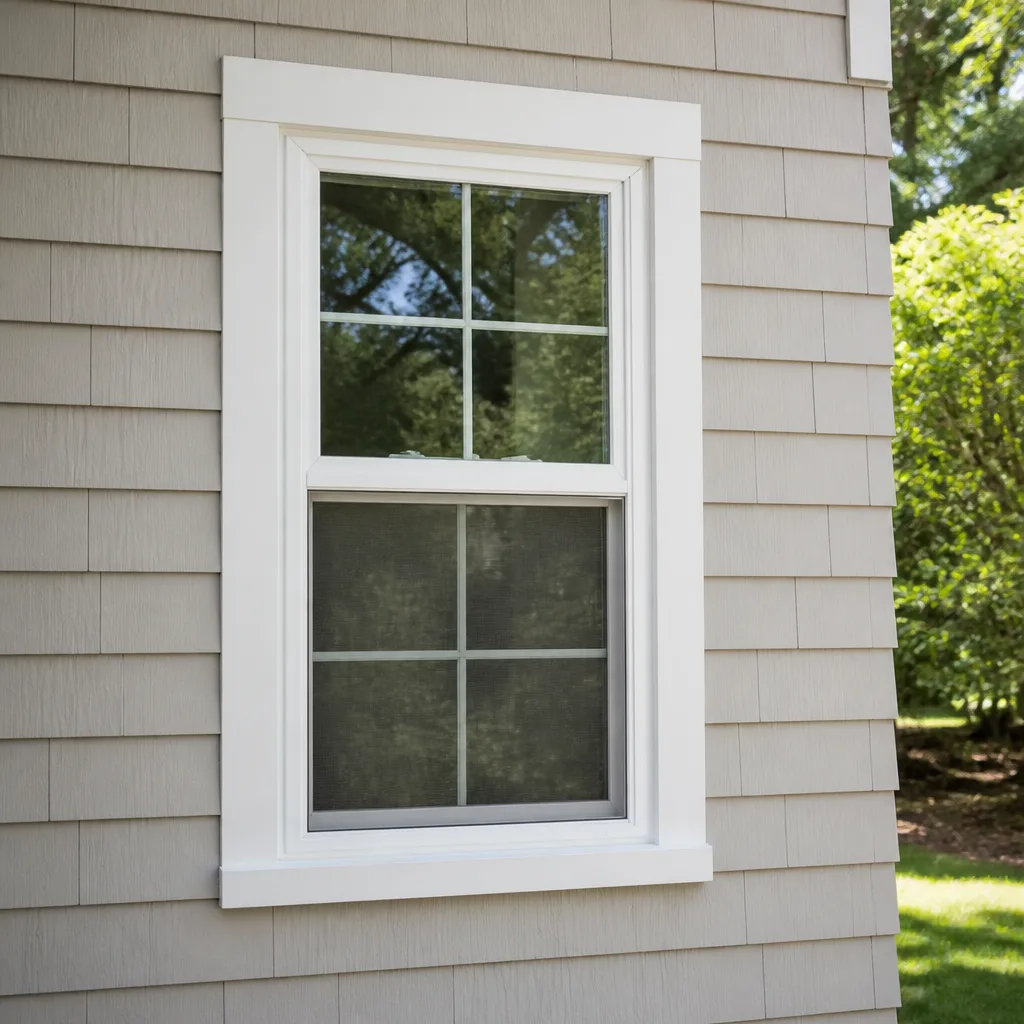
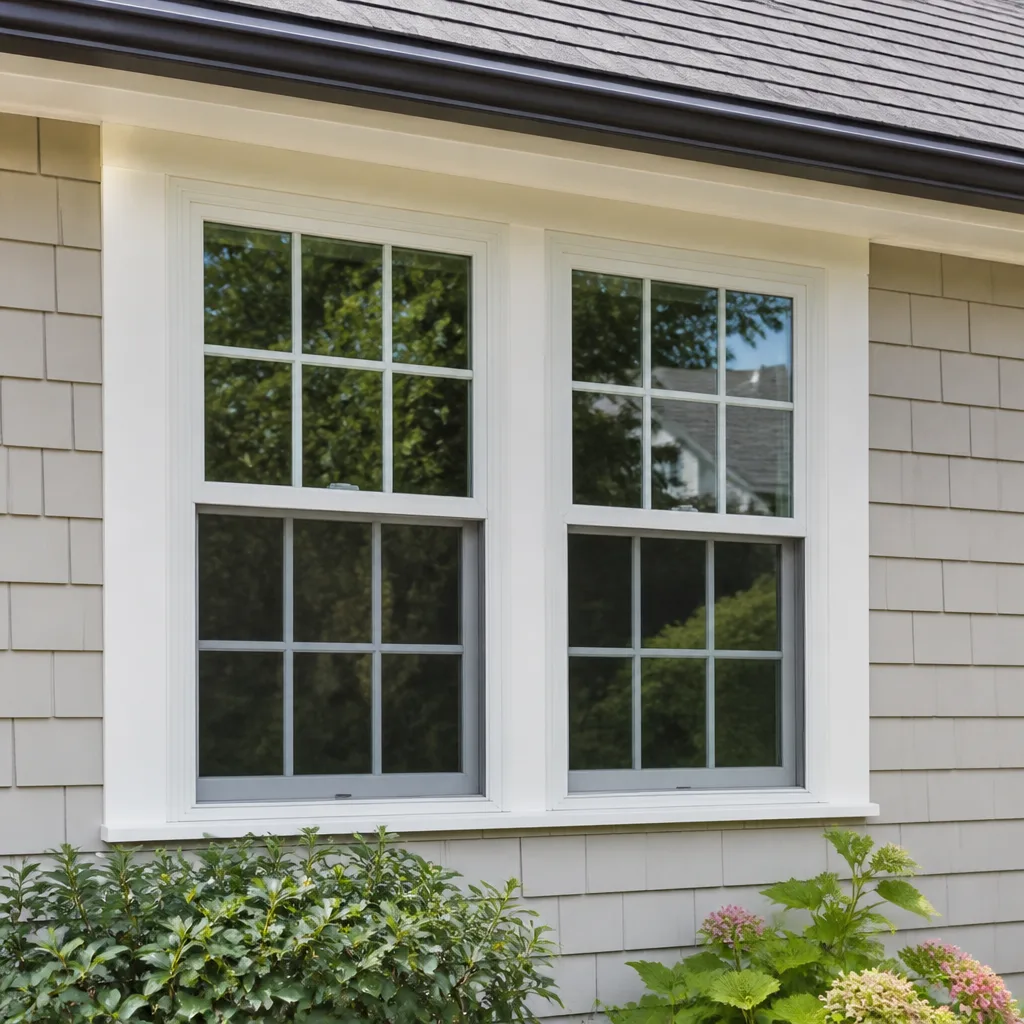
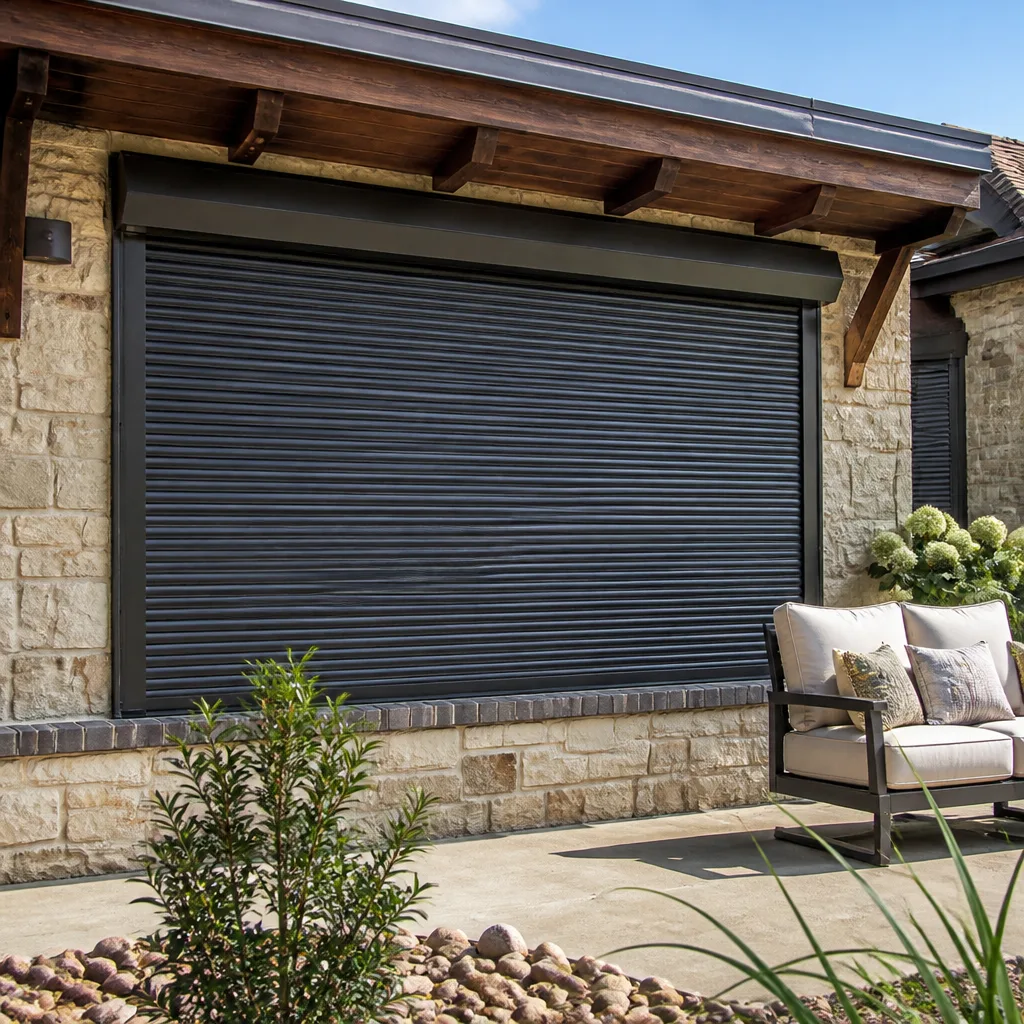
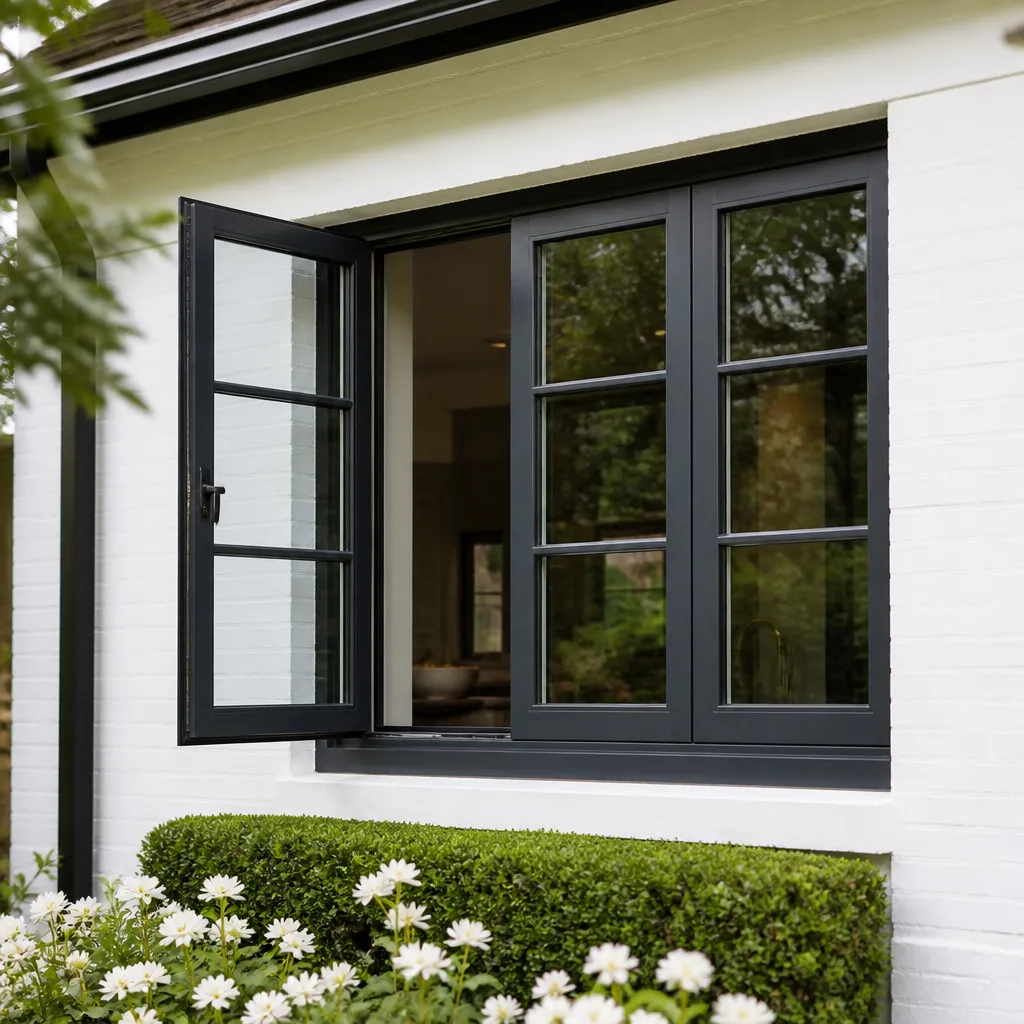
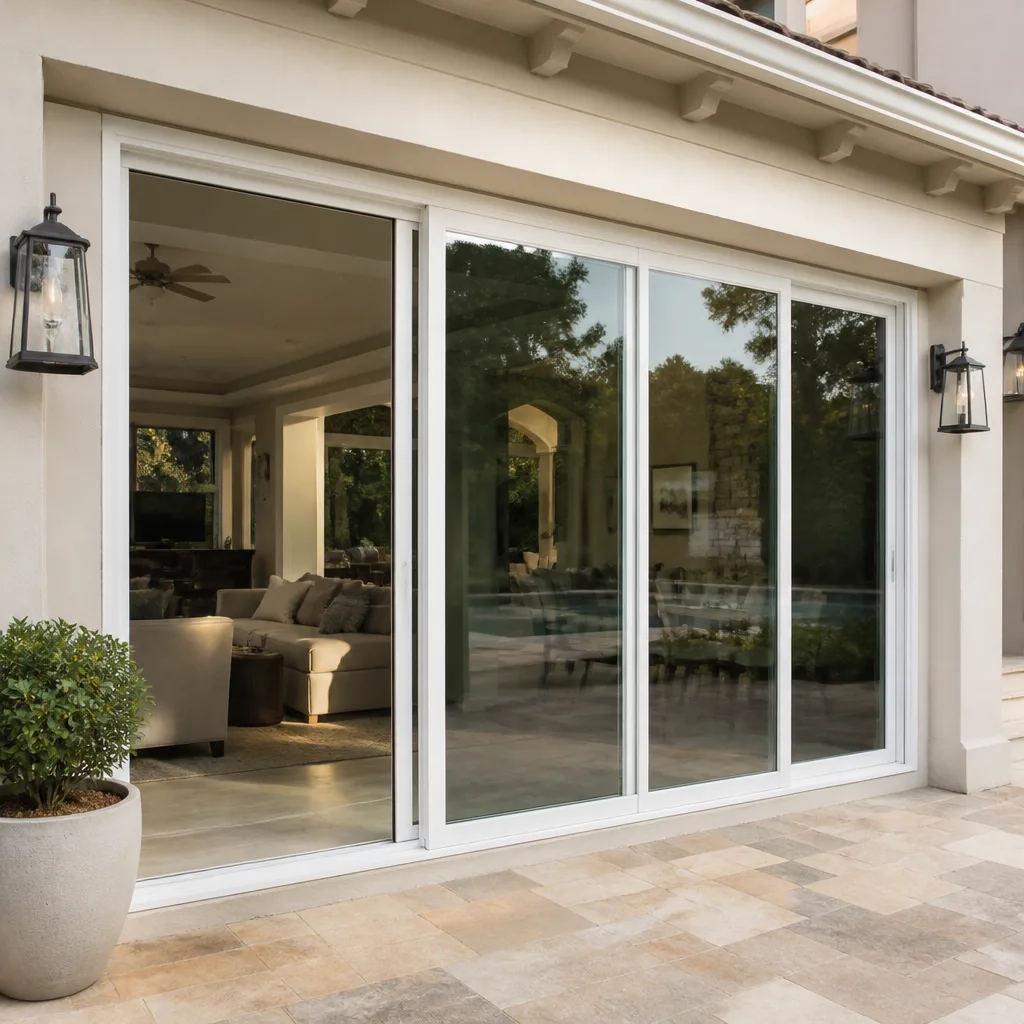
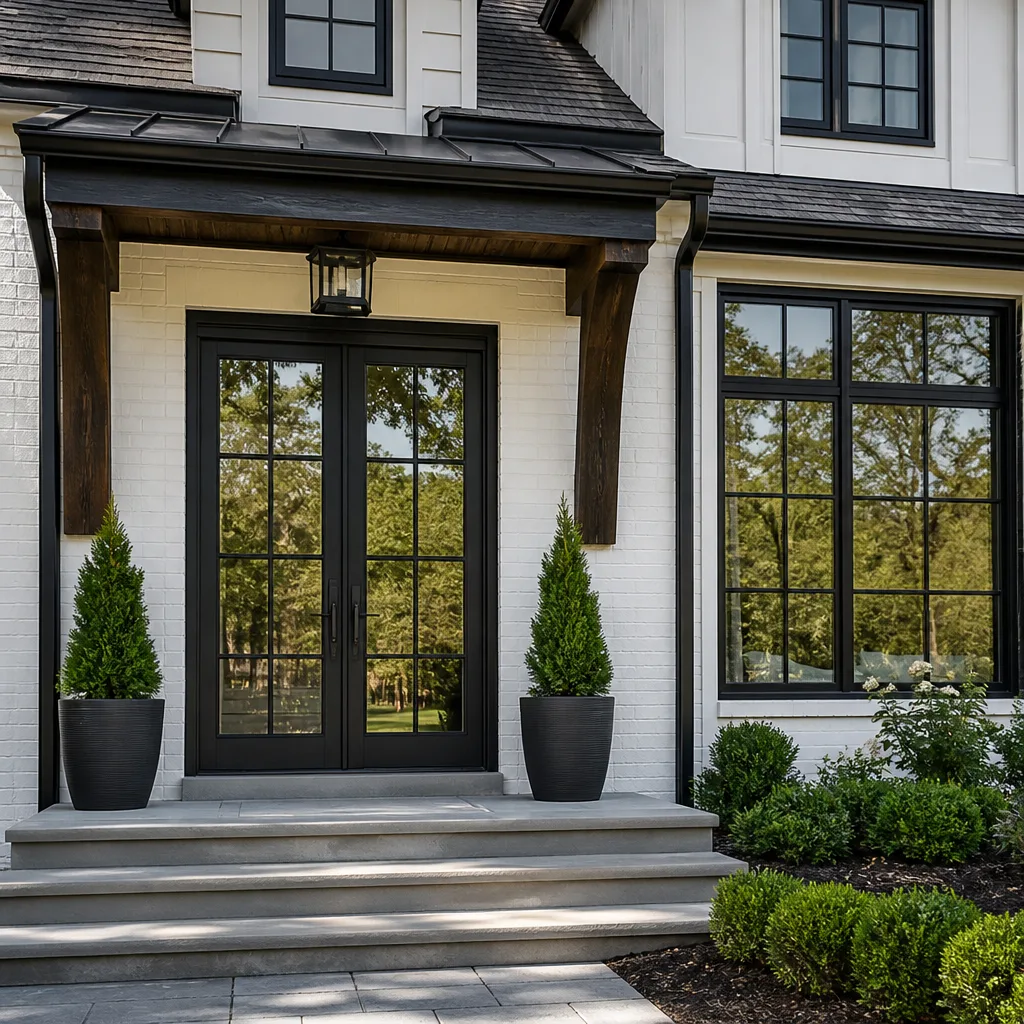
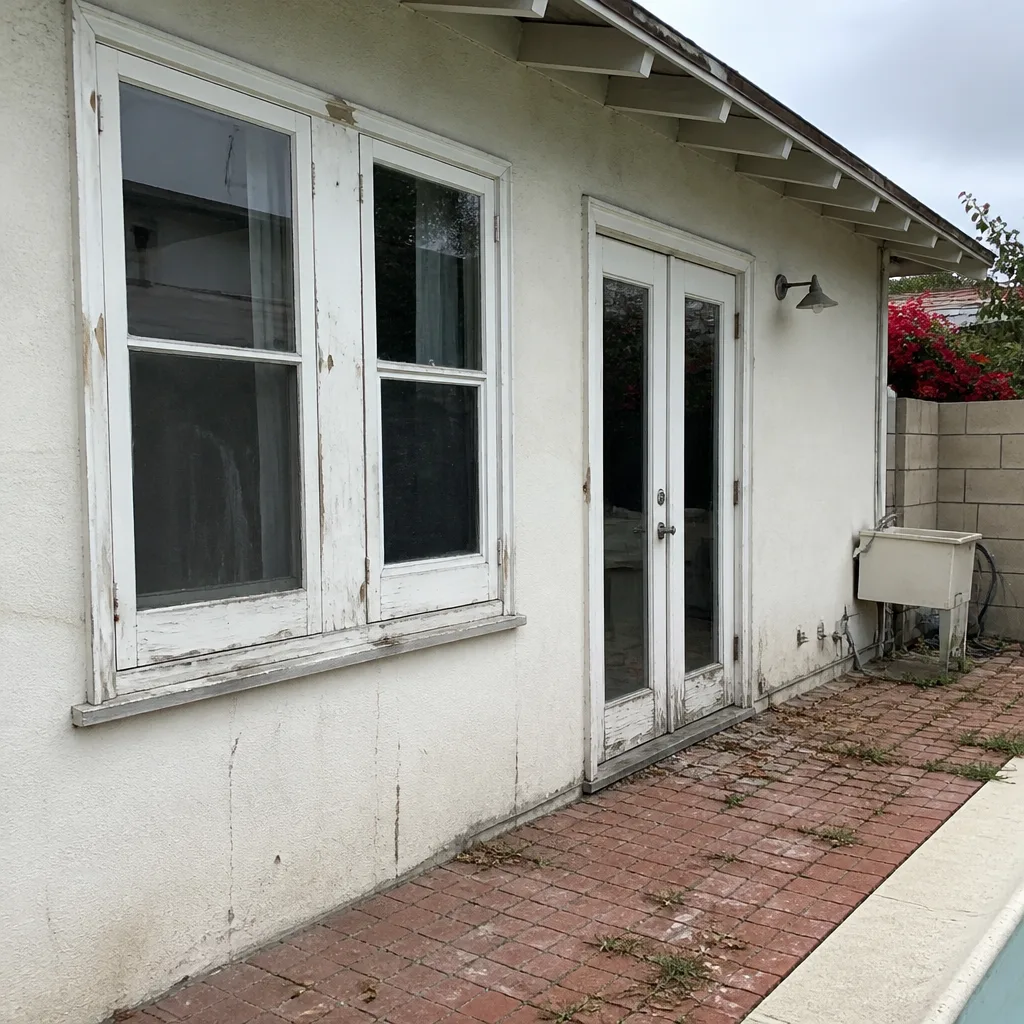 Before
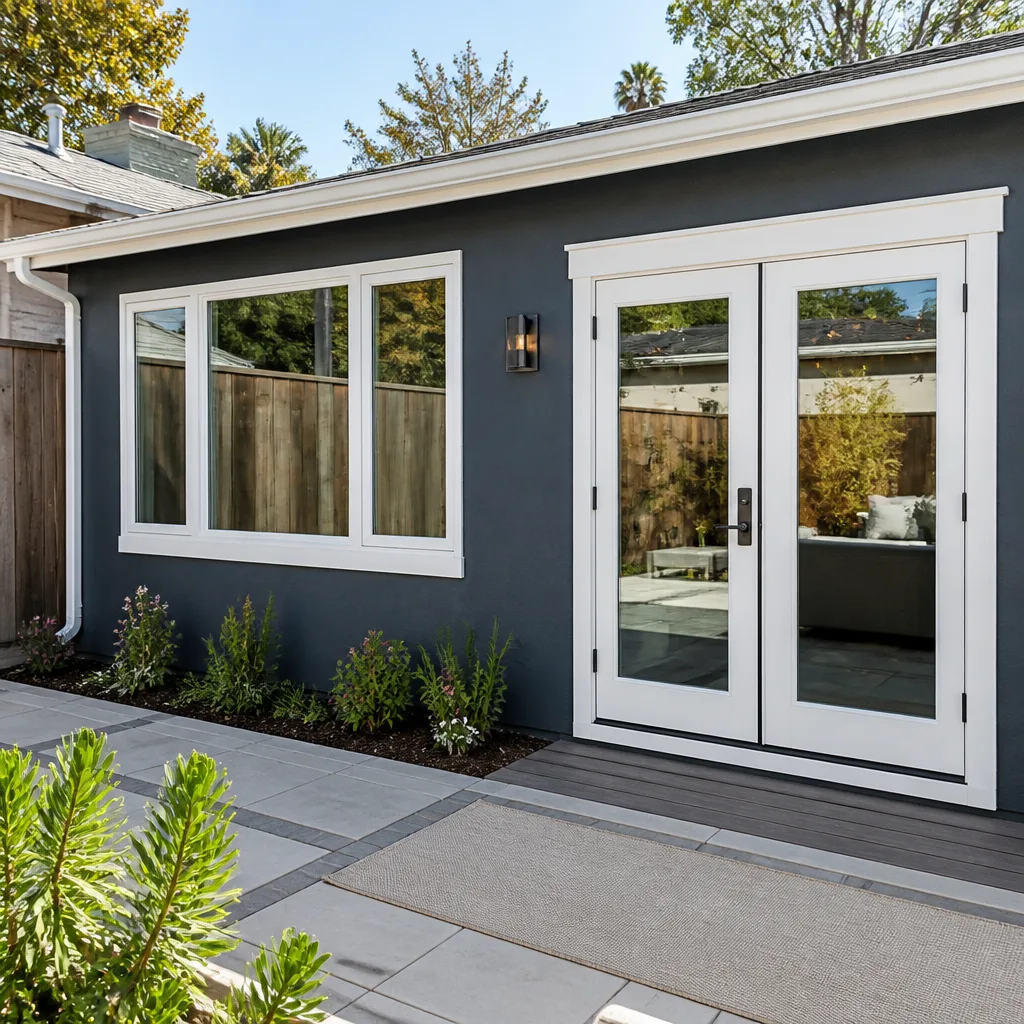 After
After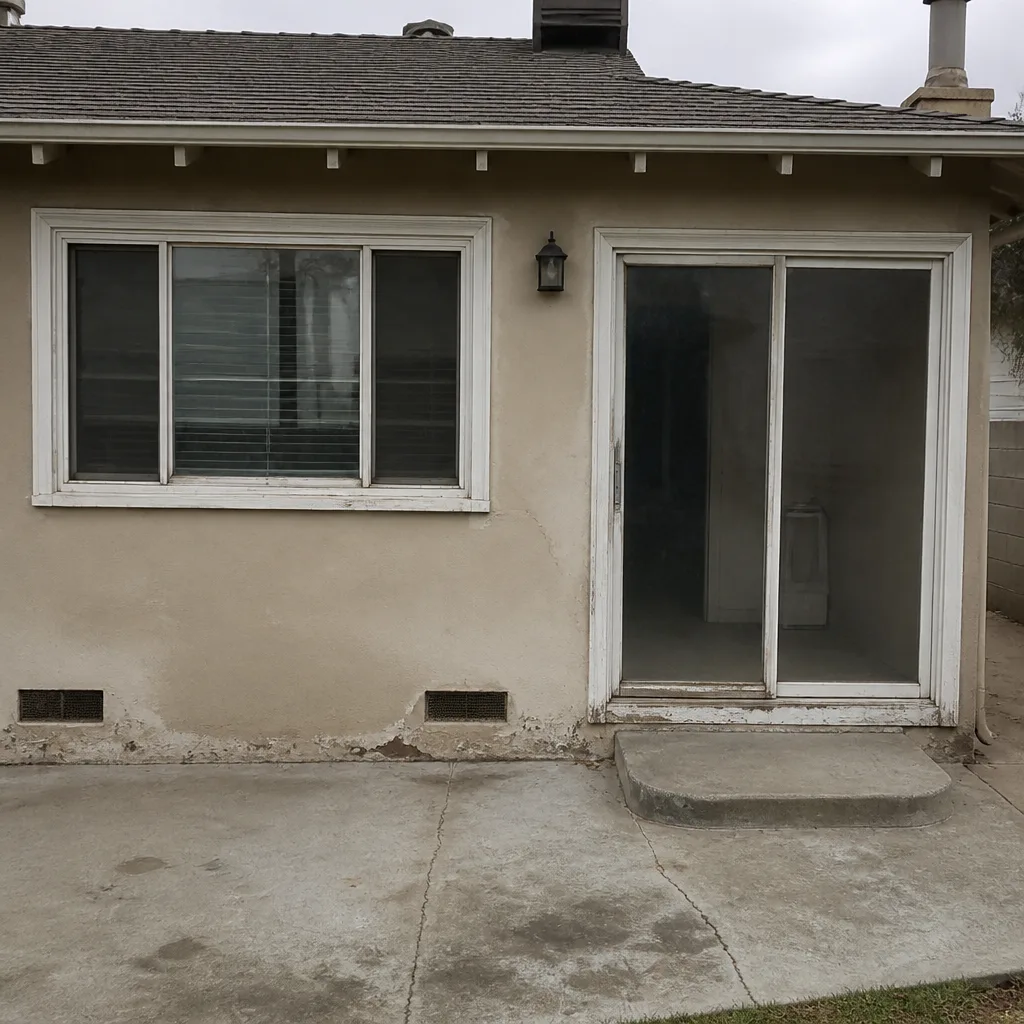 Before
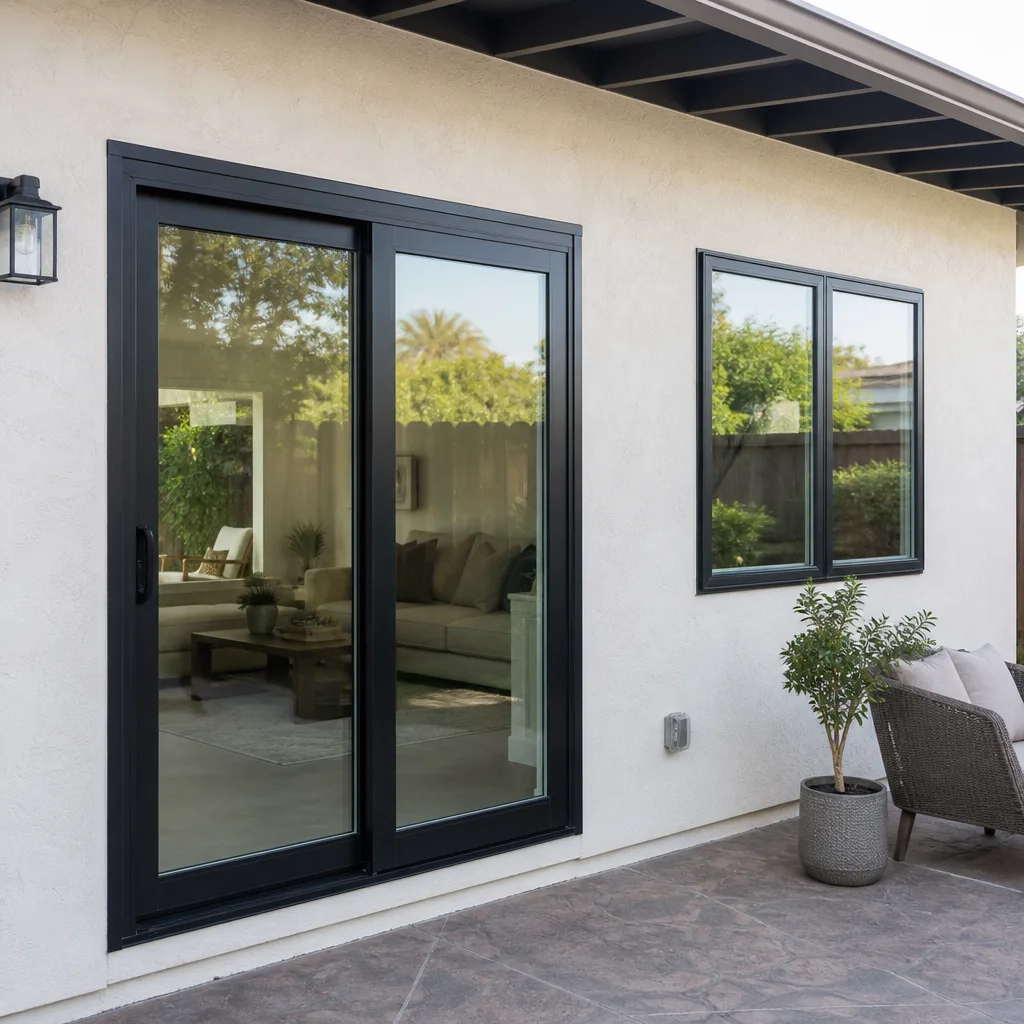 After
After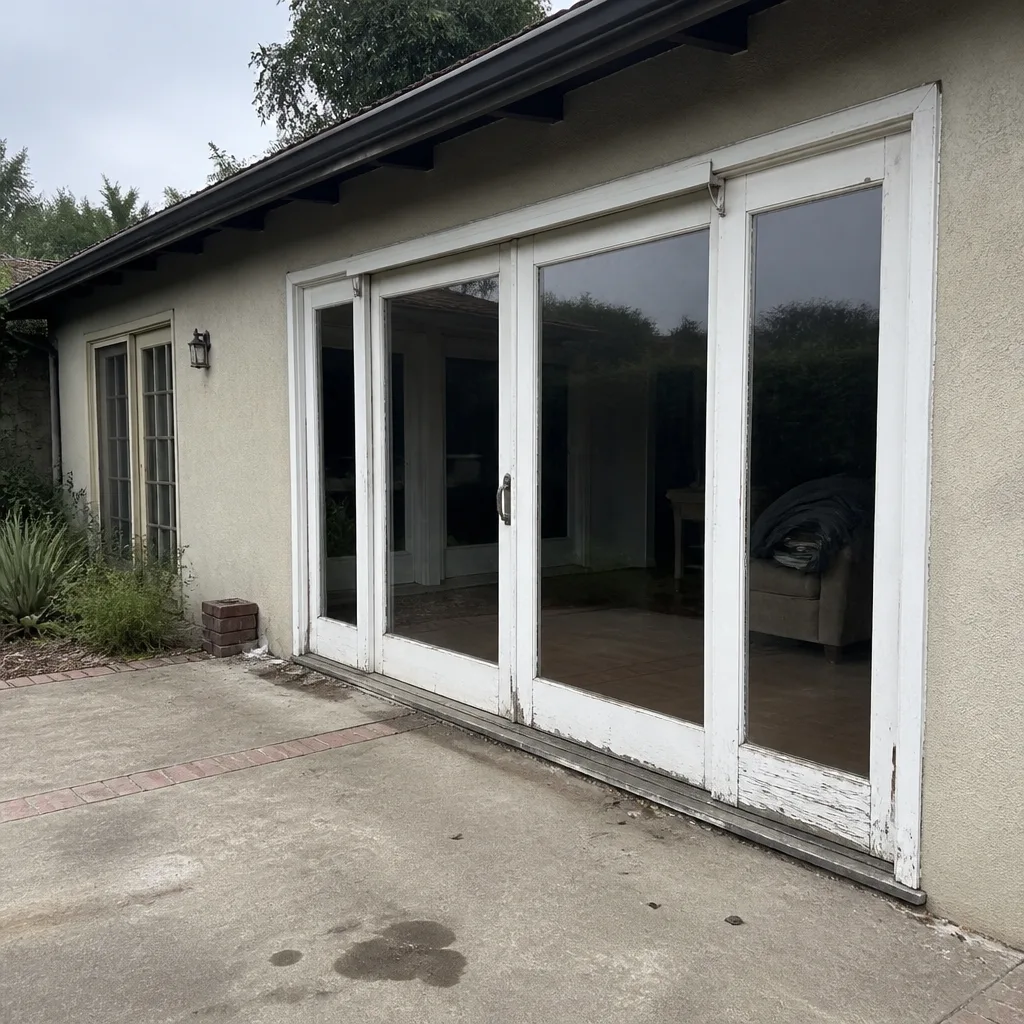 Before
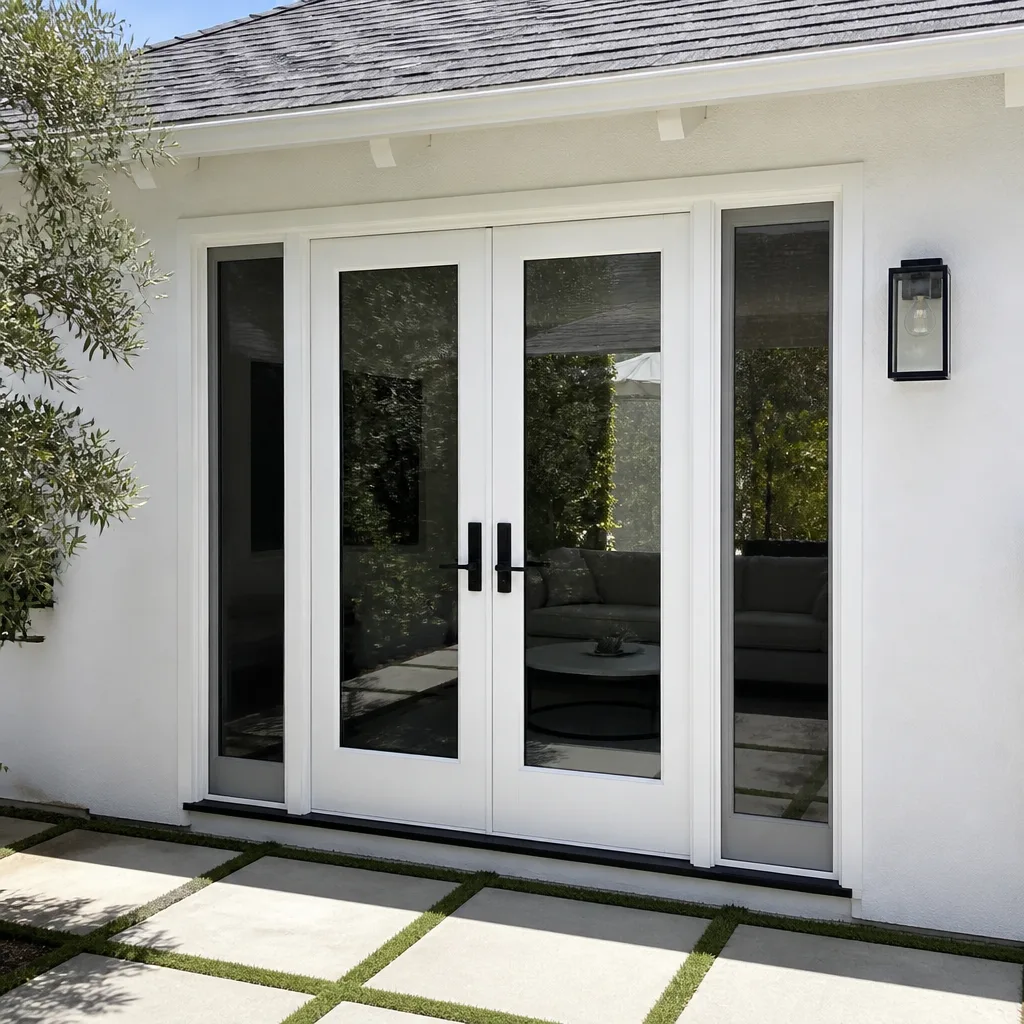 After
AfterWindow Replacement Warning Signs Every Homeowner Should Know
Most windows don’t fail suddenly. They send readable signals one to three years before they become urgent, and homeowners who learn to read those signals can budget and plan instead of scrambling after a storm damage event or a spiking utility bill. A 10% increase in your summer cooling bill is a measurable early warning of window failure here in Los Angeles, where air conditioning runs hard from June through October. ENERGY STAR data shows deteriorated low-E coatings can raise solar heat gain by up to 40% before the glass visibly looks wrong. This guide walks you through every signal that matters, what it costs to ignore, and when it’s actually time to call someone. For more guides & resources, visit our blog.
Quick Answer
The clearest signs you need our Window Replacement services are rising energy bills with no other explanation, visible frame damage like rot or chalking, condensation between the panes, windows that stick or won’t stay open, and drafts you can feel from across the room. If you see two or more of these signals on the same window, it’s usually cheaper to replace than to keep patching. Most single-window replacements in Los Angeles run $450 to $1,400 installed depending on material, size, and glass package.
Table of Contents
- The Utility Bill Baseline Test
- Visible Frame Signals by Material
- The Condensation Location Diagnostic
- The Operational Failure Sequence
- Sill and Drywall Staining: Finding the Real Source
- Low-E Coating Failure: What It Looks Like
- Noise Transmission as a Diagnostic Tool
- Common Mistakes to Avoid
- When to Call a Professional
- Frequently Asked Questions
- The Bottom Line
The Utility Bill Baseline Test
Your power bill tells you more about your windows than you might think, but only if you isolate the signal from everything else. The method we teach Los Angeles homeowners is a two-summer comparison using Southern California Edison billing data. Here’s how it works.
Pull your June through September bills from this year and last year. Strip out the months where you ran the air conditioner more because of heat waves, added a home office, or hosted guests. What you’re looking for is a baseline shift: the same usage pattern, the same thermostat setting, but a kilowatt-hour number that climbs year over year by 8 to 12 percent. That’s the window signature.
Here’s why this works. When a low-E coating degrades or a double-pane seal fails, the glass loses its ability to reflect solar heat. The window still looks fine from the couch, but it’s now transmitting heat at a higher rate. Your HVAC system compensates without you noticing, running longer cycles to hold the same temperature. The bill climbs before anything else changes. By the time the glass shows visible clouding between panes, you’ve already paid for part of a new window in wasted electricity.
One caution: don’t blame windows for a failing condenser or dirty coil. Before you call us, have an HVAC technician check your system. If the air handler is clean and the refrigerant charge is right, and the bill still climbs in proportion to outdoor temperature, the windows are the likely culprit. In our experience with Los Angeles homes built in the 1960s through 1990s, single-pane aluminum frames are the worst offenders, followed by early double-pane units with aged seals.
Visible Frame Signals by Material
Each frame material fails in its own way, and the failure pattern tells you how much time you have. A good rule of thumb: you have more runway with cosmetic issues than with structural ones, and the bottom rail of any window is always the first place to look because that’s where water pools.
Vinyl frames: The earliest signal is chalking, that white powdery film that rubs off on your finger. Chalking alone is cosmetic and doesn’t mean replacement. The real warning sign is warping, especially at the bottom corners. Vinyl expands and contracts with heat, and Los Angeles sun exposure on west-facing walls can push vinyl past its tolerance. If a vinyl frame has visible bowing or if the sash doesn’t seat squarely in the frame, the window has lost its structural integrity at the corners. That’s not repairable. It’s a replacement signal.
Wood frames: Press the bottom rail with a screwdriver tip. If the wood gives, feels spongy, or flakes away, you have rot. In Los Angeles, wood rot is less about rain and more about irrigation overspray and morning condensation. The rot usually starts at the exterior bottom corners where painted end grain meets the sill. If you catch it when the damage is confined to the bottom two inches, a carpenter can scarf in a repair. If the rot has climbed into the jambs or, worse, the rough opening, you’re looking at full-frame replacement, not a sash swap. We see this constantly in Pasadena and San Marino, where original wood windows from the 1920s get patched for decades before the frame is too far gone.
Aluminum frames: The tell is white oxidation, a crusty residue at the corners and along the sill track. Light oxidation is normal after a decade. But pitting, where the oxidation has eaten into the metal itself, means the frame is losing material. Aluminum also conducts heat aggressively. Even if the frame is structurally sound, a single-pane aluminum window in the San Fernando Valley is costing you money every afternoon from June to October. The frame isn’t failing; it’s just obsolete. That’s a performance replacement.
The Condensation Location Diagnostic
Condensation is the most misread signal in the window industry. Where the moisture appears tells you exactly what’s happening, and most of the time it’s not a window failure at all. This is the diagnostic, in order of severity.
Outside-surface condensation: This is normal. It means the window is doing its job. When cool interior glass meets warm, humid exterior air, moisture collects on the outside pane. You’ll see it in the early morning hours in coastal Los Angeles neighborhoods like Playa del Rey or Venice. It evaporates by mid-morning. Ignore it. In fact, it’s a good sign your glass package is insulating well.
Inside-surface condensation: This is a humidity problem, not a window problem. When warm, moist interior air hits a cool glass surface, it condenses on the room side. You’ll see it on bathroom windows after showers, kitchen windows after cooking, and bedroom windows in winter if you run a whole-house humidifier. The window is simply the coldest surface in the room. The fix is ventilation, not replacement. Run the bathroom fan longer, open a window for ten minutes after cooking, or check your dryer vent. Replacing windows to fix interior condensation is like replacing your roof because the gutter is clogged.
Between-pane fogging: This is the real failure. When you see haze, fog, or water droplets trapped inside the sealed airspace of a double-pane or triple-pane unit, the hermetic seal has failed. The desiccant inside the spacer bar is saturated. Argon or krypton fill gas has escaped. The glass is now performing like a single pane with a dirty film. This is not repairable in the field. A failed sealed unit requires replacing the glass or the entire window. If you’re seeing it on one window, expect the others from the same production run to follow within a few years. Seal failure rates climb sharply after year 15, which means a lot of Los Angeles homes built during the early-2000s boom are hitting this window right now.
The Operational Failure Sequence
A window that’s hard to open today will, in our experience, be impossible to close during a wildfire-smoke event in three years. That’s not an exaggeration about drama; it’s the reality of how window hardware degrades under Los Angeles conditions.
Here’s the sequence. First, the sash starts sticking. You feel resistance when you lift it, and you find yourself using two hands where you used to need one. Then the balance system fails. On a double-hung, the sash drops when you let go. On a casement, the crank handle slips or the operator gear strips. Then the weatherstripping compresses and won’t rebound. You can feel air moving around the sash even when it’s closed. Finally, the window won’t lock, or the lock engages but the sash still rattles in the frame.
The wildfire angle matters in Los Angeles. When a smoke event hits, the recommendation is to keep windows closed, and if you have air conditioning, run it on recirculate. A window with compressed weatherstripping and a failed lock can’t seal against smoke infiltration. The air you’re trying to keep out comes in around the sash at the meeting rail and along the jambs. It’s a health issue as much as a comfort issue. We’ve had customers in La Crescenta and Tujunga tell us they taped plastic over windows during the 2020 fire season only to realize the windows should have been replaced years earlier.
The operational test we recommend: open and close every window in the house twice a year, once when you change clocks in spring and once in fall. If any window requires effort, makes grinding noises, won’t stay open, or won’t lock, write it down. You’re building a replacement list, not an emergency. Budgets can absorb a planned replacement. They can’t absorb a failed window during fire season.
Sill and Drywall Staining: Finding the Real Source
Staining around a window is the most expensive misdiagnosis in the trade because people replace windows that were never the problem. Before you pull the trigger on replacement, you need to know where the water is actually coming from.
The standard test is a two-hour water spray with a garden hose. Start at the bottom and work up slowly, because water runs downhill. Spray the wall below the window first, then the sill, then the window itself, then the wall above it. Have someone inside watch for moisture at each stage. If water appears when you spray the wall above the window, the leak is in the roof flashing, the stucco, or the siding above; it’s draining down and exiting at the window because that’s the first opening it finds. Replacing the window won’t stop that leak.
If water appears when you spray the window itself, compare the pattern. Water that enters at the top corners is usually a failed head flashing or missing drip cap. Water at the sill corners suggests failed sill pan flashing or rotted exterior trim. Water that beads on the interior glass only during the spray means the window is fine and you’re chasing interior humidity.
Drywall staining around the frame has its own signatures. A brown stain that grows upward from the sill is active water intrusion at the sill or below it. A stain that appears in a crescent shape at the top corners is a flashing or caulk failure at the head. A stain that appears only on the drywall adjacent to the frame, never on the window itself, is usually a condensation problem, not a leak. In Los Angeles, we also see a specific pattern in hillside homes: staining that appears only on the uphill side of the window, which most often traces to improper drainage at the foundation level, not the window at all.
Low-E Coating Failure: What It Looks Like
Low-E glass carries a thin metallic coating that reflects heat while letting light through. When that coating fails, you won’t see a dramatic visual change. What you’ll see is a subtle, patchy discoloration, like a faint oil-slick film that doesn’t wipe off. You might also notice that the room heats up faster in direct afternoon sun, even with the blinds closed.
You can sometimes detect a failing low-E coating with the flame test. Hold a lighter or match flame up to the glass at a slight angle. A healthy low-E coating will reflect the flame with a slightly tinted or color-shifted image, often appearing doubled or offset. If the reflected flame looks identical to the flame itself, the coating may be gone or degraded. This test isn’t definitive, but it’s a useful diagnostic before you call us out.
The larger point is this: low-E failure is invisible until it’s cost you money. A window with failed low-E still works as a window. You can see through it and open it. But the glass is now a poor insulator, transmitting solar heat the way older single-pane glass does. The symptom shows up on your SCE bill, not in the glass. In south-facing rooms in Los Angeles, the difference between a functioning low-E window and a failed one is measurable. A room with a large west-facing glass area in Woodland Hills or Calabasas can run five to eight degrees warmer in the late afternoon with failed low-E, which means the AC runs longer and harder than it should.
Noise Transmission as a Diagnostic Tool
Windows are your home’s primary sound barrier, and a change in what you hear from outside is a legitimate diagnostic signal. If you live on a busy street in Los Angeles, say along Wilshire, Ventura Boulevard, or any of the major north-south corridors, you know what your house sounds like with windows closed. If that sound level changes, something has shifted.
Failed or compressed weatherstripping creates air gaps that let noise in even when the window is latched. You’ll hear it first as a faint wind hiss at highway speed, then as a broader increase in ambient street noise. Double-pane windows with failed seals lose their acoustic isolation because the sealed airspace is part of the sound damping system. The glass still exists, but the airspace no longer buffers the vibration. In our experience, customers near the 101 or the 405 notice this before they notice drafts or condensation, because noise is constant and drafts are intermittent.
Here’s the test. Close the window and stand a few feet away. If you can hear individual cars passing, or if a conversation on the sidewalk sounds like it’s happening in the room, that’s a signal. Use it as a data point, not a definitive diagnosis. But combined with any other signal on this list, noise transmission is worth investigating.
Common Mistakes to Avoid
- Replacing windows to fix interior condensation. You’ve read it above, but it bears repeating because we see it constantly. Interior condensation is a humidity problem. Spend $150 on a better bathroom fan and see if the problem doesn’t disappear.
- Ignoring operational stiffness as minor. A sticking window is a hardware failure in progress, and hardware failures accelerate. The window you fight with today is the window that falls shut on a finger in two years.
- Assuming all water staining means window failure. In Los Angeles hillside homes, water staining around windows traces to flashing or drainage problems above the window more often than to the window itself. Get the diagnosis before you pay for the replacement.
- Replacing just the glass on a rotted frame. New glass in a frame that won’t seat properly is a waste of money. The frame is the structural component. If the frame has failed, the glass package doesn’t matter.
- Treating every window in the house the same. West-facing windows in Los Angeles have a harder life than north-facing windows. They’ll fail sooner. Budget for the ones that take the worst sun first.
- Waiting until a window fails completely to get quotes. The heat of July in the San Fernando Valley is not the time to start shopping. Contractors are booked, and you’ll make a hasty decision under pressure.
- Buying on price alone. A cheap window with low-grade hardware will send you the same operational failure signals in eight years. The window that costs more upfront and comes with a written warranty covers the real cost of ownership.
When to Call a Professional
You’ve done the diagnostics. You’ve found failed seals, rotted wood, chalked vinyl, or a utility bill that keeps climbing. At a certain point, the cost of certainty is a phone call. Get a professional out to confirm what you’ve found and put numbers on the repair versus replacement math.
Some jobs are genuinely dangerous to attempt as DIY. High windows with failing balances, casement operators that spring suddenly, or frames that have rotted to the point where the sash is unstable all merit professional handling. We’ve seen windows fall out of their frames while homeowners tried to remove them. The hospital bill exceeds the window bill, every time.
Meridian Windows & Doors offers free estimates in Los Angeles. Call (817) 686-2228 and we’ll walk the house, check each window against the signals in this guide, and put a written price in front of you before anything moves forward. No pressure, no price that changes at the door.
Frequently Asked Questions
Most single-window replacements in Los Angeles run $450 to $1,400 installed, depending on frame material, glass package, and whether the rough opening needs repair. See our Windows & Doors Cost Breakdown: The Los Angeles Homeowner’s Reference for 2026 for detailed pricing by neighborhood and material. Full-frame replacement costs more than insert replacement, and wood or fiberglass runs higher than vinyl. Call (817) 686-2228 for an exact quote on your specific windows; estimates are free and the price goes on paper before work starts.
Look for fog, haze, or water droplets between the panes of glass. If moisture appears between the panes and won’t wipe off, the hermetic seal has failed and the glass unit needs replacement. This is not repairable in the field. Call (817) 686-2228 to confirm, and we’ll quote the glass replacement separately from any frame work.
Yes, and it’s often the right call. If one window has failed but the rest are performing well, replacing the single unit is fine. The caveat is matching; if the original window line is discontinued or the frame color has shifted from sun exposure, you may need to accept a slight mismatch or do that elevation of the house together. Ask us to check manufacturer availability before you decide.
Most retrofit window replacements don’t require a permit if you’re not changing the opening size, but Los Angeles building codes do have specific requirements for egress in bedrooms and for tempered glass near doors. A licensed contractor will know what’s required and pull permits when needed. We handle this on every job, and permits are part of the written estimate, not a surprise line item later.
A typical single-window replacement takes two to four hours once the product arrives. Lead times for custom windows from the manufacturer lines we work with, including ECO Window Systems and Mr-Glass, run two to six weeks depending on the product. We give you a written schedule before work begins and we stick to it.
If your current windows are single-pane or have failed seals, yes. The savings depend on your usage patterns and the window’s orientation. West- and south-facing windows in Los Angeles deliver the fastest payback because they take the most afternoon sun. For a whole-house replacement, utility savings typically offset 20 to 30 percent of the project cost over the lifetime of the windows. The comfort improvement is immediate and gets noticed before the first bill hits.
The Bottom Line
Windows send signals long before they fail, and the homeowners who learn to read them save money and avoid emergencies. Rising energy bills, failed seals, sticking sashes, and frame rot are all data points in a predictable pattern. The test is simple: benchmark your bills, inspect your frames, open and close every window twice a year, and watch where condensation forms. When you find two or more signals on the same window, get a professional out. If you’re in Los Angeles, start with a free estimate from Meridian Windows & Doors home at (817) 686-2228. We’ll confirm what you’ve found, put the price on paper, and stand behind the work with a written 365-day guarantee. That’s the standard.
Looking for more specific information? See our guides on Window Replacement in Los Angeles, Window Installation in Los Angeles, and Patio Door Installation in Los Angeles.
Written by Elliot Vance, Owner at Meridian Windows & Doors, serving Los Angeles since 2009.