

Last updated October 9, 2026
Free in-home measure and quote - PGT, CGI and CWS impact lines compared on your actual openings, style by style
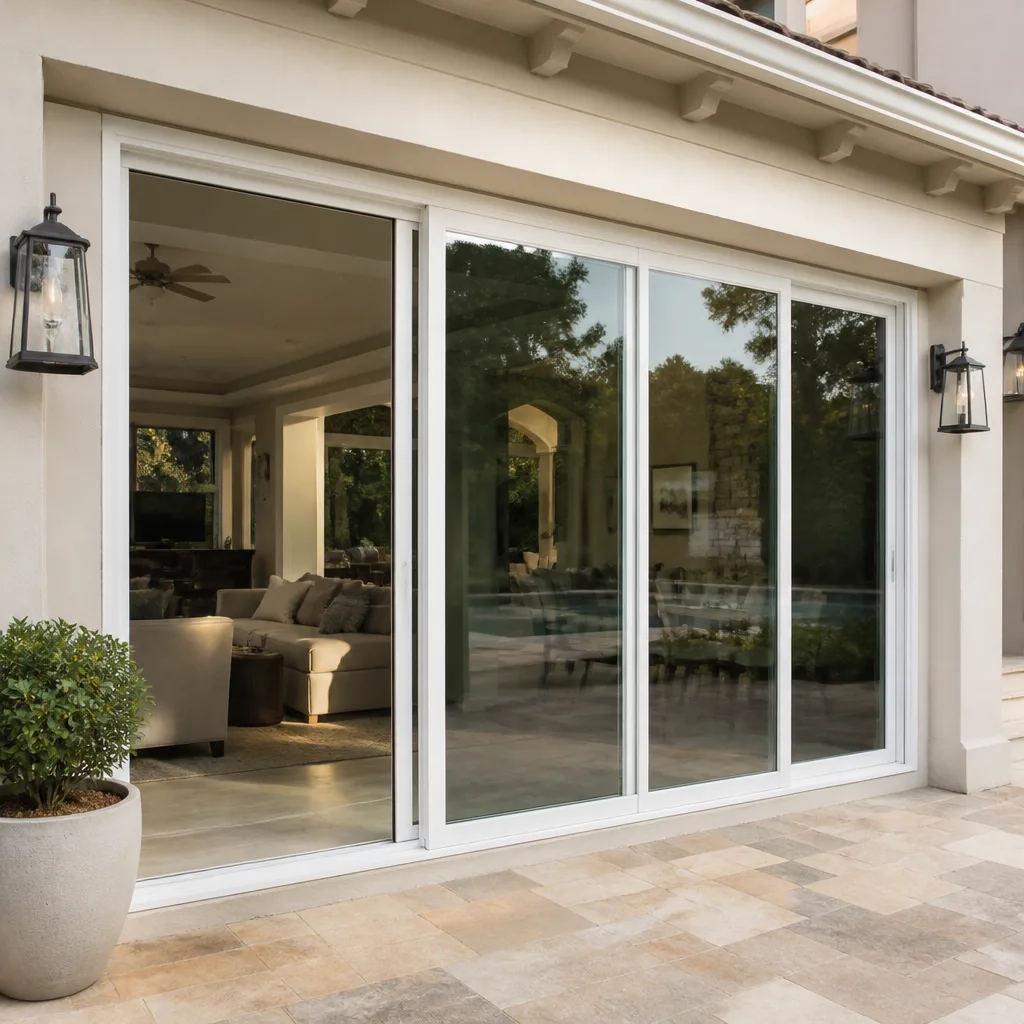
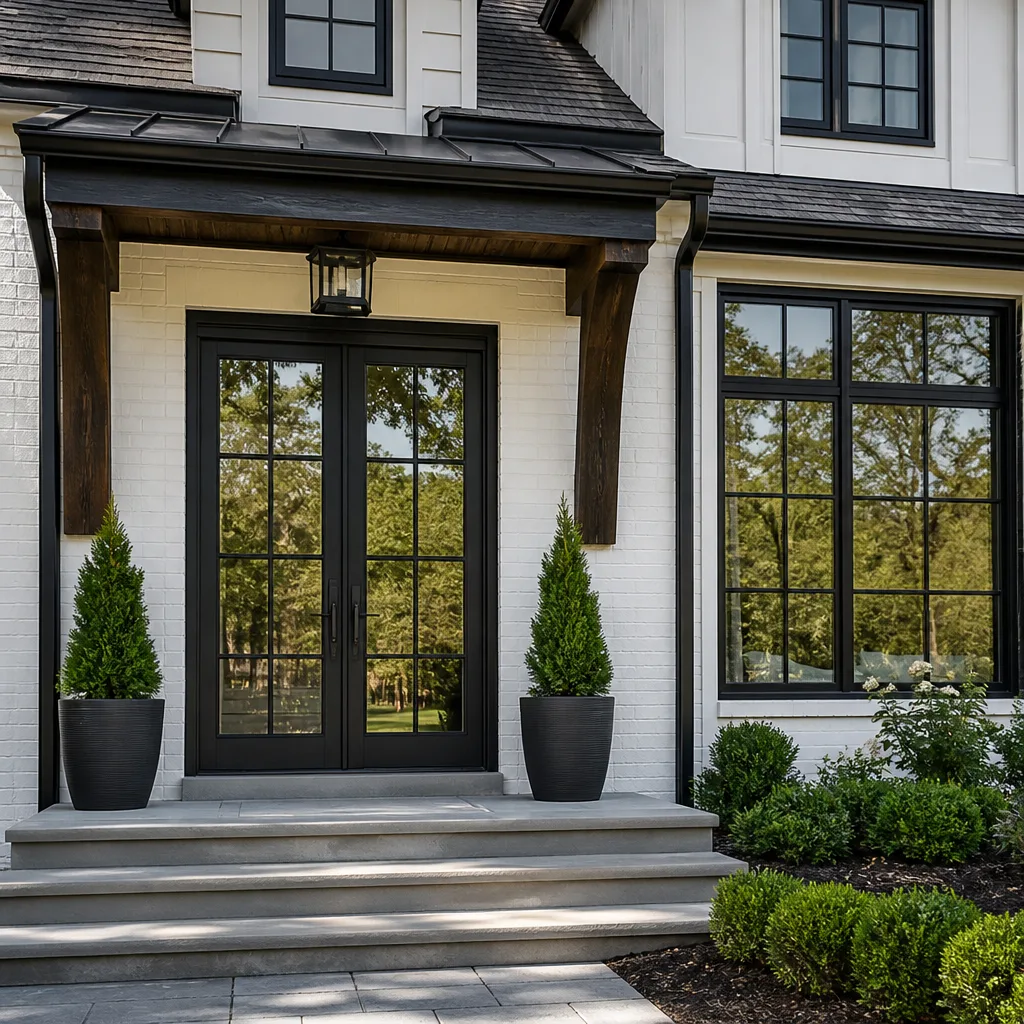
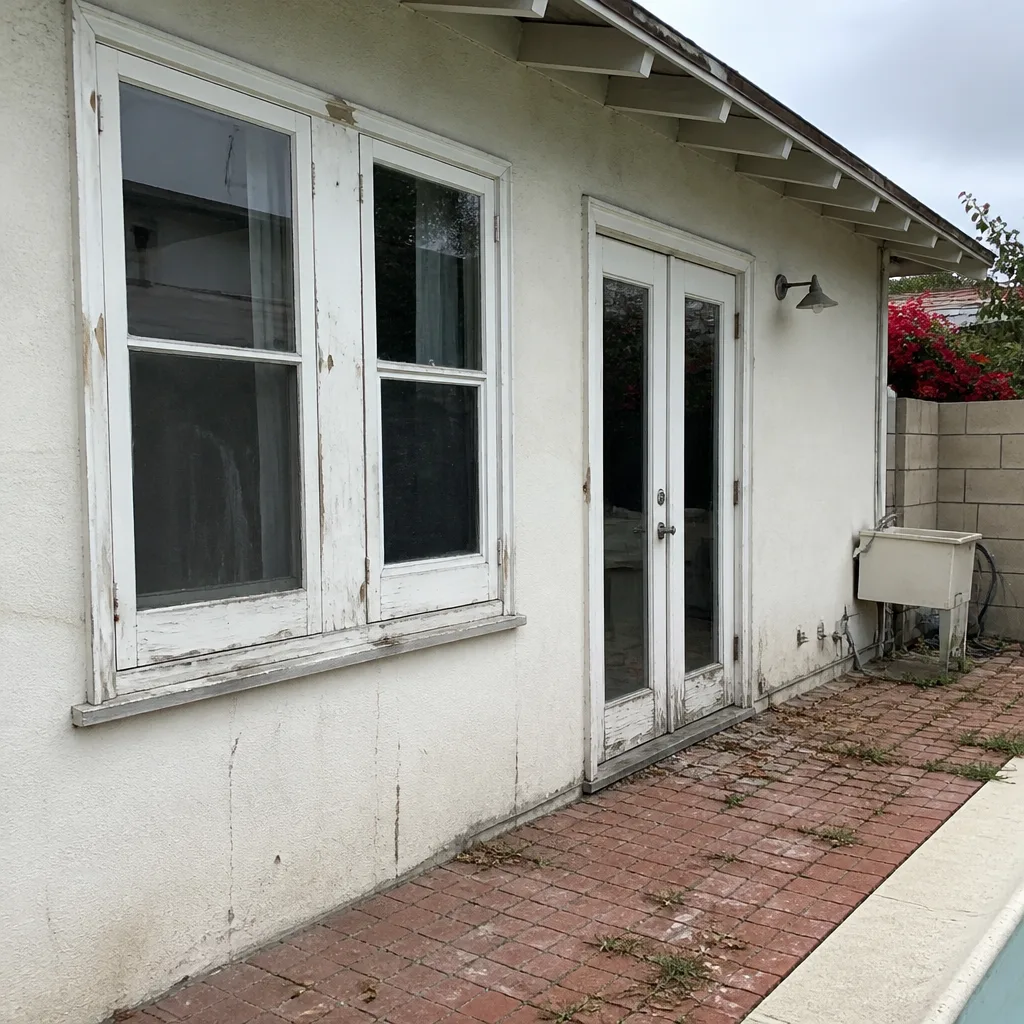 Before
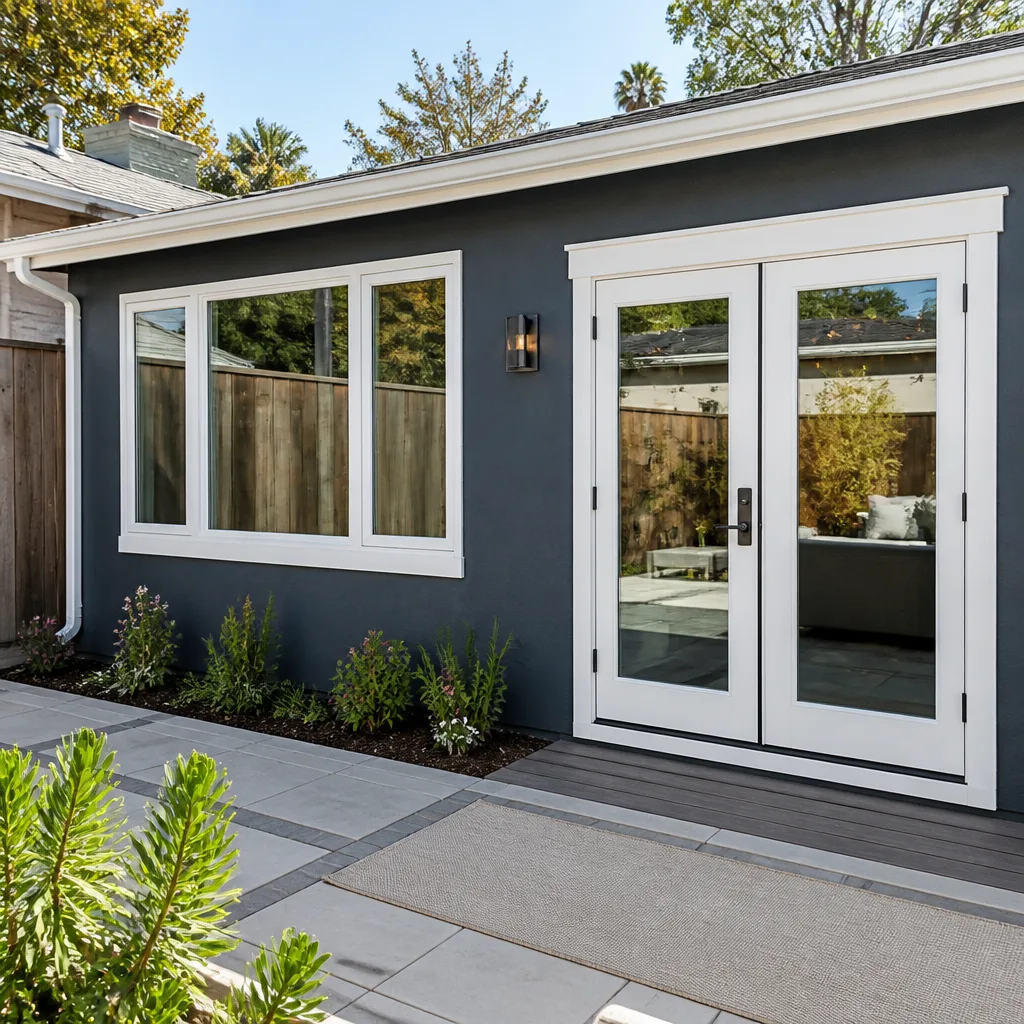 After
After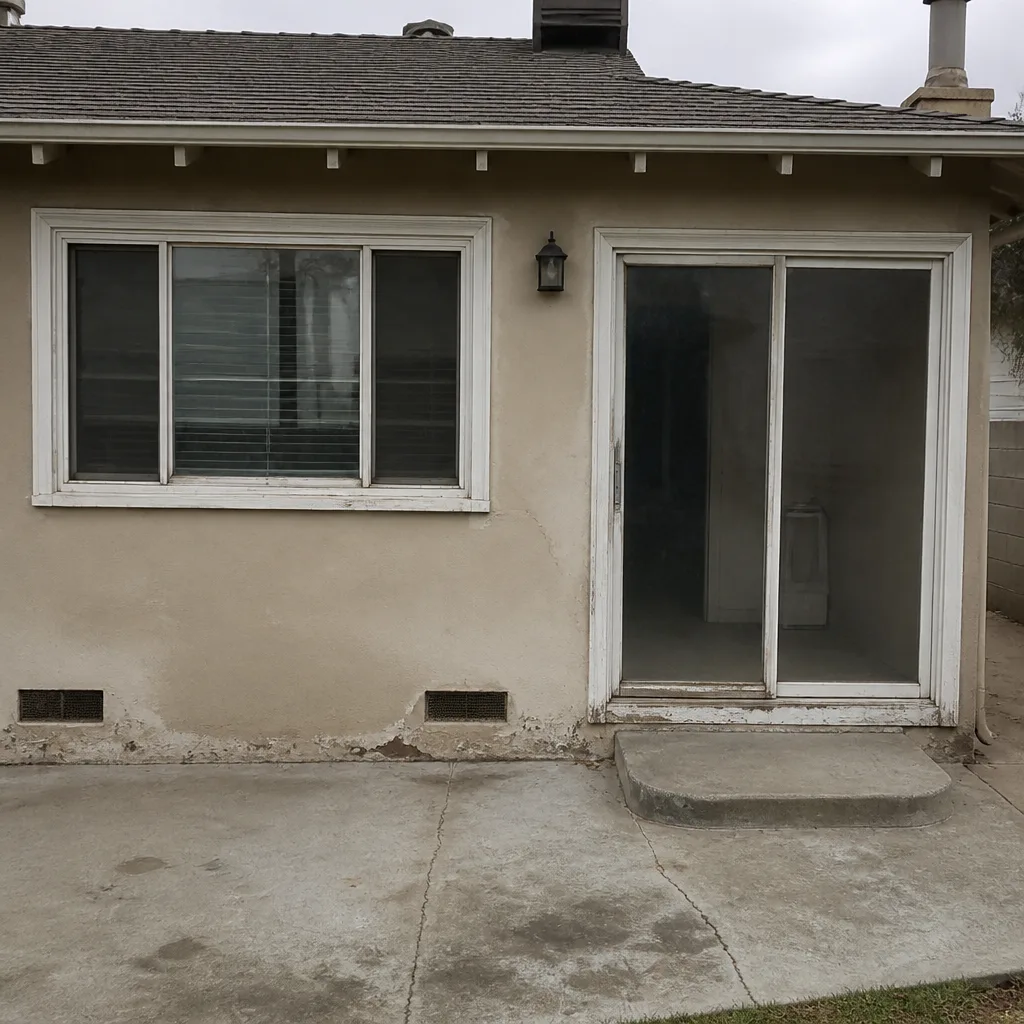 Before
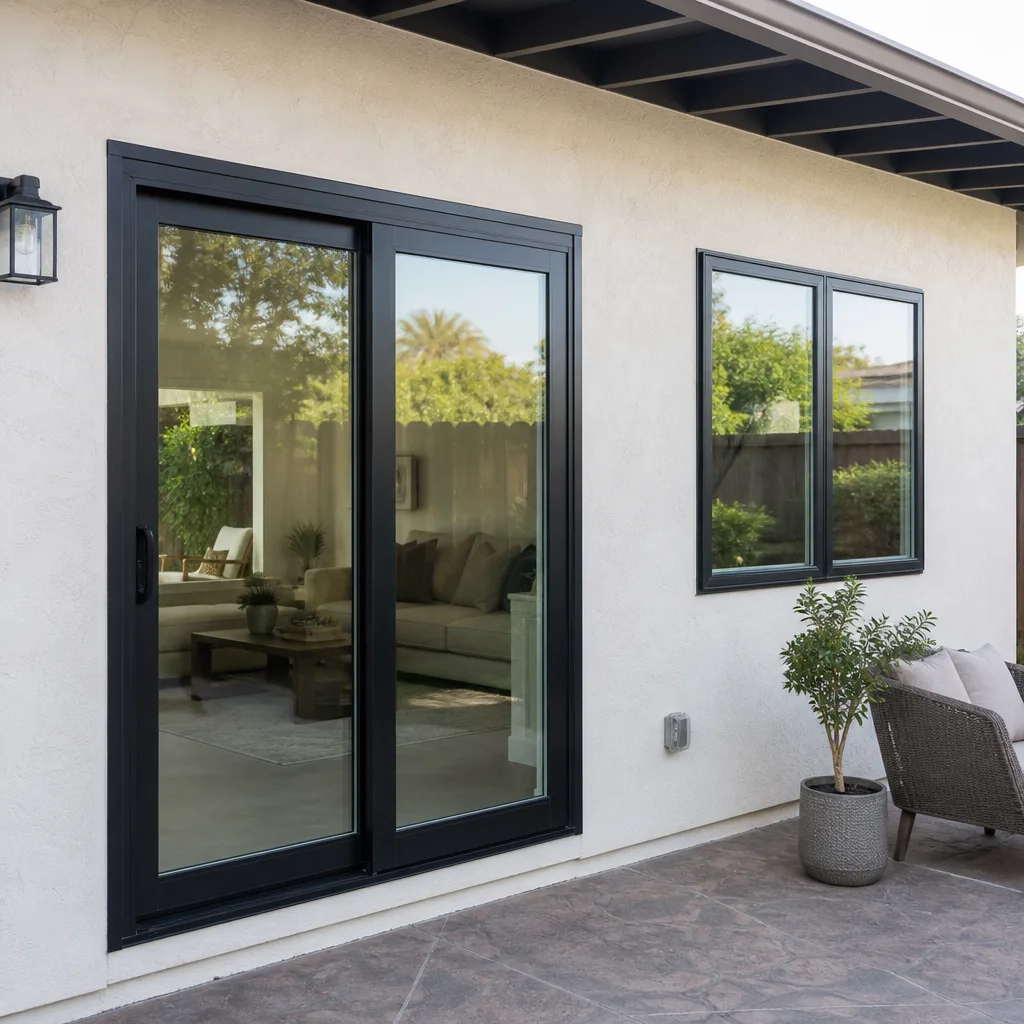 After
After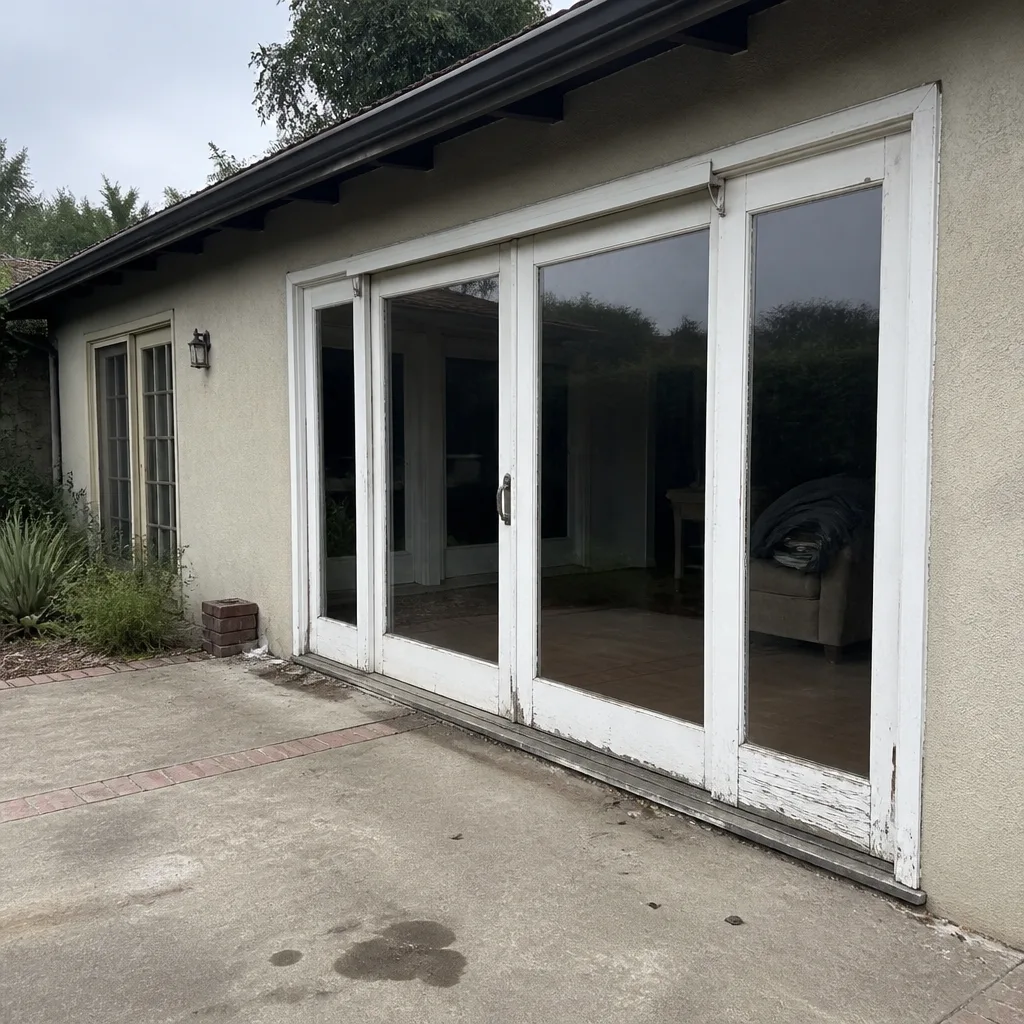 Before
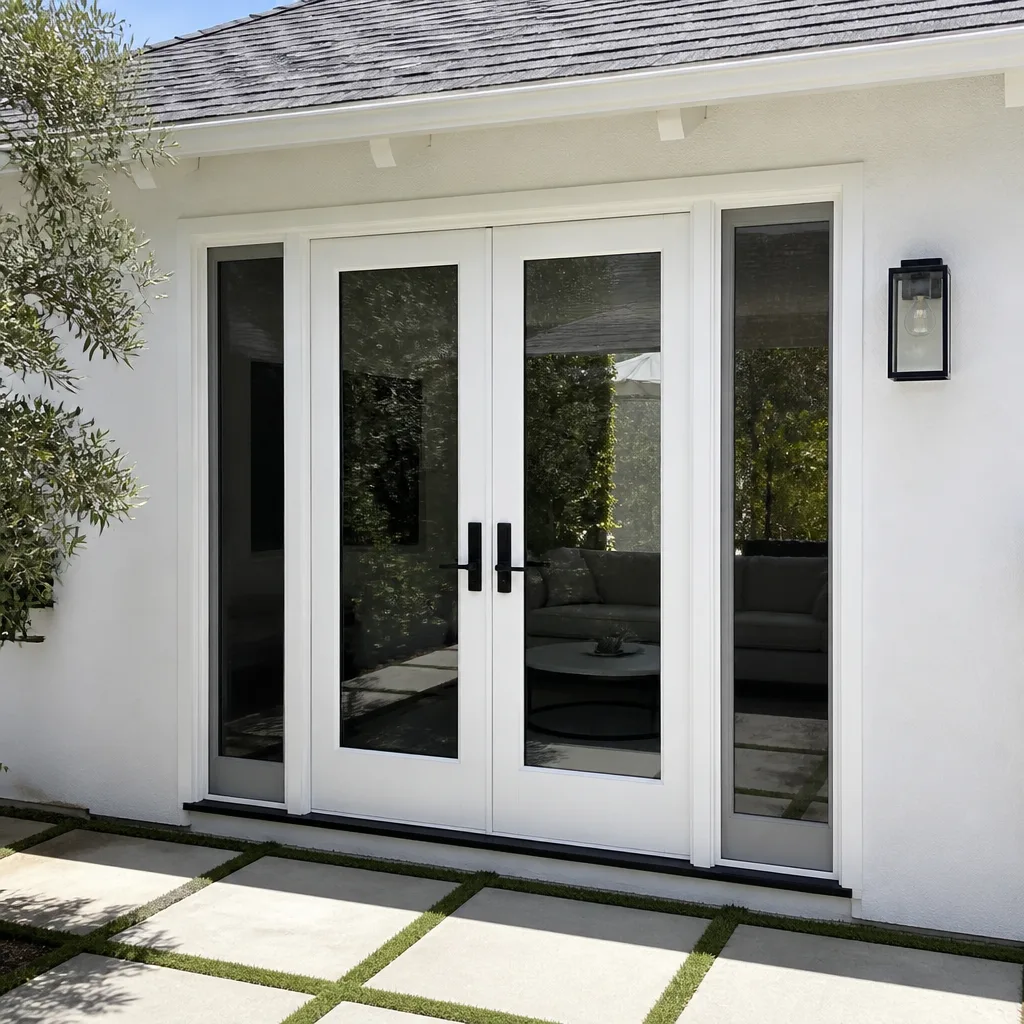 After
AfterWindow Replacement Maintenance Schedule: What to Do and When
Silicone sealant around a window frame has a service life of 7 to 10 years in Los Angeles’ UV-intense climate. Most homeowners never check it until water is already inside the wall, staining the drywall and rotting the stud. By then, the repair costs more than a decade of maintenance ever would. This guide gives you a month-by-month schedule calibrated to Southern California’s weather, the three annual tasks that actually protect your warranty, and the records you should keep to support a claim if a defect appears years down the road. For related more guides & resources, see our blog.
Quick Answer
A replacement window needs three maintenance passes per year in Los Angeles: a spring UV and frame check, a fall sealant and weep hole inspection before the first Pacific storm, and a hardware lubrication pass every 12 months. Sealant should be replaced every 7 to 10 years. Most homeowners can handle the inspections themselves in under an hour total, and the cost of replacement sealant is under $40 per window when you do it before water gets in.
Table of Contents
- Why Replacement Window Maintenance Actually Matters
- The Three Annual Maintenance Passes
- March: The Spring UV Audit for Los Angeles Homes
- October: The Pre-Rainy-Season Checklist
- How to Lubricate Window Hardware Without Voiding the Warranty
- The 7-Year Sealant Replacement Rule and How to Do It Right
- Record-Keeping That Protects Your Warranty
- The Full Maintenance Schedule at a Glance
- Common Mistakes to Avoid
- When to Call a Professional
- Frequently Asked Questions
- The Bottom Line
Why Replacement Window Maintenance Actually Matters
A replacement window is a 20-to-30-year asset. That is the manufacturer’s stated lifespan for quality vinyl, fiberglass, or composite frames from lines like PGT, CGI, and ViewLux. But that lifespan assumes one thing the sales brochure never mentions: the sealant, gaskets, weep system, and hardware get checked and serviced on a schedule. Skip the maintenance, and a window that should last three decades can fail in twelve years. We’ve pulled windows out of Los Angeles homes where the frame was still square and the glass was still sealed, but the surrounding wall cavity was rotting because a bead of silicone failed seven years earlier and nobody looked.
Maintenance also protects your warranty. Most manufacturers, including PGT and CGI, write their coverage to exclude damage caused by neglected sealant or obstructed weep holes. If water gets in because the weep system was clogged with debris and the homeowner never cleared it, the warranty claim gets denied. The maintenance schedule below costs under $100 per year in time and materials for a typical 12-window house. That is cheap insurance against a $12,000 full-frame replacement.
The Three Annual Maintenance Passes
You do not need a 50-item checklist. In our experience installing and servicing windows across Los Angeles, three focused passes per year catch 95% of the problems that shorten a window’s life. Each pass takes less than an hour for a standard single-story home.
- Spring UV pass (March): Inspect frame material for chalking, warping, or fading caused by LA’s 280-plus annual sunshine days. Check interior condensation patterns. Clean the glass and inspect the glazing bead.
- Pre-rain pass (October): Inspect exterior sealant around all four sides of every window. Clear weep holes. Check weatherstripping compression. Lubricate hardware before the first Pacific storm arrives.
- Lubrication pass (every 12 months, pick your month): Clean and lubricate moving parts: casement operators, double-hung balances, sliding track rollers. This pass can ride along with either the spring or fall pass.
If you do only one of these, do the October pre-rain pass. Water intrusion is the single most expensive window failure mode in Los Angeles, and it almost always starts at the sealant line or a blocked weep hole.
March: The Spring UV Audit for Los Angeles Homes
Los Angeles gets more than 280 days of measurable sunshine per year. That is roughly 3,000 hours of direct UV exposure on south-facing and west-facing windows. Vinyl and composite frames are built for this, but they are not immune to it. The spring audit is a direct answer to the question: how is the sun treating my frames?
Walk the outside of your home in March, when the rainy season is ending and before the summer sun peaks. Bring a damp cloth and a flashlight. Here is what to check:
- Chalking on vinyl frames: Run your finger across the vinyl surface, especially on south-facing windows. A fine, powdery white residue is chalking, a sign the top layer of the vinyl compound is breaking down. Light chalking is normal after 5 to 8 years. Deep chalking or any pitting means the frame’s UV stabilizers are failing, and you should call a professional to assess whether the window needs replacement before the frame loses its weatherproofing integrity.
- Warping on dark-colored frames: Dark bronze or black frames on a west-facing wall in the San Fernando Valley can reach surface temperatures above 140 degrees on a July afternoon. Check for bowing or gaps between the sash and the frame. A 1/8-inch gap that was not there a year ago is a red flag.
- Fogging between glass panes: Stand inside and look through the glass at a slight angle with the light hitting it. Any haze, cloudiness, or moisture between the panes means the insulated glass unit seal has failed. The gas fill (usually argon) has leaked out and the unit’s insulating value is gone. This is a warranty item with most manufacturers, including ViewLux, but only if the window is still within its glass seal warranty period, which is typically 10 to 20 years depending on the line.
- Interior condensation: Persistent condensation on the inside face of the glass in March, when LA humidity is low, often indicates the window is not sealing properly against the frame. Check the weatherstripping. A quick dollar bill test works: close the window on a dollar bill and pull. You should feel resistance. If it slides out with no drag, the weatherstripping has compressed and needs replacement.
This spring pass is also the time to clean the glass with a mild soap solution and inspect the glazing bead, the strip that holds the glass into the sash, for cracks or shrinkage. Any cracked glazing bead should be replaced before the fall rains arrive.
October: The Pre-Rainy-Season Checklist
In Los Angeles, the first meaningful Pacific storm usually arrives in late October or early November. The months of November through March deliver most of the region’s annual rainfall, and that rain comes in bursts: a single atmospheric river event can drop three inches in 24 hours. Water finds any opening, and the pressure of wind-driven rain against a south-facing window is relentless.
The October checklist, in order:
- Inspect exterior sealant. Walk the perimeter of every window and run a chopstick or a plastic putty knife gently along every bead of caulk or sealant where the frame meets the wall skin: stucco, wood siding, or Hardie board. Look for any crack, gap, or separation. In stretches of stucco homes in the South Bay and the Westside, we routinely find hairline separations where the stucco moves differently from the window frame during temperature swings. A 1/16-inch crack is enough for water to wick in through capillary action.
- Clear the weep holes. Every vinyl and aluminum window has small drainage holes on the exterior bottom rail of the frame. Their entire job is to drain water that gets past the outer seal. When they clog with dirt, spider webs, or paint, water backs up inside the frame and spills over into the wall. Use a thin wire or a can of compressed air to clear each one. You should be able to see daylight through every weep hole.
- Check weatherstripping. Open each window and inspect the weatherstripping gaskets on the sash and the frame. Look for compression, tearing, or missing sections. This is also where you do the dollar bill test described above. Weatherstripping on a window that gets daily use in a coastal Los Angeles neighborhood like Playa Vista or Long Beach typically needs replacement every 5 to 7 years because the salt air accelerates rubber degradation.
- Lubricate the hardware. See the lubrication section below. Moving parts that are stiff or grinding in October will get worse when winter temperature swings tighten everything up.
- Check the interior window sills for water stains. Walk the inside of the house and inspect every sill, especially in bedrooms on the windward side of the house. A faint brown ring or a water line on the drywall below the sill is evidence that moisture got in at some point. If you see this, call a professional before the rainy season starts.
This October pass is the highest-return hour you will spend on your home all year. The cost of a tube of exterior-grade silicone sealant is under $15. The cost of repairing water-damaged framing inside a wall starts around $800 and goes up fast.
How to Lubricate Window Hardware Without Voiding the Warranty
Hardware lubrication is the most skipped maintenance task on replacement windows, and the most misunderstood. The wrong lubricant can attract dust, gum up tracks, and void a manufacturer’s hardware warranty. The right approach depends on the type of window you have.
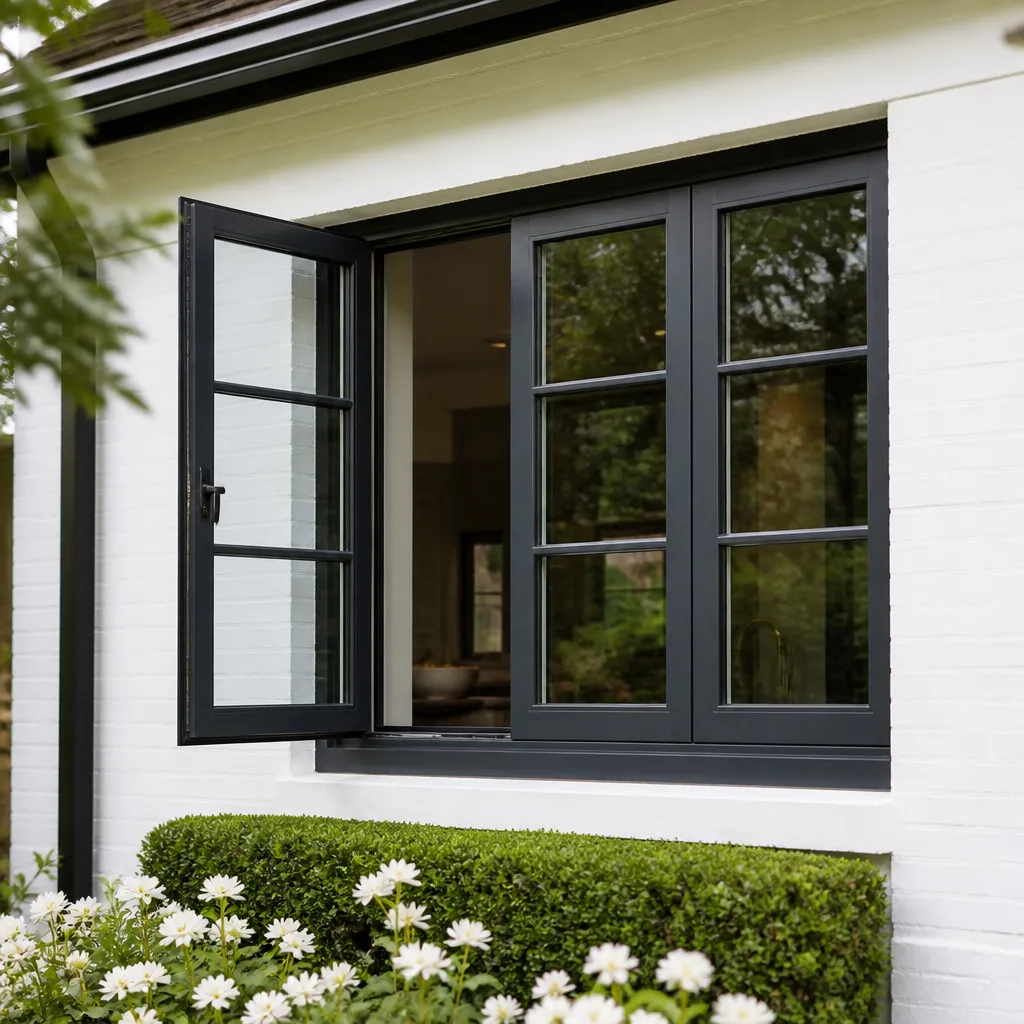
Casement windows: A casement window opens outward on a hinge using a crank operator. The operator mechanism lives at the bottom of the frame, inside. To service it:
- Open the window fully and wipe the hinge arms with a clean, dry cloth to remove old grease and grime.
- Apply a dry silicone spray lubricant, not a petroleum-based grease, to the hinge pivot points and the operator gear. Petroleum products harden in LA’s heat and attract grit.
- Crank the window open and closed three or four times after lubricating to work the lubricant through the gear.
- Never use WD-40 on a casement operator. It is a solvent first and a lubricant second, and it degrades the nylon bushings inside the mechanism over time. This is a specific failure we see on older casement windows in Pasadena and Altadena bungalows.
Double-hung windows: These slide vertically on spring balances in the side jambs. The balance channel is the concern. To service:
- Tilt the sash inward per the manufacturer’s release mechanism, usually small clips at the top of the sash.
- Wipe down the balance channels with a dry cloth. Vacuum out any debris with a brush attachment.
- Spray a small amount of dry silicone lubricant into the balance channels. One or two short sprays per channel is enough. Too much lubricant will drip down and stain the sill.
- Do not lubricate the spring mechanism itself. The coil or block-and-tackle balance is a sealed or semi-sealed system that does not require service. Adding lubricant to a balance spring is how we see homeowners cause sashes to drop.
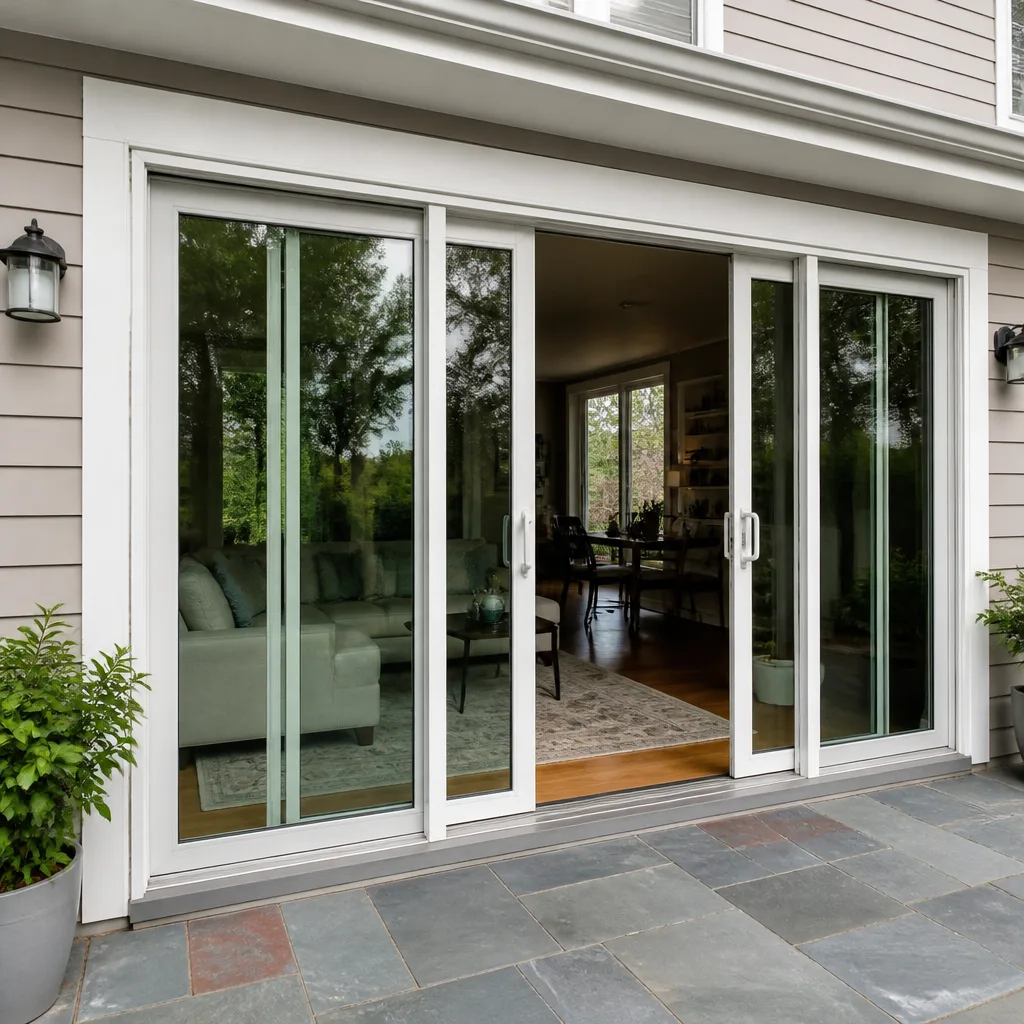
Sliding windows and patio doors: These ride on rollers along a bottom track. To service:
- Vacuum the track thoroughly. Most slider problems are not a lubrication issue at all, they are a track full of sand, pet hair, and grit. In Los Angeles, fine dust from the Santa Ana winds settles into slider tracks constantly.
- Inspect the rollers. Many rollers on newer windows from lines like CWS and PGT have sealed bearings that never need lubrication. If the roller is worn flat or the wheel wobbles, lubrication will not fix it. The roller needs replacement.
- If the track is clean and rollers are intact but the window is still stiff, apply a silicone-based track lubricant sparingly. One pass on the track, then slide the window back and forth. Do not use graphite powder; it migrates onto the frame and stains light-colored vinyl.
Here is the universal rule: dry silicone spray only, nothing oil-based, and clean before you lubricate. All eight manufacturer lines we carry, including ViewLux and PGT, state in their care guides that petroleum-based lubricants void the hardware warranty. The warranty is written. Protect it.
The 7-Year Sealant Replacement Rule and How to Do It Right
Exterior sealant around a window frame is a wear item, not a permanent installation. In Los Angeles’ UV-intense climate, the leading edge of a silicone or polyurethane sealant bead begins to lose adhesion at the 7-year mark on sun-exposed elevations: south and west walls. By year 10, you are on borrowed time. This is not a guess. Sealant manufacturers themselves rate their exterior products for 7 to 10 years of UV exposure before adhesion loss becomes likely.
The fix is to remove the old sealant and replace it. Here is the process, and a caution: this is a straightforward job on a ground-floor window with a flat bead, but it requires a ladder and careful work on second-story windows. If you are uncomfortable on a ladder, hire a professional. The Labor and Materials cost for sealant replacement on a typical 12-window home in Los Angeles runs $800 to $1,800, depending on access and scope.
Step-by-step sealant replacement:
- Remove the old sealant. Cut the old bead with a utility knife, then pull it out in strips. A 5-in-1 painter’s tool works well for scraping stubborn sections. Remove all of it. New sealant does not bond to old sealant reliably.
- Clean the joint. Wipe the gap between the frame and the wall skin with mineral spirits on a rag. The surfaces need to be clean and dry. Any dust or old sealant residue will compromise the new bead’s adhesion.
- Assess the gap width. If the gap between the window frame and the wall skin is wider than 1/4 inch and deeper than 1/2 inch, you need backer rod. Backer rod is a foam cord you push into the gap first to fill the void. It does two things: it limits the depth of the sealant bead (sealant should be about half as deep as it is wide for proper flex) and it prevents the sealant from sagging into a deep crevice. Cut a piece of closed-cell backer rod and press it into the gap with a putty knife to a depth that leaves about 1/4 to 3/8 inch of space for the sealant.
- Mask the edges. Run painter’s tape along both sides of the gap, flush with the frame and the wall. This is the difference between a professional-looking bead and a smeared mess. Take the extra five minutes.
- Apply the sealant. Use a 100% silicone exterior sealant from a caulk tube in a caulking gun. Cut the tip at a 45-degree angle. Apply a steady, continuous bead, pushing the gun rather than dragging it, filling the gap fully. Tool the bead with a wet finger or a smoothing tool within two minutes of application, while the silicone is still workable.
- Pull the tape. Remove the painter’s tape immediately after tooling, while the silicone is still wet. Pull it away at a sharp angle. Wait until the next day and you will be cutting the tape out of the cured bead.
- Leave it alone for 24 hours. Full cure takes 24 to 48 hours depending on humidity. Do not get it wet during that window.
A properly installed silicone bead will last another 7 to 10 years. And here is what the Meridian Windows & Doors home team sees too often: homeowners in Burbank, Glendale, and the foothill neighborhoods east of the 5 freeway, where the summer heat is punishing, get 5 to 7 years out of a south-facing bead. Check those elevations first.
Record-Keeping That Protects Your Warranty
Here is the scenario that makes this section worth reading. You install a replacement window in 2024. In 2031, the glass unit fogs between the panes. You file a warranty claim with the manufacturer. The representative asks: did you inspect the sealant annually? Did you clear the weep holes? Do you have records of the maintenance? If the answer is no, the claim may be denied as neglect, even though the glass seal failure probably had nothing to do with sealant. This is how warranty departments operate.
What to log after each maintenance pass:
- The date of the inspection and what you found.
- Photos, time-stamped, of each window from the outside: the sealant condition, the frame condition, the weep holes after clearing. Store them in a folder on your phone or cloud drive. Seven years of photos take up almost no space and shut down a denial fast.
- Actions taken: weep holes cleared on the east elevation, sealant bead replaced on the kitchen window, silicone lubricant applied to the casement operator in the primary bedroom.
- Products used: the brand and product name of any sealant or lubricant. Different manufacturers have different compatibility requirements. Documenting that you used a 100% silicone exterior sealant and a dry silicone spray lubricant that matches the manufacturer’s care instructions is the difference between a valid claim and an argument.
- Any anomalies: a faint water stain on the north bedroom sill that was not there last October, a sash that is stiffer than it was in March. Note it. If it becomes a warranty issue three years later, your dated note establishes the timeline.
Keep the original invoice from your Window Installation in Los Angeles project, the manufacturer’s warranty card, and your maintenance log in the same folder. Ten minutes of logging, twice a year, can protect a $15,000 to $40,000 whole-house window investment.
The Full Maintenance Schedule at a Glance
Here is the complete schedule, condensed. Keep a printed copy in the garage or a screenshot on your phone.
- March (spring UV pass): Check vinyl frames for chalking. Check sash alignment and seals. Clean glass with mild soap. Inspect glazing bead. Note any fogging between panes.
- March (lubrication, optional but recommended): Dry silicone spray on casement operators, double-hung balance channels, and slider tracks that need it.
- October (pre-rain pass): Inspect exterior sealant on every window. Clear weep holes with compressed air or wire. Check weatherstripping with the dollar bill test. Look for water stains on interior sills.
- October (lubrication, if not done in spring): Same dry silicone procedure for all moving parts.
- Year-round (monthly, 2 minutes): On each floor, glance at window sills after heavy rain or Santa Ana wind events. Water intrusion often shows itself within 24 hours of the storm. Catch it then, and the repair is almost always minor.
- Every 7 to 10 years: Full exterior sealant replacement on sun-exposed elevations, sooner on south and west walls.
- Every 5 to 7 years: Weatherstripping replacement on windows that get daily use, or sooner in coastal neighborhoods with salt air.
This schedule is calibrated to Los Angeles’ specific climate: the dry, UV-heavy summers; the short, intense rainy season; the coastal salt air zones; the valley heat zones; and the Santa Ana winds that drive fine dust into every track and hinge on the east side. A homeowner in Seattle or Miami would maintain a different schedule. This one is built for this city.
For a full look at the Patio Door Installation in Los Angeles options we carry, including slider and swing doors that fit the same maintenance model, visit that page. Patio doors are just large windows on roller hardware, and the same schedule applies.
Common Mistakes to Avoid
- Using WD-40 on window hardware. It is a solvent, not a lubricant. It strips existing lubricant and degrades nylon bushings inside operators and balances. More window hardware has been ruined by WD-40 than by neglect. Use dry silicone spray only.
- Caulking over old sealant. A fresh bead of silicone laid on top of a cracked bead does not bond correctly. It peels within one season. Remove the old sealant first.
- Painting over weep holes. This happens constantly in Los Angeles, especially on stucco homes that get repainted every 5 to 7 years. The painter masks the glass but not the frame. Paint fills the weep holes, water backs up, and the frame rots from the inside out. After any exterior painting job, walk the perimeter and confirm every weep hole is still open.
- Slamming the window closed to force a stiff sash into place. A window that is suddenly stiff is telling you something: the balance is failing, a roller is shot, or the frame has shifted. Forcing it damages the corners of the sash and can crack the seal between the panes.
- Ignoring the north and east elevations. Homeowners focus on south and west windows because the sun hits them. But water intrusion is more common on the windward side of the house during winter storms, which in Los Angeles is often the east or northeast elevation. Check every window, every time.
- Using bleach or harsh cleaners on the glass and frames. Ammonia-based glass cleaners are fine on the glass, but they degrade vinyl gaskets and weatherstripping over time. Use mild soap and water on frames; use ammonia-free glass cleaner or vinegar water on the glass.
- Leaving storm damage unreported until the rainy season ends. If a window takes a hit from a flying object during a Santa Ana wind event and the glass cracks, address it immediately. A cracked glass seal lets moisture into the insulated glass unit and turns a straightforward glass replacement into a full sash warranty issue.
When to Call a Professional
Most of this maintenance is within a handy homeowner’s reach. But there are lines. If you find a water stain on an interior sill or wall, with no other explanation, the sealant has already failed somewhere and water is in the wall cavity. That is not a caulk-and-pray situation; that is a professional inspection. The same goes for visible daylight around the sash, warped frames that prevent the window from locking, or any double-pane fogging during the manufacturer’s glass warranty period, where a proper claim requires professional diagnosis. Meridian Windows & Doors offers free estimates in Los Angeles: call (817) 686-2228 and we will send someone to look, tell you honestly what is wrong, and give you a written price before any work starts. Operating under The Garrison Standard since 2009, every inspection and repair is covered by the written 365-Day Done Right Promise: if it is not done right, we make it right, at no charge.
Frequently Asked Questions
Twice a year is the minimum for a Los Angeles home: once in March for UV and frame checks, and once in October before the rainy season for sealant, weep holes, and weatherstripping. Homes within five miles of the coast, or in the San Fernando Valley’s extreme heat zones, benefit from a third pass focused on hardware and weatherstripping. Call (817) 686-2228 for a free inspection if you find anything questionable.
DIY sealant replacement runs under $40 per window in materials. Professional sealant replacement for a typical 12-window Los Angeles home runs $800 to $1,800 depending on access, the extent of old sealant removal, and whether any backer rod is needed. Every quote from Meridian Windows & Doors is written before the work starts, so the price you see is the price you pay.
Yes. Manufacturers including PGT, CGI, and ViewLux exclude coverage for damage caused by neglected sealant, blocked weep holes, or improper lubrication. A dated maintenance log with photos, kept in a folder, is the single best tool for winning a warranty claim if a defect appears years after installation.
The 365-Day Done Right Promise is a written guarantee from Meridian Windows & Doors covering every installation and repair performed by our crews. If the work fails within 365 days of completion, we return at no charge and make it right. It is in writing, on every job, with no fine print about labor exclusions.
Inspection, weep hole clearing, and mild cleaning are homeowner tasks. Most Los Angeles homeowners can handle them in under an hour. Sealant replacement on a ground-floor window with a simple bead is also within reach with the steps in this guide. But sealing windows on a second story, facing a ladder, or any window where water damage is already visible inside, calls for a trained installer. Meridian Windows & Doors serves homes across Los Angeles and offers free estimates.
A quality vinyl or composite window from a manufacturer like PGT or ViewLux, properly maintained, lasts 20 to 30 years in Los Angeles. The limiting factor is not usually the glass or the frame. It is the sealant, the weatherstripping, and the hardware. Maintain those on the schedule in this guide, and the window itself will reach its full service life. For a deeper look at product options and what a full replacement involves, see our page on Window Replacement in Los Angeles.
The Bottom Line
A replacement window is a 20-to-30-year asset that most homeowners treat like a permanent installation. It is not permanent. It has wear items: sealant with a 7-to-10-year service life in Los Angeles sunshine, weatherstripping that compresses in 5 to 7 years, weep holes that clog with Santa Ana dust, and hardware that needs a dry silicone pass once a year. Three focused maintenance passes, once in March, once in October, and a hardware pass on your own calendar, catch nearly every preventable failure. Keep a simple log. When something goes wrong beyond the scope of a homeowner, the phone call should be to a professional who will give you a written price and back the work in writing. That is how we run every job at Meridian Windows & Doors.
Written by Elliot Vance, Owner at Meridian Windows & Doors, serving Los Angeles since 2009.