

Last updated October 9, 2026
Free in-home measure and quote - PGT, CGI and CWS impact lines compared on your actual openings, style by style
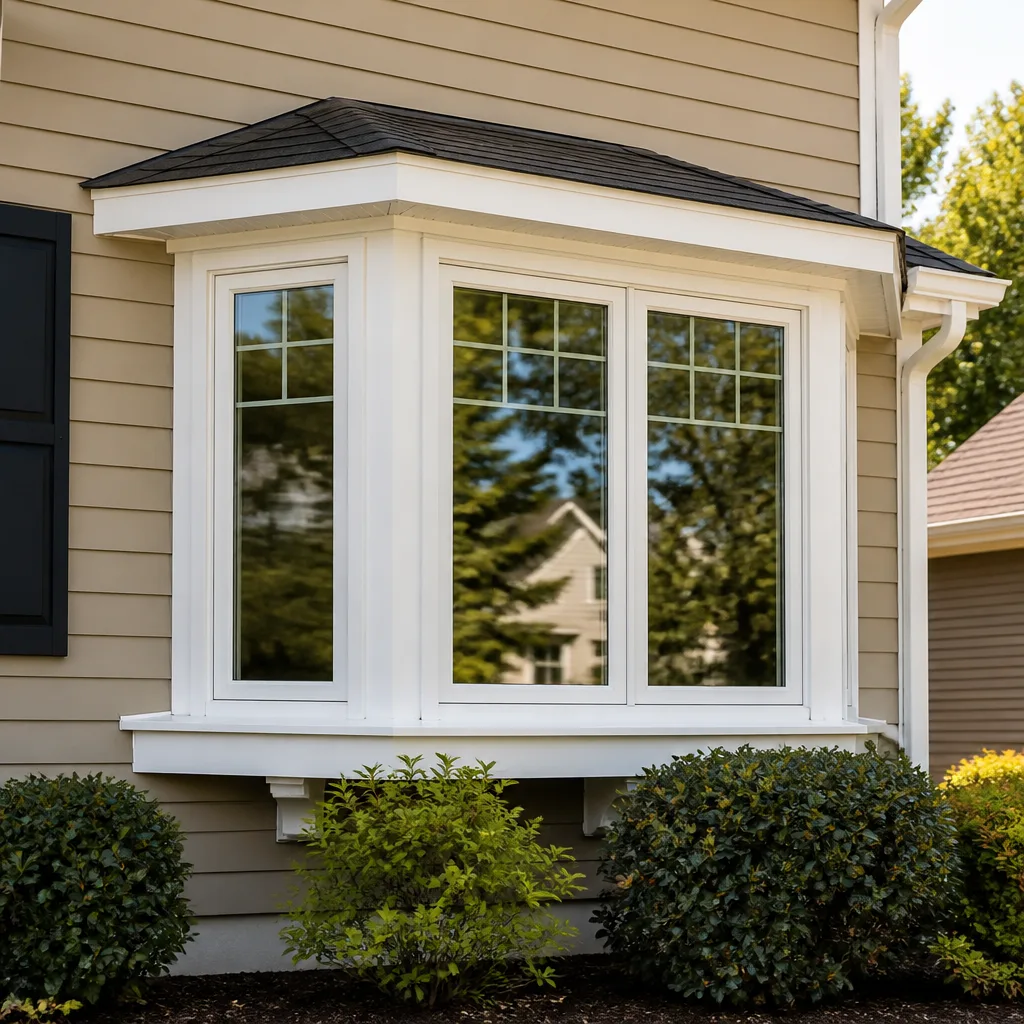
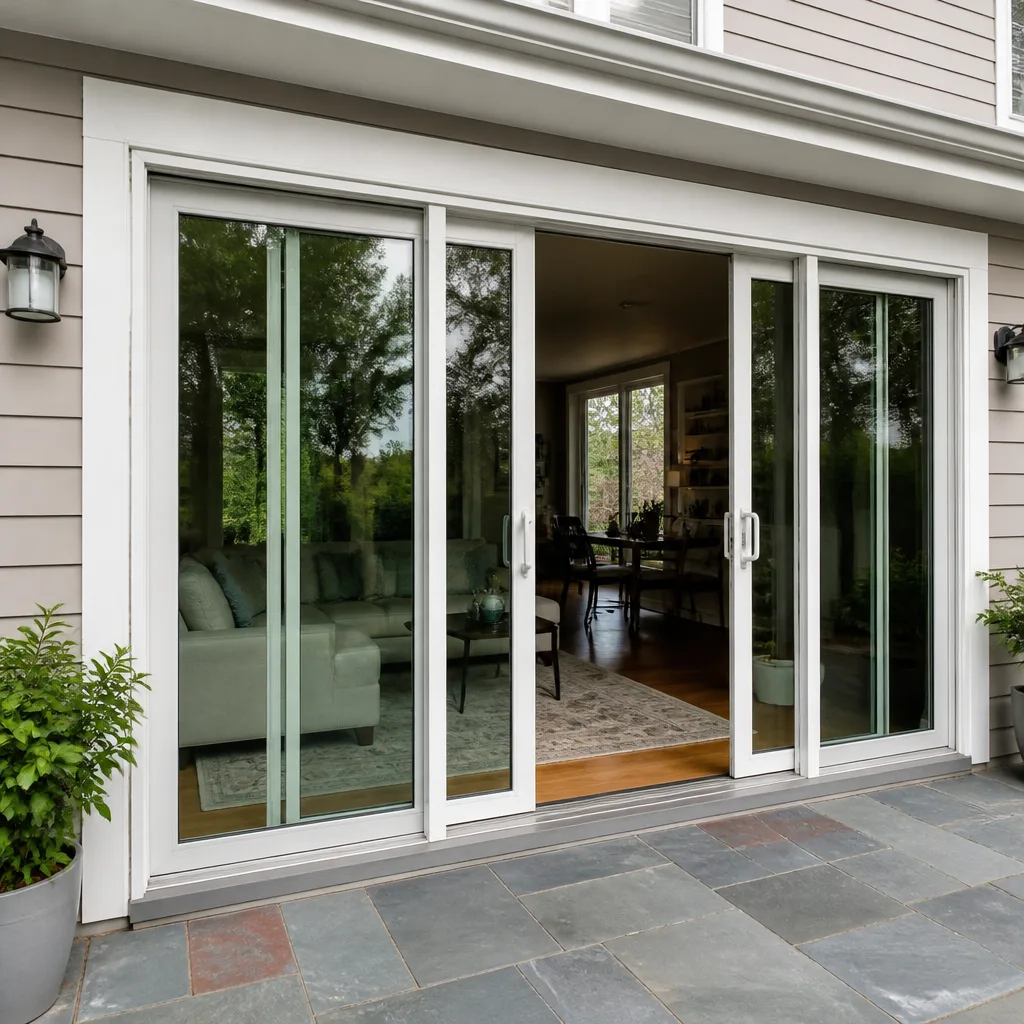
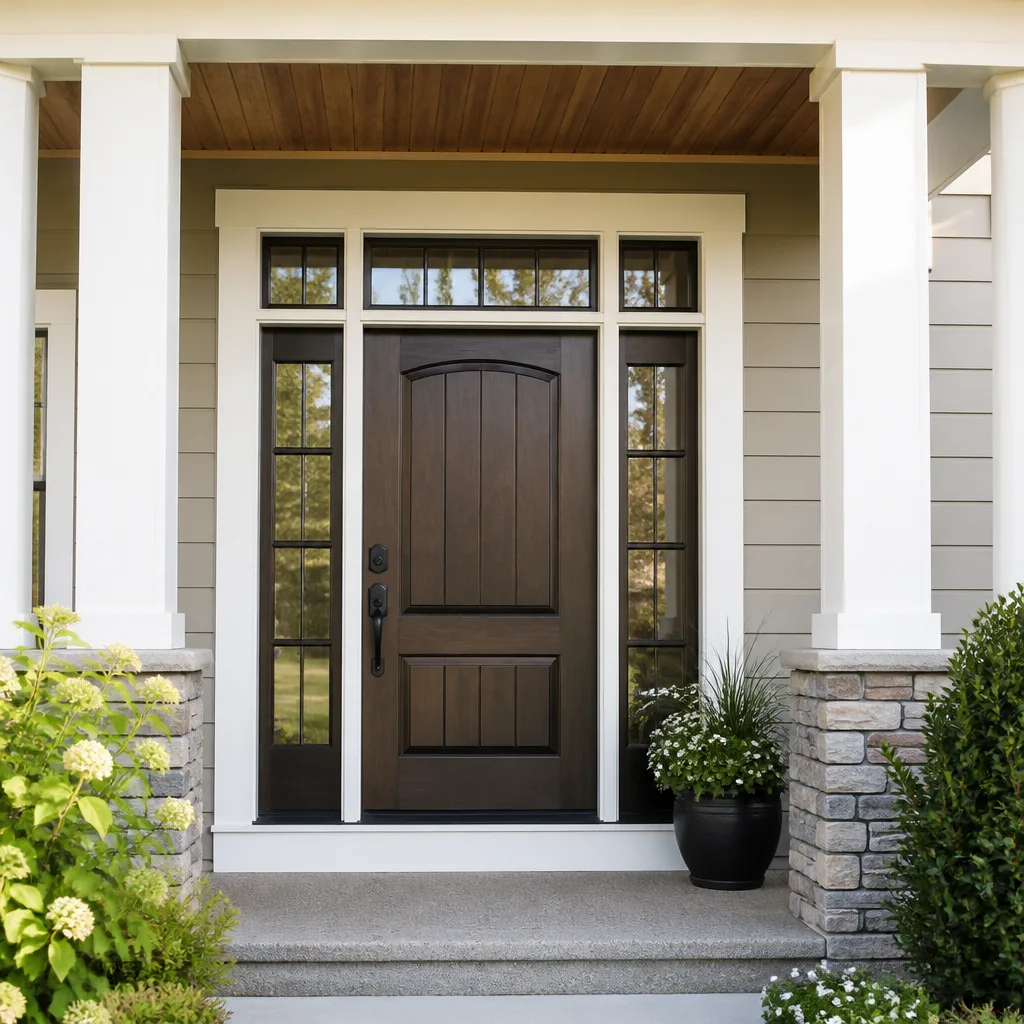
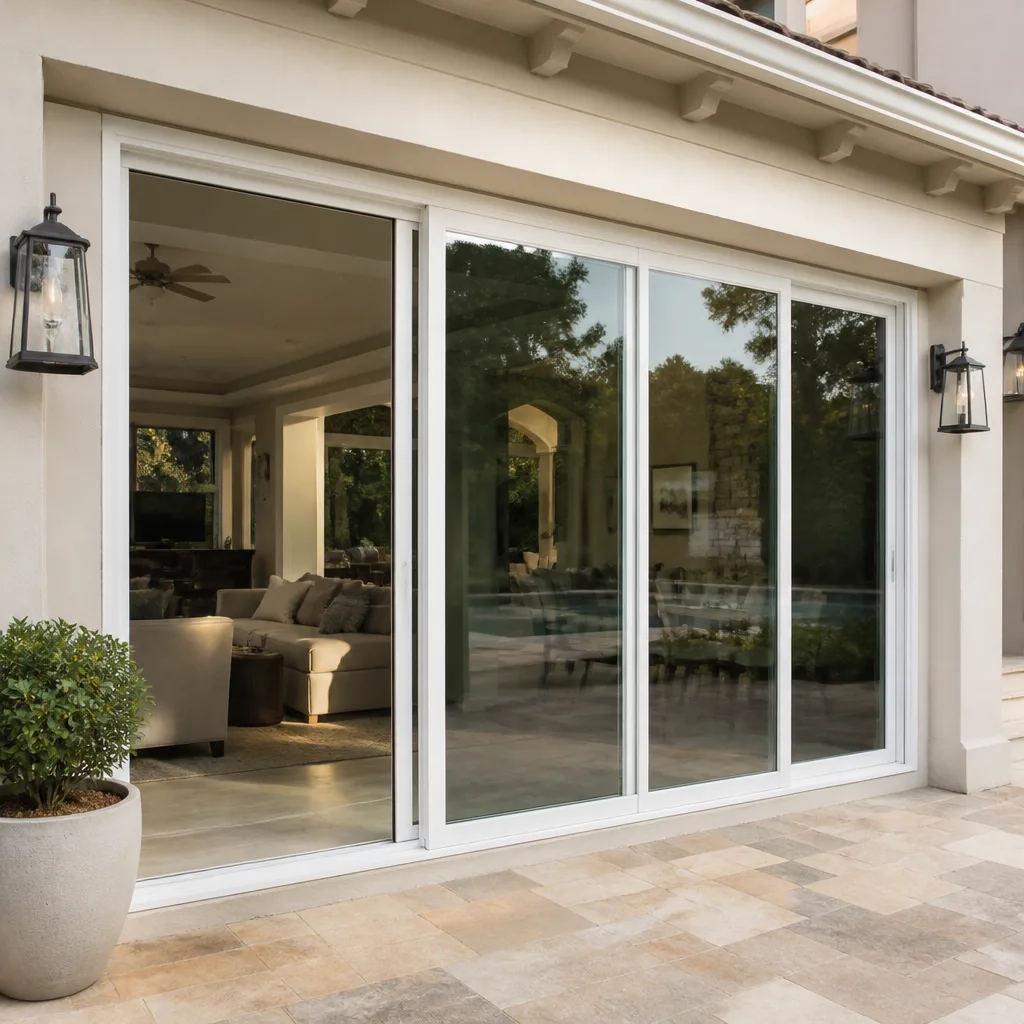
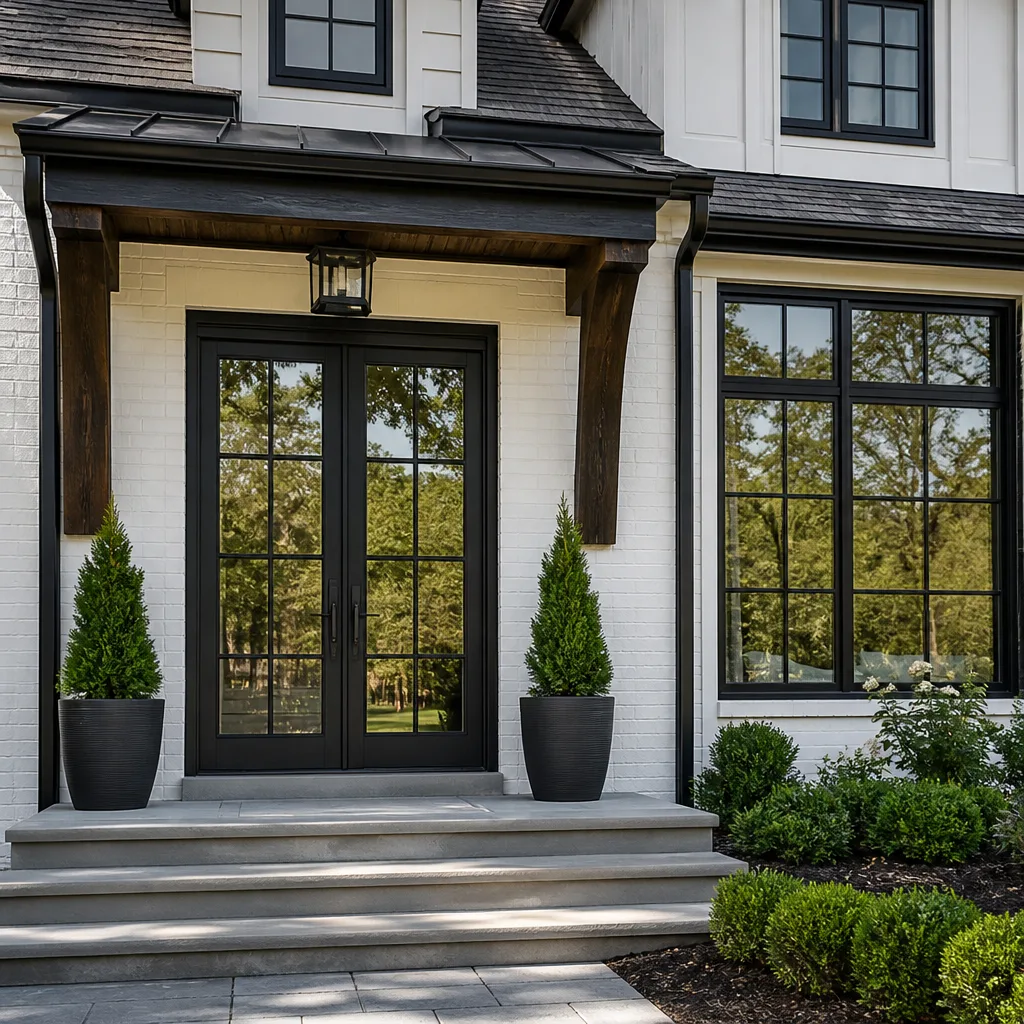
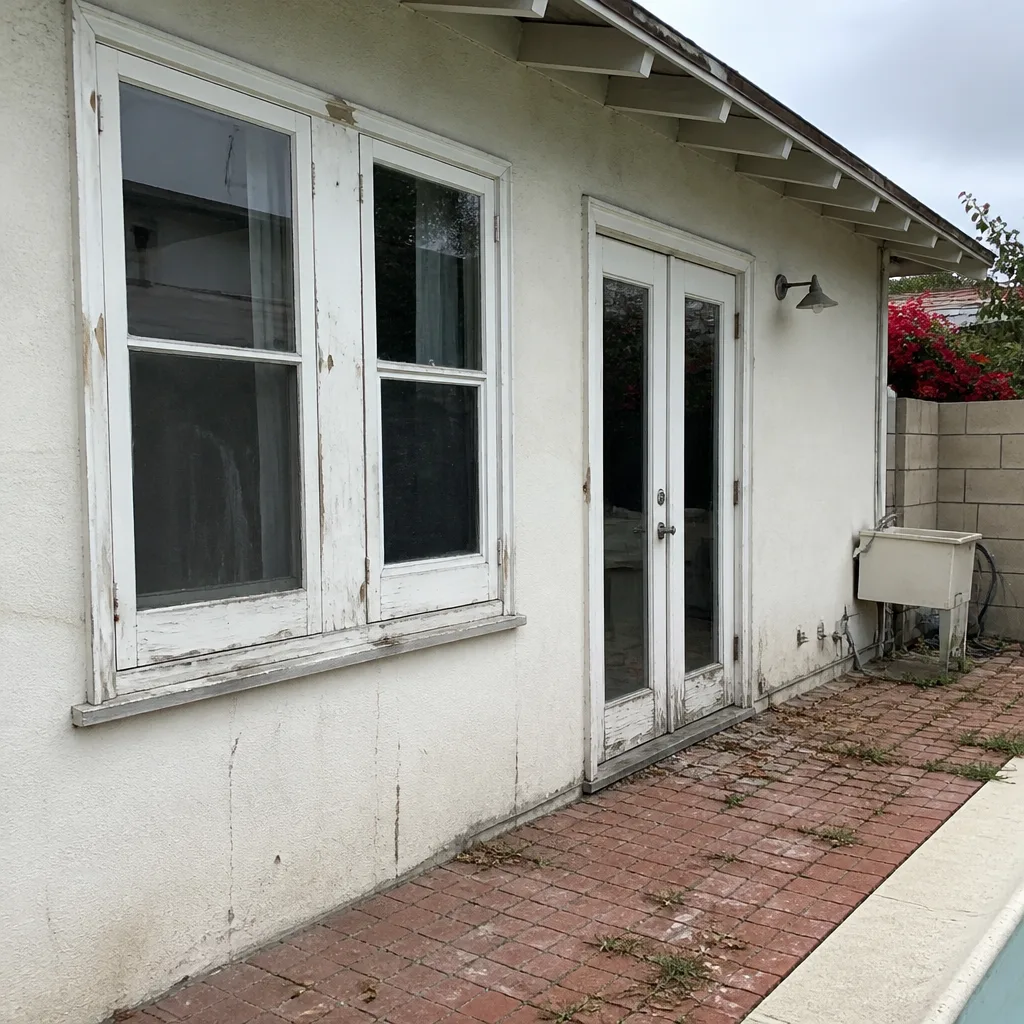 Before
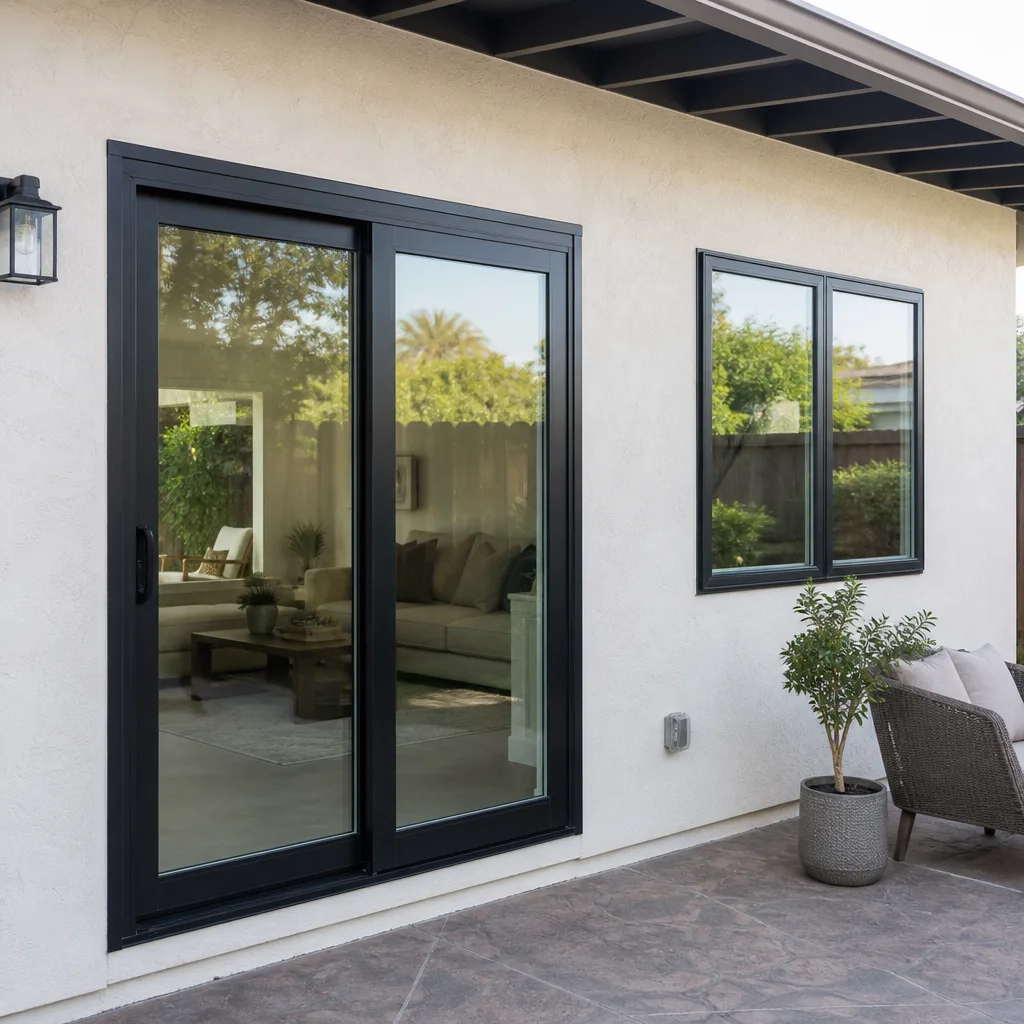
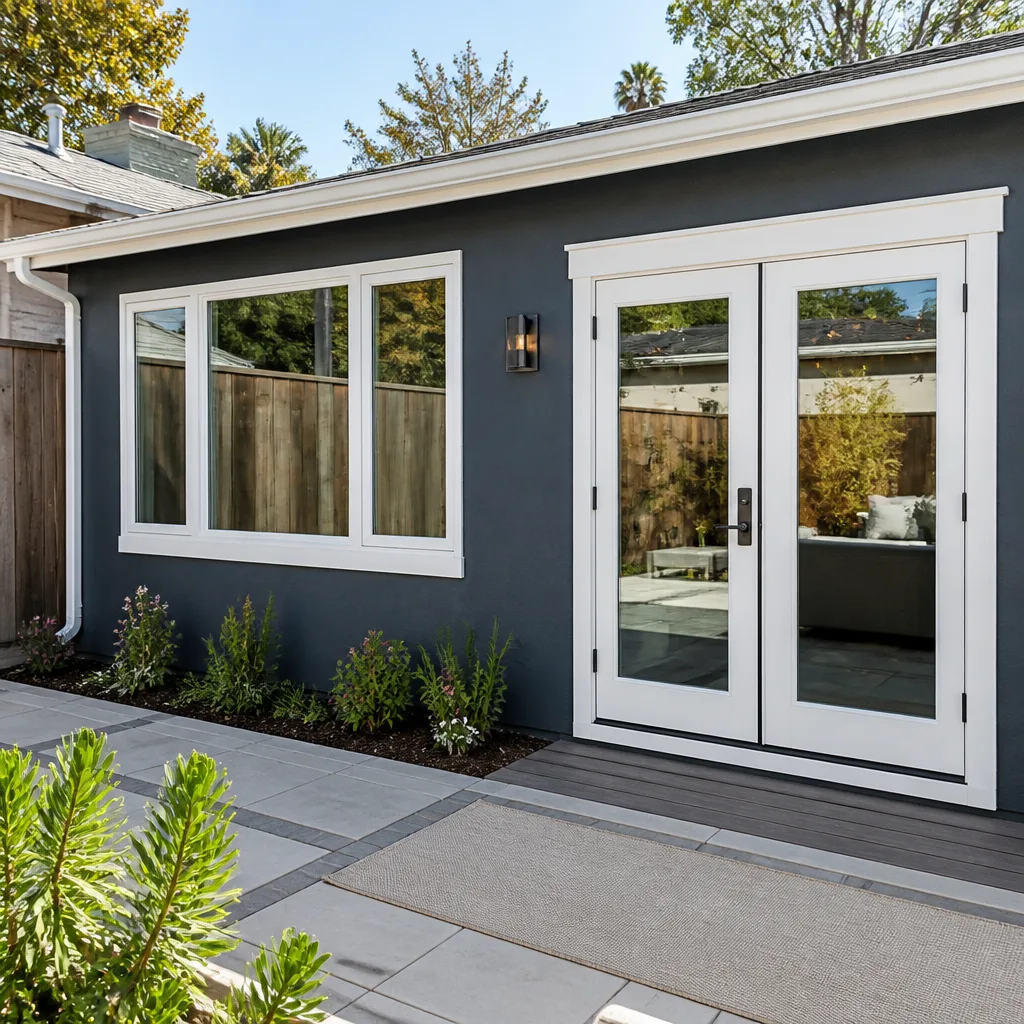 After
After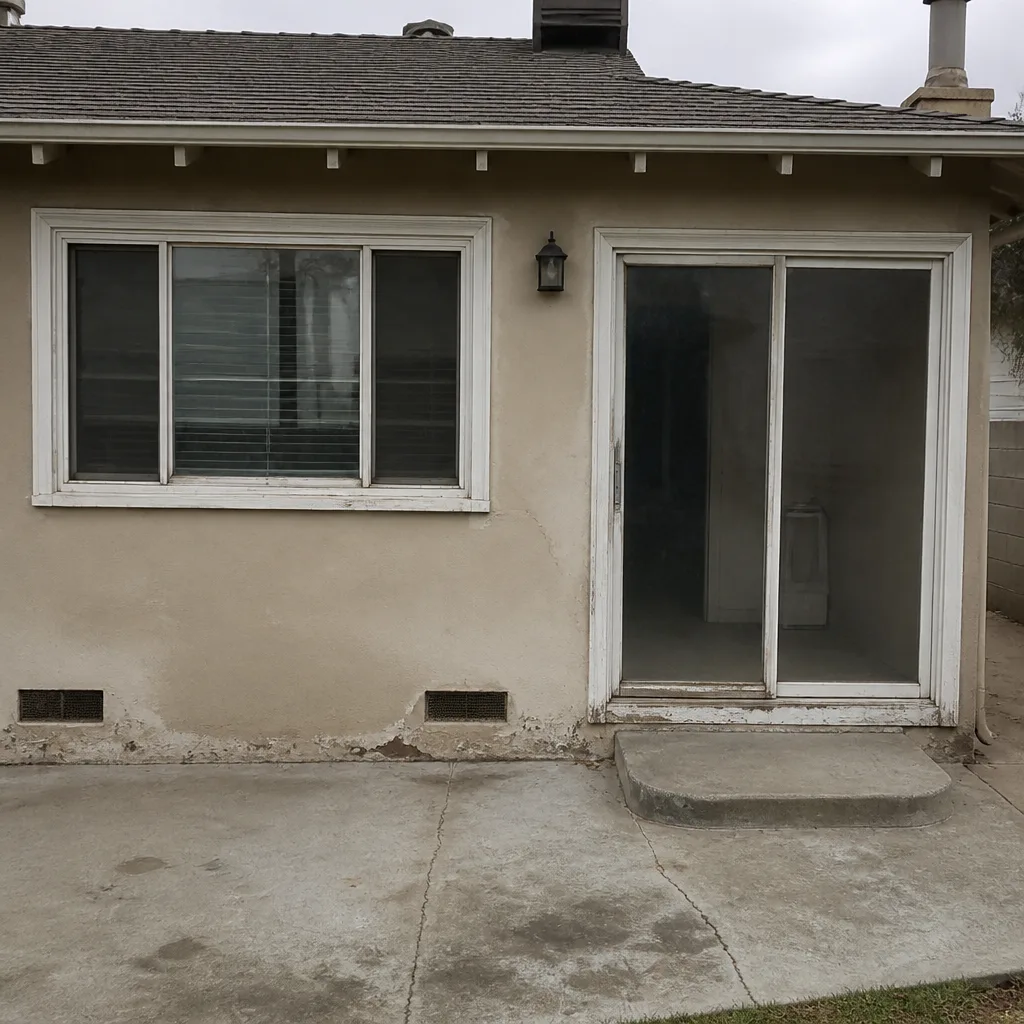 Before
 After
After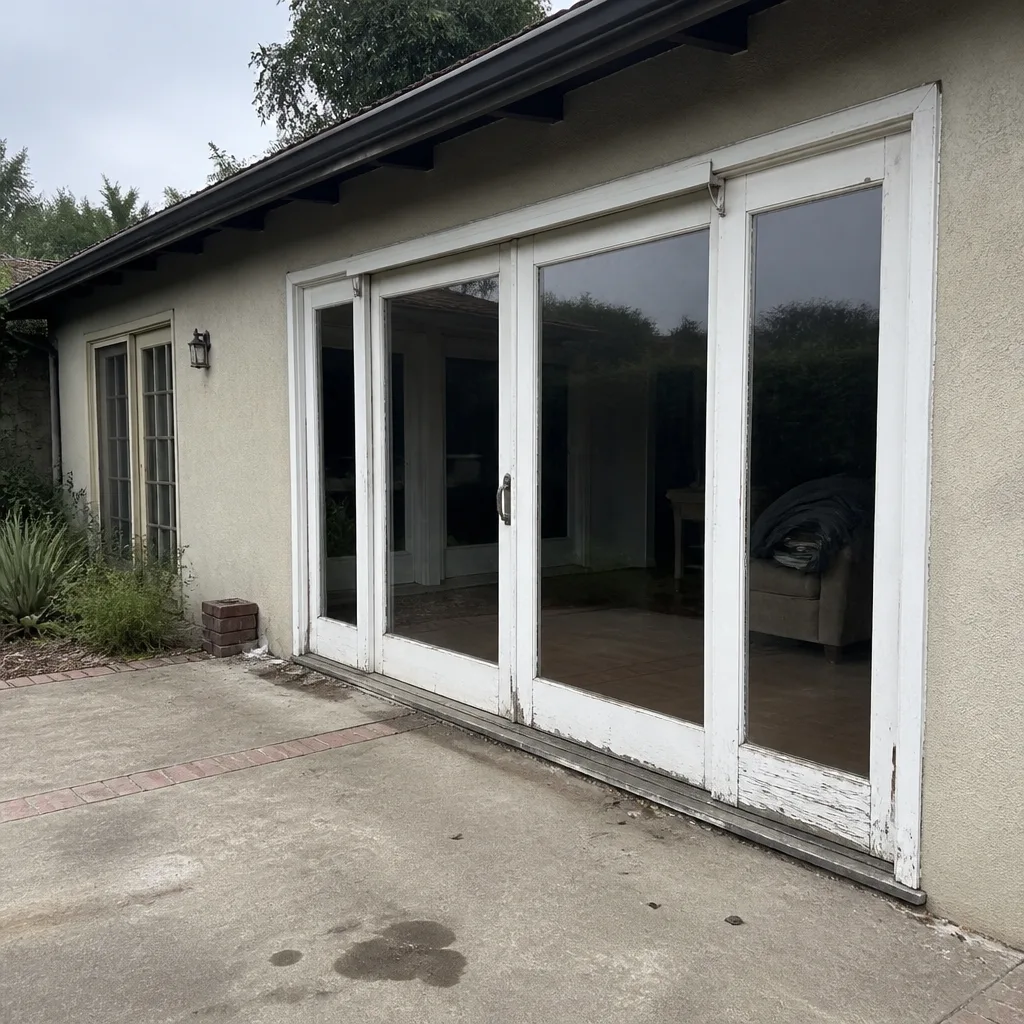 Before
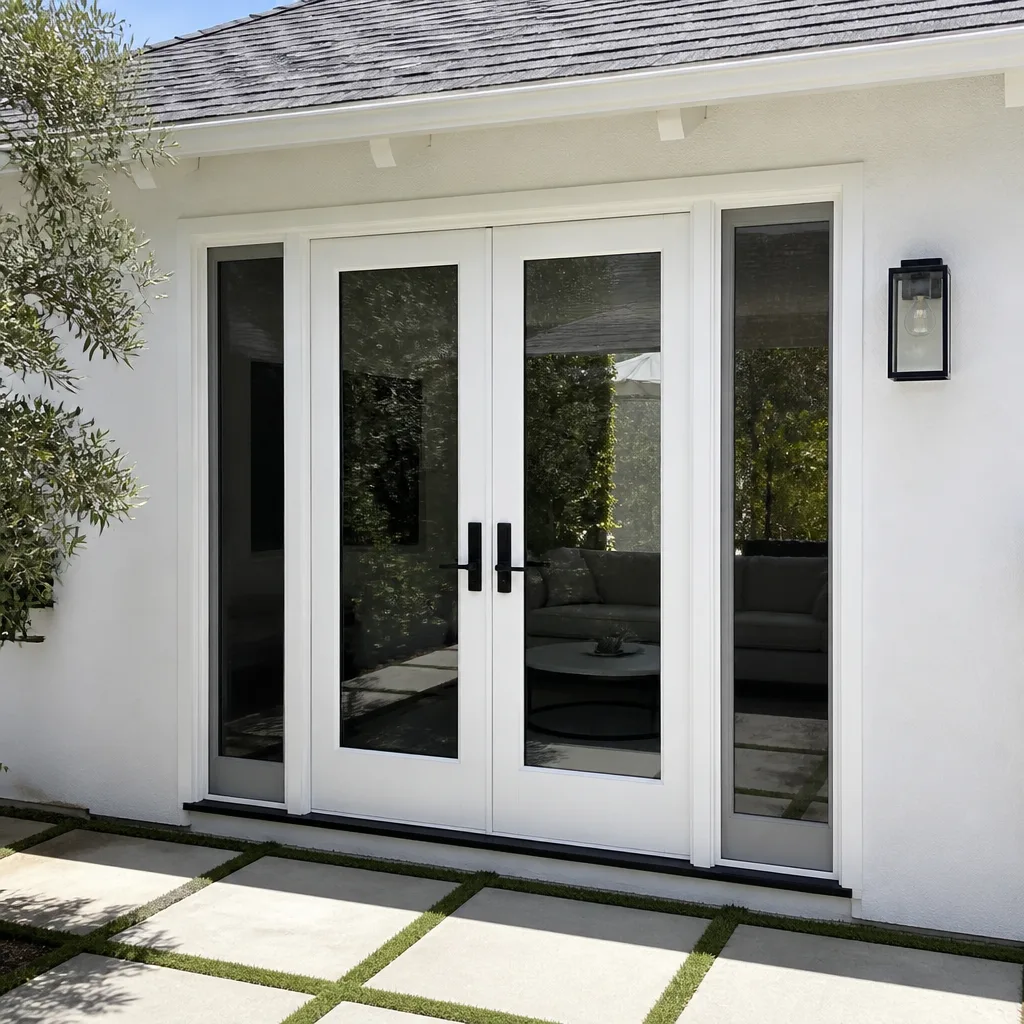 After
AfterWindow Replacement Troubleshooting: Common Problems and How to Fix Them
A fogged double-pane window looks like a failed seal, but in our experience serving Los Angeles homes, roughly 30% of the time the actual culprit is a clogged weep hole trapping condensation inside the frame. That is a five-minute fix with a paper clip, not a $400 glass replacement. This guide teaches you to find the real cause before you spend money on our Window Replacement services. You will learn how to trace drafts with a $6 incense stick, test whether your glass seal is truly dead, and document a warranty claim that actually gets approved.
Quick Answer
Most window problems blamed on the unit itself, namely fogging, sticking, and drafts, are actually installation defects or maintenance failures you can diagnose yourself. Start with the frame and rough opening before you blame the glass. A failed insulating glass unit shows condensation between the panes that cannot be wiped away from either side; condensation on the room-side surface is a humidity issue, not a seal failure.
Table of Contents
- The Incense-Stick Draft Test: Find the Real Leak
- Failed Seal vs. Normal Condensation: The Dew-Point Test
- Weep Hole Inspection and Clearing: The Fix Nobody Does
- Sash Won’t Close? Frame Racking vs. Worn Balance
- Warranty Claims: What Is Actually Covered and How to Document Yours
- Los Angeles Window Problems: Climate, Codes, and What We See Most
- Common Mistakes to Avoid
- When to Call a Professional
- Frequently Asked Questions
- The Bottom Line
The Incense-Stick Draft Test: Find the Real Leak
Drafts are the most common window complaint we hear in Los Angeles, especially in older neighborhoods like Pasadena, Silver Lake, and the San Fernando Valley. But a draft rarely means the whole window needs replacement. It usually means air is sneaking through one specific gap: a worn glazing bead, failed sill flashing, or an unsealed rough opening between the window frame and the house framing. The fix for each is different, so guessing wastes money.
Here is the test we teach homeowners before they call anyone. You need an incense stick, a lighter, and a breezy day or a box fan in the window.
- Close and lock the window. A locked sash compresses the weatherstripping the way it is designed to sit.
- Light the incense stick and hold it near the window, about two inches from the surface.
- Move the stick slowly around the entire perimeter: top rail, bottom rail, both side jambs, and the meeting rail where the two sashes overlap.
- Watch the smoke. If the smoke stream bends or wavers at any point, air is moving through that exact spot. Mark it with a piece of painter’s tape.
- Repeat on the exterior with a fan blowing outward from inside, so you can catch leaks that only open under negative pressure.
What you find determines the fix. Air entering at the meeting rail usually means worn or compressed weatherstripping, a $15 to $40 repair. Air entering where the window frame meets the wall means the rough opening was never properly sealed with backer rod and caulk or low-expansion foam. That is an installation defect, and in Los Angeles it is more common than most homeowners realize, because many window replacements are done by crews that skip the air-sealing step entirely. If the leak is at the rough opening, the fix is not a new window; it is removing the interior trim, sealing the gap properly, and reinstalling the trim. We do this repair regularly, and it takes a few hours, not a full replacement.
Failed Seal vs. Normal Condensation: The Dew-Point Test
Condensation on a window is not automatically a seal failure. In Los Angeles, where we get cold winter nights after warm humid days, surface condensation on the interior side of the glass is normal and expected. It means the glass surface temperature dropped below the dew point of the air inside your home. The fix is ventilation or a dehumidifier, not a new window.
Here is how to tell the difference before you spend money on glass.
- Condensation on the interior surface that you can wipe away with your finger is almost always a humidity problem. Run a bath fan, open a window briefly, or check whether your home has a whole-house humidifier set too high. Los Angeles homes near the coast, in areas like Santa Monica and Long Beach, get this more often because outdoor humidity is higher.
- Condensation between the two panes that you cannot wipe from either side is a failed insulating glass unit seal. The desiccant inside the spacer bar is saturated, and moist air has entered the airspace. Once this happens, the window’s insulating value drops, and the fog will come and go with temperature changes.
- Condensation on the exterior surface on a cool morning is actually a sign the low-E coating is working. It means the glass is reflecting heat back outside, keeping the exterior pane cool enough for dew to form. High-performance glass from manufacturers like ES Windows and ECO Window Systems does this often. It is not a defect.
The dew-point test is simple. Take two readings: the indoor air temperature and the indoor relative humidity. Look up the dew point on any online dew-point calculator, or use this rough rule: at 70°F and 40% relative humidity, the dew point is about 45°F. If your glass surface is colder than that, it will sweat. If you live in a Los Angeles neighborhood that gets cold winter mornings, like the foothill communities of La Cañada or Altadena, surface condensation is common even on brand-new windows.
Weep Hole Inspection and Clearing: The Fix Nobody Does
Weep holes are small drainage openings at the bottom exterior of a window frame that let water escape from the track. Every window has them, and in Los Angeles they clog constantly: dust, pollen, spider webs, and the fine grit that blows in from the San Gabriel Mountains during Santa Ana wind season. When weep holes clog, water pools inside the frame, and the first symptom is often fogged glass, an exact mimic of a seal failure.
Here is the inspection and clearing routine we recommend twice a year.
- Locate the weep holes. Look at the bottom exterior edge of the window frame. You should see small rectangular slots or round holes on sliding and casement windows. On double-hung windows, they sit in the sill track.
- Test drainage. Pour a small cup of water into the exterior track while the window is closed. Watch whether it drains out the front of the frame within a minute.
- Clear the blockage. If water pools, use a stiff pipe cleaner, a piece of insulated wire, or a wet-dry vacuum with a narrow nozzle to pull debris from the weep holes. Do not use a metal pick that can scratch the frame finish.
- Flush the track. After clearing, pour water through again to confirm it drains.
- Repeat on every window. Especially on the windward side of the house, the side that faces the prevailing breeze, because that is where dust loads are highest in Los Angeles.
If the weep holes are clear and water still pools, the window may have been installed with the sill tilted slightly inward or without proper sill flashing. That is an installation defect that a reputable contractor should correct under workmanship warranty. We have gone back to homes in Los Angeles where a window replacement was done years earlier by a different company, and the only problem was the sill pan missing, as we detailed in our article on Window Replacement Warning Signs Every Homeowner Should Know. The fix was removing the window, installing a proper sloped sill pan, and reinstalling the same unit. Not a new window.
Sash Won’t Close? Frame Racking vs. Worn Balance
A window that suddenly will not close, or requires two hands to force, usually falls into one of two categories. Knowing which is the difference between a $90 repair and a full reinstallation.
Frame racking means the window frame itself is out of square, usually because the rough opening shifted or the house settled after installation. When the frame is racked, the sash binds at one corner but has a visible gap at the opposite corner. Test it with a tape measure: measure the diagonal distances of the window opening from corner to corner in both directions. If the two measurements differ by more than 1/4 inch, the frame is racked. This is an installation issue. The fix is pulling the window, correcting the rough opening, and reinstalling level and square. In Los Angeles, where many homes sit on expansive clay soils that move with the wet and dry seasons, frame racking is more common than in other parts of the country. Homes in areas like the Baldwin Hills and the Santa Monica Mountains see this regularly.
A worn balance mechanism causes a different symptom. The sash feels heavy, drops when you let go, or will not stay open. The balance system, either a spiral balance, block-and-tackle, or constant-force coil, has lost tension or broken. This is a mechanical wear issue, not an installation defect. The fix is replacing the balance hardware in that sash. On a double-hung window, balances run $50 to $150 per sash depending on the manufacturer. Mr-Glass replacement balances and Therma-Tru window hardware are regularly available through our supply lines in Los Angeles.
The distinction matters for warranty. A frame-racking issue within the first year is a workmanship defect, covered by a written installation guarantee like our 365-Day Done Right Promise. A worn balance after ten years is normal wear, covered only if the manufacturer warranty explicitly includes hardware, which some do for 10 to 20 years.
Warranty Claims: What Is Actually Covered and How to Document Yours
Warranty rules confuse homeowners because there are two separate guarantees in play on any window replacement, and they cover different things. Knowing the difference before you call anyone in Los Angeles saves time and frustration.
Manufacturer warranties cover the product: the glass, the frame material, and sometimes the hardware. A failed insulating glass unit seal is typically covered for 10 to 20 years depending on the glass package. Vinyl frame defects, like warping or cracking, are often covered for the life of the product, though that term is defined differently by each manufacturer. What manufacturer warranties do not cover: installation labor, the cost of removing and reinstalling the glass in your home, and damage caused by improper installation.
Contractor workmanship guarantees cover the installation itself: the fastening, the flashing, the air sealing, the trim work, and the alignment. These typically run one to five years. Our workmanship guarantee at Meridian Windows & Doors is written for 365 days, and if anything fails within that period, we return at no charge. That includes a second visit if a sash binds or a draft appears where we sealed the rough opening.
To document a claim properly:
- Photograph the problem clearly. Use a piece of paper with the date written on it in the photo, so there is no dispute about when the issue appeared.
- Note the window’s location and orientation. “South-facing bedroom, second floor” matters, because some failures are location-specific.
- Find the purchase documentation. The original contract, the invoice, and the manufacturer’s warranty registration. If you registered the windows online after purchase, the manufacturer already has your file.
- Identify whether it is a product or installation issue using the diagnostics in this guide. That determines which warranty applies.
- Write a one-page summary. Include the symptom, when you first noticed it, what you have tried, and what you believe the cause is. Attach the photos.
Submitting a sloppy claim gets a slow response. Submitting a documented claim with photos and measurements gets processed faster, because the manufacturer or contractor does not have to send a technician out just to identify the problem.
Los Angeles Window Problems: Climate, Codes, and What We See Most
Los Angeles has a window climate unlike most of the country, and it produces failure patterns we see over and over. Understanding your local conditions helps you troubleshoot faster.
UV degradation is the big one. Los Angeles gets more than 280 days of sunshine per year, and that ultraviolet load breaks down vinyl weatherstripping, caulk, and glazing beads faster than manufacturers’ national averages suggest. A window in a north-facing wall in Minneapolis ages differently than a south-facing window in Woodland Hills. We replace weatherstripping on Los Angeles windows that are only six or seven years old because the sun has turned it brittle. The fix is straightforward and inexpensive when caught early.
Santa Ana wind dust loading. The seasonal winds that blow from the high desert across Los Angeles carry fine particulate that packs into window tracks and weep holes. Homes in the eastern San Fernando Valley, in communities like Sherman Oaks, Studio City, and Burbank, get the worst of it. Track cleaning twice a year is not optional in these neighborhoods; it is the difference between a window that operates for 15 years and one that binds in five.
Title 24 energy code. California’s Title 24 building code sets minimum energy performance standards for replacement windows sold and installed in Los Angeles. The requirements vary by climate zone, but most of Los Angeles County requires insulated glass with a low-E coating, a thin metallic film that reflects heat while letting light through, and a U-factor below a specified threshold. If your existing windows predate the current code, a straight glass replacement may not be legal. A licensed contractor pulls the permit and specifies glass that meets Title 24. We handle permitting on every window installation in Los Angeles, so the paperwork is filed before the first pane comes off the truck.
Coastal salt air. Homes within a few miles of the Pacific, from Venice to San Pedro, see accelerated corrosion on metal window hardware. Aluminum frames without a marine-grade finish, common on older Los Angeles buildings, pit and corrode within a decade. ECO Window Systems and Mr-Glass both offer marine-grade aluminum options that hold up better near the coast, and we specify them for beach communities regularly.
Common Mistakes to Avoid
- Replacing glass before clearing the weep holes. We have diagnosed “failed seals” in Los Angeles homes that turned out to be standing water in the track. Clear the drainage first.
- Caulking the window shut. Homeowners trying to stop a draft sometimes run a bead of caulk along the operable sash, permanently sealing the window. That eliminates ventilation and creates a bigger problem than the draft.
- Ignoring the rough opening gap. A draft at the wall-to-frame joint is not fixed by replacing the window. The air will bypass the new unit exactly as it did the old one.
- Assuming surface condensation is a seal failure. Interior condensation in a Los Angeles winter is typically a humidity issue, not a glass defect. Fix the ventilation before you call a glass company.
- Forcing a binding sash. If a window needs muscle to close, something is wrong. Forcing it bends hardware, strips balances, and turns a $90 repair into a $400 sash replacement.
- Filing a warranty claim without documentation. Undocumented claims get deprioritized. Photos with dates and a one-page summary move faster.
- Buying replacement glass for a frame that is out of square. If the frame is racked, new glass will not seat properly and will fail again within a year.
When to Call a Professional
Some problems are safe to diagnose but not safe to repair. If you find a draft at the rough opening, the fix means removing interior trim and sealing the structural gap; that requires the right flashing materials and an understanding of how water moves around the opening. If the frame is racked, the window has to come out and the rough opening corrected, a job that needs shims, levels, and experience. If the glass is broken and you live in a Los Angeles neighborhood where building code requires Title 24-compliant replacement, you need a permit and the right glass package. Meridian Windows & Doors home is the place to start: we provide a written price before any work begins, and every installation carries a written 365-day guarantee. For Window Replacement in Los Angeles, call (817) 686-2228 for a free estimate. We also handle Window Installation in Los Angeles and Patio Door Installation in Los Angeles.
Frequently Asked Questions
Condensation between the two glass panes that you cannot wipe from either side means the seal has failed. If the condensation is on the interior room-side surface, that is a humidity problem, not a seal failure. A failed seal in a Los Angeles home typically means replacing the insulating glass unit, which runs $180 to $450 per window installed depending on glass size and coating.
A draft on a newly installed window usually comes from the rough opening gap, the space between the window frame and the house framing, which was not properly air-sealed during installation. Run the incense-stick test around the exterior perimeter; if smoke moves at the wall joint, the fix is pulling the interior trim and sealing the gap. Call (817) 686-2228 and we will diagnose it in one visit.
Window repair in Los Angeles ranges from $15 for weatherstripping replacement to $450 for a new insulating glass unit, with full frame replacement running $800 to $2,200 per window installed depending on size, frame material, and Title 24 requirements; see our Windows & Doors Cost Breakdown: The Los Angeles Homeowner’s Reference for 2026 for full details. The exact price is written down before work starts; estimates are free.
Repair the window if the frame is square, the glass is intact, and the problem is mechanical (weatherstripping, balance, hardware) or drainage (clogged weep holes). Replace it if the frame is warped, the seal has failed on an old unit that is out of warranty, or the glass does not meet current Title 24 energy standards. A professional assessment gives you the numbers to make that call.
A standard single-window replacement takes one day for the physical installation, with 30 to 60 minutes per window depending on access and frame condition. The full process including measurement, product ordering, and permitting typically spans two to six weeks in Los Angeles, with the waiting time driven by manufacturer lead times and city permit processing.
Manufacturer warranties cover the product, not the installation labor. A contractor’s workmanship guarantee covers labor, and ours is written for 365 days: if the installation fails within that year, we return and correct it at no charge. Always get both warranties in writing before the job starts.
The Bottom Line
Most window problems in Los Angeles are solvable without replacing the window, and the first step is always diagnosis: run the incense-stick test for drafts, check the weep holes for drainage, measure the frame for squareness, and do the dew-point check for condensation. Find more guides & resources on our blog. A fogged window is only a seal failure one time in three, and a draft usually points to the rough opening, not the glass. When a repair makes sense, it is cheaper than replacement; when replacement is the right call, the price should be on paper before the work starts and the labor should be guaranteed in writing. Elliot Vance and the team at Meridian Windows & Doors follow that standard on every job in Los Angeles.
Written by Elliot Vance, Owner at Meridian Windows & Doors, serving Los Angeles since 2009.