

Last updated October 9, 2026
Free in-home measure and quote - PGT, CGI and CWS impact lines compared on your actual openings, style by style
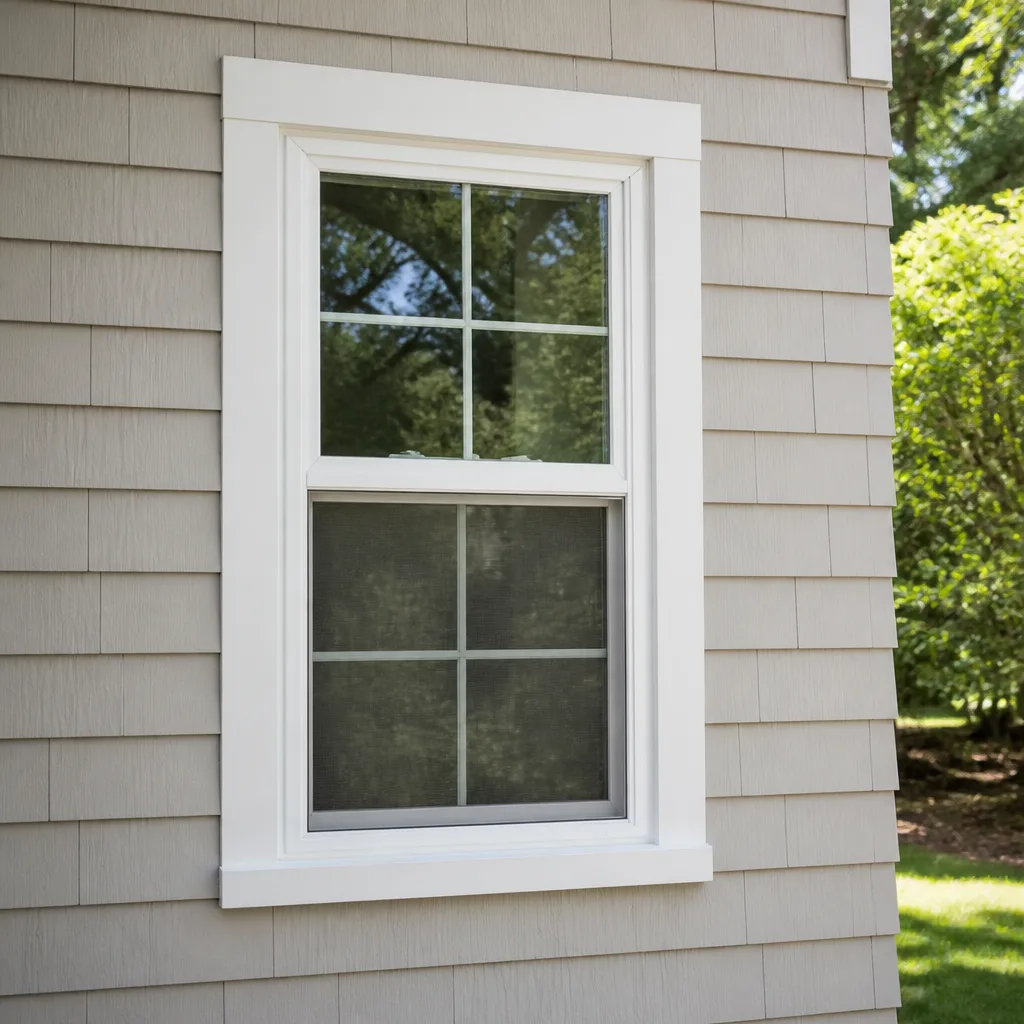
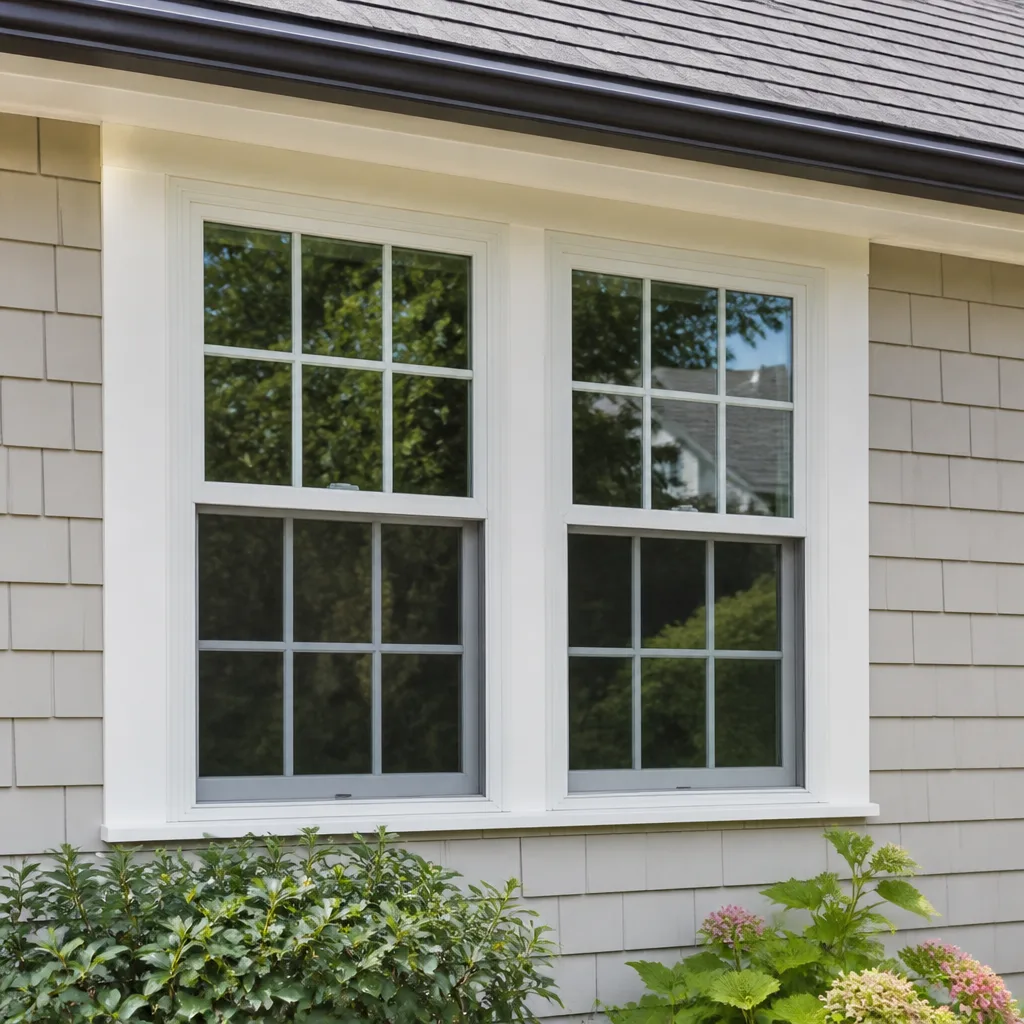
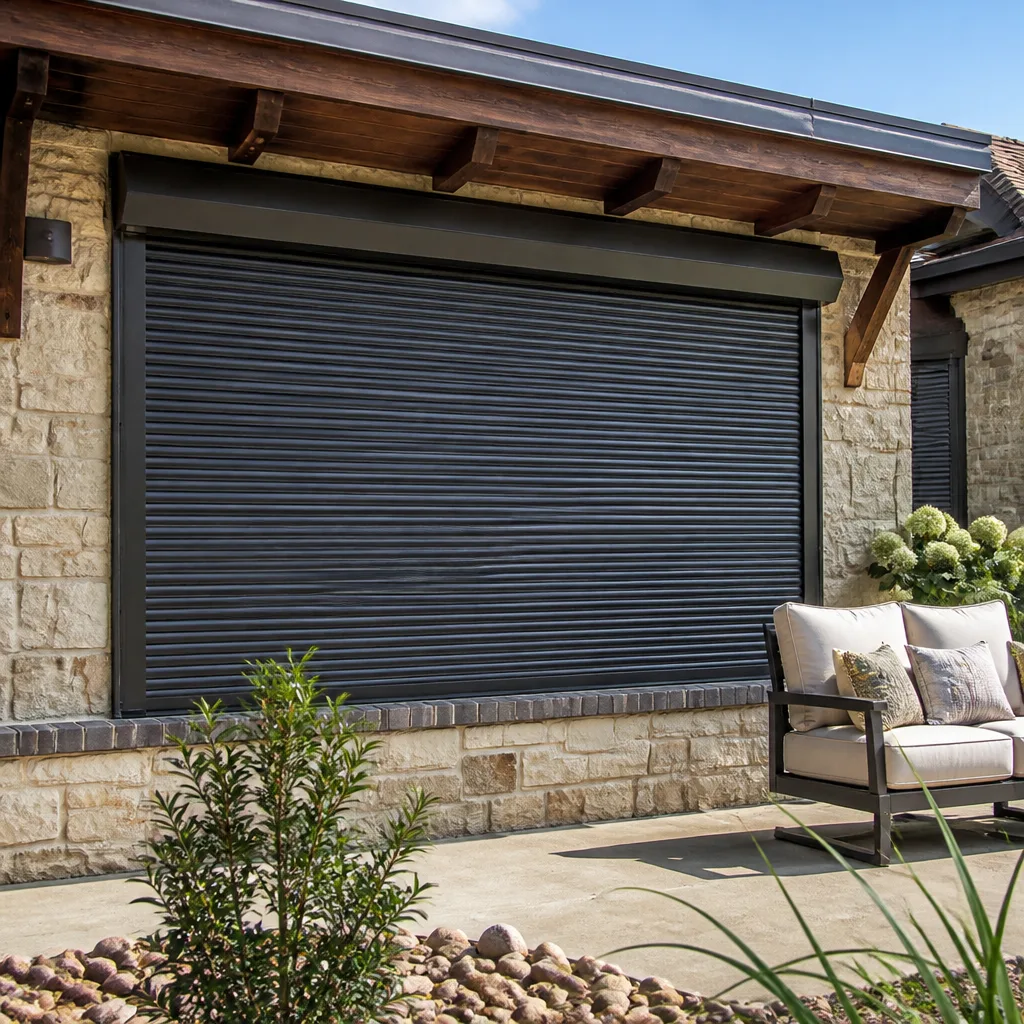
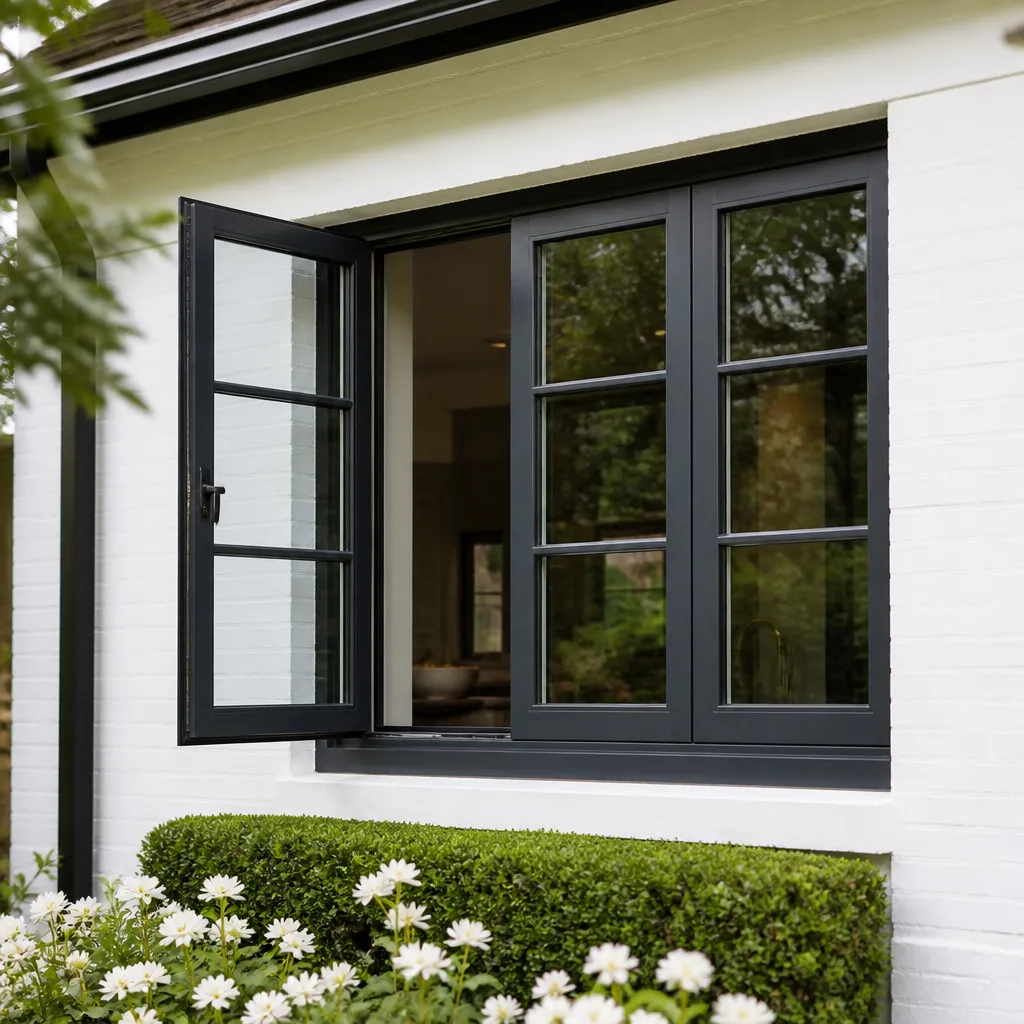
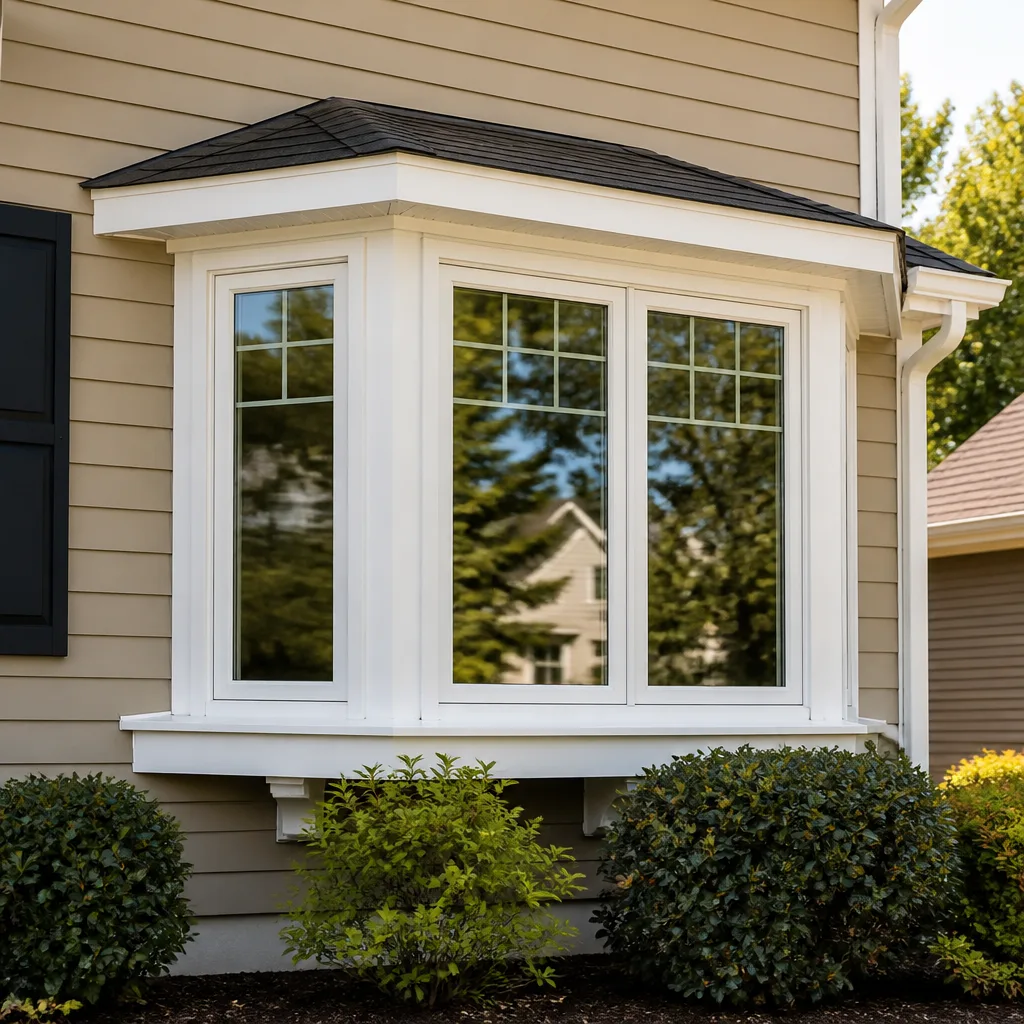
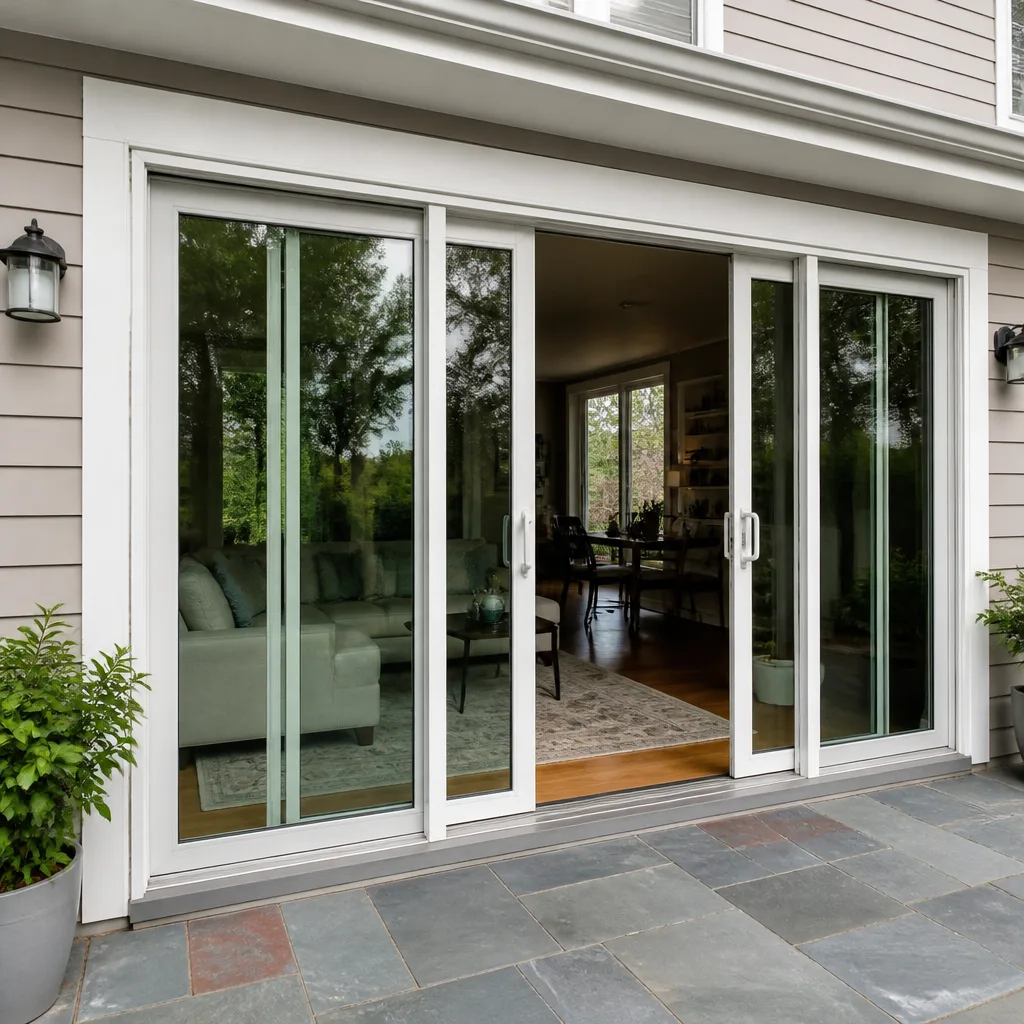
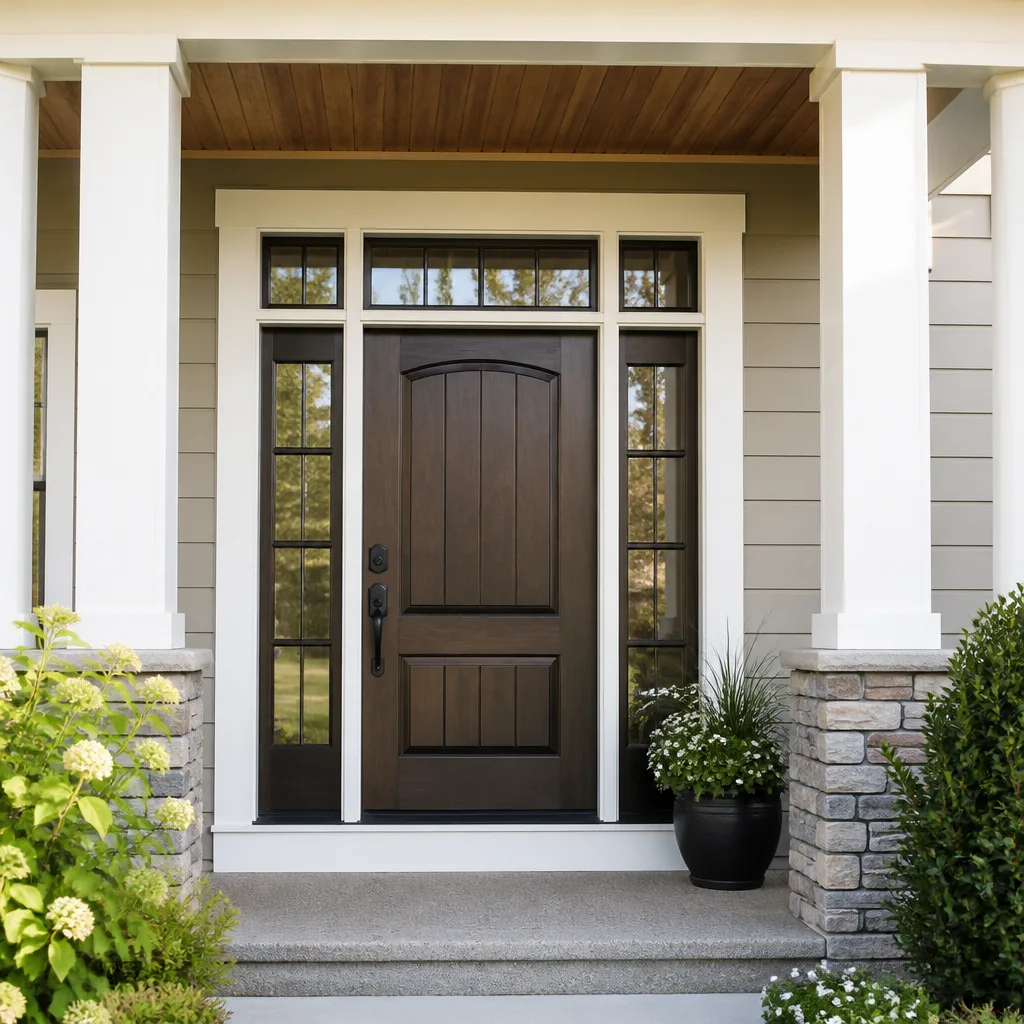
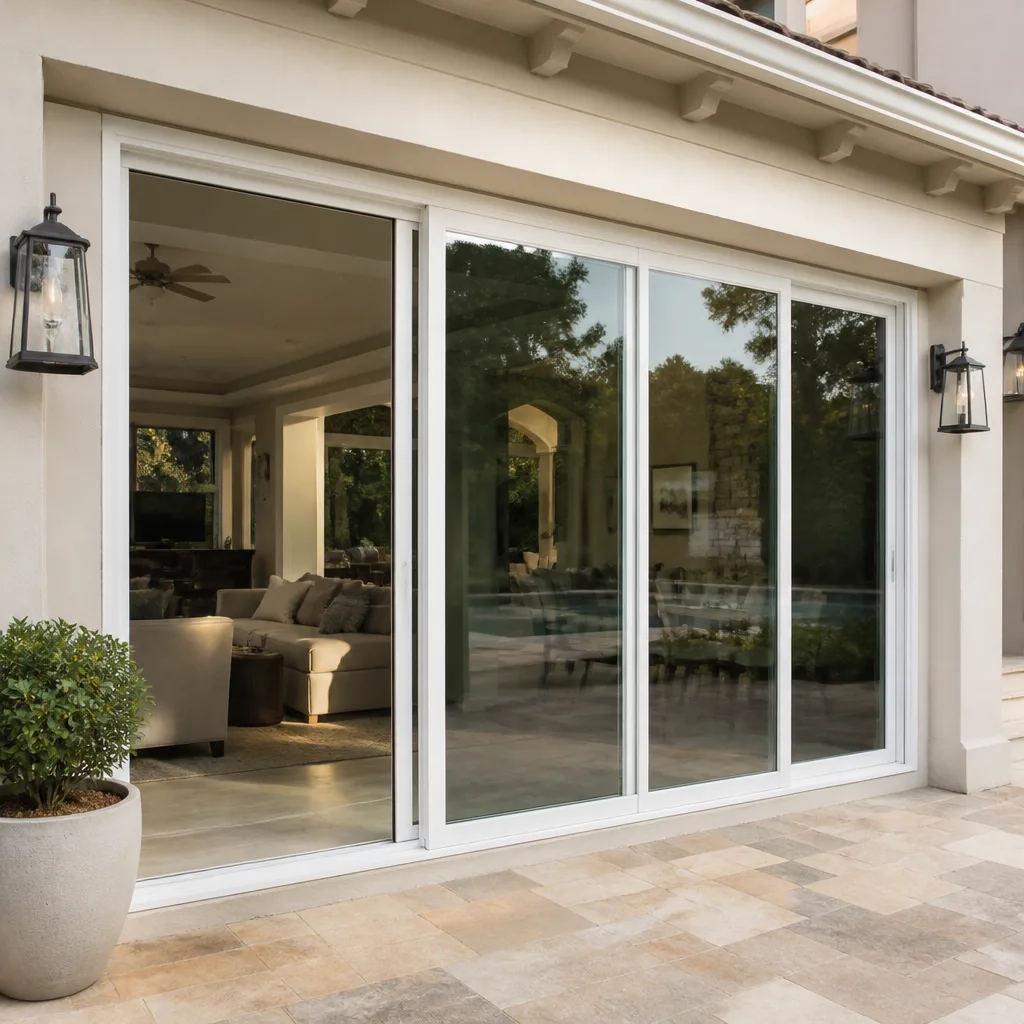
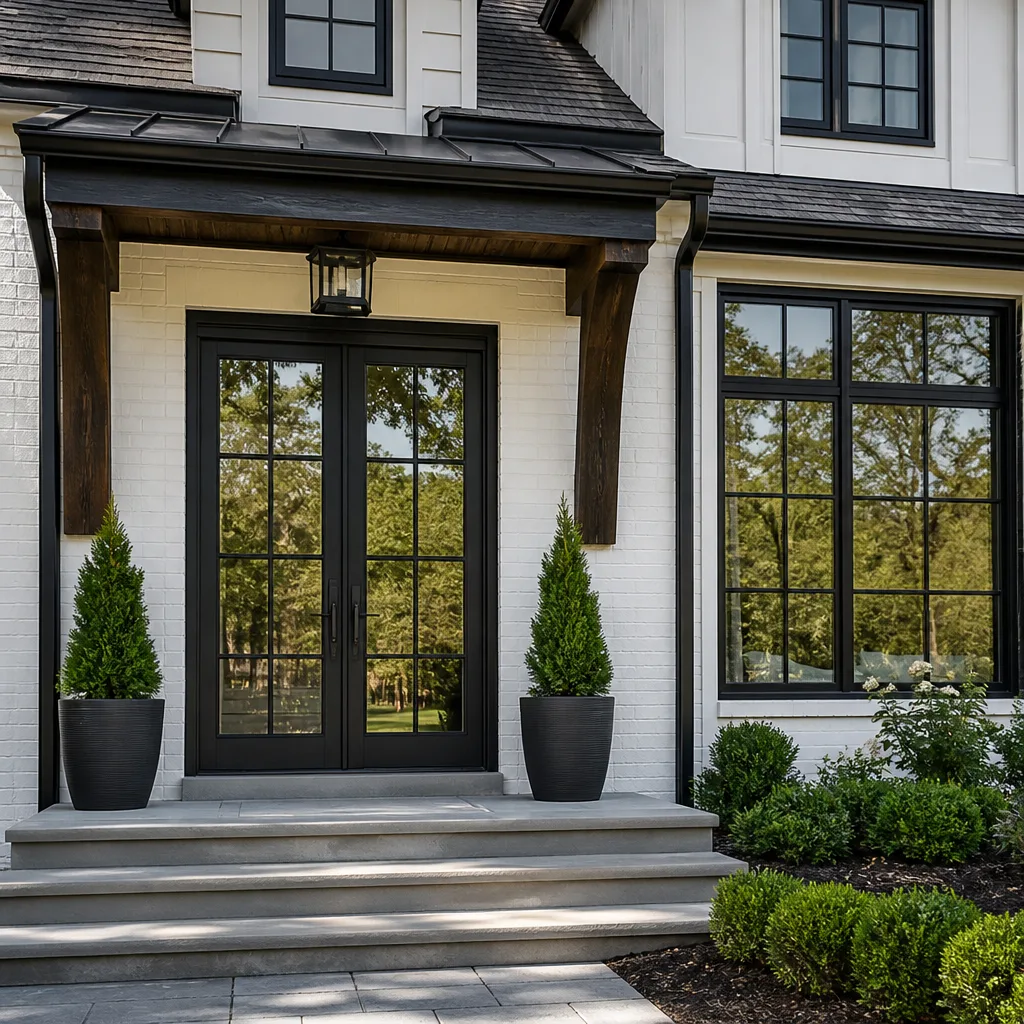
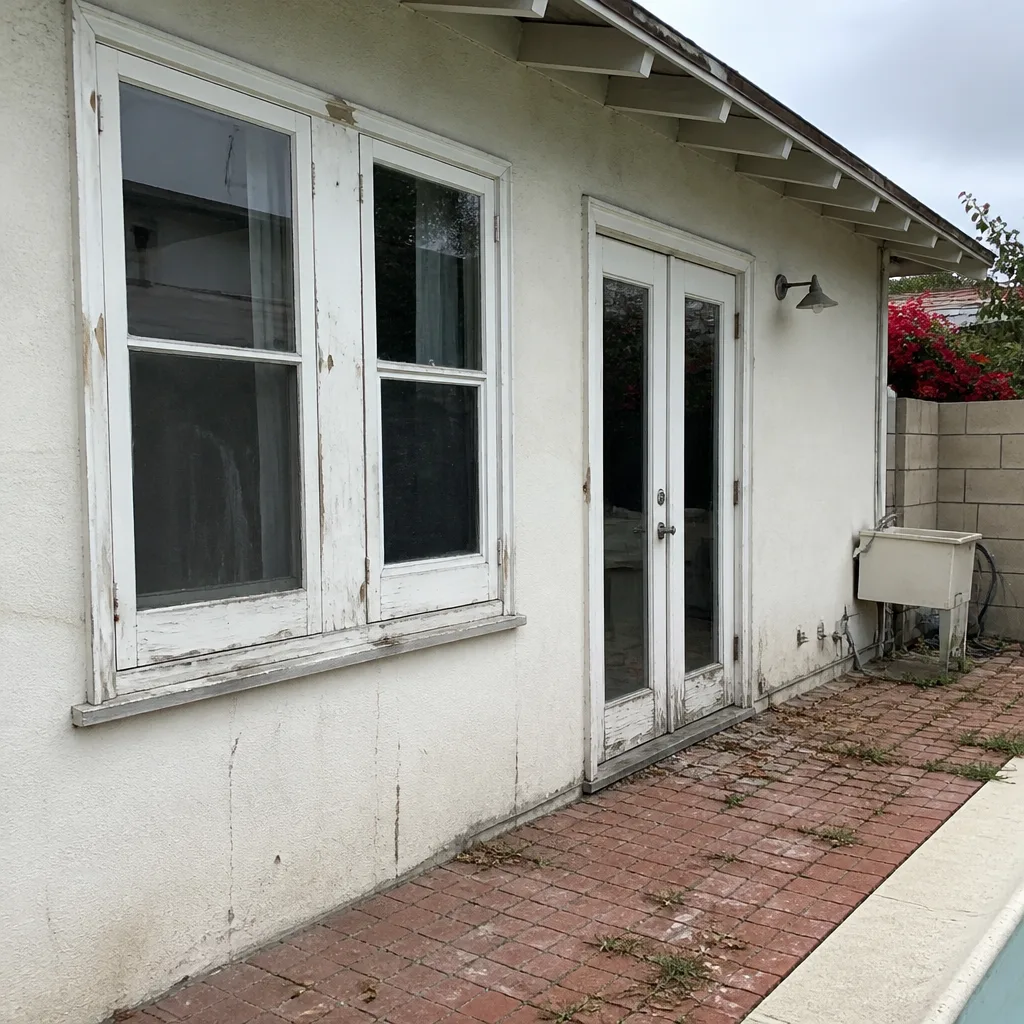 Before
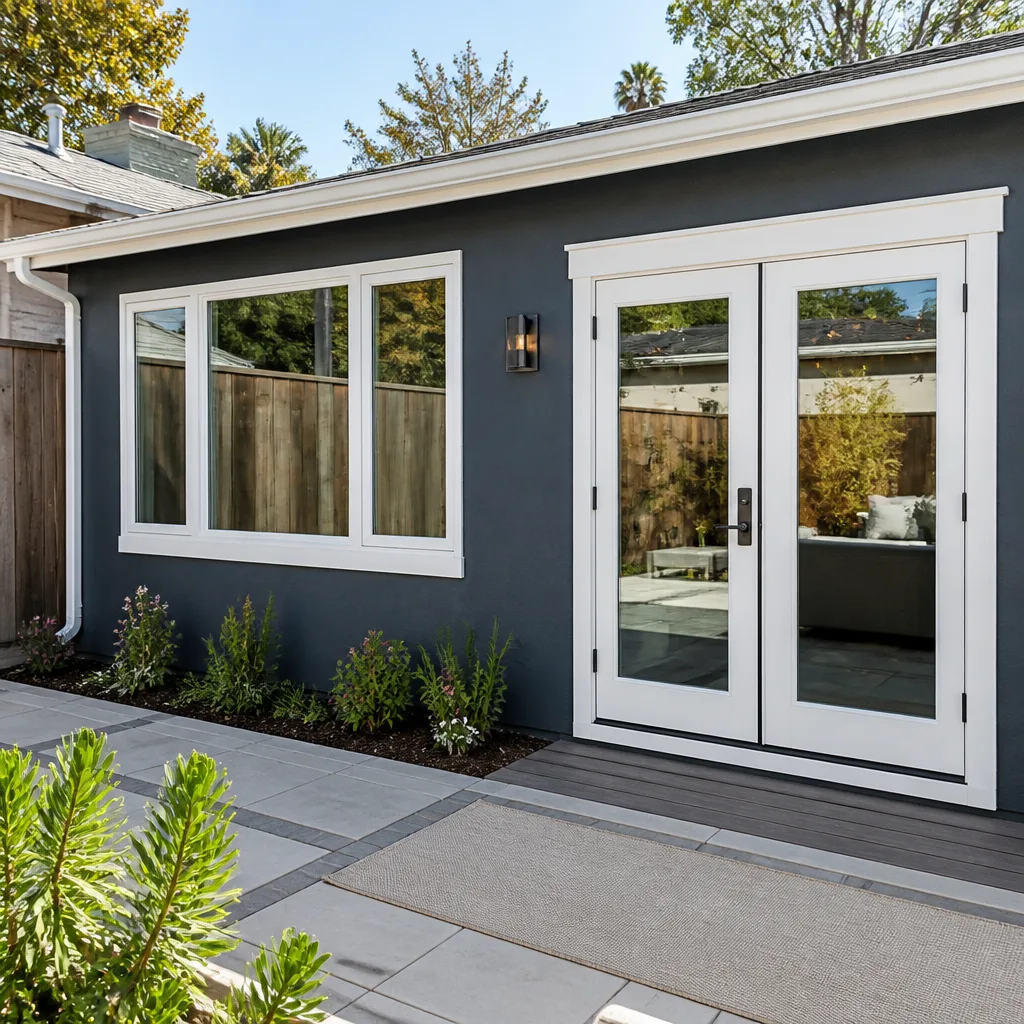 After
After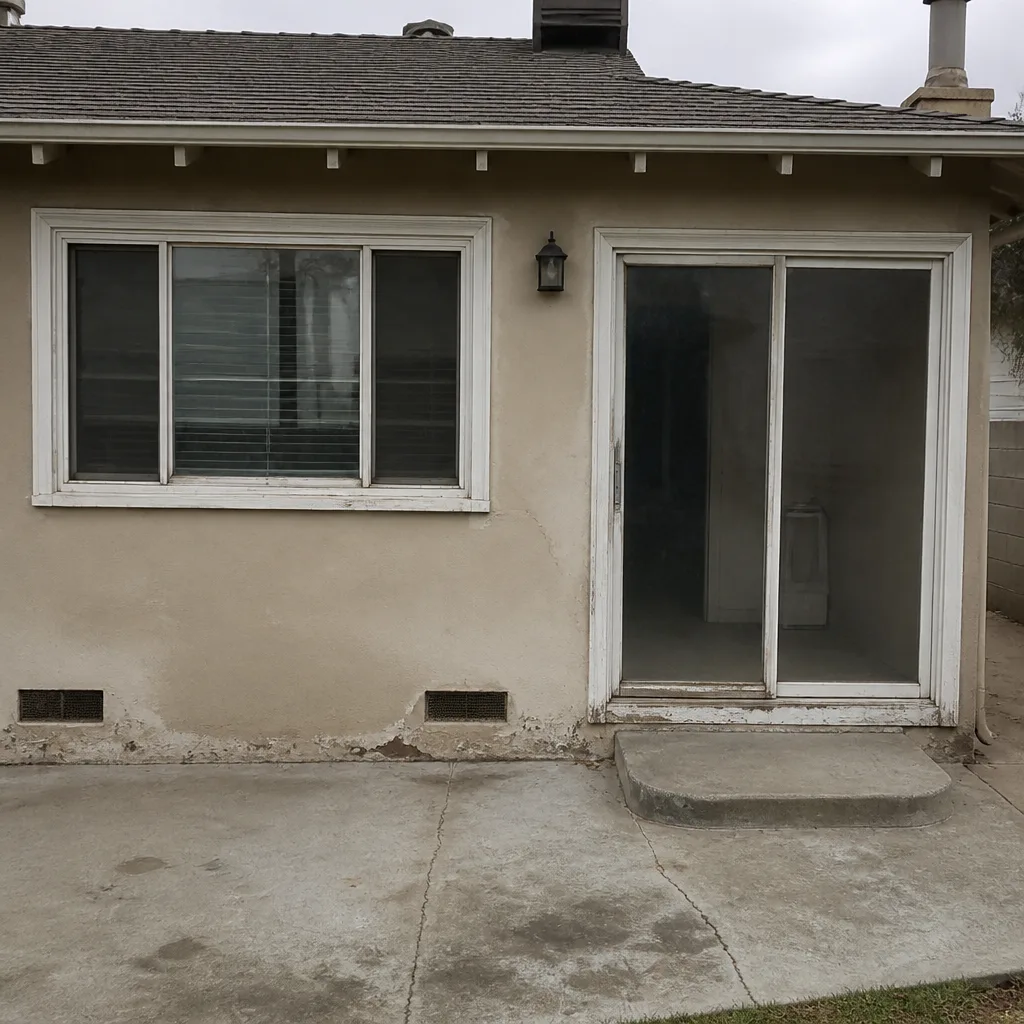 Before
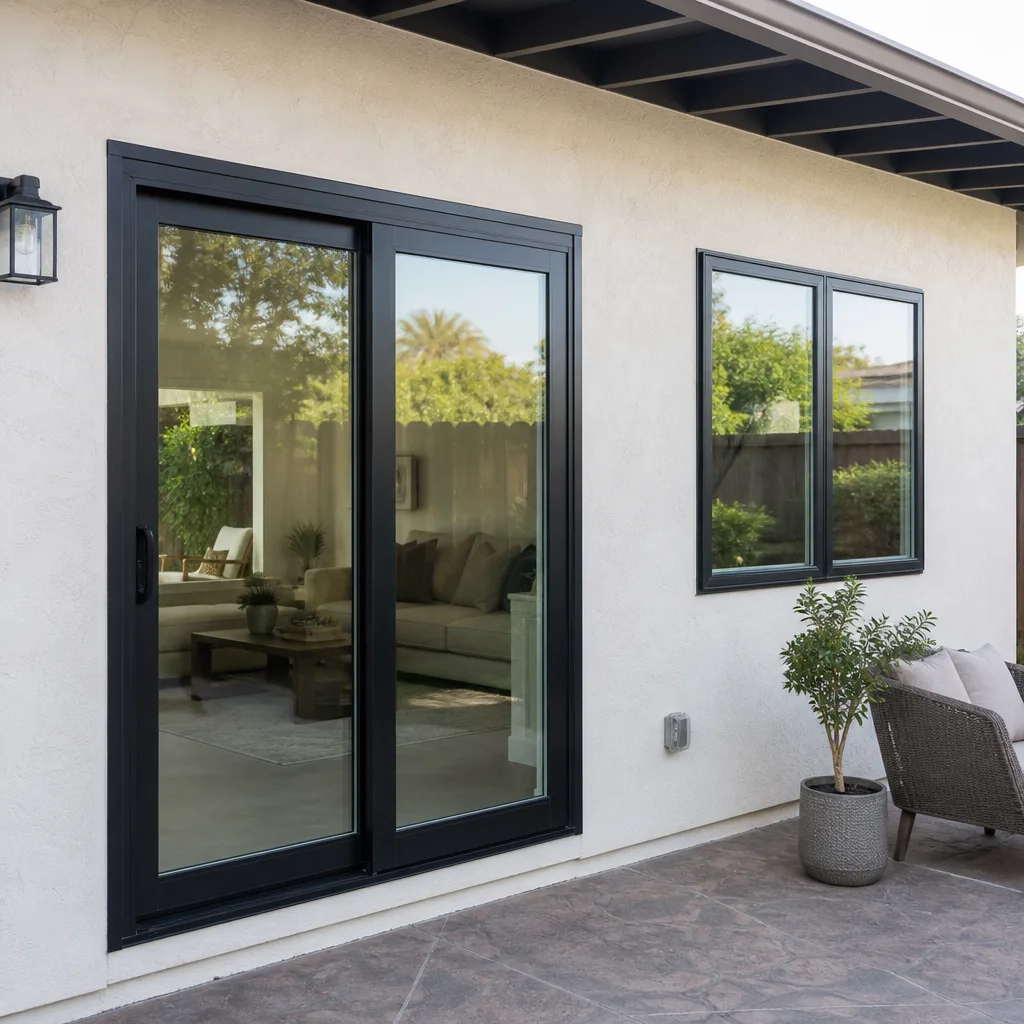 After
After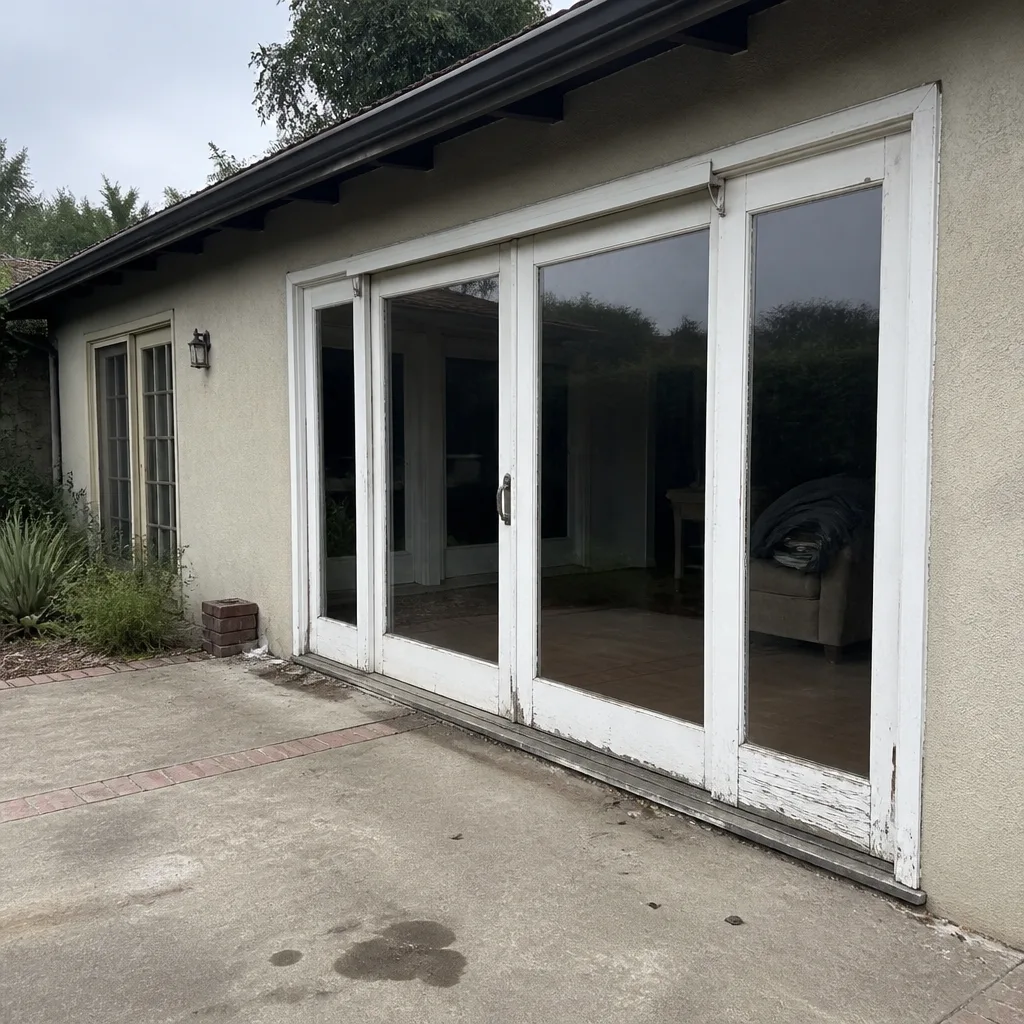 Before
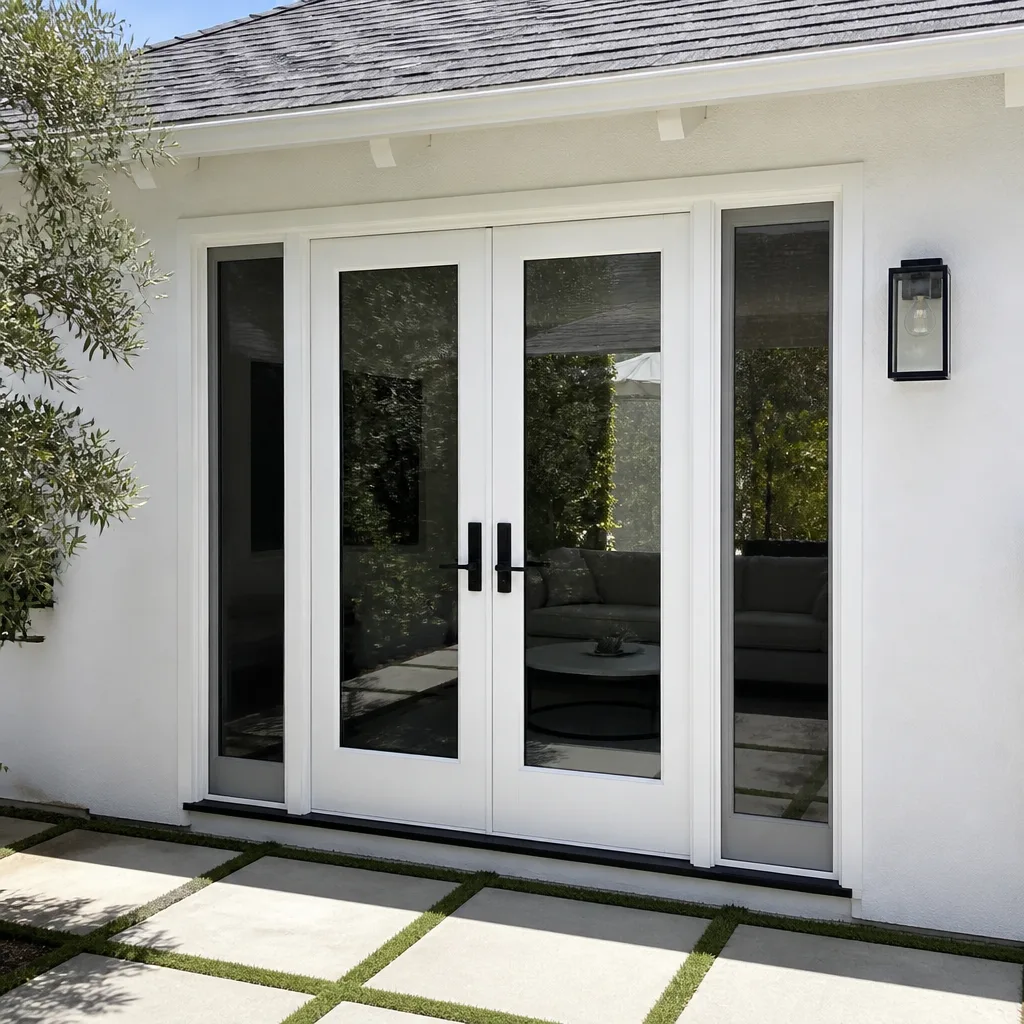 After
AfterChoosing the Right Windows & Doors Brand: A Buyer’s Guide for Los Angeles
Most homeowners pick a window brand the way they pick a paint color: whatever the showroom puts in front of them. That works until a sash seal fails in year three and the replacement part ships from a distribution center in Ohio, leaving a Los Angeles bedroom open to June gloom for four months. Our Complete Guide to Windows & Doors in Los Angeles gives you the three criteria that actually determine whether a window or door brand performs in Southern California: tested performance under AAMA climate designations, warranty language that holds up under a close read, and how fast replacement parts reach LA. We’ll also walk through the eight manufacturer lines we stock at Meridian Windows & Doors and why that range exists in the first place.
Quick Answer
The right windows and doors brand for a Los Angeles home is the one with an AAMA performance grade matched to your specific exposure (coastal, inland valley, or high-rise), a warranty that covers glass seal failures for at least 10 years with labor included, and a West Coast distribution footprint that gets replacement sashes to LA in under five weeks. We recommend PGT for coastal and high-wind zones, Therma-Tru for entry doors, and Mr-Glass for budget-conscious single-family replacements. A brand’s national sales ranking means nothing if the nearest parts warehouse is three time zones away.
Table of Contents
- What AAMA Performance Grades Mean (And Which LA Homes Need Which)
- The Four Warranty Clauses That Separate a Real Warranty From a Marketing Document
- West Coast Distribution: Which Brands Get Parts to Los Angeles Fast
- Why We Stock Eight Manufacturer Lines Instead of One
- How to Cross-Reference the NFRC Directory for Title 24 Compliance
- Los Angeles Climate Factors That Change Your Brand Shortlist
- Lead Times: What the Showroom Won’t Volunteer
- Common Mistakes to Avoid
- When to Call a Professional
- Frequently Asked Questions
- The Bottom Line
What AAMA Performance Grades Mean (And Which LA Homes Need Which)
The American Architectural Manufacturers Association (AAMA) tests windows and doors for air infiltration, water penetration, and structural load, then assigns a performance grade. The four designations you’ll see on a product label are R, LC, CW, and AW. They are not interchangeable, and buying the wrong grade for your location is one of the most expensive mistakes a Los Angeles homeowner can make.
Here is what each grade means in plain terms:
- R (Residential): The minimum standard for single-family homes. Tested to 15 pounds per square foot (psf) of wind pressure. Appropriate for inland Los Angeles neighborhoods like Sherman Oaks, Studio City, and Pasadena where wind exposure is moderate and the home sits below the foothill crests.
- LC (Light Commercial): Tested to 25 psf. This grade covers low-rise multi-family buildings, storefront applications, and single-family homes in more exposed positions. If your house in Silver Lake or Echo Park sits on a ridge line with no wind break, an LC-rated window is the better call even though code only requires R.
- CW (Commercial): Tested to 30 psf. Used in mid-rise residential and commercial buildings. This is the grade you’ll typically see specified for condo buildings in Downtown LA, Koreatown, and along the Wilshire corridor.
- AW (Architectural): Tested to 40 psf and above. The highest standard, built for high-rise buildings, coastal storm zones, and any structure where water penetration under driving rain is a real threat. Coastal Los Angeles homes from Malibu through the Palos Verdes Peninsula should strongly consider AW-rated products, particularly for ocean-facing elevations.
The key point: building code sets the floor, not the ceiling. A glazing contractor in Los Angeles who only ever quotes R-grade products is not necessarily doing anything wrong, but they’re also not asking the right questions about your specific exposure. A window that meets code in Northridge may be under-spec’d for a canyon-facing wall in Bel Air where Santa Ana winds funnel through at 60 mph every October. When we walk a job site for a Window Replacement in Los Angeles, the first thing we check is how the wind actually moves across that specific elevation, then we pull the AAMA documentation for the models we’re proposing.
The Four Warranty Clauses That Separate a Real Warranty From a Marketing Document
A window warranty is a contract, and like any contract, the value is in the clauses nobody reads. We’ve reviewed warranty documents from more than a dozen manufacturers that we don’t stock, and the same four clauses decide whether a warranty is worth the paper it’s printed on. Here is how to read one:
- Glass seal coverage duration. The insulated glass unit (IGU) is the most common failure point on any window. When the seal between the two panes fails, you get fogging between the glass that cannot be cleaned off. A serious warranty covers the glass seal for at least 20 years. Some budget manufacturers offer only 10. This is the first number to look for.
- Labor inclusion. A manufacturer can promise a free replacement sash for 25 years, but if the warranty excludes labor, you’re paying $200 to $400 per window for the removal and reinstallation. Without labor coverage, a “lifetime” warranty still costs you real money on every claim. We install ViewLux and PGT products in part because both manufacturers back their glass seal coverage with labor provisions that don’t evaporate after year two.
- Proration schedule. Some warranties start reducing the manufacturer’s payout after year three or five, which means a fogged window in year eight earns you a 40% credit toward a new sash, not a replacement. Compare schedule length against how long you plan to own the home. A 10-year non-prorated glass warranty is often worth more than a 50-year heavily prorated one.
- Transferability. If you sell your Los Angeles home in seven years, does the warranty move to the new owner? Many warranties transfer once, some transfer only if you apply and pay a fee within 30 days of closing, and some die with the original purchaser. In a real estate market like LA where the median ownership period is under 10 years, transferability has real dollar value.
Read the warranty before you compare prices. A $900 window with a non-prorated, labor-inclusive, transferable 20-year glass warranty is cheaper over a 15-year ownership period than a $700 window that charges labor on every seal failure. This is the kind of math a disciplined homeowner does in ten minutes at the kitchen table, and it changes the brand shortlist almost every time.
West Coast Distribution: Which Brands Get Parts to Los Angeles Fast
Here is a fact no showroom will volunteer: the speed of a warranty part replacement depends entirely on where the manufacturer’s warehouse sits. A window brand that sells 3 million units a year nationally but ships from a single distribution center in Georgia will take 14 to 20 weeks to get a replacement sash to Los Angeles. A brand with a West Coast hub in Ontario, Fontana, or Phoenix can do it in 3 to 5 weeks. That gap is not a minor customer service detail. It is the difference between a bedroom with a working window and a bedroom with a fogged pane for an entire season.
When we evaluate a manufacturer line for our portfolio, we ask one question early: Where does the replacement part ship from, and how fast does it reach a Los Angeles address? Stocking eight manufacturer lines is not a marketing gimmick. It is a defense against the distribution problem. If a particular glass package or door slab has a lead time running long, we have seven other product families to fall back on without making the homeowner wait on someone else’s logistics.
What this means for a buyer: before you commit to a brand, call the manufacturer’s customer service line as a homeowner and ask for the current lead time on a warranty sash replacement shipped to a 900xx ZIP code. The answer will tell you more about the ownership experience than any brochure.
Why We Stock Eight Manufacturer Lines Instead of One
Most window replacement companies in Los Angeles carry two or three product lines. Some are exclusive dealers for a single manufacturer, which simplifies their ordering but limits your options to whatever that manufacturer builds. Our approach at Meridian Windows & Doors comes from a different place: the homeowner’s budget and the home’s actual exposure should drive the product selection, not the other way around. That is why our Window Installation in Los Angeles work draws from eight manufacturer lines, each chosen for a specific job it does well.
The discipline is in matching the product tier to the project. We are not going to spec an AW-rated impact window from PGT for a bedroom that faces a protected courtyard in Sherman Oaks, because the homeowner would be paying for storm protection the climate does not require. By the same logic, we are not putting an entry-level Mr-Glass slider on an ocean-facing wall in Malibu where wind-driven rain and salt air are real factors. The range exists so the conversation at the kitchen table starts with the home’s requirements, not with whatever product happens to be in the warehouse.
Here is how the tiering breaks down for the lines we carry most often in Los Angeles:
- PGT: Impact-rated windows and doors engineered for coastal and high-wind zones. The right call for LA’s beach communities and any elevation that takes direct ocean wind. Glass packages available that meet Miami-Dade impact standards, which exceeds California requirements.
- Therma-Tru: Fiberglass and steel entry doors. We use these when a Los Angeles homeowner wants an entry door that does not warp in summer heat or swell in winter rain. Fiberglass holds paint better than wood and outperforms it thermally.
- Mr-Glass: Cost-conscious single-family replacement windows. A solid product for inland Los Angeles bedroom and living room windows where the performance demands are moderate and the budget is real. We are upfront that this is the value tier, not the coastal tier.
- ViewLux: Modern aluminum and thermally broken window systems. Good fit for the mid-century and contemporary homes you see throughout the LA hills, where slim sightlines matter and the owner wants something cleaner than a vinyl profile.
The other four lines in our portfolio, CWS, CGI, ES Windows, and ECO Window Systems, cover specific niches: multi-family replacement, custom sizing, acoustic glazing for freeway-adjacent homes, and high-efficiency packages for Title 24 energy code projects. A meridian is a fixed line you measure everything against. That is what the name means and how we run every install.
How to Cross-Reference the NFRC Directory for Title 24 Compliance
California’s Title 24 energy code sets mandatory U-factor and Solar Heat Gain Coefficient (SHGC) requirements for replacement windows and doors. Here is the part most homeowners miss: Title 24 compliance is not determined by the product family. It is determined by the specific model, size, glazing package, and frame material combination, and that data lives in the National Fenestration Rating Council (NFRC) certified product directory, not in a showroom display board.
The process for confirming compliance before you buy:
- Get the exact product record. Ask the contractor for the specific NFRC certification number for the window or door you are actually ordering, including size, glass type, and frame material. A product family certification is not enough; the NFRC directory lists thousands of individual configurations.
- Look up the U-factor. For Los Angeles climate zones (which run from CZ 6 near the coast through CZ 9 in the inland valleys), Title 24 typically requires a maximum U-factor of 0.30 for replacement windows, though specific zones and orientations can be stricter. A lower U-factor means less heat transfers through the glass, which matters for air-conditioned Los Angeles summers.
- Check the SHGC. Solar Heat Gain Coefficient measures how much solar radiation passes through the glass. In most Los Angeles climate zones, Title 24 prescribes a maximum SHGC of 0.25 for west-facing and south-facing windows to reduce cooling loads. This is where low-E glass (a thin coating that reflects heat while letting light through) does the work.
- Confirm the whole-window value, not the center-of-glass value. Some manufacturer marketing uses center-of-glass numbers, which look better than whole-window values because they ignore the frame. Title 24 uses whole-window values. If the quote only lists center-of-glass performance, that is a red flag.
Every product we install through Meridian Windows & Doors gets its NFRC documentation pulled and matched to the specific Los Angeles zone before the order is placed. If a homeowner asks us for the certification sheet, it is a two-minute pull, not a favor. The written price includes this work. It is not an add-on.
Los Angeles Climate Factors That Change Your Brand Shortlist
Los Angeles looks like one climate on a map, but anyone who has driven from Santa Monica to Woodland Hills in August knows better. The marine layer burns off at 10 a.m. on the coast and never arrives at all in the Valley. Santa Ana winds hit the foothills in October and November. Salt air corrodes metal frames within a mile of the beach. These factors determine which window and door brands actually fit your home, and no national brand ranking accounts for them.
Three LA-specific factors we evaluate on every job:
- Coastal salt exposure. Within roughly one mile of the Pacific, aluminum frames need a marine-grade finish or they will pit and corrode within five to seven years. Vinyl holds up better to salt air, which is one reason PGT’s impact vinyl lines dominate in Malibu and Pacific Palisades. Inland, that same salt-corrosion concern disappears, and budget shifts elsewhere.
- Santa Ana wind loads. The foothill communities, from La Cañada Flintridge through the San Gabriel Valley up to the 210 corridor, take sustained winds during Santa Ana events that the rest of the city never experiences. Window and door products in these areas should be spec’d one performance grade above code minimum. In Altadena and the canyon neighborhoods, we have replaced more wind-damaged patio sliders than any other single product category.
- Inland heat and UV. Woodland Hills, Northridge, and the rest of the San Fernando Valley see summer highs routinely above 100°F. In these zones, SHGC matters more than U-factor, and glazing packages with a lower SHGC will cut cooling bills more than any other single upgrade. UV degradation also shortens the life of cheap vinyl frames, which is why we steer Valley homeowners away from bottom-tier vinyl products even when the budget is tight.
For Patio Door Installation in Los Angeles, these climate factors matter even more because sliders and French doors have larger glass areas and more thermal transfer than windows. A patio door with the wrong SHGC on a south-facing wall in Studio City is a solar oven in July and a heat sink in January.
Lead Times: What the Showroom Won’t Volunteer
A window brand that ranks in the top five nationally by sales volume may have no West Coast distribution warehouse, meaning a warranty sash replacement in Los Angeles takes 14 to 20 weeks instead of the 3 to 5 weeks a regionally stocked brand delivers. This is a detail no showroom will volunteer because the salesperson may not even know it. The lead time for initial orders gets discussed, but warranty part lead times rarely come up until something fails.
Here is the practical impact. A fogged IGU in a bedroom window is not an emergency, but it does degrade the view, the light, and the resale presentation of the room. If the replacement sash takes four months to arrive, that is a third of a year with a visibly failed window. Multiply that by three or four windows and the homeowner is living with a compromised house through an entire Los Angeles summer.
When you are comparing brands, ask two lead-time questions in writing: What is your current production lead time for a full replacement order shipped to Los Angeles? and What is your current warranty sash replacement lead time shipped to a 900xx ZIP code? Any manufacturer that answers both clearly and quickly is one worth shortlisting. Any dealer that dodges the question is one to cross off.
Common Mistakes to Avoid
- Buying based on brand name alone. A manufacturer with excellent marketing makes some mediocre window lines. The specific model matters more than the logo. We have replaced five-year-old windows from premium brands that failed because the homeowner bought the entry-level product line with the premium badge on it.
- Skipping the warranty document. Most homeowners do not read the warranty until something breaks. By then it is too late to discover the glass seal coverage is prorated after year three and labor is excluded entirely. Read the warranty before the deposit, not after the first leak.
- Spec’ing code minimum for coastal or foothill exposure. Code is a floor. A Malibu ocean-facing wall needs more than an R-grade window, even if the local inspector would pass it. Paying for AW-rated product now is cheaper than replacing wind-damaged sliders after a rough winter.
- Ignoring the NFRC record for the exact size you’re ordering. A product family may be NFRC certified, but the specific 72-inch by 48-inch configuration you need may not be. Confirm the individual size record, not just the family listing, before the order goes in.
- Choosing a contractor based on the product, not the installation crew. The best window in the world performs terribly if it is installed with sloppy flashing and improper shimming. Ask who does the install, how they are trained, and whether the crew is background-checked. Every Meridian technician is background-checked and uniformed, and every job is covered under our written 365-Day Done Right Promise.
- Waiting for a “sale” on windows. Window pricing in Los Angeles is not seasonal, despite what a flyer might suggest. Manufacturers adjust pricing once or twice a year based on material costs, not holiday calendars. The price you get in June is likely the same price you’ll get in December. What changes is the lead time.
- Not asking about replacement part lead times before buying. This is the distribution issue covered above, and it is the most common blind spot in window buying. A brand without a West Coast parts hub means real inconvenience when something eventually fails, and something always eventually fails.
When to Call a Professional
You should bring in a professional when the project involves structural openings, load-bearing headers, or full-frame replacement rather than insert replacement. You should also call before ordering anything custom-sized, because a quarter-inch measurement error on a patio door rough opening is a $2,000 mistake that our warranty does not cover; see our Complete Patio Door Installation Guide for Los Angeles Homeowners for details. If you are replacing windows in a home built before 1978, assume lead paint is present and call a certified professional rather than disturbing the material. Meridian Windows & Doors offers free estimates in Los Angeles, call (817) 686-2228, and every estimate includes a written price before any work starts. That is a rule, not a sales tactic.
Frequently Asked Questions
For coastal and high-wind zones, PGT is the strongest choice we install because its impact-rated products exceed California code requirements. For inland single-family homes on a budget, Mr-Glass offers solid performance at a fair price. For entry doors, Therma-Tru fiberglass holds up to LA’s summer heat and winter rain better than wood. The best brand depends on your specific exposure, budget, and whether you need impact ratings, not on any universal ranking. Call (817) 686-2228 for a written quote on any of these lines.
Most single-window replacements in Los Angeles run $800 to $1,800 installed, depending on size, frame material, glazing package, and whether it is an insert or full-frame replacement. A standard 36-inch by 48-inch vinyl insert window typically runs about $900 to $1,200, while the same size in a thermally broken aluminum or impact-rated product can reach $2,000 or more. The most reliable way to get an exact number is a written quote, which we provide before any work starts.
Most Los Angeles homes do not need impact windows. Code does not require them outside designated high-wind areas, and impact-rated glass is expensive. If your home sits within a mile of the coast, on a canyon-facing slope, or in the foothill wind corridors north of the 210, impact or AW-rated products are worth considering for specific elevations. For a protected inland home, the extra cost buys little practical benefit. We will tell you where they make sense and where they do not; that is the whole point of carrying eight product lines.
An insert replacement, also called a pocket replacement, fits a new window into the existing frame and is typically 30-40% cheaper and faster to install. A full-frame replacement removes everything down to the rough opening, replaces the frame, and is the right call when the existing frame has rot, water damage, or poor insulation, as explained in our Complete Window Installation Guide for Los Angeles Homeowners. In Los Angeles homes built before the mid-1980s, we frequently find hidden frame damage that only becomes visible after the old window comes out, so a full-frame job is often the more honest recommendation.
For a typical 8-12 window replacement on a single-family Los Angeles home, installation takes 1-2 days once the product arrives on site. The variable is the manufacturing lead time, which runs 4-10 weeks for most of the product lines we carry. Custom-sized patio doors can run longer. We provide a written schedule with every estimate so you know the production lead time and the install window before you commit to anything.
Yes, when the scope of work requires it. Window replacement of like-for-like sizes typically does not require a permit in Los Angeles, but full-frame replacements, new openings, and structural modifications do. We pull the necessary permits, pass the inspections, and include all permit fees in the written price. You will never get a surprise permit charge after the job starts.
The Bottom Line
Choosing the right windows and doors brand for a Los Angeles home comes down to verifying three things the showroom will not lead with: the AAMA performance grade matched to your specific wind and salt exposure, the warranty’s glass seal duration and labor terms, and the manufacturer’s West Coast parts distribution. Get those three answers in writing, cross-reference the NFRC directory for Title 24 compliance, and the brand shortlist takes care of itself. From there, the decision is about installation quality and a contractor who puts every commitment on paper. The Meridian Windows & Doors home approach is simple: a written price before work starts, a written 365-day guarantee behind every install, and a live person on the phone when you call. Part of the Garrison Partners family, operating to The Garrison Standard since 2009.
Written by Elliot Vance, Owner at Meridian Windows & Doors, serving Los Angeles since 2009. Explore more guides & resources.