
Last updated October 9, 2026
Free in-home measure and quote - PGT, CGI and CWS impact lines compared on your actual openings, style by style
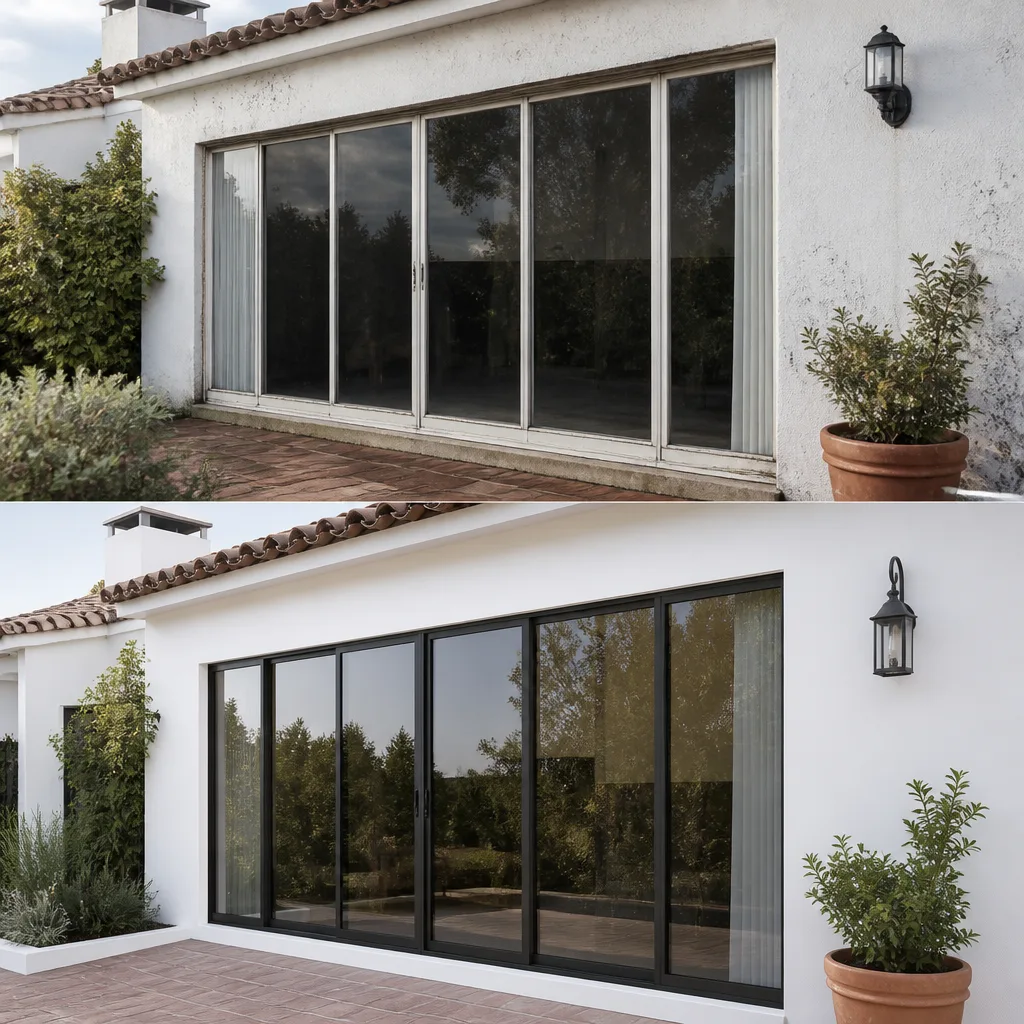
 Before
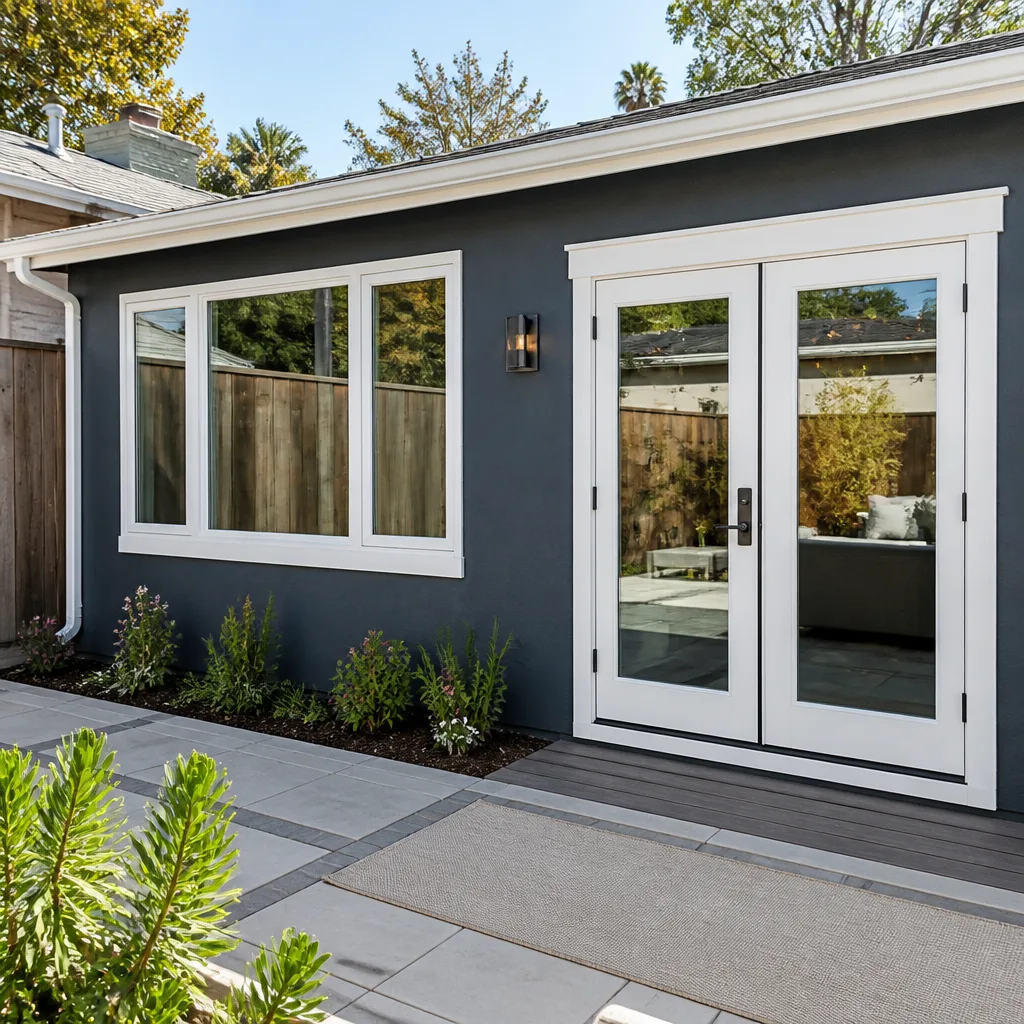 After
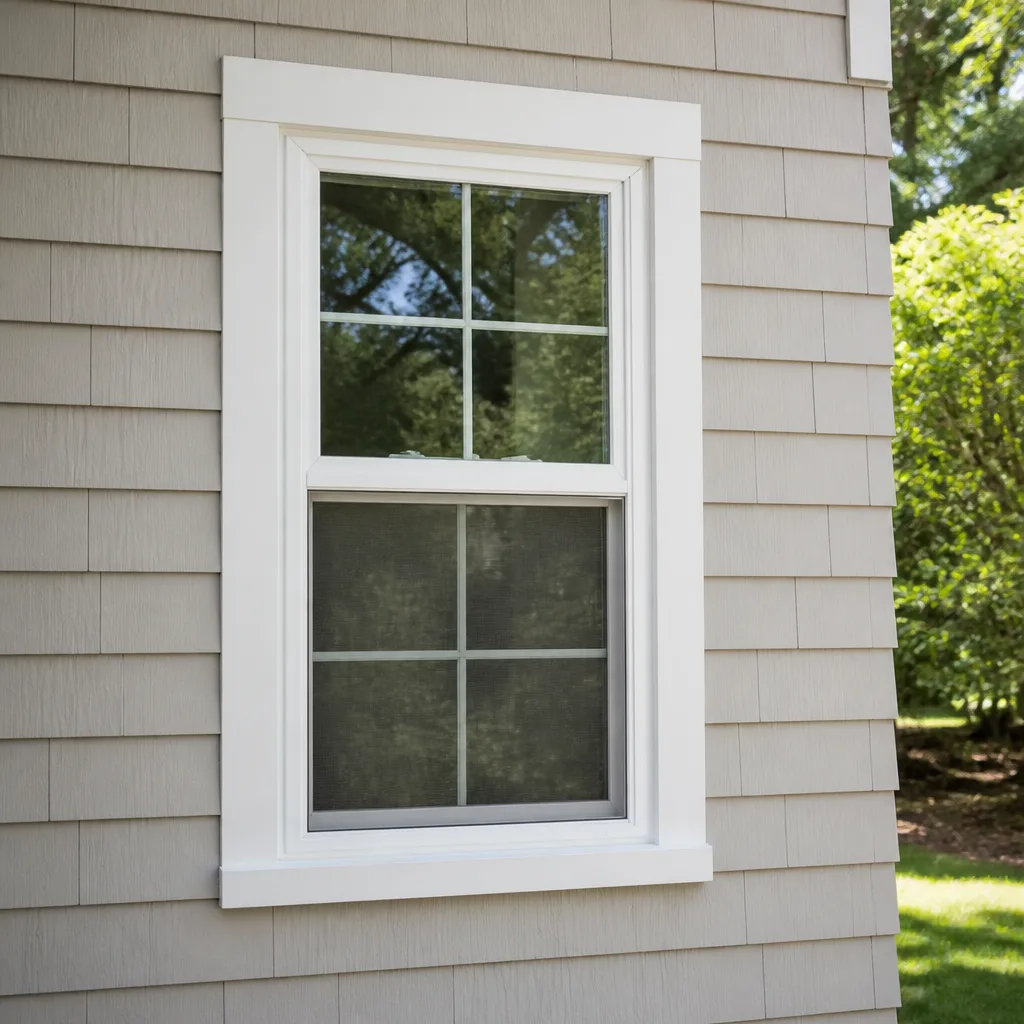
After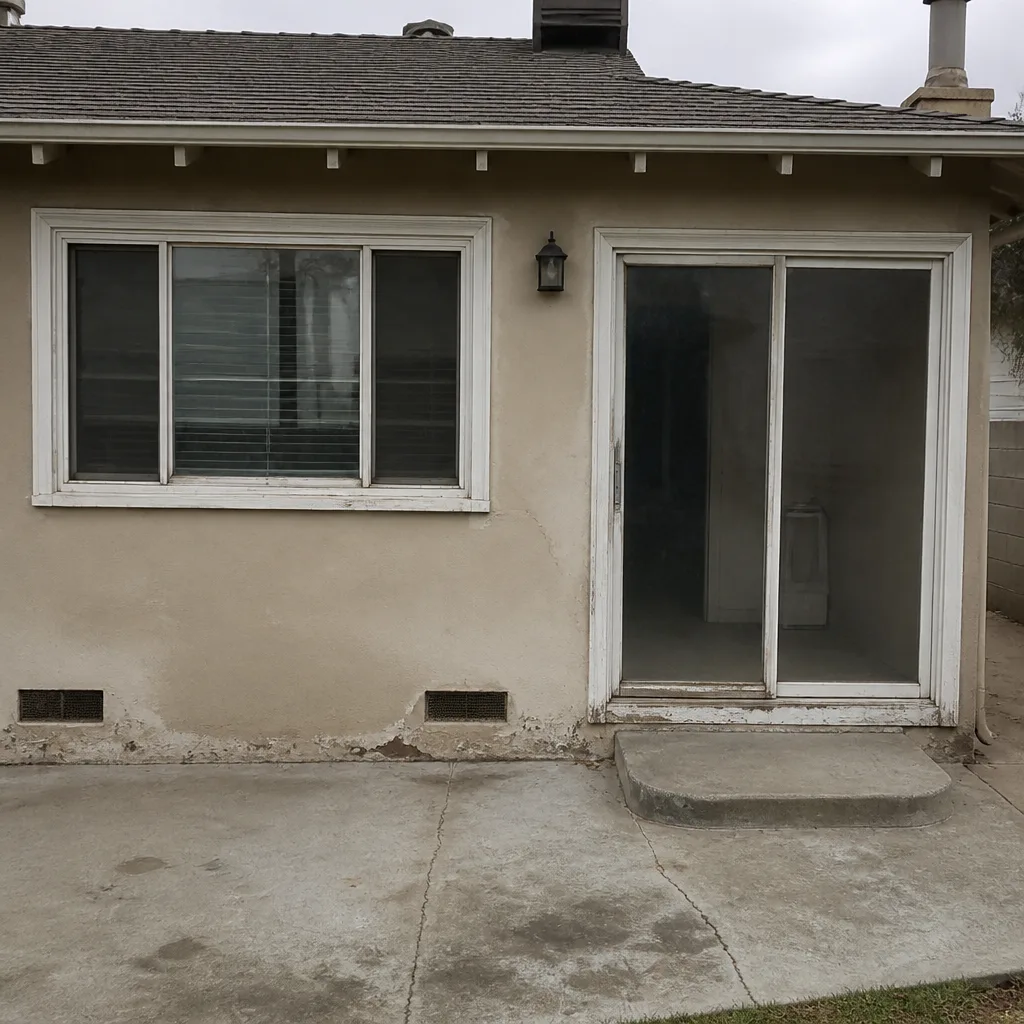 Before
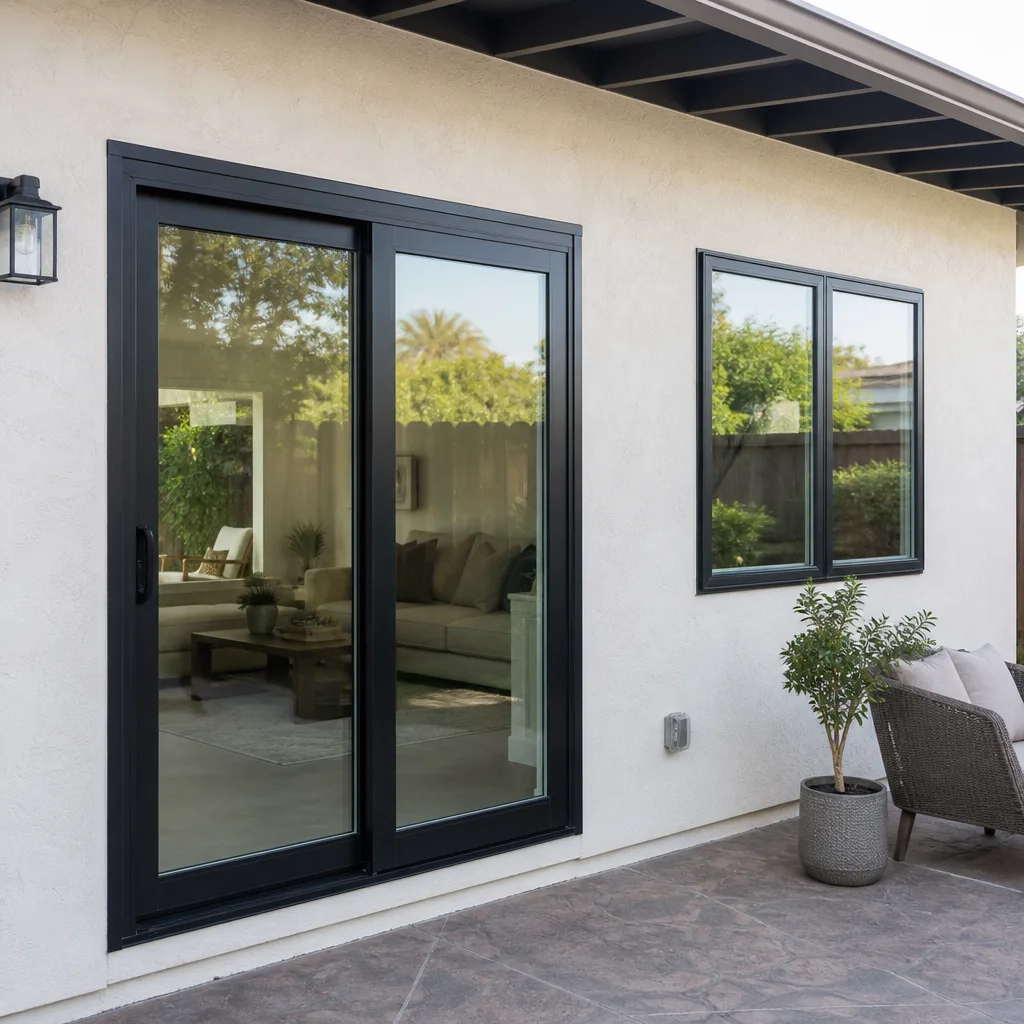 After
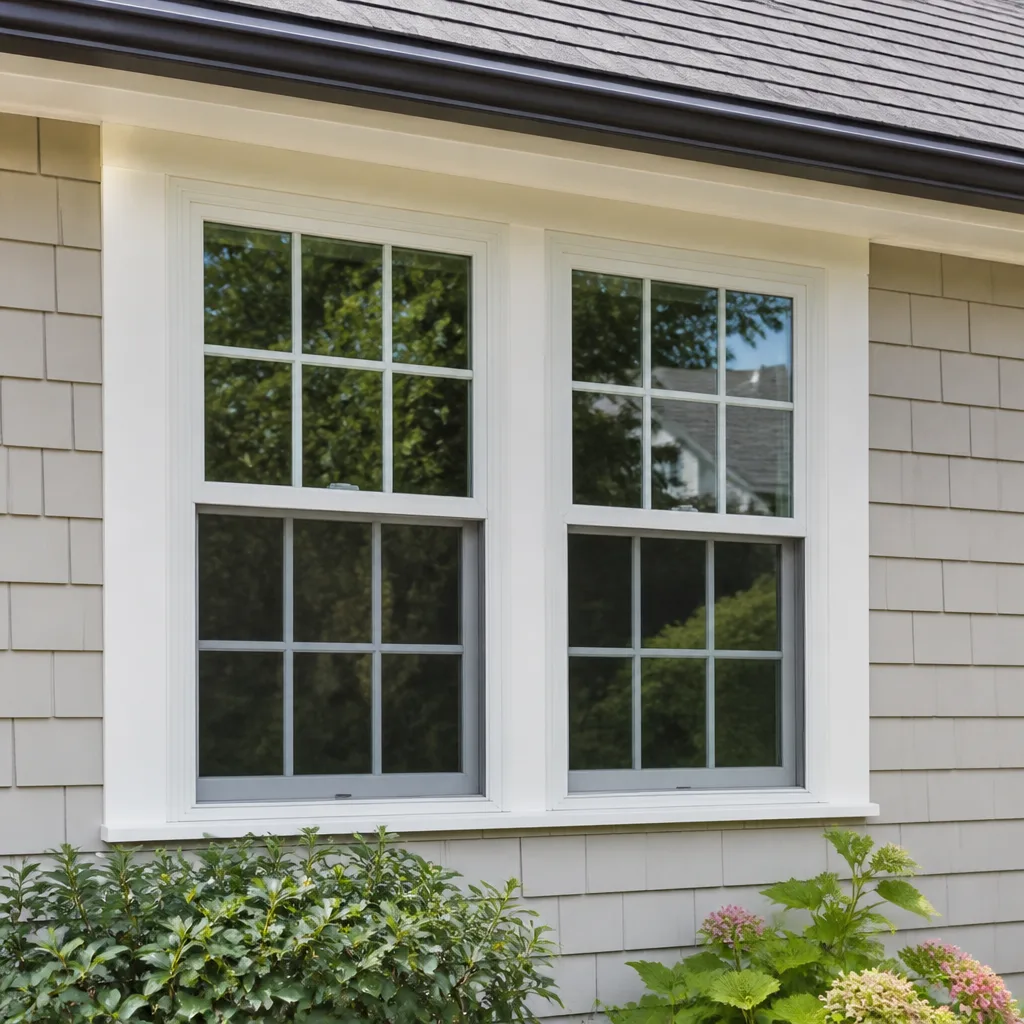
After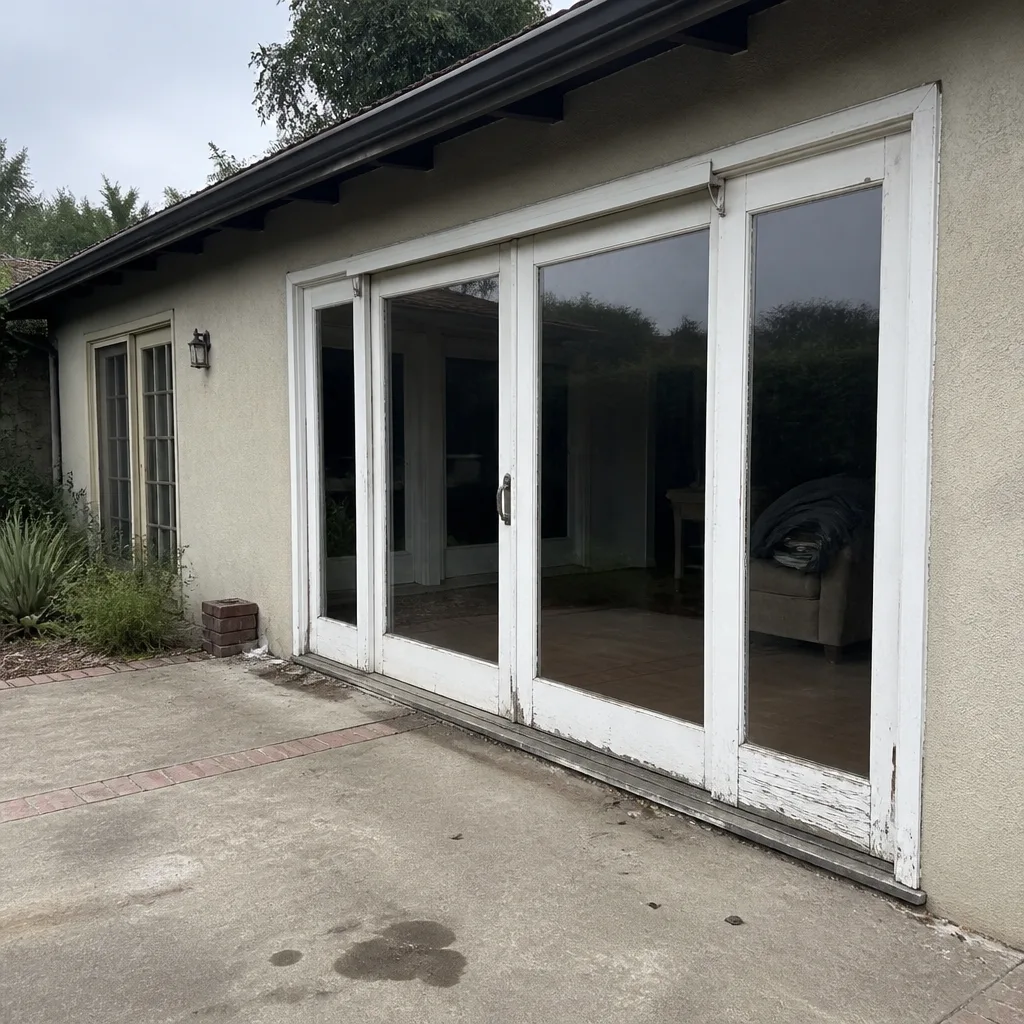 Before
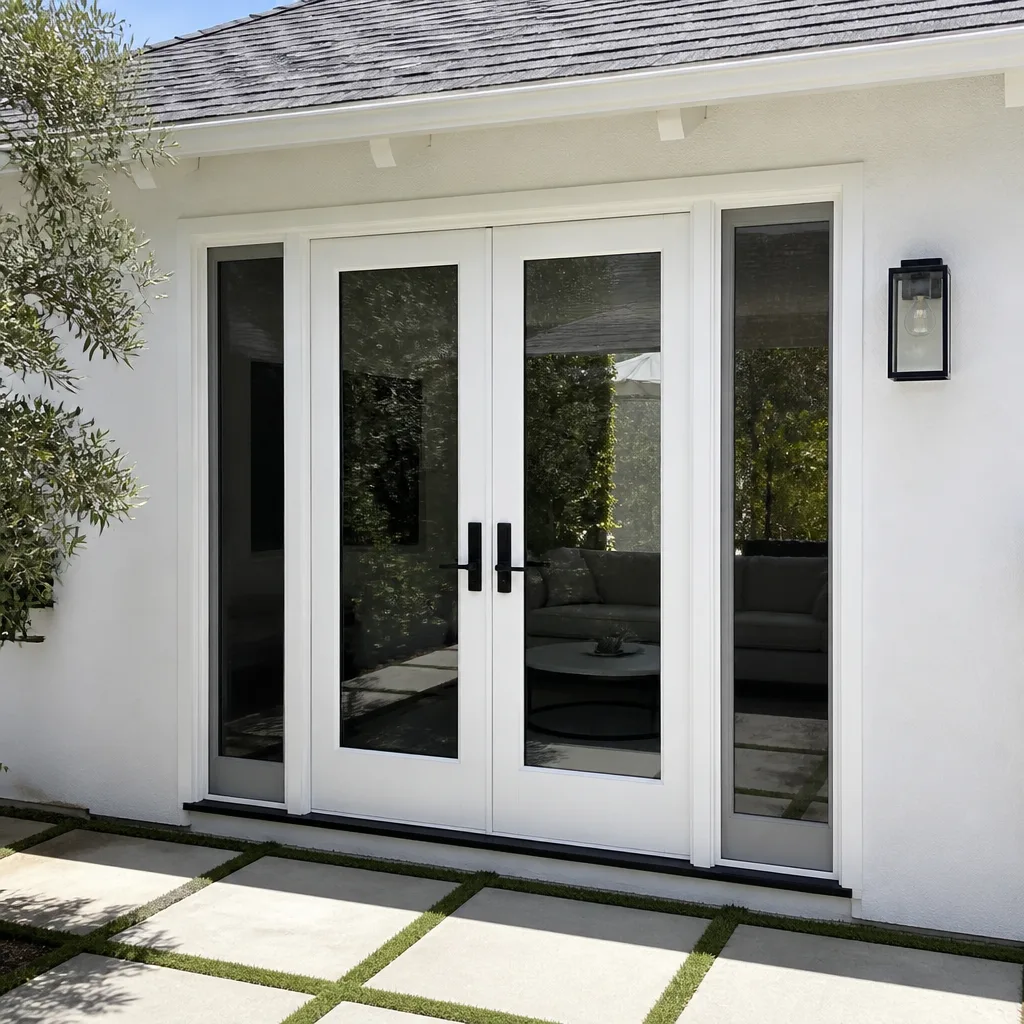 After
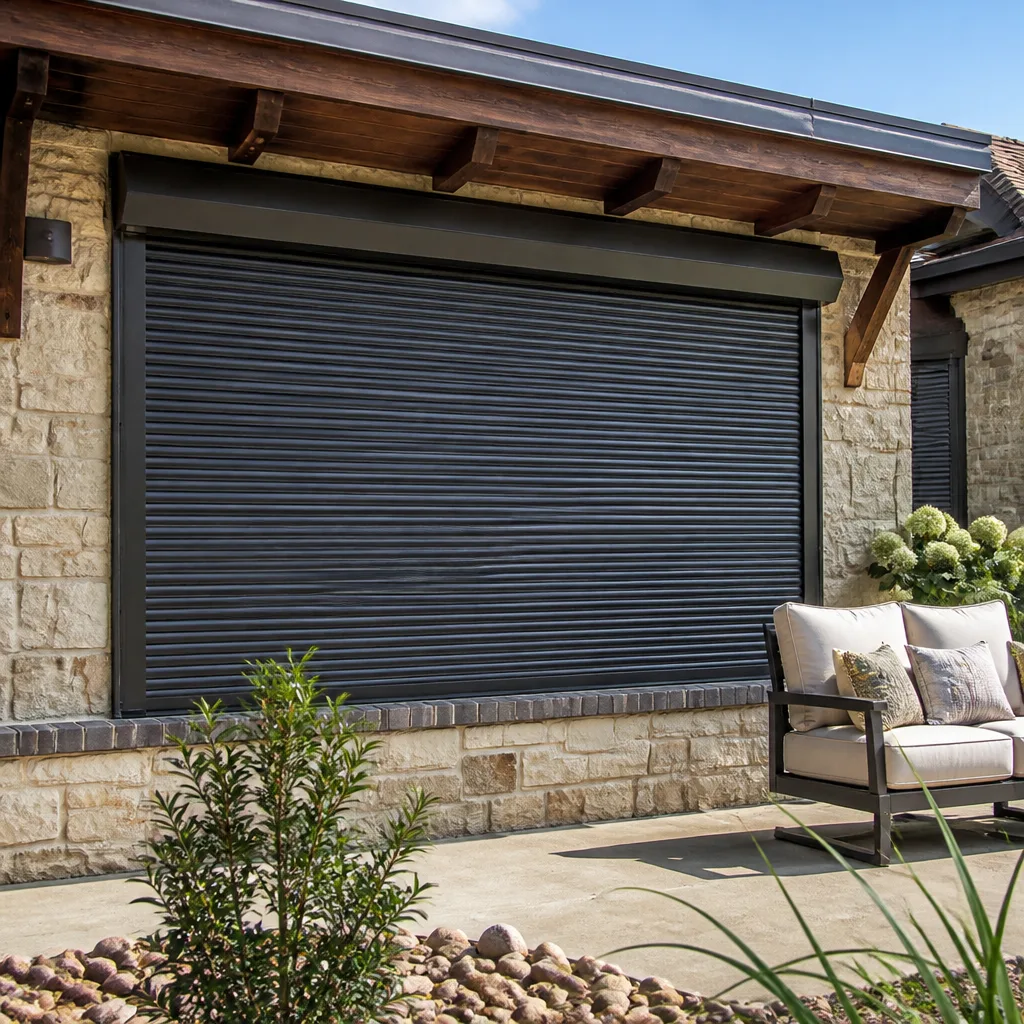
AfterThe Complete Patio Door Installation Guide for Los Angeles Homeowners
California’s Title 24 energy code requires patio door glazing to meet a maximum Solar Heat Gain Coefficient of 0.25 in most Los Angeles climate zones. That single spec eliminates several popular national door lines before you even measure the opening. This guide covers the full process as it actually runs in Los Angeles: the code checks, the permit thresholds, the stucco attachment sequence, the seismic hardware, and the honest price ranges. You’ll finish knowing exactly what your project requires and what questions to ask any installer before signing.
Quick Answer
Patio door installation in Los Angeles typically costs $3,200 to $11,500 installed depending on door type, rough opening work, and glazing specs, with most single sliding door replacements landing between $4,000 and $7,500. For professional help, consider our Patio Door Installation services. The job requires a Title 24 energy compliance check, a Los Angeles Department of Building and Safety permit when the opening size changes, and stucco flashing details that differ from wood-frame construction. Plan for one to three days on site, plus up to two weeks for the permit review window.
Table of Contents
- How Title 24 Affects Which Patio Doors You Can Buy in Los Angeles
- Do You Need a Permit for Patio Door Installation in LA?
- The Stucco-Exterior Installation Sequence, Step by Step
- Seismic Requirements for Wide Door Openings in Los Angeles
- The Three Patio Door Configurations LA Homeowners Request Most
- What Patio Door Installation Costs in Los Angeles, Line by Line
- Common Mistakes to Avoid
- When to Call a Professional
- Frequently Asked Questions
- The Bottom Line
How Title 24 Affects Which Patio Doors You Can Buy in Los Angeles
Before you fall in love with a door in a showroom, check the National Fenestration Rating Council (NFRC) label. For deeper context, see The Complete Window Installation Guide for Los Angeles Homeowners. Title 24, California’s building energy code, sets performance minimums for every window and exterior door sold in the state. For Los Angeles climate zones 9 and 10, most residential patio doors need a Solar Heat Gain Coefficient (SHGC) of 0.25 or lower. The SHGC measures how much solar heat passes through the glass. A lower number means the door blocks more heat, which keeps your air conditioning bill down when the San Fernando Valley hits 95 in August.
The NFRC label is the small white sticker on the door frame or glass. It lists three numbers: the U-factor (how well the door resists heat flow), the SHGC, and the visible transmittance (how much daylight comes through). For Los Angeles, the SHGC is usually the gatekeeper. Many national door lines sell standard glass packages with an SHGC of 0.30 to 0.40. Those doors will not pass a Title 24 compliance check in most of LA County without upgraded low-E glazing (a thin coating that reflects heat while letting light through). That upgrade adds $300 to $700 per door, and it’s not optional if you’re pulling a permit.
In our experience, the conversation goes one of two ways. Either the homeowner already ordered a door and found out the inspector flagged the SHGC, or they call us before ordering and we spec the right glass the first time. The second way is faster and cheaper. When we quote a Patio Door Installation in Los Angeles project, we confirm the climate zone, verify the door’s NFRC rating against that zone, and put the compliance check in writing before the order goes to the manufacturer.
Do You Need a Permit for Patio Door Installation in LA?
The short answer: if you’re replacing a door in the same opening, same size, you usually do not need a permit. If you’re widening the opening, cutting a new opening, or altering the header, you need a permit from the Los Angeles Department of Building and Safety (LADBS). The distinction matters for resale. Unpermitted structural changes get flagged during a home inspection and can delay or derail a sale.
- Same-size replacement: Pull the old door, install the new one, flash and seal. No LADBS permit required in most cases, though Title 24 energy compliance still applies.
- Widening an existing opening: This is a structural alteration. You need plans showing the new header size, and the work must pass a framing inspection before the door goes in.
- New opening in a wall: This is the heaviest permit path. It requires structural calculations for the header, shear wall considerations, and multiple inspections. Budget four to six weeks for plan review and inspection scheduling.
Pulling the permit protects you in two ways. First, the LADBS inspector verifies the structural work meets current code, which means the next buyer’s inspector has nothing to flag. Second, if you ever file an insurance claim related to the opening, the permit establishes the work was done legally. The permit fee for a door replacement with opening alteration typically runs $150 to $400 depending on valuation. The bigger cost is time: plan review, inspection scheduling, and rescheduling when the inspector’s window shifts.
Meridian Windows & Doors handles the permit paperwork for our Los Angeles door installations when structural work is involved. We are part of the Garrison Partners family, operating to The Garrison Standard since 2009, and part of that standard is pulling permits and passing inspections rather than treating the permit as someone else’s problem.
The Stucco-Exterior Installation Sequence, Step by Step
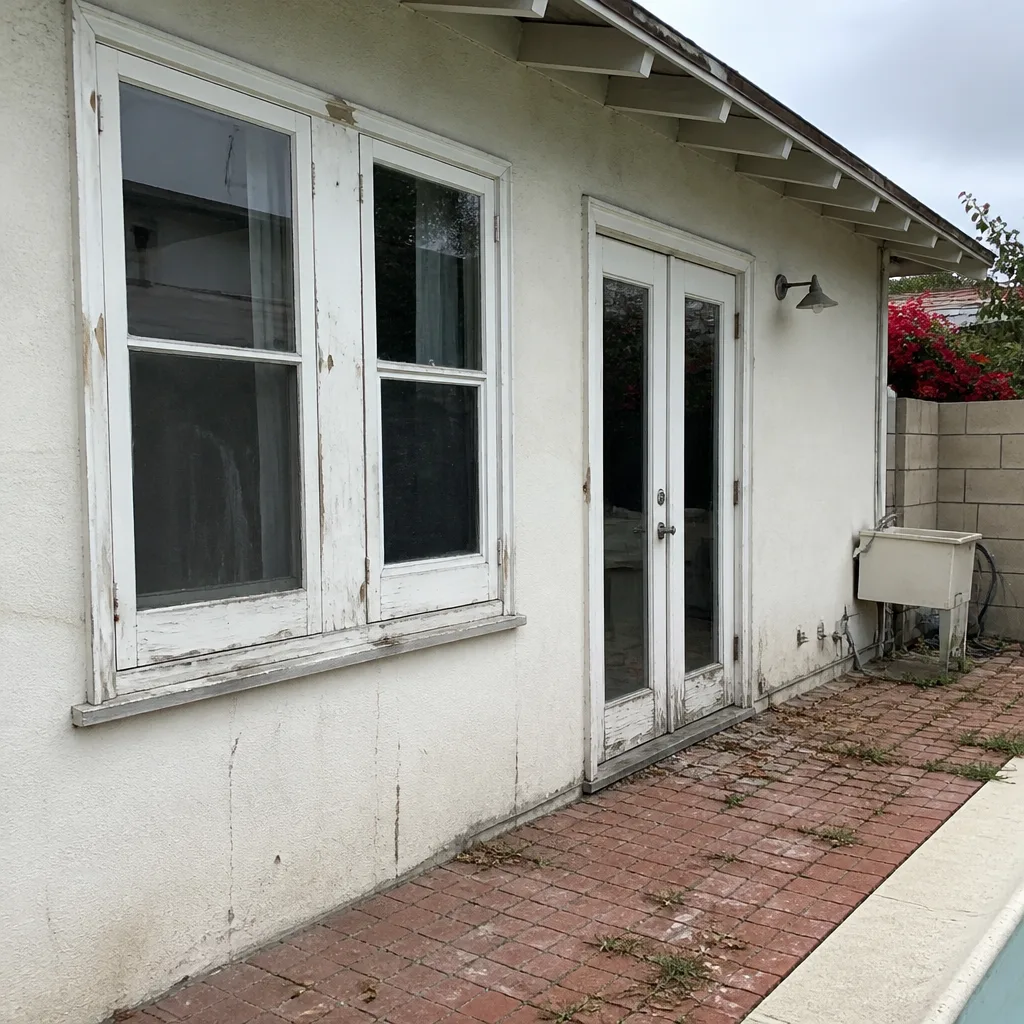
Most Los Angeles homes built before 1990 have stucco exteriors. Installing a patio door into stucco is a different job than installing into wood siding or brick veneer. The waterproofing sequence determines whether the door leaks in the first rainy season or stays dry for thirty years. Here’s the order as it should run:
- Cut the stucco cleanly. The stucco is cut back to expose the structural framing, and the edges are squared. Sloppy cuts make the waterproofing lap harder and show up as cracks later.
- Install the pan flashing. A metal or membrane pan goes under the door sill and slopes toward the exterior. This directs any water that gets past the door back to the outside. In our experience this is the detail most often skipped by rushed crews.
- Install the door buck. The buck frames the rough opening and gives the door a solid surface to anchor into. The buck is integrated with the water-resistive barrier (WRB), which is the building paper or house wrap behind the stucco.
- Lap the WRB over the pan flashing. The barrier gets lapped shingle-style so water drains outward, never inward.
- Set and shim the door. The door is plumbed, leveled, and shimmed. Anchor screws go through the frame into the buck and framing.
- Apply backer rod and sealant around the perimeter. This allows the sealant to stretch and flex with the door.
- Repair the stucco. The cut stucco gets repaired with the same lath schedule as the surrounding wall. Three-coat stucco takes time to cure, which is why the final inspection date often depends on the stucco repair window, not the door installation itself.
Why the stucco lath schedule matters: modern three-coat stucco has specific cure times between coats. If a contractor rushes the stucco repair to finish the job faster, the repair will crack and separate from the door frame within a year or two. That’s not a door failure, it’s a stucco process failure. Our crews follow the cure schedule on every stucco-exterior installation in Los Angeles, and the written 365-Day Done Right Promise covers the work. If it fails within that year, we come back at no charge.
Seismic Requirements for Wide Door Openings in Los Angeles
A wide glass wall looks great in a mid-century Sunset Hills home or a new build in Playa Vista, but the structural work behind it is not optional. The 2022 California Residential Code (CRC) requires engineered headers for openings over certain widths, and the seismic provisions in Los Angeles make those headers larger than what a standard prescriptive table allows. When an opening exceeds 72 inches wide, the header needs to be sized by calculation, not by a rule-of-thumb chart.
The practical concerns:
- Header sizing: For a 12-foot opening in an exterior bearing wall, the header might be a 4×12 glulam or a steel beam depending on the loads above. Getting this wrong is not a cosmetic issue.
- Holdown hardware: In seismic zones like Los Angeles, sheer walls at either side of a large opening need holdown anchors that tie the wall down to the foundation. These resist the uplift and racking forces during an earthquake.
- Glass type: Large glass panels near the ground need tempered or laminated safety glass. Laminated glass also holds together when cracked, which matters in a quake.
- Deflection limits: Big sliding and multi-slide doors have strict frame deflection requirements. If the header sags even a quarter inch, the door binds and the rollers wear out prematurely.
When we install multi-slide doors in Los Angeles, we bring in the structural engineering as part of the permit package. The door manufacturer publishes maximum deflection specs, and the header must be designed to stay under those limits under full design load, not just in day-to-day conditions. Elliot Vance, who leads Meridian Windows & Doors, has walked enough Los Angeles remodels to know that the time to discuss deflection is before the concrete is cut, not after the doors stop sliding.
The Three Patio Door Configurations LA Homeowners Request Most
Most Los Angeles homeowners land on one of three configurations. Each demands different rough-opening dimensions, subfloor prep, and installation tactics.
Sliding Patio Doors
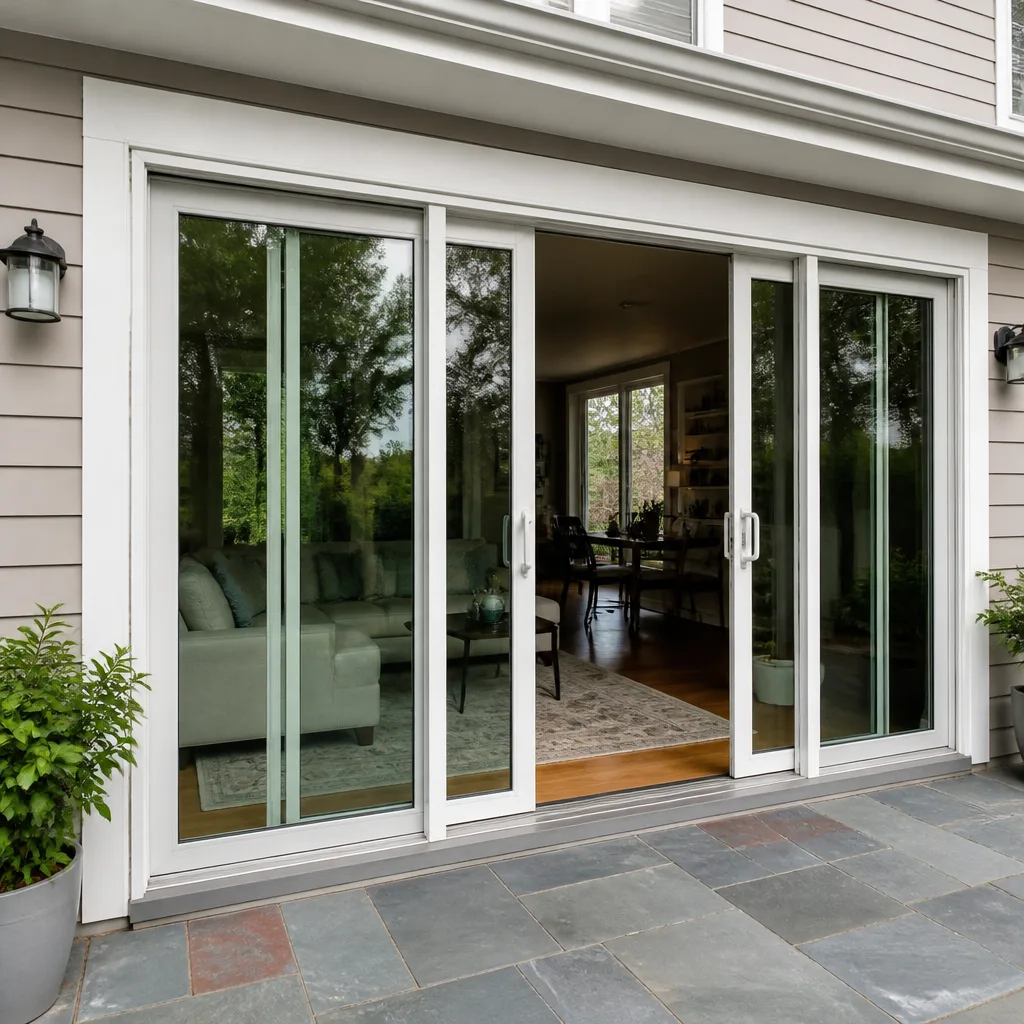
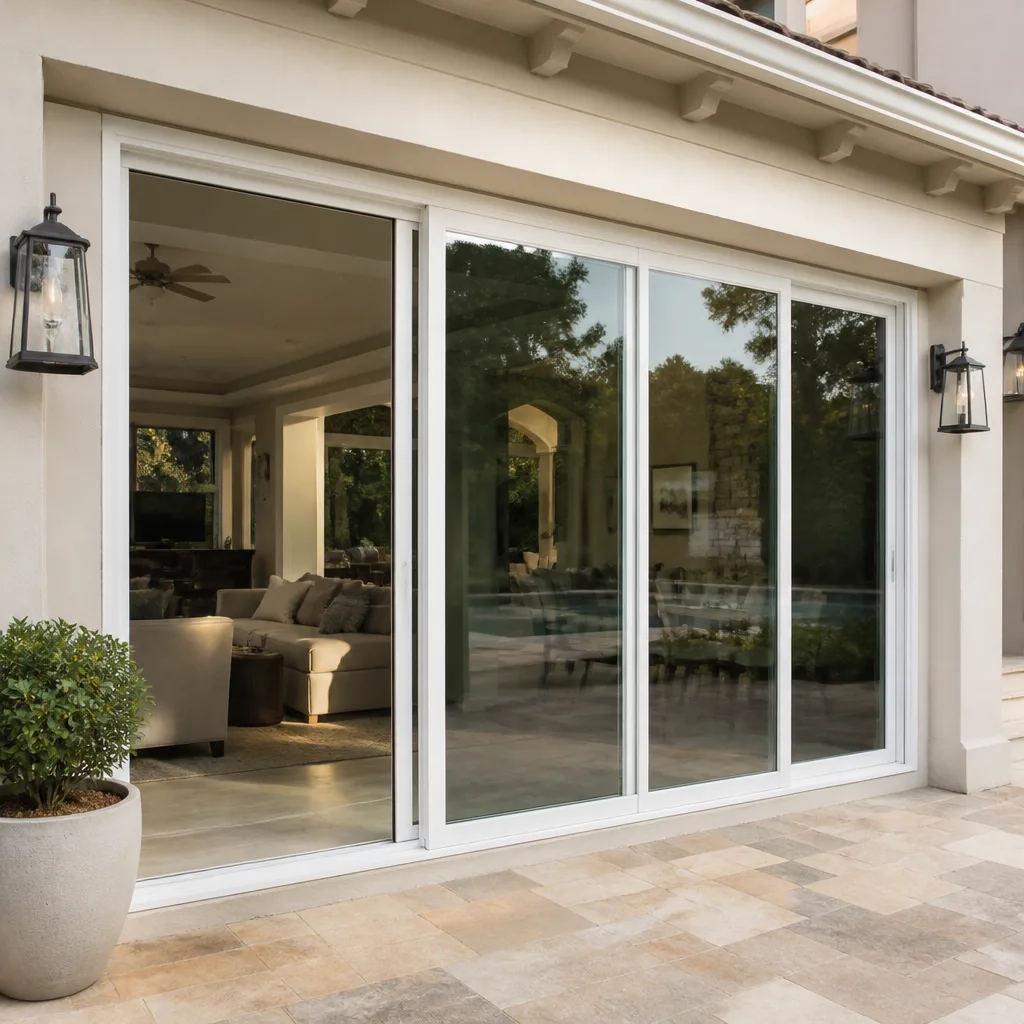
The standard slider is the workhorse of Los Angeles back patios and balconies. A two-panel slider in a 60 or 72-inch rough opening is the most common replacement size. The subfloor under the sill needs to be level within 1/8 inch over the width of the opening, or the door will drift. Sliding doors from PGT and CGI come with heavy extruded aluminum frames that handle the coastal humidity in Venice and the inland heat in Pasadena without warping. Installation for a slider in an existing opening usually takes one day.
French Swing Doors
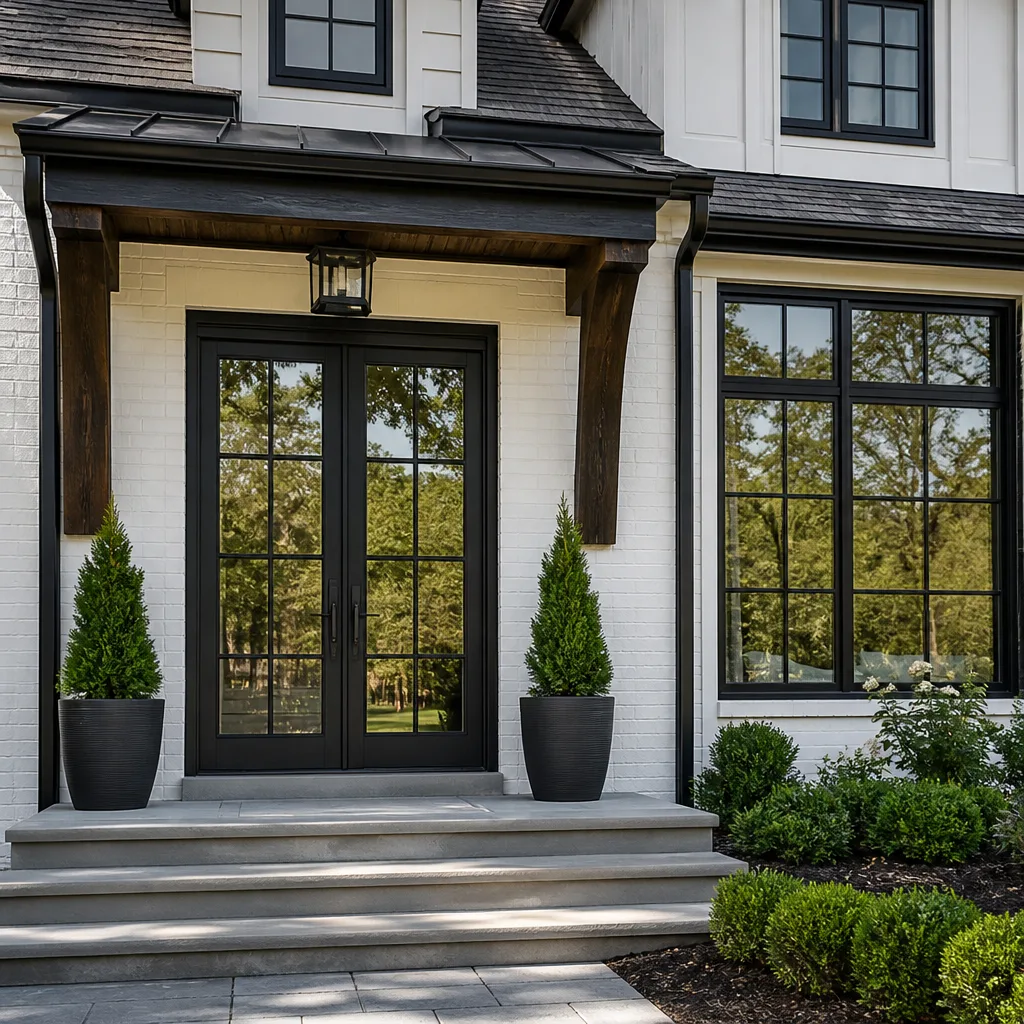
French doors are two hinged panels that swing inward or outward. They need a wider interior clearance for the swing arc and a flat sill pan that accommodates the threshold. In Los Angeles, French doors often appear between a dining room and a back garden in Spanish-style homes. The trick with French doors is getting both panels to align perfectly at the center meeting stile. That’s an installer skill, not a manufacturing spec. CWS makes a French door with an adjustable threshold that helps with the inevitable slab settling on older LA foundations.
Multi-Slide Doors
Multi-slide doors are the modern glass wall: three or more panels that stack against each other. They’re popular in newer Los Angeles construction and whole-house remodels in Sherman Oaks and Encino. A multi-slide needs a steel header, a structural floor that won’t deflect under the weight of the glass, and recessed tracks that sit flush with the floor. ViewLux builds multi-slide doors with aluminum frames and narrow sightlines that work well in contemporary LA homes. This is not a one-day install. Budget two to three days and expect the permit review to take longer because of the structural drawings.
What Patio Door Installation Costs in Los Angeles, Line by Line
Every contractor’s number looks different because they bundle different things. Here’s what we see across Los Angeles on window and door replacement projects, broken down line by line so you can compare real numbers:
- Standard sliding patio door (6-foot): $2,800 – $4,500 labor and materials for a quality mid-range door with Title 24-compliant glazing.
- French doors (pair, 6-foot): $4,200 – $7,000. The double-door hardware and alignment work add labor.
- Multi-slide door (12-foot, 4-panel): $9,000 – $15,000. Includes structural header, steel support as needed, and the larger permit package.
- Low-E glass upgrade (if not already Title 24 compliant): $300 – $700 per door.
- Permit fees (LADBS): $150 – $400 when structural work is involved.
- Structural engineering: $500 – $1,200 for a header calculation on a large opening.
- Stucco repair (exterior): $400 – $900 depending on the size of the cut and whether the wall is three-coat or one-coat stucco.
The price goes on paper before any work starts. That’s how Meridian Windows & Doors runs every estimate: no vague allowances, no change orders at the door, no “we found something” surprises. One of the brands we install and replace is ViewLux, whose multi-slide and folding door lines show up often in Los Angeles modern homes. The right door is the one spec’d for the job, not the one that happens to be in stock.
Common Mistakes to Avoid
- Buying a door before checking Title 24 compliance. A door with an SHGC of 0.30 will fail in most LA climate zones. Check the NFRC label before you buy, not after the door is delivered to your driveway.
- Skipping the permit on an opening alteration. The savings feel real until a home inspection flags the unpermitted header. Then it costs more to fix than the permit would have cost in the first place.
- Letting a contractor caulk over the stucco seam without proper flashing. Caulk is not waterproofing. If the pan flashing and WRB integration are wrong, the door leaks behind the stucco where you can’t see it.
- Choosing the cheapest bid on a multi-slide door. A 12-foot glass wall needs a real header and precision leveling. The cheap bid is cheap because someone is cutting a corner you’ll pay for later.
- Ignoring the deflection limit on wide openings. If the header flexes more than the door manufacturer allows, the door binds and the warranty is void.
- Assuming the door manufacturer handles installation. Manufacturers make doors. Installers make them work. The warranty on the door does not cover a bad installation, and a bad installation voids most door warranties.
When to Call a Professional
Any installation that touches the structural frame, the stucco weather barrier, or the seismic hardware requires a trained installer. You should call a professional if the opening is getting larger, if the door is over 72 inches wide, if the home has stucco exterior, or if you’ve never done door flashing before. The risk with a DIY door installation isn’t just a leak. It’s a header that fails during an earthquake, or a door that falls out of square because the rough opening was framed wrong. Meridian Windows & Doors offers free estimates in Los Angeles. Call (817) 686-2228 for a written quote before you start cutting anything.
We answer the phone with a live person, every day, around the clock. No voicemail loop, no next-business-day callback. The technicians who show up are background-checked and uniformed, and the price was already on paper before they arrived. That discipline is the whole reason the company was built.
Frequently Asked Questions
Most patio door installations in Los Angeles run between $3,200 and $11,500 installed, with standard sliding door replacements at $4,000 to $7,500 and multi-slide doors at $9,000 to $15,000. The total depends on door type, glass package, structural work, and permit requirements. Call (817) 686-2228 for an exact quote. Estimates are free.
No permit is required if you’re replacing a door in the same opening with the same dimensions. If you’re widening the opening or creating a new one, you need a permit from the Los Angeles Department of Building and Safety. Call (817) 686-2228 to find out which path your project needs. We handle the paperwork.
Title 24 is California’s energy code, and it sets a maximum Solar Heat Gain Coefficient of 0.25 for patio door glass in most Los Angeles climate zones. A door that fails this check cannot be legally installed with a permit. We verify the NFRC label before ordering any door for a Los Angeles job.
A standard sliding door replacement in an existing opening takes one day on site. A multi-slide door with structural work takes two to three days, plus permit review time that can add several weeks. We set expectations in writing before the project starts.
No. The written price we give you before work begins is the price you pay. We do not issue change orders at the door. The only thing that changes the price is a change you request after the estimate.
Meridian Windows & Doors covers every installation with a written 365-Day Done Right Promise. If the work fails within that year, we return at no charge. We also honor the manufacturer’s warranty on the door itself, but only when the installation was done correctly. Call (817) 686-2228 for details in writing.
You can replace a same-size door yourself if you’re confident in the flashing and leveling, but we don’t recommend it for stucco exteriors or any structural change. A bad flashing job leaks behind the wall where you can’t see it for years. A bad header is a safety issue. We offer free estimates, so calling us costs nothing.
The Bottom Line
Patio door installation in Los Angeles comes down to three things most generic guides skip: Title 24 glazing compliance, stucco waterproofing details, and seismic hardware for wide openings. Browse our more guides & resources for additional help. Get those right and the door performs for decades. Get any one of them wrong and you’re paying twice. Meridian Windows & Doors prices every job in writing before work starts, pulls permits when they’re required, and backs every installation with a 365-Day Done Right Promise. For a free estimate on your patio door project, call (817) 686-2228.
Written by Elliot Vance, Owner at Meridian Windows & Doors, serving Los Angeles since 2009.