

Last updated October 9, 2026
Free in-home measure and quote - PGT, CGI and CWS impact lines compared on your actual openings, style by style
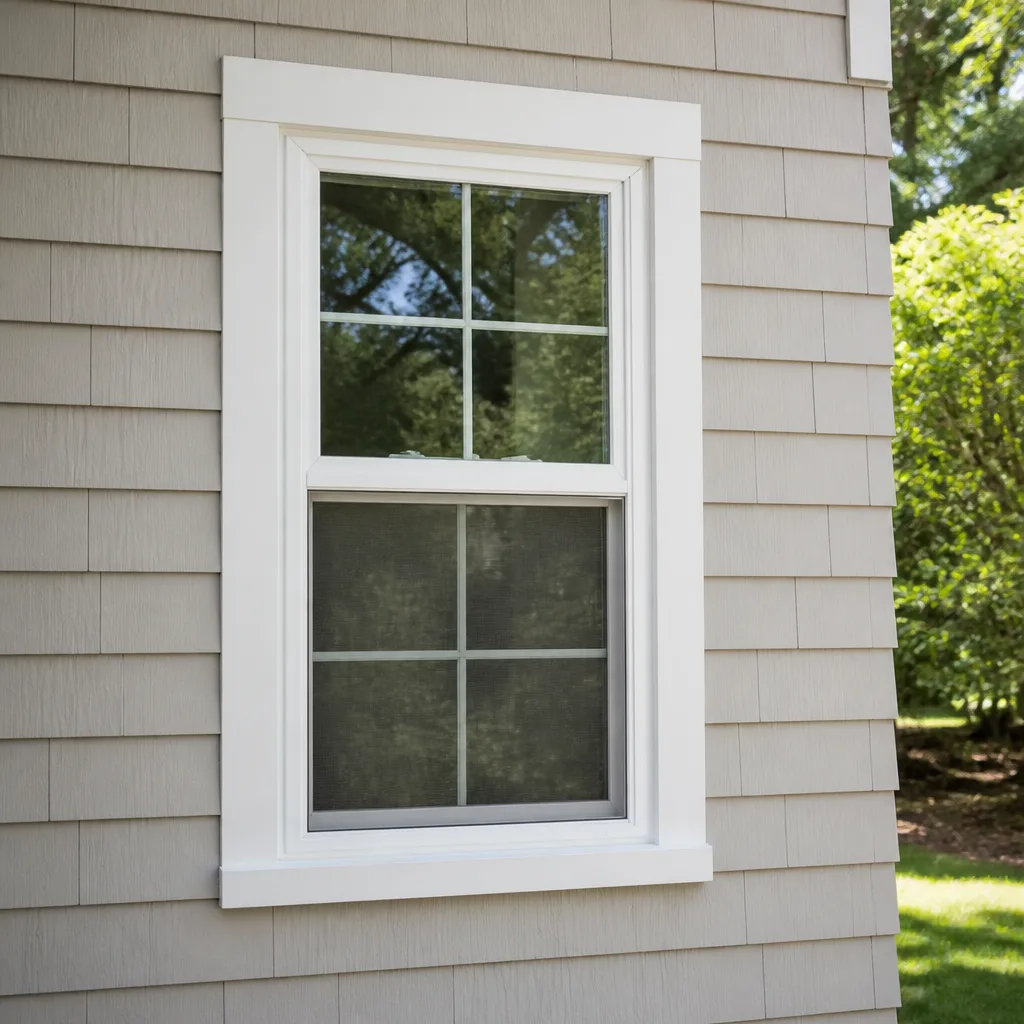
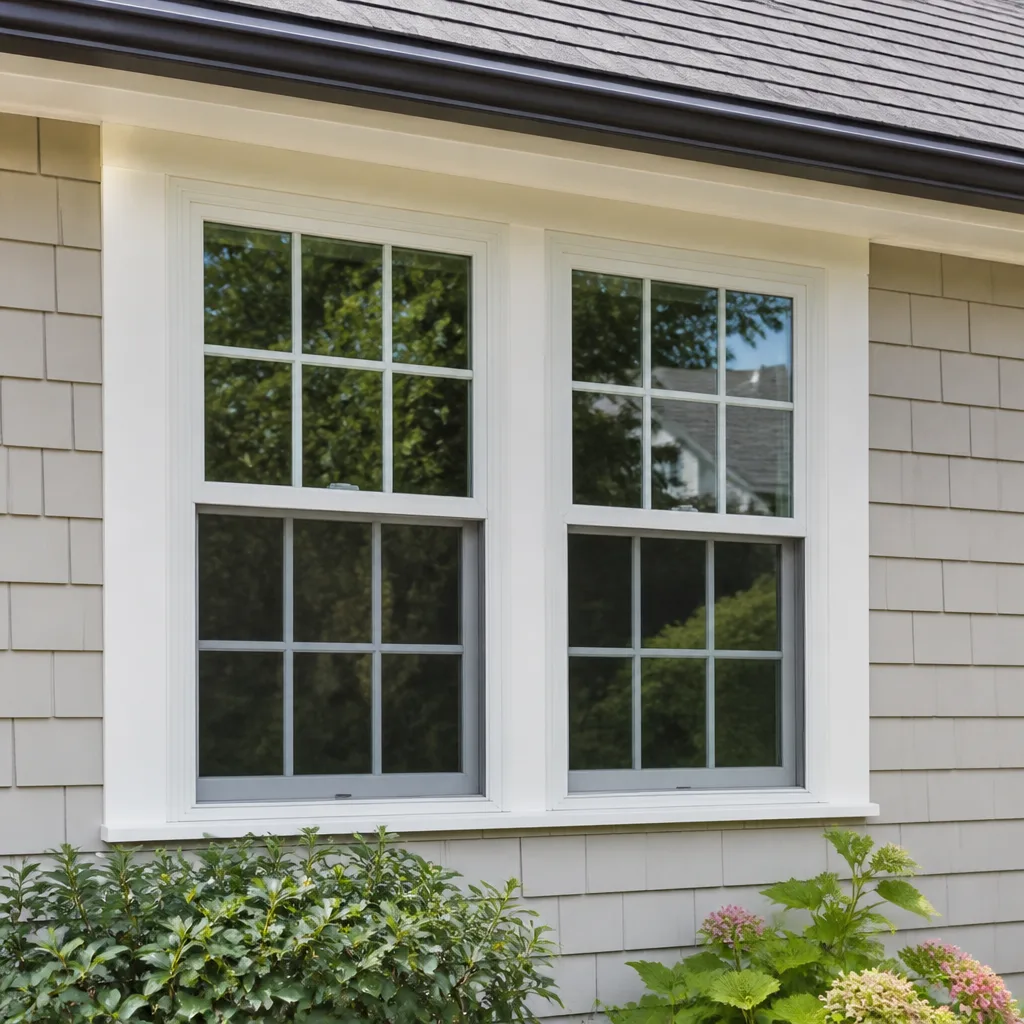
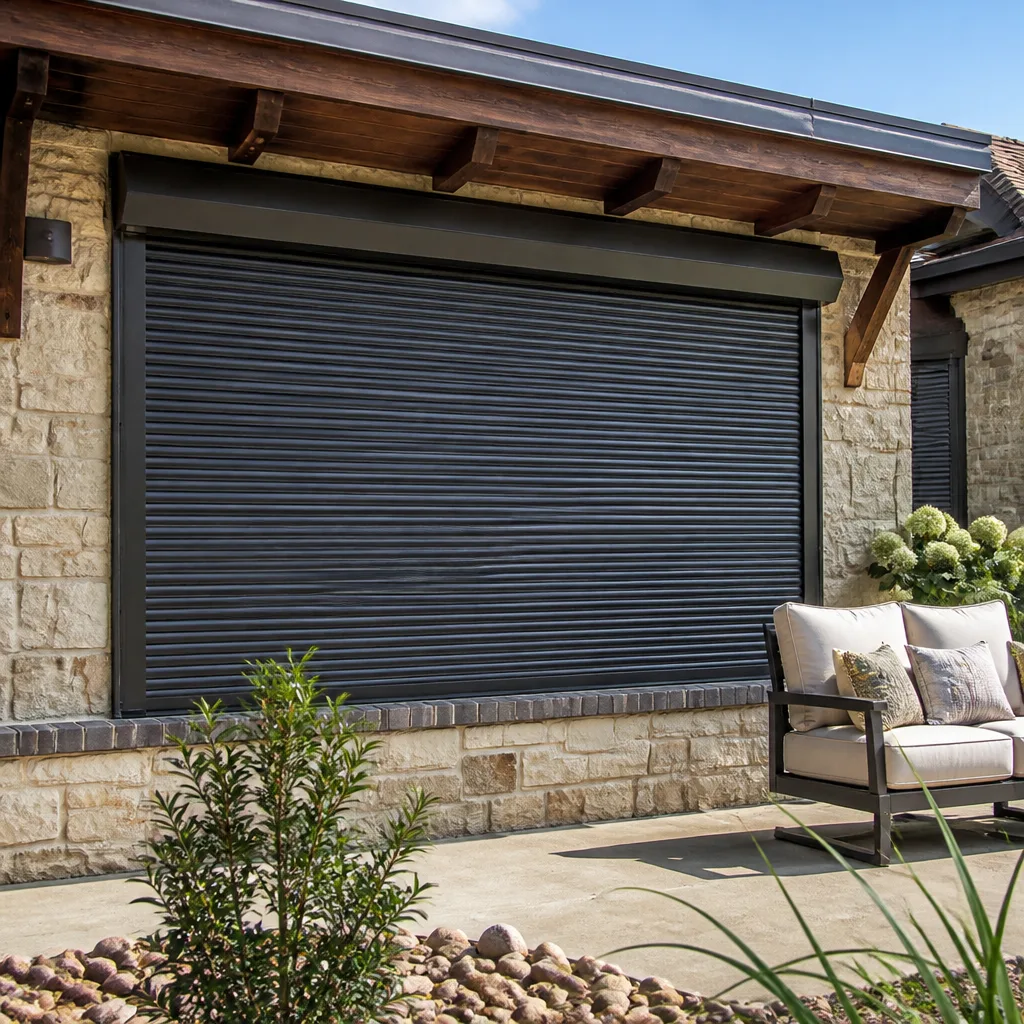
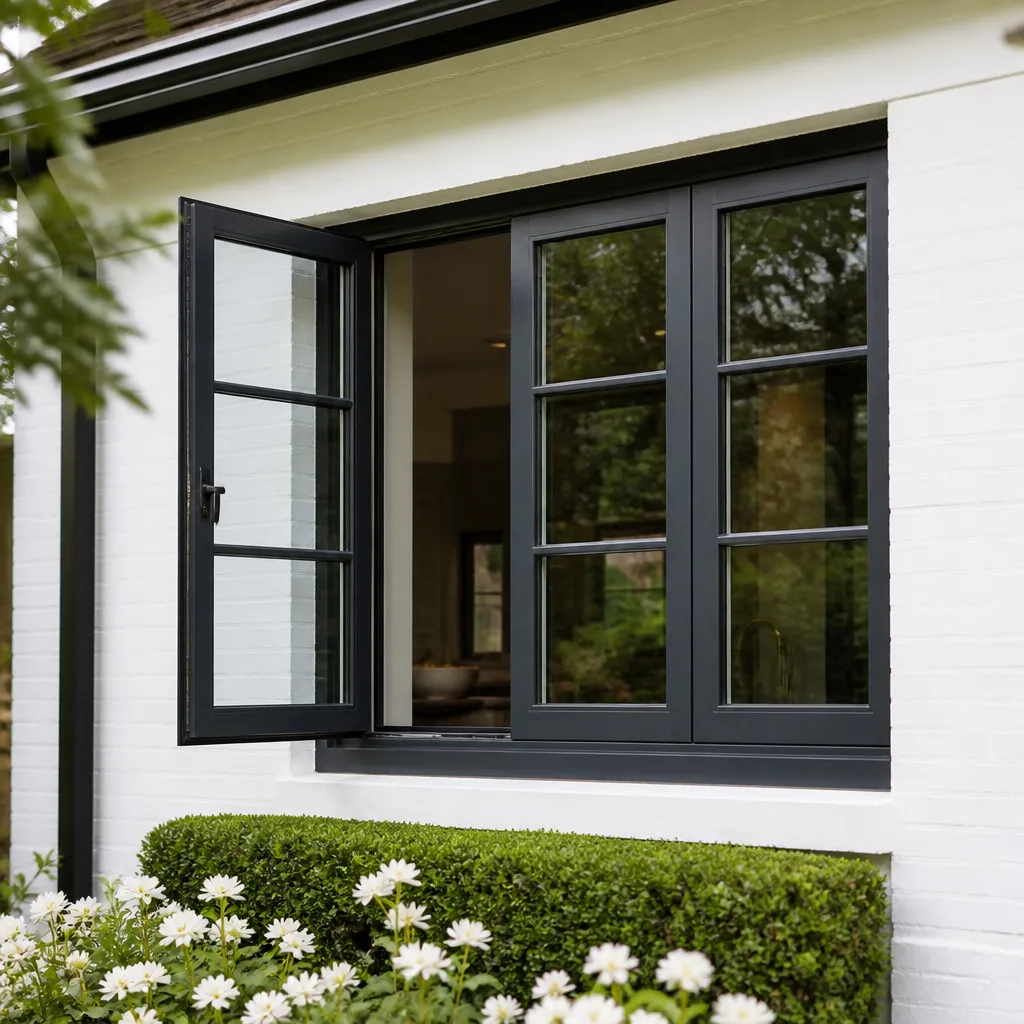
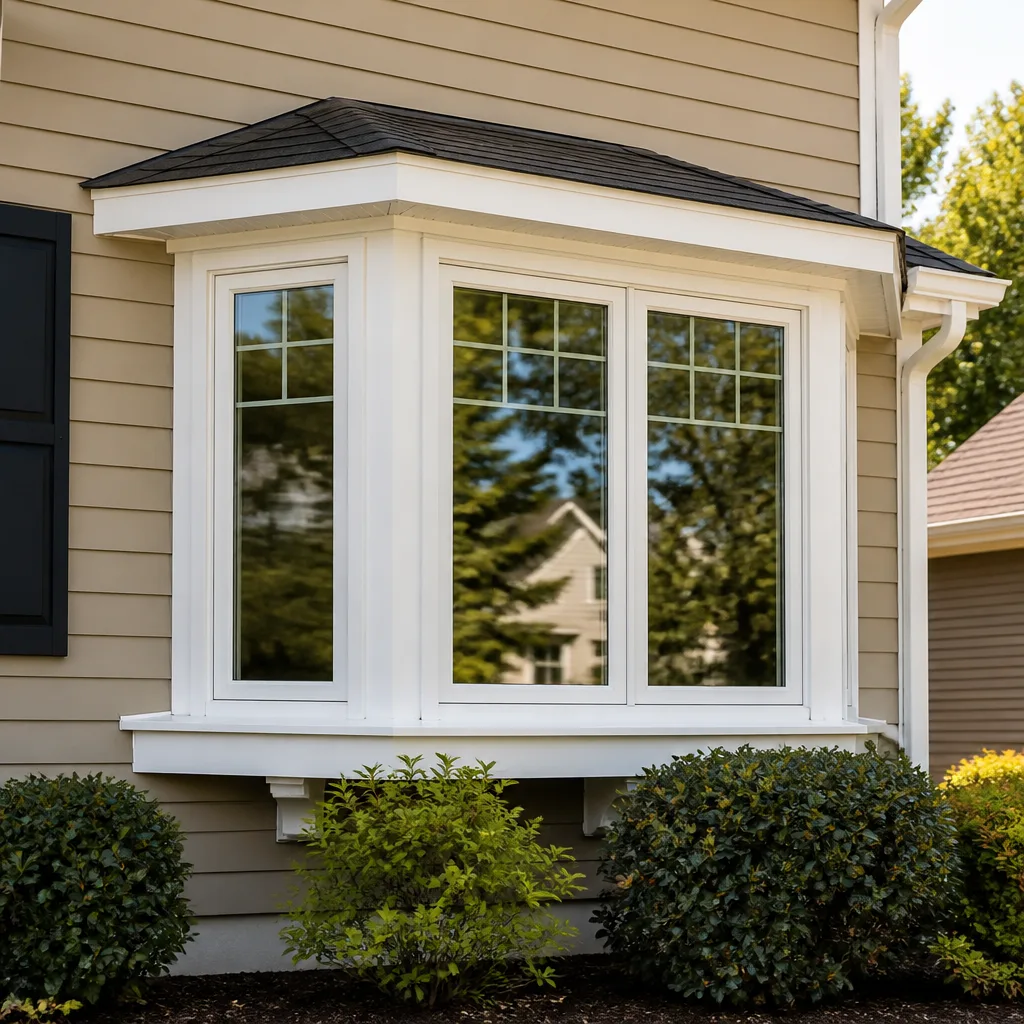
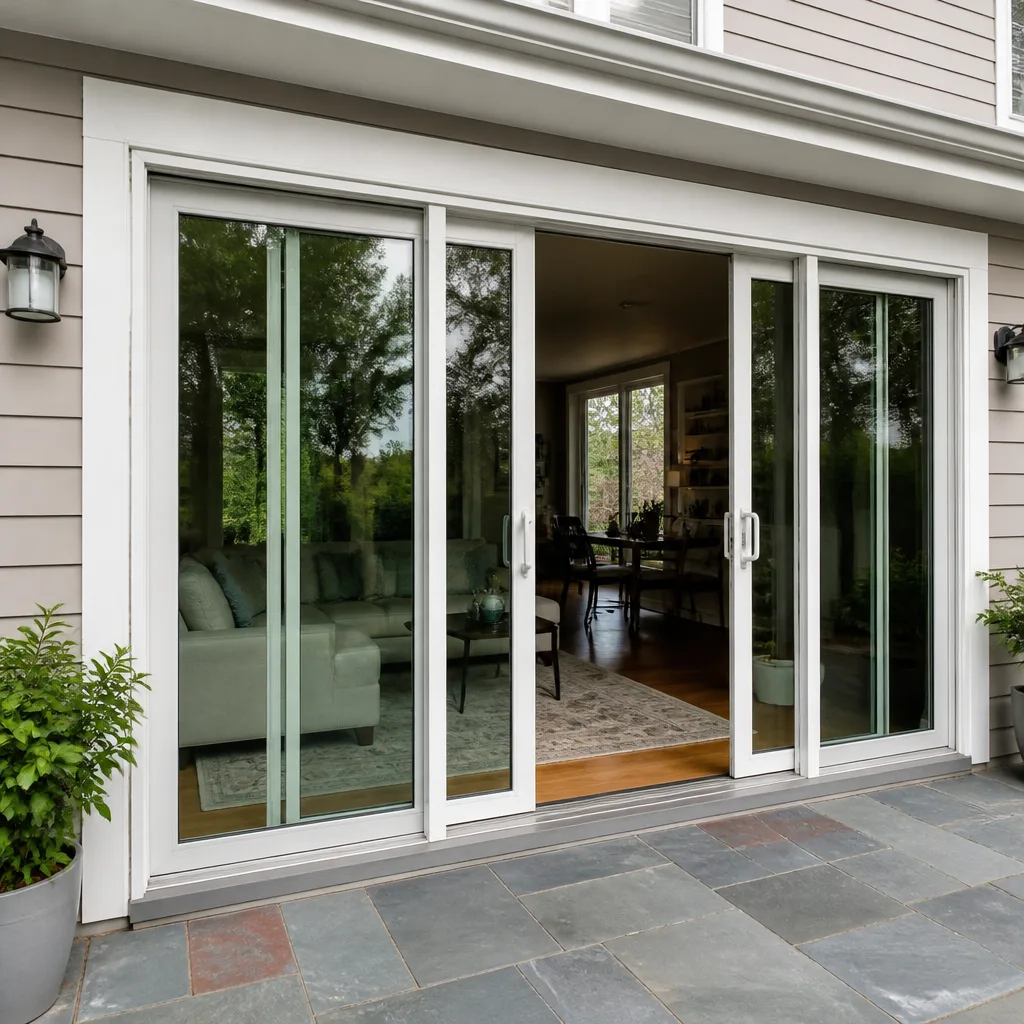
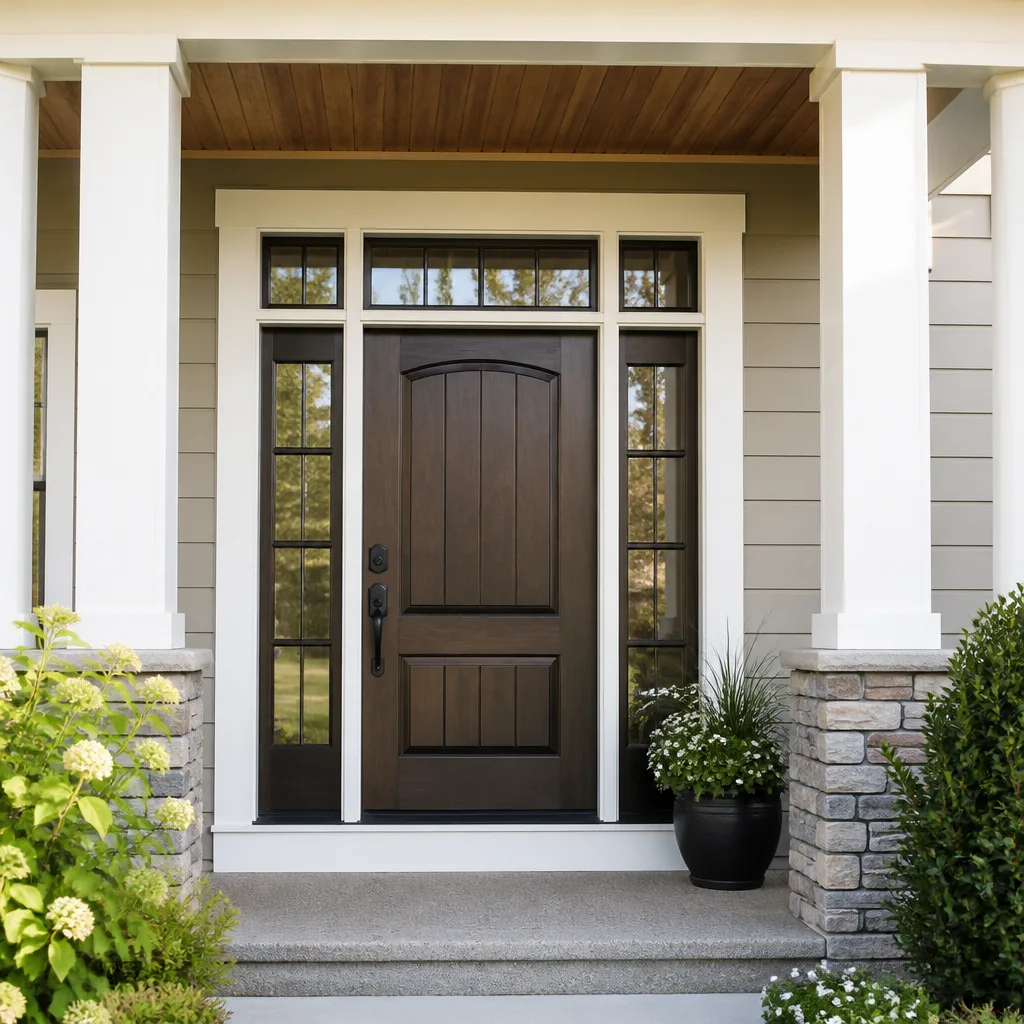
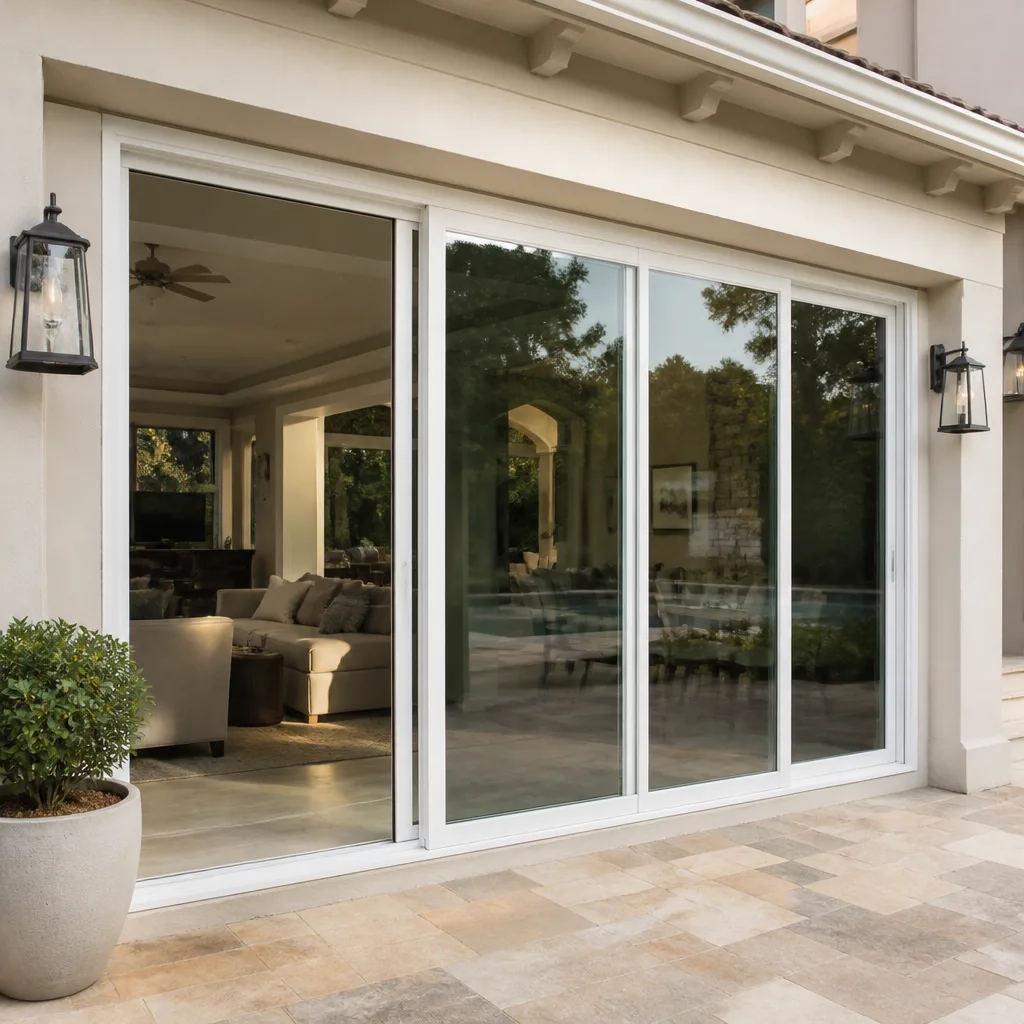
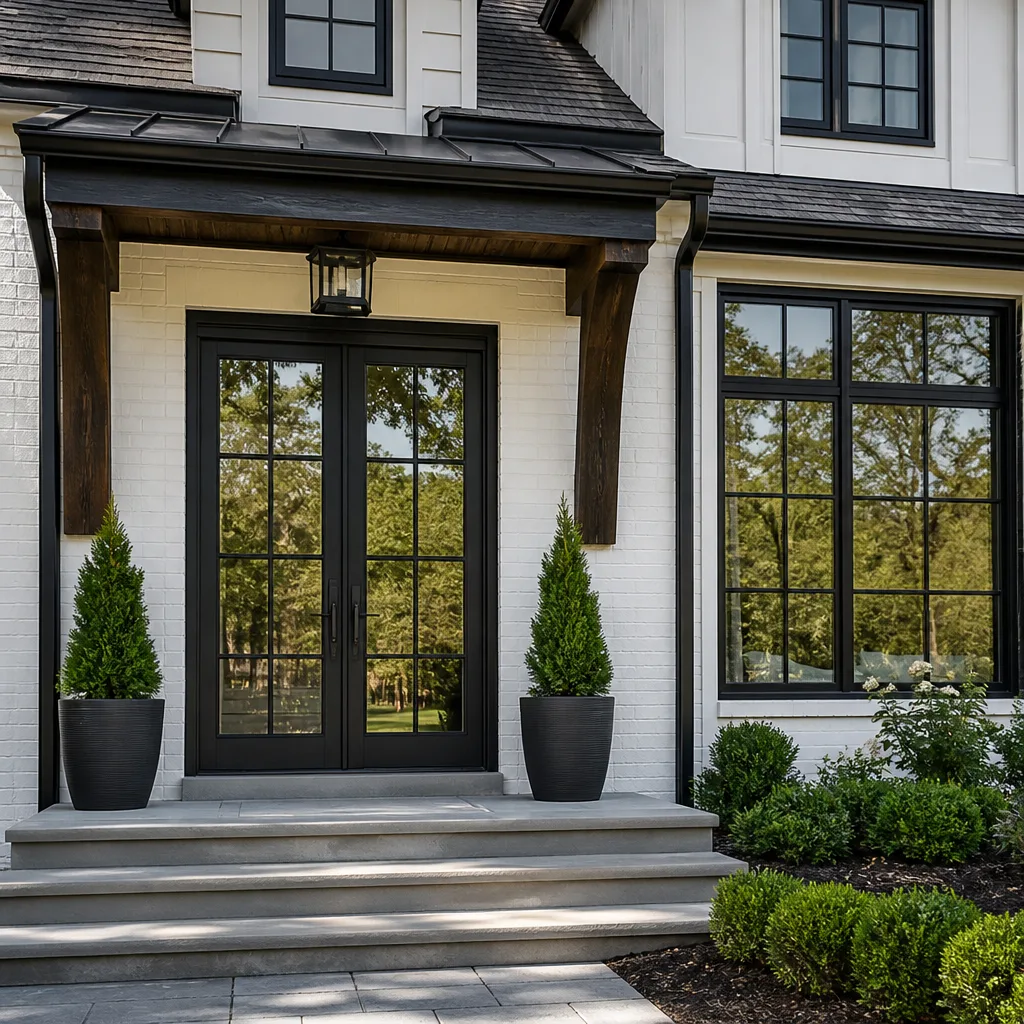
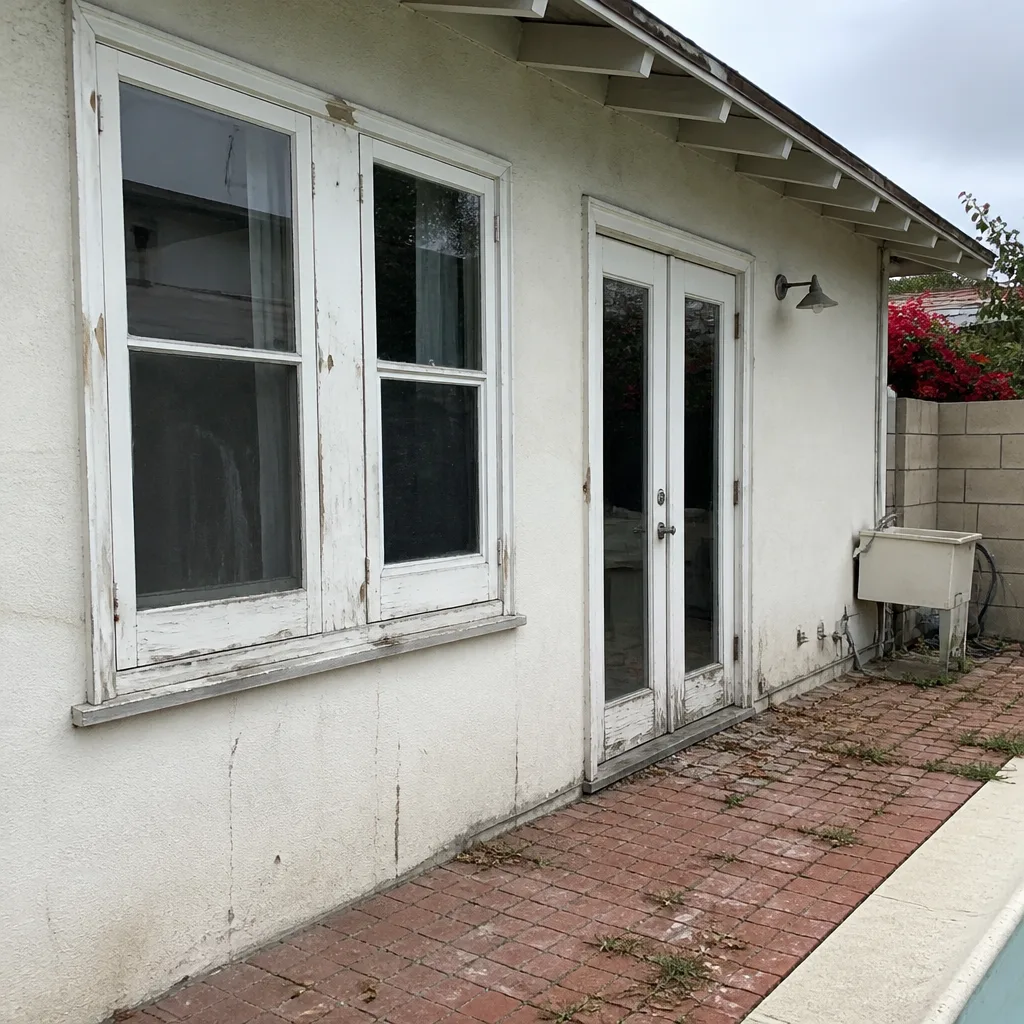 Before
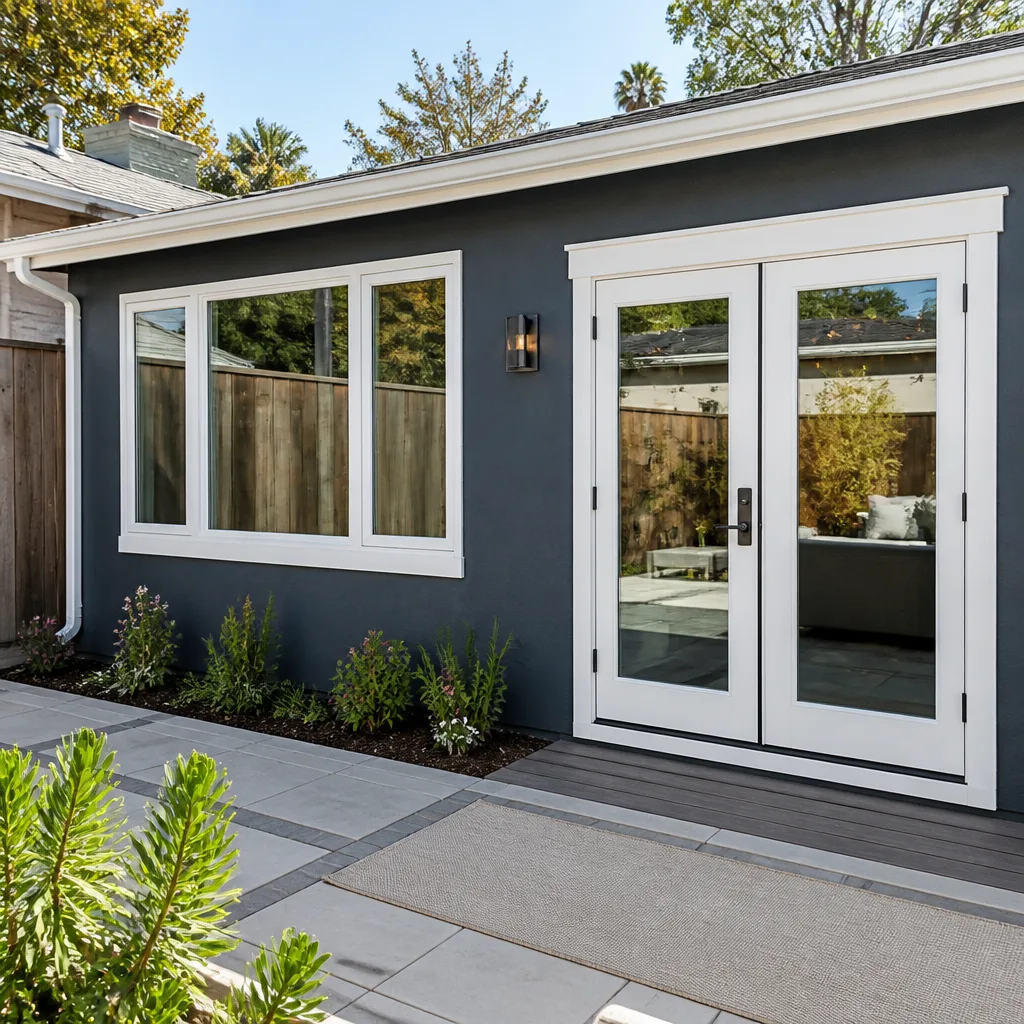 After
After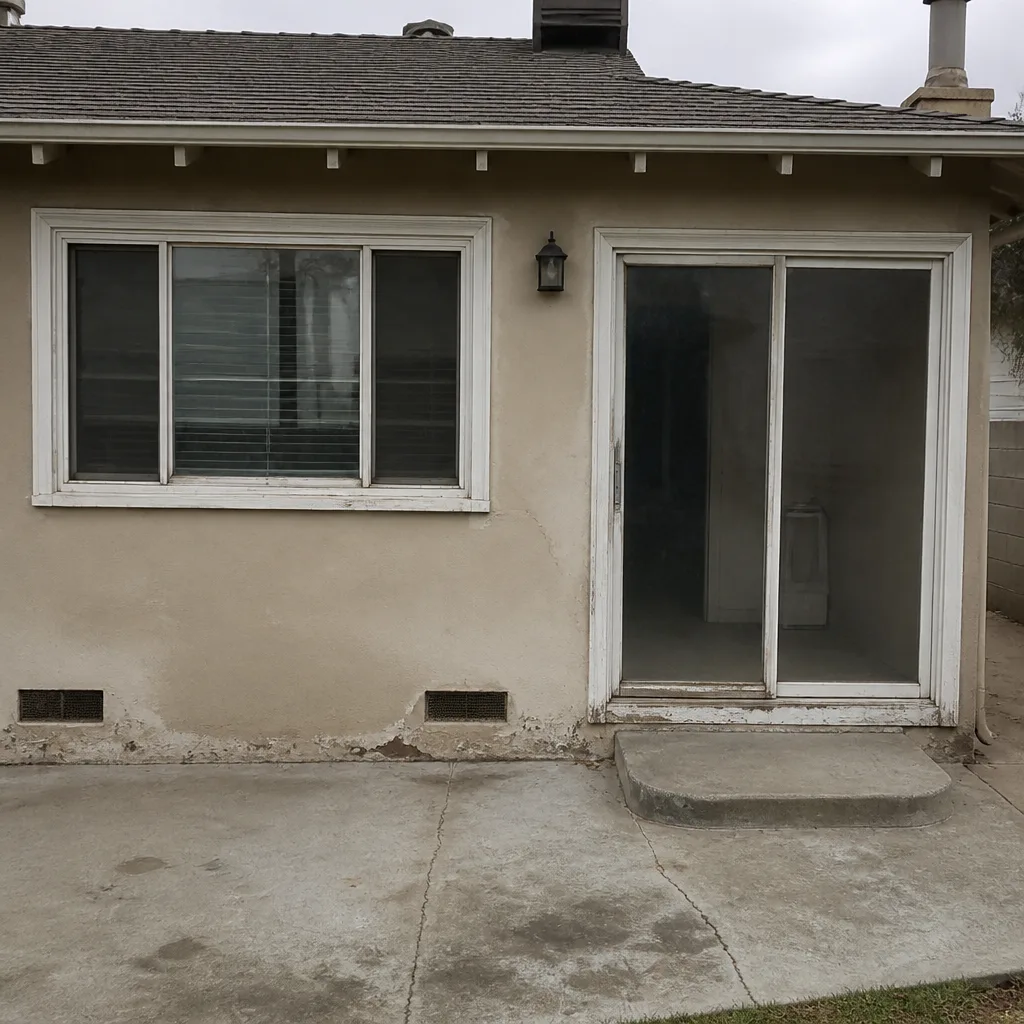 Before
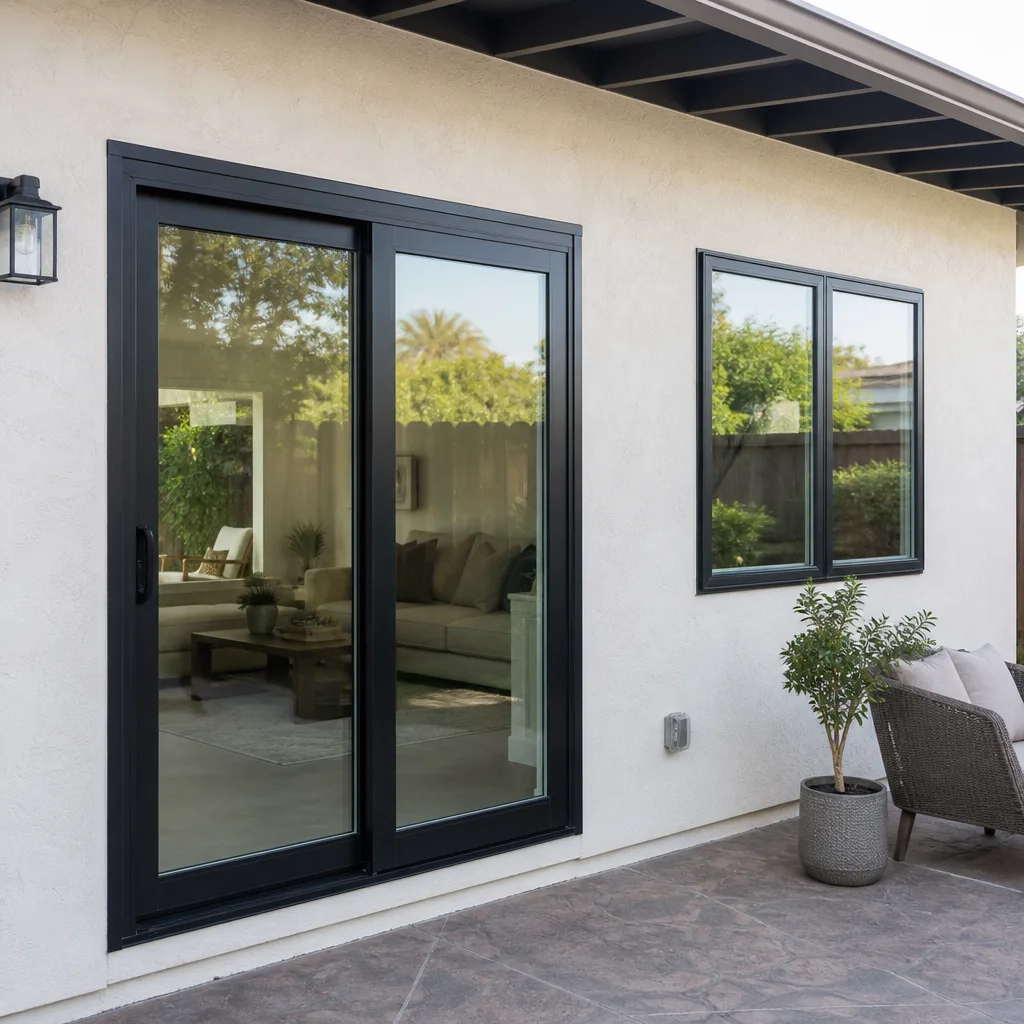 After
After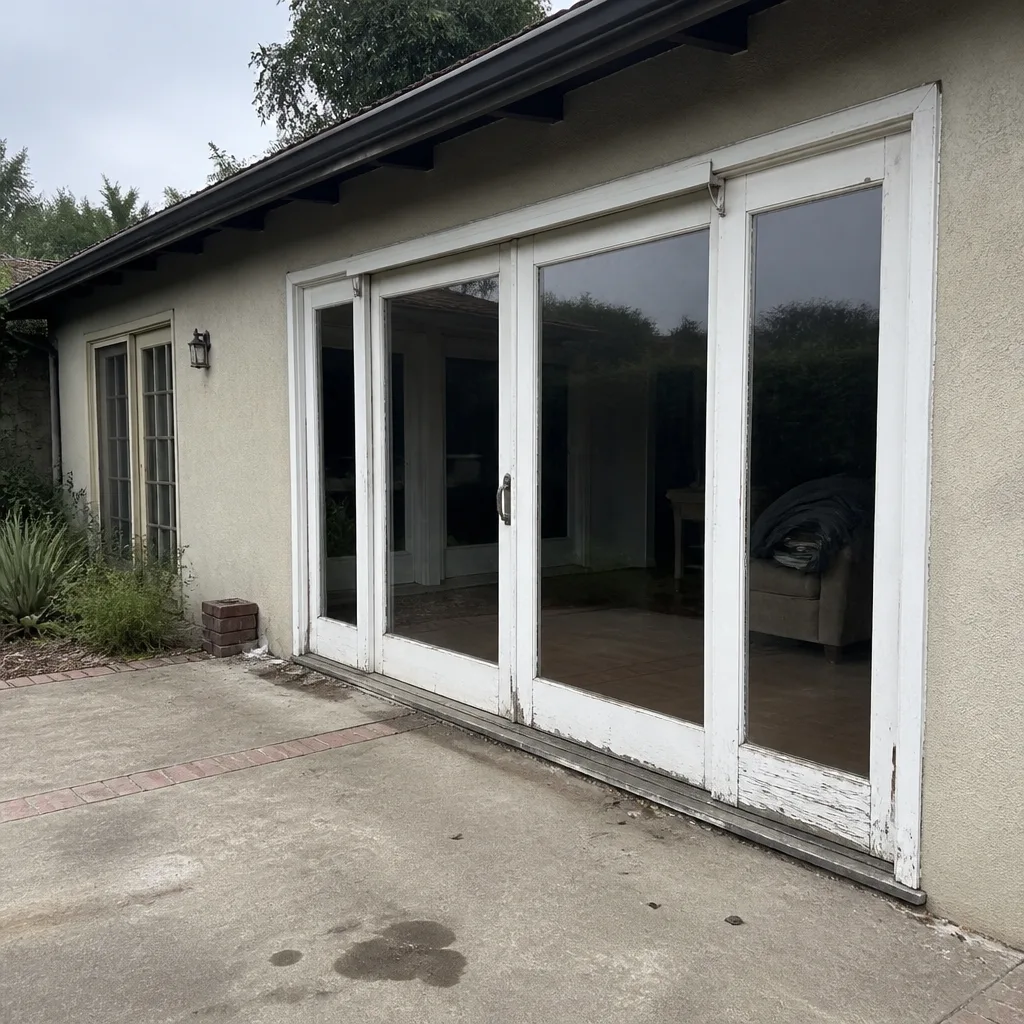 Before
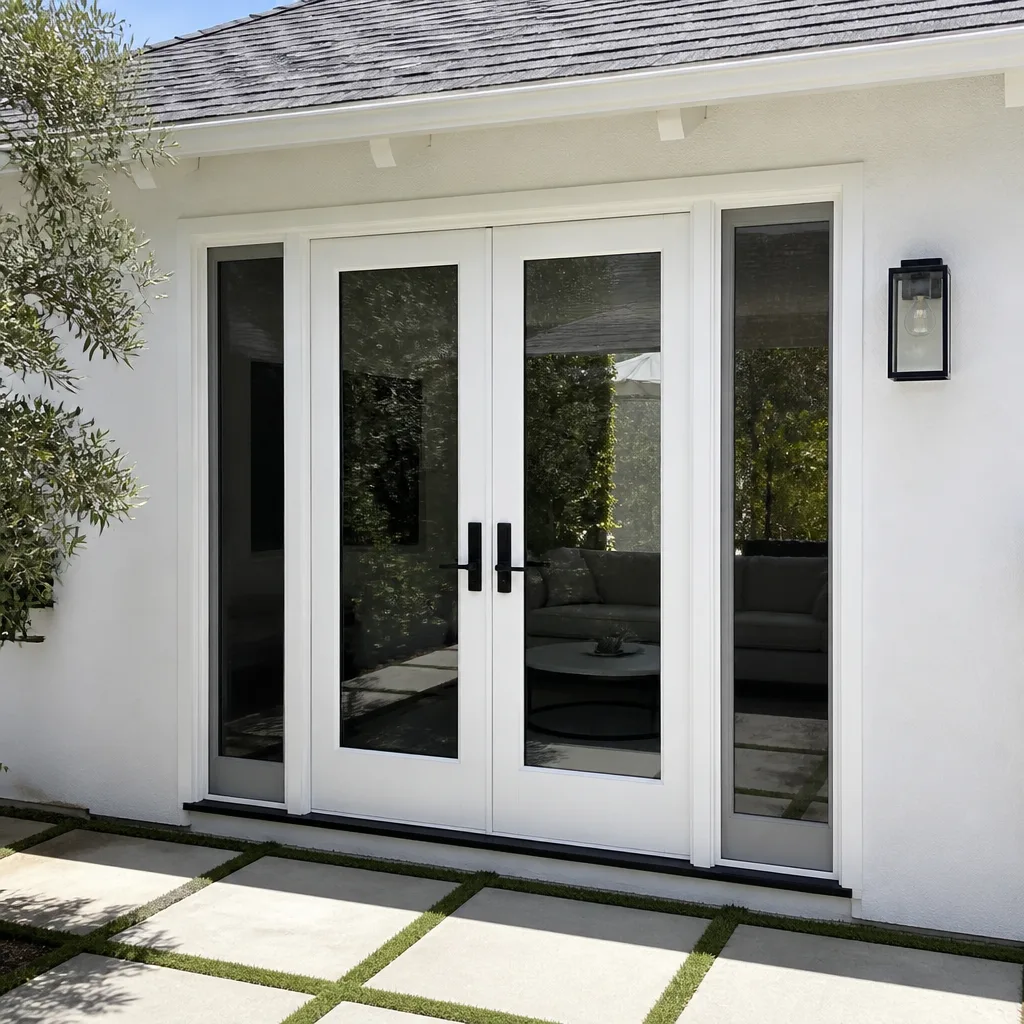 After
AfterThe Complete Window Replacement Guide for Los Angeles Homeowners
California’s Title 24 energy code requires replacement windows in LA County to meet a maximum U-factor of 0.32 – a spec most big-box window displays don’t label on the sales floor. If you buy the wrong unit, you fail inspection, pay for a second window, and delay the project by weeks. This guide explains what the national guides skip: Title 24 compliance, marine-layer corrosion, seismic framing rules, and how to read a written price so nothing surprises you on install day. Written from the perspective of a Los Angeles window contractor, it covers what you need before you sign a contract for our Window Replacement services.
Quick Answer
Window replacement in Los Angeles costs between $650 and $1,450 per window installed for most mid-range vinyl or aluminum units, with Title 24-compliant glass adding roughly 8-12% over non-compliant stock. You must meet a U-factor of 0.32 or lower and an SHGC of 0.25 or lower in most LA County climate zones. Same-size replacements typically skip the permit process, but any change to rough opening dimensions triggers plan check and inspection.
Table of Contents
- Title 24 Compliance: What LA County Actually Requires
- Marine Layer vs. Inland Heat: How Your ZIP Code Changes the Spec
- Permits in Los Angeles: When You Need One and How Long They Take
- Seismic Zones and Rough Openings: What Gets Inspected Before the New Unit Goes In
- Reading a Written Price Line by Line: Disposal, Flashing, Permits, Labor
- What Window Replacement Costs in Los Angeles in 2026
- Common Mistakes to Avoid
- When to Call a Professional
- Frequently Asked Questions
Title 24 Compliance: What LA County Actually Requires
Title 24 is California’s energy code, and it sets a hard ceiling on how much heat your windows can let through. For most of Los Angeles County, replacement windows must carry a National Fenestration Rating Council (NFRC) label showing a U-factor of 0.32 or lower and a Solar Heat Gain Coefficient (SHGC) of 0.25 or lower. The U-factor measures how well the window insulates; the SHGC measures how much solar heat passes through the glass. Lower numbers mean better performance in both cases.
The NFRC label matters because it is the only label the LA Department of Building and Safety (LADBS) accepts as proof of compliance. A window that says “energy efficient” on the packaging but lacks an NFRC sticker will not pass inspection. We’ve seen homeowners buy windows from a big-box store shelf, get them installed, and then fail the final inspection because the glass did not carry an NFRC rating. The window gets pulled, the customer buys a second unit, and the project stalls for two weeks.
There are exceptions. If you replace only the glass and keep the existing frame, you still need Title 24-compliant glass. If you replace one window in a house, you need one compliant window. There is no “small job” exemption. The code also requires that replacement windows be certified through the California Energy Commission’s appliance efficiency database, not just carry an NFRC label from another state. A competent Los Angeles window contractor checks this before ordering the unit.
What to Look for on the NFRC Label
- U-factor: 0.32 or lower in LA County climate zones 6, 8, 9, and 10. Zones 14 and 15 (parts of the Antelope Valley) shift to 0.30 or lower.
- SHGC: 0.25 or lower for most of LA. The high desert zones allow up to 0.30 because winter heat gain is useful there.
- Visible Transmittance (VT): Not a code requirement, but it tells you how much daylight the glass lets in. Look for 0.45 or higher if you don’t want a dark room.
- Air Leakage (AL): 0.3 cfm/ft² or lower. Cheap windows leak air, and air leakage cancels out the U-factor improvement.
Meridian Windows & Doors keeps Title 24 compliance front and center because failed inspections are expensive for everyone. We spec from a portfolio that includes CWS and ES Windows, both of which carry NFRC-rated lines that meet LA County requirements out of the box. The price we write down before work starts includes a compliant unit, not a base model that gets upgraded later at the door.
Marine Layer vs. Inland Heat: How Your ZIP Code Changes the Spec
Los Angeles is not one climate. A window that performs well in Santa Monica (ZIP 90401) will behave differently in Canoga Park (91303) or Lancaster (93536). The coastal marine layer from 90401 through 90293 keeps temperatures mild but dumps humidity and salt air on window frames for months each year. Inland Valley zones get 100-plus degree summer days and dry air that bakes vinyl and desiccates old wooden sashes. The frame material you pick should follow your ZIP code.
In marine-layer ZIP codes, aluminum frames without a thermal break tend to corrode at the joints and weep holes within 8-12 years. Salt air accelerates the oxidation, especially on west-facing walls. Vinyl holds up better, but cheap vinyl can warp when the marine layer burns off and the afternoon sun hits it directly. We recommend marine-grade aluminum with a thermally broken profile, or a reinforced vinyl with UV inhibitors, for anything west of the 405. For the coastal stretch from Pacific Palisades to San Pedro, the frame matters as much as the glass.
In the Inland Valley and high desert, the enemy is heat. Vinyl frames can hit 160 degrees on a summer afternoon in Van Nuys or Northridge, and low-grade vinyl will sag over time. Fiberglass and high-quality aluminum handle the heat better. The glass spec also shifts: inland homes want a lower SHGC than coastal homes because air conditioning load is the dominant energy cost east of the 101. A SHGC of 0.22 may justify the extra cost in Riverside-adjacent zones, but it is overkill in Redondo Beach where the sun hits for fewer hours.
Eco Window Systems and Mr-Glass both produce lines that split the difference well for Los Angeles’s mixed climate bands. The point is this: do not buy a window based on a national guide. Buy based on your ZIP code’s heat and humidity profile, and get a contractor who knows the difference between Marina del Rey and Burbank because they’ve installed in both.
Permits in Los Angeles: When You Need One and How Long They Take
The rule in Los Angeles is straightforward: same-size replacements do not require a building permit, provided you are not changing the rough opening. You remove the old window, install the new unit in the same framed hole, and you are done. LADBS does not need to see it. Most window replacement in Los Angeles falls into this category; for more guides & resources, see our blog.
You need a permit when the rough opening changes size, when you are adding a new window where none existed, when you are changing the header or structural framing, or when the building is in a designated historic district. The Historic Preservation Overlay Zones (HPOZs) in Los Angeles, including Angelino Heights, Hancock Park, and West Adams, have their own review boards that must approve window changes before LADBS will even look at the plans. A window swap in an HPOZ can add 4-8 weeks to the timeline.
Permit timelines at LADBS vary by office and workload. A simple express permit for a same-size replacement in a non-HPOZ area can clear in 1-2 days when filed online through the ePermit system. A full plan check for rough opening changes or new window additions typically runs 2-4 weeks. Inspections after installation are scheduled within 1-2 business days in most parts of the city. The slowest part is usually the plan check queue, not the inspection itself.
Whoever pulls the permit owns the responsibility for it. A Los Angeles window contractor who lists permit fees on the written estimate and handles the filing saves you from standing in line at the LADBS counter on Figueroa. Meridian Windows & Doors pulls permits on every job that requires one, and the permit fee appears on the written price as a line item, not as a surprise change order later.
Seismic Zones and Rough Openings: What Gets Inspected Before the New Unit Goes In
Los Angeles sits in a high-seismic hazard zone, and that changes how a window contractor approaches the rough opening. The wall framing around a window resists lateral loads during an earthquake. When a window opening is cut too wide without proper header support, or when an existing header has cracked from previous seismic activity, the new window goes into a compromised frame that will shift, rack, and eventually break the glass seal.
Before any new unit goes in, a competent Los Angeles window contractor inspects the rough opening. The checklist is specific: is the header the right size for the span, is there any cracking in the king studs or jack studs, is the sill plate rotted or deflected, and is the rough opening square within a quarter inch. If the opening is out of square by more than that, the window gets shimmed and flashed, but the pressure on the frame will shorten its life. In older homes built before current seismic codes, we regularly see undersized headers that should have been upgraded when the house was built. Adding a window in a wall like that requires an engineer’s letter and possibly a new header.
For most replacement projects where the rough opening is sound, the seismic work is about anchoring and flashing. The window flange must be fastened at the specified intervals per the California Building Code, and the flashing must be lapped correctly so water drains outward, not inward. Water intrusion in a seismic zone causes more long-term framing damage than the earthquake itself. We inspect the opening, document what we found, and only then order the unit. That order of operations prevents the classic mistake of buying a window that does not fit the actual framed length and width.
Reading a Written Price Line by Line: Disposal, Flashing, Permits, Labor
A written price is only as good as the line items on it. In Los Angeles, we’ve seen too many window quotes that list a single lump-sum number with no breakdown, then the “extras” appear on install day: disposal fee, flashing upgrade, permit filing, lead-safe prep. Here is what a complete written price for a Los Angeles window replacement should include, line by line.
- Window unit cost. This is the actual window with the glass package specified. It should list the manufacturer, model, size, U-factor, SHGC, and frame material. If the price does not name the window, you cannot compare it to another quote.
- Labor. Installation labor should be a separate line. In Los Angeles, labor for a standard same-size replacement runs $180-$320 per window depending on access, floor level, and stucco versus wood siding.
- Flashing and sealant. This is not optional. The flashing tape and sealant keep water out of the rough opening. Some contractors bury this cost inside “labor” and then use the cheapest caulk they can find. Ask for the flashing material by name.
- Disposal and hauling. The old window, glass, and frame have to go somewhere. In Los Angeles, disposal fees run $35-$75 per window. If the old unit has lead paint, it requires special handling under EPA’s RRP rule, and the cost goes up.
- Permit fees. If the job needs a permit, the fee should appear as a line item. LADBS fees for a window replacement with plan check typically run $200-$500 depending on the scope.
- Stucco repair or trim work. If the exterior is stucco, cutting a window out damages the surrounding stucco. Patching it to match takes labor and material. A written price should either include this or say explicitly that stucco patchwork is not included.
- Warranty terms. Not a dollar amount, but it belongs on the page anyway. Who covers the workmanship, and for how long? If the warranty section is blank, treat the quote as incomplete.
At Meridian Windows & Doors, the price goes on paper before any work starts, and it does not move at the door. The 365-Day Done Right Promise is written into every contract: if the installation fails within a year, we return at no charge. That is not a vague assurance; it is a specific term in the document you sign.
What Window Replacement Costs in Los Angeles in 2026
Window replacement pricing in Los Angeles tracks the cost of the unit, the frame material, the glass package, and the access difficulty. A mid-range vinyl double-hung window in a standard stucco home in Los Angeles runs $650-$950 per window installed. A higher-end fiberglass or thermally broken aluminum unit with a low-E coating and argon fill runs $900-$1,450 per window installed. Full-house replacements of 12-15 windows in a 1,800-square-foot Los Angeles home land between $10,000 and $19,500.
These numbers shift by neighborhood. Homes in Sherman Oaks and Studio City with second-story windows and stucco exteriors run at the high end because access equipment and stucco matching add labor hours. Homes in Long Beach’s older single-story bungalows run at the low end because the windows are accessible and the siding is often wood, not stucco. A home in the Hollywood Hills with steep slope access and custom window shapes will price higher than anything a per-window average suggests.
| Window Type | Typical Installed Cost per Window (Los Angeles) | Notes |
|---|---|---|
| Vinyl double-hung, standard size | $650-$850 | Most common choice; meets Title 24 with low-E glass |
| Aluminum (thermally broken), standard size | $850-$1,150 | Better for marine-layer zones; resists corrosion |
| Fiberglass, standard size | $900-$1,250 | Handles Inland Valley heat well; long lifespan |
| Wood-clad, standard size | $950-$1,450 | Higher maintenance in LA’s dry heat and coastal humidity |
| Custom shapes or oversize units | $1,200-$2,800 | Curved, arched, or floor-to-ceiling units |
Glass upgrades add to the per-window cost. Low-E glass that meets Title 24 adds roughly 8-12% over non-compliant base glass. Argon gas fill adds another $40-$75 per window. Laminated glass for noise reduction, which matters on busy Los Angeles corridors like Sepulveda or Ventura Boulevard, adds $150-$350 per window depending on the size. If street noise is the reason you are replacing windows, tell the contractor up front; the glass package for noise abatement is different from the one for solar control.
For a written price that breaks all of this down before work starts, window replacement in Los Angeles starts with a free estimate from our team. We run the numbers on the same day we see the house, and the price is delivered in writing.
Common Mistakes to Avoid
- Buying windows before measuring the rough opening. In Los Angeles’s older housing stock, rough openings in 1920s Spanish bungalows and 1950s ranches are rarely the nominal size you would assume. Measure the actual framed opening, not the old window’s trim dimensions, before ordering.
- Ignoring Title 24 until the inspection fails. The inspector checks the NFRC label against the permit documents. A non-compliant unit fails, and the fix is a new window, not a conversation.
- Choosing frames by price without checking the ZIP code’s climate profile. Vinyl that warps in the Inland Valley and aluminum that corrodes in the marine layer are both preventable errors with the right spec.
- Accepting a lump-sum quote with no line items. A single number with no breakdown is where disposal fees, flashing, and permit costs hide. Demand the line-by-line written price.
- Changing the window size without checking the permit requirement. Enlarging a rough opening in Los Angeles triggers plan check, an inspection, and possibly a header upgrade. Doing it without a permit creates a liability when you sell the house.
- Skipping the stucco conversation. In stucco-clad Los Angeles homes, cutting out a window damages the surrounding stucco. If the quote does not say who patches it and what it costs, you will find out after the window is in.
- Not checking the flashing specification. The cheapest flashing tape fails in five years and lets water into the rough opening. In a city with winter rain and coastal humidity, that is a slow rot problem.
When to Call a Professional
Window replacement is not a casual DIY project in Los Angeles. Title 24 compliance, permit filing, stucco repair, and seismic framing all create failure points that a homeowner on a weekend cannot reasonably manage. Call a contractor when the project involves any change to the rough opening size, any work in an HPOZ, any second-story access, or any home built before 1978 where lead paint may be present. High-tension window counterweights and heavy double-pane units also carry real injury risk; this is not a job to attempt off a ladder on a Saturday.
Meridian Windows & Doors offers free estimates in Los Angeles. Call (817) 686-2228, and a live person answers. We walk the house, measure the openings, check the framing, and deliver a written price before any work starts. No pressure, no door-knocking gimmick. The 365-Day Done Right Promise is in the paperwork.
Frequently Asked Questions
Most single-window replacements in Los Angeles run $650-$1,450 per window installed, depending on frame material, glass package, access, and whether stucco repair is included. A full-house replacement of 12-15 windows typically lands between $10,000 and $19,500. Call (817) 686-2228 for an exact quote – estimates are free.
Same-size replacements that do not alter the rough opening do not require a permit in Los Angeles. You need a permit if you are changing the opening size, adding a new window, changing structural framing, or working in a Historic Preservation Overlay Zone. Meridian Windows & Doors pulls permits on every job that requires one, and the fee appears on the written price.
Title 24 is California’s energy code, and it requires replacement windows in Los Angeles County to meet a U-factor of 0.32 or lower and an SHGC of 0.25 or lower in most climate zones. The window must carry an NFRC label showing those ratings. We spec compliant units from lines like CWS and Eco Window Systems so the inspection passes the first time. Call (817) 686-2228 to check your specific requirement by ZIP code.
A standard same-size replacement of 10-15 windows takes 1-2 days of installation labor in Los Angeles, assuming no stucco complications and no permit delays. If permits are required, plan on 2-4 weeks for plan check plus 1-2 days for inspection scheduling. Historic district reviews can add 4-8 weeks to the front end.
Not with a written price from Meridian Windows & Doors. The price goes on paper before any work starts, and it does not move at the door. The only circumstances that change a written price are hidden conditions discovered during inspection, and those are documented and approved by you before any additional work proceeds. Call (817) 686-2228 for a free written estimate.
Meridian Windows & Doors is authorized to install and replace products from eight manufacturer lines, including CWS, ES Windows, PGT, CGI, ECO Window Systems, Mr-Glass, Therma-Tru, and ViewLux. Having that range means we spec the right window for your ZIP code’s climate and your home’s framing, not the one that happens to be in stock. Visit our window installation in Los Angeles page for more on how we match product to project.
The Bottom Line
Window replacement in Los Angeles is a code-driven, climate-specific job. Title 24 sets the glass spec, the marine layer and Inland Valley heat set the frame spec, seismic zones set the rough-opening inspection standard, and LADBS sets the permit rules. The difference between a bad job and a clean one comes down to written pricing, line-by-line transparency, and a contractor who knows the difference between a 90401 frame and a 93536 frame. Meridian Windows & Doors does this work every day in Los Angeles, with a price on paper before the first screw turns and a 365-Day Done Right Promise in writing. For a free estimate, call (817) 686-2228 or visit our Meridian Windows & Doors home page. For patio door work alongside your windows, see our patio door installation in Los Angeles service page.
Written by Elliot Vance, Owner at Meridian Windows & Doors, serving Los Angeles since 2009.