

Last updated October 9, 2026
Free in-home measure and quote - PGT, CGI and CWS impact lines compared on your actual openings, style by style
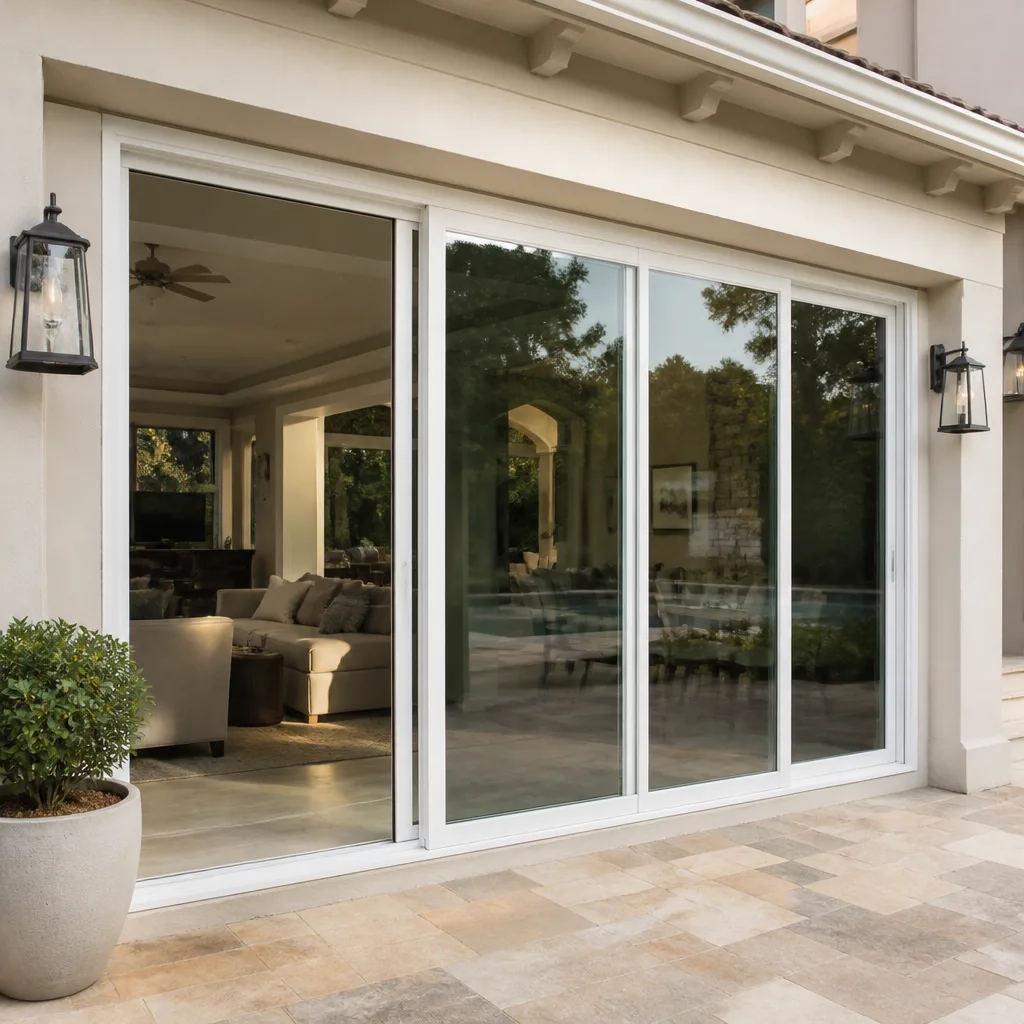
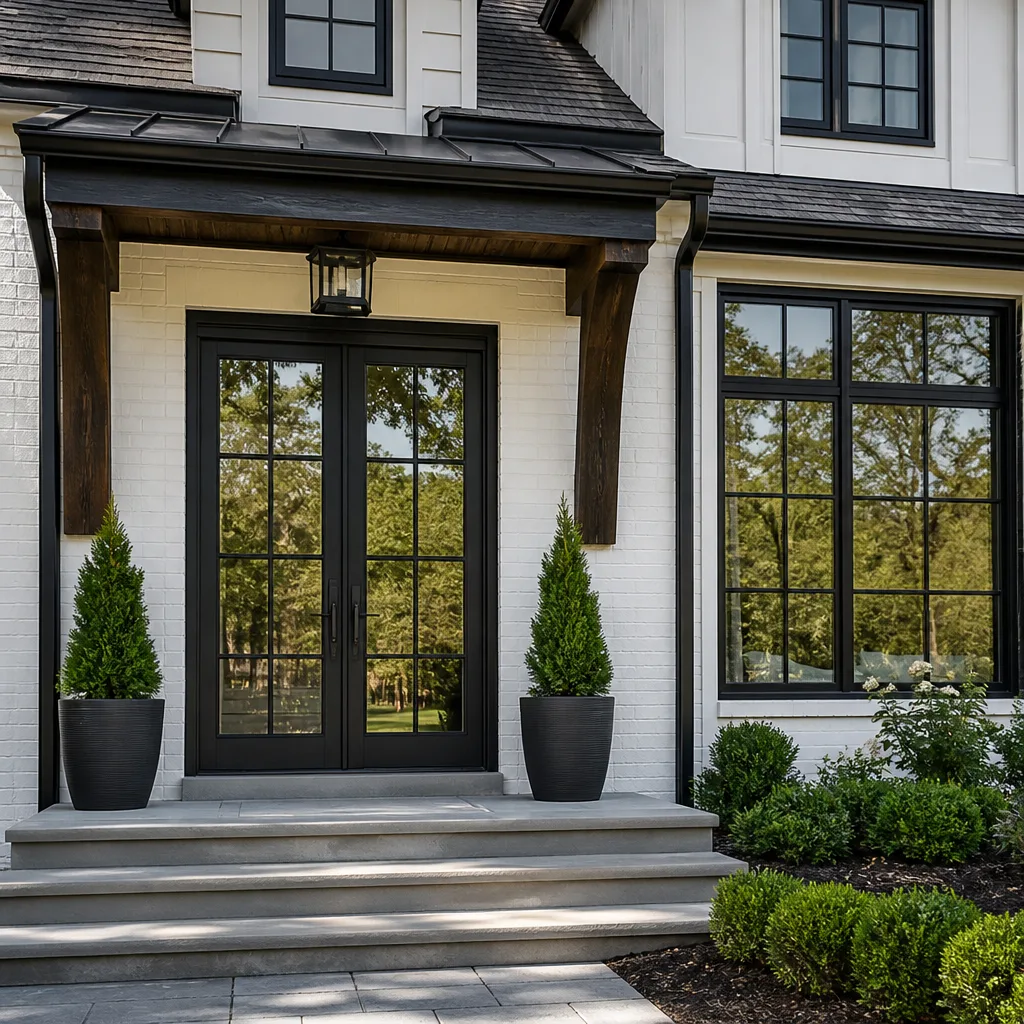
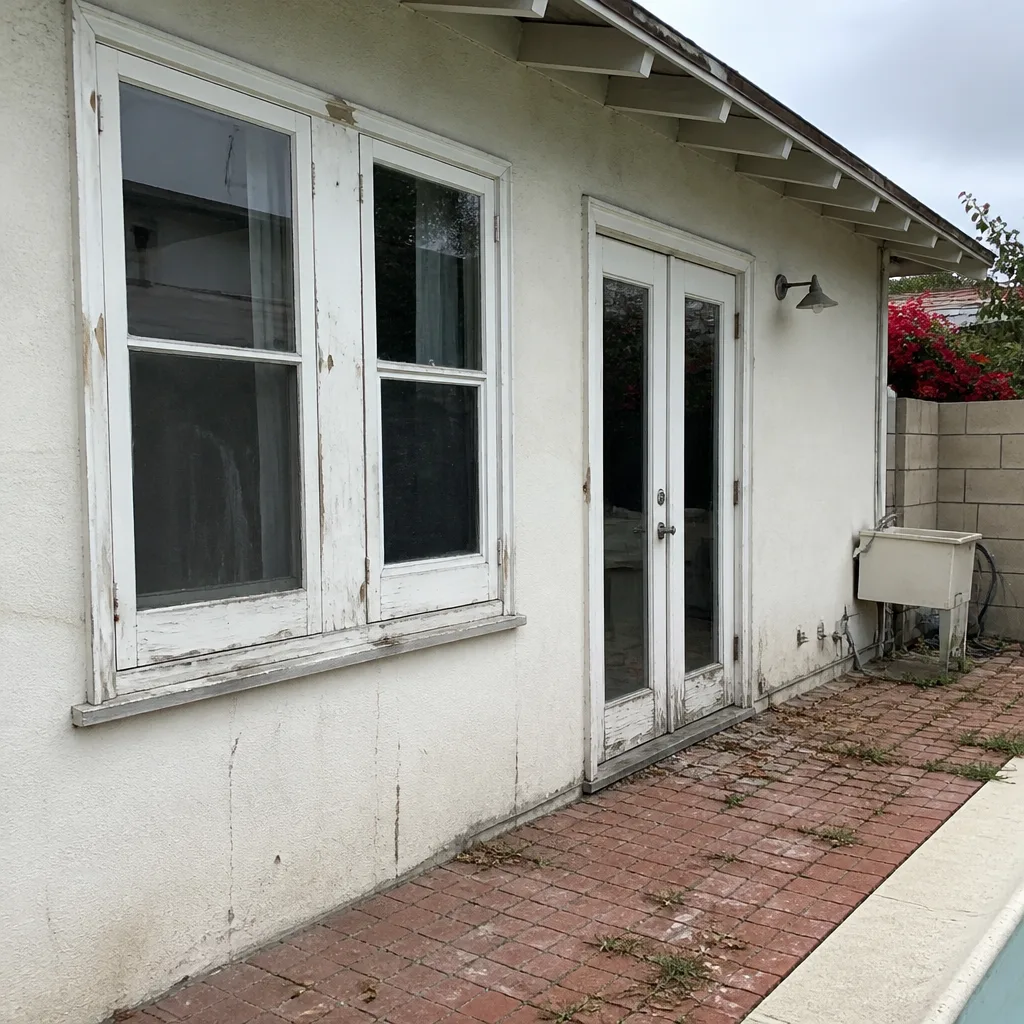 Before
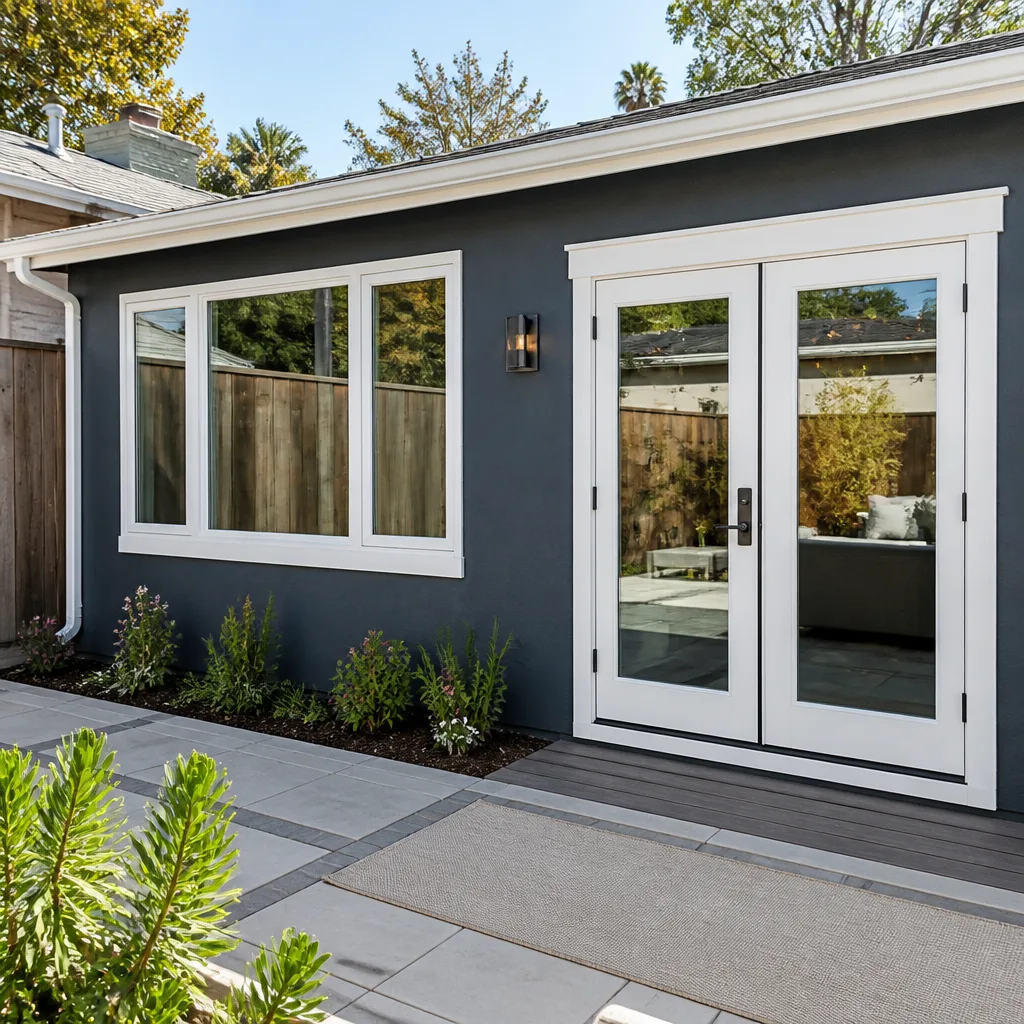 After
After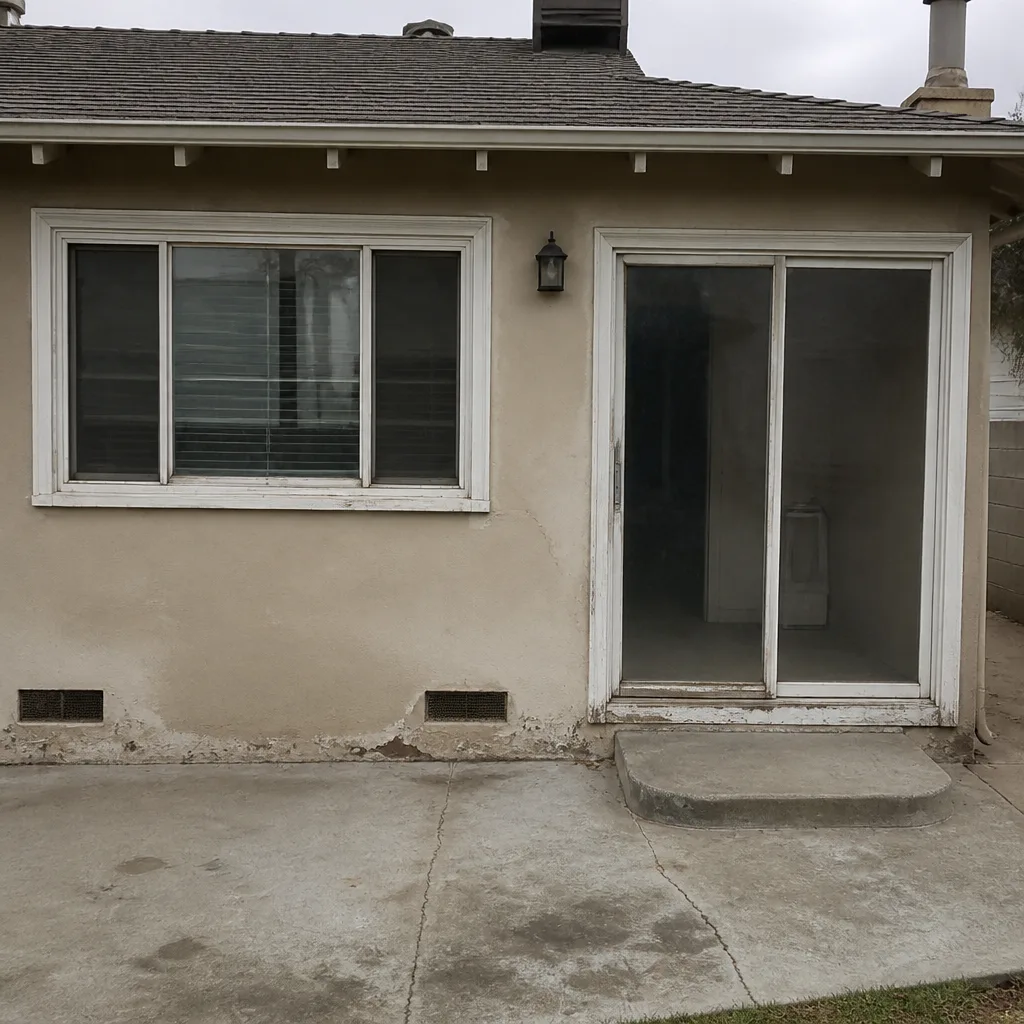 Before
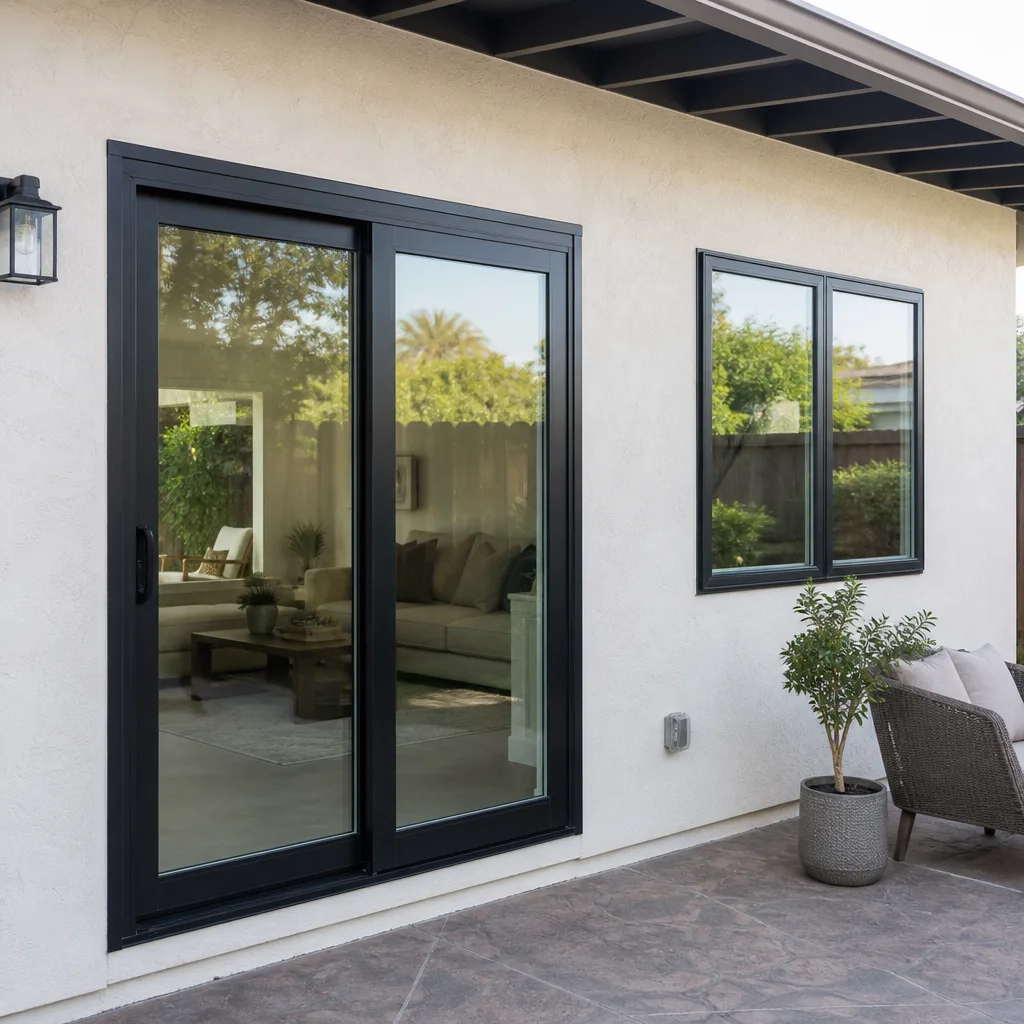 After
After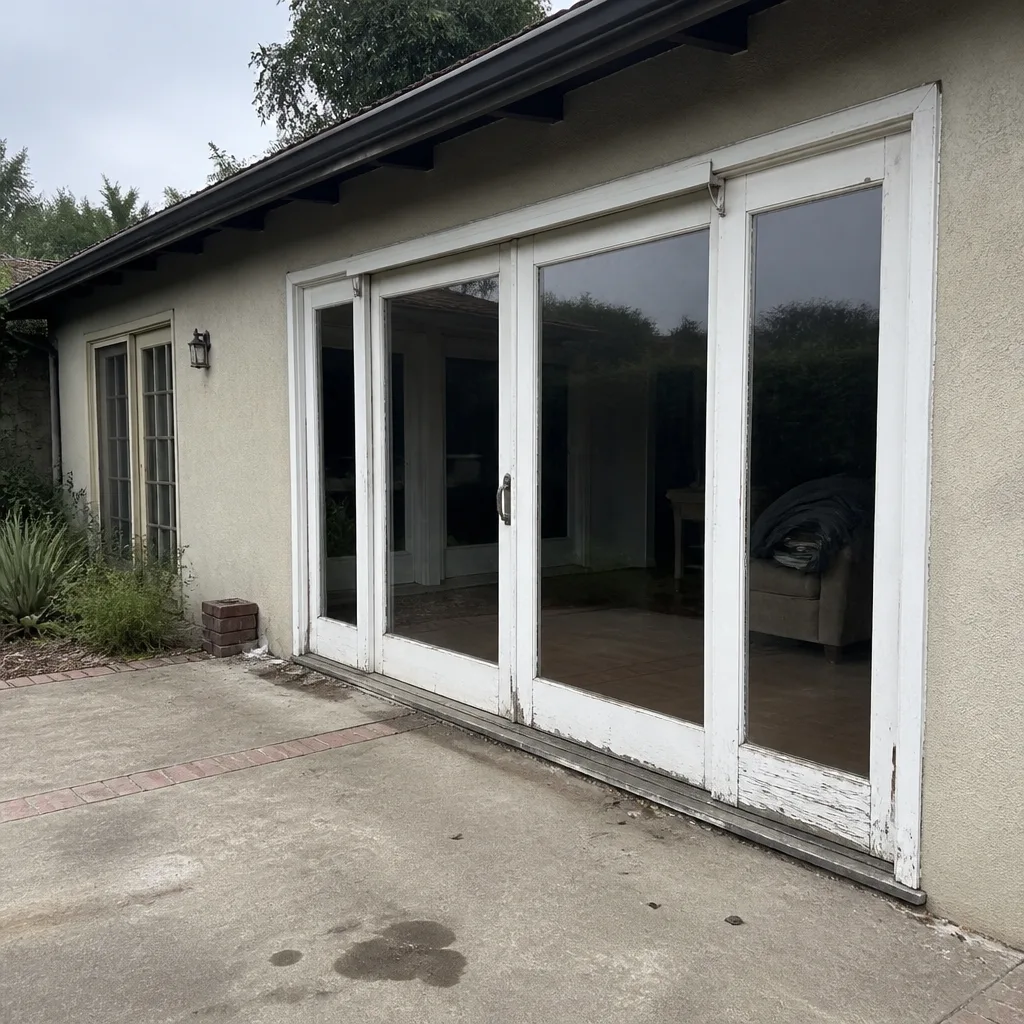 Before
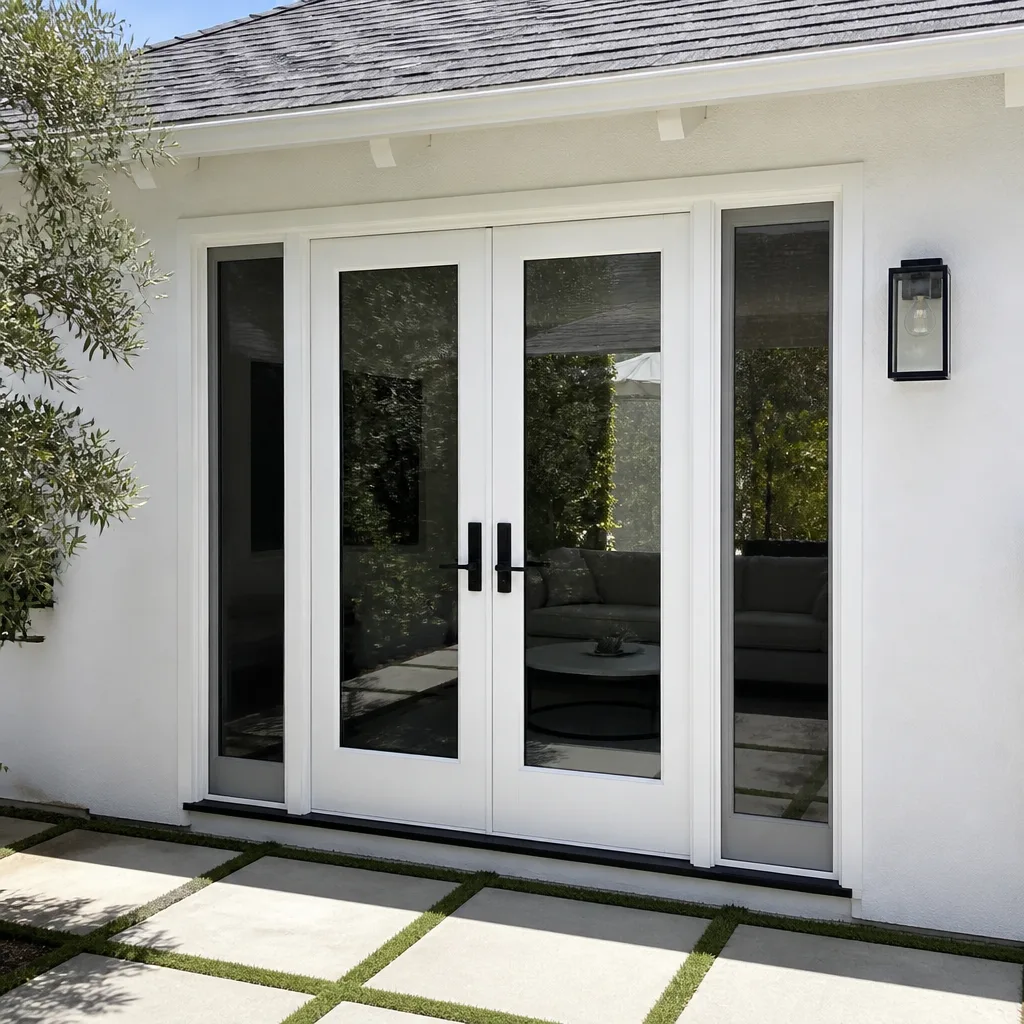 After
AfterDIY vs Professional Window Replacement: What’s Safe to Do Yourself
Unpermitted window replacements in Los Angeles County that alter the rough opening can trigger a stop-work order and force full wall deconstruction. That’s a $12,000 mistake that started as a $300 DIY weekend project. We’ve watched it happen more than once. This guide draws the line between work a handy homeowner can safely handle and work that carries legal and structural stakes you don’t want to own alone, and our DIY vs Professional Windows & Doors: The Los Angeles Homeowner’s Decision Guide goes deeper on making that call.
Quick Answer
DIY window work is safe when it covers interior trim, weatherstripping, hardware lubrication, and screen replacement. The moment a screw touches the rough opening, sill flashing, or structural framing, the job belongs with a licensed professional, especially in Los Angeles where permit triggers and warranty language are specific and unforgiving.
Table of Contents
- The Dividing Line: What’s Actually DIY vs Pro
- Safe DIY Jobs: Four Things You Can Handle This Weekend
- Jobs for Pros: Where the Stakes Change
- Why California License Requirements Matter
- The Permit Question in Los Angeles County
- Plumb, Level, and Square: What Those Words Actually Mean
- Tools a Competent DIYer Needs vs Tools Professional Installers Don’t Use
- What DIY Really Costs When You Factor the Hidden Line Items
The Dividing Line: What’s Actually DIY vs Pro
The honest answer isn’t “always hire a pro” and it isn’t “YouTube can teach you anything.” A window is a system with two very different halves. The visible half, trim, sash hardware, screens, weatherstripping, operates on the room side of the wall. The structural half, rough opening, flashing, shims, exterior cladding integration, operates inside the wall cavity. These halves carry completely different levels of risk.
Here’s the rule we give every Los Angeles homeowner who calls us with a half-finished project: if the work is on the interior side of the window frame and does not involve removing the window itself, it’s generally safe to attempt. If the work involves pulling the window, cutting any part of the opening, or touching the flashing tape, stop and call a licensed contractor. That one sentence separates a $40 Saturday project from a five-figure repair.
We stock eight manufacturer lines at Meridian Windows & Doors, including ES Windows and Therma-Tru, and the installation manuals from every one of them assume the opener knows what they’re doing. Warranty language from manufacturers like Mr-Glass and ECO Window Systems is explicit: installation must be performed by a licensed professional or the warranty is void from day one. That’s not a suggestion. It’s a contract condition.
Safe DIY Jobs: Four Things You Can Handle This Weekend
Some window work is genuinely low-risk. These tasks do not involve removing the window from its opening, do not touch flashing or framing, and do not require a permit in any Los Angeles jurisdiction. If you own a cordless drill, a putty knife, and a utility blade, you can do all four.
- Weatherstripping replacement. Foam tape and V-strip weatherstripping degrade in LA’s dry heat and UV exposure, especially on west-facing walls in neighborhoods like Sherman Oaks or Culver City. Peel the old strip, clean the channel with rubbing alcohol, press the new strip into place. Cost runs $4 to $18 per window. This stops air leaks and rattling glass, and it does not void any warranty.
- Hardware lubrication and tightening. Sash locks, pivot bars, and rollers collect dust and oxidation. Remove the hardware, spray with a silicone lubricant, wipe clean, reinstall. If a screw hole is stripped, pack it with a toothpick and wood glue, let it set, re-drive the screw. Twenty minutes per window.
- Screen replacement. Screen frames pop out with a flathead screwdriver. Replacement screen rolls cost $8 to $20. Spline and a spline roller run another $10. You’ll spend 30 minutes per screen and save $40 to $60 per window versus hiring it out. This applies to every window, from single-hungs in Studio City bungalows to casement units in newer Tarzana builds.
- Interior trim painting and caulking. Wood casing and interior stops can be sanded, painted, and re-caulked with latex caulk from any hardware store. Keep caulk lines on the room side of the window. This is cosmetic work and has zero structural or permit implications.
One caution: even these tasks assume the window itself is in good condition. If you find rot, water staining, or gaps wider than a quarter inch at the sill, you’ve found a symptom of a larger problem. Document it and call a professional before touching anything else.
Jobs for Pros: Where the Stakes Change
The moment you remove a window from its opening, the job changes category. A window is not a plug. The rough opening in your wall framing is wider than the window by design, and the gap is filled with shims and sealed with flashing in a specific sequence. Get that sequence wrong and water enters the wall cavity, rots the sheathing, and breeds mold behind the drywall where you won’t see it for years. In Los Angeles, where we get intense winter rain events between long dry stretches, water intrusion damage often doesn’t show itself until a full season after the mistake.
Here are the jobs that require a licensed professional:
- Full window replacement. Pulling the old window, inspecting and repairing the rough opening, installing a new window with integrated sill pan flashing and backdamming, and re-trimming the exterior.
- Rough opening modification. Enlarging or reducing the opening size. This requires cutting through structural framing, and in most Los Angeles County jurisdictions it triggers a permit and a structural review.
- Flashing repair. Flashing is the lapped weatherproofing system that directs water outward. Installing it correctly means understanding the building envelope’s drainage plane. A mistake here is invisible immediately and catastrophic later.
- Any replacement in a stucco exterior wall. Los Angeles has a huge stock of stucco homes, and cutting into stucco requires specific saw blades, specific sealing methods, and skill to blend the patch so it doesn’t crack. DIY stucco patches around window frames are the single most common call we get for water damage repair.
Why California License Requirements Matter
California law is specific about who may perform window replacement for hire. A contractor performing window installation must hold either a C-17 glazing license or a B general building license. That requirement exists because window installation is classified as structural work, even same-size replacements, because the window integrates with the building envelope and the wall assembly.
What does this mean for you as a homeowner? Two concrete things. First, if you hire an unlicensed installer in Los Angeles and the work fails, you have limited recourse through the Contractors State License Board’s complaint process and arbitration, because the person you hired wasn’t legally allowed to do the work at all. Second, and more immediately expensive, most manufacturer warranties are void when the product is installed by an unlicensed person. We install ES Windows, ECO Window Systems, and Therma-Tru products regularly, and every one of those manufacturers writes the licensed-installer requirement directly into the warranty terms. The moment an unlicensed installer touches the window, the manufacturer’s responsibility ends.
The same logic applies to DIY. If you install a new window yourself and it fails, the manufacturer will ask for proof of licensed installation. You won’t have it. The full replacement cost is yours.
The Permit Question in Los Angeles County
Permit requirements in Los Angeles depend on what kind of replacement you’re doing. A same-size replacement, meaning the new window fits the existing rough opening without altering framing, generally does not require a building permit under the Los Angeles Department of Building and Safety’s residential window replacement rules. But there are conditions, and they matter.
If the opening is enlarged, if a header is modified, if a new opening is cut, or if you’re replacing windows in a property covered by a historic preservation overlay zone, you likely need a permit and possibly a structural engineer’s letter. Some Los Angeles neighborhoods, including portions of Hancock Park, Windsor Square, and Angelino Heights, have additional design review requirements. The worst-case scenario is a stop-work order issued mid-project, followed by deconstruction of the work completed so far. That is where the $12,000 story comes from.
Before starting any project that touches the rough opening, check with the Los Angeles Department of Building and Safety. They answer phone calls, and many permit questions can be cleared in one conversation. If the answer is unclear, a licensed contractor will know how to check against the specific property address.
Plumb, Level, and Square: What Those Words Actually Mean
Every installation manual starts with the same three words: plumb, level, and square. Here is what they mean in practice, and why each one limits how much slop a replacement window can absorb.
Plumb means the window is vertical, perfectly perpendicular to the ground. A window installed out of plumb will bind when opening and closing because the sash track is leaning. The weight of the sash rides against one side of the track, wearing hardware prematurely and eventually cracking vinyl corners.
Level means the sill is horizontal. An out-of-level sill drains condensation toward one corner, and in a drainage event, water pools instead of exiting the weep holes. That pooling is a slow leak into the wall.
Square means the rough opening’s diagonals match within tolerance. Measure from the top left corner to the bottom right, then from the top right to the bottom left. If those two measurements differ by more than a quarter inch on a standard 36-by-60 window, the opening needs correction before installation. Shims can fix minor variations, but anything beyond a quarter inch indicates a framing problem that a new window will not fix by itself.
A replacement window can absorb about one-eighth to one-quarter inch of out-of-square variation across its frame. Beyond that, you’re forcing the window into a stressed position, and the frame will crack or the seals will fail early. Professional installers measure the opening diagonals and use shims to correct before any screw goes in. That’s the difference between a 25-year window and a 6-year problem.
Tools a Competent DIYer Needs vs Tools Professional Installers Don’t Use
The tool aisle at a big-box store will sell you anything. Some of it is genuinely useful. Some of it is marketed to DIYers precisely because a professional never touches it. Here’s the straight list, based on what our install crews in Los Angeles actually carry and what they leave at the shop.
Tools a competent DIYer actually needs for safe window maintenance:
- Putty knife, 1-to-2-inch blade, for scraping old caulk and weatherstripping residue
- Utility knife with fresh blades, for cutting foam tape and screen spline
- Silicone lubricant spray, not WD-40, for sash hardware
- Spline roller, under $10, for screen replacement
- Caulk gun and a tube of latex caulk for interior trim
- Cordless drill with a Phillips bit for hardware removal
Tools marketed to DIYers that a professional wouldn’t use on a window replacement:
- Expanding spray foam in a can, sold as “window and door” foam. Professionals use backer rod and low-expansion foam only, and never as a primary sealant. Over-application bows window frames and voids the warranty on most vinyl and fiberglass products.
- A peel-and-stick flashing tape from a general hardware brand, applied without primer. Flashing requires a specific sequence: sill pan, jambs, head, each lapped in order. One misplaced strip is worse than no flashing because it traps water behind a false seal.
- A “universal window size” replacement kit. Windows are not universal. Los Angeles homes built before 1970 often have non-standard rough openings, and a universal kit either leaves gaps or forces a fit so tight the frame warps.
- A hammer for “tapping” a window into place. If the window doesn’t slide in with hand pressure and minor shim adjustment, it’s the wrong size or the opening isn’t square. Hitting it doesn’t fix either.
What DIY Really Costs When You Factor the Hidden Line Items
On paper, DIY window replacement looks like a clear win. A mid-grade vinyl window runs $250 to $500 at retail. Professional installation in Los Angeles typically runs $700 to $1,400 per window installed, depending on the product and opening condition. You’d conclude DIY saves half. That conclusion misses the costs that only show up later.
Here’s a realistic comparison for a same-size replacement in a 1960s stucco home in the San Fernando Valley:
- DIY, direct costs: Window $400, flashing and sealant $85, shims and fasteners $25, disposal of old window $35. Total: $545.
- DIY, hidden costs: Manufacturers void the warranty without licensed installation. If the window fails in year three, replacement is another $400 plus your labor. A flashing mistake that lets water into the wall cavity can run $3,000 to $9,000 in drywall, insulation, and framing repair. A permit violation in Los Angeles can add stop-work delays and deconstruction costs.
- Professional, direct costs: Window $400 to $800, labor and materials $500 to $700, permit when required $200 to $500. Total: $1,100 to $1,900. The labor line includes rough opening inspection, shim correction, correct flashing sequence, and disposal.
The difference between $545 and $1,400 is the price of the worst-case scenario not happening. We write the price down before the first screw turns, and that written price doesn’t move. If the install fails within 365 days, we come back at no charge. That’s the Window Replacement in Los Angeles work we do every week.
The most expensive window replacement work we do is fixing DIY projects that went wrong in year two or three. The savings were real in month one and gone by month thirty. Factor that into your math.
Common Mistakes to Avoid
- Reusing old flashing. Flashing bends and tears when the old window comes out. Reusing it guarantees a leak. New flashing is a $30 line item on a complete replacement.
- Ignoring the weep holes. Vinyl windows have small drainage slots at the bottom of the frame. Painting over them or caulking them shut traps water inside the frame, and in Los Angeles’s dry heat, the first sign is often corrosion on the hardware or staining at the sill.
- Starting without checking permit requirements for your specific address. Los Angeles Department of Building and Safety rules vary by property type, zoning, and overlay district. What’s true for your neighbor in Van Nuys may not be true for you in West Adams.
- Buying windows before measuring, then forcing the fit. A window that doesn’t slip in with minor shimming is the wrong window. Measuring after you buy is backwards, and returning special-order windows is rarely possible.
- Using interior caulk on exterior seams. Interior latex caulk fails in UV and weather exposure within a season. Exterior needs a sealant rated for exposure, and in Los Angeles, east- and north-facing walls are the ones where cheap caulk fails first because of morning moisture and fungal growth.
- Assuming a same-size replacement never needs a permit. It usually doesn’t, but the exceptions are property-specific. Check before you start. A five-minute phone call is cheaper than a stop-work order.
When to Call a Professional
Call a professional when the window is coming out of the opening, when the opening itself is being modified, when you see water stains or rot anywhere near the sill, or when the installation is in a stucco wall. These are the jobs where the structural and legal stakes are highest and where the warranty protection matters most. Meridian Windows & Doors offers free estimates in Los Angeles and covers every installation with a written 365-Day Done Right Promise. If it fails within that year, we return at no charge. Call (817) 686-2228 to schedule a free estimate for Window Installation in Los Angeles or Patio Door Installation in Los Angeles. Wondering if we’re the right fit? Read why homeowners choose Meridian Windows & Doors home services.
Frequently Asked Questions
Professional window replacement in Los Angeles typically runs $700 to $1,400 per window installed, including the window, labor, flashing, and disposal. Projects in stucco homes or older properties with non-standard openings run toward the higher end. Call (817) 686-2228 for an exact written quote, estimates are free, or browse our more guides & resources first.
A same-size window replacement in Los Angeles generally does not require a permit, but enlarging the opening, modifying a header, cutting a new opening, or working in a historic overlay zone usually does. Confirm your specific address with the Los Angeles Department of Building and Safety before starting any work that touches the rough opening.
Yes, most window manufacturers including Mr-Glass, Therma-Tru, ES Windows, and ECO Window Systems require installation by a licensed professional and void the warranty when a homeowner or unlicensed installer performs the work. The voided warranty means any future defect is your full cost to replace.
The safest DIY window work is replacing weatherstripping, lubricating and tightening sash hardware, replacing window screens, and painting or caulking interior trim. These tasks do not remove the window from the opening and do not require permits or licensed installation.
Measure both diagonals of the rough opening. If they differ by more than a quarter inch, the opening needs shim correction before installation. A replacement window absorbs about one-eighth to one-quarter inch of out-of-square variation; beyond that, forcing it risks a cracked frame and early seal failure.
An unlicensed installer working for hire is operating illegally under California law, and homeowners have limited recourse through the Contractors State License Board. Your manufacturer warranty is also voided. Hiring a licensed C-17 or B contractor protects both the workmanship and the product warranty.
The Bottom Line
The DIY versus professional question comes down to where the work happens. Interior trim, screens, hardware, and weatherstripping are safe weekend jobs. Flashing, rough openings, structural framing, and stucco integration are professional work. In Los Angeles, the permit and warranty rules are clear enough that the wrong choice costs more than the savings ever returned. We’ve spent years fixing DIY window projects that failed quietly and expensively. The best time to call us is before the first cut, not after the first leak.
Written by Elliot Vance, Owner at Meridian Windows & Doors, serving Los Angeles since 2009.