

Last updated October 9, 2026
Free in-home measure and quote - PGT, CGI and CWS impact lines compared on your actual openings, style by style
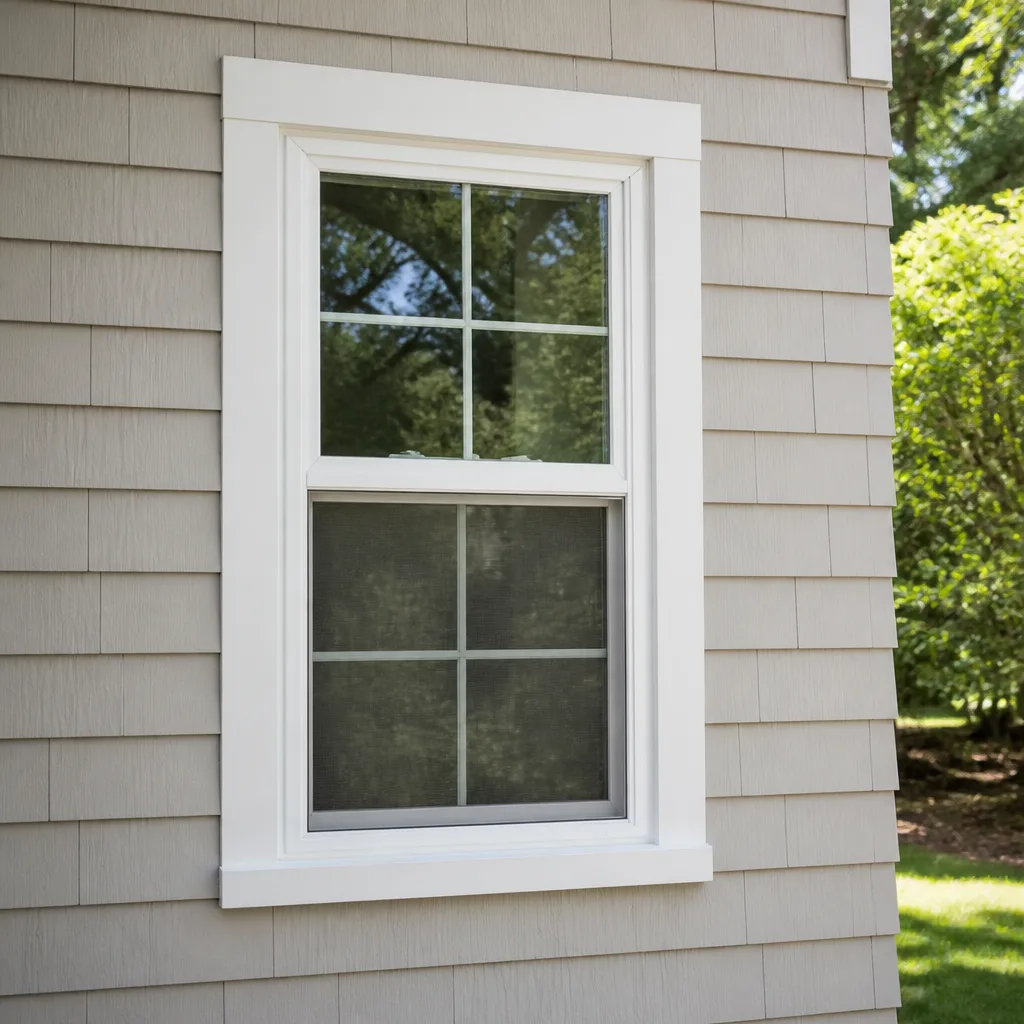
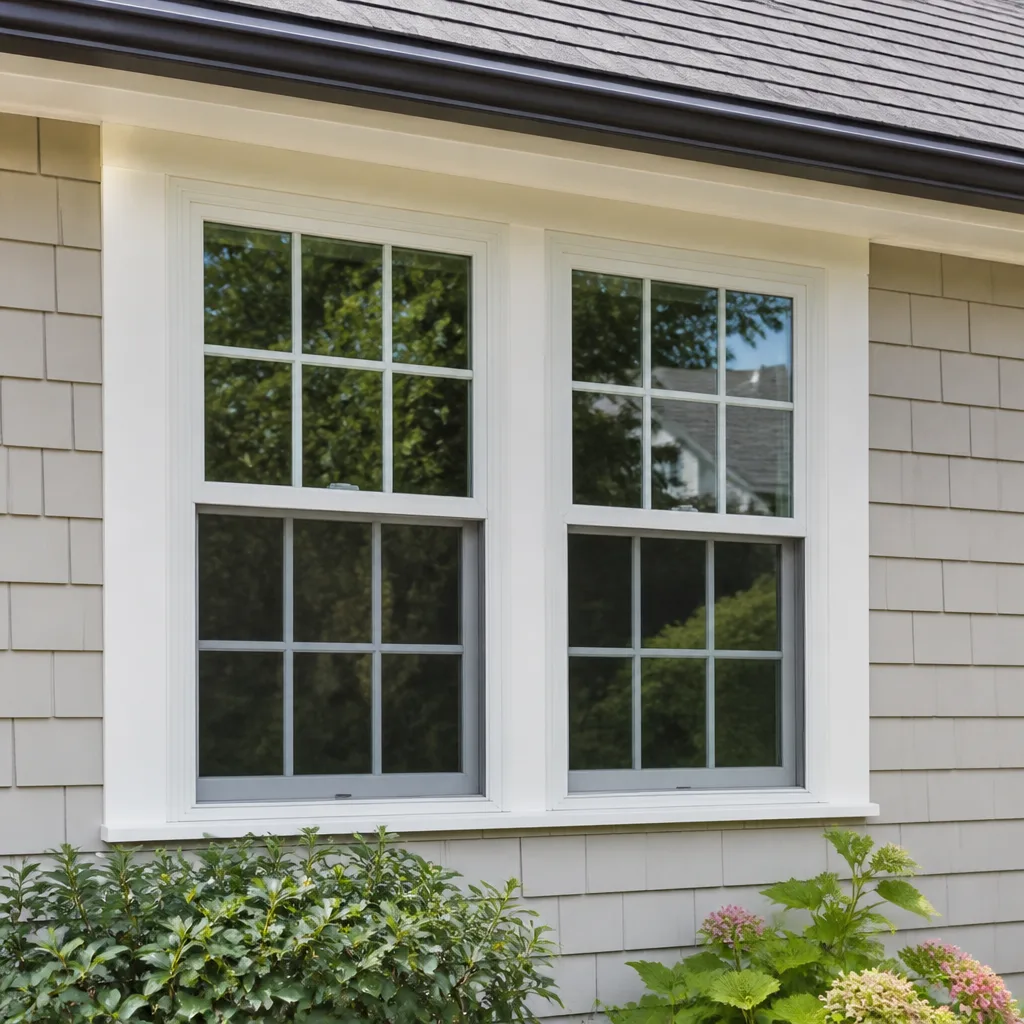
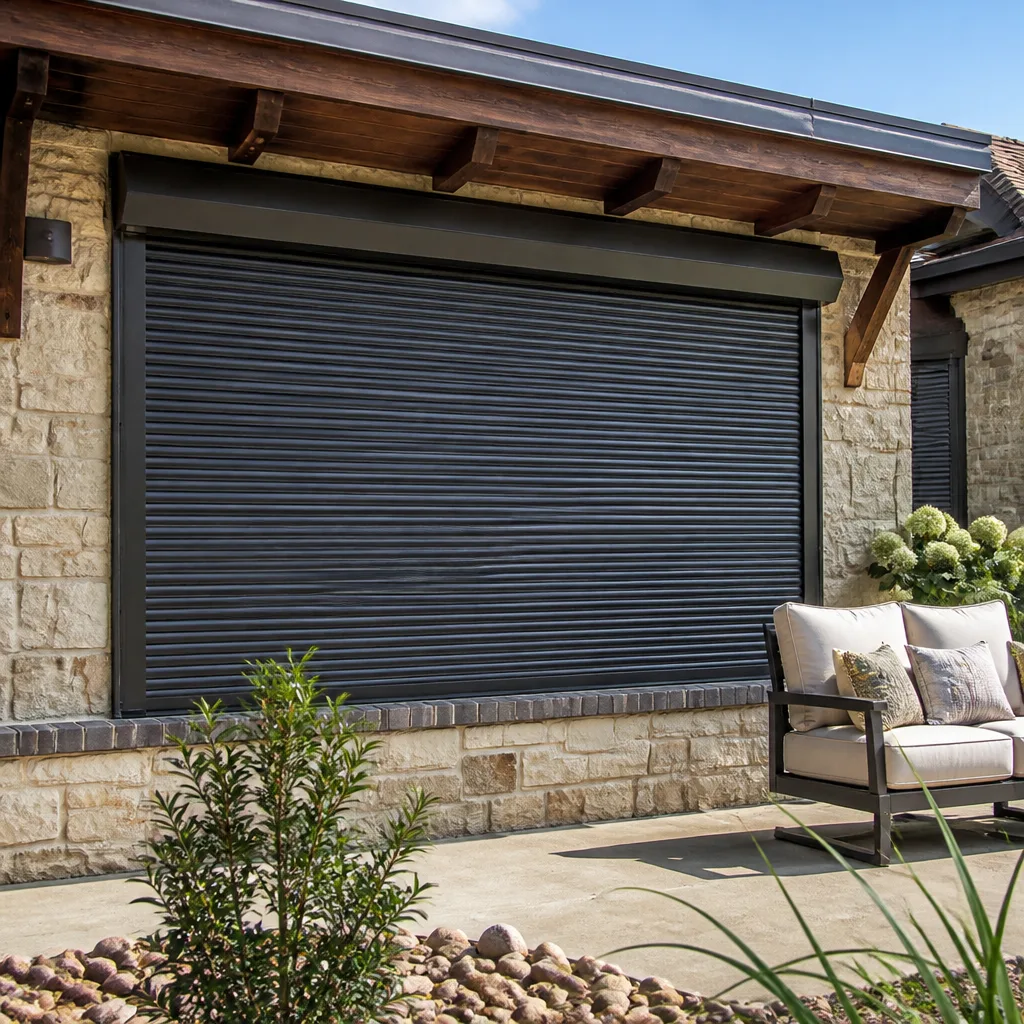
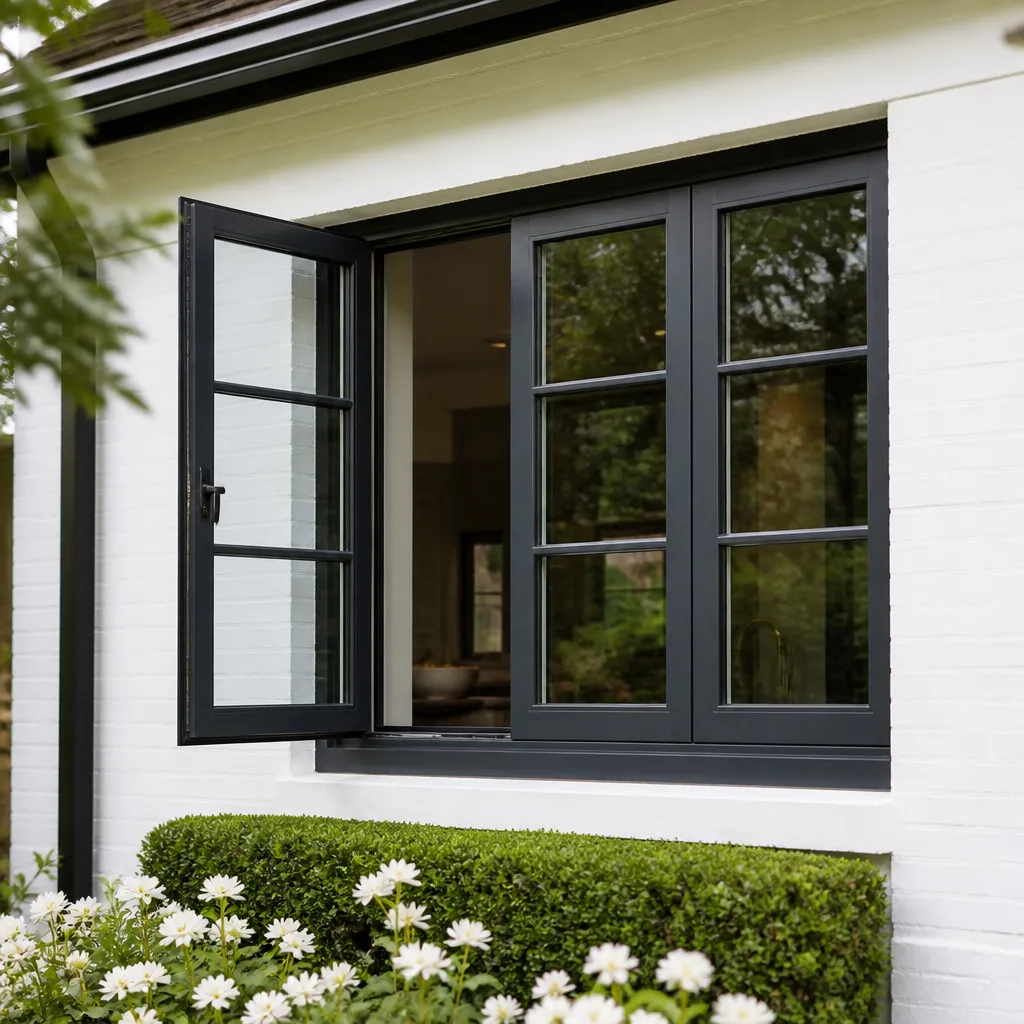
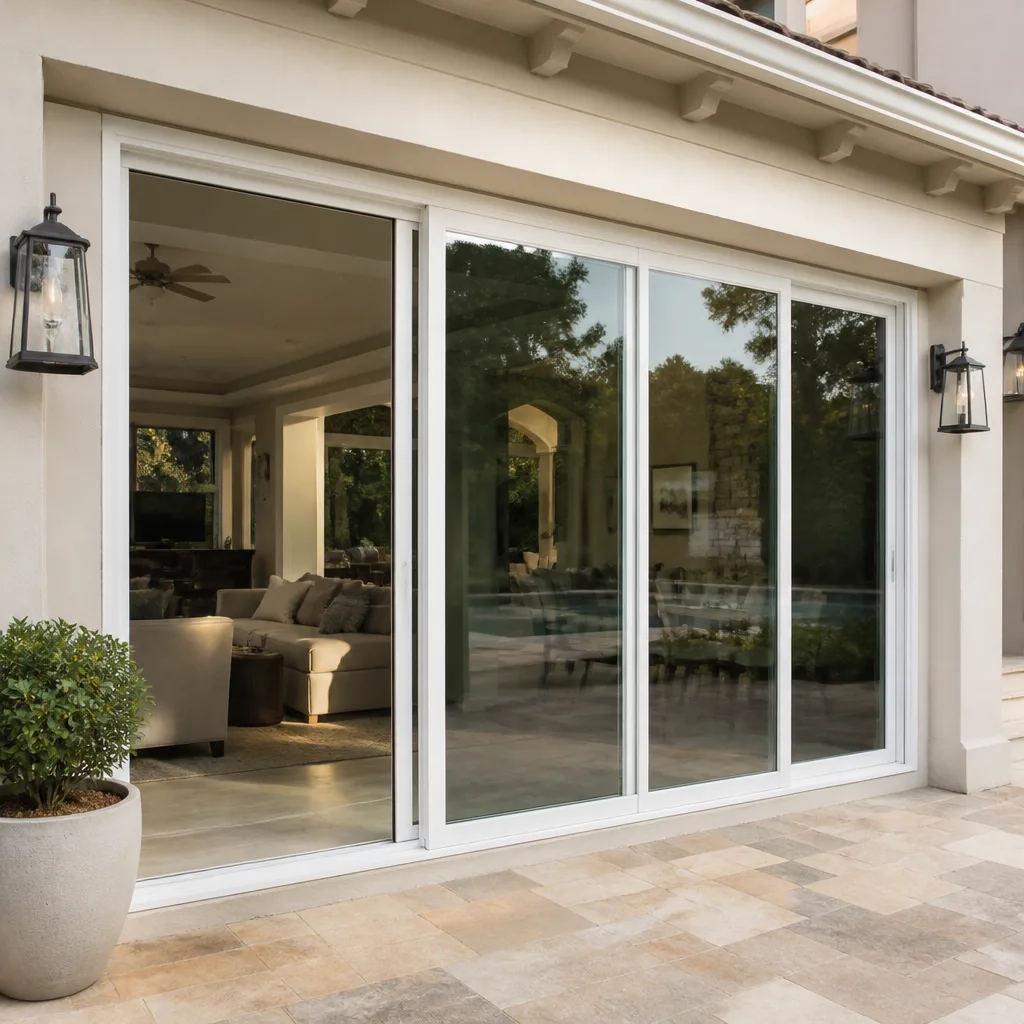
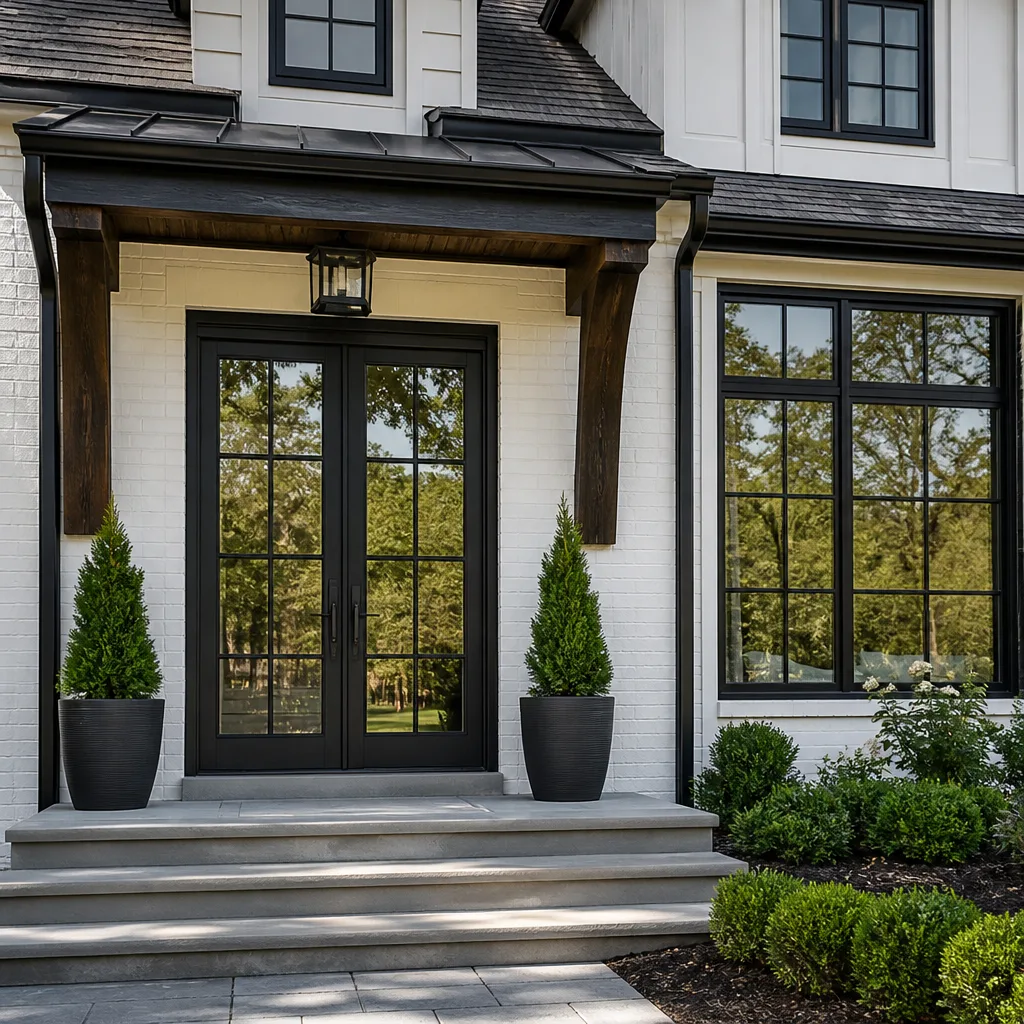
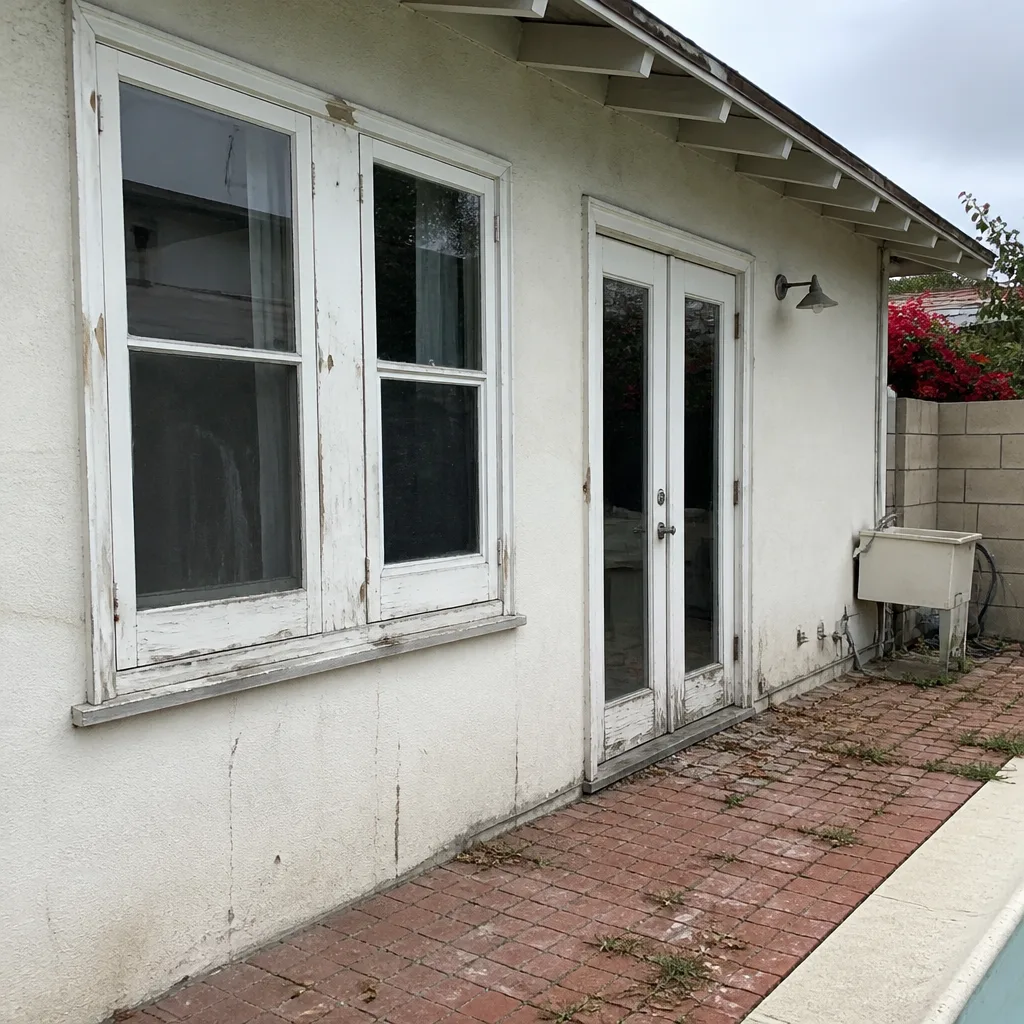 Before
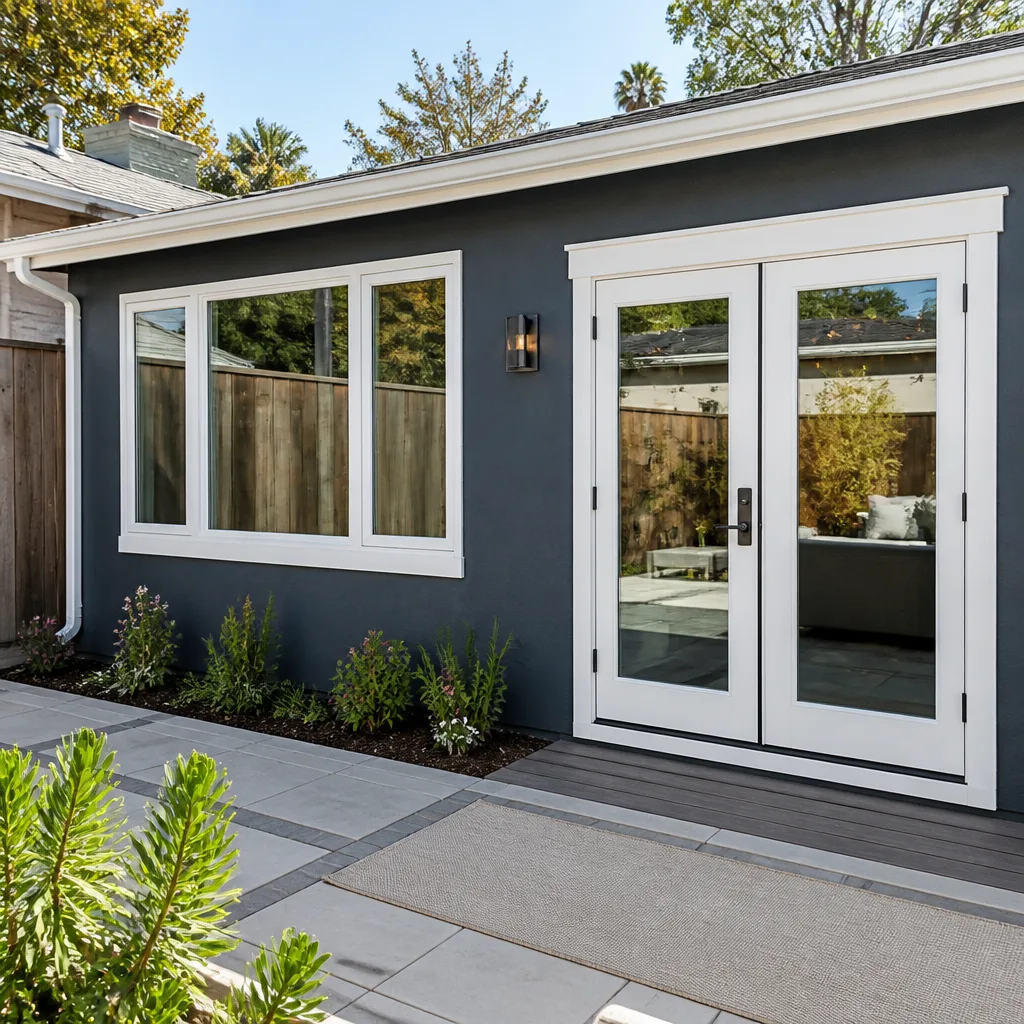 After
After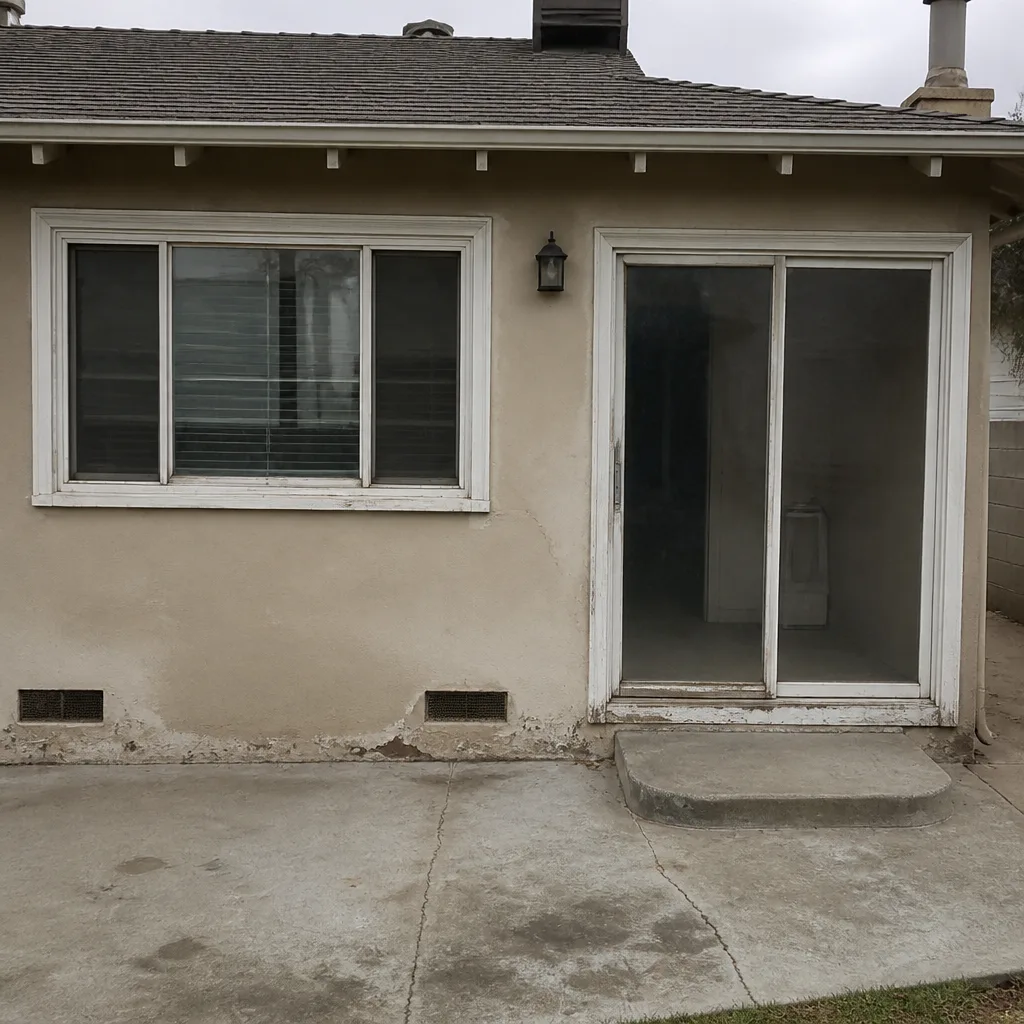 Before
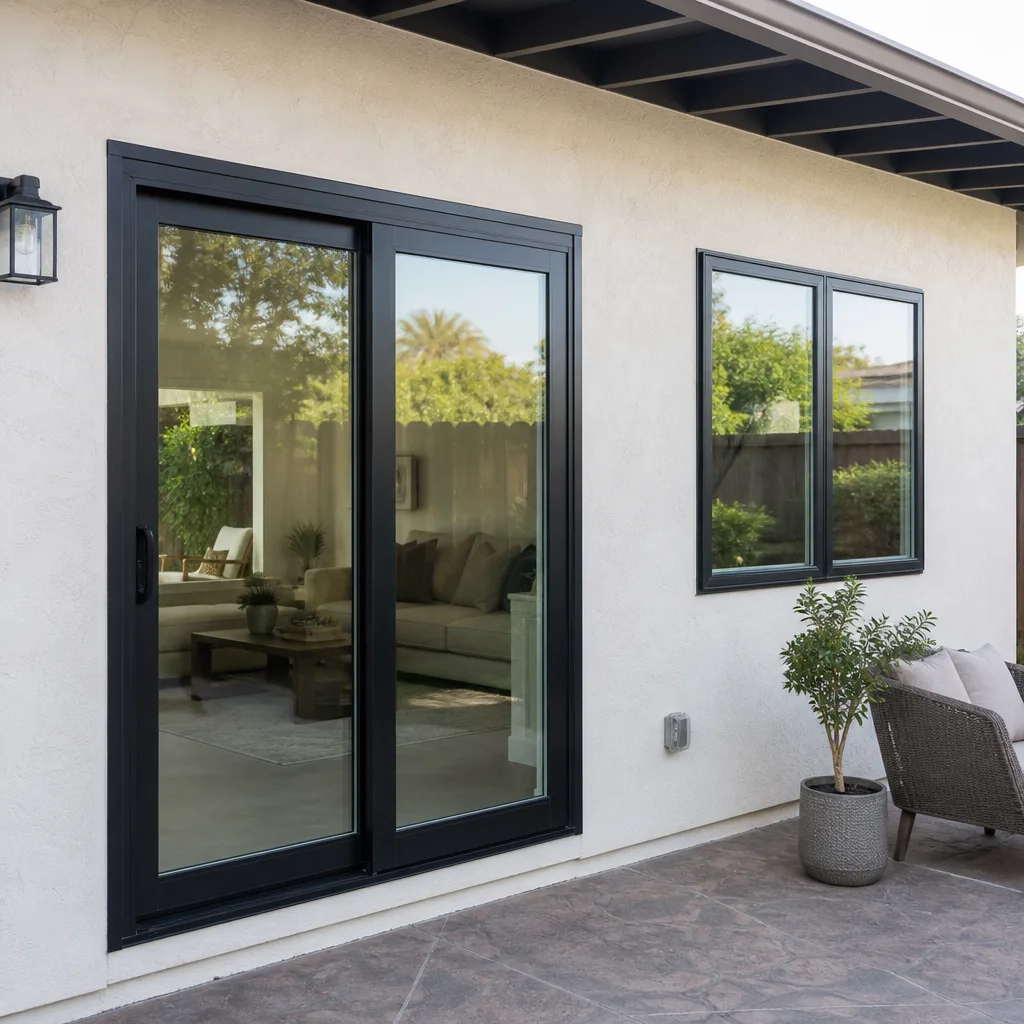 After
After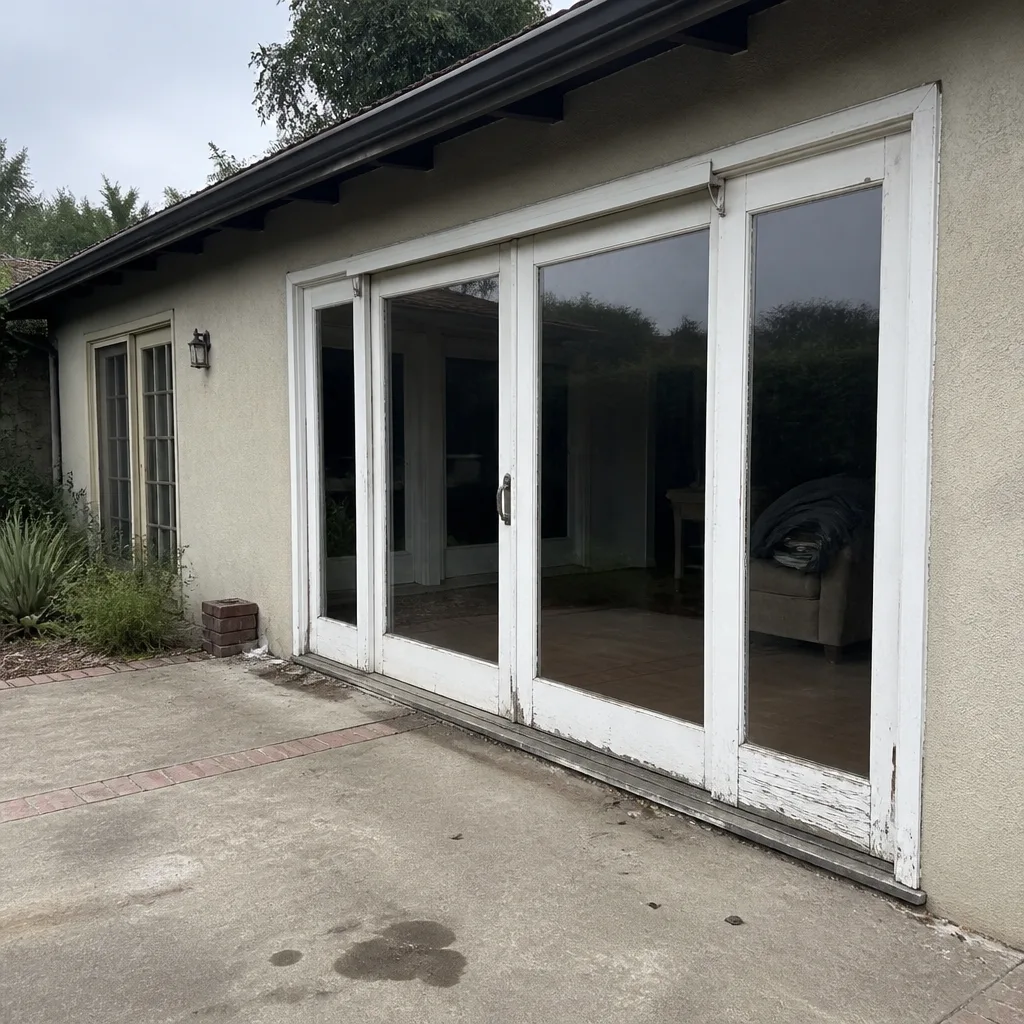 Before
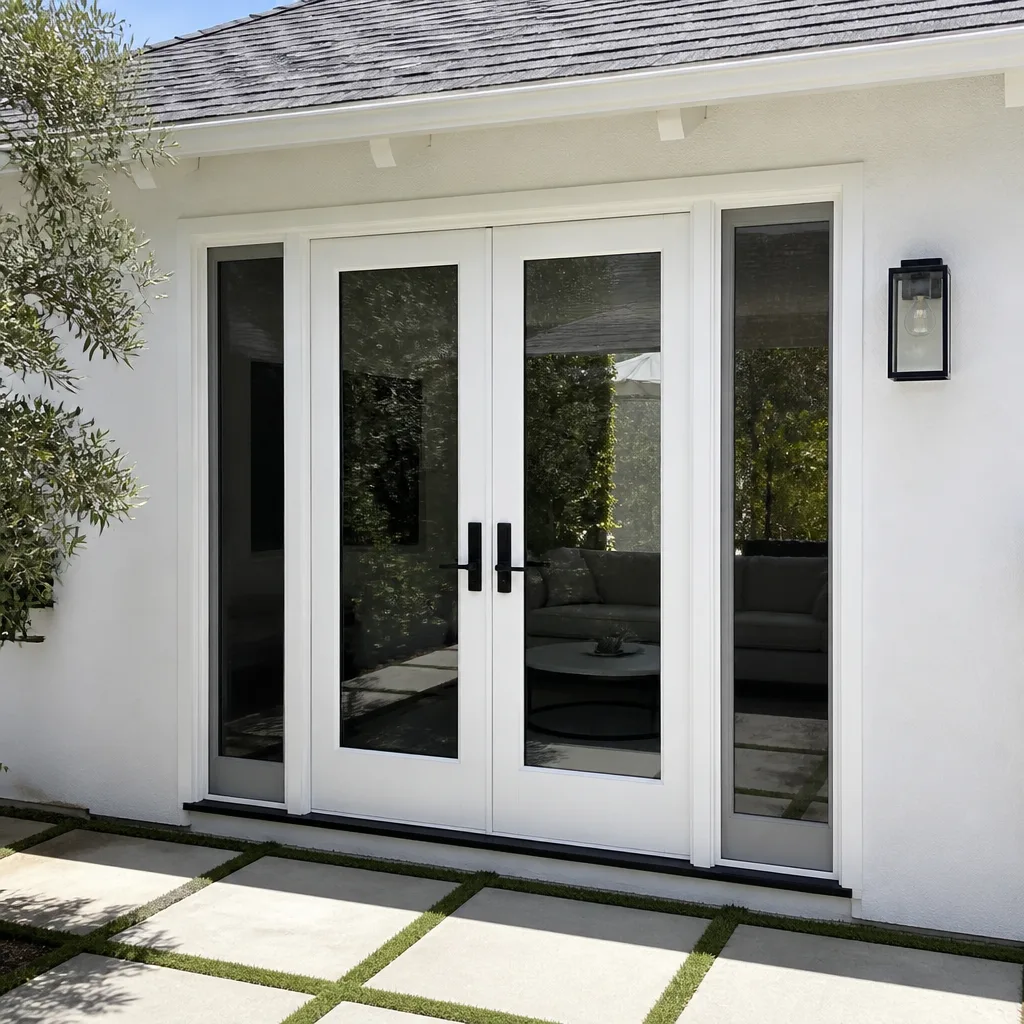 After
AfterThe Complete Guide to Windows & Doors in Los Angeles
California’s Title 24 energy code divides Los Angeles County into five separate climate zones. That means the window U-factor that passes inspection in Burbank will fail in Santa Monica, yet most online guides treat the whole city as one market. This guide is built specifically for Los Angeles: the coastal marine layer, the valley heat, the hillside seismic shifts, and the permitting maze that differs from one municipality to the next. For a deeper dive, see The Complete Window Installation Guide for Los Angeles Homeowners. You’ll learn how to match window and door products to your exact microclimate, what the energy code actually requires at your address, and how to avoid paying for features you don’t need.
Quick Answer
The right windows and doors for a Los Angeles home depend on which of the county’s five Title 24 climate zones your address falls in. Coastal homes need low U-factor glass to manage marine-layer humidity, while valley homes prioritize low solar heat gain coefficient ratings to block extreme heat. A vinyl or fiberglass frame with dual-pane low-E glass meets code in most of Los Angeles, but hillside and seismic zones benefit from frames with higher flex tolerance, which is why we spec aluminum and fiberglass differently depending on the neighborhood.
Table of Contents
- Los Angeles Climate Zones: What Your Address Requires
- U-Factor and SHGC: The Two Numbers That Matter in LA
- Frame Materials: Aluminum vs. Vinyl vs. Fiberglass in Seismic Country
- The Manufacturer Lines We Stock and Where Each One Fits
- Permits in LA: City, County, and the Municipalities That Do Their Own Thing
- What Windows and Doors Cost in Los Angeles, In Real Numbers
- What a Proper Installation Actually Involves
- Common Mistakes to Avoid
Los Angeles Climate Zones: What Your Address Requires
Los Angeles County is not one climate. The California Energy Commission assigns climate zones based on temperature patterns, humidity, and solar exposure, and the county spans zones 6, 8, 9, 10, and 16. Here is what each zone means for your windows and doors.
- Zone 6 (coastal strip from Santa Monica to Palos Verdes): Mild temperatures, persistent marine layer, salt air. The priority here is a low U-factor, ideally 0.30 or better, to keep indoor temperatures stable when the fog rolls in. Aluminum frames corrode faster in salt air unless they’re anodized or powder-coated, which is one reason we lean toward vinyl and fiberglass along the coast.
- Zone 8 (San Fernando Valley, Burbank, Glendale): Extreme summer heat, regular 100-degree stretches in August. The priority flips to solar heat gain coefficient, or SHGC, which measures how much solar heat passes through the glass. A SHGC of 0.25 or lower is what you want here. A window that works beautifully in Zone 6 will bake a Valley living room.
- Zone 9 (San Gabriel Valley, Pasadena, Arcadia): Similar heat profile to Zone 8 but with colder winter nights. This zone demands balance: a U-factor around 0.30 and a SHGC around 0.25 gets you through both seasons without a major energy penalty.
- Zone 10 (parts of the Santa Clarita Valley and Antelope Valley edges): One of the hottest and driest zones in the state. Low SHGC is the dominant requirement. Argon gas fills between dual panes become worth the added cost here because the summer temperature differential is so large.
- Zone 16 (mountain and high-desert areas within county lines): Below-freezing winter nights and hot summer days. U-factor becomes the primary number again, with 0.30 as the practical ceiling for code compliance and real comfort.
Most homeowners never hear their climate zone mentioned until an inspector rejects a window package. We check the zone on every estimate before we write a single number down, because a window that fails Title 24 costs you twice: once at inspection and again on your energy bill.
U-Factor and SHGC: The Two Numbers That Matter in LA
Window and door performance comes down to two ratings: U-factor and SHGC. U-factor measures how well the product resists heat transfer; lower is always better. SHGC measures how much solar radiation passes through the glass; lower is better in hot climates, while a slightly higher SHGC can be useful in coastal zones where you want passive solar gain on cooler days.
For most of Los Angeles, a dual-pane window with low-E glass will hit the numbers you need. Low-E, or low-emissivity, is a thin metallic coating applied to the glass that reflects heat while letting visible light through. It is not a tint and it does not darken the room. The standard performer across most LA zones is dual-pane glass with a low-E coating and an argon gas fill between the panes. That combination typically lands at a U-factor near 0.28 and a SHGC near 0.25, which passes Title 24 in zones 6, 8, 9, and 10.
What you should know before anyone quotes you a number:
- Title 24 sets maximum U-factor and SHGC values by climate zone, not a single statewide standard. The product that passed at your last house may fail at your next one 12 miles away.
- Triple-pane glass exists, and it costs meaningfully more, but almost no Los Angeles home needs it. The one exception is a Zone 16 mountain property where winter comfort justifies the added weight and cost.
- Low-E coatings come in different formulations. A low-E coating tuned for northern climates admits solar heat. Make sure the coating is specified for a warm climate, or you’ll pay for a feature that works against you.
The right way to shop is to know your zone first, then ask for the U-factor and SHGC on the actual glass package being quoted. If the salesperson cannot tell you both numbers, the quote is not worth the paper it’s printed on. Our Window Replacement in Los Angeles estimates always list the U-factor and SHGC of the specific product we’re recommending, not a category average.
Frame Materials: Aluminum vs. Vinyl vs. Fiberglass in Seismic Country
Los Angeles sits on active fault lines. A window or door frame has to do more than hold glass; it has to tolerate the micro-movements that happen in every hillside home and during every small tremor. That reality changes how a thoughtful installer thinks about frame materials.
Aluminum is the stiffest option and the least forgiving when a wall shifts. In a hillside house in Studio City or Mount Washington, aluminum frames can transfer movement directly to the glass, which shows up as stress cracks over time. Aluminum’s strength is its structural rigidity, which is exactly why we specify it for large sliding door openings where a vinyl frame would sag. For more on door-specific requirements, see The Complete Patio Door Installation Guide for Los Angeles Homeowners. The trade-off is thermal: aluminum conducts heat, so it needs a thermal break to meet Title 24 performance standards.
Vinyl has more natural flex than aluminum, which makes it a better match for homes that experience minor settling. It is also the strongest value in most LA markets, with a solid U-factor performance at a lower installed price. Vinyl’s weakness is expansion and contraction under extreme heat; in a Valley home with direct western exposure, a dark-colored vinyl frame will move enough to loosen seals faster than a lighter color. For most Window Installation in Los Angeles jobs, vinyl is the practical default: code-compliant, flex-tolerant, and priced honestly.
Fiberglass splits the difference. It flexes more than aluminum, resists heat distortion better than vinyl, and carries a higher price for that combination. In coastal zones where salt air eats aluminum and hillside zones where movement is constant, fiberglass earns its premium. We’ve installed fiberglass frames in Los Angeles beach homes and canyon properties where the homeowners wanted the product that would survive two decades of movement and humidity without constant attention.
The honest answer: most LA homes are well served by vinyl, certain hillside and coastal conditions justify fiberglass, and aluminum belongs on large openings where its rigidity is an asset. What matters is that the installer thinks about your address, not just the product line they carry.
The Manufacturer Lines We Stock and Where Each One Fits
We keep eight manufacturer lines in the portfolio, which is not about having more options to show you; it’s about matching the product to the climate zone and the budget without pushing the one line that happens to be warehoused. Here is how three of those lines actually map to Los Angeles conditions.
PGT makes impact-rated windows and doors, and while Miami-Dade approval is not required in most of Los Angeles, the construction quality behind that rating carries over. PGT products are a strong fit for the Valley zones where windows take direct sun and the frames need to hold their dimensions through 100-degree stretches. They’re also a natural choice if you want a door that will not warp in Pacific Palisades humidity.
CGI is another impact-rated line, built for coastal conditions first. In Marina del Rey or San Pedro, where salt and moisture sit on a window frame for months at a time, CGI’s aluminum construction with marine-grade finishes holds up in a way that standard aluminum does not. But there’s a cost performance trade-off for inland zones, which is why we don’t automatically put CGI on a Burbank tract home. The product needs to fit the house, not just the brochure.
ViewLux targets the mid-range replacement market: solid vinyl frames, good thermal numbers, competitive installed pricing. It’s the workhorse line for a standard Los Angeles ranch home from Encino to Alhambra. Not every house needs an impact-rated aluminum frame; most need a well-built vinyl window that meets Title 24 and comes in at a price that makes sense for the project.
What this means for a homeowner is simple: a one-line window company has to sell you their one line. We’re not that. The Meridian Windows & Doors home portfolio exists so the recommendation follows the house, not the warehouse. In practice, we’ve put ViewLux in Valley homes, PGT in canyon retreats, and CGI on coastal condos, sometimes within the same month.
Permits in LA: City, County, and the Municipalities That Do Their Own Thing
Permit requirements for windows and doors in Los Angeles vary by jurisdiction. The City of Los Angeles Department of Building and Safety (LADBS) governs most city addresses, but unincorporated county areas answer to LA County Building and Safety, and incorporated cities like Pasadena, Santa Monica, Glendale, Burbank, and Beverly Hills run their own permit departments. Each office has its own fee schedule, review timeline, and inspector habits.
A same-size window replacement, where the new unit fits the existing rough opening and no structural changes are made, is a straightforward permit in most LA jurisdictions. If you’re replacing rather than installing new, The Complete Window Replacement Guide for Los Angeles Homeowners covers the specifics. The project still requires plan review, and the inspector will verify that the new window meets the Title 24 climate zone requirements for your address. A retrofit installation, where the new window fits inside the existing frame, is often treated as a simpler permit than a full frame-out replacement.
Where timelines really diverge:
- City of LA: E-permitting has sped up simple window replacements, and many sail through in a matter of days. Older hillside homes can trigger additional review for structural connections, particularly in the Hollywood Hills and Mount Washington areas.
- Santa Monica and Pasadena: Both cities have their own energy code overlays, which in practice means the product list that passes is narrower. Santa Monica’s retrofit requirements are among the strictest in the county.
- Unincorporated LA County: Expect the same Title 24 baseline but a more manual review process. Permit processing tends to run longer than LADBS on average, not because the codes differ but because the department processes a wider range of project types.
- Glendale and Burbank: Both cities require city-specific inspections on top of standard building permits, which affects your timeline. Plan for an extra day on the schedule.
On a Patio Door Installation in Los Angeles project, the same jurisdiction rules apply, but with an extra consideration: widening a rough opening or changing a window to a door is a structural change that adds plan review time in every LA jurisdiction. When we write a project timeline, we build the permit variable in up front, and every change gets noted in writing. The Garrison Code, which governs every job in the Garrison Partners network, is simple about permits: the permit gets pulled, the inspection gets scheduled, and the inspection passes before we consider the job done.
What Windows and Doors Cost in Los Angeles, In Real Numbers
Here is what we quote in the field, based on current Los Angeles market pricing for mid-range vinyl dual-pane windows and standard door installations. These are installed prices, including the permit and the inspection.
- Single-hung or single-slider vinyl window, standard size: $700 to $1,200 per window installed
- Double-hung window, mid-range vinyl: $900 to $1,500 per window installed
- Picture or fixed window, large format: $1,200 to $2,800 installed depending on size
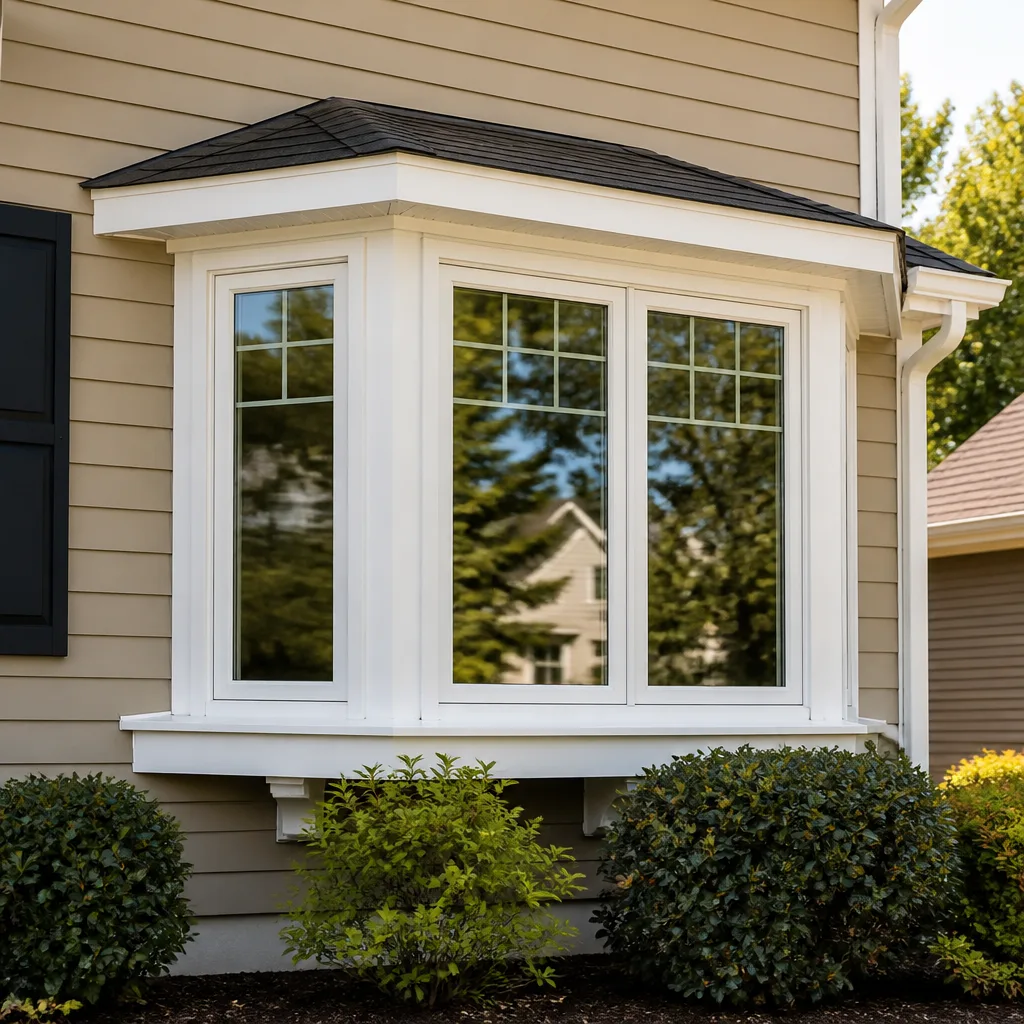
- Bay or bow window, full replacement: $3,500 to $7,500 installed
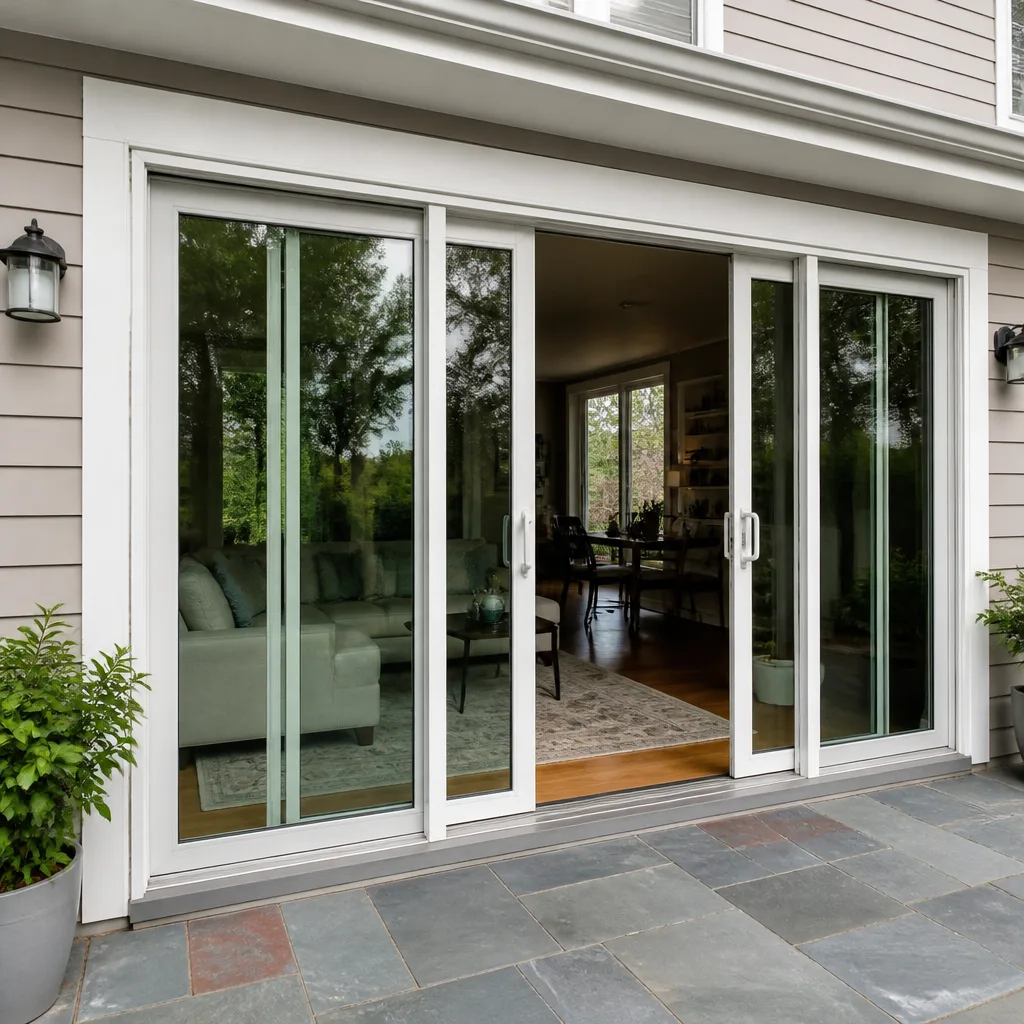
- Patio sliding door, 6-foot two-panel vinyl: $2,200 to $3,800 installed
- French patio door, two-panel fiberglass: $3,000 to $5,500 installed
- Full-house replacement, 10 to 12 windows, tract home: $14,000 to $26,000 total
Impact-rated products from PGT or CGI add a significant premium, typically 40 to 70 percent over standard vinyl. That premium buys genuine coastal performance, not a marketing line, so it makes sense in Santa Monica and it does not make sense in North Hills. Our pricing discipline is straightforward: the written estimate arrives before any work starts, and the number on that estimate does not move at the door. Every job is covered in writing by the 365-Day Done Right Promise; if the work fails within that year, the crew returns at no charge.
What a Proper Installation Actually Involves
Window and door installation is a process, not a product delivery. Here is the sequence we follow on every LA job, and what a homeowner should expect from any installer worth hiring.
- Site assessment and measurements: Every opening gets measured twice. Rough opening dimensions are checked against the actual product, not the manufacturer’s catalog. In older LA homes, from Spanish-style bungalows to mid-century post-and-beam, rough openings are rarely square, which is where shortcuts start if the crew is not disciplined.
- Flashing and waterproofing: This is the step that separates a 15-year install from a 5-year one. The opening gets flashed at the sill, the jambs, and the head, with the layers lapped in the correct order so water drains outward. Coastal homes in Los Angeles deal with wind-driven rain and salt, which punishes a poorly flashed opening faster than anywhere else in the state.
- Setting and securing the unit: The frame gets shimmed to level and square, then fastened at the manufacturer-recommended intervals. Tile roofs and stucco exteriors, both common in LA construction, change how fasteners are selected and placed.
- Insulation and air sealing: The gap between the frame and the rough opening gets filled with low-expansion foam, then the interior trim covers the transition. In a Valley home, the air sealing here matters as much for AC efficiency as the glass rating does.
- Caulking and finish work: Exterior caulk lines get tooled smooth, not just laid down. Interior trim is installed, painted, and cleaned. The sill should look like it belonged to the house from the day it was built.
- Inspection and walkthrough: The permit gets its final sign-off from the local jurisdiction, then we walk through the installation with you and explain what was installed, how it operates, and what the written 365-day guarantee covers. That walkthrough is not optional; it’s part of the standard we’ve operated under since 2009.
Common Mistakes to Avoid
- Buying windows based on a national brochure instead of your Los Angeles climate zone. A product that worked for a cousin in Phoenix or a friend in Seattle is irrelevant to a Santa Monica condo. Know your zone before you shop.
- Choosing the lowest bid without checking what it excludes. In the LA market, low bids frequently strip out the permit, the flashing detail, or the inspection. Since the permit is legally required and the flashing determines how long the window lasts, the low bid costs more by year five.
- Ignoring frame flex in hillside and canyon homes. A stiff aluminum frame in a house that moves will crack glass over time. The hillside addresses in Studio City, Brentwood, and Silver Lake need a frame material that flexes.
- Replacing glass without addressing the frame condition. In older LA homes, the frame may be the real problem. New glass in a rotting or sagging frame fails the inspection and the energy goals.
- Choosing dark vinyl frames on a west-facing Valley wall. Dark vinyl absorbs enough heat in August to warp and loosen seals. Light colors are a functional choice in LA, not an aesthetic preference.
- Skipping the permit to save a few hundred dollars. Unpermitted window work becomes a problem when you sell the house, a dollar figure that dwarfs the permit fee you avoided.
When to Call a Professional
Replacing a full window or door requires a permit in every Los Angeles jurisdiction, and installation errors are not recoverable once the unit is set and caulked. Call a professional when the project involves structural changes to the rough opening, when you’re replacing more than one or two windows at a time, when the home is in a coastal or hillside zone that demands specific product specs, or when the existing installation shows water damage, rot, or cracked glass. A skilled installer who works on Los Angeles homes every week will spot code issues and product mismatches before they become your problem. Meridian Windows & Doors offers free estimates in Los Angeles. Call (817) 686-2228 to schedule a walkthrough, and the written price will be in your hands before any work starts.
Frequently Asked Questions
Title 24 requirements vary by climate zone, but most of Los Angeles requires a U-factor of 0.30 or better and a SHGC of 0.25 or lower. Coastal Zone 6 homes can pass with a slightly higher SHGC, while Zone 16 mountain homes need a lower U-factor. Call (817) 686-2228 and we’ll check the exact requirements for your address before quoting anything.
Yes, regardless of whether your address falls under City of LA building codes, unincorporated LA County, or a separate municipality like Pasadena or Santa Monica. A same-size replacement is a simpler permit than a structural change, but the permit is not optional. Our estimates include the permit and the inspection every time.
Most single-window replacements in Los Angeles run $700 to $1,500 installed for a standard vinyl dual-pane unit, depending on size and frame type. Full-house projects with 10 to 12 windows typically land between $14,000 and $26,000. For an exact number on your home, call (817) 686-2228 for a free written estimate.
Vinyl and fiberglass both perform well in coastal conditions, while aluminum requires a marine-grade finish to resist salt air corrosion. In neighborhoods from Playa del Rey to San Pedro, we lean toward vinyl for value and fiberglass for long-term durability. The right answer depends on the specific exposure at the house, not the general climate zone.
No. Our prices are written down before any work begins, and the number on the written estimate does not move at the door. If field conditions reveal a change, the change is documented in writing before we proceed. That is the standard we have operated under in Los Angeles since 2009.
Seismic movement, even the minor settling that happens in every hillside home, flexes the wall system around window and door openings. Frames with more flex tolerance, namely vinyl and fiberglass, absorb that movement better than stiff aluminum. In Los Angeles canyon and hillside neighborhoods, the frame choice is not just aesthetic; it determines whether the glass survives the next decade.
The Bottom Line
Los Angeles is not one window market. It is five climate zones, a dozen permitting jurisdictions, and a seismic environment that punishes generic product choices. The right window starts with knowing your Title 24 zone, then matching U-factor and SHGC to your actual conditions, then choosing a frame material that tolerates movement, and finally hiring an installer who pulls the permit and stands behind the work in writing. That is the standard we have run on since 2009, and every written estimate we deliver in Los Angeles is built around it. Browse more guides & resources for additional help with your project.
Written by Elliot Vance, Owner at Meridian Windows & Doors, serving Los Angeles since 2009.