

Free in-home measure and quote - PGT, CGI and CWS impact lines compared on your actual openings, style by style
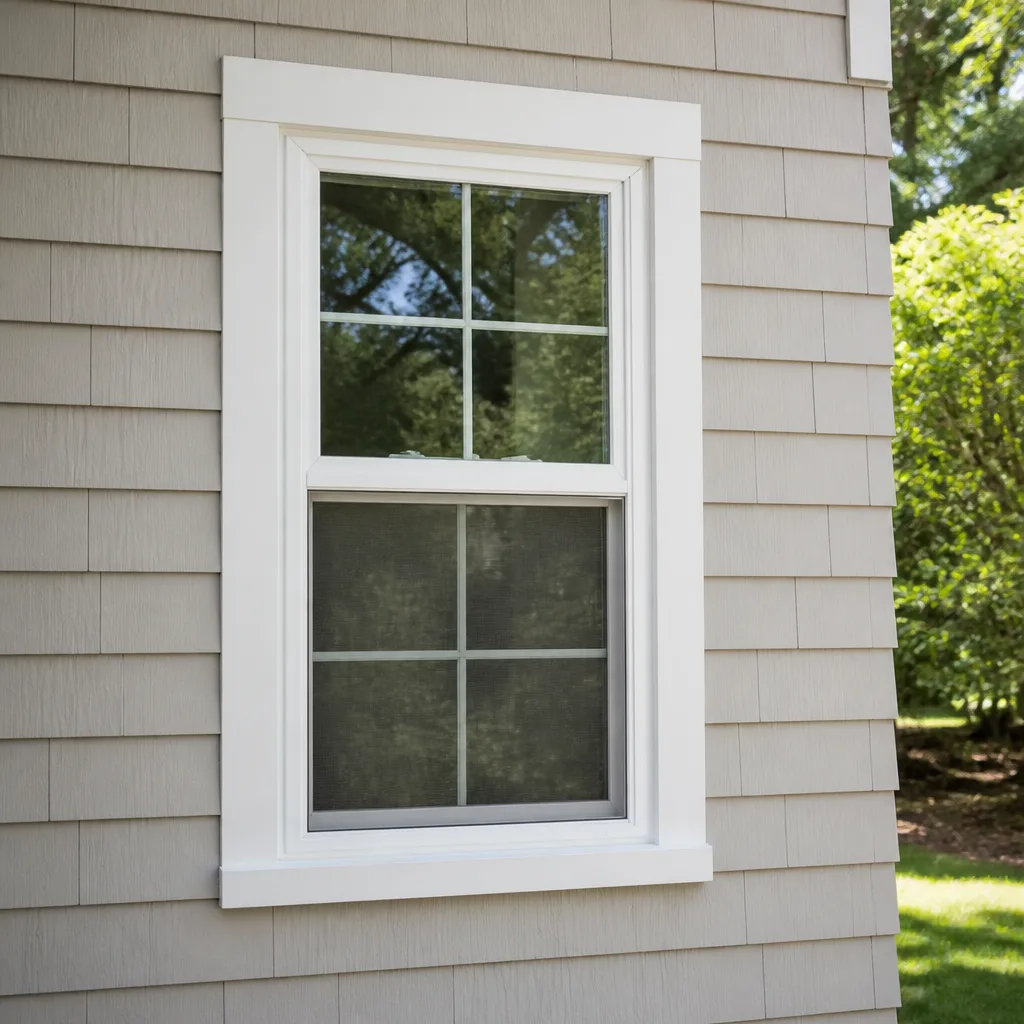









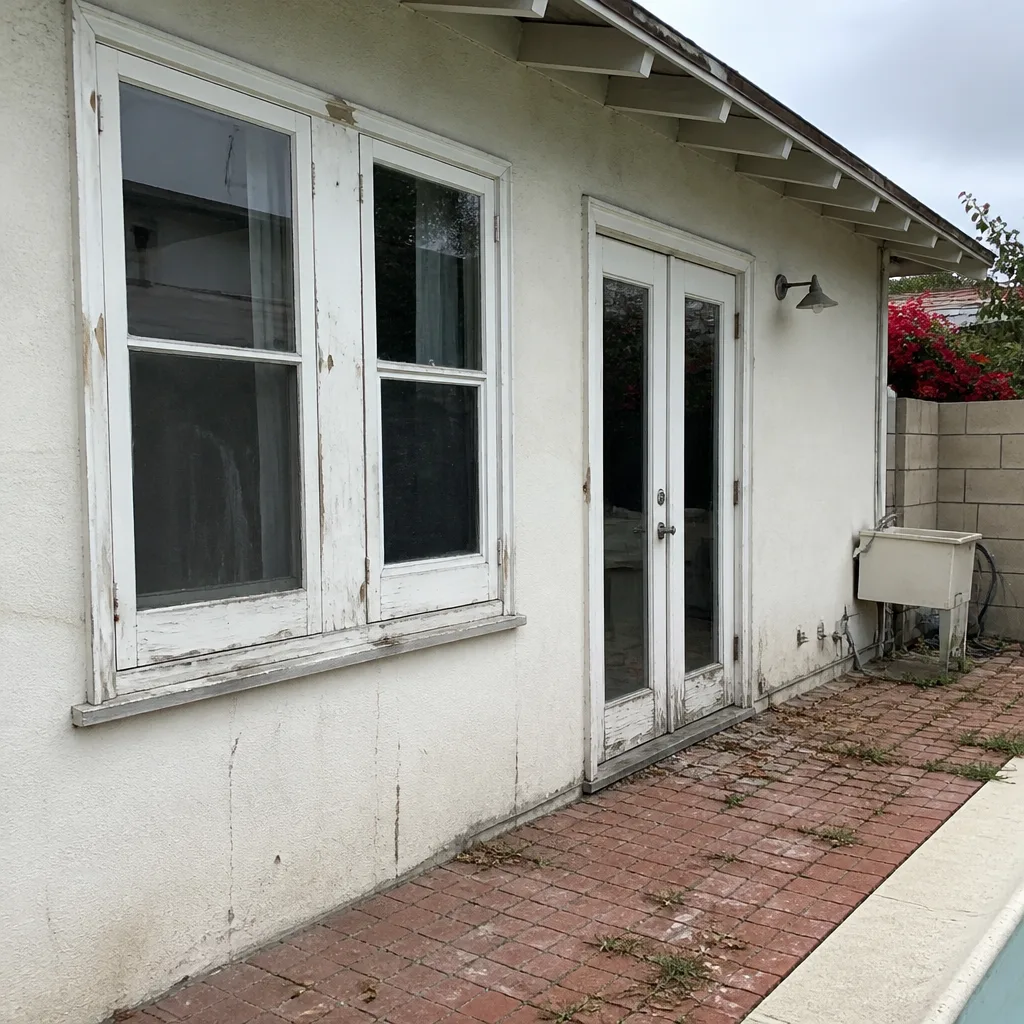 Before
 After
After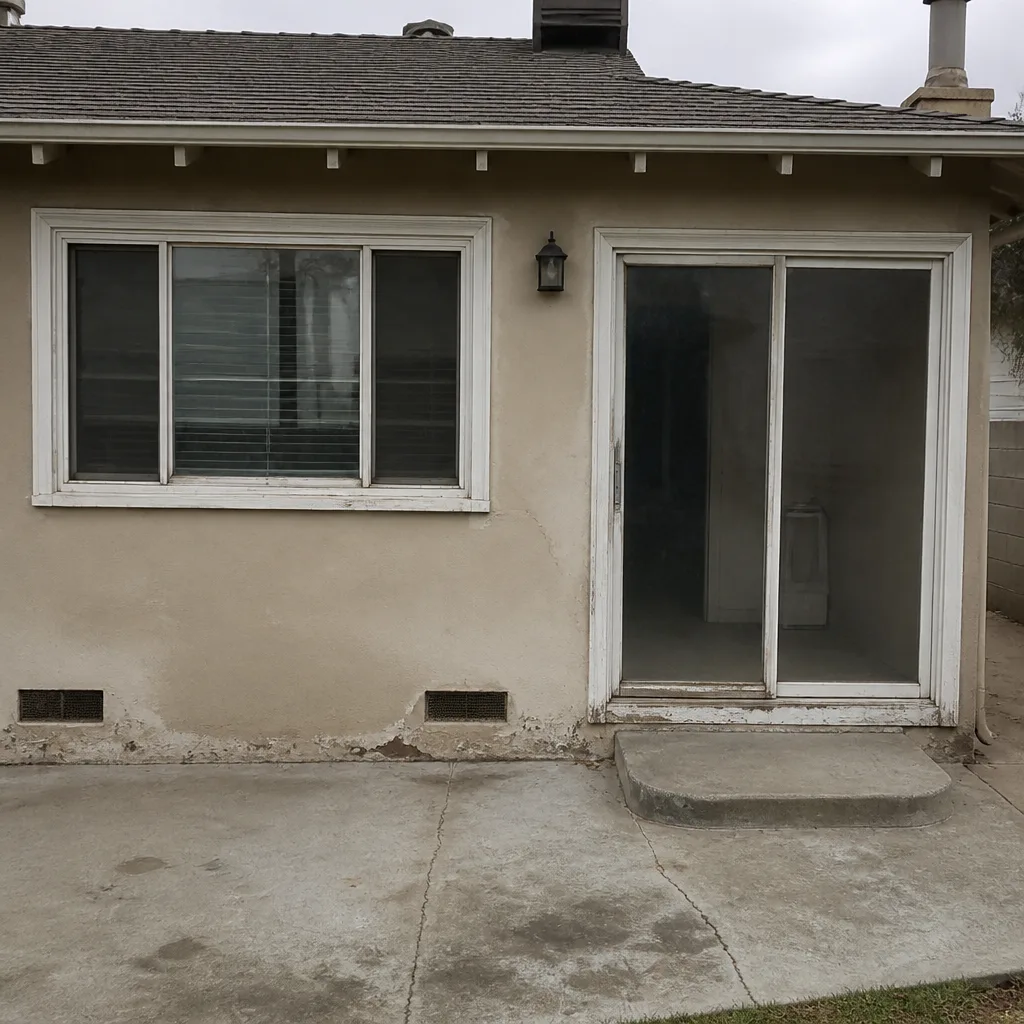 Before
 After
After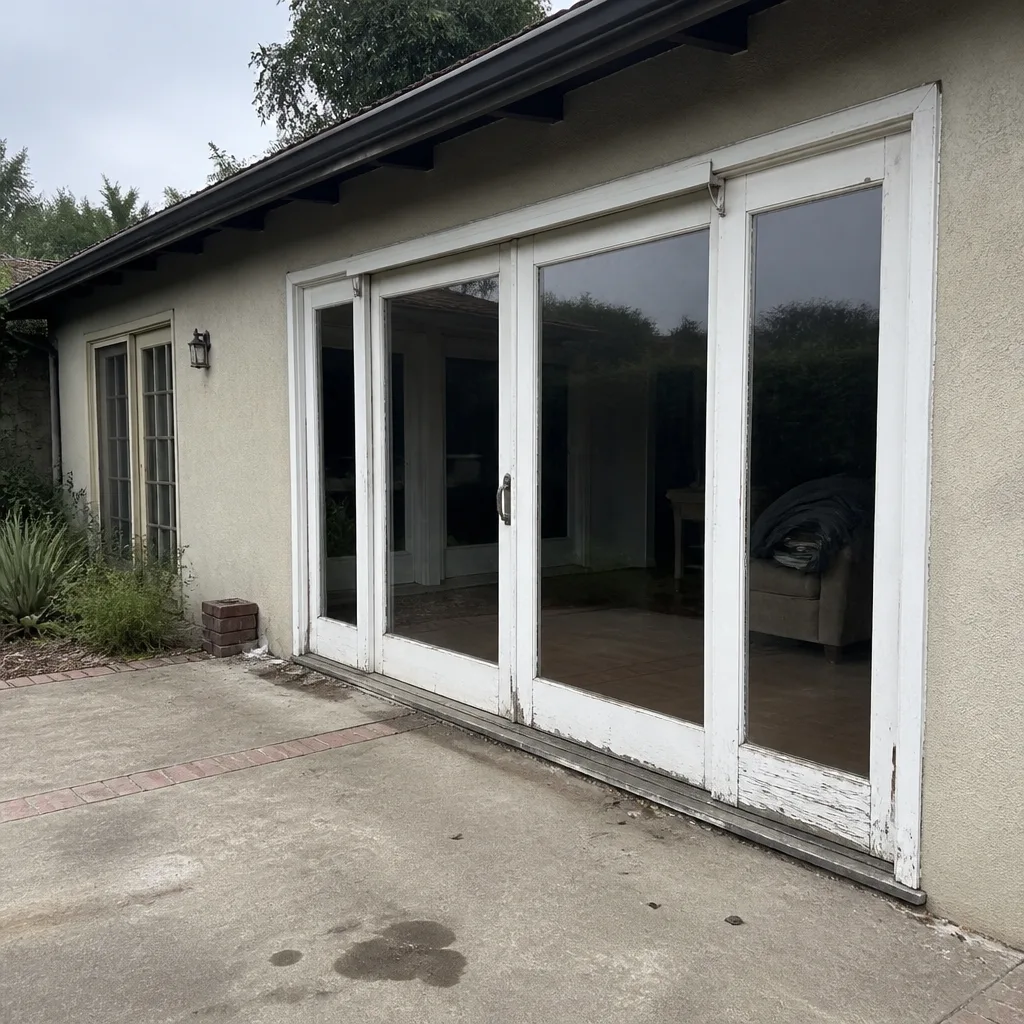 Before
 After
AfterFoggy or Condensation Between Panes
What’s Happening
Fog or condensation locked between two panes of glass almost always means the sealed insulating unit inside that window has failed – the airtight seal around the perimeter has broken down, moisture has entered the gap, and no amount of wiping or waiting will clear it. This is a glass-unit problem, not a cleaning problem.
Double- and triple-pane windows are built around an insulating gap filled with dry air or an inert gas like argon. A continuous seal holds that gap closed. When the seal fails, outdoor air – and the humidity it carries – gets in. On cool mornings or after rain, that moisture condenses on the inner glass surfaces where you cannot reach it. The fogging clears and returns with the weather, which is why some homeowners live with it for months before calling. The window isn’t going to heal itself. The sealed unit needs to come out and be replaced.
Why It Happens
Seal Failure from Age and UV Exposure
The butyl and silicone compounds that hold a sealed unit together degrade over time, especially on south- and west-facing windows that take direct afternoon sun year after year. You’ll usually see this on the older windows in the house first, and the fogging tends to show up in one corner before spreading across the pane. If your windows are more than fifteen years old and only some are fogging, age-related seal failure is the likely explanation.
Water Intrusion at the Frame or Sill
If the frame itself is letting water in – through a failed caulk joint, a cracked sill, or a glazing bead that’s pulled away from the glass – moisture can work its way into the sealed unit from the outside edge rather than through the seal compound itself. Run your hand along the interior sill and the corner joints when the window is fogged. If the sill is damp or the caulk is cracked and peeling, water at the frame is likely contributing to what you’re seeing.
Installation-Related Stress
A window that wasn’t shimmed and squared correctly puts uneven pressure on the glass unit. That stress works against the seal over time and can cause a premature failure years before the window’s useful life should be up. If you had windows installed relatively recently and only one or two are fogging while the rest are clear, installation-related stress is worth discussing with a technician who can check whether the frame is sitting true.
Impact or Hard Thermal Cycling
A sharp blow to the glass – a rock from a mower, a hailstone, a door slammed hard enough to flex the frame – can compromise the seal in a single event. So can extreme temperature swings that happen quickly, like cold nights following very hot days. If the fogging appeared after a storm or a noticeable impact, look closely at the glass edge and corner of the frame for any visible crack or chip. That’s your starting point when you talk to a technician.
What to Do Right Now
- Take a photo in the morning light. Fogging is often worst before the sun hits it. A clear photo showing where the condensation sits – corner, center, full pane – helps a technician size the unit correctly before they arrive.
- Check whether the condensation is inside or outside the glass. Press your finger on the interior surface of the glass where the fog is. If the glass feels damp to the touch, the condensation is on your side of the pane – that’s normal humidity in the room, not a seal failure. True seal failure produces fog you cannot touch, locked between the two panes.
- Look at the perimeter of the frame. Note any cracked caulk, gaps between the frame and the wall, or visible daylight at the corners. Take photos of anything that looks wrong – this information helps narrow down whether the problem is the glass unit alone or the frame around it.
- Stop using heavy interior moisture sources near the window for now. Running a humidifier directly below a failed sealed unit won’t make the seal failure worse, but it can make it harder to distinguish a seal problem from normal surface condensation in the meantime.
- Don’t attempt to drill or score the glass. Some DIY forums suggest drilling a small hole in the outer pane to let moisture escape. This weakens the glass structurally, voids any remaining manufacturer warranty, and does nothing to address the underlying seal failure. A sealed glass unit that has failed needs to be replaced, not patched.
How We Fix It
When your local Meridian Windows & Doors team arrives, the technician’s first step is to confirm the diagnosis – because occasionally what looks like a seal failure is actually a framing or flashing problem that needs to be addressed before a new glass unit goes in. Once the failed unit is confirmed, we pull measurements for the replacement sealed unit. In most cases, the frame itself is sound and only the insulating glass unit needs to come out.
The service that resolves this is window replacement – specifically, replacing the failed sealed glass unit with a new one drawn from our eight-brand portfolio, including PGT, ECO Window Systems, ES Windows, and ViewLux, so the unit we spec matches the frame you already have. The technician resets the glazing, checks the frame for square, and re-seals the perimeter.
Before any of that starts, you get the price in writing – that’s how every Meridian job works, no exceptions. The work is then covered by our 365-Day Done Right Promise: a full year, in writing, and if the installation fails in that period we come back and make it right at no charge.
Frequently Asked Questions
A failed seal is not an emergency the way a broken window is, but it is causing ongoing damage. Once moisture is inside the sealed unit, it cycles in and out with the weather and deposits mineral residue on the inner glass surfaces – over time that haze becomes permanent and the glass itself can degrade. The insulating value of the window drops the moment the gas fill is gone, which means the window is no longer doing the thermal work you paid for. It won’t fix itself, and waiting tends to expand the problem. Call (817) 686-2228 and we’ll get eyes on it.
No. Once moisture has entered the sealed unit, the only effective fix is replacing the glass unit itself. There is no sealant or injection process that reliably restores the insulating gap to its original condition – any repair that claims otherwise is a short-term patch at best. The good news is that in most cases the frame is fine and only the glass unit needs to change, which keeps the scope of the job manageable.
Your local Meridian team works to The Garrison Standard – we show up inside the window we give you. Call (817) 686-2228 and a live person will answer right now, any time of day, to check availability in your area and get a visit scheduled. We don’t run voicemail loops or call back the next business day.
The cost depends on the size of the glass unit, the window style, which product line fits the frame, and what we find when the technician checks the frame and sill on arrival. That’s why we don’t post a flat price for this job – what we do is put the exact number in writing before anything starts, so you know the full cost before you decide. Call (817) 686-2228 to schedule your free written estimate.
Get It Fixed
Fogged glass doesn’t clear on its own. Call (817) 686-2228 – a live person answers around the clock – or book online, and your local Meridian Windows & Doors team will schedule a visit, put the price in writing before any work starts, and back the installation with the 365-Day Done Right Promise.
Written by Elliot Vance, Owner at Meridian Windows & Doors, part of the Garrison Partners family operating to The Garrison Standard since 2009.
What Our Customers Say
"Quoted fairly with the glass package explained. No hard sell."
- Gloria B."Good windows. One came with a scratch, so they reordered the sash. It took two weeks but they fixed it free."
- Otis M."Straight talk, on time, and clean. Four windows done by early afternoon and the old frames were hauled away."
- Ed S.