

Free in-home measure and quote - PGT, CGI and CWS impact lines compared on your actual openings, style by style
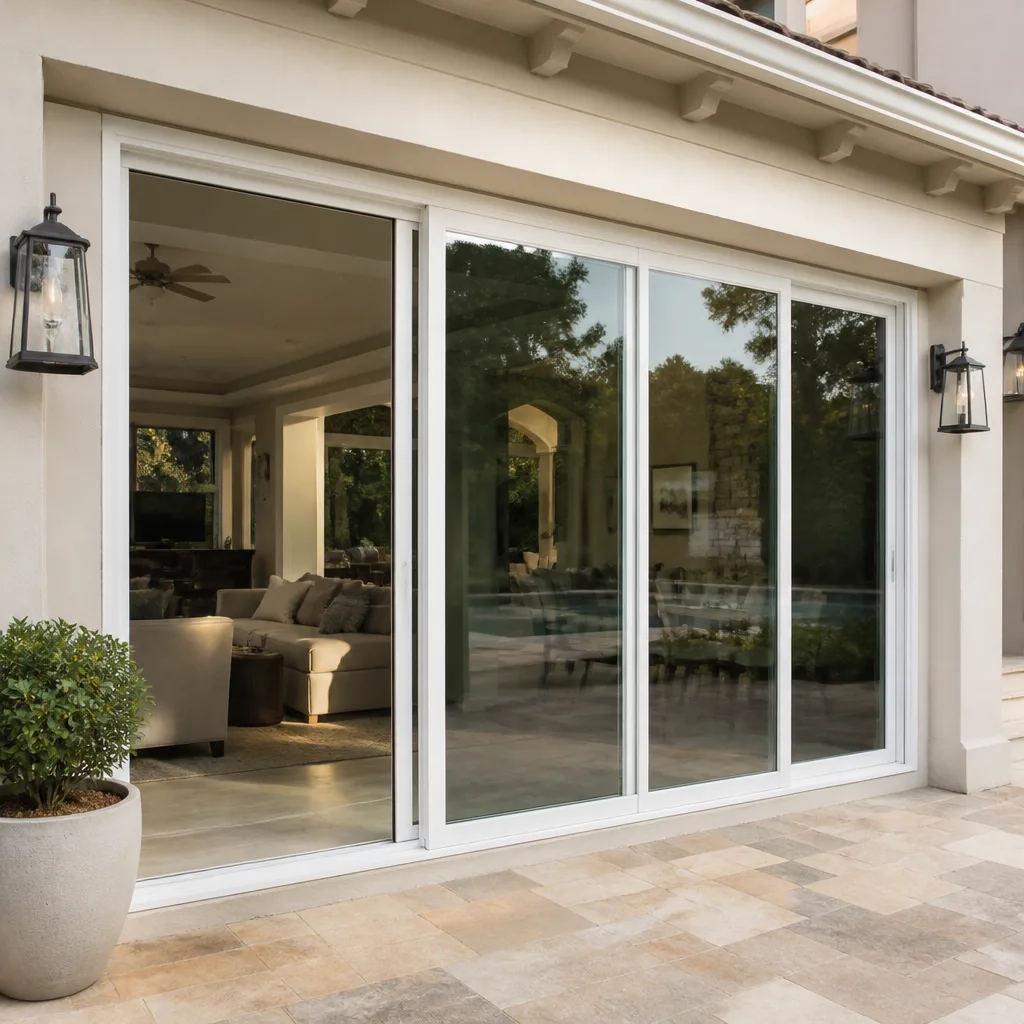
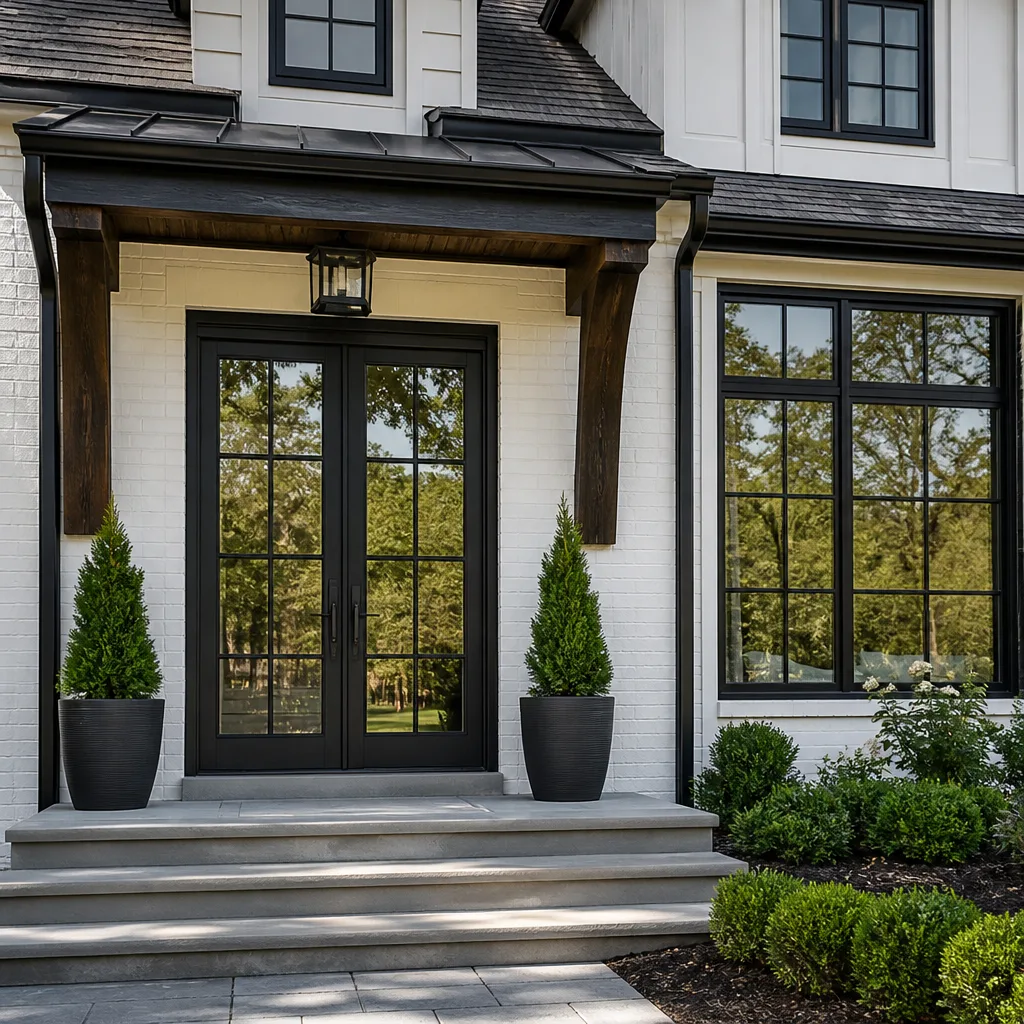
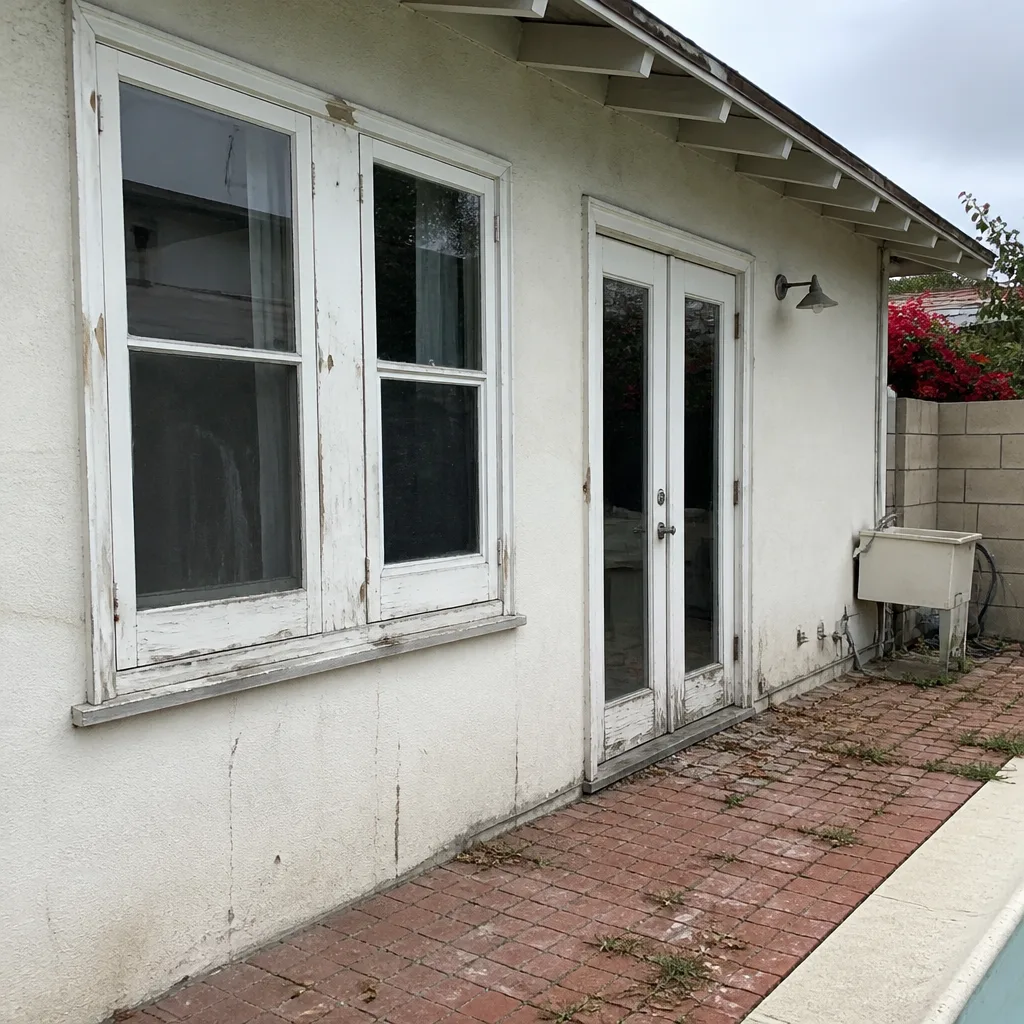 Before
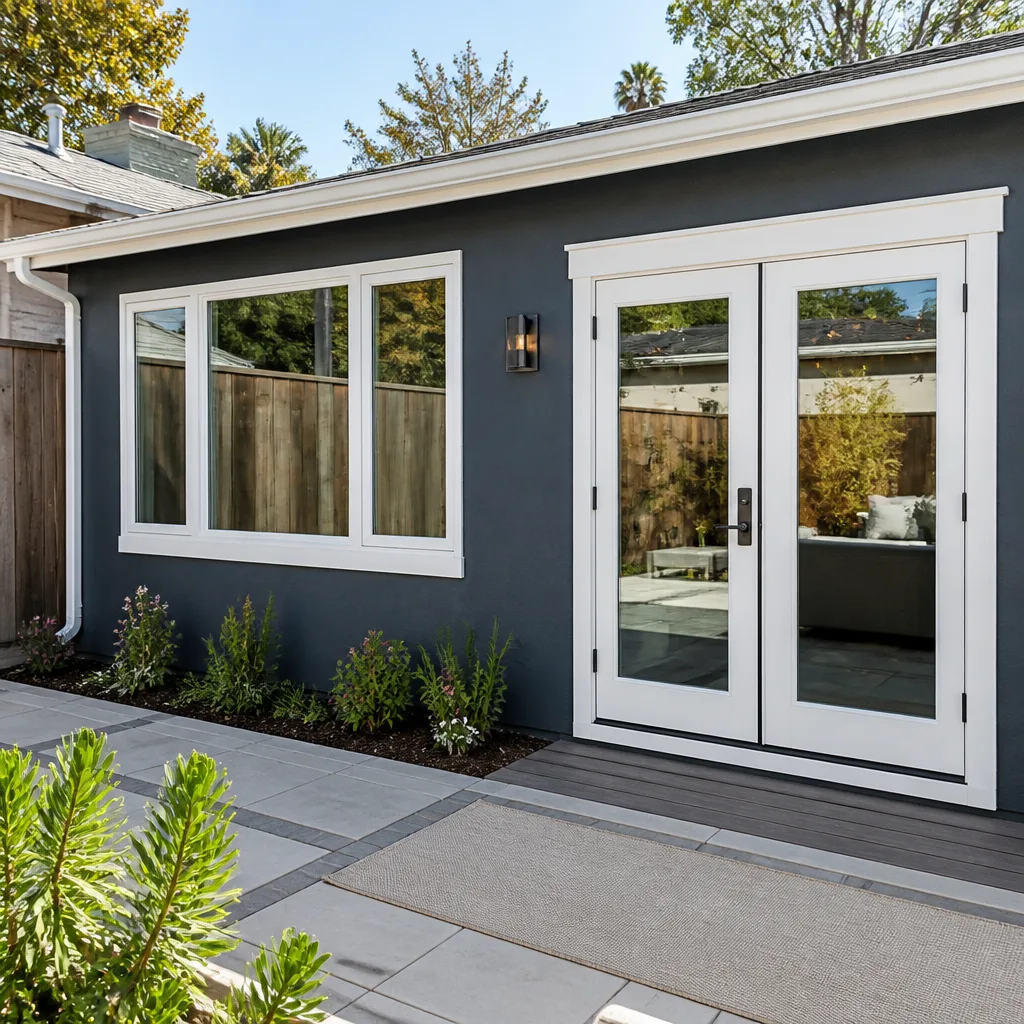 After
After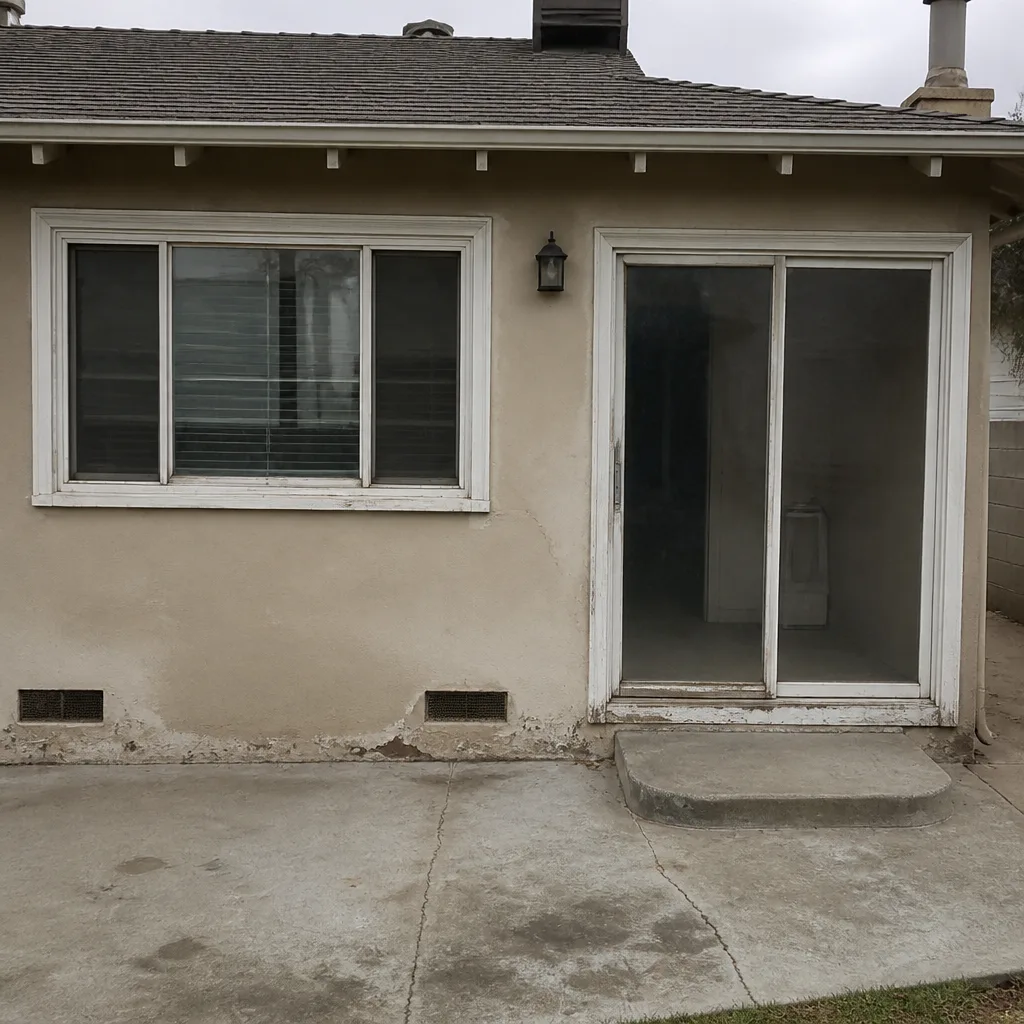 Before
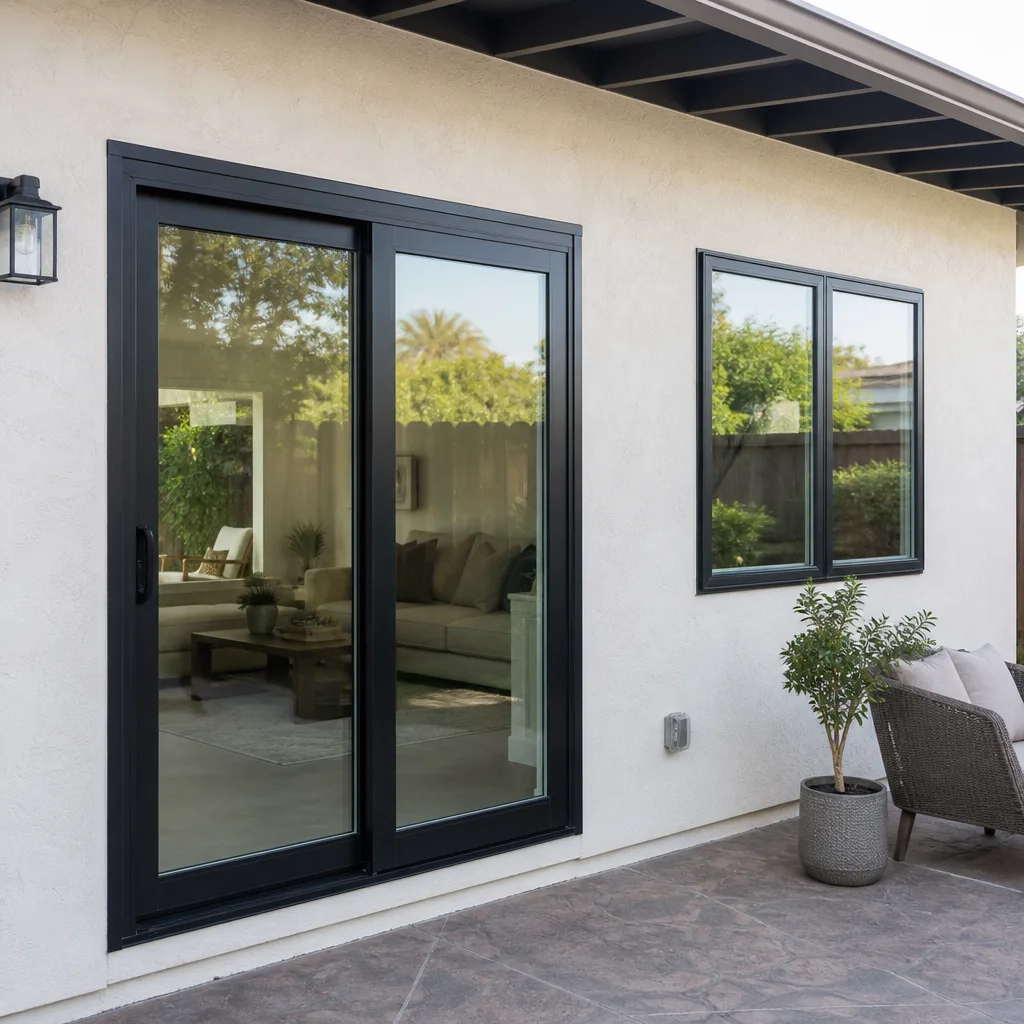 After
After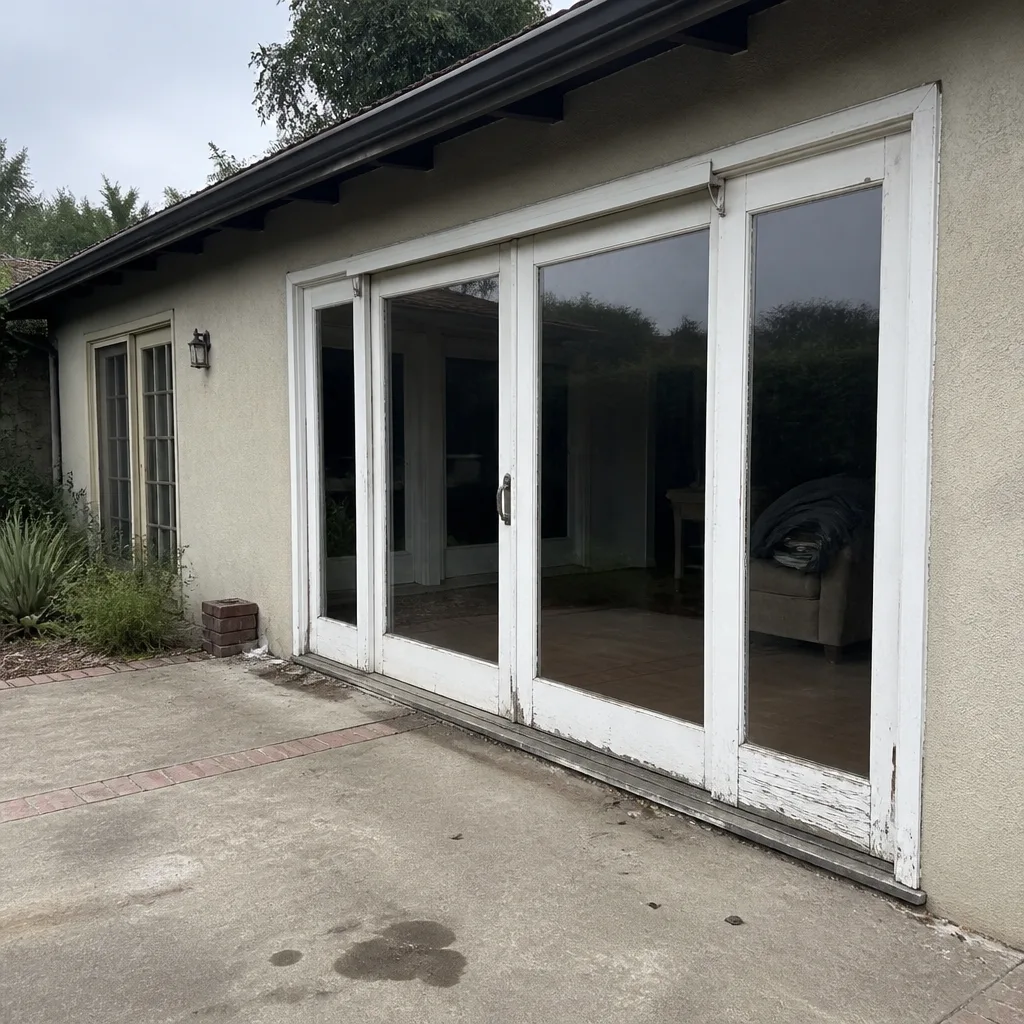 Before
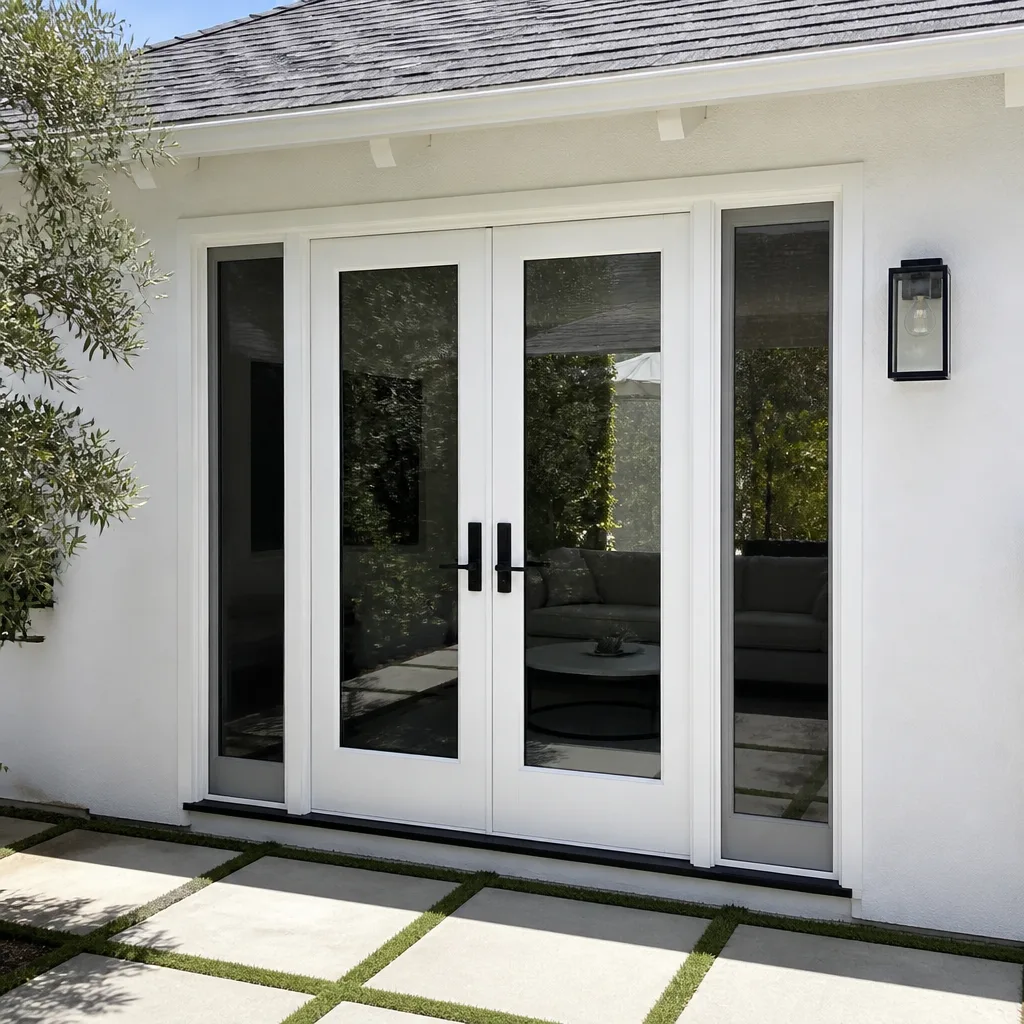 After
AfterBest Windows for Energy Efficiency
The most energy-efficient windows available today combine low-emissivity (low-E) glass coatings, insulated frames, and tight weatherseals to keep conditioned air inside and outdoor temperatures outside. If your existing windows are more than 15 years old, single-pane, or drafty to the touch, replacing them with a properly spec’d double- or triple-pane unit is almost always the highest-impact upgrade a homeowner can make for comfort and energy bills. The right choice depends on your climate, your frame type, and what you’re actually trying to solve.
Energy efficiency in a window isn’t one feature – it’s a stack of them working together. The glass package (how many panes, what gas fill, what coating), the frame material, the spacer between panes, and the installation itself all contribute. A high-performance glass unit installed sloppily still bleeds energy at the edges. And a window spec’d for a mild coastal climate won’t perform the same way in a place with brutal summers or hard winters. Getting this right means matching the product to the conditions, not just grabbing whatever’s on a showroom floor.
Why It Happens
Single-Pane or Outdated Glass
Single-pane glass has essentially no insulating value. Heat moves straight through it in both directions, and there’s nothing to slow it down. If you press your hand close to the glass on a hot afternoon or a cold night and feel the outdoor temperature radiating through before you even make contact, that’s a single-pane or failed double-pane unit. Homes built before the mid-1990s are especially likely to still be running on original single-pane aluminum-frame windows.
Failed Insulated Glass Units (Seal Failure)
Double- and triple-pane windows are filled with argon or krypton gas between the panes. When the perimeter seal fails, that gas escapes and gets replaced by humid air. You’ll see it as permanent fogging, condensation, or a cloudy film between the panes that doesn’t wipe off from either side. Once the seal goes, the insulating value of that unit drops significantly – sometimes close to single-pane performance – and the only fix is replacing the glass unit or the whole window.
Worn or Missing Weatherstripping
Even a high-performance window leaks energy if the weatherstrip around the operable sash has cracked, compressed, or torn away. Run your hand slowly around the perimeter of a closed, locked window on a windy day. If you feel air movement – even faint – the weatherstrip is compromised. This is one of the cheaper problems to address, but it’s often overlooked because homeowners assume the glass is the only variable that matters.
Frame Material and Thermal Bridging
Aluminum frames conduct heat and cold efficiently – which is exactly the wrong property in a window frame. If your frames are aluminum with no thermal break (an internal barrier that interrupts the conductive path), they act like a radiator in summer and a heat sink in winter, no matter what glass is in them. Vinyl, fiberglass, and composite frames don’t have this problem because the material itself doesn’t conduct temperature well. If you notice condensation forming on the frame rather than the glass, the frame is likely conducting outdoor temperatures straight to your interior air.
What to Do Right Now
- Do a draft check before anything else. On a windy day, hold a lit incense stick or a thin piece of tissue near the perimeter of each window – corners, sash edges, where the frame meets the wall. Any movement tells you where the air path is. Photograph it on your phone so you have a record to show a technician.
- Look between the panes, not at them. If you have double-pane windows, look at the glass from an angle in natural light. Cloudiness or a hazy film sitting between the panes (not on the surface) means a failed seal. Note which windows show this – it’s rarely every unit in the house at once.
- Check your window labels. Many windows manufactured after the mid-2000s carry a small sticker or etched mark with NFRC ratings – U-factor and Solar Heat Gain Coefficient (SHGC). A U-factor above 0.30 and an SHGC that doesn’t match your climate is a starting point for understanding why a window underperforms.
- Don’t apply films or caulk over a failed seal. Window film and perimeter caulk address different problems. Caulk on the outside won’t fix fogging between panes, and film won’t stop a draft coming through a worn sash seal. These are fine temporary measures for minor air infiltration at the wall joint, but they don’t substitute for replacing a failed unit.
- Write down the frame material, rough opening size, and approximate age for each problem window before you call. A technician can work faster and give you a more accurate written estimate when they’re not starting from zero on every unit.
How We Fix It
When your local Meridian Windows and Doors team arrives, the technician walks the home window by window – measuring rough openings, checking frame condition, noting glass performance ratings where visible, and identifying which units are actually failing versus which ones just need weatherstrip or hardware. From there, you get a written price before any work starts. That’s not a courtesy – it’s how every Meridian job runs, no exceptions.
Depending on what the inspection finds, the path forward is usually window replacement – removing the existing unit down to the opening and installing a new window from one of our eight manufacturer lines: PGT, CGI, CWS, ES Windows, ECO Window Systems, Mr-Glass, Therma-Tru, or ViewLux. Having eight lines matters here because energy performance specs vary by product and by climate. The right low-E coating and gas fill for one region isn’t the right spec for another. We match the product to the conditions, not the other way around.
Most single-window replacements are completed in a day. The job is covered by the 365-Day Done Right Promise – written, full year, no fine print carving out labor. If something fails in that period, we come back and make it right at no charge.
Frequently Asked Questions
The two numbers that matter most are U-factor (how fast heat transfers through the whole window) and Solar Heat Gain Coefficient (how much solar heat the glass lets in). Lower U-factor is better in almost every climate. SHGC preference depends on where you live – in a hot climate you generally want a lower SHGC to block heat gain; in a cold climate a higher SHGC on south-facing windows can work in your favor. Low-E coatings, argon or krypton gas fill, warm-edge spacers, and non-conductive frames all contribute to better numbers in both categories. Your local Meridian team will spec the right combination for your conditions and put the price in writing before anything is ordered.
Failed seals and drafty windows won’t cause a safety emergency, but they do cost you money on every utility bill until they’re replaced. The longer a failed seal sits, the more moisture can work into the frame or surrounding wall assembly, which can eventually create a more expensive repair. If you’re already noticing condensation between panes or feeling drafts near locked windows, getting a written estimate now costs you nothing and gives you a clear number to plan around. Call (817) 686-2228 – a live person picks up around the clock.
Yes, and that’s the only way we do it. Meridian Windows and Doors puts every price in writing before any work starts – that’s a firm company policy, not a promotional offer. Your local team will inspect the windows, spec the right products, and hand you a written estimate. The price on that paper is the price. It doesn’t move when the crew shows up. Call (817) 686-2228 to schedule your free written estimate.
Most single-window replacements take a few hours per unit once the job is scheduled. A full-home replacement on a typical house is usually completed in one to two days depending on the number of windows and any condition issues found in the rough openings. Your local Meridian team will give you a realistic job timeline along with the written price – before any work starts, always.
Get It Fixed
Call (817) 686-2228 – a live person answers around the clock, every day of the year. Your local Meridian Windows and Doors team will inspect your windows, spec the right product for your conditions, and put the price in writing before a single thing gets ordered. No voicemail, no callbacks the next business day, no price surprises at the door.
Written by Elliot Vance, Owner at Meridian Windows and Doors, part of the Garrison Partners family since 2009.
What Our Customers Say
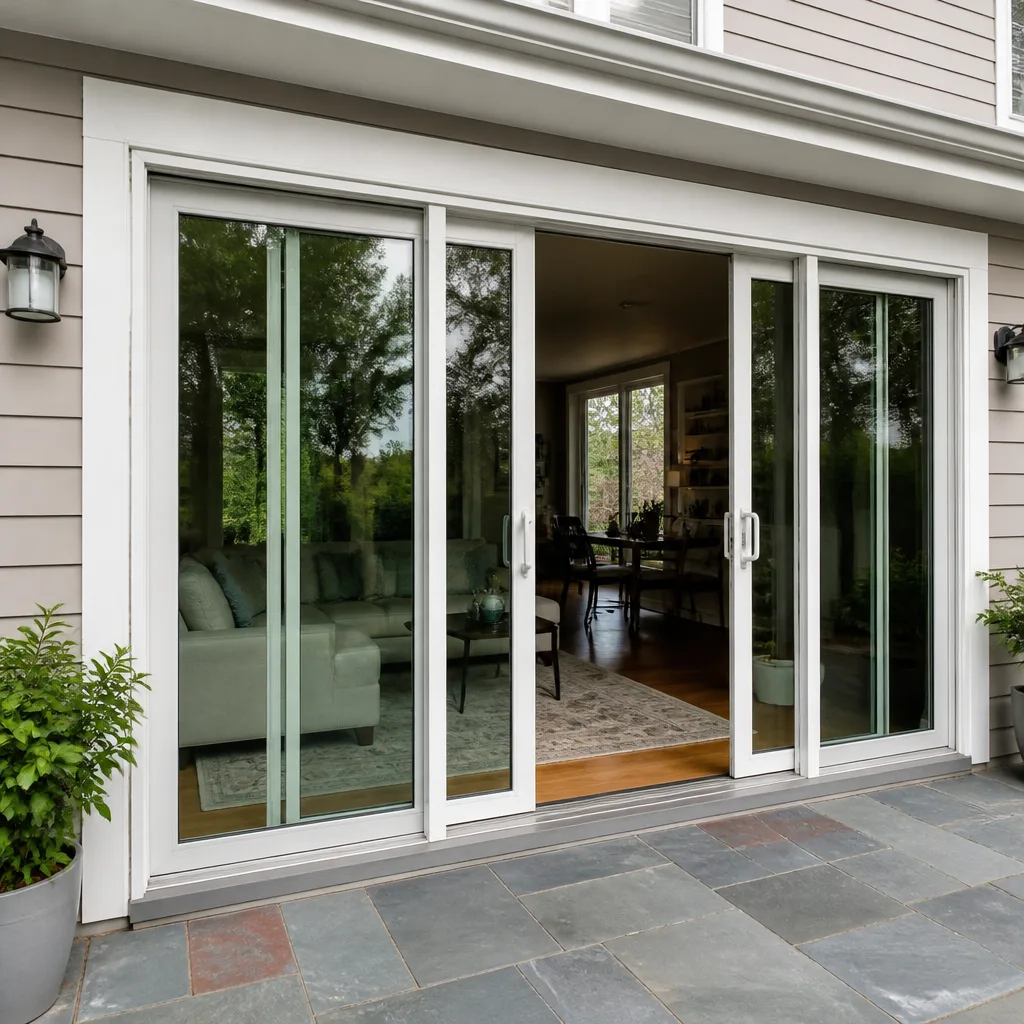
"Patio door replacement. Smooth sliding and a tight seal. Old door hauled away."
- Lena C."Solid install. Scheduling slid by a few days because of weather."
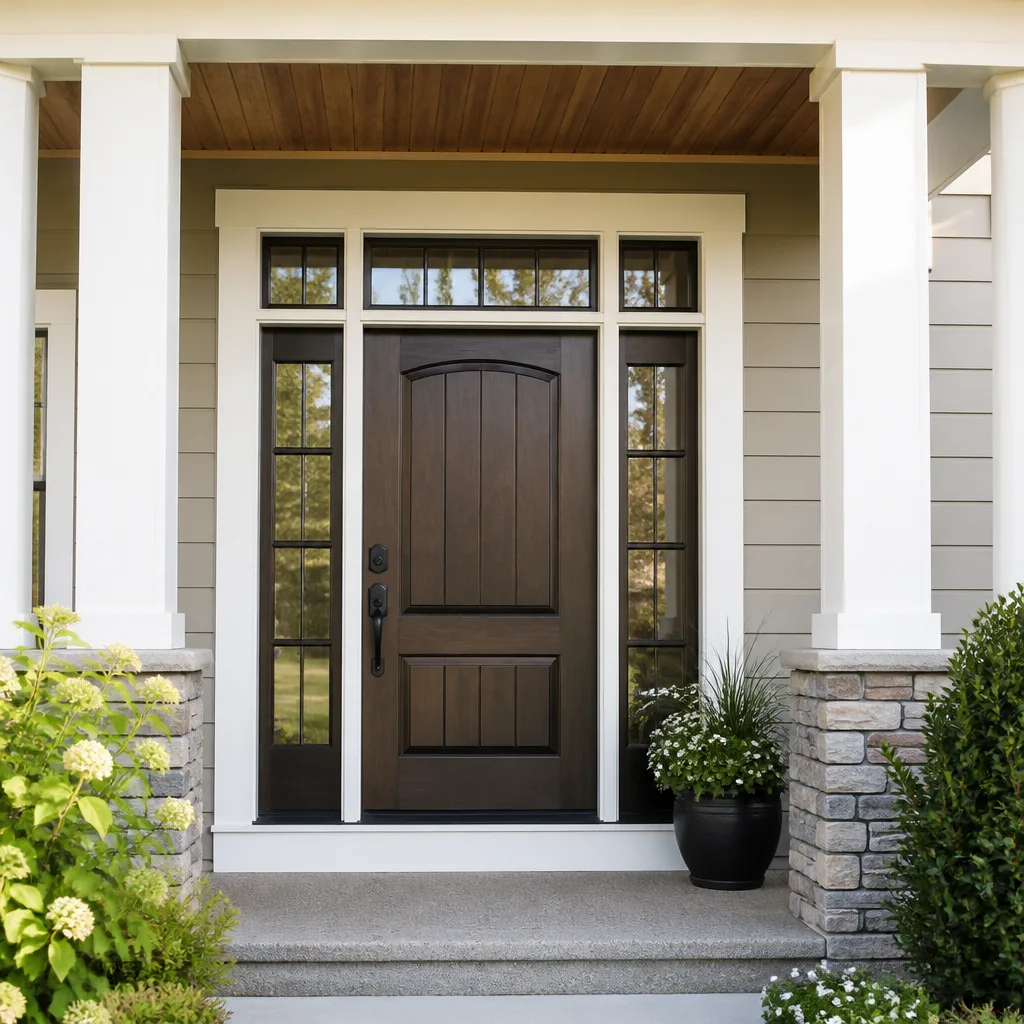
- Mona H."Front door and sidelights replaced. Weatherstripped and foamed properly. No more drafts."
- Brett A.